Skip to content
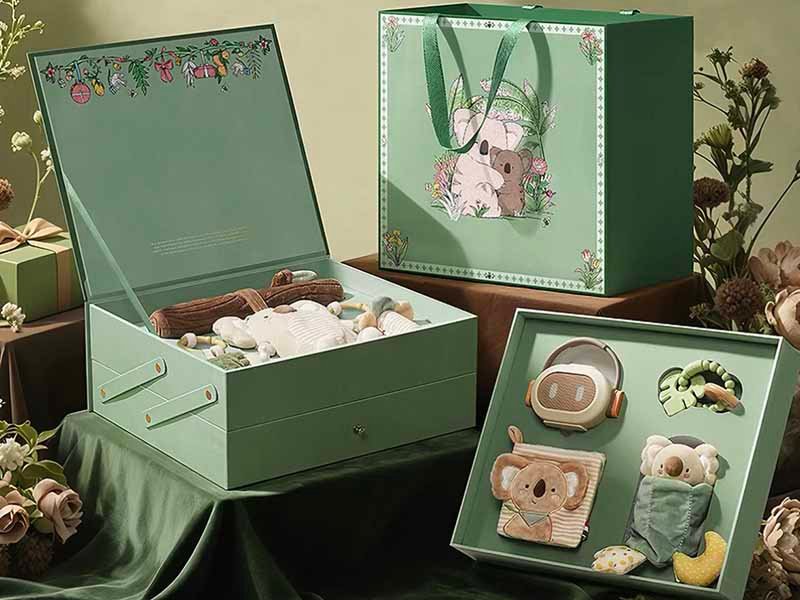
A plush toy may be soft, carefully sewn, close to the approved artwork, and ready for retail. Still, weak packaging can make the whole product feel cheaper than it really is. Packaging is the first part people see before they touch the plush. In a toy store, gift shop, museum store, Amazon product image, TikTok unboxing video, or retail display wall, packaging decides whether the plush looks collectible, giftable, safe, premium, playful, or forgettable. For soft toys, packaging is not only decoration. It controls face visibility, product posture, dust protection, barcode position, age label, warning text, carton loading, freight volume, and the condition of the plush after long-distance shipping.
Attractive plush toy packaging should match the toy’s size, character style, fabric texture, target age group, sales channel, safety requirements, and price position. Strong packaging helps the plush stand out, protects its shape, improves gift value, supports private label branding, and makes retail or online selling easier.
Many plush projects only discuss packaging after the sample is approved. That timing often creates problems. The box may be too shallow. The face may press against the transparent window. The hangtag may cover the best product angle. The barcode may sit on a curved area and fail scanning. The gift box may look beautiful but increase shipping volume by 30–60%. Good packaging should be planned while the plush sample is still being developed, especially for custom, private label, OEM, and ODM plush programs.
What Makes Plush Packaging Attractive?

Attractive plush packaging makes the toy easier to notice, understand, trust, and buy. A good package shows the plush face clearly, reflects the character style, communicates softness, carries required information, supports gift giving, and protects the toy during shipping. For plush products, the package should make the toy feel more valuable without hiding the toy itself.
Packaging should not compete with the plush. The plush is the main product. The package should frame it, explain it, protect it, and increase its perceived value. A beautiful box with poor product visibility can hurt sales. A cheap polybag with a strong hangtag may work well for low-cost promotional toys. A window box may be ideal for licensed character plush but unnecessary for bulk giveaway plush. A rigid gift box may help premium holiday plush but may be too expensive for a low-margin retail program.
For plush toys, packaging attractiveness usually comes from five areas:
Clear character visibility
Strong brand recognition
Soft and friendly visual style
Practical retail or online display
Trust-building labels and details
A package should help customers answer several questions quickly:
What is the character?
How big is the plush?
Does it look soft?
Is it suitable for the intended age group?
Is it a gift product or a daily-use toy?
Does the brand look professional?
Can the product be scanned, displayed, shipped, and stored easily?
Plush products are different from hard toys because they are soft, filled, and often irregular in shape. They may lean inside a box, compress under pressure, or shift during transit. Long-pile fabric may flatten if pressed too tightly. A plush with a large head may need inner support. A mascot plush may need a front-facing display angle. A baby plush may need clean packaging with clear age and care information rather than noisy graphics.
Delsney reviews packaging together with the plush product, not separately. The team checks plush size, face direction, fabric pile, filling rebound, hangtag position, box depth, window opening, barcode area, label layout, carton quantity, and shipping method before mass production. For high-requirement projects, packaging and plush samples should be checked together, because a plush that looks good outside the box may not look good inside the final package.
| Packaging Goal | Better Design Direction | Suitable Plush Project | Main Risk to Avoid |
|---|---|---|---|
| Show softness | Large visible plush area, soft colors, fabric texture callout | Baby plush, comfort plush, cuddle toys | Package hides fabric texture |
| Improve shelf appeal | Front-facing display, clear character name, stable box shape | Retail mascot plush, IP plush | Plush rotates or slumps inside box |
| Increase gift value | Rigid box, ribbon, story card, premium paper finish | Holiday plush, corporate gifts, collector plush | High freight volume and box damage |
| Control cost | Polybag, hangtag, simple label, compact carton packing | Event plush, promotional plush | Product looks too basic for retail |
| Support e-commerce | Mailer box, barcode area, dust protection, anti-deformation packing | Amazon, Shopify, influencer plush | Poor unboxing and return damage |
| Build collectibility | Series number, character card, uniform package system | Blind box plush, IP series | SKU confusion and inconsistent artwork |
What catches attention first?
The first thing people notice is usually the plush face, package color, character name, or box shape. For plush toys, the face is the strongest selling point because the product carries emotion. If the package hides the eyes, covers the mouth, blocks the body shape, or shows the toy from a weak angle, the product loses charm before anyone picks it up.
A strong first impression usually includes:
Face visible from the front
Product name readable within 1–2 seconds
Brand logo placed clearly but not too large
Package color supporting the plush color
Simple front layout with enough blank space
Window shape framing the best part of the toy
Age label and barcode placed away from the main visual area
Product size easy to understand from the package
No crowded icons or excessive claims
Clean printing without color noise
For a 25–30 cm mascot plush, the package should show the head, chest, and key character details. For a small keychain plush, a header card may be enough if the toy hangs neatly. For a premium animal plush, the package may need an open-front box or wide window to show fur texture.
A common mistake is designing the package before checking the real plush sample. Digital artwork may show a perfect character position, but the actual plush may have a larger head, thicker body, longer ears, or softer posture. Delsney can review sample size and product angle before box artwork is finalized, helping customers avoid packaging that looks good on screen but fails around the real toy.
How does packaging show softness?
Packaging shows softness by letting customers see texture, shape, and fullness. Since shoppers cannot always touch the toy before purchase, the package must create a visual sense of softness. Large windows, soft color palettes, round graphic elements, close-up fabric photos, matte paper finishes, and short material notes can all help.
Useful softness signals include:
Visible face and belly fabric
Window area showing pile or surface texture
Soft background colors such as cream, pastel blue, warm beige, blush pink, or light green
Rounded patterns instead of sharp industrial graphics
Short text such as “soft minky plush,” “smooth cuddle fabric,” or “gentle plush texture”
Product photo showing hugging scale
Open-front box for premium soft toys
Uncompressed toy posture inside package
Clean inner support keeping the plush full
Soft-touch matte lamination for gift boxes
Softness should not be exaggerated. If the package says “ultra-soft” but the plush uses thin low-density fabric, customers will feel the gap immediately. Good packaging language should match the actual material. A minky baby plush can highlight smooth hand feel. A faux fur animal plush can highlight fluffy texture. A weighted plush can highlight comforting pressure if market claims are carefully reviewed.
Packaging also affects softness after shipping. If a plush is squeezed into a shallow box, the surface may flatten. If vacuum packing is used for a product with long-pile faux fur, the fur may need recovery time or brushing. Delsney checks package depth and carton pressure because soft toys need space to keep their friendly shape.
How do colors affect appeal?
Color affects emotion, age perception, gift value, and shelf visibility. Plush packaging should not simply use bright colors. It should use the right colors for the product type, audience, and sales channel. A baby plush may need calm and gentle packaging. A cartoon mascot may need clear contrast and strong recognition. A holiday plush may need seasonal colors. A premium collectible plush may need fewer colors and more refined finishing.
Color planning should include:
Main plush color
Brand color system
Character personality
Target age group
Retail shelf background
Online image style
Seasonal campaign theme
Cultural market differences
Printing method
Color consistency between fabric and paper
Series packaging system
A pale plush inside a pale box can disappear visually. A dark plush inside a dark box may lose body outline. A colorful character may need a cleaner package background. A simple white or kraft box may look premium for lifestyle plush but may feel too quiet for children’s retail shelves.
Paper printing and plush fabric do not show color in the same way. Plush pile reflects light differently depending on direction. A pink minky plush and a printed pink box may look mismatched even when both are based on the same color reference. For strict private label or IP projects, Delsney can help compare plush fabric swatches, embroidery thread, printed box proofs, hangtag colors, and label colors before final production.
Color also helps SKU management. If a series has six characters, each box can use a different accent color while keeping the same structure. That makes retail display cleaner and helps collectors recognize the full line.
How does storytelling help?
Storytelling gives the plush a reason to be remembered. A plush toy may be a bear, bunny, dinosaur, mascot, or fantasy character, but packaging can make it feel like part of a world. A name, short personality line, character card, mission note, adoption card, collection map, or QR code can turn a simple toy into a stronger product experience.
Effective storytelling ideas include:
Character name
Short personality sentence
Birth date or adoption date
Collection card
Friendship message
Short origin story
Small illustration of the character world
QR code linking to video, website, or care guide
Series number
Collector checklist
Gift message card
Care note written in a warm tone
Packaging story should stay short. Customers do not want to read a long paragraph on a small box. One or two lines can be enough. For example, “Milo keeps tiny worries away with sleepy hugs” feels more personal than a long product description. For IP plush, story details should follow approved brand guidelines. For corporate mascot plush, the package can include brand values, event message, or campaign slogan.
Delsney can help develop packaging around plush identity. When the toy expression, fabric, clothing, hangtag, story card, and box artwork use the same direction, the product feels complete. That matters for high-end gift programs, influencer merchandise, museum shop plush, brand mascots, and collectible character series.
How does packaging create gift value?
Gift value means the plush feels ready to give, not only ready to ship. A plush in a plain polybag may be acceptable for bulk distribution, but a plush in a gift box, window box, drawstring pouch, or ribbon package feels more intentional. Gift packaging can make customers feel that the product is worth a higher retail price.
Gift packaging can include:
Rigid box
Window gift box
Drawer-style box
Magnetic closure box
Ribbon or handle
Tissue paper
Story card
Greeting card
Thank-you card
Reusable fabric pouch
Embossed logo
Foil stamping
Spot UV logo
Soft-touch matte finish
Inner tray or paper support
Gift value should be balanced with shipping reality. A rigid box may look premium but can increase freight volume by 30–80% depending on plush size and box structure. A large window box may look beautiful but may need stronger cartons to prevent crushed corners. A fabric pouch adds reusable value but also requires sewing, material sourcing, and extra QC.
Delsney helps customers choose gift packaging based on product value, retail price, sales channel, and shipping plan. For corporate gifts, high-end IP plush, baby gift sets, holiday plush, and limited-edition plush, premium packaging can be a strong investment. For price-sensitive giveaway plush, a clean hangtag and compact polybag may be smarter.
Which Packaging Types Work Best?

The best packaging type depends on plush size, retail price, sales channel, display need, safety labels, shipment method, and budget. Polybags and hangtags help control cost. Window boxes improve product visibility. Gift boxes raise perceived value. Mailer boxes support e-commerce. Display boxes work well for small retail series.
Packaging should be selected according to how the plush will be sold and handled. A plush sold in a physical toy store needs shelf visibility. A plush shipped by e-commerce needs protection and clean unboxing. A baby plush needs simple, trustworthy packaging with clear care and safety information. A promotional plush needs cost control and fast handling. A collector plush needs storytelling and display value.
No package works for every plush toy. A large rigid box may look premium but become expensive to ship. A polybag may save cost but may look weak for a retail gift product. A window box may increase shelf appeal but may not suit plush toys with odd body shapes. A header card may work for a 10 cm keychain plush but not for a 35 cm stuffed animal.
Delsney usually reviews packaging in relation to sample size, fabric texture, filling rebound, product posture, order quantity, and sales channel. For customers planning private label or OEM/ODM plush programs, packaging should be confirmed before bulk production starts. Late packaging decisions can delay box printing, barcode confirmation, carton calculation, and final shipment.
| Packaging Type | Best For | Visual Value | Approx. Cost Level | MOQ Sensitivity | Main Concern |
|---|---|---|---|---|---|
| Polybag | Bulk plush, low-cost gifts, storage protection | Low | Low | Low | Limited retail appeal |
| Polybag + Hangtag | Basic private label plush, event plush | Low-medium | Low | Low | Hangtag must carry brand value |
| Header Card | Small plush, keychain plush, checkout display | Medium | Low-medium | Medium | Hanging strength and product angle |
| Color Box | Retail plush, gift plush, shelf display | High | Medium | Medium | Box size and artwork approval |
| Window Box | IP plush, mascot plush, premium retail plush | Very high | Medium-high | Medium-high | Window pressure and depth |
| Rigid Gift Box | Premium plush, holiday sets, corporate gifts | Very high | High | High | Freight volume and corner protection |
| Display Box | Mini plush series, blind-box display, shelf tray | High | Medium-high | Medium-high | SKU arrangement and shelf space |
| Mailer Box | Amazon, Shopify, direct shipping | Medium-high | Medium | Medium | Drop protection and barcode area |
| Reusable Fabric Bag | Eco gifts, premium plush, baby gift sets | High | Medium-high | Medium-high | Sewing cost and material selection |
| Blind Box | Mystery plush, IP series, collectible toys | Very high | Medium-high | High | Series control and code management |
Which packaging suits retail?
Retail packaging should help the plush stand, hang, scan, display, and sell. Window boxes, color boxes, header cards, display trays, hangtags, and shelf-ready cartons are common retail options. The package must make the toy visible while carrying product name, brand logo, age label, safety information, barcode, SKU, and other sales details.
Retail packaging should answer practical store needs:
Can the product stand upright?
Can it hang securely?
Can the barcode be scanned quickly?
Can the shopper see the face?
Can the package survive shelf handling?
Can staff restock it easily?
Does the carton match shelf quantity?
Can the design work across multiple SKUs?
Does the front panel show the strongest product angle?
For mascot plush and character plush, a window box often works well because the face and body can be displayed clearly. For small plush or keychains, a header card and hanging hole may be more efficient. For mini plush collections, display boxes can hold multiple units neatly and encourage customers to collect more than one.
Retail packaging needs structure. A box that looks good in photos may collapse when stacked. A hangtag may tear if the toy is too heavy. A wide box may take too much shelf space. Delsney can help review package size, carton quantity, hanging method, barcode location, and inner support before mass production.
Is a window box better?
A window box is better when product visibility is important. It allows customers to see the plush face, fabric, size, color, and character details before purchase. Window boxes are often used for IP plush, mascot plush, baby gift plush, premium animal plush, and retail shelf products.
A good window box should show the strongest part of the plush, usually the face and upper body. The window should be large enough to display the toy but not so large that the box loses strength. The window material should resist scratching and stay clear after packing and transit. Box depth should allow the plush to sit naturally without pressing against the transparent film.
Window box planning should check:
Plush face position
Window size
Window material thickness
Box depth
Product fixing method
Air gap between plush and window
Barcode area
Warning label area
Retail shelf angle
Carton loading pressure
Corner protection
Opening method
A window box is not always the best option. It costs more than a polybag, increases material complexity, and may increase carton volume. For low-cost promotional plush, a window box may not be necessary. For premium retail plush, the extra cost may be worthwhile because customers can see the product clearly.
Delsney can build packaging dimensions around the approved plush sample. That matters because soft toys are not precise cubes. Ears, tails, hats, wings, clothes, and round heads can change box requirements.
Are hangtags enough?
Hangtags can be enough for simple plush products, event giveaways, small stuffed animals, plush keychains, low-cost retail items, and basic private label orders. A strong hangtag can carry brand identity, product name, barcode, age information, care notes, safety text, and a short story without adding much packaging cost.
Hangtags are useful when:
The plush itself is visually strong
Cost control is important
Retail display does not require a box
The toy is small or medium-sized
Packaging weight must stay low
The sales channel accepts simple packaging
Fast production is needed
The product is part of a larger gift bundle
Hangtags may not be enough when the plush needs premium gift value, stronger shelf display, added protection, or more storytelling. A 40 cm collector plush with only a small hangtag may look unfinished. A baby plush may need clearer safety and care details. A retail chain may request specific barcode, label, or display requirements.
Hangtag quality matters. Thin paper can tear during shipping. Small tags may not fit barcode and warning text. Poor string placement can cover the plush face. Delsney can help customize hangtag size, paper thickness, hole location, string type, barcode area, and label content so the tag supports the plush instead of becoming an afterthought.
When should brands use gift boxes?
Gift boxes should be used when the plush needs a higher perceived value, stronger presentation, or ready-to-give experience. They are suitable for holiday plush, baby gift sets, corporate gifts, museum shop plush, IP limited editions, influencer merchandise, wedding gifts, event souvenirs, and premium retail programs.
Gift boxes can improve value through:
Rigid paper structure
Magnetic closure
Drawer box design
Window gift box
Ribbon handle
Foil-stamped logo
Embossed brand mark
Soft-touch paper finish
Tissue paper
Greeting card
Story card
Character certificate
Reusable storage box
Gift boxes also bring real cost and logistics pressure. A rigid box usually needs higher MOQ, longer production time, stronger outer cartons, and more storage space. If the plush is large, the box may significantly increase shipping volume. If the box surface has special finishing, artwork approval and sample confirmation may take longer.
Gift boxes make sense when the retail price can absorb packaging cost. They may not make sense for low-cost promotional plush. Delsney helps customers compare product value, packaging cost, shipping volume, and order quantity before choosing gift packaging. The goal is not to use the most expensive package. The goal is to use packaging that makes the plush easier to sell at the intended price.
What packaging works for Amazon?
Amazon plush packaging should protect the toy, keep the product clean, support barcode scanning, and create a good unboxing experience. Common options include polybag packaging, mailer boxes, color boxes, compact gift boxes, and carton-ready protective packaging. For Amazon FBA-style sales, barcode placement, suffocation warning, outer carton marks, SKU control, and packaging durability need early planning.
Amazon packaging should consider:
FNSKU or barcode position
Polybag size and thickness
Warning text when needed
Product name visibility
Dust and moisture protection
Compression risk
Package weight
Carton size
Return handling
Unboxing appearance
Storage efficiency
Main image presentation
Customer review photos
Soft plush products can be compressed to save space in some cases, but compression is not always suitable. Long-pile plush, premium gift plush, and shaped mascot plush may need more space to keep appearance. If a plush arrives flattened, customers may leave poor reviews even when the product recovers later.
Delsney can help plan Amazon-ready packaging together with plush sample confirmation. For sellers using Amazon, Shopify, retail distribution, or multi-channel sales, package design should include barcode area, carton packing, product protection, and customer-facing presentation from the beginning.
How Should Packaging Protect Plush Toys?
Plush toy packaging should protect the toy from deformation, dust, moisture, surface pressure, label damage, box crushing, and poor presentation after shipping. Good protection starts with plush size, filling level, fabric type, body posture, inner support, carton packing, and shipment method. A package should keep the plush clean, shaped, visible, and ready for sale.
Protection is often underestimated in plush toy packaging because plush products are soft and seem less fragile than hard toys. In real export shipping, soft toys can be damaged in quieter ways. The box may not break, but the plush face may arrive pressed flat. Long-pile fabric may lose volume. A large head may tilt inside the box. A hangtag may bend. A gift box corner may crush. A white plush may collect dust or lint. A compressed plush may not recover fast enough for retail display.
Packaging protection should be designed around the product’s weak points. A round plush pillow may tolerate compression better than a mascot with a raised nose, embroidered face, hat, and attached clothing. A faux fur animal may need more space around the surface. A baby plush may need clean dust protection and simple, safe packaging. A high-end gift plush may need a rigid box plus outer carton protection.
Key protection questions should be answered before packaging approval:
Will the plush stand, sit, lie flat, or hang inside the package?
Which part of the plush must stay visually perfect after transit?
Can the face be pressed without leaving marks?
Will long-pile fabric recover after compression?
Does the package protect light-colored fabric from dust?
Can the hangtag survive carton handling?
Can the box corners survive international shipping?
Does the packaging support barcode scanning after arrival?
Will carton packing crush the inner gift boxes?
Can the product be repacked easily after inspection?
Delsney reviews packaging protection together with plush development because plush shape, filling, fabric, and packaging affect each other. For example, if a plush has a heavy head, the box may need an inner paper support or tie-down position. If a toy has long ears, the package should avoid folding them sharply. If a mascot must face forward, inner fixing may be needed. If the package uses a transparent window, box depth should prevent the plush from pushing against the film.
| Protection Issue | Common Cause | Better Packaging Solution |
|---|---|---|
| Flattened face | Box too shallow or carton pressure too high | Increase box depth or add inner support |
| Bent ears or tail | Poor inner space planning | Adjust package shape or fixing position |
| Dust on plush | Open packing or weak polybag | Use clean polybag, tissue, or sealed package |
| Crushed gift box | Weak outer carton or tight stacking | Strengthen carton and adjust case pack |
| Scratched window film | Poor material or direct friction | Use better window material and protective stacking |
| Deformed plush body | Over-compression or poor filling recovery | Limit compression and test recovery |
| Damaged hangtag | Thin paper or exposed tag edge | Use thicker card and safer tag position |
| Barcode unreadable | Curved or wrinkled label area | Place barcode on flat, stable surface |
How do you prevent deformation?
Plush deformation usually happens when the toy is pressed too tightly, fixed at the wrong angle, packed in a shallow box, compressed for too long, or shipped in cartons with poor load distribution. The risk is higher for plush toys with large heads, raised noses, long ears, wings, tails, hats, clothing, or uneven filling. Once the face is flattened or the body loses balance, the product may look lower quality even if sewing is correct.
Deformation prevention starts with product structure. A plush with balanced filling and proper pattern engineering resists pressure better. Packaging then helps maintain that shape during storage and transit. For a seated plush, the box should support the sitting posture. For a standing mascot, the package may need an inner tray, backing card, or tie point. For a soft pillow plush, the package can allow mild compression but should avoid sharp folds.
Practical deformation control methods include:
Confirm plush posture before packaging design
Keep enough space around the face and nose
Avoid folding ears, tails, or accessories sharply
Use paperboard backing for seated or standing plush
Add inner paper tray for premium retail packaging
Use soft ties only when necessary
Avoid placing heavy products above gift boxes
Test carton stacking before shipment
Allow recovery space for fluffy plush
Check sample after 24–48 hours in packaging
Delsney can test packaging around the approved plush sample before bulk production. The team can check whether the toy sits correctly, whether the face stays visible, whether the box depth is enough, and whether the plush recovers after packing pressure.
Should plush toys be compressed?
Plush toys can be compressed in some projects, but compression should be used carefully. It can reduce shipping volume and storage cost, especially for large soft plush, pillow plush, or low-cost bulk orders. However, compression may damage the selling appearance of premium plush, long-pile plush, gift-box plush, mascot plush, or products that need immediate shelf presentation.
Compression works better when:
The plush has simple shape
Fabric has good recovery
Filling rebounds well
No raised nose or hard accessory is present
Product is not in a rigid gift box
Customer accepts recovery time after opening
Shipment cost is a major concern
The toy will not be displayed immediately after unpacking
Compression is risky when:
The plush uses long-pile faux fur
The face has raised structure
The product is premium or collectible
The toy has shaped ears, wings, horns, or tails
The package is for gift presentation
Retail shelves require ready-to-display condition
The plush includes electronic modules or hard parts
Fabric may crease or flatten after pressure
A simple rule works well: use compression only when savings are greater than presentation risk. For online sellers shipping directly to consumers, a flattened plush may lead to poor reviews. For bulk event plush distributed in simple bags, mild compression may be acceptable. Delsney can help customers test compression recovery before confirming packing method.
How do inserts protect shape?
Inserts help hold the plush in the correct position inside the package. They are useful for retail display, window boxes, gift boxes, standing plush, mascot plush, baby gift sets, and premium plush products. Inserts can be made from paperboard, molded pulp, clear plastic, cardboard backing, elastic loops, soft ties, or fabric supports, depending on cost and product needs.
Inserts protect shape by preventing movement. A plush that shifts during shipping may hide its face, bend its ears, or press against the box wall. A well-designed insert keeps the product front-facing and reduces pressure on delicate areas. For window boxes, inserts are especially important because the customer sees the toy through the window before opening.
Common insert options include:
Paperboard backing card
Paper tray
Molded pulp tray
Clear PET tray
Soft fabric band
Elastic loop
Twist tie
Hidden paper support under body
Neck or waist fixing point
Foot support for standing plush
Insert design should avoid damaging the plush. Ties should not leave marks on fabric. Plastic trays should not press into the face. Paper edges should not scratch or stain light-colored plush. For baby plush, insert materials and fixing methods should be reviewed carefully to avoid unsafe loose parts.
Delsney can help select insert structures based on plush size, position, cost target, and sales channel. For many projects, a simple paperboard support is enough. For premium gift plush, a custom inner tray may give better presentation.
How does carton packing matter?
Carton packing has a major effect on final product condition. A beautiful retail box can still arrive damaged if the outer carton is weak, overloaded, poorly sized, or stacked incorrectly. Plush packaging should be planned from inner package to master carton, not only from product to box. Carton size affects freight volume, storage, handling, box corner protection, and delivery condition.
Important carton planning points include:
Units per master carton
Carton dimensions
Carton material strength
Gross weight
Box corner protection
Stacking direction
Retail box orientation
Space between boxes
Moisture protection
Shipping mark layout
Inspection access
Pallet loading when needed
For plush products, carton volume can change quickly. A polybag-packed plush may fit many units per carton. A window box may reduce carton quantity. A rigid gift box may require larger cartons and corner protection. If packaging is confirmed late, carton calculation may need to be redone, affecting shipping cost and delivery plan.
Delsney checks carton packing before shipment so plush products and packaging arrive in sellable condition. For projects shipped by sea, air, express, DAP, DDP, or FBA-style logistics, carton planning should match the transportation method. A carton suitable for factory storage may not be enough for international delivery.
How Does Packaging Affect Cost?

Packaging affects plush toy cost through structure, material, size, printing, MOQ, finishing, inner support, labor, carton loading, and freight volume. A low-cost package can reduce unit price, but weak packaging may lower perceived value or increase damage risk. A premium box can improve selling price, yet it must justify added production and shipping cost.
Packaging cost is not just the price of a box. It affects the whole order. A larger box may increase carton size. More carton volume may raise sea freight or warehouse cost. Special printing may require higher MOQ. A window box may need extra material and assembly. A rigid gift box may require longer production time. A reusable pouch may add sewing and material control. Late artwork changes may delay the whole shipment.
Brands often focus on plush unit cost first and packaging second. That can create pricing surprises. A 25 cm plush in a polybag may fit a lower price range. The same plush in a window box with inner tray, story card, foil logo, and retail-ready carton may move into a very different cost structure. For accurate quotation, packaging should be discussed together with plush fabric, size, filling, embroidery, label, and order quantity.
Delsney helps customers compare packaging by commercial purpose. For example, a simple hangtag may be enough for a promotional plush. A retail IP plush may need a window box. A baby gift set may need a clean gift box with care information. A premium holiday plush may need rigid packaging and a story card. The best packaging is not the cheapest or most expensive option. It is the option that protects margin while supporting the product’s selling price.
| Cost Factor | Why Cost Changes | Cost Impact | Planning Tip |
|---|---|---|---|
| Box size | More paper, larger cartons, higher freight volume | High | Confirm plush size before box design |
| Box structure | Rigid boxes and drawer boxes require more labor | High | Use premium structures only when price supports it |
| Window material | Adds PET film, die-cutting, assembly | Medium-high | Keep window large enough but not oversized |
| Printing colors | More colors and proofing add setup work | Medium | Use clean artwork and fixed brand palette |
| Surface finish | Foil, embossing, spot UV, matte lamination add cost | Medium-high | Reserve finishes for premium SKUs |
| Inner tray | Improves display but adds structure cost | Medium | Use only where posture control matters |
| MOQ | Custom packaging often has minimum print quantity | High | Align packaging MOQ with plush order quantity |
| Late approval | Delays printing, packing, carton calculation | High | Approve packaging before bulk plush completion |
| Carton loading | Fewer units per carton raise logistics cost | High | Test carton plan before mass packing |
What raises packaging cost?
Packaging cost rises when structure becomes more complex, size increases, printing becomes more detailed, surface finishing is added, custom molds or inserts are needed, or order quantity is too low. A basic polybag and hangtag has low cost. A custom window box costs more. A rigid gift box with foil logo, ribbon, inner tray, and story card costs much more.
Main cost-raising elements include:
Large package size
Thick paperboard or rigid board
Window cutout and transparent film
Custom-shaped box
Drawer structure
Magnetic closure
Ribbon or handle
Foil stamping
Embossing or debossing
Spot UV
Soft-touch lamination
Inner tray or molded insert
Multiple printed cards
Low packaging quantity
Frequent artwork revisions
Cost should be linked to retail price. If a plush sells as a premium gift, strong packaging may support a higher price. If the plush is used as a giveaway, expensive packaging may damage margin. Delsney can help customers decide where money should be spent: better plush fabric, stronger embroidery, gift box, story card, or shipping protection.
For many plush projects, packaging value can be improved without overspending. A clean hangtag, good logo placement, strong character name, and neat polybag may work better than a poorly designed box. Good design is not always expensive; poor planning often is.
Does box size affect shipping?
Box size can strongly affect shipping cost because plush products already occupy space. When each plush is placed in an individual color box or gift box, carton quantity may drop. Lower carton quantity means more cartons, larger shipment volume, and higher logistics cost. For ocean shipping, volume is often a major factor. For air or express shipping, both volume and weight matter.
A package that increases product volume by 30–60% can change the full logistics plan. A rigid gift box may look excellent but may reduce units per carton significantly. A window box may need more empty space to protect the plush face. A mailer box may add protection but also increase dimensional weight for e-commerce.
Packaging size planning should check:
Plush maximum height, width, and depth
Space needed around face and accessories
Box wall thickness
Inner tray thickness
Window clearance
Carton loading direction
Units per carton
Carton gross weight
Shipping method
Warehouse storage requirements
Retail shelf size limits
For example, a 30 cm plush in a soft polybag may pack many units per carton. The same plush in a rigid window box may require fewer units per carton and more protective outer packaging. The packaging may improve retail value, but the added freight must be included in pricing.
Delsney can help customers compare packing plans before final approval. Sometimes reducing box depth by 1–2 cm or changing plush posture can improve carton efficiency without hurting presentation.
How does printing affect MOQ?
Printing affects MOQ because custom packaging often requires setup, plates, die-cut tools, color proofing, paper purchasing, and machine scheduling. Simple labels or hangtags may support lower quantities. Custom color boxes, rigid boxes, and printed mailer boxes usually need higher minimum quantities. Special finishes may increase MOQ further.
Printing MOQ is affected by:
Packaging type
Paper material
Box structure
Number of print colors
Special finishing
Die-cut shape
Window design
Supplier setup requirement
Artwork approval process
Color matching standard
Packaging factory schedule
For customers with flexible MOQ plush orders, packaging MOQ can become the hidden limit. A plush order may be acceptable at a lower quantity, but a fully custom box may require a higher print quantity. In that case, customers can consider simpler packaging for the first order and upgrade packaging after sales volume becomes stable.
Practical options for lower-quantity projects include:
Stock-size box with custom sticker
Polybag with custom hangtag
Simple printed label
Universal box with SKU sticker
Digital printed packaging for sample or launch batch
Shared box design across several characters
Same box structure with different character card
Reusable pouch with simple label
Delsney can help align plush MOQ and packaging MOQ. That matters for small brands, pilot orders, market testing, influencer launches, and new IP series. Packaging should support the launch plan rather than forcing unnecessary inventory.
When should packaging be finalized?
Packaging should be finalized after the plush sample size, shape, fabric, filling, and display angle are approved, but before bulk production reaches the final packing stage. If packaging is finalized too early, the box may not fit the final plush. If it is finalized too late, printing, labeling, carton calculation, inspection, and shipment may be delayed.
A better approval sequence usually looks like:
Confirm plush artwork and target size
Create plush sample
Review fabric, shape, embroidery, and filling
Confirm final sample measurements
Choose packaging type
Create packaging dieline or structure
Place barcode, warning, label, and artwork
Make packaging sample or digital proof
Test plush fit inside packaging
Confirm master carton packing
Approve bulk packaging production
Start final packing after plush inspection
Packaging artwork should not wait until bulk plush is finished. Custom boxes, hangtags, labels, and printed inserts may need production time. If barcode, warning text, importer information, or care labels are missing, packaging printing may need revision. Late changes cost more because they affect printing, packing line preparation, and shipping schedule.
For export plush programs, Delsney recommends packaging discussion during sampling. Once the sample is approved, the team can record final measurements and prepare packaging layout. That keeps plush production, packaging printing, and shipment planning moving together.
How does packaging affect lead time?
Packaging can affect lead time as much as the plush sample itself. Simple polybags and hangtags can usually be prepared faster than custom color boxes or rigid gift boxes. Window boxes, molded inserts, special printing, foil stamping, embossing, and custom mailer boxes may add extra approval and production steps.
Lead time is affected by:
Packaging structure
Artwork readiness
Dieline creation
Print proof approval
Material availability
Window film sourcing
Inner tray production
Special finishing
Packaging MOQ
Supplier schedule
Barcode and label confirmation
Revisions after sample fitting
For standard custom plush projects, Delsney can support fast plush sampling in 5–7 days when artwork and materials are clear. More complex plush samples may need 7–15 days. Packaging development should run alongside sample development when launch timing matters. If packaging starts only after plush approval, the overall project may lose one or two extra weeks depending on packaging complexity.
A realistic packaging timeline helps prevent rushed decisions. Rushed packaging often leads to wrong box depth, missing label information, poor barcode position, or weak carton planning. Delsney can help customers prepare packaging requirements early, including logo files, barcode files, label text, warning statements, color references, and retail channel needs.
How can brands control packaging cost?
Packaging cost can be controlled by choosing the right structure, limiting unnecessary finishes, using efficient box sizes, aligning packaging MOQ with plush quantity, and confirming artwork early. Cost control does not mean the package must look cheap. Clean design, smart sizing, and good material selection can make a package look professional without excessive spending.
Useful cost-control methods include:
Use hangtags for simple plush programs
Use stock-size packaging when possible
Avoid oversized boxes
Keep window shapes simple
Use one box structure across multiple SKUs
Add character cards instead of different boxes for every character
Limit foil or embossing to premium products
Use stickers for small launch batches
Confirm barcode and label content early
Test carton quantity before approving box size
Use fabric pouches only when reusable value matters
Avoid late artwork changes
A strong packaging plan usually separates “must-have” from “nice-to-have.” Must-have items may include barcode, warning text, care information, dust protection, and product visibility. Nice-to-have items may include foil stamping, ribbon, magnetic closure, custom tray, or story booklet. Delsney can help customers compare both lists before quotation.
For many private label plush projects, a balanced packaging plan works best: quality plush, neat hangtag, clear label, clean polybag, and efficient carton packing for the first order; upgraded gift box or window box after product demand is proven. That path reduces launch risk while leaving room for future brand upgrades.
What Information Should Packaging Include?

Plush toy packaging should include product identity, brand information, age guidance, safety warnings, care instructions, barcode, SKU, material notes, origin information, batch tracking, and channel-specific labels when required. Good packaging does not only look attractive. It helps customers trust the product, helps retailers scan and manage inventory, and helps export orders move with fewer compliance or labeling problems.
Packaging information should be planned early because it affects artwork layout, box size, hangtag dimensions, label position, and printing approval. Many packaging problems do not come from bad design. They come from missing information. A box may look beautiful, but if the barcode is too small, the warning text is missing, the age label is unclear, or the importer information is not prepared, the package may need reprinting.
For plush toys sold in international markets, packaging information depends on destination country, age group, product type, sales channel, retail requirements, and customer brand rules. A baby plush gift set may need different information from a collectible mascot plush. An Amazon order may need FNSKU labeling. A retail chain may require UPC, carton marks, shelf-ready packaging, and specific label placement. A licensed IP plush may need brand approval for logo, story text, character artwork, and packaging layout.
Useful packaging information usually includes:
Product name
Brand logo
Character name
Product size
Age grade
Safety warning
Care instruction
Material information
Country of origin
Manufacturer or importer information when needed
Barcode, UPC, EAN, SKU, or FNSKU
Batch number or tracking code
Certification mark when applicable
Recycling mark when needed
Website, social media, or QR code
Collection series number
Instruction card when product has special function
Retail price sticker area when requested
The biggest mistake is placing all information randomly. Packaging must still look clean. Important sales messages should stay visible, while technical information should be placed in organized areas. For example, the front panel can show character, brand, and product name. The back panel can include story, care, warning, materials, barcode, and company details. The bottom panel can carry SKU, batch, or carton-related information when suitable.
Delsney can help customers plan packaging information with the plush sample. The team can review hangtag size, label position, barcode area, box panel layout, warning space, care label, and packaging artwork before production. For custom, private label, OEM, and ODM plush projects, early packaging review helps avoid reprinting, shipment delay, and retail listing problems.
| Information Type | Where It Often Appears | Why It Matters |
|---|---|---|
| Product name | Front panel, hangtag | Helps customers understand the item quickly |
| Brand logo | Front panel, side panel, hangtag | Builds recognition and private label value |
| Age grade | Front or back panel | Helps guide safe product use |
| Warning text | Back panel, bottom panel, polybag | Supports safety communication |
| Barcode | Back or bottom flat area | Supports scanning, inventory, retail checkout |
| Care instructions | Hangtag, label, back panel | Reduces after-sales complaints |
| Material notes | Back panel or tag | Builds trust around fabric and filling |
| Country of origin | Back panel, label, hangtag | Often required for import and retail |
| Batch code | Small label or bottom panel | Supports traceability |
| QR code | Back panel or card | Links to story, website, care guide, or campaign |
What labels are needed?
Plush toy packaging labels depend on product type, sales market, age group, and sales channel. Basic plush packaging often needs product name, brand logo, barcode, age information, safety warning, care direction, material details, and country of origin. Some orders may also need importer information, tracking labels, batch codes, certification marks, or retail-specific labels.
Label planning should begin before packaging artwork is finished. If the hangtag is too small, warning text and barcode may not fit. If the barcode is placed on a curved polybag area, scanning may fail. If the care label is hidden under a seam or inside a package, customers may not see it. If country-of-origin information is missing, export or retail handling may become harder.
Common plush packaging labels include:
Brand label
Product label
Age grade label
Warning label
Care label
Material label
Barcode label
FNSKU or SKU label
Batch tracking label
Country-of-origin label
Importer or distributor label when needed
Recycling label when required
Certification or compliance mark when applicable
For private label plush, label quality matters because it represents the brand. A cheap-looking label can reduce perceived value even when the plush itself is well made. Delsney can help customize woven labels, printed labels, hangtags, paper cards, barcode stickers, and packaging labels so the product looks consistent from toy to package.
For better results, customers should provide logo files in AI, EPS, SVG, PDF, or high-resolution format. Barcode files should be clear and tested. Warning text should be reviewed according to destination market and product type. Delsney can reserve proper label space during packaging layout instead of forcing labels into unsuitable positions later.
Do plush toys need warnings?
Plush toys may need warnings depending on age group, product structure, materials, accessories, packaging type, and destination market. Warnings are especially important for products with small parts, removable accessories, plastic bags, batteries, magnets, long cords, weighted filling, heating functions, sound modules, or products not intended for children under a certain age.
Warning text should be clear, readable, and placed where customers can see it before use. For polybags, suffocation warnings may be needed in some cases depending on bag size, market, and channel requirements. For baby or children’s plush, small parts and age-grade language must be reviewed carefully. For plush with electronics, instructions and battery-related information may be needed. For weighted or heatable plush, extra usage instructions may be necessary.
Common warning and safety information may include:
Age warning
Choking hazard warning when relevant
Suffocation warning for some plastic bags
Remove packaging before giving to a child
Keep away from fire
Surface wash only when applicable
Battery warning for sound or light modules
Adult supervision for special-function plush
Do not microwave unless designed for heating
Weighted filling caution when relevant
Small parts warning when accessories are included
Warnings should not be added casually. Over-warning can make packaging look scary, while missing warnings can create risk. The correct approach is to review product structure, intended age group, and target market early.
Delsney can help customers identify packaging areas for warning text and review whether product design needs simpler construction. For example, if a plush is intended for young children, embroidered eyes may be safer than plastic eyes. If a package uses a polybag, the bag material and warning position should be confirmed before mass packing.
Where should barcodes go?
Barcodes should be placed on a flat, clean, easy-to-scan area that does not fold, wrinkle, curve, or sit too close to edges. For plush packaging, barcode placement can be tricky because polybags bend, hangtags swing, and boxes may have windows, curves, or textured finishes. Poor barcode placement can slow retail checkout, warehouse receiving, and Amazon processing.
Good barcode placement should follow several basic rules:
Use a flat surface
Keep enough quiet space around the code
Avoid seams, folds, corners, and curves
Avoid glossy areas with strong reflection when possible
Keep barcode away from window edges
Do not place barcode where hangtag string covers it
Use proper size for retail scanning
Keep SKU, UPC, EAN, or FNSKU separate when needed
Test scan before bulk printing
Place barcode consistently across SKUs
For boxed plush, barcode often works well on the back panel, side panel, or bottom panel. For hangtag plush, barcode can be placed on the back of the tag if space is large enough. For polybag packaging, barcode stickers should be placed on a smooth area, not over wrinkles. For Amazon-ready goods, FNSKU labels should match fulfillment requirements and be easy to scan.
Delsney can help reserve barcode space during package layout. When customers send barcode files early, the factory can check label size, placement, and print clarity before mass production. For multi-SKU plush series, barcode management is especially important because wrong labels can create inventory confusion.
How do care labels build trust?
Care labels build trust by telling customers how to clean and handle the plush correctly. Plush toys are touched often, especially baby plush, comfort toys, travel plush, pillow plush, and children’s stuffed animals. If the product has no care information, customers may wash it incorrectly and blame product quality when shape, fabric, or filling changes.
Care instructions should match the real fabric, filling, accessories, and product structure. A simple short-pile plush may allow gentler cleaning than a plush with sound module, electronic parts, metallic fabric, glued accessories, weighted filling, or long-pile faux fur. Care labels should not promise machine washing unless the product has been developed to handle it.
Care label content may include:
Surface wash only
Hand wash recommendation
Machine wash condition when suitable
Water temperature guidance
Do not bleach
Air dry only
Do not tumble dry
Keep away from fire
Remove electronic module before washing when applicable
Brush gently after drying for long-pile plush
Do not soak weighted or electronic plush
Adult supervision for special-care products
Care labels also help reduce after-sales complaints. A customer who understands how to clean the plush is less likely to damage it. For premium plush, clear care instructions protect the product’s appearance and brand reputation. For baby plush, care information gives parents more confidence.
Delsney can help customers place care labels on the toy, hangtag, packaging, or instruction card. For plush products with special functions, such as weighted plush, scented plush, sound plush, LED plush, or heatable plush, care instructions should be more detailed and easier to find.
Are QR codes useful?
QR codes can be useful when they add real value. For plush packaging, QR codes can link to a product story, animation, brand website, care guide, authenticity page, collection checklist, social media campaign, instruction video, warranty registration, or reorder page. They work especially well for IP plush, collectible plush, influencer merchandise, educational plush, baby gift sets, and campaign plush.
QR codes should not be added only because they look modern. They need a reason. A QR code that leads to an empty website or generic homepage does little. A code that opens a character story, product care video, or full collection page can improve engagement.
Good QR code uses include:
Character story page
Care instruction video
Product registration
Collection checklist
Brand community page
Social media campaign
Authenticity verification
Limited-edition number page
Safety and care details
Retail reorder page
Customer service contact
Sustainability material explanation
QR code placement should be clean and scannable. It should not be too small, too close to folds, or printed on a curved area. For matte packaging, QR codes are usually easier to scan than on highly glossy or textured surfaces.
Delsney can help reserve QR code space on hangtags, story cards, box backs, or inserts. For brands building long-term plush series, QR codes can connect packaging to digital content and repeat purchases.
How Can Delsney Support Packaging?
Delsney supports plush toy packaging through product review, packaging type selection, artwork communication, label planning, sample fitting, private label customization, OEM/ODM production, quality inspection, and shipment coordination. The factory helps match packaging with plush size, fabric, character style, sales channel, safety needs, and cost target before bulk production.
Packaging support works best when it is connected to plush development from the start. A packaging supplier may understand paper boxes, but may not understand how a soft plush body behaves after filling, packing, compression, or shipping. A plush factory with packaging experience can check whether the box fits the real toy, whether the face is visible, whether the tag covers important details, whether the product can be packed efficiently, and whether the package supports the customer’s selling plan.
Delsney has more than 18 years of experience in plush product R&D, design, pattern making, manufacturing, and export service. The company can support custom plush products made from many fabric types and many product forms, including mascot plush, baby plush, IP character plush, animal plush, pillows, weighted plush, scented plush, blind-box plush, promotional plush, and private label plush. Packaging can be developed along with product sampling so the final goods are not only well made, but also ready for retail, gifting, e-commerce, or distribution.
Delsney’s packaging-related support can include:
Packaging type recommendation
Hangtag design support
Custom logo label support
Color box planning
Window box planning
Gift box planning
Mailer box planning
Reusable bag options
Barcode and label area planning
Care label placement
Warning text area planning
Story card and instruction card support
Three-view and 3D reference for packaging layout
Packaging sample fitting
Carton packing review
Pre-shipment inspection communication
OEM/ODM private label support
With fast sampling, flexible MOQ, free design support, and 5–7 day sample development for standard plush projects, Delsney can help customers move from plush idea to sample and packaging direction quickly. For more complex plush or packaging structures, sample timing may depend on fabric, pattern, printing, inner support, and box style.
| Delsney Support Area | What Customers Can Prepare | What Delsney Can Help With |
|---|---|---|
| Plush design | Artwork, sample, technical file | Pattern, sample, three-view, 3D effect |
| Packaging direction | Sales channel, target price, package idea | Packaging type recommendation |
| Private label | Logo, brand colors, label rules | Hangtag, woven label, box artwork support |
| Retail packaging | Barcode, warning text, shelf need | Box layout, window position, display angle |
| E-commerce packaging | FNSKU, shipping method, carton target | Polybag, mailer, carton packing review |
| Gift packaging | Premium goal, event theme, budget | Gift box, card, pouch, tissue, ribbon planning |
| Compliance support | Market, age group, testing needs | Label area and warning placement review |
| Bulk shipment | Quantity, deadline, delivery terms | Packing method, carton planning, inspection |
How does Delsney review packaging?
Delsney reviews packaging by checking the plush product and the package as one complete selling unit. The team looks at product size, body shape, filling level, fabric pile, face direction, accessories, hangtag position, packaging structure, barcode space, label area, carton loading, and shipping method. The goal is to avoid packaging that looks good in artwork but fails with the real plush sample.
A packaging review may include:
Measure approved plush sample
Check widest and tallest points
Review face and best display angle
Check whether ears, tail, wings, or accessories need space
Confirm whether the plush should sit, stand, hang, or lie flat
Review box depth and window position
Check hangtag size and placement
Reserve barcode and warning space
Review inner support if needed
Test plush fit inside package
Check carton quantity and packing direction
Review risk of compression, dust, or deformation
Delsney’s production experience helps customers avoid common packaging problems. For example, a plush face should not press tightly against a window film. A hangtag should not cover embroidered eyes. A gift box should not be too large for carton efficiency. A barcode should not sit on a folded polybag area. A white plush should have dust protection.
Packaging review is especially valuable for high-requirement brand projects, because small mistakes can delay shipment or reduce retail presentation.
Can Delsney design packaging artwork?
Delsney can support packaging artwork communication for custom plush projects, especially when customers need private label packaging, custom hangtags, story cards, woven labels, color boxes, gift boxes, or retail packaging. Customers can provide logo files, color references, character artwork, barcode files, warning text, care information, and packaging inspiration. Delsney can help organize those elements into production-ready packaging communication.
Professional packaging artwork usually needs:
Logo in vector format
Brand color references
Product name
Character name
Barcode file
Age label
Warning text
Care instructions
Material information
Country of origin
Importer or distributor details when needed
Product size
Series name
Social media or website link
QR code if used
Approved character image
Dieline or box structure
If customers already have a design team, Delsney can provide packaging size, dieline information, and production suggestions. If customers need development support, Delsney can assist with practical packaging direction based on plush type and sales channel. For brands without complete artwork, Delsney’s free design support can help move the project forward faster.
Packaging artwork should be reviewed with real product measurements. A flat design may look balanced before the barcode, warning text, and product size are added. Delsney helps customers make sure the artwork has enough room for required information.
Can packaging match plush samples?
Packaging should match the approved plush sample in size, color, style, and positioning. If the packaging is designed before the plush sample is finalized, the box may not fit correctly. If packaging color does not match plush fabric color, the product may look inconsistent. If the package story does not match the toy expression, the product may feel disconnected.
Packaging should match the plush in several ways:
Box size matches final plush dimensions
Window shows the strongest product angle
Colors support plush fabric color
Story card matches character personality
Hangtag does not hide key details
Barcode and label areas are placed away from main visuals
Gift box structure supports plush value
Inner support keeps posture stable
Care information matches fabric and filling
Carton packing protects both toy and package
Delsney can develop packaging after sample measurement is confirmed. Standard plush samples can often be developed within 5–7 days when artwork and material direction are clear. After sample approval, packaging dimensions can be adjusted based on actual toy size. For complex plush projects, including special fabric, electronics, weighted filling, clothing, accessories, or premium packaging, more fitting checks may be needed.
A plush product and its package should feel like they belong together. When the sample, box, hangtag, label, and carton plan are aligned, the product is easier to present, quote, produce, inspect, and ship.
How does Delsney support OEM orders?
Delsney supports OEM and ODM plush orders by combining plush product development, sample making, packaging customization, private label production, bulk manufacturing, quality inspection, and export shipment support. Customers can develop products from technical files, drawings, reference samples, or early ideas. Packaging can be customized with the customer’s own logo, brand colors, label system, story card, barcode, and retail or e-commerce requirements.
Delsney’s OEM/ODM support includes:
Reference technical file sampling
Artwork-based sampling
Physical sample matching
Free design support for qualified projects
Free sampling support for qualified projects
Flexible MOQ
5–7 day fast sampling for standard plush
7–15 day sampling for complex plush
Three-view creation
3D effect support
High design-to-product matching, up to 98%
Private label plush production
Custom hangtag, label, and packaging support
Short bulk production lead time
100% quality assurance
Pre-shipment inspection
Support for EN71, ASTM, CPSIA, CE, and related market needs
For overseas customers, Delsney can help reduce communication gaps between product development and packaging development. A plush toy may need fabric selection, embroidery confirmation, filling adjustment, packaging sizing, barcode placement, warning label review, and carton planning. Managing all parts through one experienced plush manufacturer can make the project smoother.
OEM orders often need accuracy. The plush must match the brand artwork, and the package must match the brand image. Delsney’s integrated design, pattern, sampling, and production capability helps customers control both product and presentation.
How can brands start a packaging plan?
Brands can start a plush packaging plan by preparing product artwork, target size, sales channel, order quantity, target market, package style preference, logo files, barcode files, safety text, and launch timeline. The more complete the information, the faster the packaging direction can be reviewed.
Useful information to send Delsney includes:
Plush artwork or reference sample
Target plush size
Product type and use scenario
Target age group
Destination market
Sales channel: retail, Amazon, Shopify, gift, event, distributor
Preferred packaging type
Logo files
Brand color references
Barcode or SKU information
Warning text if already prepared
Care label requirements
Packaging inspiration images
Target order quantity
Target price range
Launch deadline
Shipment method preference
If the customer is unsure which packaging type to use, Delsney can compare several options. For example, the same plush can be quoted with polybag plus hangtag, color box, window box, or gift box. Customers can then compare cost, presentation, MOQ, and shipping effect before choosing.
Starting packaging early prevents expensive revisions. It also helps the whole project move faster because plush sample approval, packaging sample approval, label confirmation, carton calculation, and shipment planning can happen in a controlled order.
Request Custom Plush Packaging Support from Delsney
Attractive plush toy packaging is not only about cute graphics. It is about helping the plush sell better, arrive safely, display properly, scan smoothly, comply with market needs, and feel worth its price. Good packaging supports the product from factory to carton, from carton to shelf, from shelf to customer, and from customer to repeat purchase.
Delsney helps international brands, IP owners, retailers, gift companies, e-commerce teams, distributors, and high-end custom plush projects develop plush toys and packaging together. Whether the project needs a simple hangtag, private label polybag, retail window box, premium gift box, Amazon-ready packaging, story card, care label, barcode label, or full OEM/ODM packaging plan, Delsney can review the product and recommend a suitable direction.
With more than 18 years of plush product R&D, design, pattern making, manufacturing, and export service experience, Delsney supports custom plush projects from idea to bulk shipment. Customers can send artwork, technical files, reference samples, packaging ideas, logo files, target quantity, sales channel, and destination market. Delsney can help with plush sample development, three-view or 3D effect support, packaging matching, private label production, quality inspection, and export delivery.
Contact Delsney to request a custom plush toy packaging recommendation, sample plan, or quotation for your next plush product project.