Skip to content
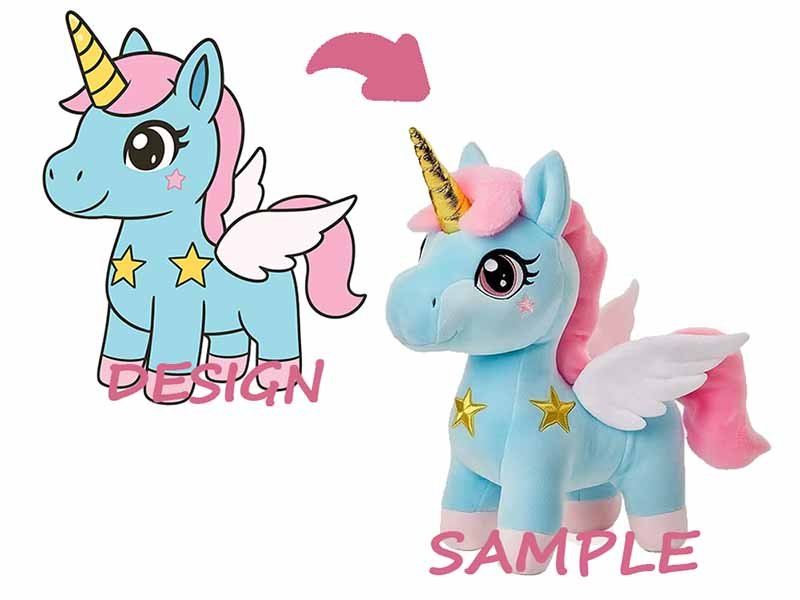
Custom stuffed animals are more than toys—they are a physical representation of your brand. When designed carefully, they can increase brand recognition, deepen customer engagement, and create lasting emotional connections. Many brands underestimate the strategic value of a well-crafted plush toy. A unique design, high-quality materials, and precise production can turn a simple toy into a marketing tool that boosts visibility and customer loyalty.
Custom stuffed animals allow brands to deliver tangible experiences that resonate with their audience. By selecting the right materials, creating detailed designs, and partnering with a skilled manufacturer, brands can ensure that the final product reflects their identity and maintains high standards of quality.
Imagine your brand mascot as a plush toy that children and adults alike recognize instantly. This is not just merchandising; it’s a way to make your brand part of people’s daily lives. From promotional events to online store add-ons, a custom plush toy can elevate your brand presence and create stories that customers remember.
What Are Custom Stuffed Animals?

Custom stuffed animals are plush toys designed specifically for a brand, with tailored shapes, colors, materials, and features. Unlike generic toys, they represent a brand’s identity, values, or mascot and are made with attention to detail to ensure quality and safety.
What makes a toy custom?
A toy is considered custom when its design and materials are unique and aligned with the brand. Customization includes:
- Brand colors and patterns
- Logo placement
- Unique shapes or character designs
- Special features like embroidered elements, printed tags, or interactive components
Key Benefits for Brands:
- Creates a distinct brand identity in the market
- Enhances customer engagement through recognizable merchandise
- Supports promotional campaigns and events
Brands that use mascots or branded plush toys report up to 25% higher recall in marketing studies compared to non-branded merchandise.
Are there types of plush toys?
Plush toys can vary widely depending on design, purpose, and audience. Common categories include:
| Plush Type | Purpose / Audience | Material Notes |
|---|---|---|
| Stuffed Animals | Universal, children and adults | Soft fabrics like cotton, plush, or polyester |
| Character Mascots | Brand representation, marketing | Can include embroidery, small details |
| Doll-Style Plush | Younger children, interactive play | Often requires safe stitching and secure small parts |
| Educational Plush | Learning tools for kids | Non-toxic materials, texture variations |
| Novelty Plush | Collectibles or limited editions | Custom shapes, added features like sound or light |
Choosing the type of plush toy directly affects production complexity, safety compliance, and cost. For instance, adding interactive features requires child-safe certification and more complex assembly.
Why use toys for branding?
Custom plush toys are effective for branding because they create emotional connections and leave a lasting impression.
Key Points:
- Tangible items enhance brand recognition
- Encourage repeat engagement when used as collectibles or limited editions
- Strengthen marketing campaigns by providing a physical reminder of the brand
- Can be integrated into e-commerce, events, and subscription boxes
Example :
- Over 70% of consumers remember a brand that gave them a physical branded item.
- Limited edition plush toys can increase social media sharing by 40%, driving organic exposure.
Custom plush toys can bridge the gap between digital marketing and real-world presence, offering a versatile way for brands to stand out.
How Do You Start the Design?

Designing a custom stuffed animal begins with a clear concept and brand alignment. The design phase defines the toy’s shape, size, materials, colors, and features. A thoughtful approach at this stage ensures that the final product not only reflects your brand but also meets safety, production, and market requirements.
How to sketch ideas?
The first step is to visualize the concept. Brands should create rough sketches or digital drafts showing:
- Toy shape and posture
- Facial features or brand-related characteristics
- Key elements like logos, patterns, or accessories
Design :
- Keep sketches simple but highlight unique brand elements
- Use color codes that match brand identity
- Iterate multiple sketches to explore variations
A well-prepared sketch reduces production errors and ensures the factory can understand the intended design, saving time and cost during the sample phase.
Which materials to choose?
Materials affect texture, durability, safety, and cost. Common options include:
| Material Type | Features | Recommended Use |
|---|---|---|
| Plush Fabric | Soft, smooth surface, widely used | Standard stuffed animals and mascots |
| Cotton | Natural, hypoallergenic | Kids’ toys, premium eco-friendly products |
| Polyester | Durable, vibrant colors | Long-lasting promotional toys |
| Fleece | Lightweight, soft | Smaller plush toys, accessories |
| Embroidery Thread | Durable, safe for eyes/mouth details | Logos, facial features |
- Choose certified non-toxic fabrics for safety
- Consider washability if the toy is for children
- Combine materials to enhance tactile experience
Delsney offers over 20 fabric types for custom projects, including cotton, neoprene, and jute blends, ensuring flexibility for both design and budget.
Do you need 3D models?
3D models provide accurate visualization of the final product. They allow brands to:
- Preview proportions and posture
- Check color combinations and textures
- Adjust features before physical sampling
3D models minimize miscommunication and increase the match between the prototype and final production. Delsney provides high-fidelity 3D renderings along with three-view drawings, achieving a 98% design-to-product match.
How to match your brand style?
Ensure every design element reflects brand identity. This includes:
- Colors matching brand palettes
- Incorporation of logos or mascots
- Design elements that convey brand values or story
Aligning plush design with brand style creates cohesive marketing opportunities. For example, a brand mascot plush can be used in campaigns, packaging, and giveaways, reinforcing visual recognition and emotional connection.
Which Manufacturing Options Exist?

Choosing the right manufacturing option is one of the most important decisions when producing custom stuffed animals. Brands must balance design control, cost, timeline, and uniqueness. Understanding the differences between OEM, ODM, and private label helps businesses plan production efficiently, reduce risks, and control budgets.
OEM
OEM (Original Equipment Manufacturer) production is the most common choice for brands with ready designs.
- Design control: Brands provide complete specifications including size, materials, colors, and features.
- Production process: Factory produces toys exactly according to provided designs and samples.
- Advantages: Full control over the product, exact design reproduction, and consistent quality.
- Considerations: Higher cost per unit due to full customization and design complexity.
A European children’s brand developed a mascot plush via OEM, using Delsney’s 3D models and sample prototypes. The project included:
- Toy height: 35 cm
- Fabric: Premium plush + cotton filling
- Features: Embroidered facial details, detachable accessories
- MOQ: 500 units
- Sample approval: 2 rounds free adjustments
Result: Final products matched design 98%, shipped within 21 days, fully compliant with EU EN71 safety standards.
ODM
ODM (Original Design Manufacturer) is suitable for brands looking for design support or faster production without full in-house design.
- Design control: Brands can customize existing manufacturer templates (e.g., shape, colors, small features).
- Production process: Manufacturer provides initial design mockups and adjusts them according to brand feedback.
- Advantages: Faster time to market, lower design effort, reduced sample iterations.
- Considerations: Limited uniqueness compared to OEM; base design is shared among other clients.
- Average sample turnaround: 5-7 days
- Production time for 1000 units: 20-25 days
- Cost per unit: Typically 15-25% lower than fully OEM projects due to reusing design templates
Brands often choose ODM for seasonal promotions, event giveaways, or first-time product launches, allowing testing market response before committing to fully custom OEM production.
Private Label
Private label involves adding a brand logo or minor adjustments to pre-existing plush designs.
- Design control: Limited; mainly logo placement, color tweaks, or minor accessory changes.
- Production process: Factory uses standard products, applies brand identifiers, and ships ready-to-sell toys.
- Advantages: Lowest cost, fastest turnaround, minimal design effort.
- Considerations: Less uniqueness; may resemble other private label products.
- MOQ: 500–1000 units
- Sample turnaround: 3-5 days
- Production time: 15–20 days
Private label is ideal for brand merchandise, marketing campaigns, or bundled products where speed and cost-efficiency are more important than unique design.
Comparing Options
| Option | Design Control | Cost Impact | Sample Time | Best For |
|---|---|---|---|---|
| OEM | Full | Higher | 5-7 days | Fully unique brand plush toys |
| ODM | Partial | Medium | 5-7 days | Fast launch with some customization |
| Private Label | Limited | Low | 3-5 days | Marketing, seasonal promotions, giveaways |
- MOQ flexibility: Delsney supports MOQs as low as 500 units for OEM and ODM projects.
- Rapid sampling: Two rounds of free adjustments allow precise alignment with brand expectations.
- Safety and compliance: All options comply with ASTM, CPSIA, and EN71 standards, ensuring toys are safe for children and meet international regulations.
- Production capacity: Delsney can handle small batches for testing and large-scale orders without compromising quality.
Choosing the Right Option
- OEM: Best when your brand requires full uniqueness, detailed features, and precise design reproduction.
- ODM: Suitable for brands that want a combination of speed and customization, with lower design workload.
- Private Label: Ideal for short-term campaigns or merchandising with fast turnaround and cost efficiency.
A North American gift brand used Delsney’s ODM services for a holiday-themed plush toy. They tested 3 variations in small batches (500 units each), received samples within 5 days, and then placed a 2000-unit bulk order. The product was ready for seasonal launch in 21 days, with high customer satisfaction and minimal returns.
How to Ensure Quality?

Maintaining high-quality standards is critical for custom stuffed animals. Consumers expect safe, durable, and visually accurate plush toys, especially when associated with a brand. Poor quality can damage reputation and reduce customer trust.
What safety rules apply?
- Compliance with EU EN71, US ASTM F963, and CPSIA regulations
- Non-toxic fabrics and dyes
- Secure attachments for eyes, buttons, and accessories
Client Insight: Delsney ensures all products meet European and American safety standards, including fire resistance, chemical testing, and mechanical safety.
How to check production quality?
- Pre-production inspection: Confirm colors, materials, and stitching
- In-process inspection: Regular checks during assembly
- Final inspection: Verify size, weight, and visual match to design
Common Quality Checks
| Check Type | Purpose | Frequency |
|---|---|---|
| Stitching & seams | Prevent tears or loose threads | Each batch |
| Material compliance | Verify safety and durability | Every lot |
| Color & design match | Ensure brand consistency | Pre-shipment |
| Safety attachments | Confirm secure buttons, eyes, and tags | Every toy |
Do samples match final toys?
- Delsney provides 3D models and three-view drawings to guarantee that prototypes and final products match at 98% accuracy.
- Two rounds of free sample modification allow brands to adjust design, colors, and features before full production.
How to brand and pack properly?
- Incorporate logos, tags, and brand stories on packaging
- Ensure packaging protects plush toys during shipping
- Options include custom boxes, sleeves, and gift-ready packaging
Custom packaging can enhance perceived value and supports limited-edition or collector appeal.
What Are Costs and Timelines?
Understanding cost structure and production lead time helps brands plan budgets and launch campaigns effectively.
How to calculate costs?
Cost depends on:
- Fabric type and quality
- Size and complexity of design
- Additional features (embroidery, sound, lights)
- Packaging type
Sample Cost Table (USD, illustrative)
| Toy Size | Material Type | Features | Unit Cost |
|---|---|---|---|
| Small (20cm) | Plush + cotton | Basic, embroidered eyes | $3.50 |
| Medium (30cm) | Plush + fleece | Embroidery + tag | $5.20 |
| Large (50cm) | Premium plush | Sound chip + accessories | $9.80 |
What affects production time?
- Complexity of design and features
- Sample development rounds
- Factory workload and order size
Delsney Timeline Overview:
- Sample production: 5-7 days (standard plush), 7-15 days (complex features)
- Bulk production: 15-30 days depending on volume
- Shipping: Based on destination and shipping method
Any ways to save money?
- Choose standard materials over premium fabrics for large quantities
- Limit complex attachments to critical design elements
- Combine bulk orders with multiple designs to reduce per-unit cost
Delsney’s flexible MOQ and rapid sample capabilities allow brands to test multiple designs without overspending.
How to Launch and Market Them?

A custom plush toy is only effective if it reaches the target audience and reinforces the brand. Launch strategy includes distribution channels, promotion, and storytelling.
Where to sell branded toys?
- Online stores and e-commerce platforms
- Brand events, pop-ups, and exhibitions
- Retail partners and promotional campaigns
How to use toys in promotions?
- Loyalty rewards or subscription boxes
- Event giveaways or special launches
- Limited-edition releases to drive urgency
Using plush toys as promotional items can increase engagement rates by 30-50% when tied to social campaigns or contests.
What challenges may appear?
- Misalignment between design and consumer expectations
- Production delays or quality inconsistencies
- Shipping damage or packaging issues
Work closely with manufacturers like Delsney for pre-production samples, quality checks, and flexible production options, minimizing risks and ensuring brand satisfaction.
Final Call-to-Action
Ready to create custom stuffed animals that reflect your brand’s identity and delight your audience? Delsney offers:
- 18+ years of plush toy design and manufacturing experience
- Flexible MOQs starting at 500 pcs
- Rapid sample turnaround (5-7 days)
- 98% design-to-product accuracy
- Compliance with EU/US toy safety standards
Contact Delsney Today to:
- Start your OEM or ODM custom plush project
- Get free design consultation
- Receive samples tailored to your brand concept
Transform your brand story into tangible, high-quality plush toys that customers will love and remember.