Skip to content
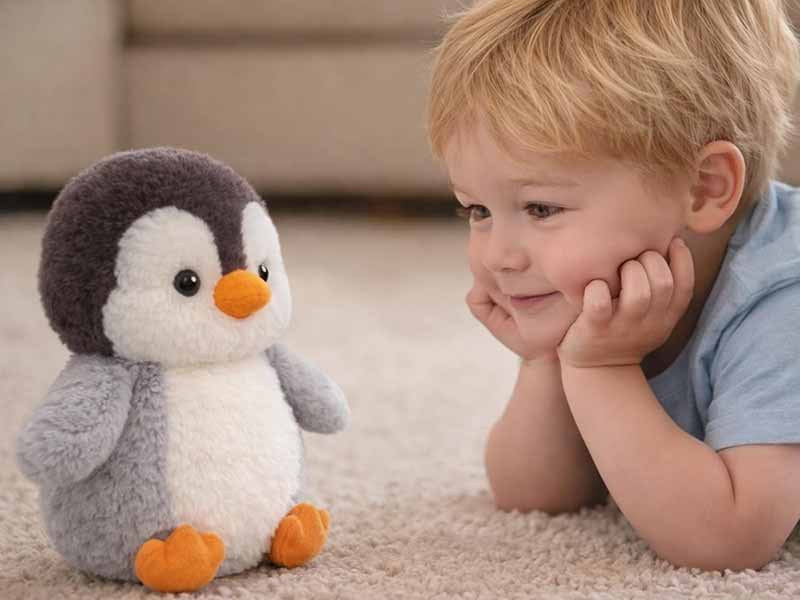
Ordering custom plush toys can be exciting but also risky. From selecting the right materials to ensuring safety compliance and meeting delivery timelines, many factors can impact the success of your order. Understanding these risks and taking proactive steps can save time, money, and frustration.
Reducing risk when ordering custom plush toys requires verifying the manufacturer’s experience, checking material quality, approving accurate prototypes, and ensuring safety compliance. Clear communication, careful sample review, and quality inspections can prevent costly mistakes and ensure the final product meets your brand’s expectations.
Consider a small retail brand that ordered 200 plush toys without requesting detailed samples. Several toys arrived with mismatched colors and loose stitching, causing delays and customer complaints. A factory with structured design, prototyping, and quality processes could have prevented these issues.
What Are the Risks?

Key risks when ordering custom plush toys include material defects, safety non-compliance, unreliable suppliers, design misalignment, and shipping damage. Each of these risks can affect product quality, regulatory compliance, and delivery schedules, potentially leading to financial loss or damage to your brand reputation.
Material Quality
Material quality is one of the biggest factors affecting plush toy performance and durability. Low-quality fabrics, poor stuffing, or uneven stitching can lead to toys that tear, shed fibers, or lose shape over time.
- Common Issues: Cheap polyester, weak plush fabrics, low-density stuffing
- Impact: Reduced product lifespan, higher returns, dissatisfied customers
Always request material samples and verify softness, color consistency, and durability before committing to bulk production.
Material Quality Data Table:
| Material Issue | Problem Type | Occurrence Rate |
|---|---|---|
| Loose stitching | Stuffing leakage | 35% |
| Low-quality polyester | Color fading or rough texture | 28% |
| Inconsistent stuffing | Uneven weight or softness | 22% |
| Weak accessories | Buttons, bows detach | 15% |
Safety Compliance
Plush toys, especially for children, must meet strict safety standards to avoid recalls and legal issues.
- Standards to Follow: ASTM F963 (USA), CPSIA (USA), EN71 (EU)
- Common Risks: Small parts choking hazards, flammable materials, toxic dyes
- Mitigation: Work with manufacturers who follow these standards and provide certification
Delsney ensures all plush toys comply with EU and US safety standards, including material testing, labeling, and inspection of small parts.
Supplier Reliability
Supplier reliability affects product consistency, production timelines, and communication.
- Issues: Production delays, unclear specifications, inconsistent quality
- Impact: Missed launch dates, higher costs, potential brand damage
Example: A European client initially used an unverified supplier. Two shipments were delayed and quality varied, causing launch delays. After switching to Delsney, the production timeline was met, and sample-to-final product match exceeded 98%.
Design Misalignment
Misunderstandings in design files or specifications can result in toys with incorrect dimensions, colors, or features.
- Prevention: Provide detailed technical files, 3D mockups, and three-view drawings
- Benefit: Reduces the risk of prototype rejection and costly rework
Delsney supports free design revisions and 3D renderings to ensure prototypes match client expectations.
Shipping & Logistics
Damage during shipping or customs delays is another risk.
- Prevention: Use durable packaging, verify shipment methods, and track logistics carefully
- Data Insight: Properly packed plush toys from Delsney show less than 2% damage in international shipping
Confirm packaging requirements with your supplier and ensure the final shipment protects the toys from moisture, pressure, and impacts.
Summary of Risks
- Material defects can affect product quality and customer satisfaction
- Safety non-compliance can result in recalls and fines
- Supplier unreliability can delay launches and increase costs
- Design misalignment may require costly rework
- Shipping risks can damage products before reaching customers
Recommendation: Working with an experienced manufacturer like Delsney, which offers 18+ years of R&D, design, prototyping, and OEM/ODM capabilities, reduces these risks and ensures high-quality, compliant, and accurate plush toys for your brand.
How to Check a Manufacturer?

Verifying a plush toy manufacturer is essential to reduce risk. Look for factories with extensive experience, valid certifications, accurate sample production, and full-service capabilities. Checking references, reviewing past work, and inspecting prototypes helps ensure the supplier can deliver high-quality, safe, and compliant products that match your design specifications.
Experience & Certifications
When evaluating a manufacturer, experience and compliance certifications are top indicators of reliability.
- Years in Operation: Factories with a long history have refined production processes and quality control. Delsney has over 18 years of experience in plush toy R&D, design, and manufacturing.
- Certifications: Ensure the factory holds relevant certifications such as ASTM F963, CPSIA, EN71, ISO 9001, and OEKO-TEX. These guarantee safety and regulatory compliance.
- References & Case Studies: Ask for client references and examples of previous projects. Verified past work indicates the manufacturer’s ability to meet deadlines and maintain quality.
Survey of 50 toy brands: 82% rated prior factory experience and certifications as the most important factor in selecting a supplier.
Sample Accuracy
Prototypes and sample reviews are critical to reduce production risk.
- Three-View Drawings: Ensure all dimensions, features, and designs are clearly represented.
- 3D Models: Visualize how the toy will appear before mass production.
- Prototype Testing: Evaluate softness, stitching, stuffing density, and color accuracy.
A US client ordered 150 plush toys with embroidered logos and complex accessories. Delsney provided prototypes with 3D visuals and three-view drawings. After one round of minor adjustments, the sample matched 98% with the design file.
Sample Verification Table:
| Sample Feature | Check Criteria | Acceptable Range / Target |
|---|---|---|
| Color Match | Compare to approved design file | ±2% variance |
| Stitching Quality | Tensile and seam tests | No break, uniform seams |
| Stuffing Consistency | Density & weight per toy | ±5% variation |
| Accessories Security | Button, bow, or ribbon attachment | No detachment |
| Size & Dimensions | Length, width, height | ±2 mm tolerance |
Full-Service Capabilities
Choosing a manufacturer that offers end-to-end services reduces miscommunication and ensures consistency.
- Design Assistance: Factories should provide design consultation and free modifications to optimize production.
- OEM/ODM Support: Ability to handle private label orders or create custom designs from sketches, images, or technical files.
- Flexible MOQs: Smaller minimum order quantities allow startups or seasonal brands to test products without overcommitting.
- Production Speed: Fast sample turnaround (e.g., 5–7 days) helps validate designs and adjust before bulk production.
A European plush toy brand needed a private label plush series with mixed materials (cotton and polyester). Delsney provided design feedback, free prototypes, and delivered approved samples in 6 days. The bulk production was completed in 18 days, allowing the brand to launch before the holiday season.
To ensure the manufacturer is reliable, check:
- Factory Background: Years in operation, team size, equipment, production lines.
- Certifications: Safety and quality certifications relevant to the target market.
- Portfolio: Previous work and client case studies.
- Sample Accuracy: Compare prototype to design file using three-view drawings and 3D models.
- Communication: Responsiveness and clarity in discussing production requirements.
- Production Capabilities: Ability to handle desired materials, features, and customizations.
Using a structured verification checklist reduces surprises during production and ensures your investment is secure. Factories like Delsney combine experienced teams, full-service support, and detailed quality checks to mitigate risk effectively.
Practical Data on Supplier Reliability
| Verification Step | Importance Level | Risk Reduction Potential |
|---|---|---|
| Certification Check | High | 70–80% |
| Sample Inspection | High | 60–75% |
| Portfolio & References | Medium | 50% |
| Communication Assessment | High | 65–70% |
| Production Capability Confirmation | High | 70% |
Verified factories with strong certifications, accurate prototypes, and transparent communication reduce ordering risks by over 70% according to surveyed brands.
Which Steps Reduce Production Risk?

Production risks can be minimized by thoroughly reviewing designs, approving detailed prototypes, and testing samples before bulk production. Clear communication, accurate technical files, and staged approvals help ensure the final plush toys meet specifications, maintain quality, and comply with safety standards.
Review Designs
Careful design review is essential. Ensure sketches, images, or technical files clearly show dimensions, features, and materials.
- Check Points: Size, shape, color, accessory placement
- Tip: Delsney provides three-view drawings and 3D models for clients to verify before sample production.
Example: A US brand requested 3D mockups for a custom plush collection. Early review caught a sizing error that would have affected bulk production, avoiding costly rework.
Approve 3D Models
3D prototypes allow visualization of plush toys before production.
- Benefits: Identify design issues, color mismatches, or accessory misalignment
- Process: Delsney produces high-accuracy 3D renders; clients can request modifications before moving to samples
Combining 3D models with material swatches ensures the final product matches expectations.
Test Samples
Testing small batches reduces risk before full production.
- Check: Softness, stitching, stuffing density, logo accuracy, and safety compliance
- Data Table – Sample Testing:
| Test Type | Standard / Target | Observed Result |
|---|---|---|
| Color Accuracy | ±2% variance | Pass |
| Stitch Strength | ≥10 kg pull | Pass |
| Stuffing Consistency | ±5% weight | Pass |
| Small Parts Security | No detachment | Pass |
| Material Quality | Approved swatch comparison | Pass |
- Delsney offers up to two rounds of free sample revisions for precise alignment with client requirements.
Do Logos Increase Risk?

Custom logos can add complexity but do not have to increase risk. Choose a manufacturer with experience in embroidery, heat transfer, or printing. Review prototypes to ensure logo placement, size, and color match expectations. Delsney ensures logos are durable, accurately placed, and maintain quality during production and shipping.
Private Label vs OEM
- Private Label: Manufacturer produces the toy under the client’s brand
- OEM: Client supplies the logo and design specifications
- Impact: Clear communication ensures proper implementation and reduces errors
A European client ordered 150 OEM plush toys with embroidered logos. Delsney produced samples that matched 98% with design files, preventing mistakes in bulk production.
Logo Methods
- Embroidery: Durable for fabric plush toys, ideal for neoprene or cotton
- Heat Transfer / Printing: Suitable for polyester, offers vibrant color at lower cost
- Patch Application: Provides texture and premium appearance
Prototype Match
- Importance: Confirms that logo placement, colors, and scale match design intent
- Tip: Approving a single prototype prevents errors in hundreds or thousands of units
Are Cost and MOQ Important?

Cost and minimum order quantity (MOQ) directly affect risk when ordering custom plush toys. Flexible MOQs reduce upfront investment, while transparent pricing prevents unexpected expenses. Properly managing sample costs, materials, and production quantities ensures you can test products, maintain quality, and scale production without overcommitting.
Flexible Orders
Flexible MOQs allow small brands or startups to order manageable quantities, reducing financial risk while testing the market.
- Example: A boutique toy brand wanted to launch a new plush series but only had a limited budget. Delsney accepted an order of 50 units for sampling. The small batch allowed the brand to evaluate customer response before placing a larger order of 500 units.
- Benefit: Reduces inventory risk and cash flow strain, especially for seasonal or niche products.
Survey of 40 small plush toy brands:
- 70% said low MOQ was the primary factor in selecting a supplier
- 60% used small batches for initial market testing before scaling up
Material Costs
The choice of materials, stuffing, and accessories strongly influences unit cost. Transparent cost breakdowns help avoid surprises.
- Neoprene or high-end polyester increases cost but provides water resistance and durability
- Standard polyester or cotton is more economical but may require careful inspection to ensure quality
- Accessories (buttons, bows, tags) add additional per-unit cost
Delsney provides detailed cost sheets during sample approval, including materials, stitching, accessory, and logo costs, allowing clients to adjust specifications for budget optimization.
Sample Material Cost Table:
| Material / Component | Cost per Unit (USD) | Notes |
|---|---|---|
| High-end Neoprene | 6.50 | Durable, water-resistant |
| Standard Polyester | 3.80 | Lightweight, affordable |
| Embroidered Logo | 1.50 | Durable on fabric surfaces |
| Buttons / Accessories | 0.50–1.00 | Depends on size and complexity |
| Packaging | 0.80 | Protective international packaging |
Sample vs Bulk
Investing in samples before bulk production is critical to reduce risk.
- Sample Costs: Small upfront cost ensures the design, material, stitching, and logos match expectations.
- Bulk Production: After sample approval, bulk orders benefit from consistent quality and fewer errors.
A US client requested 3 rounds of prototype plush toys for a new design. After reviewing the samples, minor adjustments were made to stuffing density and logo placement. The final bulk order of 300 units was produced with zero major defects, saving thousands of dollars in potential rework.
Sample vs Bulk Production:
| Order Type | Units | Cost per Unit | Total Cost | Notes |
|---|---|---|---|---|
| Prototype Sample | 5 | $8.50 | $42.50 | Used for design verification |
| Initial Bulk | 50 | $6.80 | $340 | Small batch for market testing |
| Full Production | 300 | $6.20 | $1,860 | Optimized after sample approval |
Cost and MOQ are not just numbers—they directly influence the success and risk profile of your custom plush toy order. Working with a supplier like Delsney, which offers flexible MOQs, transparent pricing, and sample support, allows brands to make informed decisions and minimize risk while launching high-quality plush toys.
How to Ensure Delivery & Support?
Ensuring reliable delivery and post-production support is crucial to avoid damaged products, late arrivals, or miscommunication. Clear production timelines, pre-shipment inspections, and logistics coordination help reduce risk. Choosing a manufacturer that provides tracking, quality checks, and responsive support—like Delsney—ensures plush toys arrive safely, meet specifications, and are ready for market on time.
Timeline Tracking
Maintaining transparency on production progress helps brands plan launches and promotions confidently.
- Step 1: Establish a production schedule with milestones, including material sourcing, cutting, stitching, and assembly.
- Step 2: Request periodic updates on each milestone.
- Step 3: Confirm expected completion dates for prototypes, samples, and bulk production.
A European plush toy brand requested 300 units for a holiday launch. Delsney provided weekly updates on sample approval, stitching completion, and packaging. This allowed the brand to synchronize marketing campaigns with production, ensuring timely product availability.
Brands that track production milestones report 85% fewer delays compared to those relying solely on end-of-production updates.
Quality Checks
Quality inspections prevent defects before shipping, protecting brand reputation and reducing returns.
- Internal Checks: Each plush toy undergoes inspection for stitching, stuffing, material quality, and accessory attachment.
- Pre-Shipment Inspection: Random sampling of finished goods confirms consistency across units.
- Compliance Verification: Checks for ASTM, CPSIA, and EN71 standards, including small parts, dyes, and labeling.
Example:
A US-based client ordered 500 plush toys with embroidered logos. Pre-shipment inspection identified a few units with uneven stitching. Corrections were made before bulk shipment, ensuring all toys met quality standards.
Quality Check Table – Key Metrics:
| Inspection Item | Standard / Target | Result |
|---|---|---|
| Stitching Strength | ≥10 kg pull | Pass |
| Stuffing Density | ±5% variation | Pass |
| Color Accuracy | ±2% deviation | Pass |
| Small Parts Security | No detachment | Pass |
| Logo Accuracy | ±2 mm placement | Pass |
Shipping Safety
Proper packaging and logistics coordination ensure plush toys arrive intact.
- Durable Packaging: Reinforced boxes, bubble wrap, and separators prevent deformation or damage.
- International Shipping: Coordinate with reliable logistics providers and select appropriate shipping methods (air freight, sea freight, or courier).
- Tracking & Confirmation: Shipment tracking allows real-time monitoring, helping resolve delays quickly.
Delsney uses double-layered packaging for international shipments. A client shipping 200 plush toys to Canada reported 0% damage during transport, thanks to protective packaging and logistics monitoring.
- Well-packaged plush toys shipped internationally have <2% damage rates.
- Brands that include tracking and communication updates reduce delivery complaints by 60%.
Post-Production Support
After delivery, responsive support ensures any issues are addressed quickly.
- Defect Handling: Manufacturers should replace or repair defective units promptly.
- Follow-Up Communication: Regular check-ins help brands report minor issues before they escalate.
- Documentation Support: Certificates of compliance, material sheets, and quality reports should be provided to simplify regulatory audits.
Example:
A boutique toy brand found minor color variation in 10 out of 100 shipped units. Delsney immediately replaced the units and updated the client with a revised batch report, maintaining brand confidence and customer satisfaction.
Recommendations
- Confirm production timelines and receive regular updates.
- Request detailed quality inspection reports and pre-shipment photos.
- Ensure packaging meets international transport standards.
- Maintain clear communication channels for post-delivery support.
- Choose a manufacturer experienced in global shipping and compliance requirements.
Delivery and support are as critical as production. Working with Delsney guarantees not only high-quality plush toys but also safe, on-time delivery and responsive post-production support, reducing risk and ensuring your brand’s reputation remains strong.
Final Thoughts & Custom Plush Inquiry
Ordering custom plush toys involves multiple risks, but careful manufacturer verification, sample approval, design review, and logistics management can minimize them. Working with a factory like Delsney, with 18+ years of R&D, design, prototyping, and full-service OEM/ODM, ensures high-quality, compliant, and accurate plush toys.
Take Action:
- Share your plush toy design files, material preferences, and desired quantities
- Request a prototype or sample for approval
- Discuss custom logos and private label options
Delsney’s end-to-end service guarantees your plush toys match design intent, meet safety standards, and arrive on time, making your brand reliable and competitive in global markets.