Skip to content
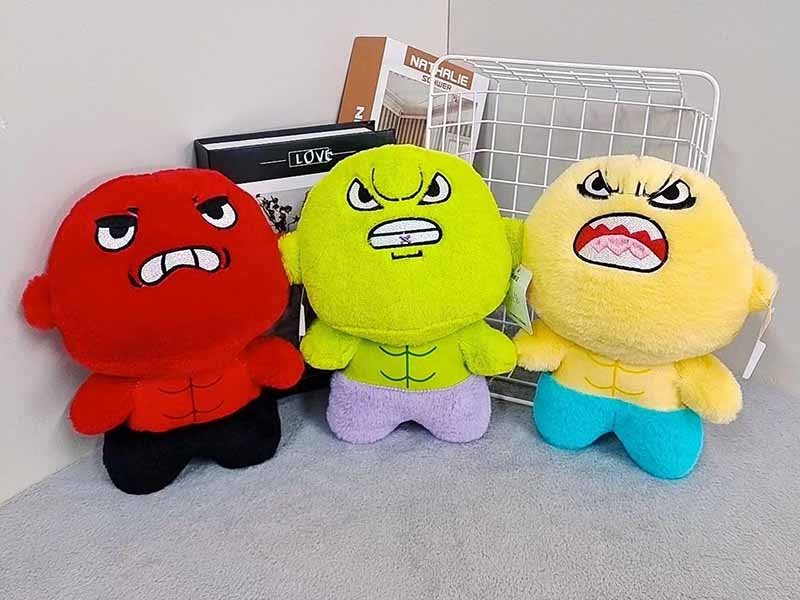
A plush toy can look like an easy product to sell. It is soft, emotional, highly visual, and suitable for gifts, collections, children, fans, schools, sports teams, corporate campaigns, and creator merchandise. Yet many online plush stores struggle because they begin with a cute drawing instead of a clear commercial plan. A design may attract likes while failing to produce orders. A low factory quote may look profitable until packaging, freight, platform fees, advertising, storage, and returns are added. A large launch may generate attention while leaving hundreds of slow-moving units in a warehouse.
Selling plush toys online successfully requires a defined audience, a recognizable product, verified demand, accurate costing, reliable manufacturing, clear product pages, and disciplined inventory control. Strong results usually come from a focused collection, not a random catalog. Each design needs a reason to exist, enough margin to support marketing, and enough production consistency to match the approved sample.
One small character can become a profitable collection when shoppers understand its personality, trust its quality, and want the next release. One expensive mistake can also begin with a founder ordering 3,000 units because friends said the sketch looked cute. The difference lies in decisions made before bulk production begins.
Is Selling Plush Toys Online Profitable?

Plush toys can produce healthy profit when design distinction, landed cost, selling price, customer acquisition, and inventory turnover are controlled together. Profit does not come from softness or cuteness alone. A viable product needs enough perceived value to cover development, manufacturing, packaging, freight, fulfillment, platform fees, promotion, returns, and future product development.
Online plush sales benefit from emotional demand. Customers may buy a plush toy for comfort, decoration, collecting, gifting, fandom, brand affiliation, or memory. Emotional value can support stronger pricing than a generic utility product, especially when the character has a clear story, polished appearance, dependable quality, and attractive packaging.
However, plush products create several cost pressures. Volume is often more expensive than weight during international freight and last-mile delivery. Large heads, long ears, stiff accessories, display boxes, and non-compressible structures increase carton size. A product with a factory price of US$6 may cost far more by the time it reaches a customer.
Profit also depends on sales speed. Inventory sitting for nine months ties up cash, occupies storage space, risks dust or deformation, and delays new product development. A smaller first run with stronger sell-through can be more valuable than a large order with a lower unit price.
A reliable commercial review should answer five questions before production:
- Can shoppers recognize the product quickly?
- Does the selling price cover every major cost?
- Is demand supported by orders, waiting lists, audience data, or market evidence?
- Can production quality remain stable across the full quantity?
- Can the product lead to repeat sales, related characters, accessories, or seasonal versions?
| Profit Driver | Healthy Condition | Warning Sign |
|---|---|---|
| Product identity | Distinct shape, face, story, or use | Generic design similar to many listings |
| Gross margin | Covers selling and delivery costs | Price based only on factory cost |
| Inventory speed | Planned restock cycle | Large untested quantity |
| Customer acquisition | Organic and paid channels both work | Sales stop when ads stop |
| Product consistency | Bulk follows approved sample | Noticeable face, color, or filling variation |
| Repeat potential | Series, accessories, new releases | One isolated product with no next step |
A strong plush business rarely wins by becoming the cheapest seller. It wins by giving customers a product they can recognize, trust, share, and purchase again.
What Makes Plush Toys Profitable?
Profitable plush products usually combine four strengths: visual distinction, emotional value, controlled cost, and repeat demand.
Visual distinction helps a product survive crowded search pages. A recognizable silhouette, unusual proportion, expressive face, signature accessory, or consistent color system can make a character memorable even at thumbnail size. Generic bears and rabbits can still sell, but they need a sharper reason for purchase, such as premium fabric, personalization, baby-safe construction, event branding, or collectible packaging.
Emotional value raises willingness to pay. A plush linked to a creator, mascot, school, pet memory, relationship, or personal joke can carry more value than an anonymous toy. Customers are not only paying for fabric and filling; they are paying for meaning.
Controlled cost protects the margin. Product cost must include more than sewing. Embroidery density, fabric consumption, accessories, labels, testing, packaging, freight, warehousing, fulfillment, and marketing all matter.
Repeat demand creates long-term value. A single character can lead to new colors, sizes, outfits, seasonal editions, companions, keychains, cushions, or gift sets. One customer may then purchase several times instead of once.
Which Plush Niches Have Strong Demand?
A useful niche has active interest, visible purchase behavior, and room for a product with a clearer identity.
Several categories often attract strong online attention:
- Original kawaii characters with simple, recognizable shapes
- Mascot plush for companies, schools, sports clubs, events, and creators
- Collectible mini plush, bag charms, and blind-box series
- Weighted plush designed around comfort and tactile experience
- Baby and nursery plush using soft materials and age-appropriate construction
- Pet memorial plush and personalized keepsakes
- Anime-inspired original characters without copying protected artwork
- Food-shaped, mood-based, and humorous desk companions
- Seasonal plush for Christmas, Halloween, Valentine’s Day, and graduation
- Large display plush for gifting, décor, retail displays, and social content
Large demand alone does not guarantee a good opportunity. Search results for common animals may contain thousands of low-priced products with strong reviews. A narrower theme can offer a better entry point when customers care deeply about the subject.
Look for repeated requests in comments and reviews. Customers often reveal product opportunities through phrases such as “I wish there were a smaller version,” “the face does not match the photo,” “I need another color,” “the seams opened,” or “the packaging arrived crushed.” Each complaint points toward a design, quality, size, or service gap.
Who Buys Plush Toys Online?
The person paying and the person using the product may be different, so product decisions should account for both.
Parents and grandparents often focus on materials, age suitability, secure components, care instructions, washability, and delivery reliability. Collectors care about character accuracy, packaging condition, limited releases, series numbers, color consistency, and future availability. Gift shoppers need clear sizing, attractive presentation, dependable arrival dates, and an emotional story.
Teenagers and adults may purchase plush for desk decoration, gaming setups, fandom, stress relief, room styling, nostalgia, or collecting. Corporate customers may need logo accuracy, color control, approval samples, deadline management, packaging, export documentation, and consistent quality across 500, 2,000, or 10,000 units.
A useful customer profile should include:
- Who pays for the product
- Who receives or uses it
- Why the purchase happens
- What event creates urgency
- Which concern may block the order
- Which content builds trust
- Which price range feels acceptable
- Where the customer discovers new products
A product designed for a nursery needs a different message from a convention collectible. Clear audience selection improves design, pricing, photography, packaging, and advertising.
Which Business Model Should You Choose?
The right business model depends on available capital, design ownership, product control, launch speed, expected quantity, and long-term goals.
| Model | Main Advantage | Main Limitation | Suitable Use |
|---|---|---|---|
| Handmade production | Strong personalization and artistic control | Labor limits output | Artists and custom studios |
| Wholesale resale | Fast access to ready products | Weak differentiation | Retail stores testing demand |
| Dropshipping | Low stock commitment | Limited control over quality and delivery | Early channel testing |
| Private label | Faster launch with branded presentation | Product may not be exclusive | Established stores adding branded stock |
| Custom OEM | Full control over owned designs | Requires development and approval | Character brands and IP projects |
| ODM development | Design and manufacturing support | Needs close communication | Teams with concepts but incomplete files |
| Preorder model | Validates demand before full production | Requires trust and accurate timing | Creator-led launches |
| Corporate custom | Larger order potential | Longer approval process | Brands, schools, events, and promotions |
Wholesale may suit a retailer needing quick assortment. Custom OEM or ODM suits a company building long-term character value. A preorder model can reduce inventory risk, but delivery dates must be realistic. Handmade production can support premium prices, although labor should be priced honestly.
Delsney supports development from technical files, artwork, reference images, or physical samples. Services include design support, three-view preparation, 3D visual presentation, pattern development, sample making, bulk production, private labeling, and packaging coordination. Standard samples can often be completed in five to seven days, depending on structure and material availability.
How Do You Validate Demand Before Launching?
Demand validation should measure willingness to buy, not polite approval.
Begin by collecting market evidence. Review marketplace listings, social comments, search suggestions, community posts, product reviews, crowdfunding campaigns, and related merchandise. Record price levels, common sizes, review complaints, sales signals, and repeated requests.
Next, test several concepts rather than one. Show three character directions, two sizes, or multiple color combinations. Ask people which option they would purchase, why they prefer it, and what price feels reasonable. A vote between options produces clearer information than asking whether a design is cute.
Useful validation methods include:
- Waiting-list signups tied to a specific design
- Preorders with a clear production timeline
- Small paid campaigns comparing creative concepts
- Landing pages tracking visits and email conversion
- Limited handmade or sample-based sales
- Retailer feedback from relevant stores
- Crowdfunding interest and completed pledges
- Social saves, shares, direct messages, and repeated product questions
| Signal | Weak Evidence | Stronger Evidence |
|---|---|---|
| Social reaction | Likes | Email signups or preorder deposits |
| Survey response | “Looks cute” | Clear choice between designs |
| Price feedback | “I might buy” | Purchase at stated price |
| Retail interest | Casual praise | Quantity request or written forecast |
| Content performance | High views | Product-page visits and cart activity |
A founder does not need perfect certainty before placing an order. Enough evidence should exist to justify the chosen quantity, price, and launch plan. Validation lowers risk; it does not remove every unknown.
What Plush Toys Should You Sell?

Choose plush toys with a defined audience, recognizable design, workable cost, reliable construction, and room for future products. A focused first collection normally performs better than a mixed catalog. Each design should have a clear role, a clear reason for purchase, and enough visual strength to remain recognizable in product photos, social videos, and small search thumbnails.
Product selection should begin with commercial purpose, not only animal type. A plush bear can serve as a baby gift, school mascot, corporate giveaway, luxury collectible, holiday item, or personalized keepsake. Each direction requires different materials, dimensions, construction, packaging, pricing, and safety planning.
A random catalog makes marketing difficult. Customers may see one realistic dog, one neon alien, one baby rattle, and one holiday pillow with no connection between them. A coherent range creates memory. Characters can share a visual world, color language, mood, story, use, or collection format.
Production complexity also matters. A round body with embroidered features is usually easier to control than a narrow-limbed character with layered clothes, long-pile fabric, removable accessories, molded parts, sound modules, and ten color sections. Complex details can add value, but each detail also adds cost, inspection points, and risk.
Review every product concept through eight practical questions:
| Product Decision | Question to Answer |
|---|---|
| Character identity | Can customers recognize it within one second? |
| Target use | Is it a toy, gift, collectible, mascot, cushion, or decoration? |
| Size | Can the retail price absorb packaging and delivery? |
| Fabric | Does the texture fit the audience and intended use? |
| Construction | Can bulk production repeat the approved shape? |
| Safety | Are components suitable for the intended age and market? |
| Packaging | Can the product arrive without crushing or contamination? |
| Collection growth | Can the idea expand into related products? |
The best first product is rarely the most complicated design. A good launch product communicates the brand clearly, photographs well, survives delivery, earns acceptable margin, and can be reproduced consistently.
Which Plush Categories Sell Online?
Plush categories are easier to evaluate by use and purchase reason.
Gift plush relies on emotion, presentation, and delivery timing. Collectible plush depends on character identity, series design, rarity, or limited releases. Baby plush needs soft surfaces, controlled attachments, clear care information, and age-appropriate construction. Mascot plush requires strong likeness because the item represents an existing organization or character.
Mini plush, keychains, and bag charms offer lower retail prices and easier shipping. They also encourage customers to collect multiple designs. Large plush creates stronger visual impact and gift value but may suffer from high delivery cost and storage volume.
Interactive plush can include sound, light, movement, recording, scent, removable clothing, or internal modules. Added functions may increase appeal, although testing, component sourcing, battery access, repair risk, and production control become more complex.
Weighted plush needs careful weight distribution, seam strength, filling containment, and clear use guidance. Long-pile fantasy creatures may look premium, while hair direction and facial visibility require closer control.
Select a category where product value can be explained in one sentence and shown clearly in one image.
How Do You Choose a Target Audience?
A target audience should guide product decisions, not serve as a vague marketing label.
“People who love cute toys” is too broad. More useful profiles include university students collecting humorous desk companions, parents seeking washable nursery animals, sports clubs ordering accurate mascots, pet owners purchasing memorial keepsakes, or creators launching merchandise for an existing community.
Build the profile around behavior:
- What problem, emotion, event, or identity creates the purchase?
- How often might the customer buy?
- Is the product for personal use, gifting, resale, or promotion?
- Which size and price fit the expected use?
- Which details matter most?
- Which concern causes hesitation?
- Which platform influences discovery?
- Which proof creates confidence?
A collector may accept a higher price for a numbered release and protected packaging. A parent may value washable fabric and secure embroidery. A company may need pre-production approval, logo color matching, export packing, and delivery before a campaign date.
Clear customer definition prevents costly design drift. It also makes product pages more persuasive because every image and sentence addresses a real concern.
What Makes a Plush Toy Stand Out?
A strong plush design remains recognizable through silhouette, face, proportion, color, texture, or story.
Silhouette matters because customers often discover products in crowded feeds. Oversized ears, a wide head, a curved posture, short legs, a signature hat, or a distinctive tail can create immediate recognition. Tiny details may disappear in thumbnails, so the larger shape should carry the identity.
Facial balance controls emotional appeal. Eye spacing, pupil direction, muzzle height, mouth curve, eyebrow angle, cheek placement, and embroidery thickness can change the entire personality. Small shifts of several millimeters may make the face look older, sadder, angrier, or less accurate.
Material also communicates position. Minky may feel smooth and clean. Sherpa can create a warm handmade look. Long faux fur suits fantasy animals but may hide small embroidery. Corduroy-style fabric can create a decorative finish. Mixed textures can separate ears, paws, clothing, or accessories.
A clear concept helps customers remember the product. “A tired office frog,” “a bakery bear family,” or “a nervous cloud guarding bedtime” gives the character a role and gives the marketing team more stories to tell.
How Many Designs Should You Launch?
A first launch needs enough variety to reveal preference without dividing cash across too many unproven products.
Three to six related designs often provide a practical starting range. One main character can lead sales, while companion characters, two color options, or different expressions create choice. A single-product launch can also work when an audience already exists or the product carries a strong story.
Every added SKU creates extra work:
- Pattern development
- Fabric and color sourcing
- Embroidery or print setup
- Sample review
- Labels and packaging
- Photography and video
- Forecasting
- Production control
- Warehouse organization
- Product-page management
Consider a launch budget of US$20,000. Dividing it across four designs allows US$5,000 per design before marketing and operations. Dividing the same budget across ten designs leaves only US$2,000 per design and may force quantities too small for efficient production or too large for uncertain demand.
Use audience data to allocate unequal quantities. A character attracting 45% of waiting-list interest should not automatically receive the same production quantity as one attracting 8%.
Are Custom Plush Toys Better for Branding?
Custom plush products usually offer stronger long-term value because the shape, face, fabric, colors, labels, accessories, and packaging can reflect an owned identity.
Adding a logo to a stock animal creates a branded item, but competitors may purchase the same shape. Full custom development allows a company to build a character customers can recognize without reading the label.
Custom development works best when the important design points are identified early. The team should define head-to-body ratio, eye spacing, expression, posture, color boundaries, material texture, accessory position, finished dimensions, and packaging direction. Approval should rely on a physical sample and written specifications.
Delsney provides end-to-end OEM and ODM support for custom plush projects. The factory has more than 18 years of experience in research, design, pattern development, sampling, manufacturing, private labeling, and export coordination. Standard samples can often be prepared in five to seven days. Three-view drawings and 3D effects help confirm shape and proportion before bulk production. Finished plush products can reach up to 98% visual alignment with approved artwork, supported by quality checks across materials, cutting, embroidery, sewing, filling, shaping, labeling, packing, and shipment preparation.
Which Sales Channels Should You Use?

The right sales channel depends on product type, target customer, selling price, available inventory, content capability, and fulfillment structure. An independent website gives greater control over presentation, customer data, bundles, and repeat sales. Marketplaces provide existing traffic but add platform fees, policy restrictions, price competition, and limited control over customer relationships. Social platforms can generate rapid discovery but require regular visual content.
Opening stores on every platform at once rarely creates efficient growth. Each additional channel creates more work: separate listings, customer messages, platform rules, advertising accounts, inventory updates, delivery settings, return handling, and performance reporting. A small team can lose control quickly when one product shows different stock quantities or prices across five platforms.
A practical channel plan starts with one main sales destination and one or two supporting traffic sources. For example:
- An independent store can hold the full collection and character story.
- TikTok or Instagram can generate discovery through video.
- Etsy can capture personalized or handmade-style searches.
- Amazon can serve standardized products with established demand.
- Email can support restocks, new launches, and repeat purchases.
Product economics should also influence channel selection. A US$15 mini plush may struggle when platform fees, fulfillment, and free shipping absorb a large part of the selling price. A US$45 collectible with stronger perceived value may have more room to support advertising and fulfillment costs.
| Channel | Main Strength | Main Cost or Risk | Suitable Product Type |
|---|---|---|---|
| Independent store | Full control over image, pricing, and customer data | Traffic must be generated | Original collections and growing character brands |
| Etsy | Strong interest in customized and creator-designed goods | Search competition and listing fees | Personalized, handmade, and custom plush |
| Amazon | High purchase intent and broad reach | Price pressure and strict performance rules | Standardized plush with reliable inventory |
| eBay | Active collectible and resale market | Condition and price comparison | Vintage, rare, discontinued, and secondhand plush |
| TikTok Shop | Fast content-led discovery | Constant content demand | Trend-led, humorous, and visual plush |
| Strong visual storytelling and community building | Conversion usually needs a store link | Lifestyle, art, creator, and collectible plush | |
| Crowdfunding | Demand testing before mass production | Campaign management and delivery pressure | Original concepts and first production runs |
| Wholesale portal | Larger order volume | Lower unit price and retail readiness | Stores, distributors, museums, schools, and gift shops |
Channel success should be measured by contribution profit rather than revenue alone. A platform producing US$50,000 in sales may earn less profit than a smaller channel after fees, advertising, returns, and fulfillment are deducted.
Is an Independent Store Worth Building?
An independent store is worth building when the goal is to create a long-term plush brand rather than rely entirely on marketplace traffic.
A dedicated website provides space for character stories, product development details, material information, collection pages, wholesale inquiries, preorder campaigns, customization forms, email signup, and educational content. It also allows the company to control visual presentation without placing competing products beside every listing.
The main difficulty is traffic. A polished website will not generate sales without search visibility, social content, creator partnerships, paid campaigns, publicity, email activity, or an existing audience. New stores often underestimate how much work is required after the site goes live.
Useful store pages include:
- Collection and character pages
- Detailed product pages
- Shipping and return information
- Care instructions
- Product safety information
- About the brand or character creator
- Wholesale and custom project inquiry pages
- Reviews and customer photos
- Launch calendar or restock signup
- FAQ content covering size, materials, washing, and delivery
An independent store becomes more valuable over time because each customer relationship can support later releases. A purchaser who bought one character can be contacted when a companion character, new size, outfit, or seasonal edition becomes available.
Which Marketplaces Fit Plush Products?
Marketplace selection should match how customers search and what they expect to find.
Amazon is suited to products with standardized specifications, stable inventory, professional images, clear reviews, and dependable delivery. Customers often compare price, size, delivery date, and ratings quickly. Strong logistics and consistent stock are important because account performance can be affected by late shipping, cancellations, or inaccurate listings.
Etsy works well for customized, creator-designed, handmade, and emotionally meaningful products. Personalized names, memorial plush, custom pet designs, character art, handmade animals, and small collections can fit the platform. Original design and clear production-partner disclosure are important.
eBay serves collectors, resellers, and customers searching for rare or discontinued products. Accurate condition descriptions, packaging photos, production year, edition details, and authenticity information can influence value.
TikTok Shop supports products that can be demonstrated quickly through video. Humorous expressions, transformation stories, soft textures, oversized shapes, mini collectibles, and character personalities perform better when the content creates an immediate emotional reaction.
A marketplace with a large audience is not automatically the best choice. Study the first 20 to 30 relevant listings and record:
- Selling prices
- Product sizes
- Review counts
- Main image styles
- Delivery promises
- Frequently used keywords
- Customer complaints
- Product variations
- Packaging expectations
The research shows the standard customers already expect before a new listing enters the market.
Is Etsy Suitable for Custom Plush?
Etsy can be a strong channel for custom plush when personalization, creative design, craftsmanship, or emotional meaning plays a major role in the purchase.
Common product directions include:
- Plush made from children’s drawings
- Pet memorial plush
- Personalized baby gifts
- Embroidered name animals
- Custom wedding or anniversary characters
- Handmade fantasy creatures
- Artist-designed collectibles
- Custom color combinations
- Plush based on customer-owned mascots
- Limited seasonal collections
A strong Etsy listing should show more than one attractive front image. Customers need to understand the full ordering process.
Include:
- Front, side, back, and detail images
- Finished size and measurement method
- Fabric and filling information
- Personalization location
- Artwork submission requirements
- Number of revisions
- Production time
- Shipping time
- Packaging style
- Care instructions
- Copyright restrictions
- Return rules for personalized products
Avoid accepting unlicensed copies of famous characters, game figures, sports mascots, or entertainment properties. The presence of similar products on a marketplace does not remove intellectual-property risk.
Custom plush orders also require careful expectation management. State clearly whether the product is a handmade interpretation, a factory-made reproduction, or a fully customized product developed from artwork.
How Can TikTok and Instagram Drive Sales?
Plush products are well suited to short-form video because customers can understand expression, softness, size, and character personality within a few seconds.
Static product images show appearance. Video can show movement, scale, softness, filling recovery, packaging, and emotional use. A customer can watch a plush being squeezed, held, placed on a desk, packed into a gift box, or compared with a person’s hand.
Useful content categories include:
- Sketch-to-sample development
- First sample reactions
- Character introduction videos
- Packing customer orders
- Size comparison clips
- Fabric close-ups
- Embroidery detail videos
- New color voting
- Customer unboxing
- Seasonal character stories
- “A day in the life” character scenes
- Restock announcements
- Sample revision comparisons
A consistent content system works better than posting only when a product launches. One character can appear in recurring weekly scenes, giving followers a reason to return.
Track commercial signals rather than views alone:
| Metric | What It Reveals |
|---|---|
| Profile visits | Interest beyond one video |
| Product-page clicks | Purchase consideration |
| Email signups | Future demand |
| Add-to-cart rate | Listing and price response |
| Completed orders | Actual product demand |
| Cost per order | Paid content efficiency |
| Repeat engagement | Character attachment |
| Comments requesting variants | Product development opportunities |
A viral post may create a temporary sales spike. Stable growth comes from repeatable content, reliable stock, fast customer service, and a website capable of handling increased traffic.
Should You Sell Through Multiple Channels?
Multiple channels can reduce dependence on one platform, but expansion should happen only after inventory, pricing, fulfillment, and customer service work reliably on the main channel.
A company selling through an independent store, Amazon, Etsy, and TikTok Shop must control the same SKU across all systems. Selling the final 20 units simultaneously on four channels can create overselling, cancellations, and negative reviews.
Create a central inventory structure with separate records for:
- Available stock
- Reserved stock
- Retail stock
- Wholesale stock
- Samples
- Damaged goods
- Returns
- Replacement units
- Incoming production
- Quality-hold inventory
Use the same SKU naming system across every channel. A product called “Blue Sleepy Rabbit 25 cm” should not have unrelated codes on different platforms.
Review each channel by:
- Gross sales
- Platform fees
- Advertising cost
- Fulfillment cost
- Return rate
- Average order value
- Repeat-purchase rate
- Customer service time
- Contribution profit
A channel producing lower revenue may still be more valuable when it delivers better margins, stronger customer data, and more repeat purchases.
How Do You Source and Develop Plush Toys?

Plush sourcing should begin with product requirements, not the lowest unit price. A manufacturer needs to understand the target customer, finished size, fabric, filling, embroidery, accessories, packaging, intended market, expected quantity, and delivery schedule before preparing a reliable quotation. Custom plush quality depends heavily on pattern development, material behavior, facial placement, filling control, and bulk-production consistency.
A plush toy may look simple, but the structure combines several technical decisions. Two-dimensional fabric patterns create three-dimensional volume. Fabric stretch changes the final shape. Pile direction changes color appearance and surface texture. Filling density changes posture. Embroidery placement changes expression. A small shift in eye position can make the product look completely different from the approved artwork.
A complete sourcing decision should cover five areas:
- Design capability
- Material capability
- Production control
- Compliance support
- Delivery reliability
Low quotations often omit important elements. One supplier may quote only the sewn plush body. Another may include embroidery, labels, hangtags, polybags, retail packaging, inspection, and export cartons. Comparing final prices without comparing inclusions can lead to costly errors.
| Development Stage | Main Work | Main Customer Decision |
|---|---|---|
| Concept review | Study artwork, size, use, and market | Confirm commercial direction |
| Feasibility review | Identify difficult structures and safety risks | Adjust details if needed |
| Material selection | Choose fabric, filling, trims, and colors | Approve hand feel and appearance |
| Pattern development | Convert artwork into sewing patterns | Confirm shape and proportion |
| First sample | Build physical prototype | Review design accuracy |
| Revision | Correct face, posture, size, and details | Approve changes |
| Pre-production sample | Confirm production-ready version | Sign off bulk standard |
| Bulk production | Cutting, embroidery, sewing, filling, finishing | Monitor schedule |
| Inspection | Check appearance, measurements, function, and packing | Approve shipment |
A capable factory should not simply agree with every request. Engineers and sample makers should explain when a feature may affect safety, shape, cost, sewing stability, or production efficiency.
Which Sourcing Model Fits Your Business?
The sourcing model should match product uniqueness, launch speed, quantity, and long-term commercial goals.
Wholesale sourcing gives fast access to ready-made products. It works for retailers testing a category, gift shops expanding assortment, or sellers needing seasonal stock. The disadvantage is limited exclusivity. Competitors may sell the same product.
Private labeling adds brand elements to an existing or lightly modified product. Common options include woven labels, printed care labels, hangtags, embroidered logos, custom clothing, and branded packaging. Development is faster than a fully custom design.
OEM production is suited to companies with existing artwork, technical files, samples, or owned character designs. The manufacturer converts the approved design into a repeatable physical product.
ODM development is useful when a company has an idea, rough sketch, reference image, or market concept but needs help with shape, materials, structure, accessories, and production feasibility.
| Sourcing Model | Product Control | Development Speed | Best Use |
|---|---|---|---|
| Ready stock | Low | Fast | Product testing and resale |
| Private label | Medium | Fast to moderate | Branded retail collections |
| OEM | High | Moderate | Owned artwork and character projects |
| ODM | High | Moderate | Concepts needing design support |
| Handmade | Very high | Slow | Limited artistic products |
| Preorder production | High | Moderate | Demand validation before volume |
Delsney supports private-label, OEM, and ODM programs for brands, retailers, IP owners, schools, sports organizations, events, and promotional projects. Development can begin from technical files, artwork, reference images, or physical samples.
How Do You Find a Plush Manufacturer?
A plush manufacturer should be selected through relevant evidence, clear communication, and production capability.
Begin by asking whether the factory has produced products with similar complexity. A supplier experienced in simple round animals may not be suitable for realistic faces, removable clothing, long limbs, weighted filling, molded parts, sound modules, or baby products.
Review the following areas:
- Years of plush manufacturing experience
- In-house pattern and sample capability
- Fabric and accessory sourcing
- Embroidery and printing control
- Sample lead time
- Revision support
- Bulk capacity
- Quality-control process
- Export experience
- Packaging capability
- Testing coordination
- Communication response time
- Project confidentiality
- Delivery planning
Ask for close-up photos or videos of comparable work. Evaluate seam alignment, face symmetry, embroidery cleanliness, fabric direction, filling balance, label placement, and packaging quality.
A professional quotation should state:
- Finished size
- Quantity
- Fabric
- Filling
- Embroidery or printing
- Accessories
- Labels
- Packaging
- Carton quantity
- Sample cost
- Sample lead time
- Bulk lead time
- Trade terms
- Testing responsibility
- Payment terms
Delsney has more than 18 years of experience across plush research, design, pattern development, sampling, production, private labeling, and export coordination. Integrated development reduces communication gaps between artwork review, pattern making, sample approval, bulk production, and packing.
What Design Files Does a Factory Need?
Clear design files reduce misunderstanding and shorten sampling time.
The strongest project package usually includes:
- Front view
- Side view
- Back view
- Finished dimensions
- Color references
- Fabric direction
- Embroidery artwork
- Print artwork
- Accessory details
- Label placement
- Packaging concept
- Intended market
- Expected quantity
Vector files such as AI, EPS, SVG, or editable PDF are preferred for logos, embroidery, and printed graphics. High-resolution PNG or PSD files can also help when layered artwork is available.
Pantone references improve color communication, although fabric color may look different under various lighting conditions. Pile height, sheen, texture, dye lot, and screen display can affect visual appearance.
Many projects begin without a complete technical pack. A clear illustration, physical sample, reference image, 3D model, or written concept can still support development when the factory provides design assistance.
Delsney can prepare three-view drawings and 3D effects to help customers review:
- Head-to-body ratio
- Ear and limb position
- Facial placement
- Color blocking
- Accessory proportion
- Overall silhouette
- Packaging fit
A clear visual review before physical sampling can reduce major pattern changes later.
How Does Plush Sampling Work?
Sampling converts a flat design into a physical product that can be touched, measured, photographed, and approved.
The factory first reviews the design and selects materials. Pattern makers create fabric pieces controlling the final volume. Embroidery or printing files are prepared, parts are cut, and the sample is sewn and filled.
The first sample should be evaluated through specific criteria:
- Overall height and width
- Head-to-body ratio
- Face shape
- Eye spacing
- Mouth position
- Ear angle
- Limb length
- Posture
- Filling density
- Fabric texture
- Color accuracy
- Accessory position
- Label placement
- Packaging fit
Feedback should be measurable. “Make the face cuter” gives little technical direction. “Reduce muzzle height by 6 millimeters, move both eyes 3 millimeters inward, and widen the head by 10 millimeters” gives the pattern team a clear correction.
Delsney can complete many standard samples within five to seven days. Complex plush with long-pile materials, multiple accessories, electronics, molded pieces, or unusual internal structures may require more time.
Before bulk production, approve:
- Final physical sample
- Measurement chart
- Fabric and filling
- Color references
- Embroidery file
- Accessories
- Labels
- Packaging
- Carton plan
The approved sample should remain available as the physical standard for production and inspection.
How Do You Control Design Accuracy?
Design accuracy depends on identifying the details that make the character recognizable and controlling them throughout production.
For one character, the most important feature may be eye spacing. For another, recognition may depend on head width, ear angle, posture, mouth shape, or color boundaries. Those features need tighter control than less visible internal details.
Use several review methods:
- Front, side, and back comparison
- Artwork overlay
- Measurement charts
- Close-up face photography
- Embroidery placement guides
- Color swatches
- Filling-weight records
- Accessory-position templates
- Approved physical sample
Bulk production requires repeatable process control. Material lots should be checked before cutting. Embroidery files should remain locked after approval. Sewing templates should control component placement. Filling weight should be recorded for each size. Finished pieces should be shaped and brushed before final inspection.
Delsney reports finished-product matching of up to 98% against approved design references for suitable projects. Quality control can cover:
- Incoming fabric and trim inspection
- Cutting accuracy
- Embroidery and print quality
- Sewing strength
- Facial alignment
- Filling balance
- Finished measurements
- Accessory attachment
- Label accuracy
- Packaging condition
- Carton preparation
- Pre-shipment review
A visually accurate sample is only the beginning. Commercial success depends on keeping the same expression, shape, softness, and finish across every unit in the order.
How Do You Price and List Plush Toys?

Plush toy pricing should begin with the complete cost of selling one unit, not only the factory quotation. Manufacturing, packaging, testing, freight, import charges, warehousing, platform fees, payment processing, fulfillment, advertising, replacements, returns, and operating expenses all affect the final margin. A reliable product listing must then explain the product accurately enough for customers to understand size, texture, construction, use, care, packaging, and delivery without touching the item.
Many sellers calculate profit by subtracting the factory price from the retail price. The result can look attractive while the real order loses money. A plush toy quoted at US$6.50 may reach a warehouse at US$9.20 after packaging, freight, duties, and receiving charges. Platform fees, advertising, pick-and-pack service, shipping subsidies, and returns may raise the total selling cost above US$17.
Pricing also changes according to product size and structure. Plush toys are often lightweight but consume substantial carton space. International freight and parcel services may charge according to dimensional weight rather than physical weight. A 50 cm plush with a simple construction may cost less to manufacture than a 25 cm collectible with dense embroidery and clothing, yet the larger product may cost much more to store and deliver.
A dependable pricing system should include four cost layers:
- Product development and setup
- Landed product cost
- Per-order selling cost
- General operating cost
A retail price should leave enough room for normal promotions, affiliate commissions, retailer margins, customer acquisition, damaged stock, and future development. A product that only earns profit at full price with no advertising is unlikely to support stable growth.
How Do You Calculate Total Product Cost?
Begin by separating one-time project costs from recurring unit costs.
One-time costs may include character design, three-view drawings, 3D presentation, pattern development, sample production, sample revisions, embroidery digitization, printing setup, packaging artwork, testing, photography, and launch content. Some costs apply to one project, while others can support several production runs.
Recurring costs appear with every unit or every order:
- Plush manufacturing
- Fabric and filling
- Embroidery or printing
- Accessories and clothing
- Woven labels and care labels
- Hangtags
- Inner packaging
- Retail packaging
- Export cartons
- Quality inspection
- International freight
- Customs clearance
- Import duty
- Warehouse receiving
- Storage
- Pick-and-pack service
- Parcel materials
- Last-mile delivery
- Platform commission
- Payment processing
- Advertising
- Returns and replacements
A useful formula is:
Landed Cost per Unit = Product Cost + Packaging + Inspection + Freight Allocation + Duty + Receiving
Contribution Cost per Order = Landed Cost + Platform Fees + Payment Fees + Fulfillment + Shipping Subsidy + Advertising + Return Reserve
The following example shows how a factory price can change after the full cost chain is included.
| Cost Item | Amount per Unit |
|---|---|
| Plush manufacturing | US$6.40 |
| Woven label and hangtag | US$0.18 |
| Printed retail bag | US$0.32 |
| Export carton allocation | US$0.15 |
| Testing allocation | US$0.38 |
| Quality inspection allocation | US$0.12 |
| Freight and import allocation | US$1.65 |
| Warehouse receiving | US$0.28 |
| Landed cost | US$9.48 |
| Platform and payment fees | US$2.35 |
| Pick, pack, and parcel materials | US$1.20 |
| Delivery subsidy | US$2.40 |
| Advertising allocation | US$3.50 |
| Return and replacement reserve | US$0.70 |
| Estimated contribution cost | US$19.63 |
A retail price of US$22 would leave only US$2.37 before payroll, software, photography, rent, accounting, discounts, and product development. A price between US$32 and US$38 may provide a more workable structure, provided the design, quality, presentation, and audience support the value.
Testing costs should be divided across realistic production volume. A US$1,200 testing and documentation cost adds US$2.40 per unit to an order of 500 pieces but only US$0.24 per unit to an order of 5,000 pieces. Small production runs can therefore carry a much heavier compliance cost per unit.
How Should You Set a Retail Price?
Retail pricing should reflect complete cost, product position, competitor context, perceived value, and sales-channel requirements.
Start by calculating the lowest sustainable price. The figure should cover every variable cost linked to a completed order and leave enough contribution to support operating expenses. Next, compare products with similar size, materials, complexity, audience, packaging, and brand strength.
Do not compare only by animal type. A 25 cm rabbit sold in a plain bag cannot be compared fairly with a 25 cm original character using custom-dyed minky, dense facial embroidery, removable clothing, a printed story card, and a rigid gift box.
A practical retail structure may include:
| Price Level | Purpose |
|---|---|
| Standard retail price | Main everyday selling price |
| Launch price | Limited early purchase incentive |
| Bundle price | Encourages a larger order value |
| Wholesale price | Supports retailer resale margin |
| Promotional floor | Lowest acceptable discounted price |
| Limited-edition price | Reflects added features or scarcity |
A wholesale customer may expect a retail margin of 40% to 60%, depending on channel and category. A plush toy with a suggested retail price of US$36 may need a wholesale price near US$18 to US$21. The manufacturing and landed cost must therefore support both direct sales and wholesale distribution before the product is offered to stores.
Price architecture also helps customers enter at different spending levels:
- Mini plush or keychain: US$10–US$18
- Standard character plush: US$25–US$45
- Premium dressed collectible: US$45–US$80
- Large display plush: US$70–US$160
- Limited gift set: US$80–US$200
The ranges are planning examples rather than fixed market rules. Product size, market, licensing, materials, packaging, and audience strength can move the final price considerably.
Avoid permanent discounting. Constant 30% or 40% promotions train customers to ignore the standard price and can damage perceived quality. Use discounts for a clear reason, such as a launch window, bundle, seasonal event, damaged packaging, or end-of-line stock.
What Should a Product Page Include?
A plush product page must replace the information a customer would normally gather by holding the item in a store.
The opening area should answer five questions quickly:
- What is the product?
- How large is it?
- Who is it for?
- What makes it different?
- When can it be delivered?
The page should then provide enough detail to reduce uncertainty and prevent avoidable returns.
Recommended product-page information includes:
- Product name
- Character name and short story
- Finished height, width, and depth
- Measurement method
- Main outer fabric
- Filling material
- Weight
- Recommended use or intended age
- Embroidery, print, clothing, or accessory details
- Care instructions
- Packaging format
- Available colors or sizes
- Stock status
- Processing time
- Estimated delivery
- Return conditions
- Safety warnings where required
- Manufacturer or importer information where required
Size should be shown in both centimeters and inches when serving international markets. A listing that says “medium plush” gives little practical information. A clearer description might state: “Finished height: approximately 28 cm / 11 in from the top of the ears to the base of the body.”
Product copy should explain physical features rather than rely on vague words such as high quality, premium, soft, or cute. More useful descriptions include:
- Short-pile minky with a smooth surface
- Embroidered eyes with no loose plastic components
- Structured ears designed to remain upright
- Weighted lower body for a seated position
- Removable cotton jacket with hook-and-loop closure
- Polyester filling adjusted for a medium-soft hand feel
Questions received before purchase should be added to the page. When several customers ask whether clothing is removable, whether the plush can stand, or whether the item arrives in a gift box, the listing is missing decision-making information.
How Do You Photograph Plush Toys?
Plush photography needs to show expression, proportion, texture, size, structure, and packaging accurately.
Prepare the product before shooting:
- Brush the pile in the correct direction
- Remove loose fibers and threads
- Adjust filling evenly
- Align ears, arms, legs, and accessories
- Check facial symmetry
- Clean the surface
- Steam or reshape clothing
- Confirm that the photographed unit matches approved production
A complete image set should include:
| Image | Purpose |
|---|---|
| Clean front image | Shows the main expression |
| Three-quarter image | Shows volume and shape |
| Side image | Shows profile and depth |
| Back image | Shows construction and rear details |
| Face close-up | Shows embroidery and likeness |
| Fabric close-up | Shows texture and pile |
| Scale image | Helps customers judge size |
| Lifestyle image | Shows use and emotional setting |
| Packaging image | Sets arrival expectations |
| Group image | Shows collection size and relationships |
Scale photographs should use familiar objects without creating confusion. A plush placed beside a laptop, chair, backpack, or person can help, but written measurements must remain available.
Video can answer questions that still images cannot. Show the plush being held, squeezed, turned, seated, packed, and removed from packaging. Long-pile fabric, weighted designs, large sizes, and removable accessories benefit especially from movement-based demonstration.
Color editing should remain controlled. Strong filters may make the listing look attractive but increase dissatisfaction when the received item appears different. Photograph color-sensitive products under consistent light and review images on more than one screen.
For custom and collectible projects, include a close-up showing the details carrying the character identity. Eye embroidery, mouth shape, custom clothing, logo placement, and color blocking often influence the purchase more than a general lifestyle image.
How Can Packaging Increase Product Value?
Packaging influences protection, shipping cost, compliance, presentation, and customer perception.
A low-cost polybag may work for wholesale cartons or basic ecommerce fulfillment. Gift, collectible, corporate, and retail projects may need a stronger presentation:
- Printed polybag
- Drawstring fabric pouch
- Belly band
- Folding carton
- Window box
- Drawer box
- Rigid gift box
- Blind box
- Printed sleeve
- Reusable storage bag
Packaging should be selected after the delivery route is understood. A large rigid box may look impressive but can raise dimensional weight, storage charges, carton volume, and damage exposure. A soft bag may reduce cost but provide less protection for structured ears, hats, molded faces, or delicate accessories.
A packaging test should examine:
- Product fit
- Facial pressure
- Ear and limb deformation
- Color transfer
- Moisture protection
- Dust protection
- Label readability
- Carton loading
- Recovery after compression
- Customer opening experience
Dimensional weight can be estimated with the carrier’s divisor. A parcel measuring 40 × 30 × 25 cm has a volume of 30,000 cubic centimeters. Using a divisor of 5,000, the chargeable dimensional weight becomes 6 kg, even when the physical package weighs only 1.5 kg.
A smaller package measuring 32 × 24 × 18 cm has a volume of 13,824 cubic centimeters, producing a dimensional weight of approximately 2.76 kg under the same formula. Reducing empty space can therefore change delivery economics considerably.
Compression should be tested carefully. Short-pile plush with resilient polyester filling may recover well. Long fur, structured components, foam parts, stiff embroidery, clothing, or molded accessories may not. A lower shipping cost is not useful when the product arrives flattened or visually damaged.
Delsney can coordinate plush dimensions, inner packing, branded labels, hangtags, care labels, retail boxes, and export cartons within the same development process. Early packaging planning reduces the risk of discovering after production that the approved product does not fit the planned box or shipping target.
How Do You Market and Scale a Plush Brand?

Plush marketing works best when a recognizable product is supported by consistent storytelling, clear physical proof, social participation, and dependable delivery. Strong campaigns show more than a finished toy. They introduce the character, reveal the development process, demonstrate size and softness, answer customer concerns, and give followers a reason to return for later releases.
A plush character can generate content far beyond standard product promotion. A character can react to daily situations, appear in seasonal scenes, interact with other characters, wear new clothing, travel with customers, or become part of an ongoing story.
Marketing should support four stages:
| Stage | Customer Question | Useful Content |
|---|---|---|
| Discovery | What is the product? | Short videos, creator posts, search content |
| Evaluation | Is it worth the price? | Detail images, reviews, size and quality videos |
| Purchase | Can I trust delivery? | Clear stock, shipping, returns, and payment information |
| Retention | What should I buy next? | New characters, accessories, restocks, and member access |
A viral video can sell out a product, but one spike does not prove stable demand. A stronger signal appears when several content formats, sales periods, and channels continue to produce orders at an acceptable cost.
How Do You Get Your First Sales?
The first sales often come from a focused group already interested in the product theme.
Useful starting audiences may include:
- Existing social followers
- Email subscribers
- Artist or creator communities
- School or sports networks
- Fan groups
- Gift shops
- Independent retailers
- Event attendees
- Corporate contacts
- Crowdfunding supporters
A launch should provide a clear reason to purchase now. Useful reasons include:
- Limited first production
- Numbered packaging
- Preorder closing date
- Founding-customer card
- Launch-only accessory
- Early-access color
- Bundle unavailable after launch
- Delivery before a specific holiday
Avoid using an unrealistic countdown or false scarcity. Customers remember broken promises, especially when preorder products arrive late.
The first 20 to 50 orders provide valuable operating information. Track:
- Which product receives the most clicks
- Which images produce sales
- Questions asked before purchase
- Cart abandonment
- Delivery time
- Packaging damage
- Customer reviews
- Return reasons
- Requests for another size or character
A small paid campaign can compare several messages. One advertisement may focus on softness, another on character humor, another on gift use, and another on the development story. The winning message should be judged by completed orders and contribution profit rather than click cost alone.
Which Content Works for Plush Marketing?
Plush content should make the product easy to recognize and easy to imagine owning.
Strong content formats include:
- Character introductions
- Sketch-to-sample development
- Sample revision comparisons
- Fabric selection
- Embroidery close-ups
- Filling and shaping
- Product size comparisons
- Packing videos
- Customer unboxing
- Character comedy
- Desk or room styling
- Seasonal stories
- Collection displays
- New design voting
- Factory quality checks
- Behind-the-scenes development
A recurring schedule may look like:
| Day | Content Direction |
|---|---|
| Monday | Character story or humorous scene |
| Tuesday | Product detail or fabric close-up |
| Wednesday | Development or production process |
| Thursday | Customer photo or review |
| Friday | Product use, gift idea, or size comparison |
| Saturday | Community poll or design vote |
| Sunday | Restock, preorder, or collection reminder |
One production day can supply several weeks of material. A sample review may produce a long video, five short clips, detail photographs, a product-page update, an email, and a development article.
Search content can continue attracting visitors after social posts disappear from feeds. Useful article subjects include:
- How to wash a plush toy
- Which plush fabric is softest
- How custom plush toys are made
- How to create a mascot plush
- How to prepare artwork for plush production
- How to store collectible plush
- How to choose plush size
- How to inspect a custom plush sample
- How to package plush toys for shipping
Content should answer real customer questions. A page ranking for a relevant question may introduce the brand to people before they are ready to purchase.
How Do Influencers and Creators Help?
Creators can connect a plush product with an audience that already shares the right interests.
A large following does not guarantee sales. Audience fit, trust, country, age profile, content quality, and purchasing behavior matter more than follower count.
Examples of useful matches include:
- Parenting creator for washable nursery plush
- Illustrator for an original character collection
- Gaming creator for a channel mascot
- Desk-setup creator for mini companions
- Pet creator for animal-inspired characters
- Gift creator for seasonal plush sets
- Collector for limited editions
- University lifestyle creator for room décor plush
A creator brief should include:
- Product story
- Key features
- Accurate size
- Launch date
- Stock limitations
- Required disclosure
- Claims to avoid
- Delivery market
- Discount code
- Affiliate rate
- Content deadline
- Usage rights
Measure partnerships through:
- Tracked sales
- Revenue per post
- Cost per order
- Email signups
- Product-page visits
- Code usage
- New followers
- Saved content
- Repeat sales from the acquired group
Product gifting can work for smaller creators, but no post should be assumed unless agreed in advance. Paid collaborations provide clearer expectations. Affiliate programs connect payment with tracked sales, although some purchases may happen later without using the code.
Creators can also support product development. Repeated comments asking for a smaller size, different color, keychain version, removable outfit, or another character can guide the next sample. Production decisions should still rely on purchase data or waiting-list evidence rather than comments alone.
How Do You Manage Inventory and Fulfillment?
Inventory control should begin before the production order is confirmed.
Forecast each SKU separately. A collection of five designs will rarely sell evenly. Equal production quantities may leave the strongest character out of stock while slower characters remain in storage.
Useful inventory figures include:
Sell-Through Rate = Units Sold ÷ Units Available × 100
Weeks of Cover = Current Saleable Inventory ÷ Average Weekly Sales
Reorder Point = Average Weekly Sales × Total Replenishment Lead Time + Safety Stock
Example:
A character sells 80 units per week. Sampling confirmation, production, inspection, freight, customs, and warehouse receiving require 12 weeks. The business keeps four weeks of safety stock.
Reorder Point = 80 × 12 + 320
Reorder Point = 1,280 units
A new order should be considered when available and incoming inventory approaches 1,280 units, subject to seasonality and cash flow.
Inventory records should separate:
- Saleable units
- Reserved orders
- Wholesale allocation
- Samples
- Display products
- Damaged units
- Returns
- Replacement stock
- Quality-hold units
- Incoming production
Storage conditions matter. Plush products should be protected from moisture, odor, dust, sunlight, crushing, and pests. Long storage under heavy carton pressure can deform faces, ears, accessories, or filling.
Fulfillment checks should include:
- Correct SKU
- Correct variation
- Surface cleanliness
- Shape condition
- Label presence
- Accessory completeness
- Packaging condition
- Shipping label accuracy
- Tracking upload
- Delivery confirmation
Send test parcels through the intended delivery route before a major launch. Open the package as a customer would. Check shape recovery, moisture protection, carton damage, product odor, presentation, and the ease of removing the item.
When Should You Expand Production?
Production should expand when demand repeats and operations remain stable.
One sold-out launch may result from limited quantity rather than strong market depth. A viral post may create a temporary spike. Better scaling evidence includes:
- Stable conversion across several weeks
- Repeat purchases
- Low return rates
- Strong product reviews
- Consistent best-selling SKUs
- Growing waiting lists
- Predictable advertising cost
- Retailer inquiries
- Reliable delivery performance
- Enough cash for production and operations
A useful scale-readiness review may include:
| Area | Ready to Scale | Not Ready |
|---|---|---|
| Demand | Repeated sales from several sources | One temporary spike |
| Product quality | Low defect and return rates | Repeated face, seam, or filling complaints |
| Inventory | Clear reorder data | Frequent overselling or stock confusion |
| Marketing | Several creatives generate orders | One viral post creates most sales |
| Fulfillment | Orders leave on time | Delays and support complaints |
| Cash flow | Production can be funded safely | Growth depends on immediate sales |
| Supplier | Materials and capacity confirmed | Lead time and fabric supply uncertain |
Scale proven products before expanding every design. A hero character may deserve a deeper order, while weak characters may need new photography, revised pricing, design changes, or retirement.
Growth options include:
- Larger production runs
- New sizes
- Mini versions
- Bag charms
- Character clothing
- Seasonal colors
- Companion characters
- Gift boxes
- Wholesale packs
- Regional packaging
- Retail displays
- Corporate customization
Production volume should not grow faster than quality control. Before increasing from 500 units to 5,000 or 20,000 units, review material availability, color consistency, embroidery capacity, sewing lines, filling control, finishing, packaging supply, inspection staffing, and shipping schedule.
How Can Delsney Support Your Plush Project?
Delsney provides integrated plush product development for brands, retailers, creators, IP owners, schools, sports organizations, event operators, promotional programs, and established merchandise teams.
More than 18 years of industry experience supports development across research, design, pattern making, sampling, material sourcing, production, quality control, private labeling, packaging, and export delivery.
A productive quotation request should include as much information as possible:
- Character artwork or reference images
- Front, side, and back views
- Required finished size
- Expected order quantity
- Target selling country
- Intended user or age group
- Preferred fabric
- Filling requirements
- Embroidery or print artwork
- Clothing and accessories
- Logo requirements
- Packaging direction
- Required testing
- Target delivery date
Incomplete concepts are also welcome. Delsney can review sketches, reference images, or early ideas and recommend a development path.
A successful online plush product begins before the listing is written. Clear positioning, controlled cost, accurate sampling, reliable manufacturing, suitable packaging, and disciplined inventory planning all shape the final result. When the physical product matches the promise shown online, customers are more likely to leave positive reviews, purchase related characters, and recommend the collection.
Send Delsney your artwork, reference file, product size, estimated quantity, target market, and packaging requirements for a custom review and quotation.