Skip to content
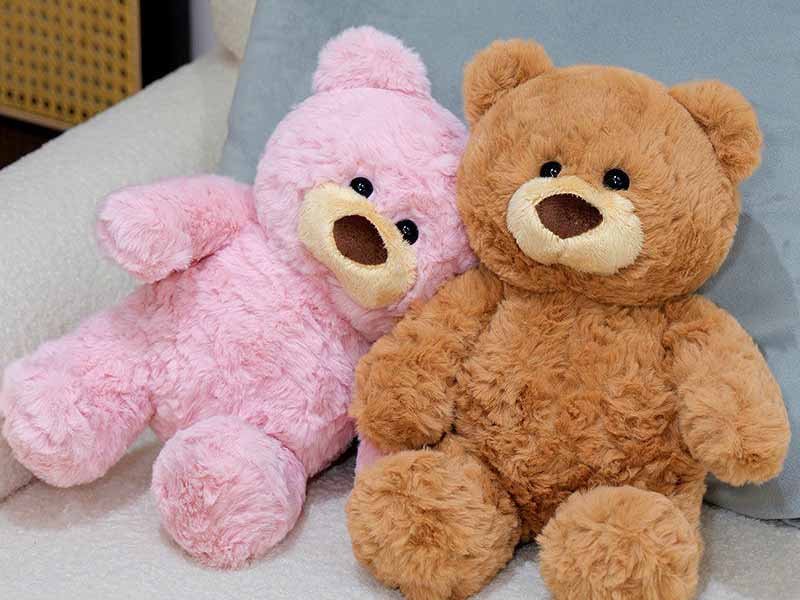
Retail plush sourcing is no longer only about finding a factory that can sew soft toys. Modern retail programs require strong product development ability, stable production systems, packaging coordination, safety compliance management, and supply chain planning. A plush toy that looks attractive in a concept drawing may still fail in retail if the fabric feels cheap, the shape changes during shipping, the stitching becomes inconsistent in bulk production, or the delivery misses the seasonal sales window.
For retail brands, plush toys are emotional products. Customers buy them as gifts, collectibles, souvenirs, children’s companions, mascot merchandise, promotional products, or lifestyle accessories. That emotional value means product details matter more than many people expect. Small differences in embroidery, stuffing density, fabric softness, facial expression, or packaging quality can directly influence customer reviews and repeat purchases.
A successful retail plush program usually depends on several connected factors:
- Choosing the right manufacturing partner
- Developing accurate samples
- Managing MOQ and production costs
- Ensuring compliance with safety standards
- Coordinating packaging and logistics
- Maintaining consistency across repeat orders
In practical retail environments, plush sourcing is often a balance between appearance, safety, cost, and delivery speed. Brands that approach sourcing strategically usually experience fewer production delays, lower defect rates, better retail presentation, and stronger long-term product performance.
Imagine preparing a Christmas plush collection for hundreds of retail stores. The products must arrive before the holiday season, match approved artwork, fit shelf dimensions, survive international shipping, pass safety testing, and still maintain healthy retail margins. One weak supplier or one overlooked production issue can affect the entire launch. That is why experienced plush manufacturing support becomes extremely valuable for retail programs.
What Is a Retail Plush Program?

A retail plush program is a structured product development and manufacturing project designed to create plush toys specifically for retail sale through physical stores, online shops, museum stores, bookstores, gift retailers, supermarkets, amusement parks, or licensed merchandise programs.
Unlike simple promotional giveaways, retail plush products must meet higher expectations for appearance, consistency, safety, packaging, and repeat production capability.
What Does a Retail Plush Program Include?
A complete retail plush program usually covers:
- Product concept planning
- Artwork development
- Pattern making
- Fabric sourcing
- Sample production
- Packaging creation
- Safety compliance review
- Bulk manufacturing
- Quality inspection
- Export logistics
Retail programs often involve multiple SKUs within one collection. A single character may be developed into:
- Plush keychains
- Small collectible plush
- Medium retail plush
- Large gift plush
- Plush pillows
- Seasonal limited editions
Each version may require different materials, sewing structures, stuffing density, and packaging methods.
| Retail Program Element | Key Focus | Why It Matters |
|---|---|---|
| Product design | Shape, expression, branding | Influences shelf appeal |
| Fabric selection | Texture, durability, softness | Affects customer experience |
| Packaging | Hangtags, boxes, display trays | Improves retail presentation |
| Compliance | EN71, ASTM, CPSIA | Required for market access |
| MOQ planning | Inventory risk control | Helps manage launch costs |
| Production schedule | Seasonal delivery timing | Protects sales opportunities |
How Are Retail Plush Toys Different from Regular Plush Toys?
Retail plush products are developed for commercial selling performance, not only for appearance.
Retail products usually require:
- Better stitching consistency
- More accurate color matching
- Stronger shape stability
- Better packaging appearance
- Higher safety standards
- Lower defect rates
- Repeat production capability
For example, a plush toy sold through Amazon may need compact packaging to reduce fulfillment cost, while a museum-store plush may prioritize premium embroidery and storytelling details.
Retail plush development also requires clearer specifications. Factories need information such as:
- Product dimensions
- Pantone colors
- Fabric preferences
- Embroidery details
- Filling requirements
- Packaging structure
- Barcode placement
- Safety requirements
Without detailed specifications, bulk production becomes risky.
Which Retail Channels Need Custom Plush Products?
Custom plush toys are widely used across many retail sectors because they create emotional engagement and strong gifting appeal.
Major retail channels include:
| Retail Channel | Common Plush Type | Main Priority |
|---|---|---|
| Gift shops | Souvenir plush | Shelf appeal |
| Museum stores | Educational mascots | Detail accuracy |
| Bookstores | Character plush | Lifestyle matching |
| Theme parks | Mascot plush | Brand recognition |
| Online stores | Private label plush | Review quality |
| Supermarkets | Seasonal plush | Cost efficiency |
| Licensed IP brands | Character merchandise | Design precision |
| Event programs | Promotional plush | Fast delivery |
Mascot plush toys often focus on:
- Strong logo or identity recognition
- Repeatable shape across large orders
- Event, sports, school, or company use
- Packaging and distribution needs
- Fast sampling and delivery control
Are Custom Plush Toys Good for Seasonal Sales?
Custom plush toys perform especially well during seasonal retail periods because they naturally fit gifting behavior and emotional purchasing patterns.
Common seasonal plush opportunities include:
- Valentine’s Day plush gifts
- Easter bunny plush collections
- Halloween character plush
- Christmas plush ornaments and toys
- Back-to-school bag charms
- Summer travel souvenir plush
- Brand anniversary mascot plush
- Sports event plush merchandise
- Pet-themed seasonal collections
For seasonal retail programs, timing is critical.
| Project Stage | Recommended Timeline Before Launch |
|---|---|
| Product concept | 20–24 weeks |
| Factory selection | 18–20 weeks |
| Sampling | 14–16 weeks |
| Packaging approval | 10–12 weeks |
| Bulk production | 8–10 weeks |
| Inspection and shipping | 4–6 weeks |
Late delivery can severely damage seasonal sales performance. Experienced manufacturers help reduce this risk through stable production planning and faster communication.
Delsney supports seasonal retail plush programs with:
- Flexible MOQ
- Fast 5–7 day sampling
- Packaging customization
- Three-view drawing support
- 3D effect previews
- Bulk production coordination
- Export compliance support
How Do You Choose a Plush Manufacturer?

Choosing the right plush manufacturer affects product quality, delivery stability, retail consistency, and long-term sourcing efficiency. The cheapest supplier is rarely the safest option for retail programs.
A professional plush factory should provide:
- Product development capability
- Stable quality control
- Compliance awareness
- Efficient communication
- Packaging support
- Bulk production stability
- Export experience
What Factory Experience Should You Check?
Experience matters because plush manufacturing combines sewing skill, pattern engineering, fabric knowledge, and production management.
Important evaluation points include:
- Years of plush manufacturing experience
- Experience with custom projects
- Export market knowledge
- Compliance understanding
- Sampling capability
- Production capacity
- Inspection systems
- Packaging support
Delsney has more than 18 years of experience in plush product design, development, manufacturing, and export support for international retail projects.
Experienced factories usually identify production risks earlier, such as:
- Unstable embroidery positioning
- Weak stitching areas
- Unsafe accessories
- Difficult fabric combinations
- Shape recovery problems after shipping
Early problem-solving helps brands reduce revision costs later.
How Do OEM and ODM Services Support Retail Projects?
OEM and ODM services support different retail development needs.
| Service Type | Best For | Factory Role |
|---|---|---|
| OEM plush | Existing brand designs | Manufacture according to client artwork |
| ODM plush | New product concepts | Provide design and development support |
| Private label plush | Retail brand programs | Add logos, labels, packaging |
| Plush collections | Seasonal programs | Develop coordinated product series |
OEM projects often involve:
- Character artwork
- Mascot files
- Technical drawings
- Existing product references
ODM projects often involve:
- Concept discussions
- Market positioning
- Fabric recommendations
- Product structure optimization
Delsney supports:
- Reference file sampling
- Artwork-based sampling
- Photo-based development
- Free design support
- Three-view drawings
- 3D visual support
- Private label customization
Which Sampling Ability Matters Most?
Sampling is one of the most important parts of plush development because the approved sample becomes the reference standard for bulk production.
Strong sampling ability includes:
- Fast sample turnaround
- Accurate pattern making
- Stable fabric sourcing
- Detailed embroidery execution
- Shape consistency
- Revision efficiency
Delsney can support many custom plush samples within 5–7 days depending on project complexity.
Brands should prepare detailed information before sampling:
- Front and side artwork
- Pantone colors
- Fabric references
- Size requirements
- Packaging expectations
- Target market requirements
- Budget range
| Sample Review Point | What Should Be Checked |
|---|---|
| Face expression | Character accuracy |
| Fabric feel | Softness and durability |
| Shape | Proportion consistency |
| Embroidery | Position and detail |
| Stuffing | Weight and firmness |
| Packaging | Shelf presentation |
| Labels | Branding consistency |
| Safety | Accessory security |
Strong sample management reduces bulk production risks significantly.
Is Direct Factory Sourcing Better?
Direct factory sourcing usually improves:
- Communication speed
- Cost transparency
- Production visibility
- Revision efficiency
- Delivery coordination
Middle trading layers sometimes slow communication and reduce technical accuracy.
Direct sourcing is especially important for:
- Complex character plush
- Licensed merchandise
- Seasonal retail launches
- Large repeat programs
- Multi-SKU collections
However, direct sourcing only works well when the factory has strong export communication systems and project management ability.
Delsney works directly with international brands, retailers, and private label programs to improve development efficiency and production consistency.
How Does Delsney Support Custom Plush Development?
Delsney supports full custom plush development from idea to shipment.
Supported product categories include:
- Custom plush toys
- Stuffed animals
- Mascot plush
- Character plush
- Plush dolls
- Plush keychains
- Promotional plush
- Collectible plush
- Seasonal plush collections
- Retail gift plush
Clients can provide:
- Sketches
- Character artwork
- Mascot concepts
- Product photos
- Existing samples
- Technical files
- Brand logos
- Packaging references
Delsney supports:
- Free design assistance
- Fast sample production
- Three-view drawing creation
- 3D visual support
- Fabric sourcing
- Embroidery development
- Filling adjustment
- Packaging customization
- Flexible MOQ
- Bulk production management
- Quality inspection
- Export coordination
One major advantage for retail programs is Delsney’s ability to maintain high similarity between approved samples and final bulk production. This helps brands reduce inconsistencies across large orders and repeat production runs.
What Compliance Should Retail Buyers Check?
Safety compliance is one of the most important areas in plush sourcing because non-compliant products may face customs issues, retail rejection, recalls, or legal risk.
Which Safety Standards Are Commonly Required?
Different markets require different safety standards.
| Market | Common Plush Standards |
|---|---|
| Europe | EN71 |
| United States | ASTM F963, CPSIA |
| Canada | CCPSA |
| Australia | AS/NZS ISO standards |
| Japan | ST standards |
Retail brands should confirm compliance requirements before production begins.
How Do EN71, ASTM, and CPSIA Affect Plush Toys?
These standards influence:
- Fabric safety
- Filling materials
- Small parts security
- Flammability
- Chemical content
- Labeling requirements
Products for children usually require stricter testing than decorative plush products.
Factories should understand:
- Needle control systems
- Accessory pull testing
- Metal detection procedures
- Material traceability
Are Labels and Age Grades Important?
Yes. Proper labels help:
- Meet legal requirements
- Improve retail organization
- Reduce customer confusion
- Support customs clearance
Common retail labels include:
- Age grading
- Country of origin
- Material composition
- Washing instructions
- Barcode labels
- Warning labels
How Should Quality Inspection Be Managed?
Retail plush quality inspection usually includes:
- Appearance inspection
- Stitching inspection
- Measurement checking
- Embroidery review
- Packaging inspection
- Carton inspection
- Metal detection
| Inspection Stage | Main Goal |
|---|---|
| Pre-production | Confirm materials |
| During production | Detect problems early |
| Final inspection | Verify shipment quality |
Professional inspection systems reduce retail returns and improve customer satisfaction.
How Do You Plan MOQ, Cost, and Lead Time?
MOQ, pricing, and delivery planning strongly affect retail profitability.
What Affects Custom Plush MOQ?
MOQ depends on:
- Fabric complexity
- Embroidery requirements
- Accessory quantity
- Packaging type
- Production efficiency
Simple plush projects usually allow lower MOQ than highly customized licensed plush.
How Is Plush Toy Cost Calculated?
Main cost factors include:
- Fabric consumption
- Embroidery complexity
- Filling material
- Labor difficulty
- Packaging structure
- Carton volume
- Shipping method
| Cost Factor | Influence on Price |
|---|---|
| Plush size | Larger products use more fabric |
| Fabric type | Premium fabric increases cost |
| Accessories | Adds assembly complexity |
| Packaging | Retail boxes cost more |
| Order quantity | Larger orders reduce unit cost |
How Long Does Bulk Production Take?
Bulk production timelines depend on:
- Order quantity
- Fabric sourcing
- Packaging readiness
- Production schedule
- Inspection timing
Average production cycles often range between 30–60 days.
How Can Retail Programs Avoid Delays?
Brands can reduce delays by:
- Confirming artwork early
- Approving samples quickly
- Locking packaging details early
- Reserving production capacity
- Planning seasonal launches ahead
Factories with strong coordination systems usually manage retail schedules more effectively.
What Should Brands Confirm Before Production?
Before bulk production, brands should confirm:
- Final approved sample
- Packaging structure
- Label details
- Carton dimensions
- Shipping marks
- Compliance requirements
- Delivery schedule
Clear confirmation reduces misunderstandings later.
How Can Brands Reduce Sourcing Risks?
Retail plush sourcing becomes safer when brands use structured development systems and experienced manufacturing partners.
What Problems Often Happen in Plush Sourcing?
Common sourcing problems include:
- Poor sample accuracy
- Delayed production
- Color inconsistency
- Weak stitching
- Incorrect packaging
- Communication gaps
- Safety compliance failures
How Can Retail Brands Protect Product Quality?
Brands should:
- Approve physical samples carefully
- Confirm materials clearly
- Use inspection systems
- Maintain written specifications
- Work with experienced factories
Do Large Orders Need Pre-Production Samples?
Yes. Pre-production samples help confirm:
- Bulk fabric consistency
- Embroidery positioning
- Packaging details
- Label placement
- Shape accuracy
This step reduces mass-production surprises.
How Can Delsney Support Long-Term Retail Programs?
Delsney supports long-term retail plush programs through:
- Stable production systems
- Fast communication
- Flexible MOQ support
- Rapid sampling
- Export project coordination
- Packaging customization
- Consistent quality management
For retail brands, sourcing success depends on more than price. It depends on whether the factory can consistently deliver safe, attractive, retail-ready plush products that support long-term growth.
If you are planning a custom plush retail program, Delsney can help transform your sketches, mascot concepts, character artwork, or product ideas into professionally manufactured plush products designed for real retail environments.
Whether you need private label plush toys, mascot plush, promotional plush, collectible series, or large-scale retail programs, Delsney can support your project from concept development to final shipment.
Contact Delsney today to discuss your custom plush project, request samples, explore material options, and receive professional support for your retail plush program.
What Custom Options Are Available?

Custom plush options usually include fabric, size, shape, filling, embroidery, printing, accessories, labels, hangtags, packaging, and retail display formats. For retail programs, customization should not only make the product look special. It should also support target price, shelf display, customer touch experience, safety requirements, and repeat production stability.
Which Plush Fabrics Can Be Used?
Fabric selection affects almost every part of a plush product: softness, appearance, cost, durability, sewing difficulty, color accuracy, and customer perception. A low-cost fabric may help reduce unit price, but it may also reduce the product’s retail value. A premium fabric may improve touch quality, but it can increase MOQ, lead time, and material cost.
Common plush fabric options include:
- Short plush
- Super soft plush
- Minky fabric
- PV fleece
- Velboa
- Sherpa fleece
- Faux fur
- Rabbit fur imitation fabric
- Cotton fabric
- Polyester fabric
- Spandex plush
- Recycled polyester plush
For retail brands, fabric should be selected according to product use, target customer, and selling price.
| Fabric Type | Main Features | Best Used For | Cost Level |
|---|---|---|---|
| Short plush | Smooth surface, stable sewing | Character plush, mascot plush | Low to medium |
| Super soft plush | Soft hand feel, premium touch | Gift plush, baby-style plush | Medium |
| Minky fabric | Fine texture, soft surface | Baby plush, comfort toys | Medium to high |
| PV fleece | Fluffy, rich texture | Animal plush, large plush | Medium |
| Velboa | Short pile, good print effect | Printed plush, promotional plush | Low to medium |
| Sherpa fleece | Warm, textured surface | Lifestyle plush, winter collections | Medium |
| Faux fur | Long pile, realistic look | Animal plush, premium toys | Medium to high |
| Recycled polyester | Eco-conscious option | Sustainability-focused retail lines | Medium to high |
Fabric choice should match the design. For example, a cute cartoon bear may work better with short plush or super soft plush because the surface helps maintain a clean facial expression. A realistic animal plush may need faux fur or longer pile fabric to create a more natural look. A small plush keychain often needs shorter fabric because long pile may hide embroidery details.
Retail buyers should also consider fabric performance during packing and shipping. Some fluffy fabrics compress heavily in cartons and need time to recover after unpacking. Some long-pile fabrics may cover seams or distort small details. Some bright colors may require more careful color matching before bulk production.
Delsney helps clients compare fabric texture, color, softness, cost, and production suitability before sampling. For retail projects, this helps brands avoid choosing a beautiful material that later creates production instability or cost pressure.
How Can Shape, Size, and Filling Be Customized?
Shape, size, and filling decide how a plush toy looks, feels, stands, sits, hugs, or displays on a retail shelf. These details also affect cost, carton volume, shipping fees, and customer use.
Common custom size ranges include:
| Plush Size | Common Use | Key Advantage |
|---|---|---|
| 8–12 cm | Keychains, mini collectibles | Low shipping cost, impulse purchase |
| 15–20 cm | Small retail plush | Easy shelf display |
| 25–30 cm | Standard gift plush | Strong perceived value |
| 35–45 cm | Premium gift plush | Higher retail price potential |
| 50 cm+ | Large display or gift plush | Strong visual impact |
Small plush toys are not always easier to make. In fact, small products can be more difficult when the design includes tiny embroidery, narrow limbs, multiple color panels, or complex facial details. Large plush toys use more fabric and filling, but details are easier to express.
Filling options may include:
- Standard PP cotton
- High-resilience PP cotton
- Down-like cotton
- Foam particles
- Weighted beads
- Recycled filling
- Mixed filling for special shape control
Stuffing density should match product purpose. A display plush may need firmer filling to hold shape. A pillow plush may need softer filling for comfort. A baby-style plush should feel gentle and lightweight. A weighted plush needs careful internal structure and safety review.
Retail teams should check several filling details:
- Does the plush keep shape after compression?
- Is the product too soft to stand or sit?
- Does the filling create uneven lumps?
- Does the product meet the expected weight?
- Is the filling suitable for the target age group?
Delsney can adjust filling volume and structure during sampling. This is important because even when the pattern is correct, wrong stuffing can make the product look different from the approved design.
What Branding Details Can Be Added?
Branding details help retail plush products look professional, recognizable, and ready for sale. In many cases, branding is not only about adding a logo. It is about creating a complete product experience from the plush itself to the label, hangtag, packaging, and display.
Common branding options include:
- Embroidered logo
- Woven label
- Printed fabric label
- Custom hangtag
- Branded ribbon
- Custom care label
- Logo patch
- Printed belly panel
- Custom zipper pull
- Retail barcode label
- Private label packaging
- Gift box design
Branding should be planned early because logo placement affects pattern design and production process. For example, a logo embroidered on a plush foot may require a flat enough surface. A woven side label must be positioned where it does not irritate the user or damage the product look. A hangtag should not cover the plush face or reduce shelf appeal.
| Branding Option | Best For | Notes |
|---|---|---|
| Embroidery | Mascots, logos, facial details | Durable and premium |
| Woven label | Private label retail products | Good for brand identity |
| Hangtag | Storytelling and barcode use | Important for shelf sales |
| Printed label | Care instructions and compliance | Needed for many markets |
| Gift box | Premium plush collections | Improves perceived value |
| Display tray | Multi-SKU retail programs | Helps shelf organization |
For character plush and mascot plush, brand recognition often depends on facial expression, color accuracy, and silhouette. A customer should recognize the character quickly. This means the factory must understand not only sewing, but also visual identity.
Delsney supports custom branding through embroidery, labels, hangtags, custom packaging, private label solutions, and retail presentation support. For brands planning repeat programs, Delsney can help maintain consistent branding details across multiple production runs.
Are Packaging and Display Options Important?
Packaging is extremely important for retail plush programs because it affects shelf presentation, protection, shipping efficiency, barcode management, and customer experience. Poor packaging can make a good plush product look low-value. Oversized packaging can increase shipping and storage costs. Weak packaging can cause deformation or damage during transport.
Common plush packaging options include:
- Individual polybag
- Custom hangtag
- Header card bag
- Window box
- Gift box
- Display tray
- PDQ display box
- Drawstring pouch
- Reusable fabric bag
- Vacuum packing for large plush
- Master carton packing
Different retail channels need different packaging choices.
| Packaging Type | Best Used For | Main Benefit |
|---|---|---|
| Polybag + hangtag | Standard retail plush | Cost-effective |
| Window box | Gift plush, premium products | Strong shelf display |
| PDQ tray | Supermarket and chain retail | Easy shelf placement |
| Gift box | Holiday and premium plush | Higher perceived value |
| Header card bag | Small plush and keychains | Good hanging display |
| Vacuum packing | Large plush | Saves carton space |
Packaging should be reviewed together with logistics. A large plush packed in a big retail box may look premium but can create high freight costs. A soft plush compressed too much may lose shape and affect customer experience. Retailers also often require barcode labels, carton labels, inner carton packing, and clear shipping marks.
For online sales, packaging must protect the product during parcel delivery. For offline retail, packaging must support shelf visibility. For gift products, packaging should enhance emotional value.
Delsney can help clients develop packaging that balances protection, cost, and retail appearance. This includes hangtags, labels, retail boxes, display boxes, carton planning, and private label packaging.
How Does Sampling Work?

Sampling is the process of turning a design, sketch, photo, mascot, or concept into a physical plush prototype. For retail programs, sampling is one of the most important control points because the approved sample becomes the standard for bulk production. A clear sampling process helps brands reduce design errors, cost surprises, and production delays.
What Files Should Brands Provide?
The more complete the development information, the smoother the sampling process becomes. Many delays happen because the factory receives only one picture or a vague concept but must guess size, fabric, color, shape, expression, and packaging.
Useful files and information include:
- Front artwork
- Side artwork
- Back artwork
- Three-view design files
- Character reference images
- Mascot logo files
- Pantone color codes
- Target size
- Fabric preference
- Embroidery details
- Product function
- Target market
- Age group
- Packaging reference
- Order quantity estimate
- Target price range
If the client only has a rough idea, Delsney can still help with design support. However, clear references reduce sampling time and improve first-sample accuracy.
| Client Material | Why It Helps |
|---|---|
| Sketch | Shows design direction |
| Digital artwork | Improves shape and color accuracy |
| Existing sample | Helps match structure and size |
| Mascot file | Supports identity recognition |
| Pet photo | Helps develop realistic plush |
| Technical file | Reduces guessing |
| Packaging idea | Helps plan retail presentation |
| Target price | Helps choose suitable materials |
Brands should also clarify whether the plush is mainly for children, adult collectors, retail gifts, brand promotion, or display use. Each use may require different safety, fabric, and structure choices.
For example, a plush toy for young children should avoid unsafe small parts and sharp accessories. A collectible plush for adult fans may focus more on detailed appearance and packaging. A mascot plush for corporate events may prioritize logo recognition and fast production.
How Long Does Plush Sampling Take?
Sampling time depends on design complexity, fabric availability, embroidery details, accessory development, and revision speed. Simple plush designs can move quickly, while complex character plush with multiple fabrics, detailed embroidery, special accessories, or unusual shapes may take longer.
Delsney can support many sample projects within 5–7 days. This is valuable for retail brands that need fast product validation, internal review, buyer presentation, or campaign planning.
However, brands should understand that sampling speed is only one part of project success. Fast sampling must be matched with accurate feedback and clear approval steps.
A practical sampling timeline may look like this:
| Sampling Stage | Estimated Time | Key Work |
|---|---|---|
| Design review | 1–2 days | Check artwork, size, fabric, structure |
| Pattern making | 1–2 days | Convert design into plush pattern |
| Fabric preparation | 1–3 days | Match available or custom fabric |
| Embroidery testing | 1–2 days | Check eyes, mouth, logo, details |
| Sample sewing | 2–4 days | Cut, sew, stuff, finish |
| Photo/video review | 1 day | Client checks sample remotely |
| Revision | 3–7 days | Adjust shape, fabric, embroidery |
For urgent retail programs, digital review can help save time. Delsney can provide photos and videos for client feedback before international sample shipping. This helps clients correct obvious issues earlier.
Still, for final approval, many retail brands prefer to review the physical sample because fabric touch, filling density, size, and softness cannot be fully judged from photos.
How Accurate Should the Final Sample Be?
The final approved sample should be close enough to serve as a reliable bulk production standard. For retail plush programs, accuracy should not only mean the product “looks similar.” It should include shape, size, material, color, embroidery, stitching, filling, branding, packaging, and labeling.
Important sample approval points include:
- Overall body proportion
- Facial expression
- Eye and mouth position
- Fabric color and texture
- Stuffing firmness
- Product weight
- Logo position
- Label placement
- Seam neatness
- Accessory safety
- Packaging fit
- Carton packing method
Delsney can support plush products with up to 98% match between approved design direction and finished physical product, depending on design complexity and material conditions. This is especially valuable for character plush, mascot plush, licensed-style merchandise, and retail collections where visual accuracy is critical.
Retail teams should avoid approving a sample with unresolved issues. A small problem in one sample may become a large problem across thousands of pieces. If the mouth embroidery is slightly wrong, if one ear is too low, if fabric color is not confirmed, or if stuffing is too soft, these details should be corrected before bulk production.
A strong approval process should include:
- Written sample comments
- Marked photos
- Confirmed measurements
- Confirmed fabric swatches
- Approved embroidery files
- Final packaging artwork
- Signed sample or approval record
Clear approval reduces disputes and gives the factory a stable production reference.
Do You Need 3D Views or Three-View Drawings?
Three-view drawings and 3D visual support are very useful for custom plush projects because plush toys are three-dimensional products. A single front image often does not show side thickness, back structure, tail position, ear angle, limb shape, or sitting posture.
Three-view drawings usually include:
- Front view
- Side view
- Back view
These drawings help define:
- Body proportion
- Head size
- Limb position
- Tail shape
- Ear angle
- Color panel placement
- Logo position
- Accessory placement
For retail programs, three-view drawings are especially helpful when multiple departments need to approve the product before sampling. Design, marketing, sourcing, and management teams can review the structure more clearly before spending time on physical samples.
3D effect previews can also help brands understand the product shape before sampling. They are useful for complex characters, mascots, and products that need strong identity recognition.
Delsney supports three-view drawing creation and 3D visual effect support for custom plush development. This helps clients reduce communication gaps and improve sample approval speed.
Three-view and 3D support are particularly useful for:
- Mascot plush
- Character plush
- Animal plush
- Licensed-style plush
- Retail collectible series
- Plush dolls
- Plush pillows with complex shapes
- Promotional plush with logo details
Although drawings cannot replace physical samples, they reduce early-stage uncertainty and help clients make better decisions before production begins.
How Can Sample Revision Risks Be Reduced?
Sample revisions are normal in custom plush development, but too many revisions can increase cost, delay launch schedules, and create confusion. The goal is not to avoid revisions completely. The goal is to make each revision clear and meaningful.
Brands can reduce revision risk by preparing:
- Clear artwork
- Accurate measurements
- Pantone colors
- Fabric references
- Target market details
- Product use scenario
- Packaging direction
- Budget expectations
- Approval team feedback in one document
One common problem is scattered feedback. For example, the marketing team wants the plush cuter, the sourcing team wants lower cost, and the retail team wants smaller packaging. If these comments are sent separately, the factory may revise in the wrong direction. A better approach is to combine all comments into one clear revision file.
Good revision feedback should include:
- Marked photos
- Specific measurement changes
- Clear color notes
- Embroidery adjustment instructions
- Fabric preference updates
- Packaging comments
- Priority ranking
Example of unclear feedback:
- “Make it cuter.”
Example of clear feedback:
- “Please make the eyes 10% larger, move them 5 mm lower, reduce the mouth width by 3 mm, and make the cheeks light pink embroidery instead of printed color.”
Delsney’s design and sample team can help clients convert general comments into workable production adjustments. This is important because plush manufacturing requires technical translation. A creative idea must become pattern changes, embroidery files, fabric choices, and sewing instructions.
For retail programs, fewer revision rounds mean faster launch preparation and better cost control.
What Compliance Should Retail Brands Check?
Compliance is one of the most important parts of custom plush sourcing because plush toys are often touched, hugged, carried, or used by children. Retail brands should confirm safety requirements before sampling and production, not after bulk goods are finished. A compliant plush program protects customers, retailers, distributors, and brand reputation while reducing customs delays, product rejection, and recall risk.
Which Safety Standards Are Needed?
Safety standards depend on the target market, product age grade, material type, and retail channel. A plush toy sold as a children’s product usually faces stricter requirements than a decorative plush for adults.
Common compliance requirements may include:
- EN71 for European markets
- ASTM F963 for the United States
- CPSIA requirements for children’s products in the United States
- CE-related documentation for EU retail
- UKCA-related requirements for the United Kingdom
- REACH-related chemical restrictions for the EU
- California Proposition 65 review for some U.S. retail programs
- Care label and country-of-origin requirements
- Barcode and retailer labeling requirements
| Market | Common Requirement | Main Focus |
|---|---|---|
| European Union | EN71, CE, REACH | Mechanical safety, flammability, chemical limits |
| United States | ASTM F963, CPSIA | Toy safety, lead, phthalates, tracking labels |
| United Kingdom | UKCA, EN71-based rules | Toy safety and product documentation |
| Canada | CCPSA-related requirements | Product safety and labeling |
| Australia | AS/NZS toy safety rules | Mechanical and physical safety |
| Japan | ST toy safety standards | Toy safety and material control |
Retail brands should confirm the selling country before sample development because compliance may affect material selection, accessories, labels, packaging, and test preparation.
How Do EN71, ASTM, and CPSIA Affect Plush Toys?
EN71, ASTM, and CPSIA influence how plush toys are designed, produced, labeled, and tested. These standards are not only paperwork. They affect real production decisions.
Compliance may affect:
- Whether plastic eyes can be used
- Whether embroidery is safer than hard accessories
- How strong seams should be
- Which fabrics and fillings are acceptable
- Whether small detachable parts create risks
- What warning labels are needed
- How tracking labels should be placed
- Whether packaging needs extra safety information
For children’s plush toys, embroidered eyes and noses are often safer than plastic parts, especially for younger age groups. If accessories such as bows, buttons, bells, zippers, beads, or ribbons are used, they should be reviewed carefully for pull strength and choking hazards.
Delsney can help clients evaluate design details before production. For example, if a character design includes small decorative parts, Delsney can suggest safer alternatives such as embroidery, fabric applique, or securely stitched soft accessories.
Are Labels and Age Grades Required?
Labels are very important for retail plush programs because they help communicate safety, care, origin, and compliance information. Many retailers will not accept plush products without proper labeling.
Common label information may include:
- Product name
- Age grade
- Country of origin
- Material composition
- Filling material
- Care instructions
- Warning information
- Importer or distributor details
- Batch code or tracking information
- Barcode or SKU label
Age grading should be decided carefully. A plush designed for ages 3+ may allow different design choices compared with a plush intended for infants or toddlers. For younger children, brands usually need stronger attention to small parts, seam strength, fabric safety, and washing durability.
Retail plush labels should be planned before bulk production. Changing labels after production can create extra labor cost and delay shipping.
How Should Quality Inspection Be Managed?
Quality inspection should be built into the production process instead of treated as a final step only. For retail plush programs, inspection should cover materials, semi-finished products, finished goods, packaging, and cartons.
Important inspection points include:
- Fabric color and texture
- Cutting accuracy
- Sewing strength
- Stuffing volume
- Shape consistency
- Embroidery position
- Accessory attachment
- Label placement
- Product cleanliness
- Needle and metal control
- Packaging accuracy
- Carton marks
| Inspection Stage | Key Purpose | Main Risk Controlled |
|---|---|---|
| Material inspection | Check fabric, filling, accessories | Color or material mismatch |
| In-line inspection | Check sewing and assembly | Bulk defects during production |
| Final inspection | Check finished goods | Shipment rejection |
| Packaging inspection | Check labels, boxes, cartons | Retail or warehouse issues |
| Metal detection | Check needle contamination | Safety risk |
Delsney follows structured quality control during custom plush production, helping clients reduce preventable defects before shipment. For retail programs, this is important because one quality issue can affect thousands of products and damage customer trust quickly.
How Do You Plan MOQ, Cost, and Lead Time?
MOQ, cost, and lead time should be planned together because changing one usually affects the others. A lower MOQ may increase unit cost. A more complex design may increase production time. Premium packaging may improve retail value but also raise freight and storage costs. Smart planning helps brands protect margins while keeping product quality stable.
What Affects Custom Plush MOQ?
MOQ depends on materials, product size, design complexity, packaging, accessories, and factory production efficiency. A simple plush made with common fabric may allow a lower MOQ, while a highly customized plush with special fabric, custom-dyed material, complex embroidery, or molded accessories may require a higher MOQ.
MOQ may be affected by:
- Fabric minimum order quantity
- Custom color dyeing
- Embroidery setup
- Printing setup
- Accessory mold cost
- Packaging printing MOQ
- Production line efficiency
- Number of SKUs
- Order complexity
For retail brands testing a new product, flexible MOQ is valuable because it reduces inventory risk. Delsney supports flexible MOQ solutions for suitable custom plush projects, helping brands test new ideas before scaling into larger retail programs.
How Is Plush Toy Cost Calculated?
Plush toy cost is affected by several visible and hidden factors. Size is important, but it is not the only factor. A small plush with complex embroidery and multiple fabric panels may cost more than a larger simple plush.
Main cost factors include:
- Fabric type and fabric consumption
- Filling material and filling weight
- Pattern complexity
- Number of fabric colors
- Embroidery size and stitch count
- Printing method
- Accessories
- Labor difficulty
- Packaging structure
- Testing requirements
- Carton volume
- Shipping method
| Cost Factor | Low-Cost Choice | Higher-Cost Choice |
|---|---|---|
| Fabric | Standard short plush | Super soft plush, faux fur, custom fabric |
| Decoration | Simple embroidery | Large embroidery, applique, multi-color printing |
| Shape | Basic animal shape | Complex mascot or character shape |
| Filling | Standard PP cotton | Weighted filling, premium filling |
| Packaging | Polybag and hangtag | Window box, gift box, PDQ display |
| Quantity | Larger order | Small trial order |
| Compliance | Basic internal check | Third-party testing and documentation |
Brands should share target price range early. This allows the factory to recommend suitable materials, sizes, and structures instead of developing a sample that later becomes too expensive for retail margins.
How Long Does Bulk Production Take?
Bulk production time depends on order size, design complexity, fabric availability, packaging readiness, and factory schedule. For many plush projects, bulk production may take 30–60 days after final sample and packaging approval. More complex or high-volume orders may require longer planning.
A practical timeline may include:
- Fabric and material preparation
- Cutting
- Embroidery
- Sewing
- Stuffing
- Closing
- Shaping
- Cleaning
- Labeling
- Packaging
- Inspection
- Carton packing
| Production Item | Estimated Time Influence |
|---|---|
| Standard fabric | Faster material preparation |
| Custom-dyed fabric | Longer lead time |
| Simple embroidery | Faster production |
| Complex embroidery | More machine time |
| Basic packaging | Faster packing |
| Retail gift box | More printing and assembly time |
| Large order quantity | Longer production schedule |
| Peak season | Requires earlier capacity booking |
Delsney supports short bulk lead times depending on project requirements and production schedule. For seasonal or retail launch programs, early planning is still the safest approach.
How Can Retail Programs Avoid Delays?
Delays often happen because important decisions are made too late. Packaging artwork, label content, barcode files, shipping marks, or compliance requirements are sometimes ignored until production is nearly finished. This creates avoidable pressure.
Retail brands can avoid delays by confirming:
- Final sample
- Final fabric
- Embroidery details
- Packaging artwork
- Label content
- Barcode format
- Carton size
- Shipping method
- Inspection standard
- Delivery deadline
A good project schedule should work backward from the retail launch date. If the products need to be on shelves in November, the brand should not start sampling in October. Seasonal plush programs need enough time for sample revisions, production, inspection, export, customs, and distribution.
Delsney helps clients coordinate project steps from sampling to shipment, reducing communication gaps and helping retail programs stay on schedule.
What Should Brands Confirm Before Production?
Before bulk production begins, brands should confirm every detail that affects quality, cost, and delivery.
Important pre-production confirmations include:
- Approved physical sample
- Product measurements
- Fabric type and color
- Filling material
- Embroidery files
- Accessory details
- Logo position
- Label content
- Packaging design
- Carton packing method
- Compliance requirements
- Inspection criteria
- Delivery schedule
A pre-production checklist protects both the brand and the factory. It reduces misunderstanding and creates a clear reference for production teams.
For larger retail programs, brands should also confirm whether a pre-production sample is needed before full production. This is especially useful when bulk materials differ from sample materials or when packaging is newly developed.
How Can Brands Reduce Sourcing Risks?
Retail plush sourcing becomes safer when brands control the process from the beginning instead of waiting for problems to appear during bulk production. Most sourcing risks come from unclear specifications, weak sampling, poor communication, low-cost material choices, insufficient compliance planning, and lack of inspection. A reliable manufacturing partner helps prevent these risks before they damage the retail program.
What Problems Often Happen in Plush Sourcing?
Common plush sourcing problems include:
- Sample does not match artwork
- Bulk goods differ from approved sample
- Fabric color is inconsistent
- Plush shape looks deformed
- Embroidery position changes
- Stuffing is too soft or too hard
- Seams are weak
- Accessories are not secure
- Packaging does not fit retail needs
- Labels are missing or incorrect
- Delivery is delayed
- Compliance documents are incomplete
Many of these problems are preventable. They usually happen when the project starts without clear product specifications or when the supplier lacks custom plush experience.
How Can Retail Brands Protect Product Quality?
Brands can protect product quality by creating clear standards before production begins.
Important quality protection steps include:
- Approve a complete physical sample
- Confirm fabric and filling materials
- Provide clear measurement tolerances
- Use approved embroidery files
- Confirm packaging before production
- Require in-line inspection
- Check final inspection reports
- Keep production records for repeat orders
For repeat retail programs, consistency matters as much as first-order quality. A customer who buys the same plush six months later should receive the same product experience.
Delsney supports quality control through sample confirmation, material checking, production management, and inspection coordination.
Do Large Orders Need Pre-Production Samples?
Large orders should use pre-production samples whenever possible. A pre-production sample is made with bulk materials before full production starts. It confirms whether the real production version matches the approved sample.
Pre-production samples help check:
- Bulk fabric color
- Embroidery positioning
- Actual stuffing density
- Label placement
- Packaging fit
- Sewing structure
- Final product appearance
This step is especially important for:
- Licensed-style character plush
- Retail chain orders
- Seasonal collections
- High-volume private label plush
- Products with custom packaging
- Products using custom fabric
Skipping pre-production samples may save a few days, but it can create much larger risks if the bulk production direction is wrong.
How Can Delsney Support Long-Term Retail Programs?
Delsney supports long-term retail plush programs by combining product development, fast sampling, flexible customization, quality control, and export project support.
Delsney can help retail brands with:
- Custom plush design development
- OEM and ODM production
- Free design support
- Reference sample development
- Photo-based plush creation
- Technical file sampling
- Three-view drawings
- 3D effect previews
- 5–7 day fast sampling
- Fabric and filling selection
- Embroidery and accessory refinement
- Private label branding
- Custom labels and hangtags
- Retail packaging solutions
- Flexible MOQ
- Bulk production
- Quality inspection
- Export coordination
For retail brands, the goal is not only to make one good plush toy. The real goal is to build a product system that can support repeat orders, seasonal launches, new character development, and long-term sales.
A strong plush supplier should make the sourcing process easier, not more complicated. Delsney helps brands turn sketches, mascot concepts, character designs, pet photos, samples, and technical files into retail-ready plush products with professional support from concept to shipment.
If you are planning a custom plush retail program, Delsney can help you evaluate materials, develop samples, improve design details, plan packaging, control quality, and prepare production for your target market.
Contact Delsney today to discuss your custom plush project, request sample support, review fabric options, and start building a retail plush program that is ready for real customers and real sales.