Skip to content
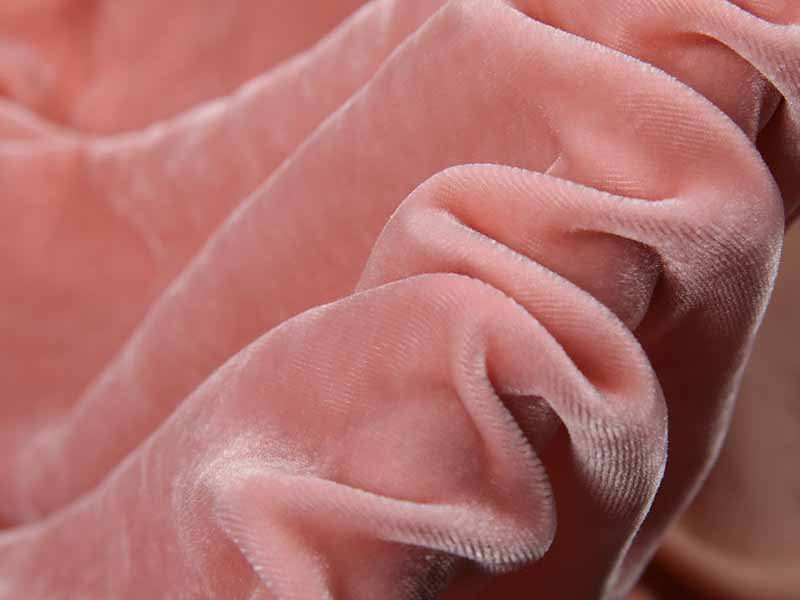
A plush toy can have a strong character design and still fail commercially because the fabric was chosen from a small swatch under office lighting. Once that material is cut, embroidered, sewn, turned, stuffed, groomed, packed, washed, and handled by customers, weaknesses that were invisible on the sample card begin to appear. The surface may shed, the backing may show through, the face may lose definition, or the color may shift between production lots.
To source high-quality fabrics for plush toys, define measurable specifications before requesting prices, match the material to the toy’s size and use, inspect physical swatches and sewn prototypes, verify supplier capacity and documentation, confirm market-specific safety requirements, and lock the approved fabric as a controlled bulk-production standard. Quality must be repeatable, not merely attractive in one sample.
A sourcing team once approved an exceptionally soft long-pile fabric for a small character plush. The swatch felt luxurious, but the finished prototype looked like a different character: the eyes disappeared into the pile, the mouth looked crooked, and every seam trapped loose fibers. The fabric was not objectively poor. It was simply wrong for that design. That difference between a good textile and the right production textile is where professional plush sourcing begins.
What Makes Plush Fabric High Quality?
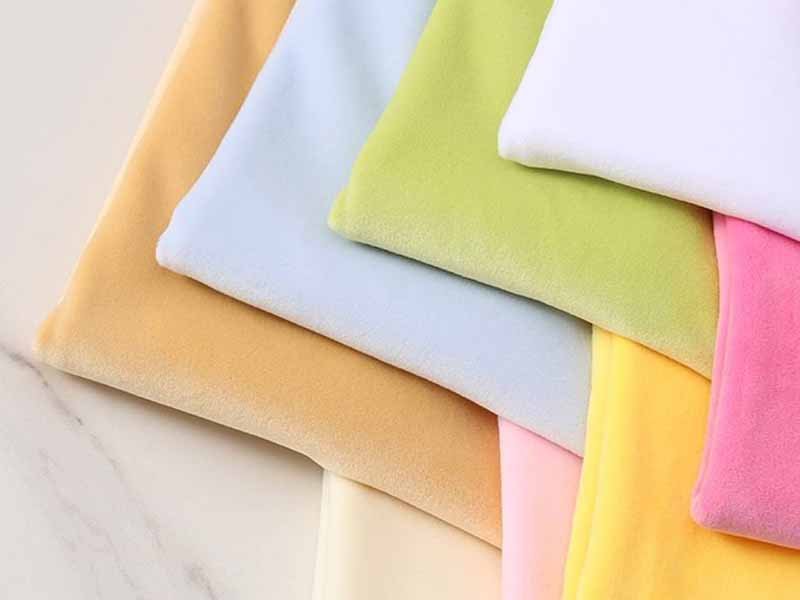
High-quality plush fabric has consistent composition, weight, pile, color, backing strength, and sewing performance. It should create the intended hand feel, recover after compression, resist shedding and pilling, and remain stable after stuffing and cleaning. The best material is not simply the softest one; it is the fabric that can reproduce the approved appearance and performance across every production batch.
Specifications That Matter
Commercial names such as minky, velboa, crystal super soft, sherpa, and faux fur help narrow a search, but they do not define quality. Two suppliers can use the same name for materials with noticeably different pile density, backing construction, stretch, weight, luster, and surface finishing. A reliable specification must describe the material in measurable terms rather than relying on adjectives such as premium, luxury, or extra soft.
Start with fiber composition, GSM, usable width, pile height, pile density, backing type, stretch direction, color reference, and permitted tolerances. These details affect material consumption, paper-pattern behavior, embroidery stability, seam strength, stuffing visibility, and repeat-order consistency. They also allow incoming rolls to be compared against a common standard instead of being approved by memory.
| Fabric parameter | Common commercial range | What it affects | Practical approval method |
|---|---|---|---|
| Fabric weight | About 160-600+ GSM | Coverage, thickness, structure, cost | Weigh several samples from different roll areas |
| Short pile | About 1-5 mm | Facial clarity, printing, embroidery | Test on a finished head or detailed panel |
| Medium pile | About 5-15 mm | Softness and rounded appearance | Check seams and recovery after stuffing |
| Long pile | About 15-50+ mm | Realistic fur and cutting loss | Approve direction, trimming, and grooming |
| Usable width | Often about 145-160 cm | Yield and unit consumption | Measure net width excluding damaged edges |
| GSM tolerance | Agreed by project and supplier | Batch consistency | Compare incoming rolls with approved data |
| Color tolerance | Project-specific | Collection and repeat-order consistency | Approve a physical swatch or lab dip |
| Stretch direction | Low, moderate, or high | Shape, seam control, embroidery | Pull warp, weft, and bias directions |
| Backing strength | Construction-specific | Seam durability and filling containment | Sew and tension a representative seam |
A higher GSM does not automatically mean better quality. Some fabrics gain weight from a heavy backing while still having sparse surface coverage. Others are lighter but use a dense, fine pile that performs well on small character plush. The specification should therefore be judged as a connected system rather than as one headline number.
Feel, Density, and Backing
Hand feel matters because it shapes the customer’s first impression, but softness alone can be misleading. A fabric may feel smooth on a flat swatch yet become thin when stretched around a stuffed head. Another may feel thick and luxurious but collapse around embroidered details or create bulky seams in small limbs.
Fold the fabric, stretch it, compress it, brush it in both directions, and wrap it over a rounded form. Look for visible backing, uneven pile lanes, pressure marks, surface streaks, and slow recovery. Rub the swatch with light and dark cloths to reveal loose fibers or color transfer. Review the same material under daylight and controlled indoor lighting because directional pile can create apparent shade changes.
Backing structure deserves equal attention. Moderate stretch can help create smooth curves, but excessive stretch may widen a face, lengthen a body, or pull embroidery out of shape. During sampling, pattern pieces may need to be rotated, reinforced, or resized so that the approved toy remains stable after filling.
Durability in Real Use
Durability should reflect the product’s actual use. A shelf collectible faces different stress from a baby comfort toy that may be hugged, dragged, mouthed, washed, and repeatedly compressed. Tests and development checks should therefore be linked to the intended age group, care instructions, retail claims, and expected product life.
Useful checks include shedding, pilling, abrasion, seam slippage, tear behavior, tensile performance, colorfastness, shrinkage, washing stability, and recovery after compression. The final construction matters as much as the raw textile. A fabric may perform well as a flat sample but still fail if needle holes enlarge, the backing frays, or a curved seam opens under stuffing pressure.
Dark shades, fluorescent colors, prints, coatings, and specialty finishes deserve extra attention. They may behave differently after rubbing, heat, embroidery, steaming, or packaging compression. When one plush toy uses several colors, each material should have compatible thickness, stretch, and luster so the final product feels like one designed object rather than a collection of unrelated textiles.
Prototype Before Approval
Final fabric approval should never rely on a tiny color-card cutting. The shortlisted material should be used in the actual product structure, especially when the design includes detailed embroidery, narrow limbs, sculpted faces, fitted clothing, appliques, printing, or firm stuffing.
A sewn prototype reveals problems that flat fabric hides. Long pile may cover the mouth. Thick backing may make small fingers difficult to turn. Loose fibers may be trapped in every seam. Embroidery may sink below the surface or wrinkle the eye area. These are not cosmetic surprises; they affect labor, cost, consistency, and the customer’s perception of quality.
Retain an identified swatch together with the approved prototype. Record the material code, supplier, color, composition, GSM, pile, direction, and any special grooming or sewing instructions. The key question is not whether the fabric feels good in isolation. It is whether the finished toy looks right, feels right, supports compliance preparation, and can be reproduced reliably at scale.
Which Fabric Fits Each Plush Toy?

The right fabric depends on the toy’s size, shape, visual detail, age group, stuffing level, cleaning needs, and sales position. Short, even piles usually preserve character accuracy, while medium and long piles create greater softness or realism. The material should be tested on the actual product because the same fabric performs differently on a keychain, baby toy, mascot, or large animal.
Character and Small Plush
Character plush depends on accurate proportions and readable facial details. Minky, velboa, crystal super soft, and other fine short-pile fabrics are common starting points because they support embroidery, applique, and printing without burying small features. The surface should reinforce the artwork rather than changing the apparent width of the face or softness of the expression.
Small products require especially tight control. On a 7-10 cm keychain, a few millimeters of pile can hide a mouth, merge fingers, or make ears look too thick. Dense short pile normally gives cleaner outlines, but the backing must still be thin enough to turn narrow pieces without creating bulky seam allowances.
| Product application | Useful fabric direction | Common pile choice | Selection value | Main risk to check |
|---|---|---|---|---|
| Small plush keychain | Dense velboa or short plush | 1-3 mm | Clear shape and small details | Bulky seams and hidden embroidery |
| Character plush | Minky, fine velboa, short plush | 1-5 mm | Facial accuracy and smooth decoration | Stretch distortion around the face |
| Mascot plush | Short to medium plush | 3-10 mm | Softness with recognizable proportions | Shade differences across large panels |
| Printed plush | Smooth short-pile fabric | Usually below 5 mm | Print clarity | Surface stiffness or color migration |
| Plush pillow | Medium pile or fleece | 5-15 mm | Comfort and broad surface softness | Pilling and poor recovery |
| Realistic animal | Faux fur or mixed pile | 10-50+ mm | Natural texture and depth | Pile direction and cutting loss |
| Baby comfort toy | Low-shedding washable plush | Short to medium | Softness and cleaning practicality | Fiber release and seam durability |
| Collectible series | Fine stable short pile | 1-8 mm | Multi-SKU consistency | Material drift on repeat orders |
Before approving a character fabric, make a representative head or face panel with the real embroidery file and intended filling. The expression is usually the most sensitive area of the product and quickly reveals whether pile, backing, stretch, and stitch density work together.
Baby and Washable Plush
Fabric for baby and toddler products should be selected as part of a complete product system. A commercial name such as baby minky, organic cotton, or hypoallergenic plush does not establish suitability by itself. Review low shedding, color stability, backing strength, wash behavior, seam security, decorative construction, and the intended age group together.
Care instructions must reflect tested performance. A fabric that survives gentle hand washing may not remain stable through repeated machine cycles or tumble drying. When machine washing is part of the product promise, test the complete toy using the intended temperature, detergent, drying method, and realistic number of cycles. Check not only surface feel but also shape, seam opening, filling migration, color transfer, and label durability.
Embroidered eyes and mouths are often selected for younger age groups because they avoid certain detachable decorations, but embroidery still needs engineering control. Excessive stitch density can create a hard patch, weaken the backing, or wrinkle the face. Age grading, target market, and cleaning expectations should therefore be confirmed before fabric and decoration are locked.
Realistic and Long-Pile Plush
Realistic animals often achieve better results with several materials rather than one long fur across the entire body. Faux fur can create depth on the torso, while short plush, felt, suede-like textiles, or embroidery define the face, paw pads, ears, and markings.
Long pile must be treated as a directional design element. Fur may need to flow away from the nose, down the body, and toward the paws. If mirrored pattern pieces are cut in different directions, the two sides can reflect light differently and appear to be different colors. The cutting method should separate the backing while minimizing damage to the surface fibers.
After sewing, trapped pile is brushed out of seams, and selected areas may require trimming around eyes, mouths, paws, or embroidery. These steps add labor and affect yield. A lower fabric price does not necessarily lower the finished unit cost when the material increases cutting waste, grooming time, or rejection risk. Approve the pile map, trimming standard, and grooming reference with the final sample.
Sustainable and Specialty Fabrics
RPET plush, recycled polyester, organic cotton, recycled filling, and traceable specialty blends can support a credible sustainability program when the claim is connected to the actual supply chain and the material performs well in production. A certificate may support recycled content or chain of custody, but it does not automatically prove toy safety, washing durability, or sewing suitability.
Compare sustainable options with conventional materials using the same criteria: composition, pile density, hand feel, color range, MOQ, lead time, shedding, backing stability, test documentation, and reorder continuity. Some recycled fabrics perform almost identically to conventional polyester, while others may have narrower shade availability or longer material-planning cycles.
Specialty surfaces such as metallic plush, glow effects, printed textiles, coatings, scent treatments, or bonded layers need the same discipline. Every finish should be reviewed for durability, compliance implications, surface feel, color stability, and repeatability. A marketable feature only adds value when it survives production and use without creating avoidable quality risk.
How Do You Qualify Fabric Suppliers?

Qualify a plush-fabric supplier by checking measurable specifications, physical swatches, test documents, production capacity, dye-lot control, lead times, minimum quantities, traceability, and reorder stability. The supplier should reproduce the approved material in bulk, identify each lot, explain deviations, and support corrective action. A beautiful first swatch is useful, but repeatability and communication determine long-term sourcing reliability.
Documents and Traceability
A professional supplier should be able to identify the textile it is selling. The technical file should normally state fiber composition, GSM, usable width, pile height, backing construction, stretch, color code, finishing details, care guidance, and agreed tolerances. Vague names such as luxury soft fabric are not enough for repeat purchasing or incoming inspection.
When a project requires safety support, recycled content, organic claims, or other certifications, examine whether the report or certificate describes the actual material, supplier, color, finish, and production scope. Record the supplier’s material code and color code on the approved swatch, purchase order, bill of materials, and incoming inspection record. This connects development approval to bulk production.
| Qualification item | Minimum evidence | Strong supplier response | Warning sign |
|---|---|---|---|
| Material identity | Code, composition, weight, width | Stable technical specification | Only vague marketing names |
| Physical approval | Identified swatch or lab dip | Production-yardage sample available | Approval only through photos |
| Color control | Color reference and lot system | Lot separation and retained standards | No dye-lot identification |
| Capacity | MOQ, lead time, process capability | Clear stages and peak-season planning | Promises without production detail |
| Compliance support | Relevant reports and declarations | Documents linked to exact material | One report claimed for every fabric |
| Traceability | Supplier, lot, production date | Batch or roll-level records | Source changes without notice |
| Reorder stability | Continuity plan | Advance notice of changes | Frequent yarn or backing changes |
| Corrective action | Written replacement process | Quarantine, investigation, replacement | Use first and discuss later |
| Substitution control | Written approval requirement | No change without confirmation | Similar-looking fabric substituted |
A supplier that explains limitations clearly is often more dependable than one that agrees to every request. Honest information about color minimums, finishing risks, or peak-season lead time gives the product team a chance to adjust before the launch schedule is affected.
Swatches and Trial Yardage
Begin with a color card or small cutting to compare general appearance, then request a larger swatch when the option becomes serious. Tiny samples can hide streaks, sparse lanes, uneven brushing, or directional shading. For custom dyeing, approve a lab dip. For printing, review repeat size, registration, line sharpness, color penetration, and the effect on surface feel.
The next step is a decoration trial and sewn prototype. Embroidery can compress pile, printing can stiffen the face, and applique can behave differently on an elastic backing. For higher-risk projects, trial yardage from the intended production process allows the factory to test cutting, embroidery, sewing, filling, trimming, and washing before the main material order is released.
Every swatch should be labeled with supplier, material code, composition, GSM, width, pile height, color, date, and lot where available. Digital images help communication but should not replace physical approval because camera settings, lighting, and screens alter both color and perceived texture.
Capacity and Continuity
Supplier capacity is more than a monthly meter figure. It includes raw yarn planning, knitting, dyeing, brushing, heat setting, finishing, inspection, packing, and transportation to the plush factory. Ask whether the fabric is stocked or made to order, and confirm both total MOQ and minimum color quantity. These two numbers often differ and can strongly affect a multi-color collection.
Break the lead time into stages. A realistic schedule may include yarn preparation, knitting, dyeing, finishing, inspection, and transport. Understanding the process makes it easier to see which part of the timeline can be accelerated and where rushing may create quality risk.
Continuity is critical for licensed products, retail programs, and repeat orders. Ask whether the same yarn, backing, and finish will remain available six or twelve months later. If a construction may be discontinued, consider reserving material, approving a second source, or establishing a formal replacement procedure before the first launch.
Sourcing Models and Red Flags
Buying directly from a textile mill can offer strong technical access and competitive pricing for large repeat programs, but mills may require higher quantities and expect the customer to manage testing, inspection, and manufacturing compatibility. Traders may provide broader selection and more flexible quantities, although source transparency and responsibility for defects need careful review.
When the plush manufacturer manages fabric sourcing, material decisions can be coordinated with pattern engineering, embroidery, sewing, filling, compliance preparation, packaging, and production scheduling. This is useful when the customer’s internal team does not have dedicated textile specialists or when several materials must work together within one character collection.
Common warning signs include no measurable specification, reports that do not match the textile, no lot identification, unexplained price reductions, repeated code changes, refusal to provide trial yardage, and automatic substitution. The project should define one approved material standard, one written change process, and one agreed corrective-action route before bulk fabric is ordered.
How Do You Verify Fabric Safety?

Verify plush-fabric safety by defining the destination market, intended age group, product use, construction, colors, finishes, and accessories before testing. Review material documentation, but confirm the applicable requirements for the finished toy with a qualified laboratory or compliance specialist. A fabric report supports the technical file; it does not automatically prove that the complete plush product meets every applicable requirement.
Build the Test Plan
Testing should begin with the product brief, not with a generic request for full compliance. The laboratory or compliance specialist needs to know where the toy will be sold, who will use it, how it will be marketed, and which materials, decorations, fillings, accessories, or electronic functions it contains.
Common frameworks include ASTM F963 and CPSIA-related requirements in the United States, EN 71 standards and applicable EU toy rules, Great Britain’s Toys (Safety) Regulations 2011, and Canada’s Toys Regulations. Not every clause applies to every plush toy, and requirements can change. The responsible business should confirm the current test plan for the specific product and market before production.
| Risk area | Questions to ask | Evidence or test commonly reviewed | Production control |
|---|---|---|---|
| Fiber and dyes | Does composition match the approved specification? | Material declaration and relevant chemical testing | Approved supplier and lot traceability |
| Heavy metals | Are accessible colors, inks, or coatings affected? | Market-specific testing where applicable | Control dyes, prints, and coatings |
| Restricted substances | Are special finishes or plastic elements used? | Risk-based test plan | No unapproved material changes |
| Colorfastness | Can color transfer during rubbing or washing? | Dry/wet rubbing and wash checks | Approved color recipe and care method |
| Flammability | How does the complete toy behave? | Applicable finished-product assessment | Control fabric, filling, and finish |
| Shedding | Can fibers detach during normal use? | Pull, rub, and use-condition evaluation | Incoming and in-process checks |
| Seam access | Can filling or components become exposed? | Seam-strength and construction review | Stitch density, allowance, inspection |
| Washing | Does cleaning affect safety or shape? | Complete-product wash testing | Care label aligned with tested method |
| Age grading | Is the toy suitable for the intended user? | Design review and applicable tests | Control attachments and marketing |
| Traceability | Can reports be linked to actual production? | Lot records and technical file | Retained samples and batch records |
Material screening can identify obvious risks before a large quantity of custom-dyed fabric is ordered. The finished prototype must still be assessed because fabric interacts with thread, filling, labels, prints, accessories, batteries, sound modules, packaging, and construction. Any material, supplier, color, finish, or decoration change after testing should trigger a compliance review.
Reports and Certificates
Supplier reports are useful evidence, but only when they can be connected to the material being purchased. Check the laboratory, report number, date, tested sample description, composition, color, finish, test methods, applicant, and results. A report for generic polyester plush may not cover a printed, coated, fluorescent, recycled, or differently dyed version.
Sustainability certificates and safety reports serve different purposes. A chain-of-custody document may support a recycled-content claim without establishing chemical or physical toy safety. Likewise, a raw-fabric report does not cover the embroidery thread, filling, accessories, labels, or complete construction.
Maintain an organized technical file that connects approved specifications, supplier invoices, material codes, lot records, test reports, labels, packaging, and the final product version. Keep retained swatches for important programs. Precise language such as materials selected and tested for the target market is more credible than broad claims that all fabrics are certified for every country.
Age and Use
Age grading affects fabric selection, surface-fiber control, attachments, seam construction, filling containment, warnings, labels, and testing. Younger users may pull, mouth, wash, and repeatedly compress a toy, so low shedding, stable dyes, secure seams, and realistic care instructions deserve extra attention.
Adult collectible positioning does not automatically remove a product from children’s-toy requirements. Design, character style, marketing, retail placement, play value, and the way the product is presented can influence classification. The declared age should be consistent with the complete commercial presentation.
Use scenario also matters. A scented plush, weighted plush, electronic talking toy, promotional mascot, baby comforter, and decorative collectible may require different risk reviews. Confirm the target age, destination market, intended function, and product claims before quotation and sampling, because late changes can affect materials, labels, test cost, packaging, and delivery timing.
Design and Material Together
Fabric safety cannot be separated from construction quality. A textile may meet relevant chemical limits and still create a physical problem if the backing opens around needle holes, a seam fails under stuffing pressure, or long fibers detach during use.
Review how the material behaves around narrow limbs, ears, tails, necks, curved faces, embroidery zones, and accessory attachments. Stretchy backing may require pattern changes or reinforcement. Thick fabric may need a wider seam allowance. Long pile may need trimming so that facial details remain visible and secure.
A capable custom plush manufacturer can support design-risk review, material selection, prototype development, incoming checks, process inspection, final inspection, packaging, and coordination with third-party laboratories. That support does not replace the legal responsibilities of the company placing the toy on the market, but it reduces avoidable risks before testing and shipment.
How Do You Control Sample-to-Bulk Quality?
Control sample-to-bulk quality by converting the approved prototype into a documented production standard. Keep signed fabric swatches, color references, material codes, pile direction, patterns, decoration files, filling targets, and inspection criteria. Inspect incoming rolls by lot, prevent unapproved substitution, separate shade groups during cutting, and compare production against the approved sample throughout manufacturing.
Lock the Approved Standard
Sample approval is not the end of development. It is the starting point for production control. The final file should contain the approved toy, signed material swatches, color standards, patterns, embroidery programs, printing artwork, accessory specifications, filling requirements, critical dimensions, labels, packaging, and inspection points.
| Production gate | Required control | Useful measurable evidence | Main risk prevented |
|---|---|---|---|
| Fabric approval | Signed physical swatch | GSM, width, pile, color, supplier code | Wrong or substituted material |
| Sample approval | Sealed finished prototype | Dimensions, weight, filling feel, appearance | Unclear production target |
| Pre-production review | Confirmed BOM and process file | Materials, patterns, artwork, tolerances | Missing or conflicting instructions |
| Incoming inspection | Check each lot before cutting | Roll count, shade, GSM, width, defects | Defective material entering production |
| Cutting control | Separate lots and pile direction | Lot labels and cutting records | Shade mismatch and asymmetry |
| In-line inspection | Check critical operations | Seam, embroidery, size, filling data | Repeated process defects |
| Final inspection | Compare with approved standard | Appearance, function, labels, packaging | Nonconforming shipment |
| Retained records | Keep swatches and batch information | Lot numbers, reports, photos, samples | Weak repeat-order traceability |
The fabric approval should identify supplier, code, composition, color, GSM, width, pile height, backing, stretch direction, and special finish. The approved prototype should show pile direction, trimming, grooming, filling firmness, embroidery placement, and final proportion. A photograph cannot fully communicate hand feel, surface density, or exact shade, so physical standards remain important.
For repeat orders, compare proposed material with the original approved standard rather than relying only on the previous shipment. Small uncontrolled changes can accumulate across production cycles until the toy looks and feels noticeably different from the launch version.
Incoming Fabric Inspection
Fabric should be inspected before release to cutting. Verify supplier, material code, color, lot number, roll count, usable width, weight, pile, backing, stretch, odor, surface condition, stains, holes, creases, shading, shedding, and shipping damage. Compare the material with the signed swatch under consistent lighting and inspect several areas instead of only the outer layer of each roll.
Inspection depth should reflect risk. A familiar stocked fabric used for repeat orders may follow a different plan from a new custom-dyed textile for a major retail launch. However, every roll should remain identifiable so a later defect can be traced to a supplier, lot, and production batch.
Printed material should be checked for registration, repeat alignment, color accuracy, and surface feel. When the production fabric differs in backing or pile from the development swatch, run an embroidery or sewing trial before cutting the full order. Questionable rolls should be quarantined and clearly marked while the supplier response is reviewed.
Lot and Cutting Control
Dye lots should be identified and separated before cutting. Small shade differences may look acceptable roll by roll but become obvious when panels are sewn together or products are displayed side by side. Paired parts such as ears, cheeks, arms, legs, wings, and costume panels should normally come from the same lot.
Pile direction must be shown in the cutting plan. Rotating pieces to improve fabric yield can create visible shading, asymmetry, or a different hand feel on each side of the toy. For rolled materials stored under tension, relaxation may be needed before cutting so that pieces do not shrink or distort after sewing.
Retain a swatch from every accepted production lot and record which lot was used in each batch or SKU. This is especially useful for licensed collections, seasonal programs, and replacement inventory. Good lot control supports retail consistency, photography, investigation, and future reorders.
Failure and Corrective Action
When fabric fails, stop it from entering production. Identify the supplier, material code, color, lot, roll numbers, quantity, and defect. Compare the material with the approved standard, document measurable findings, and determine whether the issue affects one roll, one lot, or the entire shipment.
Sorting may be appropriate for isolated stains or edge damage, but wrong composition, widespread shedding, unstable backing, or major shade variation normally require replacement or reprocessing. Replacement material must pass the same incoming checks. A similar-looking fabric should never be substituted simply to protect the original ship date.
If the delay affects production, update cutting, embroidery, sewing, testing, packaging, and logistics plans immediately. Keep swatches, inspection reports, supplier responses, approved deviations, and retained finished samples. These records help the team improve supplier performance and reproduce the product more accurately on future orders.
Ready to Source Fabric for a Custom Plush Project?
High-quality fabric sourcing is a controlled sequence: define the product, identify the target age and market, write measurable material requirements, compare physical swatches, develop a sewn prototype, review manufacturability, verify documents, test where required, approve a physical standard, inspect incoming lots, and maintain traceability through bulk production.
The lowest fabric quotation rarely produces the lowest total project cost. A material that causes distorted shapes, hidden expressions, excessive cutting loss, unstable color, failed testing, or delayed reorders can cost far more than the original saving. The stronger choice protects design accuracy, compliance preparation, production efficiency, retail consistency, and long-term supply.
Delsney supports custom character plush, mascot plush, baby plush, realistic stuffed animals, keychains, blind-box collections, interactive plush, weighted plush, pillows, and other made-to-order products. The project process can include material recommendation, engineering sampling, incoming inspection, approved-sample control, bulk production, 100% pre-shipment inspection, custom labels and packaging, and global export delivery.
For a practical fabric recommendation and quotation, provide your artwork or reference sample, target size, estimated quantity, sales market, intended age group, preferred hand feel, colors, decoration, packaging requirements, and planned launch date. Standard MOQ is 500 pieces. Standard samples are generally developed in 5-7 days, while complex constructions typically require 7-15 days depending on materials, accessories, and testing needs.