Skip to content
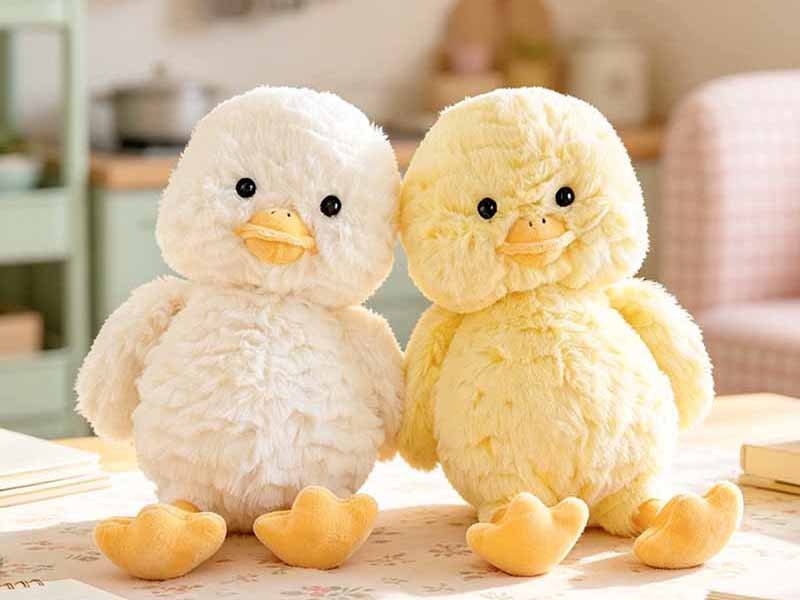
A plush product does not need millions of potential shoppers to become commercially successful. It needs a clearly defined group with a strong reason to care. A generic teddy bear competes against thousands of similar products, often leaving price, advertising budget, and delivery speed as the main differences. A plush character created for an independent game, a weighted companion developed for bedtime routines, or a museum animal based on a local species enters the market with a clearer purpose.
Profitable niche plush sales start with a specific audience, a proven purchase motive, and a product designed around both. A strong niche should be easy to reach, willing to pay for meaningful details, suitable for repeat releases, and large enough to support sampling, production, packaging, logistics, and marketing costs. Demand should be tested through concept feedback, sample reviews, waiting lists, preorders, retailer discussions, and small controlled launches before production expands.
The biggest mistake is often not choosing a niche that is too small. It is creating a product for a broad market without giving anyone a compelling reason to purchase. A community of 10,000 engaged fans can sometimes outperform an unfocused audience of 500,000 followers. One successful launch may begin with a single character, one carefully planned size, and several hundred people asking the same question: “When can I order it?”
What Is a Plush Toy Niche?

A plush toy niche is a defined market connected by a shared interest, age group, activity, emotional need, profession, event, identity, or collecting habit. Product decisions are shaped around the group’s preferences, including character style, size, fabric, filling, accessories, packaging, price, compliance, and sales channel.
“Cute plush toys” describes a broad product category. “Palm-sized fantasy creatures for tabletop gaming fans” describes a niche. The second direction gives a design team much more useful information. It suggests collectible characters, compact packaging, multiple SKUs, detailed embroidery, community-based promotion, and opportunities for repeat purchases.
A workable niche should answer five questions:
- Who is most likely to purchase?
- Why would the product matter to them?
- Where can the audience be reached?
- What product details increase purchase interest?
- Can the concept support profitable production?
Niche Value
Niche value comes from relevance. People often pay more for a plush product connected to a personal interest, memory, community, character, event, or daily routine.
A general animal may compete mainly on price. A product linked to a meaningful use or recognizable culture competes on emotional and functional value.
| General Product | Niche Direction | Main Purchase Reason | Expansion Opportunity |
|---|---|---|---|
| Small cat plush | Café cat keychain collection | Lifestyle identity | New drinks, colors, and outfits |
| Standard bear | University graduation bear | Event memory | Different schools and graduation years |
| Dinosaur toy | Museum species collection | Education and tourism | Multiple species and display sets |
| Soft rabbit | Newborn keepsake rabbit | Gifting and personalization | Name embroidery and birth details |
| Animal cushion | Weighted bedtime companion | Comfort and routine | Different weights and sizes |
| Cartoon figure | Gaming community mascot | Fandom connection | Character series and accessories |
| Dog plush | Custom pet memorial plush | Emotional memory | Personalized markings and packaging |
A niche product does not always require a complicated design. Commercial value can come from:
- Strong character recognition
- Personalized embroidery
- Official colors
- Limited release numbers
- Meaningful packaging copy
- Community references
- Rare animal species
- Regional cultural elements
- Functional weight or texture
- Coordinated product series
Product teams should separate perceived value from production cost. A numbered hangtag may add little manufacturing cost but strengthen collector appeal. An embroidered name can support personalization with manageable production changes. A sound module, molded accessory, removable outfit, or weighted filling system may create stronger differentiation, but development cost and quality-control requirements will also increase.
Audience Quality
Large follower counts do not guarantee sales. Audience quality depends on activity, trust, purchasing habits, and accessibility.
A niche becomes commercially attractive when members:
- Gather in identifiable communities
- Discuss products and share recommendations
- Purchase merchandise related to the same interest
- Attend events, conventions, exhibitions, or matches
- Follow specific artists, creators, teams, or brands
- Respond to limited editions and new releases
- Collect multiple products from one series
- Create photographs, reviews, and unboxing content
- Accept a price premium for accurate details
- Remain interested beyond a short viral moment
A community with 15,000 active members may generate stronger launch results than a broad account with 300,000 passive followers. Engagement should be reviewed through comments, repeat participation, merchandise discussions, event attendance, and previous product sales.
Useful audience questions include:
- How many members interact every month?
- Have they purchased related products before?
- Which price points appear frequently?
- Do members collect several versions?
- Which complaints appear in product reviews?
- Can the audience be reached without excessive advertising costs?
- Does interest continue throughout the year?
- Are there seasonal sales peaks?
Audience access matters as much as audience size. A niche can look promising on paper but remain expensive to reach. Another market may be smaller, yet accessible through one creator, retailer network, school system, museum group, or professional association.
Purchase Motives
A plush concept should have one primary purchase motive. Secondary motives can support the product, but the main reason must remain clear.
| Purchase Motive | Product Priorities | Suitable Commercial Model |
|---|---|---|
| Collecting | Series structure, limited colors, numbered packaging | Repeat releases |
| Fandom | Character accuracy, signature details, official branding | Preorders and community launches |
| Comfort | Softness, weight, shape, washable construction | Premium functional product |
| Gifting | Presentation, personalization, occasion messaging | Seasonal and event sales |
| Identity | Symbols, humor, subculture references | Social-media-led sales |
| Education | Accurate shape, species information, learning cards | Museum and school retail |
| Promotion | Logo visibility, mascot recognition, campaign timing | Volume custom orders |
| Memory | Personal details, event date, pet markings | Personalized production |
| Decoration | Display shape, color palette, interior styling | Lifestyle retail |
| Fundraising | Cause connection, campaign story, manageable price | Charity and institutional programs |
A collector product may require more visual accuracy than a promotional giveaway. A comfort product may need more testing around seams, filling distribution, weight placement, and care instructions. A museum animal may require species accuracy, educational packaging, and durable construction for gift-shop handling.
When several motives compete, the product message becomes weaker. A plush item marketed simultaneously as a children’s toy, adult collectible, wellness tool, corporate gift, and home decoration may struggle to establish a clear identity.
Market Breadth
A niche should be specific enough to guide development but broad enough to support more than one product.
An overly broad direction:
- Animal plush toys
- Cute dolls
- Soft gifts
- Cartoon characters
A more useful direction:
- Mini plush food characters for café culture fans
- Weighted sea animals for bedtime routines
- University mascots for campus stores
- Plush characters for independent game communities
- Realistic endangered animals for museum retail
- Pet memorial plush based on customer photographs
An overly narrow direction may depend on one temporary joke, one viral post, or one short-lived event. Sales can disappear before production arrives.
A stronger concept allows expansion through:
- New characters
- Multiple sizes
- Seasonal colors
- Limited editions
- Accessories
- Gift sets
- Packaging upgrades
- Retail exclusives
- Event editions
- Personalized options
A project should ideally support at least three future product directions before the first sample enters development. Expansion planning does not require launching everything at once. It confirms whether the idea can become a product line rather than a one-time experiment.
Niche Scoring
A practical scoring model helps teams compare several ideas before spending money on artwork, samples, molds, testing, packaging, and inventory.
Score each factor from 1 to 5.
| Evaluation Factor | 1 Point | 3 Points | 5 Points |
|---|---|---|---|
| Audience access | Difficult to locate | Reachable through several channels | Concentrated and highly active |
| Purchase motive | Weak interest | Clear occasional use | Strong emotional or functional reason |
| Existing spending | Little evidence | Some related purchases | Frequent merchandise spending |
| Competition | Dominated by major brands | Moderate competition | Clear market gap |
| Price acceptance | Highly price-sensitive | Mid-range potential | Comfortable with premium details |
| Repeat sales | Single-product demand | Several possible variations | Strong series and collection potential |
| Content potential | Hard to demonstrate | Moderate visual appeal | Highly shareable and story-led |
| Production stability | Complex and uncertain | Manageable after sampling | Easy to scale consistently |
| Compliance fit | Unclear or demanding | Standard market requirements | Well-defined requirements |
| Trend lifespan | Very short | Moderate stability | Long-term interest |
Maximum score: 50 points.
A practical interpretation:
- 40–50 points: Strong candidate for concept development and sample testing
- 32–39 points: Promising, but one or two risks need clearer validation
- 24–31 points: Proceed only with low-risk testing or preorders
- Below 24 points: Rework the audience, product, or sales model before sampling
Scores do not replace real market feedback. A high score still needs evidence from comments, retailer interest, email signups, sample reactions, and purchase commitments.
Launch Economics
Niche selection should connect with production economics from the beginning. A product may receive strong social engagement but fail commercially when packaging, shipping, advertising, platform fees, and inventory are added.
A basic launch calculation should include:
| Cost Area | Items to Include |
|---|---|
| Product development | Artwork, pattern, sample, revisions, special molds |
| Manufacturing | Fabric, filling, embroidery, accessories, labor |
| Packaging | Polybag, box, hangtag, inserts, barcode, carton |
| Compliance | Laboratory testing, labeling, documentation |
| Freight | Local transport, export handling, sea or air shipping |
| Sales platform | Marketplace fees, payment charges, storage |
| Marketing | Photography, video, samples for creators, advertising |
| Inventory risk | Unsold stock, damaged items, replacement products |
| Operations | Warehousing, order handling, returns, customer service |
A selling price cannot be based only on the factory price. A product costing USD 4.00 at the factory may reach a much higher landed and operating cost after packaging, freight, duty, storage, platform fees, and marketing.
Before sample development, teams should establish:
- Target retail price
- Maximum landed cost
- Expected gross margin
- Initial sales quantity
- Reorder threshold
- Acceptable advertising cost
- Discount allowance
- Unsold inventory limit
Clear financial limits help the factory recommend suitable fabrics, sizes, embroidery density, accessories, and packaging.
Which Plush Niches Have Potential?

High-potential plush markets usually combine a recognizable audience, strong purchase motivation, product-series potential, and realistic production requirements. Adult collectors, gaming communities, creator merchandise, comfort products, sustainable collections, museums, tourism retail, schools, sports organizations, pet-related products, and corporate mascots all offer viable opportunities when demand is validated before large production begins.
A popular category is not always the most profitable. Heavy competition can push advertising costs higher and make product differences harder to communicate. Smaller markets may provide better access, stronger loyalty, and clearer product requirements.
Evaluation should focus on:
- Audience activity
- Purchase frequency
- Available price range
- Product gaps
- Competition quality
- Repeat sales potential
- Required customization
- Compliance difficulty
- Production quantity
- Distribution channel
Adult Collectors
Adult collectors often care about details ignored in low-cost children’s products. They may compare face shape, embroidery, posture, fabric texture, color accuracy, costume construction, packaging, rarity, and display appearance.
Suitable directions include:
- Limited character editions
- Artist-created creatures
- Retro animals
- Horror-cute characters
- Food and plant collections
- Fantasy species
- Mini plush series
- Display dolls
- Seasonal colorways
- Numbered releases
Collector projects should pay close attention to:
- Left and right eye alignment
- Facial embroidery position
- Character proportions
- Color matching
- Accessory attachment
- Stable sitting or standing posture
- Packaging condition
- Consistency between production batches
A difference of several millimeters in eye position can change the expression of a small face. A slight change in stuffing density can affect posture. Fabric pile direction can alter the appearance of color under light.
Delsney supports three-view artwork, 3D visual development, sample adjustments, and up to 98% matching between approved designs and finished products. Such controls are valuable for projects where small character differences influence collector acceptance.
A first collector launch should usually avoid too many SKUs. Three to five designs may be manageable when the audience has already shown clear preferences. An untested collection with ten or more designs can divide demand, increase packaging complexity, and raise the risk of uneven inventory.
Fandom Markets
Fandom markets include games, animation, comics, novels, online creators, music, sports, films, podcasts, and virtual personalities.
Plush products work well because fans can:
- Display characters
- Carry mini versions
- Complete a collection
- Photograph products
- Share unboxing content
- Support a creator
- Mark membership in a community
- Purchase limited event editions
A strong fandom plush should preserve the details people recognize immediately:
- Silhouette
- Facial expression
- Signature colors
- Costume features
- Symbols
- Hair shape
- Props
- Character posture
- Scale relationship
- Packaging artwork
Rights and permissions must be confirmed before production. Logos, characters, uniforms, artwork, and names may be protected. A manufacturing partner can follow approved files, but legal authorization should be secured by the project owner.
Preorders work especially well for community-led releases. A practical preorder can reveal:
- Total demand
- Most popular character
- Preferred size
- Color distribution
- Geographic concentration
- Acceptable price
- Packaging interest
- Demand for accessories
A creator with four characters may discover that one receives 55% of preorder demand, while another receives only 8%. Production can then follow actual preference rather than dividing quantity evenly.
Comfort Products
Comfort-focused plush products are developed around touch, pressure, weight, shape, warmth, familiarity, or routine.
Common directions include:
- Weighted animals
- Long-body hugging plush
- Flat sleeping companions
- Travel comfort plush
- Desk companions
- Soft sensory animals
- Bedtime characters
- Textured fabric combinations
- Removable washable covers
- Heat-compatible inserts where regulations allow
Development should cover more than softness. Important questions include:
- How is weight distributed?
- Does filling move during use?
- Can internal bags shift?
- Are seams strong enough for the selected weight?
- Is the product balanced when lifted?
- Can the cover be cleaned?
- Which age group is suitable?
- Which warnings are required?
- Does the product contain removable parts?
- Are marketing claims accurate?
Unsupported medical claims should be avoided. Product communication can describe weight, softness, shape, fabric, and intended use without promising treatment of stress, sleep disorders, anxiety, or medical conditions.
Weighted products require secure internal compartments. Several smaller weight pockets can provide better balance than one large loose bag. Drop tests, seam checks, pull testing, filling migration review, and wash-care evaluation should be discussed during development.
Sustainable Plush
Sustainable plush projects appeal to environmental organizations, museums, lifestyle brands, corporate programs, educational institutions, and retailers with material policies.
Useful directions include:
- Recycled polyester fabric
- Recycled polyester filling
- Organic cotton details
- Reduced plastic packaging
- Paper belly bands
- FSC-certified paper boxes
- Smaller packaging volume
- Durable construction
- Replaceable accessories
- Consolidated carton design
Claims should identify the exact material or packaging improvement. “Outer fabric made from recycled polyester” gives clearer information than broad environmental wording.
Development trade-offs may include:
| Sustainable Direction | Possible Benefit | Development Concern |
|---|---|---|
| Recycled plush fabric | Lower reliance on virgin polyester | Color, softness, and MOQ variation |
| Recycled filling | Supports recycled-content goals | Loft and recovery must be checked |
| Cotton components | Natural-fiber story | Shrinkage and colorfastness |
| Reduced packaging | Lower material use | Product protection during shipping |
| Smaller cartons | Better freight efficiency | Plush compression and recovery |
| Durable construction | Longer useful life | Higher material or labor cost |
Documentation requirements should be confirmed before sampling. Some retailers may request material composition records, supplier declarations, recycled-content documentation, or packaging certifications.
Institutional Markets
Institutional plush programs include museums, zoos, schools, universities, sports teams, charities, companies, tourist attractions, festivals, hospitals, and public campaigns.
Common products include:
- Museum animal collections
- Zoo species
- University mascots
- Sports characters
- City landmarks
- Cultural figures
- Charity mascots
- Corporate characters
- Event gifts
- Membership products
Institutional projects often involve fixed delivery dates and several approval departments. Artwork may need review from marketing, legal, retail, event, and management teams.
A complete project brief should include:
- Required quantity
- Target delivery date
- Event date
- Destination country
- Intended age group
- Retail or giveaway use
- Target price
- Product size
- Official colors
- Logo files
- Packaging format
- Barcode requirements
- Safety standards
- Carton marking
- Approval contacts
A delayed sample can affect an exhibition opening, sports season, campus event, or fundraising campaign. Development should work backward from the delivery date.
A practical schedule may reserve:
- 5–7 days for a standard plush sample
- 7–15 days for complex structures
- Time for sample review and revisions
- Time for compliance testing
- 20–30 days for bulk production
- Time for inspection, packing, and shipping
Delsney provides integrated design, pattern development, sampling, manufacturing, quality inspection, packaging, and shipping support. Early communication around deadlines, destination market, packaging, and approval steps helps reduce last-minute changes and improves production stability.
How Do You Validate Demand?
Demand validation means proving that a defined audience is willing to engage, leave contact details, place a preorder, request a sample, or commit retail space before a large production order begins. Reliable validation combines search behavior, competitor reviews, community feedback, pricing tests, prototype reactions, and paid orders. Likes alone are weak evidence; purchase commitments, deposits, retailer interest, and repeat requests carry far more weight.
A plush idea can attract enthusiastic comments and still fail at checkout. People often praise a cute concept without accepting the final price, shipping cost, size, or delivery schedule. Validation should therefore move from low-commitment feedback toward higher-commitment actions.
A practical validation sequence can follow five levels:
| Validation Level | Audience Action | Evidence Strength |
|---|---|---|
| Interest | Likes, votes, comments | Low |
| Consideration | Email signup, survey completion, product-page visit | Moderate |
| Preference | Size, color, or character selection | Moderate |
| Commitment | Refundable deposit, preorder, retailer request | Strong |
| Repeat demand | Reorder, second-edition request, series purchase | Very strong |
Project teams should not wait for perfect certainty. The goal is to reduce avoidable risk before committing to fabric, embroidery, packaging, testing, freight, and inventory.
Search Signals
Search behavior reveals how people describe their needs and which product features already attract attention. Useful sources include Google autocomplete, related searches, marketplace search bars, social media hashtags, forum discussions, product reviews, and retailer category pages.
Search research should record:
- Product type
- Character or animal
- Intended age group
- Size
- Material
- Function
- Occasion
- Price range
- Common complaints
- Geographic market
- Seasonal pattern
A search such as “weighted dinosaur plush for adults” provides more useful product direction than “plush toy.” It combines form, audience, and function. “Mini mushroom plush keychain” suggests a compact collectible format with low shipping volume. “Custom school mascot plush” points toward institutional sales, official colors, logo accuracy, and fixed delivery dates.
A simple keyword sheet can group terms by commercial meaning:
| Search Pattern | What It Reveals |
|---|---|
| “best plush for…” | Audience need or use case |
| “custom plush…” | Personalization or manufacturing demand |
| “plush under…” | Price sensitivity |
| “large plush…” | Size preference |
| “weighted plush…” | Functional interest |
| “plush keychain…” | Portable, lower-price format |
| “limited edition plush…” | Collector behavior |
| “eco-friendly plush…” | Material expectations |
Search volume should not be viewed alone. A smaller keyword with clear purchase language may be more useful than a broad high-volume term dominated by low-cost mass products.
Review Gaps
Customer reviews show where current products disappoint people. Negative reviews can reveal unmet needs in size, softness, stuffing, seam strength, facial accuracy, packaging, washing, odor, accessories, and delivery condition.
Review analysis should separate product defects from preference differences.
Frequent defects may include:
- Loose stitching
- Uneven eyes
- Underfilled limbs
- Hard internal parts
- Fabric shedding
- Damaged packaging
- Strong chemical odor
- Incorrect size
- Color mismatch
- Detached accessories
Preference gaps may include:
- Customers want a larger version.
- Collectors prefer firmer stuffing for display.
- Children prefer softer bodies for hugging.
- Gift purchasers want better packaging.
- Fans want more accurate costume details.
- Retailers need barcode-ready packaging.
- Travelers want smaller products with clips.
- Adult customers prefer less childish colors.
A review-mining sheet can count repeated complaints across 50–200 competing listings. Ten isolated complaints may not matter. Forty comments about weak seams or inaccurate faces point to a real product gap.
| Review Finding | Product Response |
|---|---|
| Product arrives compressed | Improve packaging and recovery instructions |
| Face differs from listing | Tighten sample approval and embroidery placement |
| Filling moves into one area | Add internal compartments or revise filling method |
| Accessory falls off | Reinforce attachment or make it intentionally removable |
| Packaging looks cheap | Add printed box, card, sleeve, or branded insert |
| Product is smaller than expected | Use clear dimensions and scale photography |
Review data helps a factory understand what must be controlled during pattern making and production, not only what should be written in marketing copy.
Preorder Testing
Preorders provide stronger evidence than social engagement because the audience accepts a price and delivery schedule. They also help estimate character demand, color ratios, packaging interest, and geographic distribution.
A preorder test should define:
- Final or estimated retail price
- Product size
- Material description
- Expected delivery period
- Minimum campaign quantity
- Refund terms
- Shipping cost
- Available variations
- Character images or physical sample
- Compliance and age information
Preorder results should be judged against production economics. A campaign receiving 300 orders may still be weak when the project requires 1,500 units across five SKUs. The same 300 orders may be highly encouraging for one design with a 500-piece production plan.
A useful preorder target can be calculated as:
Required preorder revenue = development cost + deposit requirement + packaging setup + testing cost + launch marketing reserve
Projects should also watch SKU distribution.
| Character | Preorders | Share | Production Decision |
|---|---|---|---|
| Character A | 280 | 47% | Main production quantity |
| Character B | 165 | 28% | Secondary quantity |
| Character C | 95 | 16% | Limited quantity |
| Character D | 55 | 9% | Delay or redesign |
Preorder data prevents equal production across unequal demand.
Sample Testing
A physical sample answers questions that artwork cannot. It shows actual size, balance, softness, posture, color, pile direction, embroidery, accessory strength, packaging fit, and shipping volume.
Sample testing should involve several groups:
- Internal product team
- Existing customers
- Community members
- Retail partners
- Content creators
- Compliance advisers
- Logistics team
- Factory quality staff
Each group notices different problems. Fans may focus on character accuracy. Retailers may focus on packaging and price. Logistics teams may identify excessive carton volume. Quality staff may identify fragile seams or difficult production details.
A structured sample review can score each area from 1 to 5.
| Review Area | 1 Point | 3 Points | 5 Points |
|---|---|---|---|
| Character accuracy | Major differences | Acceptable resemblance | Strong match |
| Fabric feel | Poor or unsuitable | Adequate | Highly suitable |
| Stuffing balance | Uneven | Mostly stable | Consistent |
| Size suitability | Wrong scale | Usable | Ideal for audience |
| Packaging | Weak protection | Functional | Strong retail presentation |
| Perceived value | Below price | Fair | Supports target price |
| Production stability | Difficult | Manageable | Easy to repeat |
| Shipping efficiency | High volume | Moderate | Compact and efficient |
Delsney can prepare three-view artwork, 3D effects, and physical samples before bulk production. Standard samples generally require 5–7 days, while more complex structures may require 7–15 days.
Product Metrics
A concept should move forward when several forms of evidence point in the same direction. No single metric gives a complete answer.
Useful launch indicators include:
- Email signup conversion
- Product-page conversion
- Preorder conversion
- Deposit count
- Retailer interest
- Average order value
- Preferred SKU ratio
- Repeat purchase intention
- Expected gross margin
- Return or cancellation rate
- Advertising cost per order
- Community sharing rate
Early testing targets vary by category and channel, but several internal thresholds can help teams compare concepts.
| Metric | Weak Signal | Encouraging Signal | Strong Signal |
|---|---|---|---|
| Landing-page signup rate | Below 2% | 3–6% | Above 7% |
| Survey completion | Below 10% | 15–30% | Above 30% |
| Preorder conversion from warm audience | Below 1% | 2–5% | Above 5% |
| Repeat purchase intention | Below 20% | 30–50% | Above 50% |
| Retailer sample interest | One inquiry | Several requests | Trial-order discussion |
| Positive sample rating | Below 60% | 70–85% | Above 85% |
Figures should be used as internal references rather than universal rules. A high-price artist plush may convert fewer visitors but produce a stronger margin. A low-price keychain may convert well but require larger quantities to cover marketing and fulfillment.
How Should Products Fit Each Niche?

A niche plush product should match the audience’s use, price expectations, visual taste, safety needs, and sales channel. Size, fabric, filling, features, accessories, packaging, and compliance cannot be selected independently. A collectible display plush needs different construction from a weighted bedtime product, a museum souvenir, a baby gift, or a promotional mascot.
Product-market fit becomes visible when the design feels appropriate before the logo is even noticed. A gaming character should preserve recognizable proportions. A museum animal should reflect species details. A travel souvenir should fit luggage. A premium gift should arrive in presentation-ready packaging.
The design brief should translate market findings into measurable product requirements.
Size Planning
Size affects retail price, material consumption, carton volume, shipping cost, display space, and perceived value. Larger products may attract attention but also increase freight and storage requirements.
| Plush Size | Common Use | Main Advantage | Main Concern |
|---|---|---|---|
| 8–12 cm | Keychains, blind-box items | Low shipping volume | Limited detail area |
| 13–20 cm | Mini collectibles, gifts | Easy to display and ship | Small accessories need control |
| 21–30 cm | Main retail size | Balanced value and detail | Competitive category |
| 31–45 cm | Premium gifts, hugging plush | Strong shelf presence | Higher carton volume |
| 46–70 cm | Large comfort products | High emotional impact | Freight and storage cost |
| Above 70 cm | Display, events, premium novelty | Strong visual effect | Bulky logistics |
Small products need simplified embroidery and accessories because limited surface area can make complex details unstable. Large products require stronger seam planning, filling control, and packaging recovery tests.
For a first launch, one main size is often safer than offering several sizes immediately. Additional sizes can follow after sales data confirms demand. A 20 cm product and a 40 cm product may appeal to different price groups, but they also require separate patterns, samples, packaging, and inventory.
Fabric Choice
Fabric should support the target hand feel, appearance, durability, compliance, and price.
Common options include:
| Fabric | Hand Feel | Suitable Market | Main Control Point |
|---|---|---|---|
| Short-pile plush | Smooth and clean | Characters, mascots, collectibles | Seam visibility |
| Minky | Soft and even | Baby, comfort, premium gifts | Stretch during sewing |
| Long-pile plush | Warm and fluffy | Animals, fantasy creatures | Face-detail control |
| Faux fur | Rich and realistic | Premium animals, costumes | Shedding and pile direction |
| Velboa | Short and stable | Promotional products | Surface density |
| Fleece | Soft and casual | Simple characters | Pilling |
| Recycled plush | Varies by supplier | Sustainability programs | Documentation and color consistency |
| Cotton fabric | Natural surface | Lifestyle and educational products | Shrinkage and softness |
A fabric that looks attractive in a swatch may behave differently after sewing and stuffing. Stretch can change proportions. Long pile can hide embroidery or narrow seams. Dark fabrics can influence thread appearance. Light fabrics may show internal lining or marks more easily.
Material approval should include:
- Color
- Pile height
- Pile direction
- Density
- Stretch
- Shedding
- Colorfastness
- Hand feel
- Cleaning behavior
- Availability for repeat orders
Delsney can compare material options before sampling and help reduce differences between the design file and finished product.
Feature Value
Every added feature should support the audience or strengthen the price position. Unnecessary complexity can raise cost without increasing purchase interest.
Possible features include:
- Weighted filling
- Sound modules
- LED components
- Scent pockets
- Removable clothing
- Magnetic accessories
- Embroidered names
- Woven labels
- Hidden pockets
- Keychain clips
- Poseable parts
- Textured fabric panels
A feature-value table helps prioritize development.
| Feature | Customer Value | Cost Impact | Quality Risk |
|---|---|---|---|
| Embroidered logo | Strong branding | Low to moderate | Placement accuracy |
| Removable outfit | Play and collecting | Moderate | Small-part control |
| Sound module | Character interaction | Moderate to high | Battery and compliance |
| Weighted filling | Functional comfort | Moderate | Internal compartment strength |
| Magnetic accessory | Flexible display | Moderate | Age grading and safety |
| Custom box | Premium presentation | Moderate | Packaging MOQ and freight |
| Numbered hangtag | Collector value | Low | Data control |
| 3D accessory | Strong visual detail | High | Mold cost and attachment |
A feature should earn its place through sales value, audience relevance, or brand recognition. A complex accessory that adds USD 0.80 to manufacturing may be worthwhile when it supports a USD 10 retail increase. The same feature may be unsuitable for a low-price promotional program.
Packaging Fit
Packaging communicates price position and protects the product during shipping. Niche projects often need more than a standard polybag because collectors, gift purchasers, retailers, and institutions judge the complete presentation.
Packaging options include:
- Polybag with warning print
- Drawstring fabric bag
- Paper belly band
- Printed hangtag
- Window box
- Closed color box
- Display carton
- Gift box
- Recyclable paper sleeve
- Retail-ready tray
| Sales Setting | Suitable Packaging |
|---|---|
| Online preorder | Protective bag plus branded card |
| Collector release | Window box or premium printed box |
| Museum gift shop | Hangtag with species information |
| University store | Branded tag, barcode, shelf-ready format |
| Corporate campaign | Logo box or message card |
| Baby gift | Presentation box with care information |
| Blind-box series | Sealed individual box |
| Large plush | Compression-safe bag and reinforced carton |
Packaging development should include:
- Product dimensions after stuffing
- Compression recovery
- Barcode position
- Warning labels
- Retail shelf size
- Carton quantity
- Drop protection
- Moisture protection
- Unboxing sequence
- Shipping cost
A large box may look premium but reduce carton efficiency. A smaller package may lower freight but compress long pile or deform accessories. Sample packing trials help find the right balance.
Safety Planning
Safety requirements depend on destination country, intended age, product features, materials, accessories, and marketing language. Compliance planning should begin before the final sample because late changes can affect fabric, seams, labels, packaging, and testing.
Common areas include:
- Flammability
- Mechanical safety
- Small parts
- Seam strength
- Filling security
- Chemical limits
- Label content
- Age grading
- Battery safety
- Magnet controls
- Wash instructions
- Traceability
Products sold in Europe may require EN71-related testing and CE documentation. Products for the United States may require ASTM F963 and CPSIA-related compliance. Other markets may require additional national testing or labeling.
| Product Feature | Compliance Concern |
|---|---|
| Plastic eyes | Small-part security |
| Sound module | Battery access and electrical safety |
| Magnets | Magnet strength and age suitability |
| Weighted beads | Internal containment |
| Long cords | Entanglement risk |
| Removable clothing | Small accessories |
| Scent component | Material safety and claims |
| Heat insert | Temperature and use instructions |
| Baby product | Stricter age and construction review |
A collector label does not automatically remove toy-safety obligations. Product appearance, marketing, retail placement, and likely users all influence compliance expectations.
Delsney supports projects requiring EN71, ASTM, CPSIA, CE, and related market requirements. Early confirmation of destination, age group, and product features helps the design team choose suitable construction before testing begins.
Which Channels Reach Niche Customers?

The best sales channel is the place where a niche audience already discovers products, discusses interests, compares options, and makes purchases. TikTok may work well for visual character launches, Etsy for personalized plush, Amazon for search-driven products, Shopify for owned brand growth, and conventions for fandom or collector releases. Channel choice should follow audience behavior, product price, content style, fulfillment capacity, and repeat-sales goals.
A channel with high traffic is not always the most profitable. Marketplace fees, advertising costs, return policies, warehouse charges, discount pressure, and limited access to customer data can reduce margin. Owned channels provide greater control but require stronger content, email marketing, and community development.
A practical channel plan may combine:
- One primary sales channel
- One discovery channel
- One community channel
- One email or membership channel
- One offline testing channel
For example, a gaming mascot may be promoted on TikTok, discussed in Discord, sold through Shopify, and introduced at a convention. A museum animal may rely on gift shops, educational events, and the museum website rather than broad social advertising.
TikTok Sales
TikTok suits plush products because shape, texture, facial expression, squeezing, unboxing, and character stories are easy to show in short videos. Products with a strong visual hook can gain attention quickly, especially mini collectibles, unusual animals, reversible expressions, oversized plush, weighted products, and creator characters.
Useful video formats include:
- Sketch-to-sample development
- Before-and-after prototype changes
- Character introduction
- Packaging reveal
- Fabric texture close-up
- Stuffing and sewing process
- Customer reaction
- “Choose the next color” voting
- Limited-release countdown
- Series collection display
- Packing customer orders
- Size comparison
A successful TikTok plan needs more than one viral clip. Repeated formats help viewers understand the character and remember the product.
| Content Type | Main Goal | Suitable Product |
|---|---|---|
| Character story | Build emotional connection | Mascots and creator plush |
| Process video | Show quality and craftsmanship | Premium custom plush |
| Texture close-up | Communicate softness | Comfort and baby products |
| Unboxing | Strengthen packaging value | Collector editions |
| Size comparison | Reduce purchase uncertainty | Large and mini plush |
| Community vote | Collect product feedback | Multi-color or multi-character series |
| Limited countdown | Create urgency | Seasonal and numbered releases |
TikTok traffic can be unpredictable, so production should not be based on views alone. More useful signals include product-page clicks, email signups, add-to-cart activity, live-stream questions, preorder deposits, and completed orders.
Marketplaces
Marketplaces provide existing traffic and established payment systems, but each platform attracts different shopping behavior.
| Channel | Suitable Plush Direction | Main Strength | Main Limitation |
|---|---|---|---|
| Amazon | Search-driven products and broad categories | Large customer base | Strong price and review competition |
| Etsy | Personalized, artist-led, and niche gifts | High interest in custom products | Manual service demands |
| eBay | Collectibles and limited items | Secondary-market activity | Less control over brand presentation |
| TikTok Shop | Trend-led and video-driven products | Fast content-to-purchase path | Demand can change quickly |
| Walmart Marketplace | Broad retail products | Large mass-market reach | Entry and operation requirements |
| Specialty marketplaces | Fandom, design, or lifestyle products | Focused audience | Lower total traffic |
Amazon works best when customers already search for the product type. Strong listing images, clear size information, review management, inventory planning, and fulfillment are critical.
Etsy is more suitable for personalization, smaller creative collections, pet memorial plush, artist characters, wedding gifts, graduation items, and customized embroidery. Response speed and customization accuracy influence reviews.
Owned websites should not be ignored. Shopify or another independent store allows greater control over:
- Customer email data
- Brand presentation
- Product bundles
- Preorders
- Membership offers
- Limited releases
- International pricing
- Repeat marketing
- Storytelling
- Community access
Many plush brands use marketplaces for discovery and independent websites for higher-value releases.
Creator Partnerships
Creators can introduce plush products to audiences that already trust their style, humor, character world, or recommendations. Suitable partners include illustrators, streamers, game developers, VTubers, pet accounts, educators, musicians, athletes, and lifestyle creators.
A partnership should be evaluated by audience fit rather than follower count.
Important checks include:
- Comment quality
- Average video views
- Previous merchandise results
- Audience location
- Audience age
- Content style
- Posting frequency
- Community trust
- Product-category fit
- Ability to explain the character
Partnership structures may include:
- Fixed content fee
- Sales commission
- Revenue share
- Co-branded release
- Creator-owned character production
- Sample seeding
- Affiliate link
- Limited exclusive color
- Event collaboration
- Community preorder
A creator with 40,000 highly engaged followers may sell more plush than a general entertainment account with 500,000 followers. The smaller creator may have stronger trust and clearer audience relevance.
Before production, creators should approve:
- Character shape
- Facial expression
- Colors
- Logo position
- Accessories
- Packaging artwork
- Product name
- Launch date
- Content schedule
- Final sample
A clear approval process prevents late changes after fabric, embroidery files, labels, and packaging enter production.
Community Selling
Niche plush products often sell through communities before they sell through broad advertising. Discord groups, Reddit communities, Facebook groups, fan clubs, email lists, membership programs, conventions, and local associations can provide direct feedback and early demand.
Community selling works when participation feels genuine. Constant promotion without useful interaction can damage trust.
Useful community activities include:
- Character naming polls
- Size voting
- Color selection
- Packaging preference surveys
- Prototype feedback
- Behind-the-scenes updates
- Limited member access
- Early preorder windows
- Development diaries
- Sample comparison posts
A community can also help detect problems before launch. Members may notice a missing character detail, unsuitable color, inaccurate costume element, or packaging phrase that the development team overlooked.
Community engagement should be measured through:
| Metric | What It Shows |
|---|---|
| Poll participation | Interest in product decisions |
| Comment depth | Strength of emotional connection |
| Email signup rate | Willingness to stay informed |
| Preorder rate | Purchase commitment |
| Referral activity | Community recommendation strength |
| Repeat order rate | Series potential |
| User-generated content | Product shareability |
A strong community reduces dependence on paid advertising because customers help spread the product through photographs, reviews, collection displays, and recommendations.
Content Matching
Content should reflect the audience’s purchase motive. One message will not work equally well for collectors, parents, museums, gaming fans, and corporate teams.
| Niche | Effective Content Focus |
|---|---|
| Adult collectors | Detail, rarity, packaging, series completion |
| Gaming fans | Character accuracy, story, community references |
| Comfort products | Texture, weight, shape, care, daily routine |
| Museum retail | Species accuracy, education, local relevance |
| University mascots | School identity, events, graduation |
| Corporate programs | Logo accuracy, campaign timing, packaging |
| Sustainable products | Material details, documentation, reduced packaging |
| Pet memorial products | Personalization, markings, emotional story |
Good plush content should answer practical questions:
- How large is the product?
- How soft is the fabric?
- Can it sit or stand?
- Is the accessory removable?
- How does the packaging look?
- Which age group is suitable?
- How should it be cleaned?
- Is the edition limited?
- When will it ship?
- Can it be customized?
Clear product information reduces disappointment and returns. Scale photographs, hand-held images, close-ups, packaging views, and short handling videos are especially useful.
How Do You Scale Plush Production?
Plush production should expand only after product demand, sample accuracy, pricing, compliance, packaging, and delivery requirements are confirmed. A controlled scale-up begins with one or a few strong SKUs, clear technical files, approved materials, a signed sample, and an inspection standard. Growth becomes safer when reorder decisions follow sales data rather than excitement, views, or unconfirmed forecasts.
Scaling is not simply ordering more units. Larger orders require stable fabric supply, consistent embroidery, repeatable stuffing, packaging control, carton planning, compliance records, production scheduling, and final inspection.
A product that works at 500 pieces may need stronger process control at 5,000 or 20,000 pieces because more operators, materials, cartons, and production stages are involved.
Sample Control
A plush sample is the production reference for shape, proportion, fabric, color, embroidery, filling, accessories, labels, and packaging. Bulk production should not begin until all major details are approved.
A complete sample approval should cover:
- Front, back, and side appearance
- Overall dimensions
- Head-to-body proportion
- Limb length
- Facial expression
- Fabric type
- Color standard
- Embroidery position
- Filling density
- Product weight
- Accessory attachment
- Logo method
- Label content
- Packaging
- Carton arrangement
Delsney supports several development routes:
- Technical-file sampling
- Artwork sampling
- Physical-sample duplication
- Three-view drawing
- 3D visual preparation
- Pattern development
- Fabric matching
- Embroidery development
- Packaging design
- Sample revision
Standard plush samples can generally be developed in 5–7 days. Complex products with molded parts, electronics, weighted structures, special accessories, or multiple fabrics may require 7–15 days.
A good sample process should compare design intent with production reality. Some artwork details may need adjustment because:
- Embroidery lines are too thin.
- Limbs are too narrow to turn and fill.
- Long-pile fabric hides small details.
- Accessories create small-part risks.
- The requested posture is unstable.
- Color availability differs from the illustration.
- Packaging dimensions increase freight too much.
Early technical adjustment protects the character while improving production stability.
MOQ Planning
MOQ should be planned around market evidence, SKU count, material requirements, and expected reorder speed. A low total order can still become risky when divided across too many characters, colors, sizes, and packaging types.
For example:
| Total Quantity | SKU Count | Average per SKU | Risk Level |
|---|---|---|---|
| 500 pcs | 1 SKU | 500 pcs | Low complexity |
| 1,000 pcs | 2 SKUs | 500 pcs | Manageable |
| 1,500 pcs | 5 SKUs | 300 pcs | Higher material and inventory risk |
| 2,000 pcs | 10 SKUs | 200 pcs | High complexity |
| 5,000 pcs | 5 SKUs | 1,000 pcs | Better production efficiency |
Delsney supports flexible MOQ arrangements, with many custom projects beginning from approximately 500 pieces. Final MOQ depends on fabric, accessories, packaging, printing, electronics, and material availability.
SKU control is one of the strongest ways to reduce launch risk. A first collection can begin with:
- One leading character
- One main size
- One packaging format
- One fabric group
- Two or three color options at most
More variations can follow after sales data shows where demand is strongest.
Material MOQ should also be reviewed. Custom-dyed fabric, printed textiles, molded accessories, sound modules, custom boxes, and special labels may carry separate minimum quantities.
Accuracy Control
Character accuracy influences customer acceptance, especially for mascots, licensed products, artists, games, animation, and collector lines.
Key accuracy points include:
- Face shape
- Eye distance
- Eye height
- Mouth position
- Ear angle
- Body proportion
- Color-block boundaries
- Embroidery density
- Accessory scale
- Sitting balance
- Logo placement
- Overall silhouette
Delsney’s finished products can reach up to 98% alignment with approved artwork when technical details, materials, and sample standards are confirmed before production.
Accuracy control should use measurable references rather than visual memory alone.
| Detail | Control Method |
|---|---|
| Overall size | Finished measurement tolerance |
| Eye position | Distance from centerline and seam |
| Logo position | Measurement from fixed edge |
| Color | Approved swatch or Pantone reference |
| Product weight | Defined finished-weight range |
| Embroidery | Approved stitch file and sample |
| Filling | Weight and hand-feel reference |
| Accessories | Pull and position check |
| Posture | Approved standing or sitting reference |
Production teams should compare first pieces against the signed sample. Problems found during the first production stage are easier to correct than defects discovered after thousands of units are completed.
Quality Inspection
Quality inspection should cover materials, sewing, filling, embroidery, accessories, cleanliness, labels, packaging, and carton information.
A practical inspection sequence includes:
- Incoming material inspection
- Cutting inspection
- Embroidery inspection
- Sewing-line inspection
- Filling and shaping inspection
- Accessory attachment check
- Needle detection where required
- Final appearance inspection
- Packaging inspection
- Pre-shipment inspection
Important defect categories include:
| Area | Common Defects |
|---|---|
| Fabric | Wrong color, stains, holes, pile damage |
| Cutting | Incorrect shape, wrong pile direction |
| Sewing | Open seams, skipped stitches, puckering |
| Embroidery | Misalignment, loose threads, uneven density |
| Filling | Underfilling, overfilling, lumps, imbalance |
| Shape | Distorted face, uneven limbs, unstable posture |
| Accessories | Weak attachment, wrong position |
| Labels | Missing or incorrect information |
| Packaging | Wrong artwork, damaged box, missing barcode |
| Cartons | Incorrect quantity or marking |
Delsney provides 100% finished-product inspection before shipment. High-risk details can also receive dedicated checks during production.
A pre-shipment inspection should verify:
- Product quantity
- SKU ratio
- Size and weight
- Appearance
- Function
- Packaging
- Barcode
- Carton quantity
- Carton markings
- Shipping documents
Compliance Planning
Compliance requirements must be confirmed according to destination market, age group, materials, and product features.
Common requirements may include:
- EN71
- ASTM F963
- CPSIA
- CE-related documentation
- Labeling
- Traceability
- Flammability
- Mechanical safety
- Chemical restrictions
- Small-part testing
- Seam strength
- Filling security
Additional attention is needed for:
- Weighted filling
- Sound modules
- LED components
- Batteries
- Magnets
- Long cords
- Removable accessories
- Scented materials
- Heat inserts
- Baby products
Compliance work should begin during design. A product may need pattern, accessory, label, or material changes before testing.
The project brief should identify:
- Destination country
- Intended age
- Retail channel
- Product category
- Required laboratory
- Required reports
- Label language
- Importer information
- Warning requirements
- Documentation deadline
Delsney supports custom projects for Europe, North America, and other international markets, with production experience covering EN71, ASTM, CPSIA, CE, and related requirements.
Production Timing
A realistic production schedule should include development, revision, testing, material preparation, bulk manufacturing, inspection, packing, and shipping.
| Stage | Common Planning Range |
|---|---|
| Design review | 1–3 working days |
| Standard sample | 5–7 days |
| Complex sample | 7–15 days |
| Sample revision | Based on changes |
| Compliance testing | Based on product and laboratory |
| Material preparation | Based on stock and customization |
| Bulk production | Commonly 20–30 days |
| Final inspection | 1–3 days |
| Shipping | Based on express, air, or sea freight |
Fixed event projects should work backward from the required delivery date. A university launch, convention, sports season, holiday campaign, or museum exhibition cannot rely on a vague production target.
Extra time should be reserved for:
- Sample comments
- Color confirmation
- Packaging artwork
- Testing
- Holiday closures
- Customs clearance
- International freight
- Retail distribution
Rush production may be possible for selected projects, but sample accuracy and compliance should not be sacrificed for speed.
Delsney Development
Delsney provides integrated plush product development for brands, creators, retailers, IP teams, institutions, and custom wholesale programs.
Delsney can review the concept, recommend suitable materials and construction, prepare a sample plan, and calculate production pricing.
A strong niche plush line starts with a clear audience and ends with stable production. Send Delsney your character artwork, product idea, reference sample, or technical file to begin material selection, three-view development, sampling, packaging planning, and quotation.