Skip to content
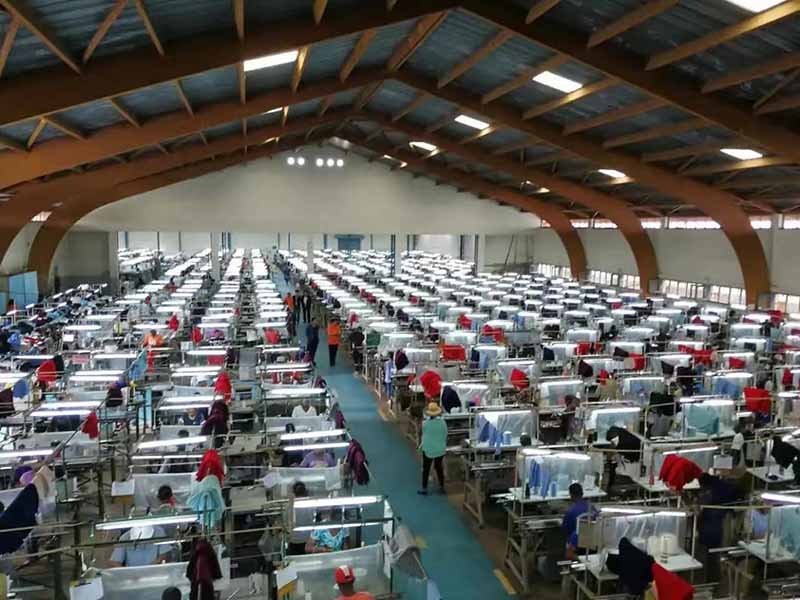
Choosing a plush toy manufacturer in China often starts with attractive product photos, friendly replies, and a price that looks easy to accept. But plush toy production is not only about sewing soft fabric into a cute shape. A successful custom plush project depends on accurate pattern making, fabric selection, filling control, embroidery precision, safety compliance, packaging details, and bulk production stability. A small mistake in eye position, fabric pile direction, seam strength, or stuffing balance can make a finished plush toy look far away from the original design.
To verify a plush toy manufacturer in China, customers should check legal registration, real factory capability, sample development strength, material control, safety compliance, QC process, production capacity, communication detail, and export experience. A reliable factory should prove its ability through documents, real workshop evidence, accurate samples, clear quotations, inspection records, and support for target-market safety standards.
For custom plush toys, especially mascot plush, baby plush, character plush, plush dolls, private label stuffed animals, and licensed-style projects, verification is a business protection step. It helps avoid weak samples, delayed shipments, unstable quality, failed testing, wrong packaging, and hidden production risks. The safest supplier is not always the one with the fastest reply or lowest quote. The safer choice is the factory that can explain every production detail clearly and prove that it can make the same plush product correctly again and again.
Why Should You Verify a Plush Toy Manufacturer in China?
Verifying a plush toy manufacturer in China helps customers reduce risks before paying sample fees, approving bulk production, or sharing original designs. A proper check should cover factory identity, development ability, fabric and filling quality, safety standards, inspection systems, delivery capacity, and design protection. For custom plush products, early verification prevents expensive problems later.
A plush toy may look simple from the outside, but its production involves many connected parts. A single custom stuffed animal may require fabric sourcing, color matching, paper pattern development, embroidery digitizing, cutting, sewing, filling, shaping, accessories, labels, hangtags, packaging, carton packing, safety testing, and final inspection. If one part is handled poorly, the full product can lose quality.
Many overseas customers start verification too late. They often wait until the first sample arrives, then judge the factory only by sample appearance. A sample is important, but it is not enough. A good sample proves that a supplier can make one piece. A verified factory proves that it can manage 500 pieces, 5,000 pieces, or 50,000 pieces with stable quality, correct materials, and reliable delivery.
For custom plush products, product value is built from details. Fabric softness affects the first touch. Filling density affects shape and perceived quality. Embroidery affects facial expression. Seam strength affects durability and safety. Packaging affects shelf presentation and shipping protection. A professional manufacturer should understand all of these details before production starts, not after problems appear.
A strong verification process also protects customer design assets. When a company shares a character design, brand logo, mascot concept, retail packaging layout, or private label requirement, the supplier gains access to valuable business information. Customers need to know whether the manufacturer can protect confidential designs, follow confirmed specifications, and avoid unauthorized use of artwork.
Delsney serves overseas medium-to-large clients and high-end brand customers with custom, private label, OEM, and ODM plush products. For these projects, verification is not an extra step. It is part of responsible product development. A reliable factory should welcome detailed questions because clear questions lead to better samples, smoother production, and fewer disputes.
What Risks Do Customers Face?
Customers face risks in factory identity, sample accuracy, material quality, production control, safety compliance, delivery time, packaging, payment security, and after-sales responsibility. Most serious problems begin before production, usually when a customer chooses a supplier based only on price, product photos, or short messages.
Common sourcing risks include poor factory identity control, weak sample development, material substitution, unstable filling level, loose seams, weak stitching, failed safety testing, packaging mismatch, and unclear responsibility after production problems appear.
A supplier may claim to be a manufacturer but only work as a middleman. If the real production site is unknown, quality control becomes harder. The approved sample may use soft, dense plush fabric, while bulk production may use thinner fabric unless material details are clearly confirmed. Too much filling can deform the shape, while too little filling can make the plush toy look cheap and flat.
| Risk Area | Common Problem | What Customers Should Check |
|---|---|---|
| Factory identity | Supplier may not own production | Business license, workshop video, production flow |
| Sample quality | Sample looks different from artwork | Pattern ability, revision process, approved sample |
| Fabric | Fabric is thinner or rougher than expected | Fabric type, pile length, GSM, color standard |
| Filling | Shape feels flat or uneven | Filling weight, PP cotton quality, rebound level |
| Stitching | Seams open after use | Seam strength, stitch density, stress points |
| Compliance | Product fails target-market rules | EN71, ASTM F963, CPSIA, CE, REACH support |
| Delivery | Shipment is delayed | Production plan, material lead time, QC schedule |
| Packaging | Retail presentation is wrong | Label, hangtag, polybag, box, carton mark approval |
A careful check does not slow down the project. It prevents repeated sampling, production disputes, failed inspections, and launch delays.
Why Are Plush Toys Different from General Toys?
Plush toys are different from general toys because softness, shape, facial expression, stitching, filling, and hand feel all affect customer perception. A plastic toy is often judged by mold precision and surface finish. A plush toy is judged by emotional value as much as physical structure.
A plush bear with slightly uneven eyes can look strange. A mascot plush with the wrong mouth curve may lose its character identity. A baby plush made with rough fabric may fail customer expectations even if the size is correct. A plush doll with poor stuffing balance may look twisted after packing. These issues are common in custom plush production because fabric stretches, pile direction changes appearance, and stuffing changes three-dimensional shape.
Plush production also depends heavily on skilled people. Pattern makers translate drawings into fabric pieces. Embroidery technicians control facial details. Sewing workers maintain curves and seam strength. Stuffing workers decide firmness and shape balance. QC staff compare bulk goods with approved samples. A real plush factory needs more than machines; it needs trained teams.
Key plush-specific verification points include fabric hand feel, pattern accuracy, embroidery quality, filling control, seam strength, needle control, and final shape recovery after packing. A factory with real plush experience should understand these details before customers ask.
How Can Verification Protect Your Brand?
Verification protects brand value by reducing preventable mistakes before sampling, production, shipping, and retail launch. For custom plush toys, poor supplier choice can damage not only one order but also product reviews, retail relationships, customer trust, and future sales.
Brand protection begins with design accuracy. When a customer provides a character concept, mascot design, animal sketch, product photo, or technical file, the manufacturer must understand proportion, expression, fabric texture, color, structure, and final use. A plush product that does not match the design may disappoint fans, children, retail partners, or campaign customers.
Verification also protects packaging presentation. Private label plush products often include custom woven labels, printed labels, hangtags, gift boxes, drawstring bags, care labels, warning labels, barcode stickers, and carton marks. Poor packaging control can make a premium plush toy look low-value. Wrong labels may also create compliance or customs issues.
A strong supplier helps customers avoid launch delays. Professional factories warn customers early when a design may need adjustment. For example, a very small embroidered eye may lose detail during mass production. Long-pile faux fur may hide facial embroidery. A complicated accessory may require extra safety testing. A custom-dyed fabric may extend material lead time. A compression package may affect shape recovery.
Delsney’s support for three-view design, 3D effect presentation, free design assistance, and sample modification helps customers discover design and production risks before bulk production begins.
Do Low Prices Always Mean Better Sourcing?
Low prices do not always mean better sourcing. In plush toy production, a very low quote may come from thinner fabric, less filling, weaker stitching, simpler embroidery, basic packaging, fewer inspections, or lower production control. A cheaper plush toy may cost more later if it causes revisions, delays, complaints, returns, or failed testing.
A fair comparison requires the same specifications. Customers should ask each supplier to quote based on the same size, fabric type, fabric weight, pile length, filling weight, embroidery details, logo method, label type, packaging, carton quantity, testing needs, MOQ, lead time, and trade terms. Without equal specifications, price comparison has little value.
| Cost Element | Lower-Grade Option | Higher-Grade Option | Impact on Finished Product |
|---|---|---|---|
| Outer fabric | Thin polyester plush | Denser Minky, Velboa, or custom plush | Softer hand feel and better appearance |
| Filling | Lower filling weight | Full PP cotton filling with rebound | Better shape and touch |
| Eyes | Basic plastic parts | Embroidery or tested safety eyes | Safer and more polished |
| Stitching | Basic seam control | Reinforced stress points | Better durability |
| QC | Final visual check only | Material, in-line, final, needle check | Lower defect risk |
| Packaging | Simple polybag | Custom label, hangtag, box, carton mark | Better retail presentation |
| Testing | Not included | Market-specific test support | Easier import and retail approval |
A reliable manufacturer should explain why a price is higher or lower. If fabric density changes, the factory should say so. If a design requires more sewing time, the factory should explain. If custom packaging or safety testing affects cost, the quotation should show it clearly.
How Do You Check If a Manufacturer Is a Real Factory?

To check if a plush toy manufacturer is a real factory, review legal documents, confirm the factory address, request a live video tour, inspect production areas, ask technical questions, and compare supplier claims with real workshop evidence. A real factory should clearly show how plush toys are developed, produced, checked, packed, and shipped.
A professional manufacturer should have a clear business identity and a visible production system. Legal registration proves that a company exists. Factory videos and production evidence prove that it can manufacture. Sample records and QC documents prove that it can manage custom projects. All three matter.
Start by asking for the company’s full legal name, business license, factory address, office address if different, website, official email, quotation format, and export experience. These details should match across communication, quotation, invoice, contract, and shipment documents. A mismatch does not always mean fraud, because some factories operate with separate office and production locations. But a supplier should explain clearly.
Next, ask for real production evidence. A plush toy factory should be able to show the sample room, fabric storage, cutting tables, embroidery machines, sewing lines, stuffing machines, shaping area, finishing area, QC tables, needle detection, packing area, and finished goods warehouse. A supplier that only shows a showroom or catalog may not be suitable for demanding custom work.
During a video call, ask the supplier to walk through the production flow in real time. Watch how confidently the representative explains each area. Ask about pattern making, fabric control, embroidery files, seam inspection, filling weight, confirmed sample storage, and final packing. A real factory usually answers with practical details. A weak supplier often gives broad answers and avoids technical points.
For larger projects, customers can also arrange third-party factory audits. A factory audit can review business licenses, production capacity, equipment, workers, QC systems, social responsibility, safety management, and document control. For first cooperation or high-value orders, factory audits and pre-shipment inspections add another layer of security.
Delsney has more than 18 years of experience in plush product R&D, design, pattern making, manufacturing, and sales. For customers who need custom plush products, private label items, OEM projects, or ODM development, direct factory capability is important because it affects sampling speed, technical feedback, cost control, bulk quality, and delivery stability.
What Business Documents Should You Request?
Customers should request the supplier’s business license, full legal company name, registered address, factory address, establishment year, business scope, export documents when available, official quotation, proforma invoice format, and contract format. These documents help confirm whether the supplier has a legal operating identity.
The business license should include company name, registration number or unified social credit code, legal representative, registered address, establishment date, business scope, company status, and registered capital when available.
For a plush toy factory, the business scope should reasonably relate to toys, plush products, textile products, gifts, manufacturing, trading, import and export, or related categories. It does not always need to list “plush toys” exactly, but it should not look completely unrelated.
Customers should also check whether the same company name appears on quotation, invoice, payment account, email signature, and contract. If the payment account belongs to a different company, ask for a clear explanation before sending money. Some factories use affiliated export companies, but the relationship should be transparent and documented.
Document review should be treated as the first gate, not the final answer. A company can be legally registered but still lack plush toy manufacturing ability. After checking documents, continue with video verification, sample review, production process review, and QC system checks.
How Can You Confirm the Factory Address?
Confirm the factory address by comparing the business license, website, quotation, email signature, video tour, invoice, and shipping documents. When addresses differ, ask whether one is an office, showroom, registered address, warehouse, or production site. A trustworthy supplier should explain location structure clearly.
A factory address should connect with visible manufacturing activity. Customers can request factory entrance video, workshop video, sample room photos, production line photos, packing area photos, finished goods warehouse photos, real-time video call, and location details for third-party audit.
During a live video call, ask the representative to show the factory entrance, production floor, material area, sample room, QC area, and packing section. If the supplier avoids showing production areas or only sends edited promotional clips, caution is needed.
Customers can also ask practical questions connected to location:
How many workers are based at the factory? How many sewing lines are active? Where are custom samples developed? Where are bulk goods packed? Where is needle detection done? Can a third-party inspector visit the factory before shipment?
For first cooperation, factory address verification is especially important when the order value is high, the product is made for children, the item requires safety testing, or original artwork is involved.
Is the Supplier a Manufacturer or a Trading Company?
A manufacturer controls production directly. A trading company manages sourcing and communication while production may be handled by partner factories. Both can serve different needs, but custom plush projects usually benefit from direct factory support because sampling, revision, QC, and bulk production decisions move faster.
To identify the supplier type, ask who makes the sample, where the sample room is located, who creates the paper pattern, who sources and approves fabric, who manages embroidery files, who checks the pre-production sample, who controls bulk sewing quality, who handles final inspection, and who takes responsibility for defects.
A real plush manufacturer can usually explain each stage in detail. The team can discuss fabric pile direction, color matching, embroidery density, filling control, seam allowance, size tolerance, accessories, safety labels, and packaging. A pure trading supplier may need extra time to ask another factory.
A trading company is not always a bad option. Some trading companies are experienced and manage multiple factories well. However, for character plush, baby plush, mascot plush, private label plush, or high-detail OEM/ODM orders, direct factory knowledge reduces communication gaps.
Can a Video Factory Tour Prove Factory Reality?
A live video factory tour can strongly support factory verification, although it should not be the only check. It helps customers see whether the supplier has real production areas, active workers, relevant machines, plush materials, sample development, QC stations, and packing operations.
During a video tour, ask to see the workflow in order:
Sample room Fabric and accessory storage Cutting area Embroidery area Sewing lines Stuffing area Shaping and finishing area Inspection area Needle detection area Packing area Finished goods warehouse
The supplier should be able to explain what happens in each area. In the sample room, the team should discuss pattern development and sample revisions. In the embroidery area, they should explain embroidery files and thread color matching. In the stuffing area, they should explain filling weight and firmness control. In the QC area, they should show how finished goods are compared with approved samples.
A helpful video tour is not only visual. It should include questions. Ask how many samples are made per week, how many production lines are available, how defects are recorded, how confirmed samples are stored, how rush orders are handled, and how final goods are checked before packing.
What Production Areas Should Clients Inspect?
Clients should inspect the sample room, fabric storage, cutting area, embroidery area, sewing lines, stuffing area, shaping area, QC area, needle detection area, packing area, and warehouse. Each area reveals one part of the factory’s real production strength.
The sample room shows development ability. A strong sample room should have pattern tools, fabric swatches, reference samples, measurement tools, embroidery trials, sewing machines, and approved samples. For OEM/ODM plush projects, sample room strength directly affects design accuracy.
The fabric storage area shows material management. Check whether fabrics are organized by color, type, and order. Poor material management may lead to color mix-ups, wrong fabric use, or batch inconsistency.
The embroidery and sewing areas show technical control. Plush toys with facial details, logos, names, uniforms, or character features need clean embroidery and stable sewing. Watch whether workers are making similar products and whether the factory understands seam stress points.
The stuffing and shaping areas show how the product gains its final form. A flat or uneven plush toy often comes from poor filling control. Ask whether filling weight is measured and whether the factory uses approved samples for shape comparison.
The QC and packing areas show management discipline. A professional factory should check loose threads, dirt marks, seam defects, size, weight, labels, metal contamination, packaging, carton marks, and quantity before shipment.
| Production Area | What It Proves | What to Ask |
|---|---|---|
| Sample room | Custom development strength | Can you make samples from artwork or tech packs? |
| Fabric storage | Material control | How do you prevent color or fabric mix-ups? |
| Cutting area | Size and pattern control | How are cutting patterns checked? |
| Embroidery area | Detail accuracy | How do you control logo and facial placement? |
| Sewing lines | Bulk production ability | How many lines can support one order? |
| Stuffing area | Shape and hand feel | How is filling weight controlled? |
| QC area | Defect prevention | What defects are checked before packing? |
| Needle detection | Safety control | Is needle detection available for children’s plush toys? |
| Packing area | Retail readiness | How are labels, hangtags, and cartons confirmed? |
| Warehouse | Delivery readiness | How are finished goods stored before shipment? |
Which Capabilities Show Strong Plush Toy Development Experience?

Strong plush toy development capability means the factory can turn artwork, sketches, samples, reference photos, or technical files into accurate, soft, safe, and production-ready plush products. A qualified manufacturer should understand pattern making, fabric matching, embroidery, filling, structure, sample revision, and bulk production feasibility before giving final production advice.
Custom plush toy development is not the same as choosing a ready-made stuffed animal from a catalog. Many projects begin with an idea: a mascot character, a children’s story animal, a holiday plush, a baby comfort toy, a pet plush, a plush keychain, a pillow plush, a blind box plush doll, or an emotional support plush. The first challenge is turning a flat image into a three-dimensional product that looks good from the front, side, back, and in hand.
A strong plush manufacturer should ask practical questions before sampling. What is the target size? Who will use the product? Will it be sold in the US, Europe, the UK, or another market? Does it need embroidered eyes instead of plastic eyes? Will the product be packed in a box, polybag, display carton, or gift bag? Does the plush need to sit, stand, hang, squeeze, hug, or hold its shape after compression?
Development strength can be seen from how the factory handles small details. Long-pile faux fur may look premium, but it can hide embroidery details. Minky fabric feels smooth and soft, but it may need careful cutting and sewing to avoid visible seam tension. Sherpa gives a cozy look, but fine facial details may need stronger embroidery contrast. Velboa works well for many animal plush toys, but lower-density versions may look flat after stuffing.
Delsney supports end-to-end OEM/ODM customization, including sampling from technical files, artwork, reference photos, and physical samples. The company also provides free design support, free sampling support, three-view creation, 3D effect presentation, and fast sample development. These capabilities help overseas customers check appearance, structure, fabric effect, and production feasibility before moving into bulk orders.
Can the Factory Make Samples from Artwork?
A capable plush toy factory should be able to make samples from artwork, hand sketches, digital drawings, character images, mascot concepts, or product reference photos. The key is not only copying the front view. The factory must understand how the design should look from multiple angles and how it should feel when held.
When reviewing artwork-based sampling ability, customers should check whether the factory can handle front, side, and back structure; body proportion and head shape; facial expression and eye placement; ear, arm, leg, tail, and accessory position; fabric texture and color matching; logo, embroidery, or printed details; sitting, standing, hanging, or hugging posture; packaging and label placement.
Artwork can look perfect on a screen, but plush fabric behaves differently in real production. Curves become softer. Small details may shrink. Long fur may hide fine lines. Stuffing can widen the body or change facial balance. A professional sample team should adjust patterns carefully while keeping the character spirit close to the original artwork.
For custom mascot plush and character plush, sampling often needs several rounds of refinement. The first sample checks structure. The second sample improves expression, fabric, embroidery, or stuffing. Final approval should be based on a confirmed sample with clear notes. Delsney’s sample modification support helps customers refine plush toys before mass production, reducing risk when launching new custom products.
Does the Supplier Support Tech Pack Sampling?
Tech pack sampling is important for serious custom plush projects because it gives the factory clearer production instructions. A tech pack may include size, fabric type, Pantone color, embroidery artwork, logo placement, filling requirement, label position, packaging format, testing standard, and inspection tolerance.
A strong factory should be able to read and follow a plush toy tech pack. It should also point out missing information before sampling starts. If the tech pack shows a plush rabbit but does not mention fabric pile length, filling firmness, eye material, safety standard, or packaging type, the factory should ask for clarification rather than guessing.
| Tech Pack Item | Why It Matters |
|---|---|
| Product size | Controls pattern scale and price |
| Front, side, back views | Helps shape accuracy |
| Fabric type | Affects softness, appearance, and cost |
| Fabric weight or pile length | Affects premium feel and durability |
| Pantone color | Reduces color mismatch |
| Embroidery file | Controls facial detail and logo accuracy |
| Filling weight | Controls softness and shape |
| Accessory list | Helps safety and cost review |
| Label position | Supports retail and compliance needs |
| Packaging method | Protects product during shipment |
| Test standard | Prevents market-entry problems |
Tech pack sampling also helps repeat orders. If the first production run sells well, the customer may reorder after several months. A documented specification makes it easier to reproduce the same plush toy with consistent quality.
Can the Manufacturer Create Three-View Designs?
Three-view design helps customers see how a plush toy will look from the front, side, and back before sampling. For plush characters, animals, mascots, and dolls, three-view design reduces misunderstanding between the customer and the factory. It also gives pattern makers clearer guidance.
A front-view drawing alone can hide many production questions. How thick should the head be? How long should the tail be? Should the ears stand or droop? Does the plush sit flat? Is the back plain or detailed? Should arms attach at the side or front? Three-view design answers these questions before fabric is cut.
Three-view support is valuable for character plush dolls, mascot plush toys, animal stuffed toys, IP-style plush products, baby comfort plush, plush pillows with shaped details, holiday plush characters, blind box plush series, plush keychains, and retail plush collections.
Delsney offers three-view creation and 3D effect presentation for custom plush development. For customers who only have a concept or flat artwork, these services help turn an idea into a clearer production plan. They also help improve design-to-sample matching because the factory and customer work from the same visual foundation.
How Accurate Is Sample-to-Design Matching?
Sample-to-design matching measures how closely the finished plush sample follows the approved artwork or reference file. For custom plush toys, accuracy matters because customers are not buying a generic stuffed animal. They are building a product linked to a brand, character, campaign, collection, or retail experience.
Important matching points include overall body proportion, head-to-body ratio, facial expression, eye, nose, mouth, and eyebrow position, ear, arm, leg, wing, horn, or tail shape, fabric color and texture, embroidery size and thread color, logo position, filling level and shape balance, product size tolerance, and packaging appearance.
A factory should not judge sample accuracy only by “similar enough.” For premium plush projects, even small differences can affect the product’s emotional appeal. Customers often notice when a character looks slightly angry, sleepy, flat, stiff, or off-model.
Delsney states that finished plush products can reach up to 98% matching with approved design artwork under suitable project conditions. This level of matching requires experienced pattern makers, designers, engineers, sample workers, fabric sourcing, embroidery adjustment, and revision control.
Does the Factory Handle OEM and ODM Projects?
A factory that handles OEM and ODM projects should support both customer-designed production and factory-assisted product development. OEM usually means the customer provides design requirements, logo, packaging, or product specifications. ODM means the factory helps develop product concepts, styles, structures, materials, and production-ready solutions.
OEM support may include producing plush toys based on customer artwork, adding custom logos, creating private label hangtags, applying customer packaging, following customer tech packs, matching approved samples, supporting retail-ready cartons, and managing safety testing needs.
ODM support may include recommending plush product styles, creating new character ideas, developing seasonal plush concepts, suggesting fabric combinations, improving product structure, creating three-view designs, making prototype samples, and optimizing cost and production feasibility.
Delsney provides end-to-end OEM/ODM customization for overseas customers, including custom logos, private label products, sample development, free design assistance, flexible MOQ, fast sampling, and support for brand-level plush projects.
What Quality Checks Should a Plush Toy Factory Have?
A plush toy factory should check materials, cutting accuracy, embroidery, stitching, filling, shape, size, weight, accessories, labels, packaging, needle safety, and final appearance before shipment. Quality control should happen during material arrival, sample approval, production, finishing, packing, and final inspection, not only at the end of production.
Quality in plush toys is easy to feel but hard to fix after mass production. If the fabric feels rough, the plush looks thin, the shape is uneven, or the embroidery is misaligned, repacking cannot solve the issue. Quality must be built into the process from the first material check.
A reliable factory should have clear inspection points at several stages. Incoming material inspection checks whether fabric, filling, thread, labels, accessories, and packaging materials match the approved standard. In-process inspection checks cutting, embroidery, sewing, stuffing, shaping, and loose threads while production is still running. Final inspection checks finished goods before packing or shipment.
For plush toy quality, visual inspection alone is not enough. A factory should also check practical performance. Are seams strong enough? Does the toy recover shape after compression? Does the fabric shed? Are accessories secure? Does the product sit or stand as designed? Does the size match tolerance? Does the weight feel right? Is the product clean? Is the label correct?
Custom plush products need stronger inspection than simple stock toys because the final product must match customer artwork and approved samples. QC staff should compare bulk production against confirmed samples, not only against general appearance standards. For character plush, facial expression and proportion should be inspected carefully because these details define product value.
How Are Fabrics and Fillings Checked?
Fabric and filling are the foundation of plush toy quality. They affect softness, look, weight, shape, safety, durability, and customer satisfaction. A plush toy with poor fabric or weak filling will feel low-value even if the sewing is acceptable.
Fabric inspection should include fabric type confirmation, color matching against approved standard, pile length check, fabric weight or density review, hand-feel comparison, shedding test, surface cleanliness, stretch and recovery observation, defect check for stains, holes, streaks, or uneven pile, and batch consistency review.
Different fabrics create different product results. Minky is smooth and soft, often used for baby plush, plush dolls, and premium soft toys. Velboa is shorter pile and works well for animal plush and printed plush. Faux fur creates a rich look but needs careful trimming and seam control. Sherpa gives a warm, cozy style but may reduce fine detail visibility. Fleece is soft and practical for simple shapes or comfort products.
Filling inspection should check PP cotton quality, rebound, cleanliness, firmness, filling weight, and shape support. Filling should be evenly distributed, especially around the head, arms, legs, belly, ears, and tail. Empty corners make plush toys look poorly made. Overfilled sections may distort shape or make the product too hard.
Are Stitching and Seams Strong Enough?
Stitching and seams determine durability and safety. A plush toy may look good when new, but weak seams can open after squeezing, hugging, pulling, or shipping compression. For children’s products, loose seams can expose filling and create safety concerns.
Important seam inspection points include stitch density, seam allowance, thread strength, stress-point reinforcement, arm and leg attachment strength, ear and tail attachment, accessory connection, curved seam smoothness, loose thread trimming, open seam detection, and symmetry between left and right sides.
High-stress areas need special attention. These include neck joints, arm connections, leg connections, ears, tails, wings, horns, handles, hanging loops, and accessories. If a plush toy will be used as a keychain, backpack charm, pet toy, or interactive product, stress points should be reinforced.
Sewing quality also affects appearance. Uneven seams can make the plush twist. Poor seam allowance can create lumps. Wrong sewing direction can affect fabric pile appearance. Loose threads make the product look unfinished. For character plush, even a small seam error near the face can change the expression.
Is Embroidery Clean and Accurate?
Embroidery is one of the most important quality details for custom plush toys. Eyes, eyebrows, mouths, noses, logos, names, symbols, clothing details, and facial expressions often depend on embroidery. Clean embroidery can make a plush toy look premium. Poor embroidery can make the same design look cheap or incorrect.
Embroidery quality should be checked for correct position, correct size, thread color accuracy, smooth curves, no skipped stitches, no loose threads, no puckering around fabric, proper density, clean back side trimming, symmetry between left and right features, and stable placement during bulk production.
For plush faces, embroidery placement is critical. If the eyes are too close, too far apart, too high, or slightly tilted, the product may look completely different from the artwork. For mascot plush and character plush, embroidery should be reviewed before bulk fabric cutting whenever possible.
Embroidery density must also match fabric type. Long-pile plush may require stronger thread coverage so details remain visible. Thin or stretchy fabric may pucker if embroidery is too dense. Small plush toys may need simplified embroidery because tiny details can blur during production.
Are Size, Shape, and Weight Controlled?
Size, shape, and weight control are important because plush toys are soft products. Unlike molded plastic items, plush toys can vary due to fabric stretch, sewing tension, filling volume, and hand shaping. A professional factory should define acceptable tolerance and inspect against approved samples.
Common control points include total height, width at widest point, head size, body size, arm and leg length, ear or tail length, product weight, filling firmness, sitting or standing posture, shape symmetry, and package size after packing.
For many plush toys, a small size tolerance may be acceptable, but the product must still look consistent. A 1 cm difference on a large plush may not be obvious. A 1 cm difference on a 10 cm plush keychain may be serious. Customers should set tolerance based on product size and use.
Shape control is often more important than exact measurement. A plush toy with correct height but uneven filling may still look poor. QC should compare bulk goods with the approved sample from multiple angles. Front view, side view, and back view should all be checked.
Is Final Inspection Done Before Shipping?
Final inspection should be done before shipping to confirm that finished plush toys match approved samples, order requirements, packaging instructions, label rules, and carton details. Final inspection helps catch defects before goods leave the factory.
A proper final inspection should cover product appearance, fabric cleanliness, color consistency, size and weight, embroidery and logo placement, stitching and seams, filling balance, loose threads, dirt, stains, glue marks, accessory attachment, metal or needle safety where required, care label, warning label, hangtag, barcode, polybag or box packing, carton mark, quantity per carton, and carton condition.
| Inspection Item | Acceptable Standard | Serious Problem |
|---|---|---|
| Appearance | Clean, balanced, matched to sample | Stains, distortion, poor shape |
| Fabric | Correct type and color | Wrong fabric or obvious color difference |
| Embroidery | Clean and correctly positioned | Misaligned eyes, logo error, loose threads |
| Seams | Closed and secure | Open seam or weak attachment |
| Filling | Even and proper firmness | Flat, lumpy, or overfilled |
| Label | Correct content and position | Missing or wrong warning label |
| Packaging | Matches approved packing | Wrong bag, box, barcode, or carton mark |
| Quantity | Matches order and packing list | Short shipment or carton mismatch |
For Delsney-style custom projects, final inspection should always compare bulk goods with approved sample and customer requirements. The goal is not only to ship goods, but to ship plush products that customers can confidently sell, gift, promote, or place into retail channels.
How Do You Verify Plush Toy Safety and Compliance?

Plush toy safety and compliance should be verified according to the destination market, product age grade, material structure, accessories, labels, and intended use. Common checks include EN71 and CE-related requirements for Europe, ASTM F963 and CPSIA for the United States, REACH chemical control, small-parts safety, seam strength, flammability, and proper labeling.
Safety compliance is one of the most important parts of plush toy sourcing. A plush toy may look harmless, but if it is sold as a children’s product, it may need to meet strict market rules. Materials, small parts, stuffing, labels, packaging, and chemical content can all affect market access.
Customers should not ask only, “Do you have certification?” A better question is, “Which tests are needed for my product, my market, and my target age group?” A test report from a different product may not apply. A report from several years ago may not cover current materials. A report for a simple plush bear may not cover a plush toy with plastic eyes, sound module, LED light, zipper, suction cup, or metal keychain.
Safety requirements depend on target country or region, age group, product function, material type, small parts, accessories, electronic parts, printing or coating, packaging format, and retail channel requirement.
A responsible factory should help customers understand likely compliance needs before bulk production. The factory should also use materials and accessories suitable for testing. Waiting until finished goods are produced before discussing safety standards is risky. If a material fails, the whole order may need rework or replacement.
Which Standards Apply to Your Market?
The safety standards for plush toys depend mainly on the sales market and target age group. Customers should identify the destination market before finalizing materials, accessories, labels, packaging, and test plans.
| Market | Common Safety Focus | Common Standards or Requirements |
|---|---|---|
| United States | Mechanical safety, chemicals, tracking label, children’s product rules | ASTM F963, CPSIA, CPC |
| European Union | Toy safety, chemical limits, CE marking, warnings | EN71, CE, REACH |
| United Kingdom | Toy safety and UK market labeling | UKCA, EN71-related requirements |
| Canada | Children’s product safety | CCPSA-related requirements |
| Australia/New Zealand | Toy safety and labeling | AS/NZS ISO 8124 |
| International projects | General toy safety reference | ISO 8124 |
Customers should not assume one report covers every country. A plush toy prepared for the EU may still need extra documents for the US. A US-focused product may still need CE-related preparation for Europe. Retailers may also set stricter requirements than basic legal rules.
Are EN71 and CE Needed for Europe?
For plush toys sold as toys in the European market, EN71 testing and CE-related requirements are commonly involved. CE marking means the product is declared to meet applicable EU safety requirements. EN71 is a key toy safety standard series used to evaluate mechanical, physical, flammability, and chemical safety for toys.
For plush products, EN71-related checks may include mechanical and physical safety, small-parts risk, seam strength, stuffing access, sharp points or edges, flammability behavior, chemical limits for materials, label warnings, age grading, and packaging safety.
A plush toy for children should not only be soft. It should be designed to avoid small detachable parts, weak seams, unsafe accessories, or materials that fail chemical limits. If plastic eyes, nose parts, buttons, ribbons, bells, or zippers are used, attachment strength and small-parts risk become important.
Are ASTM F963 and CPSIA Needed for the US?
For plush toys sold as children’s products in the United States, ASTM F963 and CPSIA-related requirements are commonly important. These may involve mechanical safety, flammability, chemical limits, small-parts rules, lead content, phthalates, tracking labels, and children’s product certificates.
A US-focused plush toy project may need checks for small parts, seam strength, stuffing access, plastic parts, lead in accessible parts, phthalate limits for certain plasticized materials, flammability, labels and warnings, tracking label, age grading, and CPC documentation.
Not every plush product has the same testing scope. A simple embroidered plush toy may require fewer component concerns than a plush toy with plastic eyes, sound module, LED light, zipper, printed coating, or metal keychain. Product structure decides testing needs.
Can the Factory Provide Test Reports?
A factory may provide test reports for previous materials, components, or similar products, but customers should check whether those reports actually match the current project. A test report is useful only when the product, material, supplier, date, test standard, and applicant details are relevant.
When reviewing a test report, check testing laboratory name, report number, test date, applicant company, product name, product photo or description, material or component tested, test standard, result page, failed items if any, and whether current materials are the same.
A common mistake is accepting a general report without checking details. A fabric report does not automatically cover plastic eyes. A filling report does not cover embroidery thread. A past plush bear report does not automatically cover a new plush toy with a music module.
Do Product Labels Meet Import Rules?
Product labels are part of compliance and retail readiness. Wrong labels can delay customs clearance, fail retailer review, or create legal issues. For plush toys, labels may include care instructions, fiber content, country of origin, age warning, batch code, tracking label, importer information, CE mark, UKCA mark, barcode, or customer brand information.
Common label items include brand label, woven label, care label, warning label, age grade, country of origin, tracking code, batch number, importer or distributor details, CE or UKCA mark where applicable, barcode sticker, hangtag, retail price label when needed.
Label placement also matters. A label should be secure, readable, and not damage product appearance. For baby plush, labels should be soft and safely attached. For retail plush, hangtags should look clean and match the packaging style. For private label plush toys, logo labels should be positioned consistently across bulk production.
How Can You Evaluate Production Capacity and Lead Time?

Production capacity and lead time should be evaluated by checking sample speed, material preparation time, active sewing lines, worker availability, QC staffing, order size, packaging complexity, test requirements, and peak-season planning. A reliable plush toy factory should give realistic timelines instead of making easy promises that may fail during bulk production.
Lead time is one of the most common pain points in custom plush toy sourcing. Many customers ask one simple question: “How fast can you deliver?” A better question is: “Which steps control the delivery schedule, and where could delays happen?” Plush toy production involves more than sewing. Before mass production begins, the factory may need to confirm fabric, dye color, embroidery files, accessories, filling, labels, packaging, safety testing, carton design, and final approved samples.
A professional factory should separate the schedule into clear stages. Sample development, sample revision, material sourcing, pre-production sample, bulk cutting, embroidery, sewing, stuffing, finishing, QC, packing, testing, and shipment preparation all require time. When a supplier gives only one total lead time without explaining the steps, customers may not see hidden risks.
Capacity also depends on product complexity. A simple 20 cm plush animal may move quickly through production. A licensed-style character plush with multiple fabrics, detailed embroidery, custom clothing, accessories, gift box packaging, and safety testing requires more planning.
Delsney supports flexible MOQ, 5–7 days fast sampling for regular plush toys, and shorter bulk lead times for well-prepared projects. The company’s plush development and production experience helps customers move from concept to sample and from approved sample to bulk order with fewer delays.
What Is the Factory’s Monthly Capacity?
Monthly capacity shows whether a factory can handle your order size, but it should be checked in detail. A factory may claim large capacity, yet production ability depends on active sewing lines, product complexity, worker skill, QC workload, material readiness, and current order schedule.
Customers should ask for number of active sewing lines, number of sewing workers, number of sample makers, number of QC staff, monthly output for small plush toys, monthly output for medium plush toys, monthly output for large plush toys, capacity for embroidery-heavy products, capacity for private label packaging, peak-season production availability, and ability to handle repeat orders.
Capacity should be connected to product type. A factory may produce 100,000 simple small plush keychains per month but far fewer complex 40 cm character plush toys. A large mascot plush with detailed clothing and accessories may require much more handwork than a simple animal plush.
How Fast Can the Manufacturer Make Samples?
Sample speed matters because it affects product launch planning, internal approval, marketing schedules, retail preparation, and campaign timing. For regular plush toys, a capable factory may complete samples in a short period when the design is clear and materials are available. For complex plush products, sample time may increase due to pattern difficulty, accessories, embroidery, special fabrics, or safety concerns.
Delsney supports 5–7 days fast sampling for regular plush toys. Projects involving special structures, molded accessories, complex embroidery, electronic parts, or unusual fabrics may require more time. A professional factory should explain the reason clearly rather than giving the same timeline for every product.
Sample development usually includes design review, material selection, pattern making, embroidery file preparation, fabric cutting, sewing, stuffing, shaping, finishing, internal sample check, customer photo or video review, and sample shipment if needed.
Can the Supplier Handle Bulk Orders?
Bulk order ability depends on production planning, material purchasing, worker coordination, QC control, packing management, and shipment readiness. A factory that can make a good sample may still struggle with bulk orders if it lacks process control.
Customers should ask how the factory moves from approved sample to bulk production. Important steps include final sample approval, material sealing, color confirmation, pre-production meeting, pattern confirmation, embroidery file approval, production schedule, line allocation, in-line inspection, final inspection, packing approval, and shipment arrangement.
Bulk production should always follow an approved sample. The sample becomes the quality reference for fabric, size, shape, embroidery, filling, label, and packaging. Customers should ask whether the factory keeps one confirmed sample in the QC area and one in the sample room during production.
Does the Factory Have Enough QC Staff?
QC staffing is a key sign of production reliability. Plush toy quality cannot be controlled only by sewing workers. Dedicated QC staff are needed to check materials, embroidery, sewing, stuffing, finishing, labels, packaging, and final goods.
Customers should ask how many QC staff work in the factory, whether there are QC checks during production, whether QC compares bulk goods with approved samples, whether defects are recorded by type, whether needle detection is available for children’s plush toys, whether labels and packaging are checked before packing, and whether the factory can provide inspection photos or reports.
A factory with enough QC support can catch problems earlier. If an embroidery file is slightly misaligned, in-line QC can stop the issue before thousands of pieces are sewn. If filling is too light, QC can correct the stuffing team during production. If labels are wrong, packing QC can stop cartons before shipment.
How Are Rush Orders Managed?
Rush orders should be managed carefully because speed can easily create quality risk. A reliable factory should not accept urgent projects blindly. It should review design complexity, material availability, testing needs, production schedule, packaging requirements, and shipping deadlines before confirming.
Rush order feasibility depends on availability of stock fabric, sample complexity, logo or embroidery workload, accessory lead time, packaging lead time, current production schedule, QC manpower, testing requirements, shipment method, and customer approval speed.
| Stage | Normal Timing Factor | Rush Order Control Point |
|---|---|---|
| Design review | Depends on artwork clarity | Provide final artwork and size from day one |
| Sampling | Depends on complexity | Use available fabrics if suitable |
| Material sourcing | Can create delays | Confirm stock or fast-available materials |
| Embroidery | Needs file setup | Approve embroidery proof quickly |
| Bulk sewing | Depends on line availability | Reserve production line early |
| QC | Cannot be skipped | Add QC staff if schedule is tight |
| Packing | Labels and boxes may delay | Confirm packaging before bulk starts |
| Shipping | Air is faster, sea is cheaper | Choose method based on launch date |
A rush order should never mean skipping safety review or final inspection. The goal is to shorten avoidable waiting, not remove critical controls.
What Questions Should Customers Ask Before Placing an Order?
Before placing an order, customers should ask about quotation details, materials, sample process, revision policy, MOQ, lead time, testing, QC, packaging, payment terms, design protection, and after-sales responsibility. Good questions reveal whether the supplier understands custom plush production or only wants to close the order quickly.
Many sourcing problems happen because customers and suppliers agree on price before agreeing on product details. A plush toy quotation should be tied to exact specifications. Without clear details, both sides may have different expectations. The customer may expect premium Minky fabric, full filling, embroidered features, custom label, and retail box. The supplier may quote basic polyester plush, standard filling, simple embroidery, and polybag packing.
A professional plush manufacturer should help clarify product details before the quote becomes final. The factory should ask about size, material, order quantity, target market, age group, logo method, packaging, test requirements, and delivery date. If a supplier quotes immediately without enough information, the number may change later.
Customers should also ask about design protection. For custom plush products, artwork, character concepts, logos, private label packaging, and product ideas may have commercial value. A reliable factory should respect confidentiality and discuss how samples, files, and project information are controlled.
What Is Included in the Quotation?
A complete quotation should include product size, material, filling, embroidery, accessories, logo method, packaging, MOQ, sample cost, sample time, bulk lead time, testing cost if needed, trade terms, payment terms, and validity period. A price without details is not a reliable quote.
Customers should ask the factory to list product name, size, outer fabric, filling material, fabric color, embroidery or printing details, logo method, accessories, label type, hangtag, packaging method, carton quantity, MOQ, sample fee, sample time, bulk production time, testing cost, unit price, shipping term, payment term, and price validity.
A clear quotation helps customers compare suppliers fairly. If one quote includes custom hangtags, woven labels, polybag packing, safety testing support, and reinforced stitching, while another quote includes only the plush toy itself, the two prices cannot be compared directly.
Can the Supplier Explain Material Options?
A reliable plush toy supplier should explain material options based on product purpose, target price, softness, durability, appearance, safety needs, and market positioning. Material choice affects customer experience more than many people expect.
Common plush material options include Minky, Velboa, faux fur, Sherpa, fleece, microfiber plush, and polyester plush. Minky is soft and smooth, often used for baby plush, plush dolls, comfort toys, and high-end soft products. Velboa has a shorter pile and works well for animal plush, printed plush, promotional plush, and character products. Faux fur creates a richer look and is suitable for premium animal plush, fantasy characters, and textured designs.
Material selection should match design details. If a plush toy has fine embroidery, a shorter pile fabric may show details better. If a product needs a luxury animal look, faux fur may work better. If the product is for babies, soft fabric and embroidered features may be safer and more comfortable.
How Does the Factory Protect Custom Designs?
A factory protects custom designs by respecting confidentiality, controlling access to artwork, managing samples carefully, avoiding unauthorized display, and signing confidentiality agreements when needed. For character plush, mascot plush, private label plush, and original product lines, design protection should be discussed early.
Customers should ask whether the factory can sign a confidentiality agreement, whether the factory will avoid showing the design to other clients, who can access artwork and sample files, how samples are stored, whether product photos will be used publicly, whether portfolio use can be restricted, how molds, patterns, or embroidery files are controlled, and what happens to extra samples after approval.
Design protection matters because plush products often carry emotional and commercial identity. A mascot may represent a company. A plush doll may belong to a story brand. A private label stuffed animal may be part of a retail collection. Unauthorized use can harm market uniqueness.
Does the Manufacturer Support Private Label Products?
Private label support means the manufacturer can produce plush toys under the customer’s own logo, packaging, label system, and retail presentation. It is important for companies that sell plush products through e-commerce, gift stores, museums, theme parks, boutiques, retail chains, or promotional channels.
Private label plush support may include custom woven label, printed care label, logo embroidery, logo printing, hangtag design, gift box, display box, polybag with warning text, barcode sticker, SKU label, carton mark, instruction card, thank-you card, and retail-ready packing.
Private label work requires accuracy. A wrong barcode, missing warning label, incorrect logo color, or mismatched carton mark can create receiving problems. Customers should approve label artwork, packaging sample, and carton mark before bulk packing begins.
What Happens If Samples Need Revision?
Sample revision is normal in custom plush development. A first sample may need changes in shape, embroidery, fabric, filling, size, color, accessories, or packaging. A reliable factory should have a clear revision process and communicate what can be changed, how long it will take, and whether extra cost is involved.
Common revision reasons include head shape adjustment, eye position change, mouth curve correction, fabric color improvement, body filling increase, arm or leg resizing, logo embroidery improvement, accessory placement correction, product size adjustment, and packaging improvement.
Customers should give revision feedback clearly. Instead of saying “not cute enough,” write precise notes. For example, make the head rounder, move both eyes down by 3 mm, increase belly filling, change fabric to shorter pile, or make the mouth embroidery thinner.
Delsney supports sample modification, helping customers refine plush products before production. For custom plush projects, revision support is valuable because it reduces bulk production risk.
Is Delsney a Reliable Plush Toy Manufacturer in China?
Delsney is a China-based plush product manufacturer with more than 18 years of experience in plush R&D, design, pattern making, manufacturing, and sales. The company supports custom plush products, private label projects, OEM/ODM development, flexible MOQ, fast sampling, free design, three-view creation, 3D effect presentation, quality control, and European and American compliance needs.
Reliability in plush manufacturing is not built from slogans. It comes from experience, process, people, equipment, material understanding, and the ability to manage details across sample and bulk production. Delsney’s factory model is suitable for customers who need custom plush products rather than only ready-made catalog toys.
For overseas medium-to-large customers and high-end brand projects, a plush toy factory must support more than sewing. It must help review product feasibility, suggest materials, develop samples, adjust patterns, control embroidery, manage filling, prepare labels, support packaging, and maintain bulk quality. Delsney’s end-to-end OEM/ODM support is designed for these needs.
Delsney can customize plush products across many fabric types and product styles. Customers can develop animal plush toys, baby plush toys, character plush dolls, mascot plush, emotional support plush, weighted plush toys, plush keychains, plush pillows, holiday plush, pet plush, blind box plush, licensed-style plush, and private label stuffed animals.
The company’s fast sampling support helps customers move quickly from idea to prototype. For regular plush products, sampling can be completed in 5–7 days when design and material details are clear. Three-view design and 3D effect support help customers understand product shape before physical sampling, reducing confusion and improving development accuracy.
What Makes Delsney Suitable for Custom Projects?
Delsney is suitable for custom plush projects because the company combines design support, pattern making, sampling, manufacturing, quality control, and export project experience. Customers can start with a sketch, reference photo, physical sample, technical file, or concept, then work with Delsney to turn the idea into a production-ready plush product.
Key advantages include 18+ years of plush product experience, custom plush R&D, design, pattern making, manufacturing, and sales, support for multiple fabric types, rich plush product style options, end-to-end OEM/ODM customization, free design support, free sampling support under suitable project conditions, flexible MOQ, 5–7 days fast sampling for regular plush toys, three-view creation, 3D effect presentation, up to 98% finished-product matching with approved artwork, shorter bulk lead time for well-prepared projects, and European and American compliance support.
Custom plush development needs a factory that can understand both creative design and production reality. Delsney helps customers review whether a design can be made safely, attractively, and efficiently.
How Does Delsney Support OEM and ODM?
Delsney supports OEM and ODM plush projects by helping customers produce their own designs, logos, packaging, and custom product lines. The company can work from technical files, artwork, samples, reference photos, or early product ideas.
OEM support includes customer artwork production, logo customization, private label plush toys, custom hangtags, custom woven labels, care labels, retail packaging, approved sample matching, material confirmation, bulk production, QC inspection, and export support.
ODM support includes product concept development, style suggestions, fabric recommendations, three-view design, 3D effect presentation, prototype sampling, structure improvement, cost optimization, packaging suggestions, and production feasibility review.
Delsney’s OEM/ODM model helps customers move from idea to finished plush product with fewer communication gaps. A factory that understands development and production together can give better advice at each stage.
Can Delsney Meet Brand-Level Quality?
Delsney supports brand-level plush quality by focusing on design accuracy, material selection, sample approval, production control, inspection, and customer requirements. For custom plush toys, quality means more than clean sewing. It includes appearance, softness, safety, consistency, packaging, and product identity.
Brand-level plush quality may involve accurate artwork matching, soft and suitable fabric, stable fabric color, clean embroidery, balanced filling, strong seams, correct size, consistent shape, safe accessories, clean finishing, correct labels, retail-ready packaging, and inspection before shipment.
For premium plush products, customers often care about hand feel, expression, shape, and shelf presentation. A plush toy should not only pass inspection; it should feel desirable. Delsney’s experience with overseas medium-to-large customers and high-end brand projects helps support these expectations.
Does Delsney Support Compliance Needs?
Delsney supports European and American safety compliance needs for plush toy projects. Compliance support begins with understanding the customer’s target market, age group, product structure, material selection, accessories, labels, and required standards.
Compliance-related support may include material advice, accessory safety review, embroidery versus plastic part suggestions, label and warning review, test sample preparation, EN71-related support, ASTM F963-related support, CPSIA-related support, CE-related preparation, private label packaging requirements, and product documentation support where applicable.
Compliance should be discussed before sampling. If a product is intended for babies or young children, design choices may need adjustment. Embroidered eyes may be safer than plastic eyes. Shorter accessories may reduce risk. Stronger seams may be needed. Labels may need age warnings, tracking information, or market-specific text.
For US and European projects, customers should tell Delsney the target market and sales channel as early as possible. A plush toy sold through retail chains, online platforms, theme parks, museums, or licensed programs may need more detailed requirements than a simple promotional gift.
Ready to Verify and Customize Your Plush Toy Project with Delsney?
A strong plush toy manufacturer should be easy to question, easy to verify, and capable of explaining the full production path from idea to finished product. If a supplier cannot explain materials, samples, stitching, filling, testing, QC, packaging, and delivery, the risk is already visible. For custom plush toys, confidence should come from proof, not promises.
Delsney helps overseas customers develop custom plush products with more than 18 years of plush R&D, design, pattern making, manufacturing, and sales experience. Whether you need animal plush toys, baby plush toys, mascot plush, character plush dolls, plush keychains, plush pillows, emotional support plush, weighted plush toys, holiday plush, pet plush, or private label stuffed animals, Delsney can support your project from concept to production.
Customers can send product sketches, reference photos, technical files, physical samples, target size, fabric preferences, logo requirements, packaging ideas, target market, safety standard requirements, estimated order quantity, and expected delivery date.
Delsney can help review product feasibility, recommend materials, create three-view designs, prepare 3D effects, develop samples, adjust details, support OEM/ODM production, and deliver custom plush products with strong attention to quality.
For a safer sourcing process, start with a factory that can answer detailed questions and prove real plush manufacturing ability. Send your plush toy idea to Delsney and request a custom quotation, sample development plan, or factory capability review.