Skip to content
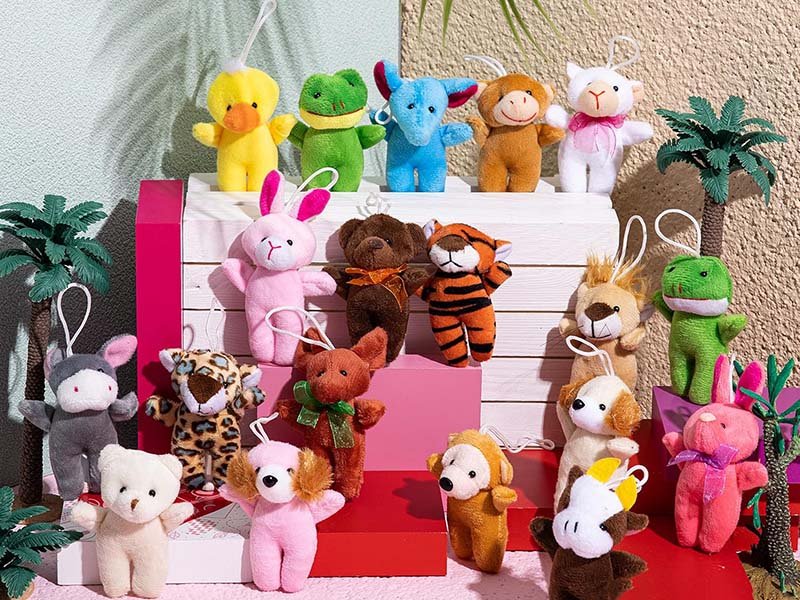
Plush toys used to live mostly in children’s bedrooms. Now they show up everywhere: TikTok desks, anime shelves, museum shops, airport gift corners, pet-lover boutiques, subscription boxes, corporate campaigns, theme park stores, blind-box displays, and premium lifestyle collections. Retailers are not only selling something soft. They are selling comfort, identity, fandom, nostalgia, gifting value, room decoration, and a small emotional break from a noisy world. That shift is changing how plush products are planned, sampled, manufactured, packaged, and launched.
The key industry trends in plush toy retail include steady market growth, licensed character demand, adult collectors, emotional comfort products, kawaii designs, pet-inspired plush, interactive features, eco-conscious materials, social commerce, limited-edition series, safer construction, and faster custom development. Successful plush retail now depends on design story, fabric touch, quality control, compliance, packaging, and reliable manufacturing speed.
For brands, retailers, IP owners, gift companies, and online sellers, the real question is not whether plush toys can still sell. The sharper question is which plush products deserve development budget, shelf space, ad spend, and repeat orders. A plush idea may begin as one character sketch, yet it can become a retail mascot, blind-box series, plush keychain line, baby-safe toy, seasonal gift, influencer product, or private label collection. Delsney helps turn those ideas into physical plush products through design support, pattern making, fast sampling, three-view creation, 3D effect review, OEM/ODM production, flexible MOQ, and strict quality control.
Why Is Plush Toy Retail Still Growing?

Plush toy retail keeps growing because the category now serves children, adults, collectors, fans, pet lovers, gift shoppers, wellness users, tourism retailers, online sellers, and IP-driven communities. Growth comes from emotional value, character merchandise, gifting demand, collectible series, soft home décor, safer materials, e-commerce reach, and social media exposure.
Plush toys have a rare retail advantage: people understand them instantly. A shopper can read the product in seconds. Face, softness, size, color, body shape, outfit, and expression all communicate without a technical explanation. A plush toy can feel cute, funny, comforting, premium, nostalgic, weird, collectible, or gift-ready before the customer even checks the label. Few product categories can create such quick emotional judgment.
Market demand also grows because plush products can move across many channels. A standard animal plush may sell in toy stores. A soft mascot may work for sports teams, schools, museums, and tourism shops. A cute mini plush can become a bag charm. A licensed plush can connect with game, anime, movie, creator, or brand communities. A weighted plush can serve comfort-focused users. A baby plush needs higher safety and softer material. Each retail lane has different requirements, yet the manufacturing base remains flexible.
Retail teams are also treating plush toys as collection products rather than single items. One character can become multiple SKUs through size changes, outfit updates, color themes, limited editions, holiday versions, blind-box variants, and packaging upgrades. That gives plush products stronger repeat-purchase potential. A customer who buys one bear may not buy another identical bear next month. A customer who collects a six-character series may return for the next release.
The growth story has a warning, though. A bigger market attracts more weak products. Low-quality fabric, flat expressions, poor stuffing, unsafe small parts, loose seams, and careless packaging make a plush toy feel disposable. Online reviews expose these problems quickly. A poor sample may still look acceptable in one photo, but bulk production exposes every shortcut. Strong plush retail needs better product planning, not only lower cost.
Delsney fits into the category as a development-oriented plush factory. With more than 18 years of experience in plush product design, pattern making, sample room work, production, and export service, Delsney supports projects from technical files, artwork, reference images, and physical samples. Free design, free sampling support, fast 5–7 day sample development, three-view creation, 3D effect support, 98% design-to-product matching, flexible MOQ, and compliance support help clients move faster while keeping product quality under control.
Market Growth
Public market research commonly places the global stuffed animal and plush toy category in the double-digit billion-dollar range. Several market estimates for 2025 sit around USD 13–14 billion, while long-term forecasts point toward roughly USD 25–28 billion by the early-to-mid 2030s. Exact figures vary by research method, but the direction is consistent: plush toys remain a growing retail category, especially when linked to licensed characters, adult collecting, gifting, e-commerce, and sustainable product stories.
For product planning, market size alone is not enough. Retailers need to understand where growth is moving. Generic plush still sells, but stronger growth often comes from targeted product themes: character plush, collectible plush, emotional comfort plush, eco-material plush, social-media-friendly plush, plush keychains, pet-inspired plush, and seasonal gift lines. Stronger segmentation allows better pricing, better display, and clearer marketing.
| Market Area | Current Direction | Retail Meaning | Product Development Focus |
|---|---|---|---|
| Global Plush Market | Double-digit billion-dollar category | Still large enough for new product lines | Avoid generic copies; build stronger concepts |
| Licensed Plush | Strong demand from movies, games, anime, sports, and creators | Built-in fan traffic | Accuracy, packaging, approval files, sample refinement |
| Adult Collectors | Growing beyond children’s toys | Higher detail expectations | Series design, premium fabric, display packaging |
| Online Retail | More discovery through marketplaces and social platforms | Product photos and reviews matter | Shape, face, fabric close-ups, packaging consistency |
| Gift Retail | Strong seasonal and emotional demand | Good for holidays, events, tourism, campaigns | Fast sampling, custom tags, gift-ready packaging |
| Eco Plush | More attention in Europe and North America | Supports premium storytelling | Recycled plush, safer dyeing, material traceability |
| Comfort Plush | Demand for soft, huggable, weighted, calming products | More lifestyle and wellness positioning | Filling feel, fabric touch, size, safety control |
Emotional Value
Emotional value is one of the strongest reasons plush toys keep selling. A plush toy can represent a childhood memory, favorite character, pet, friendship, comfort habit, fan identity, or quiet personal reward. Adult consumers often buy plush products for desk decoration, bedroom styling, stress relief, collection display, or companionship during travel. Children may see plush toys as friends. Parents may see them as safe comfort objects. Gift shoppers may see them as warm messages without needing many words.
Emotion can be engineered through product choices. Rounded body shapes feel softer and less aggressive. Short-pile plush can feel clean and modern. Long-pile faux fur can feel warmer and more animal-like. Embroidered eyes can feel safer for younger age groups. Weighted filling can create a calmer hugging experience. Small changes in eye distance, mouth curve, head size, and stuffing density can change the whole personality of a plush toy.
Delsney helps clients turn emotional goals into production details:
- Fabric pile length for soft, fluffy, smooth, or premium hand feel.
- Filling density for firm display plush or softer cuddle plush.
- Embroidery detail for eyes, mouth, paws, logos, and character marks.
- Pattern adjustment for cute proportions, sitting posture, or hug shape.
- Weighted pellets or special fillings for selected comfort plush concepts.
- Sample correction to improve face expression and body balance.
- Three-view review to keep front, side, and back proportions consistent.
Gift Demand
Plush toys remain strong gift products because they feel personal without being difficult to choose. A plush bear, animal, heart, flower, mascot, food character, or cute creature can work for birthdays, Valentine’s Day, Christmas, baby showers, graduations, tourism stores, fan events, game launches, school campaigns, and corporate gifting. The same core plush shape can be refreshed with outfit changes, hang tags, packaging cards, embroidery, color themes, or holiday accessories.
Gift demand needs strong timing. A Valentine’s plush that ships late loses most value. A tourism mascot with poor packaging looks cheap on shelf. A baby plush with unclear safety standards creates risk. A game launch plush with inaccurate character details disappoints fans. Strong gift plush production needs early artwork review, fast sampling, clear packaging planning, and reliable bulk lead time.
Retail gift plush often benefits from:
- Hang tags with product story or character name.
- Window boxes for higher shelf value.
- Ribbon, scarf, hat, or removable outfit details.
- Custom embroidered message or logo.
- Small plush keychain versions for impulse purchase.
- Matching gift bag or insert card.
- Seasonal color versions for repeat campaigns.
- Carton sorting by SKU, color, or event batch.
Delsney can support gift plush projects with fast sample development, free design support, custom packaging, private label service, and bulk production planning for seasonal deadlines.
Adult Buyers
Adult plush consumers are reshaping the market. Many adults buy plush toys not as toys for children, but as collectibles, comfort objects, décor pieces, desk companions, fandom goods, or lifestyle accessories. The product may be cute, ironic, nostalgic, artistic, or emotionally calming. Adult demand is especially visible in anime plush, game character plush, blind-box plush, food plush, pet-inspired plush, kawaii characters, plush keychains, and limited-edition series.
Adult-focused plush products usually need better detail control. Collectors notice face shape, embroidery density, color accuracy, fabric texture, tags, packaging, and release consistency. A 2 mm shift in eye position may affect character expression. A slightly wrong fabric color may weaken licensed-product value. A loose seam or flat filling may trigger negative reviews. Adult collectors often compare final goods with artwork, promotional images, and previous releases.
Delsney’s 98% design-to-product matching capability is valuable for adult-focused plush programs because character accuracy matters. For demanding projects, Delsney can support:
- Three-view artwork creation.
- 3D effect review before sampling.
- Reference technical file sampling.
- Artwork-based sampling.
- Physical sample duplication.
- Embroidery file correction.
- Fabric color matching.
- Pattern adjustment for character expression.
- Private label packaging for retail presentation.
Online Retail
Online retail has changed how plush toys must be developed. A plush product now needs to perform well on camera before it performs in the customer’s hands. Shape, color contrast, facial expression, packaging, size reference, and fabric texture all influence clicks, saves, shares, and purchases. A plush toy that looks flat in photos may lose traffic even if the real product feels soft. A plush toy with strong shape and expression can stand out in thumbnails, short videos, and review photos.
Online retail also makes quality problems more visible. Poor seams, uneven filling, weak embroidery, fabric shedding, messy packaging, and inaccurate size descriptions can quickly appear in reviews. For online sellers, plush development should include product photo planning, packaging consistency, barcode or SKU labeling, carton sorting, and clear quality standards.
Online plush programs should prepare:
- Front, side, back, and close-up sample photos.
- Accurate size measurements.
- Fabric detail shots.
- Packaging display photos.
- Age-grade and compliance information.
- SKU labels and carton marks.
- Bulk product consistency standard.
- Final inspection photos before shipment.
Delsney can support online retail programs with sample photo review, 3D effect support, accurate pattern making, custom packaging, private label service, and pre-shipment quality control.
Which Plush Toy Styles Are Trending?

Trending plush toy styles include licensed characters, collectible plush, kawaii designs, pet-inspired plush, interactive plush, blind-box mini plush, plush keychains, food-shaped plush, weighted plush, mascot plush, baby-safe plush, and eco-material plush. Strong retail products usually combine clear character identity, soft fabric, emotional use, accurate detail, and packaging that encourages gifting or collecting.
Plush trends are moving faster because online communities move faster. A character, animal, meme, or shape can become popular through short videos, fan art, gaming culture, anime releases, influencer campaigns, or collector groups. Capybaras, axolotls, frogs, cats, ducks, bunnies, dinosaurs, mushrooms, fruit characters, bread plush, sleepy animals, and strange-cute creatures can all become strong retail ideas when designed with the right proportions and story.
Trend speed brings both opportunity and danger. Fast-moving plush ideas can create strong sales windows, but weak execution can destroy the opportunity. A viral animal plush still needs good fabric, safe stitching, correct filling, attractive face design, and packaging fit for the channel. A licensed plush still needs accurate character details. A blind-box plush still needs consistent size and series logic. A baby plush still needs stricter safety decisions.
The strongest plush styles often share five traits:
- Clear identity: shoppers know what the character is at first glance.
- Strong emotion: cute, funny, calming, nostalgic, comforting, or collectible.
- Soft material: fabric touch supports the product promise.
- Repeat logic: series, sizes, variants, outfits, or seasonal versions.
- Reliable production: sample approval can be repeated in bulk.
Delsney helps clients move from trend idea to real product through free design, fast sampling, three-view and 3D support, pattern development, fabric matching, embroidery testing, sample correction, quality control, and export compliance support. Trend-driven plush products need speed, but speed only works when sample development and factory execution are reliable.
Licensed Characters
Licensed character plush remains one of the strongest retail directions because fan recognition is already built in. Characters from animation, games, films, comics, sports teams, creators, educational programs, and brand mascots can all become plush products. Fans want physical versions of characters they already love. That reduces the need for long product explanation and increases emotional purchase motivation.
Accuracy decides whether licensed plush feels official and valuable. A fan may notice small differences in eye shape, mouth angle, head proportion, outfit detail, color, or accessory placement. Retail teams should provide technical files, front-side-back views, Pantone references, size requirements, logo rules, packaging requirements, and approval notes. Delsney can support reference-file sampling, artwork sampling, physical-sample development, three-view creation, 3D effect review, and sample corrections before bulk production.
Key checks for licensed plush:
- Character proportion.
- Face expression.
- Fabric color accuracy.
- Embroidery detail.
- Outfit and accessory placement.
- Logo or label position.
- Packaging consistency.
- Safety and compliance needs.
- Bulk matching against approved sample.
Collectible Plush
Collectible plush turns one product into a repeat-purchase system. Instead of selling one bear or one animal, retailers can build character families, color series, seasonal outfits, limited drops, blind-box sets, mini plush keychains, plush charms, or numbered editions. Collectible plush works especially well for anime fans, game fans, tourism shops, Gen Z consumers, gift stores, museums, theme parks, and lifestyle brands.
Collection planning should start with SKU logic. A set may include six animals, four colors, three moods, two sizes, or one hidden version. Too many SKUs can increase inventory pressure, while too few may reduce collecting excitement. Retailers also need consistent production across the series. If one plush has firmer filling, different eye placement, or weaker embroidery, the set feels less polished.
Delsney can help collectible plush programs through:
- Series pattern planning.
- Size consistency control.
- Color matching across SKUs.
- Embroidery file standardization.
- Character card or hang tag support.
- Blind-box or retail packaging planning.
- Sample approval for every SKU.
- Bulk inspection against approved samples.
| Collectible Plush Type | Retail Strength | Development Focus | Delsney Support |
|---|---|---|---|
| Blind-Box Mini Plush | Strong surprise and repeat purchase | Size consistency and packaging secrecy | Multi-SKU sampling and box planning |
| Plush Keychains | Good impulse purchase item | Small detail accuracy | Embroidery and accessory control |
| Character Families | Encourages set collecting | Consistent proportions | Pattern and color control |
| Limited Editions | Higher perceived value | Release timing and packaging | Fast sample and gift-ready packing |
| Seasonal Plush | Works for holidays and events | Accessories and color themes | Outfit sampling and batch planning |
| IP Collectibles | Strong fan demand | Character approval accuracy | Three-view and sample refinement |
Kawaii Designs
Kawaii plush products stay popular because cuteness is easy to understand, easy to share, and easy to gift. Rounded shapes, small limbs, soft colors, simple faces, sleepy eyes, tiny smiles, oversized heads, and squishy bodies can create strong emotional appeal. Kawaii design works for children, teens, adults, office workers, anime fans, gift shoppers, and online communities.
Simple does not mean easy. Kawaii plush often has fewer details, so every detail becomes more important. Eye spacing, mouth curve, cheek position, body roundness, stuffing density, and fabric smoothness decide whether the product feels charming or plain. A small expression error can change the character mood completely.
Delsney can help refine kawaii plush through:
- Face embroidery testing.
- Pattern adjustment for rounder body shapes.
- Fabric selection for softer touch.
- Filling control for squishy or firm effect.
- Small accessory development.
- Color palette matching.
- 3D effect review before sampling.
- Sample correction for expression accuracy.
For retail, kawaii plush should also consider packaging. A simple hang tag, soft color card, window box, or character story card can lift perceived value without overcomplicating the product.
Pet-Inspired Plush
Pet-inspired plush has strong emotional value because pets are already family members for many consumers. Dog breeds, cats, rabbits, hamsters, ducks, horses, birds, and custom pet-style characters can work well for gift shops, pet stores, online personalization, memorial gifts, mascot products, and lifestyle retail. Pet plush can be realistic, cartoon-like, kawaii, breed-specific, or fantasy-styled.
Fabric choice matters a lot. Long-pile faux fur can create a fluffy dog or cat feeling. Short-pile plush works better for clean cartoon pets. Minky fabric may suit baby-safe or softer premium styles. Embroidery can create safe facial detail for younger age groups. Plastic safety eyes may suit selected age grades but require careful compliance review.
For pet-inspired plush, clients should prepare:
- Target breed or animal reference.
- Front, side, and back images.
- Fur color direction.
- Size requirement.
- Sitting, standing, lying, or hugging posture.
- Eye and nose style.
- Collar, tag, scarf, or accessory details.
- Safety age group.
- Packaging direction.
Delsney can support pet plush development from artwork, reference photos, or physical samples, helping convert emotional pet features into manufacturable plush details.
Interactive Plush
Interactive plush can include sound, light, vibration, simple movement, sensors, breathing simulation, recording modules, or educational voice features. These products can increase retail value, but they also increase development complexity. A plush toy with electronic parts must still remain soft, safe, durable, and comfortable to hold.
Technology should serve the product story. A bedtime plush may use gentle sound. A mascot plush may play a short slogan or theme line. A baby comfort plush may need very careful module placement and safety review. A game character plush may use sound effects for fan engagement. Adding electronics without a clear reason can increase cost and risk without improving sales.
Development points for interactive plush:
- Module size and placement.
- Battery access design.
- Sound hole or speaker position.
- Safety of internal parts.
- Washability limitation.
- Fabric and filling protection around module.
- Compliance requirements.
- Packaging instructions.
- User instruction card.
Delsney can help review soft structure, module placement, fabric choice, sample testing, and production feasibility for interactive plush concepts where comfort and safety remain central.
How Are Retail Channels Changing?
Plush toy retail is shifting from single-store sales to multi-channel product planning. E-commerce, social commerce, specialty stores, gift shops, theme parks, creator merchandise, subscription boxes, and seasonal retail all create different plush product needs. Successful programs now match product size, packaging, price point, display method, and production schedule to each channel.
Retail channel changes are forcing plush products to become more precise. A plush toy for a toy store shelf does not need the same design logic as a TikTok-driven mini plush, a museum mascot, a Shopify private label line, or a holiday gift set. Channel fit affects almost every production decision: fabric, filling, size, hang tag, barcode, carton packing, sample timing, SKU count, and even facial expression.
Online channels reward visual clarity. A plush toy must look strong in thumbnails, videos, and customer photos. A flat face, weak posture, dull fabric, or unclear size can hurt conversion before anyone touches the product. Offline channels reward hand feel and display. A shopper in a gift store may squeeze the plush, check the tag, compare colors, and decide within seconds. Tourism and museum channels need local identity. Creator merchandise needs character accuracy. Corporate gift channels need logo clarity, schedule reliability, and packaging control.
The biggest change is speed. Retail calendars move quickly. A trend can rise from social content, anime release, game update, holiday demand, or influencer activity. Retail teams need fast sampling, short development cycles, and factories able to manage custom details without losing quality. Delsney’s 5–7 day fast sampling, free design support, three-view creation, 3D effect preview, flexible MOQ, and OEM/ODM production help clients respond to new plush retail opportunities with more control.
Channel strategy also affects MOQ planning. A test launch may need flexible MOQ and several SKU variations. A national retail program may need larger production volume, strict QC, carton labeling, and compliance documentation. An e-commerce seller may need packaging ready for warehousing. A gift company may need mixed carton packing for multiple designs. A strong plush factory should not only sew toys. It should understand how the final product will be sold, displayed, shipped, reviewed, and reordered.
E-Commerce Stores
E-commerce changes plush product development because online shoppers cannot touch the toy before purchase. Product photos, size reference, facial expression, packaging, reviews, and videos carry most of the selling power. A plush toy must be designed for the screen as well as for the hand. Clear front view, side view, back view, fabric close-up, scale photo, and packaging photo can reduce hesitation.
For online plush programs, retail teams should prepare products with strong visual structure. Rounder bodies, clear eyes, clean embroidery, balanced stuffing, and stable sitting posture often photograph better. Packaging should also be tidy because unboxing photos affect reviews. Delsney can support online plush programs through sample photo review, 3D effect support, accurate pattern making, private label labels, barcode planning, carton sorting, and pre-shipment inspection.
Key e-commerce development points include:
- Accurate product size and weight.
- Clear front, side, and back sample photos.
- Fabric close-up and filling feel description.
- Packaging photos for product listings.
- SKU labels and barcode support.
- Consistent bulk production against approved sample.
- Clean stitching and filling balance for review photos.
- Carton sorting by color, character, or style.
Social Commerce
Social commerce makes plush trends faster, more emotional, and more visual. A plush toy can gain attention through short videos, unboxing clips, influencer collections, livestream demonstrations, fan comments, or meme culture. Products with expressive faces, unusual shapes, squishy bodies, tiny accessories, or blind-box surprise often perform well because they create quick reactions.
Social commerce also creates risk. A product can receive sudden demand before the development plan is ready. If the first bulk order has poor stitching, weak packaging, or inconsistent faces, negative comments can spread quickly. Social channels amplify both charm and flaws. Retail teams should not treat viral plush concepts as simple rush orders. Speed matters, but sample accuracy and production consistency matter just as much.
Delsney can support social commerce plush through:
- Fast 5–7 day sample development for simple plush structures.
- Three-view artwork review for character accuracy.
- 3D effect support before physical sampling.
- Flexible MOQ for trend testing.
- Multi-SKU sample development for blind-box or series launches.
- Custom hang tags, insert cards, and branded packaging.
- Quality inspection before shipment to reduce review risk.
Specialty Shops
Specialty shops often need plush toys with stronger identity than mass-market shelves. Toy boutiques, anime stores, museum shops, pet boutiques, lifestyle stores, bookstores, and concept stores usually select products based on story, display quality, and audience fit. A generic animal plush may be too weak for these channels unless the design has a special texture, local theme, character story, or premium packaging.
Specialty retail plush should feel intentional. A museum dinosaur plush may need accurate shape and educational tags. A pet boutique dog plush may need breed detail and soft fur. An anime shop plush may need character accuracy. A lifestyle store plush may need calm colors, premium fabric, and minimalist tags. A tourism shop may need local animal identity, landmark detail, or souvenir packaging.
Product development for specialty shops should focus on:
- Clear product concept.
- Smaller SKU groups with strong identity.
- Better fabric touch.
- Accurate embroidery and facial expression.
- Shelf-ready hang tags or display boxes.
- Retail price level supported by quality details.
- Safety and compliance information for target market.
Delsney can help specialty retail clients develop plush products from artwork, reference samples, local mascots, IP concepts, or product sketches.
Seasonal Retail
Seasonal plush retail depends on timing, emotion, and fast production planning. Christmas, Valentine’s Day, Easter, Halloween, back-to-school, graduation, baby shower, tourism season, and brand anniversary campaigns all create plush demand. A seasonal plush does not need a completely new body every time. A core plush shape can be refreshed with outfits, embroidery, scarf, hat, card, ribbon, color theme, or gift packaging.
The challenge is schedule discipline. Seasonal goods lose value when they arrive late. Retail teams should plan sampling, material booking, packaging approval, bulk production, inspection, and shipping backward from the selling date. A Christmas plush program may need sample approval months before shelf placement. A Valentine’s plush may need early packaging artwork because hang tags and gift boxes often take extra time.
Seasonal plush planning should include:
- Final selling date.
- Required warehouse arrival date.
- Sample approval date.
- Packaging artwork deadline.
- Fabric color confirmation.
- Accessory development time.
- Bulk inspection date.
- Shipping method and transit buffer.
Delsney can support seasonal plush programs with fast sampling, accessory development, private label packaging, flexible MOQ, and production scheduling around launch windows.
Gift Channels
Gift channels need plush products with emotional clarity and easy presentation. A plush gift may be sold in a flower shop, gift store, corporate event kit, baby gift box, subscription box, tourism shop, or online gift bundle. The toy must feel ready to give. Packaging, hang tag, ribbon, story card, logo label, and clean finishing can matter as much as the plush body.
Gift plush also needs careful price positioning. A small plush keychain may serve as an add-on gift. A medium plush can be a main gift item. A premium plush with box packaging can support higher perceived value. A corporate gift plush may need logo embroidery or custom hang tags. A baby gift plush needs soft materials, safe embroidery, and clean seams.
Gift channel plush should be reviewed by:
- Occasion: birthday, holiday, baby, fan event, tourism, corporate campaign.
- Presentation: hang tag, ribbon, box, pouch, insert card.
- Message: character story, greeting, logo, collection name.
- Material: soft touch suitable for gifting.
- Safety: age group and compliance expectations.
- Logistics: mixed packing, carton sorting, event deadline.
| Retail Channel | Product Focus | Packaging Need | Development Risk | Delsney Support |
|---|---|---|---|---|
| E-Commerce | Strong photos, clear size, consistent quality | Barcode, poly bag, carton label | Review photos expose defects | Sample photos, private label, QC |
| Social Commerce | Cute, viral, expressive, collectible | Unboxing-friendly packing | Fast demand can pressure quality | Fast sampling, flexible MOQ, multi-SKU support |
| Specialty Shops | Strong identity and better details | Hang tag, story card, display box | Generic design may not sell | Artwork development, fabric matching |
| Seasonal Retail | Holiday theme and launch timing | Gift-ready packaging | Late delivery reduces value | Schedule planning, accessory sampling |
| Gift Channels | Emotional value and easy presentation | Ribbon, card, box, custom label | Weak packaging lowers perceived value | Custom packaging and logo options |
| Tourism Stores | Local animal, mascot, landmark story | Souvenir tag, shelf display | Poor local detail weakens appeal | Reference-image sampling, story tag support |
| IP Merchandise | Character accuracy and series planning | Licensed packaging and SKU labels | Face or color mismatch hurts fans | Three-view, 3D effect, sample refinement |
What Do Consumers Expect from Plush Toys?

Consumers now expect plush toys to feel soft, look accurate, stay safe, match the product photos, carry a clear story, and arrive with better packaging. Parents care about safety. Adult collectors care about detail. Gift shoppers care about presentation. Online shoppers care about reviews. Retailers need plush products with stronger material, cleaner stitching, better filling, compliant construction, and reliable bulk consistency.
Plush toy expectations are rising because shoppers have more options and more information. A customer can compare ten similar plush products in a few minutes. They can read reviews, watch unboxing videos, check fabric photos, and compare prices. A product with poor stuffing or uneven embroidery may still sell once, but repeat orders become harder. Retailers need plush toys that survive both the first impression and long-term use.
Different user groups care about different things. Parents often focus on safety, washability, fabric quality, and loose-part risk. Adult collectors care about expression, limited-edition value, packaging, and character accuracy. Gift shoppers want the product to feel presentable without extra wrapping effort. Online sellers need products that photograph well and match listing descriptions. IP owners need product accuracy and approval control. A factory serving all these needs must understand product development, not only sewing.
Material expectations have also changed. Consumers notice softness, pile length, shedding, filling feel, and odor. Retailers increasingly ask about recycled materials, safer dyes, organic cotton components, and age-appropriate construction. Baby plush, pet-inspired plush, weighted plush, and interactive plush all require different material and safety decisions. A single fabric choice can affect comfort, price, compliance, appearance, and production time.
Delsney supports plush clients through end-to-end development: material selection, design review, pattern making, 5–7 day fast sampling, free design support, sample correction, three-view creation, 3D effect preview, compliance support for European and North American markets, and strict pre-shipment inspection. The goal is simple: the final plush should look close to the approved design, feel good in hand, pass expected safety needs, and arrive ready for retail or private label launch.
Softer Materials
Softness is one of the first things consumers judge. A plush toy may look cute online, but real satisfaction happens when the customer touches it. Fabric hand feel, pile height, fiber density, backing quality, and filling firmness all affect the final experience. Softness also needs to match the product type. A baby plush should feel gentle and safe. A collectible plush may need a smoother, cleaner surface. A pet-inspired plush may need longer pile or faux fur.
Common plush material directions include:
- Short-pile plush for clean cartoon characters.
- Minky fabric for smooth, soft baby and comfort plush.
- Long-pile plush for fluffy animals.
- Faux fur for pet-inspired or premium animal styles.
- Sherpa or lamb-like fabric for cozy winter collections.
- Recycled plush fabric for eco-focused programs.
- Organic cotton components for selected baby or natural-positioned lines.
- Embroidery thread for safe facial details and logos.
Delsney can help choose fabric based on target age group, touch expectation, character shape, price range, compliance needs, and visual effect.
| Material Type | Touch Feel | Best Use | Development Note |
|---|---|---|---|
| Short-Pile Plush | Smooth and clean | Cartoon plush, mascots, mini plush | Good for clear embroidery and shape control |
| Minky Fabric | Soft and silky | Baby plush, comfort plush, pillows | Works well for gentle hand feel |
| Long-Pile Plush | Fluffy and warm | Animals, pet-inspired plush | Needs careful cutting and seam cleaning |
| Faux Fur | Rich and realistic | Premium animals, pet plush | Color and pile direction need control |
| Sherpa Fabric | Cozy and textured | Winter gifts, lifestyle plush | Bulky seams need better sewing control |
| Recycled Plush | Soft with eco story | Retail and sustainability programs | Certification and source details should be confirmed |
| Cotton Components | Natural touch | Baby-safe or natural lines | May need mixed-material testing |
| Embroidery Thread | Detailed and safe | Eyes, mouths, logos | Density affects expression and softness |
Safer Products
Safety expectations are stronger than ever, especially for products sold in Europe, North America, Japan, and other regulated markets. Parents and retailers pay attention to small parts, loose seams, sharp internal components, fabric safety, filling cleanliness, labeling, and age-grade suitability. A plush toy may look simple, but poor safety control can create serious retail risk.
Different plush types require different safety thinking. Baby plush should often avoid hard eyes and use embroidery instead. Plush with accessories needs secure attachment. Weighted plush requires filling containment and seam strength. Interactive plush needs battery and module safety review. Pet-inspired plush for children should not use small decorative parts without careful age-grade review.
Delsney supports safety-focused plush development through:
- Material review for target market.
- Embroidered facial details for younger age groups.
- Seam strength control.
- Needle inspection process.
- Filling cleanliness check.
- Accessory attachment review.
- Pre-shipment quality inspection.
- Compliance coordination for EN71, ASTM, CPSIA, CE, and other market needs.
Safety is not a final step. It should influence design from the beginning.
Better Details
Modern consumers notice details. A plush toy with crooked eyes, flat stuffing, messy seams, poor embroidery, or weak accessories feels cheap quickly. Detail quality matters even more for character plush, collectible plush, and premium gift plush. A small expression error can weaken the whole product.
Better details come from strong sample development. Delsney can work from artwork, reference images, physical samples, technical files, or three-view drawings. During sample review, teams should check body proportion, face symmetry, embroidery position, fabric direction, stuffing balance, accessory placement, label position, and packaging fit. Corrections should be made before bulk production.
Important detail checks include:
- Eye spacing and height.
- Mouth curve and embroidery density.
- Ear, tail, paw, and limb position.
- Fabric pile direction.
- Filling firmness and body balance.
- Sitting or standing posture.
- Accessory stitching.
- Logo and label placement.
- Size tolerance.
- Packaging fit.
A plush product becomes more valuable when detail quality supports the design story.
Eco Materials
Eco-focused plush is gaining more attention, especially in markets where consumers care about sustainability, safer materials, and responsible sourcing. Recycled plush fabric, recycled filling, organic cotton components, water-based printing, lower-impact packaging, and reduced plastic packing can help retailers build stronger product stories. Not every plush project needs an eco angle, but many premium and European/North American programs now ask about material options.
Eco materials should be handled carefully. A product should not claim sustainability unless material sources, certifications, and production details can support the claim. Retail teams should confirm whether recycled fabric certificates, packaging material records, or supplier documentation are available. Eco claims must match actual production.
Delsney can support eco-focused plush projects with material discussion and development planning. Useful eco directions include:
- Recycled plush fabric.
- Recycled polyester filling.
- Organic cotton fabric components.
- Reduced plastic packaging.
- Paper hang tags from responsible sources.
- Reusable drawstring bag packaging.
- Simple packaging to reduce waste.
- Safer printing and embroidery choices.
Eco design should still feel soft and attractive. Sustainability alone will not save a plush toy with weak design or poor hand feel.
Personalized Designs
Personalization is becoming more important because consumers want plush toys with stronger identity. Personalization may mean a custom mascot, private label character, embroidered logo, pet-like plush, name tag, outfit, custom color, limited packaging, or product series created around a community. For brands and retailers, personalization helps avoid direct price comparison with generic plush products.
Custom plush development needs clear inputs. Delsney can work from drawings, artwork, technical files, three-view images, photos, or physical samples. Good personalization also requires realistic production planning. A detailed character may need multiple sample rounds. A custom pet plush may need fabric matching and facial correction. A private label mascot may need packaging, hang tags, and logo labels.
Personalized plush programs often include:
- Custom character development.
- Private label plush series.
- Logo embroidery or woven labels.
- Custom outfits and accessories.
- Pet photo reference plush.
- Brand mascot plush.
- Event or campaign plush.
- Limited-edition packaging.
- Multi-size character lines.
- Plush keychain versions.
Delsney’s free design support, 3D effect preview, 5–7 day fast sampling, and OEM/ODM production help clients turn personalized plush ideas into manufacturable products.
Which Product Features Matter Most?
The most important plush toy features are fabric touch, filling feel, size, expression accuracy, stitching strength, safety construction, packaging, labels, and logo options. Retail performance improves when product features match the target user, sales channel, price level, age group, and launch goal. A cute design needs solid manufacturing behind it.
A plush toy becomes valuable through many small choices working together. Fabric creates the first touch. Filling controls hug feel and shape. Pattern accuracy decides whether a character looks alive or awkward. Embroidery brings expression. Stitching protects durability. Packaging builds shelf appeal. Safety construction protects both users and retail programs. When one feature is weak, the whole product feels weaker.
Product teams often focus first on the outside design, but factory-side details decide whether the approved sample can be repeated in bulk. For example, a plush with long-pile fabric may look fluffy, yet facial embroidery can become less clear if pile is not trimmed around the eyes. A round body may look cute, but poor stuffing control can make it collapse. A mascot plush may look accurate in front view, yet side view and sitting balance may fail without proper pattern work. Strong retail plush needs both design taste and production discipline.
Delsney supports feature development from artwork, technical files, reference images, or physical samples. The team can help decide fabric type, filling density, embroidery detail, product size, logo method, hang tag, packaging, and compliance direction. For high-requirement projects, three-view creation and 3D effect review help reduce uncertainty before physical sampling. For many standard custom plush projects, 5–7 day fast sampling helps clients check feel, shape, and expression early.
Fabric Choice
Fabric choice shapes the entire product experience. A plush toy with the wrong fabric can lose charm even when the character design is strong. Short-pile plush works well for clean cartoon shapes and detailed embroidery. Minky fabric gives a smooth, soft, gentle feel for baby plush, comfort plush, and pillow-style products. Long-pile plush creates fluffy animals and pet-like characters. Faux fur can create richer animal texture. Sherpa fabric gives a cozy winter or lifestyle feeling. Recycled plush fabric supports eco-focused retail positioning.
Fabric selection should consider:
- Target age group.
- Character shape.
- Required softness.
- Fabric pile length.
- Shedding control.
- Color matching.
- Embroidery visibility.
- Cleaning and care needs.
- Compliance requirements.
- Target retail price.
Delsney can help clients compare fabric swatches before sampling. For character plush, fabric color and pile direction must match artwork. For baby plush, soft touch and safe construction should come first. For premium collectible plush, fabric quality should support close-up photos and long-term display.
| Fabric Type | Best Use | Hand Feel | Key Production Point |
|---|---|---|---|
| Short-Pile Plush | Mascots, mini plush, cartoon animals | Smooth and clean | Good for clear face embroidery |
| Minky Fabric | Baby plush, pillows, comfort plush | Silky and soft | Needs clean seam control |
| Long-Pile Plush | Fluffy animals, pet-inspired plush | Warm and fluffy | Pile direction must be controlled |
| Faux Fur | Premium animal plush, pet plush | Rich and realistic | Cutting and trimming affect final look |
| Sherpa Fabric | Winter gifts, cozy plush | Textured and warm | Bulky seams need careful sewing |
| Recycled Plush | Eco-focused collections | Varies by supplier | Material source and certificate need review |
| Velboa | Cost-sensitive cartoon plush | Short and smooth | Good for simple shapes |
| Stretch Fabric | Squishy plush, soft pillows | Flexible and elastic | Filling control affects shape |
Filling Feel
Filling affects how a plush toy sits, hugs, photographs, and returns to shape. Too little filling makes the product look flat. Too much filling makes it hard, stiff, or distorted. A plush made for cuddling should feel different from a plush made for shelf display. A baby plush may need softer filling. A mascot plush may need firmer shape. A weighted plush may need controlled pellet placement and reinforced inner bags.
Common filling directions include:
- Standard PP cotton for most plush toys.
- High-elastic PP cotton for better rebound.
- Down-like soft filling for premium comfort plush.
- Weighted pellets for calming plush concepts.
- Foam particles for squishy or pillow-style products.
- Mixed filling for body structure and soft surface feel.
- Inner bag construction for weighted or special filling areas.
Filling should be tested during sampling, not guessed from photos. Delsney can adjust filling density based on hand feel, shape requirement, size, target age group, and usage scene. For collectible plush, consistent filling across units matters. For weighted plush, seam strength and filling containment matter. For baby plush, safe structure and softness should guide every filling decision.
Size Range
Size affects price, shipping cost, display, usage, and retail positioning. A 10 cm plush keychain works as an impulse item. A 20–30 cm plush works well for gifts and online sales. A 40–60 cm plush creates stronger shelf impact and hug value. Oversized plush can attract attention but also increases carton volume, freight cost, and storage pressure. Size should be chosen with channel strategy, not only visual preference.
Useful size planning ranges include:
- 8–12 cm: mini plush, blind-box plush, bag charms.
- 12–18 cm: keychain plush, gift add-ons, collectible minis.
- 20–30 cm: standard retail plush, character plush, gift plush.
- 30–45 cm: premium gift plush, mascot plush, room décor.
- 45–80 cm: large hug plush, promotional display plush.
- 80 cm and above: oversized plush, event props, display items.
Delsney can help scale one character into multiple sizes. Pattern scaling is not just enlarging artwork. Proportions, filling, fabric stretch, embroidery size, limb strength, and packaging all need adjustment. A character that looks cute at 20 cm may look strange at 60 cm unless the pattern is refined.
| Size Range | Retail Role | Main Advantage | Development Risk |
|---|---|---|---|
| 8–12 cm | Blind box, mini charm | Low shelf space, collectible | Small details are harder to sew |
| 12–18 cm | Keychain, gift add-on | Good impulse purchase | Hardware attachment needs strength |
| 20–30 cm | Standard plush | Balanced cost and gift value | Face accuracy matters |
| 30–45 cm | Premium plush | Stronger hug and display feel | More filling control needed |
| 45–80 cm | Large plush | High visual impact | Higher shipping volume |
| 80 cm+ | Display or event plush | Strong promotional effect | Pattern and packing need extra planning |
Packaging Design
Packaging can lift plush product value before the toy is even touched. A basic poly bag protects the product during shipment. A hang tag adds story and SKU identity. A window box supports retail display. A belly band can create a clean gift look. A character card adds collectible value. A blind box creates surprise. Packaging should match retail channel, price point, and product story.
Plush packaging options include:
- Individual poly bag.
- Printed poly bag.
- Hang tag.
- Woven label.
- Story card.
- Care instruction card.
- Paper belly band.
- Window box.
- Blind box.
- Gift box.
- Display carton.
- Barcode label.
- SKU sticker.
- Master carton mark.
For online sales, packaging should protect shape and keep goods clean. For retail shelves, packaging should help display and explain the product quickly. For collectible plush, packaging becomes part of the product. Delsney can support private label packaging, hang tags, printed cards, barcode labels, carton marks, and retail-ready packing based on client requirements.
Logo Options
Logo customization helps turn plush products into private label goods, event merchandise, IP products, or promotional collections. A logo can appear on a woven label, hang tag, embroidered patch, belly band, clothing accessory, foot embroidery, sewn-in care label, zipper pouch, or packaging card. The right logo method depends on fabric, product size, target price, and visual style.
Common logo options include:
- Embroidered logo.
- Woven label.
- Printed fabric label.
- Heat transfer logo on clothing or accessories.
- Rubber patch for mascot clothing.
- Hang tag logo.
- Foot or paw embroidery.
- Box and card printing.
- Inner label for private label programs.
- QR code label for story or campaign pages.
Logo placement needs care. A logo placed on a curved or stuffed surface may distort. Small embroidery on long-pile fabric may disappear. A woven label that is too large may feel rough. Delsney can help test logo size, placement, and method during sampling so branding looks clean and natural.
How Can Brands Turn Trends into Plush Products?

Brands can turn plush trends into real products by selecting a clear retail idea, preparing artwork or references, confirming target users, developing three-view drawings, reviewing 3D effects, sampling quickly, testing materials, checking safety needs, planning packaging, and approving production standards before bulk manufacturing. Strong development turns trend energy into sellable plush goods.
Trend chasing without product discipline creates risk. A cute idea may gain attention online, but a weak sample can kill the launch. A licensed character may have strong fan demand, but poor accuracy can damage trust. A sustainable plush concept may sound attractive, but unclear material records weaken claims. A blind-box series may create repeat sales, but inconsistent SKU quality can reduce collecting value. Product development connects market opportunity with factory reality.
A strong plush development workflow begins with a clear concept. What is the product for? Who will buy it? Which channel will sell it? Is it a gift, collectible, baby product, mascot, comfort plush, keychain, or IP character? What price level is expected? What safety market must it meet? Which details cannot be changed? Answering these questions early helps avoid repeated sample revisions.
Delsney supports end-to-end development from concept to finished goods. Clients can provide reference technical files, artwork, photos, or physical samples. The team can create three-view drawings, review 3D effects, prepare samples, adjust patterns, refine embroidery, test fabrics, coordinate packaging, and arrange bulk production. For many standard plush projects, fast 5–7 day sampling helps clients check product direction quickly. For complex structures, special fabrics, electronic modules, weighted filling, or detailed accessories, extra sample time may be needed to protect quality.
Product Planning
Product planning should begin with retail purpose. A plush toy for Amazon needs strong photos, clear size, good reviews, and efficient packing. A museum plush needs local story and educational detail. A baby plush needs safer construction and soft materials. A blind-box plush needs SKU logic and packaging surprise. A mascot plush needs brand recognition and expression accuracy.
A useful plush planning brief includes:
- Product type.
- Target age group.
- Sales channel.
- Character story.
- Size range.
- Material direction.
- Filling feel.
- Logo placement.
- Packaging level.
- Compliance market.
- Estimated quantity.
- Launch schedule.
Delsney can help clients refine early ideas before sampling. Product planning should also decide whether the launch needs one hero product or a series. For many retail programs, a core character plus mini plush, keychain plush, and gift-box version creates better product depth than one single SKU.
Artwork Sampling
Artwork sampling turns design files into a physical plush sample. A flat drawing cannot fully predict fabric behavior, stuffing shape, seam position, or facial expression. Sampling helps check whether the product feels right in hand. The first sample may need corrections in head shape, eye position, body size, fabric color, stuffing density, accessory placement, or embroidery detail.
Good artwork files improve sample accuracy. Clients should prepare:
- Front view.
- Side view.
- Back view.
- Color references.
- Size target.
- Fabric preference.
- Eye and mouth details.
- Accessory details.
- Logo files.
- Packaging direction.
- Important features not allowed to change.
Delsney can support artwork-based sampling and reference-file sampling. After the first sample, the team can adjust pattern, embroidery, fabric, filling, and accessories. A clear sample approval process protects bulk production because approved details become the production reference.
3D Preview
3D effect review helps clients understand plush shape before or during physical sampling. A plush toy is not a flat graphic. Side thickness, head volume, belly shape, sitting posture, limb position, tail angle, and accessory placement all affect final appeal. Three-view drawings and 3D effects help reduce uncertainty before fabric cutting and sewing begin.
3D review is useful for:
- Character plush.
- Mascot plush.
- IP projects.
- Complex animals.
- Sitting or standing plush.
- Multi-part accessories.
- Plush pillows with shaped bodies.
- Collectible series needing proportion control.
- Products needing approval from multiple teams.
Delsney can provide three-view creation and 3D effect support for custom plush projects. For high-requirement brand programs, these tools help align design, product, marketing, and sourcing teams before physical samples move too far.
Compliance Review
Compliance review should begin before bulk production, especially for products sold in Europe, North America, Japan, and other regulated markets. Safety requirements depend on age group, product structure, materials, accessories, filling, electronics, labels, and destination market. A plush toy for toddlers needs stricter decisions than a collectible plush for adults.
Common compliance concerns include:
- Small parts.
- Hard eyes or noses.
- Accessory attachment.
- Fabric safety.
- Filling cleanliness.
- Seam strength.
- Flammability.
- Chemical requirements.
- Labeling.
- Age-grade suitability.
- Battery module safety for interactive plush.
- Needle detection and metal control.
Delsney supports plush projects for overseas markets with experience around EN71, ASTM, CPSIA, CE, and other compliance needs. The factory can help review structure before sampling, which is better than discovering compliance problems after production.
Quality Control
Quality control turns a good sample into a reliable order. A plush toy order can fail if bulk goods drift away from the approved sample. Face expression, stuffing firmness, size tolerance, fabric color, embroidery position, seams, labels, and packaging all need inspection. For character and collectible plush, visual consistency is especially important.
Important QC points include:
- Fabric color and pile direction.
- Finished size.
- Weight and filling feel.
- Face embroidery position.
- Eye, nose, mouth alignment.
- Seam strength.
- Loose thread and fabric scraps.
- Accessory attachment.
- Label placement.
- Needle detection.
- Packaging accuracy.
- Carton quantity and marks.
Delsney performs quality control across sample review, production preparation, inline checking, and pre-shipment inspection. 100% quality guarantee depends on clear standards, approved samples, trained workers, and inspection discipline.
| Development Step | Main Purpose | Key Output | Delsney Support |
|---|---|---|---|
| Concept Review | Confirm product direction | Product brief and feasibility advice | Free design support |
| Three-View Design | Clarify front, side, and back | Accurate design reference | Three-view creation |
| 3D Effect | Visualize shape and volume | Better approval confidence | 3D effect support |
| Material Matching | Choose fabric and filling | Fabric direction and hand feel | Fabric sourcing and advice |
| Sample Making | Create physical product | First sample for review | 5–7 day fast sampling |
| Sample Correction | Improve accuracy | Approved sample | Pattern and embroidery adjustment |
| Compliance Review | Reduce market risk | Safety direction | EN71, ASTM, CPSIA, CE support |
| Bulk Production | Produce approved design | Finished goods | OEM/ODM manufacturing |
| Final Inspection | Protect shipment quality | QC-approved goods | Pre-shipment inspection |
| Packing | Prepare for sales channel | Retail-ready or shipment-ready packs | Private label packaging |
How Can Delsney Support Retail Plush Programs?
Delsney supports retail plush programs through end-to-end OEM/ODM development, free design, fast sampling, three-view creation, 3D effect review, pattern making, material selection, fabric-based customization, private label production, flexible MOQ, compliance support, 98% design-to-product matching, short bulk lead time, and quality-controlled manufacturing for overseas clients.
A strong plush product needs more than sewing capacity. Retail teams need a partner able to understand artwork, correct patterns, choose fabric, manage sampling, protect character expression, check safety, coordinate packaging, and repeat the approved sample in production. Delsney combines design, development, sample room work, manufacturing, quality control, and export service in one workflow, helping clients reduce communication gaps between idea and finished goods.
Delsney is especially useful for projects that require custom work rather than stock plush toys. A brand mascot, licensed character, pet-inspired plush, baby-safe plush, weighted plush, blind-box series, influencer plush, game character, tourism mascot, or private label collection often requires multiple technical decisions. The client may know the market and artwork. The factory must know how to make it soft, safe, accurate, repeatable, and suitable for bulk production.
Clients can begin with different types of references. Some provide full technical files. Some provide character artwork. Some provide photos. Some send physical samples. Some only have a rough idea and need design support. Delsney can help move each starting point toward production through design review, three-view building, 3D effect support, sampling, revisions, and manufacturing.
OEM/ODM Service
Delsney provides OEM and ODM plush toy service for clients that need custom products with their own logo, character, design, packaging, and retail positioning. OEM service fits projects with existing artwork, technical files, or physical samples. ODM service fits clients who need help developing a plush idea from concept, market direction, or rough reference.
OEM/ODM support can include:
- Product concept review.
- Design improvement.
- Three-view creation.
- 3D effect support.
- Pattern development.
- Fabric selection.
- Filling selection.
- Embroidery file development.
- Logo application.
- Accessory design.
- Packaging planning.
- Sample making.
- Bulk production.
- Quality inspection.
- Export support.
For demanding brand projects, Delsney can help protect accuracy from sample to bulk production. Approved sample standards, production notes, fabric references, embroidery files, and QC checkpoints help reduce risk when order quantity increases.
Fast Sampling
Fast sampling helps retail teams respond to product launches, trend windows, seasonal events, and campaign deadlines. Delsney can support 5–7 day fast sampling for many standard plush projects. More complex projects, such as special fabrics, detailed outfits, electronic modules, weighted filling, or multi-character series, may require longer sample time, often around 7–15 days depending on structure.
Fast sampling is valuable because it allows teams to see problems early. A digital design may look perfect, but the first sample may reveal issues in facial expression, body balance, fabric color, filling density, or accessory size. Early sample review protects the schedule because corrections can happen before bulk production starts.
Delsney sampling support may include:
- Artwork review.
- Pattern making.
- Fabric matching.
- Embroidery testing.
- Filling adjustment.
- Accessory trial.
- Logo application.
- Sample photos.
- Revision support.
- Pre-production sample confirmation.
Private Label Plush
Private label plush gives retailers and brands stronger product ownership. Instead of selling generic plush toys, a company can create its own character, label, packaging, hang tag, story card, collection name, and SKU system. Private label programs are especially useful for e-commerce stores, gift brands, tourism shops, museums, creator merchandise, subscription boxes, and lifestyle retailers.
Private label plush options include:
- Custom character plush.
- Custom logo embroidery.
- Woven labels.
- Printed labels.
- Hang tags.
- Story cards.
- Retail boxes.
- Blind-box packaging.
- Barcode labels.
- Care labels.
- Collection cards.
- Custom cartons.
- Multi-SKU packing plans.
Delsney can help clients build private label plush programs from early design to finished goods. Packaging and labeling should be planned during sampling because product size, folding method, carton quantity, and retail display all influence final packing.
Flexible MOQ
Flexible MOQ helps clients test plush product ideas without committing to excessive inventory too early. Many custom plush projects can start around 500 pcs, depending on design, material, logo method, fabric availability, packaging, and accessory requirements. Special materials, custom colors, molded accessories, complex packaging, or multi-SKU blind-box programs may require different minimum quantities.
MOQ planning should match project goal. A new brand mascot may start with a smaller order for events or online testing. A retail chain may require larger quantities and stricter packing. A collectible series may need MOQ planning by SKU. A gift campaign may need exact quantities for event distribution. Delsney can help clients choose a realistic MOQ plan based on production feasibility and market needs.
MOQ planning factors include:
- Product size.
- Fabric availability.
- Number of colors.
- Embroidery complexity.
- Custom accessories.
- Packaging type.
- SKU count.
- Compliance testing needs.
- Delivery schedule.
- Repeat order plan.
Flexible MOQ is most useful when paired with clear sample approval and reliable QC.
Global Compliance
Plush products sold across Europe, North America, and other regulated markets require safety awareness from the start. Delsney has experience supporting international compliance needs, including EN71, ASTM, CPSIA, CE, and related market requirements. Compliance planning should influence material choice, eye and nose structure, filling, labels, accessory attachment, needle control, and testing coordination.
Global compliance support may include:
- Age-grade discussion.
- Safer material selection.
- Embroidered facial details for younger users.
- Accessory attachment review.
- Filling cleanliness check.
- Seam strength control.
- Labeling support.
- Needle inspection.
- Third-party testing coordination.
- Compliance documentation support where required.
Retail teams should share destination market and age group before sampling. A plush designed for adult collectors may allow different details from a plush intended for babies or toddlers. Early compliance review reduces redesign risk and protects launch timelines.
| Delsney Capability | Client Value | Practical Result |
|---|---|---|
| 18+ Years Experience | Strong manufacturing knowledge | Better problem-solving during development |
| End-to-End OEM/ODM | Fewer communication gaps | Design, sample, production, and packing connected |
| Free Design Support | Easier concept start | Rough ideas can become workable plush plans |
| 5–7 Day Fast Sampling | Faster decision-making | Product direction can be checked early |
| Three-View Creation | Better accuracy | Front, side, and back shape aligned |
| 3D Effect Support | Better approval confidence | Teams can review shape before final sample |
| 98% Design Match | Higher character accuracy | Final plush stays close to approved artwork |
| Flexible MOQ | Lower launch risk | Easier test orders and product trials |
| Compliance Support | Safer retail entry | Helps meet EU and U.S. market needs |
| Private Label Service | Stronger brand ownership | Custom logo, tags, packaging, and SKU plans |
| Short Bulk Lead Time | Better launch control | Seasonal and campaign deadlines easier to manage |
| Quality Guarantee | Lower shipment risk | Pre-shipment inspection and production control |
Start a Custom Plush Retail Program with Delsney
Plush toy retail is growing because people still want softness, comfort, characters, gifts, collectibles, and small emotional objects that feel personal. Yet the market is no longer satisfied with plain shapes and weak quality. Retail success now depends on sharper product planning, better fabric, accurate expressions, safe construction, strong packaging, fast sampling, and a factory able to repeat approved details in bulk.
Delsney helps brands, retailers, gift companies, IP owners, creator teams, tourism shops, and online sellers develop custom plush products with real production support behind the idea. With more than 18 years of plush product experience, Delsney offers design, pattern making, sampling, three-view creation, 3D effect review, OEM/ODM production, private label service, flexible MOQ, safety compliance support, and quality-controlled manufacturing.
Send Delsney your plush idea, character artwork, reference photos, technical files, size target, fabric preference, logo request, packaging plan, and expected quantity. The team can help review feasibility, suggest materials, prepare samples, refine details, plan packaging, and produce custom plush toys for retail-ready programs.