Skip to content
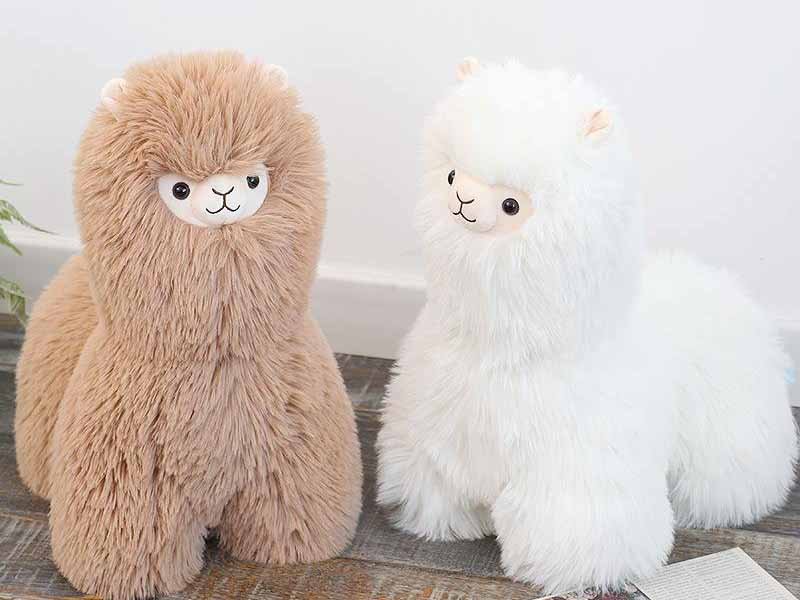
A plush doll may look simple from the outside, but even a small character can contain outer fabric, inner fabric, embroidery thread, sewing thread, polyester filling, plastic eyes, woven labels, care labels, hangtags, fasteners, polybags, printed boxes, carton dividers and shipping cartons. Sound modules, batteries, lights, motors or weighted fillings add another layer of materials and manufacturing processes.
The greatest environmental impact usually comes from the materials used in the largest quantities, especially outer fabric and filling. Fabric dyeing, finishing, production waste, packaging volume and freight mode can also change the result. For sound or interactive plush dolls, batteries and electronic parts may become more important than the textile shell during the full product life.
No single answer applies to every plush doll. A 12 cm keychain plush weighing 45 grams cannot be assessed in the same way as a 60 cm floor plush weighing 1.5 kilograms. A doll shipped by sea in a compressed carton follows a different path from a rigid gift-box product delivered by air. A washable baby plush used for several years also provides a different service from a seasonal promotional toy.
A useful life-cycle assessment begins with measured product data. It asks how many grams of each material are used, how much fabric is lost during cutting, how many pieces fit in one carton, how far the order travels and how long the finished doll is expected to remain in use. Once those numbers are visible, product teams can find the real improvement opportunities instead of relying on vague environmental claims.
What Is a Plush Doll LCA?

A plush doll life-cycle assessment examines environmental impacts connected with raw materials, textile processing, product manufacturing, packaging, transport, use and final disposal. A reliable study starts by defining the product, intended function, assessment boundary, material quantities, production inputs and use assumptions.
A carbon-footprint figure may form one part of the assessment, but carbon emissions are not the only concern. Water use, energy demand, fossil-resource use, waste generation, chemical processing and end-of-life treatment may also matter.
The level of detail depends on the decision being made. A product developer comparing two fabric options may only need a screening model. A brand preparing a public environmental statement needs stronger supplier documents, measured factory data, clear assumptions and independent review where required.
Several practical questions should be answered before calculations begin:
- Which exact plush design is being studied?
- What size and finished weight will be used?
- Is the doll decorative, washable, electronic or weighted?
- Which materials are included?
- Is packaging included?
- Is international freight included?
- How long will the doll be used?
- How often will it be washed?
- Are replacement batteries included?
- Which disposal route is assumed?
- Are results intended for internal design decisions or public communication?
Without clear answers, comparisons can become misleading. One design may include packaging and transport while another ends at the factory gate. One material may be evaluated using supplier data while another uses broad industry averages. The final numbers may look precise even though the underlying conditions are not comparable.
For product development, the assessment should follow the same structure as the physical sample. Every visible and hidden component should be listed, weighed and connected to a manufacturing process.
A simple 30 cm plush animal may include more than 15 separate material entries:
- Main body fabric
- Contrast fabric
- Ear lining
- Embroidery thread
- Sewing thread
- Polyester filling
- Plastic eyes
- Plastic nose
- Internal reinforcement
- Woven brand label
- Care label
- Hangtag
- Plastic fastener
- Individual polybag
- Shipping carton allocation
A musical plush may add another 10 or more entries, including a speaker, circuit board, wires, battery compartment, switch, electronic housing, screws and batteries.
The assessment becomes more accurate as the material list becomes more specific.
What Is the LCA Goal?
The goal explains what the project needs to learn. It should describe the product, decision, intended audience and type of comparison.
Common goals for plush projects include:
- Comparing virgin polyester with recycled polyester
- Comparing two filling materials
- Reducing product weight without changing shape
- Reducing packaging material
- Comparing sea freight with air freight
- Measuring the effect of a longer product life
- Comparing embroidered eyes with plastic eyes
- Reviewing a battery-operated design
- Preparing product-level sustainability information
- Supporting internal material selection
A weak goal might read:
“Show that the plush doll is environmentally friendly.”
That wording assumes the conclusion before the work begins.
A stronger goal might read:
“Compare the environmental impacts of virgin polyester and recycled polyester outer fabric for a 30 cm non-electronic plush doll shipped from China to Germany by sea.”
The stronger version identifies:
- Product size
- Product type
- Material comparison
- Manufacturing origin
- Destination
- Freight mode
A separate study would be needed for a 50 cm sound plush shipped by air to the United States. Combining both products under one broad result would hide major differences.
The intended audience also changes the level of evidence.
Internal design teams may use estimated values during concept development. Retail partners may require supplier records, certificates and packaging details. Public environmental claims may require a formal method, documented datasets and external verification.
Before starting, the project team should decide whether the result will be:
- An early design comparison
- A sourcing decision tool
- A factory improvement project
- A retail submission
- An ESG data input
- A public product claim
- A full third-party-reviewed LCA
Greater public exposure requires stronger evidence.
Which Boundary Should Be Used?
The boundary decides where the assessment begins and ends. Every included stage must be applied consistently across the products or materials being compared.
Three boundaries are often used for plush products.
| Assessment Boundary | Included Stages | Best Used For | Main Limitation |
|---|---|---|---|
| Cradle to gate | Raw materials through factory completion | Material and manufacturing comparison | Excludes shipping, use and disposal |
| Cradle to customer | Raw materials through delivery | Packaging and freight decisions | Excludes product use and end of life |
| Cradle to grave | Raw materials through disposal | Full product comparison | Requires more assumptions |
A cradle-to-gate model may include:
- Polyester resin or recycled feedstock
- Fiber spinning
- Yarn production
- Fabric knitting
- Dyeing
- Finishing
- Cutting
- Embroidery
- Sewing
- Filling
- Closing
- Inspection
- Factory packing
A cradle-to-customer model may add:
- Polybag
- Hangtag
- Printed box
- Inner carton
- Master carton
- Truck transport
- Port handling
- Sea or air freight
- Destination delivery
A cradle-to-grave model may also include:
- Washing
- Drying
- Battery use
- Battery replacement
- Repair
- Donation
- Resale
- Recycling
- Incineration
- Landfill
The correct boundary depends on the question.
When comparing two fabrics inside the same doll, cradle to gate may be enough for an early decision. When comparing a foldable polybag pack with a rigid gift box, packaging and freight must be included. When reviewing a sound plush, battery use and electronic disposal should not be ignored.
Excluded stages should be listed clearly. A small omission can change the ranking between options.
For example, a rigid display box may protect the product and improve shelf presentation, but it can also increase paper use and reduce carton quantity. If transport is excluded, the box may appear less significant than it really is.
What Is the Functional Unit?
The functional unit defines what is being measured. It acts as the common reference for every material, process and transport value.
“One plush doll” may be acceptable when comparing two versions of the same design. It becomes less useful when size, function or service life changes.
A stronger functional unit might be:
“One 30 cm non-electronic plush doll, including retail packaging, delivered to a European distribution center and used for five years.”
An electronic product may need a more detailed reference:
“One 35 cm sound plush, including two battery sets, providing 100 hours of audio use over three years.”
Important functional-unit details include:
- Finished height
- Finished weight
- Product function
- Number of accessories
- Packaging format
- Destination
- Freight mode
- Expected lifespan
- Washing frequency
- Battery use
- Disposal route
Product lifespan can change how the result is interpreted.
Suppose two plush dolls require similar production resources:
- Doll A remains in use for eight years.
- Doll B is used for one year and then discarded.
A unit-based calculation may show similar production impact. A service-based calculation may favor Doll A because it delivers more years of use.
Durability should therefore be treated as an environmental variable, not only as a quality feature.
Useful durability indicators may include:
- Seam strength
- Attachment strength
- Fabric abrasion resistance
- Pile retention
- Colorfastness
- Filling recovery
- Wash performance
- Electronic-module life
- Repair access
- Replacement-part availability
A lower-weight product is not automatically better when reduced material causes early failure.
What Data Is Required?
The strongest data comes from physical samples, factory records and named suppliers. Broad estimates may support early development, but measured values should replace estimates before final reporting.
A detailed plush inventory should include four main groups.
Product materials
- Main fabric weight
- Secondary fabric weight
- Filling weight
- Embroidery thread weight
- Sewing thread weight
- Plastic-part weight
- Metal-part weight
- Electronic-module weight
- Battery weight
- Label weight
Production inputs
- Fabric consumption per unit
- Cutting-loss rate
- Embroidery time
- Sewing time
- Filling-machine use
- Electricity allocation
- Rework rate
- Rejection rate
- Packaging loss
Packaging data
- Polybag weight
- Hangtag weight
- Plastic fastener weight
- Gift-box weight
- Insert weight
- Master-carton weight
- Units per carton
- Carton volume
Transport data
- Supplier-to-factory distance
- Factory-to-port distance
- Freight mode
- Shipping distance
- Destination delivery distance
- Charged freight weight
- Carton loading efficiency
The following example shows how measured data can be organized for a non-electronic plush project.
| Data Entry | Example Value | Data Source |
|---|---|---|
| Finished plush height | 30 cm | Approved sample |
| Main fabric | 82 g | Component weighing |
| Contrast fabric | 14 g | Component weighing |
| Polyester filling | 165 g | Filling record |
| Thread and embroidery | 9 g | Sample breakdown |
| Plastic parts | 6 g | Supplier specification |
| Labels and hangtag | 8 g | Component weighing |
| Polybag | 7 g | Packaging weighing |
| Carton allocation | 11 g | Carton weight divided by units |
| Packed unit weight | 302 g | Final packed sample |
| Units per carton | 40 pieces | Packing test |
| Carton size | 65 × 45 × 50 cm | Packing record |
The values above are only a working example. Every project needs its own measurements.
Data quality should also be graded.
Primary data includes measured factory electricity, real product weights and actual carton sizes. Supplier data includes fabric composition, recycled content and material certificates. Secondary data includes industry databases used when product-specific information is unavailable.
A useful project file should identify which values are measured and which are assumed.
How Are Results Calculated?
Each material and process quantity is connected to an environmental factor from a selected database or verified supplier record.
A simplified calculation follows several steps:
- Measure the quantity of each material.
- Assign a dataset to each material.
- Record production energy and waste.
- Add packaging quantities.
- Add transport mass and distance.
- Add use-stage inputs.
- Add end-of-life treatment.
- Calculate results by impact category.
- Review the largest contributors.
- Test alternative scenarios.
A basic calculation structure may be written as:
Material weight × material impact factor
Electricity use × electricity impact factor
Transported weight × distance × freight factor
Waste weight × treatment factor
Battery quantity × battery production factor
Results should then be grouped by stage:
- Raw materials
- Fabric processing
- Factory production
- Packaging
- Freight
- Product use
- End of life
Scenario testing often provides more value than a single total number.
A plush development team may compare:
| Scenario | Variable Changed | Decision Supported |
|---|---|---|
| A | Virgin polyester fabric | Current baseline |
| B | Recycled polyester fabric | Material change |
| C | 15% lower filling weight | Weight reduction |
| D | Reduced gift-box size | Packaging improvement |
| E | Sea freight instead of air | Logistics planning |
| F | Five-year life instead of two | Durability value |
| G | Removable sound module | Repair and disposal |
Large differences indicate strong improvement opportunities. Small differences may show that development effort should move to another stage.
Results should never be presented without the assumptions behind them. A number may be accurate for one product, destination and freight method while being unsuitable for another.
Which Plush Materials Matter Most?

Outer fabric and filling usually account for the greatest share of material weight in a standard non-electronic plush doll. Smaller parts may still affect recyclability, safety, production complexity and disposal. Electronic components require separate attention because low weight does not always mean low impact.
Material selection should be reviewed through five questions:
- How many grams are used?
- How is the material produced?
- How much waste is created?
- How long does the material help the product last?
- Can the material be separated after use?
Weight provides a useful starting point. A 30 cm doll may contain 150–200 grams of filling and 70–110 grams of shell fabric. Labels, threads and plastic facial parts may weigh less than 20 grams together.
Weight alone cannot rank every component.
A circuit board weighing 12 grams may require more complex production than a similar weight of polyester fabric. A thick printed box may increase freight volume more than its weight suggests. A plastic eye may be small but can prevent a mono-material design.
Material decisions must also protect:
- Product safety
- Softness
- Shape
- Color accuracy
- Seam strength
- Wash performance
- Compliance
- Visual identity
- Expected lifespan
Reducing material without protecting quality can create greater waste. A thinner fabric may tear during sewing. A lower filling quantity may fail to match the approved design. A smaller carton may compress long-pile fabric and increase reshaping work.
The goal is efficient material use, not blind material removal.
The following example shows a material breakdown for a 30 cm non-electronic plush animal.
| Component | Example Weight | Share of Packed Weight | Main Concern |
|---|---|---|---|
| Main shell fabric | 80 g | 26.7% | Fiber source, fabric weight, dyeing |
| Contrast fabric | 15 g | 5.0% | Small-volume material complexity |
| Polyester filling | 160 g | 53.3% | Fiber source, loft, recovery |
| Thread and embroidery | 9 g | 3.0% | Coverage and color count |
| Plastic facial parts | 6 g | 2.0% | Safety and material separation |
| Labels and hangtag | 8 g | 2.7% | Required information and material choice |
| Polybag | 7 g | 2.3% | Thickness and packing need |
| Carton allocation | 15 g | 5.0% | Carton size and packing density |
| Total | 300 g | 100% | Product comparison basis |
Shell fabric and filling represent 85% of packed weight in the example. Those two materials deserve the earliest attention.
The balance changes for other products.
A weighted plush may contain 300–1,500 grams of pellets or glass beads. A vinyl-face doll may carry a larger plastic component. A musical plush may contain batteries, a speaker and a circuit board. A luxury gift set may use more packaging than the plush itself.
Each design needs a separate bill of materials.
How Does Polyester Perform?
Polyester remains widely used in plush products because it offers softness, dimensional stability, color consistency, wash resistance and broad design flexibility.
Common polyester plush materials include:
- Short plush
- Minky
- Velboa
- Crystal super-soft fabric
- Fleece
- Sherpa
- Long-pile faux fur
- Printed polyester
- Recycled polyester fabric
- Polyester fiberfill
Material use depends on fabric construction and weight.
A 180 gsm short plush uses less material per square meter than a 350 gsm long-pile faux fur. However, the heavier material may create a richer appearance and require less internal shaping. A lighter fabric may need backing, lining or additional filling to achieve the same structure.
Important fabric data includes:
- Fiber composition
- Fabric weight in gsm
- Usable width
- Pile height
- Backing type
- Dyeing process
- Printing process
- Finishing treatment
- Shrinkage
- Colorfastness
- Seam strength
- Cutting loss
Fabric weight should be measured in the finished condition. Coatings, brushing and pile finishing can change the final mass.
Cutting yield also matters. Long-pile fabric often requires one-directional cutting so that every panel follows the same pile direction. Directional cutting can increase waste compared with non-directional fabric.
Printed fabric may require artwork alignment. Large motifs may create additional cutting loss when every character panel must match a specific print position.
A lower-gsm fabric is not automatically the better choice. Product life, seam performance and visual quality must remain acceptable.
Is Recycled Polyester Better?
Recycled polyester can reduce the need for virgin fossil feedstock and can support material-recovery systems. The environmental result depends on the named fabric, recycling method, energy source, transport distance, finishing process and product life.
A responsible comparison should use equal product performance.
The recycled and virgin fabrics should be tested for:
- Surface softness
- Pile recovery
- Color accuracy
- Dry rubbing
- Wet rubbing
- Wash stability
- Seam strength
- Shrinkage
- Odor
- Shade consistency
- Restricted substances
- Cutting behavior
A recycled fabric that creates a higher rejection rate may reduce the expected benefit. A material with poor pile recovery may also shorten product life.
Documentation should confirm:
- Recycled-content percentage
- Pre-consumer or post-consumer source
- Chain-of-custody system
- Supplier identity
- Batch information
- Fiber composition
- Test reports
Recycled content and product recyclability are not the same.
A plush doll made from recycled polyester fabric may still contain virgin filling, nylon thread, PVC parts, metal fasteners and mixed-material labels. The finished product may remain difficult to recycle even though one component contains recycled fiber.
The clearest comparison uses the same pattern, same filling weight, same packaging and same freight route. Only the fabric changes. Any difference can then be traced more confidently to the material choice.
Which Filling Has Less Impact?
Filling often represents more than half of the product weight. Even small adjustments can influence raw-material use, softness, shape, carton size and freight efficiency.
Common plush filling options include:
- Virgin polyester fiberfill
- Recycled polyester fiberfill
- High-loft polyester
- Low-melt bonded fiber
- Organic cotton filling
- Conventional cotton filling
- Wool filling
- Foam pieces
- Plastic pellets
- Glass beads
The best comparison uses equal performance rather than equal volume.
A high-loft filling may achieve the approved shape with fewer grams. A denser filling may require more material but provide stronger structure. Recycled filling may perform well, but fiber length, rebound and clumping resistance should be tested.
Production teams should record:
- Grams per unit
- Filling distribution
- Compression recovery
- Hand feel
- Wash behavior
- Clumping
- Odor
- Shape retention
- Filling tolerance
A sample specified only as “soft” gives the production team too much room for interpretation. A better standard may define:
- Approved total weight
- Filling weight per unit
- Acceptable weight tolerance
- Firmness reference
- Key filling zones
- Shape recovery after compression
Reducing filling by 10% may lower material weight, but the change must be checked against the approved three-view drawing and physical sample.
An underfilled head, limb or body can change the character expression. Environmental improvement should not reduce design accuracy or product life.
Do Plastic Parts Matter?
Plastic parts may represent a small percentage of total weight, yet they influence safety, assembly and end-of-life separation.
Common plastic components include:
- Safety eyes
- Safety noses
- Internal joints
- Pellets
- Clips
- Zipper parts
- Sound-module housing
- Battery compartments
- Decorative accessories
Every part should be recorded by material type and weight.
Key questions include:
- Which polymer is used?
- Is paint or plating applied?
- Can the part be removed?
- Is glue required?
- Does the part improve product life?
- Does the part create a small-parts risk?
- Can embroidery replace the component?
Embroidered eyes can reduce separate plastic components and are often suitable for baby plush. Embroidery still requires thread, stabilizer, machine time and electricity.
Plastic safety eyes may create a specific visual effect and can provide strong consistency across production. Their attachment strength must meet the required safety standard.
Material simplification should never weaken product safety.
Possible design directions include:
- Embroidered facial features
- Fewer decorative accessories
- Snap-free construction
- Removable electronic modules
- Reduced glue use
- Matching polymer families
- Mechanically attached parts that can be separated
Each adjustment needs sample testing before approval.
How Do Electronics Change the LCA?
Sound, light and movement functions introduce materials that do not appear in a standard plush doll.
An electronic module may contain:
- Circuit board
- Speaker
- Motor
- Wires
- Switch
- Plastic housing
- Metal contacts
- Screws
- Battery compartment
- Batteries
A module weighing 30–80 grams can have a greater environmental influence than its weight suggests. Metal extraction, semiconductor production, battery manufacture and electronic assembly involve more complex processes than basic textile cutting and sewing.
Use patterns also matter.
The assessment should define:
- Battery type
- Battery quantity
- Operating hours
- Standby power
- Number of battery replacements
- Expected module life
- Repair access
- Removal method
- Disposal route
Consider two sound-plush scenarios:
| Use Scenario | Battery Sets | Operating Life | Main Concern |
|---|---|---|---|
| Occasional sound use | 1 set | 3 years | Initial module production |
| Frequent sound use | 4 sets | 3 years | Battery replacement |
| Daily interactive use | 8 sets | 3 years | Use-stage battery demand |
| Rechargeable module | Recharge cycles | 3 years | Charger, battery life and repair |
A removable module can make washing, repair and disposal easier. A permanently sewn module may reduce access and force the entire product to be discarded when the electronics fail.
Design details worth reviewing include:
- Accessible battery compartment
- Automatic shut-off
- Replaceable sound unit
- Standard battery format
- Low-power components
- Durable switch
- Clear disposal instructions
- Separate electronic labeling
Electronic and non-electronic plush dolls should not share one assessment model. Their material structure, use stage and disposal routes are too different.
How Does Plush Manufacturing Add Impact?
Plush manufacturing adds environmental impact through fabric cutting, embroidery, sewing, filling, finishing, inspection, rework, electricity use and production waste. The largest factory-level opportunities usually come from improving cutting yield, reducing rejected pieces, controlling filling weight, shortening rework time and preventing defective products from reaching final inspection.
The factory stage often receives more attention than it deserves in one area and less attention than it deserves in another. Sewing-machine electricity is visible and easy to discuss, but the environmental cost of wasted fabric, rejected embroidery panels and remade samples may be more important for many plush projects.
A sewing line cannot compensate for an inefficient pattern. If a character requires directional long-pile fabric, oversized seam allowance, many small color panels and strict print placement, fabric consumption can rise before stitching begins. A low rejection rate matters because every rejected plush already carries the impact of fabric, filling, thread, labor, electricity and packaging.
Product complexity also changes the production profile. A basic five-piece plush body requires fewer operations than a mascot with a shaped face, removable clothing, embroidery, plastic accessories and a sound module. More operations mean more machine time, handling, alignment checks and opportunities for rework.
Manufacturing data should therefore be connected to the product structure. Useful indicators include:
- Fabric issued per production order
- Finished fabric contained in approved products
- Cutting waste by fabric type
- Embroidery rejection rate
- Sewing rework quantity
- Filling weight variation
- Finished-product rejection rate
- Electricity per production batch
- Compressed-air use
- Number of samples and revisions
- Packing loss
- Units produced per line hour
An environmental improvement plan should focus first on the steps that create measurable material loss or repeated work. Turning off lights helps, but preventing 300 incorrectly embroidered face panels usually saves more material and production time.
How Much Fabric Is Wasted?
Fabric waste begins during marker planning, spreading and cutting. It is influenced by pattern shape, fabric width, pile direction, print position, color count, seam allowance and order quantity.
Plush patterns rarely fill a rectangle perfectly. Rounded heads, narrow limbs, curved ears and irregular tails leave empty spaces between cutting pieces. Small pieces can sometimes fit into these gaps, but pile direction and grain direction limit how freely the parts can be rotated.
Long-pile faux fur normally requires all visible panels to follow the same pile direction. Rotating one body panel by 180 degrees may improve yield, but it can make the finished character look uneven. Printed character fabric can create even more waste when eyes, logos or motifs must appear at an exact position.
Cutting waste can be calculated as:
Fabric issued minus fabric contained in approved finished products
The result should include:
- Marker waste
- Edge trimming
- Damaged fabric
- Mis-cut panels
- Shade-rejected sections
- Print-position waste
- Directional-pile restrictions
- Sample consumption
An illustrative fabric-use record for 10,000 medium plush dolls might look like:
| Fabric Stage | Main Fabric | Contrast Fabric | Total |
|---|---|---|---|
| Fabric issued | 1,000 kg | 180 kg | 1,180 kg |
| Fabric in approved products | 860 kg | 152 kg | 1,012 kg |
| Cutting and process loss | 140 kg | 28 kg | 168 kg |
| Material yield | 86.0% | 84.4% | 85.8% |
The figures are only an example. Yield varies greatly by design.
Improvement methods may include:
- Digital marker optimization
- Better pattern nesting
- Combining large and small components
- Reducing unnecessary seam allowance
- Using compatible smaller products to consume offcuts
- Separating reusable offcuts by color and material
- Improving fabric inspection before cutting
- Aligning order quantities with fabric-roll use
- Reducing late artwork changes
- Freezing the approved pattern before bulk cutting
Offcuts may be used for mini accessories, internal reinforcement, sample testing or smaller matching items when safety and appearance allow. Reuse should be planned rather than improvised.
Which Processes Use Energy?
The main energy-consuming processes in a plush factory can include cutting equipment, embroidery machines, sewing machines, filling machines, air compressors, lighting, ventilation, air conditioning, heat-sealing equipment and packing operations.
Electricity per doll depends on:
- Product complexity
- Number of stitch operations
- Embroidery coverage
- Filling time
- Machine efficiency
- Line speed
- Rework
- Shift utilization
- Facility size
- Climate-control needs
A simple plush keychain may pass through a short sewing route. A large interactive plush may require several embroidery programs, layered construction, sound-module insertion and repeated inspection.
Energy should be measured by process where possible. When direct measurement is unavailable, factory electricity can be allocated by production area, machine hours or output quantity.
A practical monitoring table may include:
| Production Area | Main Equipment | Useful Data |
|---|---|---|
| Cutting | Electric cutters, laser cutters | Machine hours, batches cut |
| Embroidery | Multi-head embroidery machines | Stitch count, run time |
| Sewing | Industrial sewing machines | Line hours, units produced |
| Filling | Fiber openers, filling machines | Filling hours, fiber weight |
| Finishing | Trimmers, steam or reshaping tools | Rework quantity |
| Packing | Sealers, label printers | Packed units |
| Facility support | Lighting, ventilation, air conditioning | Monthly electricity |
Reducing energy use does not always require new machines. Better planning can reduce idle time, repeat embroidery runs and line stoppages.
Useful measures include:
- Grouping similar embroidery colors
- Maintaining correct machine tension
- Preventive maintenance
- Switching off idle equipment
- Matching line staffing to order complexity
- Reducing compressed-air leakage
- Improving production scheduling
- Using natural light where practical
- Monitoring unusually high energy use
- Separating production and facility electricity where possible
Energy records become more useful when linked to approved output, not just total factory consumption.
Does Embroidery Add Impact?
Embroidery adds thread, stabilizer, machine electricity, setup time and the risk of panel rejection. The effect grows with stitch count, number of colors, coverage area and design complexity.
A small embroidered eye may use little material. A large full-face embroidery with dense fill stitches can add significant machine time and make the fabric stiffer.
Embroidery decisions should consider:
- Stitch count
- Number of thread colors
- Thread type
- Backing material
- Placement tolerance
- Design density
- Fabric stretch
- Pile height
- Rejection risk
- Trimming waste
High-pile fabric may need water-soluble topping or other support so the stitches remain visible. Stretchy fabric may need stabilizer to prevent distortion. Small text can become unreadable when stitch density is too high.
An illustrative comparison may look like:
| Embroidery Option | Stitch Count | Colors | Main Effect |
|---|---|---|---|
| Simple eye and mouth | 3,000–6,000 | 2–3 | Low material and machine time |
| Detailed face | 10,000–20,000 | 4–6 | More time and alignment control |
| Full chest graphic | 20,000–40,000 | 5–8 | Higher thread and energy use |
| Large dense artwork | 40,000+ | 8+ | Greater stiffness and rejection risk |
These ranges vary by design and machine settings.
Embroidery can also replace plastic eyes or printed parts. For baby plush, embroidered facial features may improve softness and avoid separate small components. The comparison should include both the removed plastic parts and the added embroidery materials.
Optimization methods include:
- Reducing unnecessary stitch density
- Simplifying hidden underlay
- Limiting color changes
- Enlarging very fine text
- Testing embroidery on production fabric
- Approving the digital embroidery file before bulk
- Checking placement guides
- Matching thread to fabric stretch
- Preventing puckering before full production
Good embroidery engineering can reduce rework without changing the character’s visual identity.
How Does Filling Affect Results?
Filling affects material use, product weight, shape, hand feel, carton volume and freight efficiency. Overfilling increases weight and may strain seams. Underfilling can cause poor shape, wrinkles and failure to match the approved sample.
Filling should be controlled in grams, not only by visual judgment.
A production specification may define:
- Total finished weight
- Filling weight
- Weight tolerance
- Head filling level
- Body filling level
- Limb firmness
- Key shaping points
- Compression recovery
- Final dimensions
A 30 cm plush with 160 grams of filling may be approved with a narrow weight tolerance. Allowing every operator to judge softness differently can create large variation across thousands of pieces.
Consider an order of 20,000 dolls:
- An extra 5 grams per unit adds 100 kg of filling.
- An extra 10 grams per unit adds 200 kg.
- An extra 20 grams per unit adds 400 kg.
That extra material also increases shipping weight and may reduce the number of dolls that fit in a carton.
Filling distribution matters as much as total weight. The same 160 grams can create different shapes depending on how much goes into the head, body and limbs.
Control methods include:
- Pre-weighed filling portions
- Calibrated scales
- Standard filling sequence
- Approved firmness reference
- In-line weight checks
- Random finished-weight checks
- Compression tests
- Three-view comparison
- Clear rework limits
Weighted plush products need additional control because pellets, glass beads or other dense materials can shift during use. Internal pouches should be securely stitched and positioned to maintain balance.
How Can Factories Reduce Waste?
Waste reduction begins before production. Clear technical files, approved materials, stable patterns and accurate samples prevent costly changes after fabric has been ordered or cut.
The most common waste sources include:
- Incorrect material ordering
- Shade mismatch
- Pattern changes after cutting
- Embroidery errors
- Sewing mistakes
- Excess filling
- Rejected accessories
- Damaged packaging
- Overproduction
- Customer changes after approval
A disciplined development route can reduce these risks.
Useful steps include:
- Confirm dimensions before pattern grading
- Approve the three-view artwork
- Confirm Pantone or physical color standards
- Test fabric shrinkage
- Approve embroidery files
- Approve accessory size and placement
- Confirm safety requirements
- Lock the packaging structure
- Produce a pre-production sample
- Record approved tolerances
- Train the production line with reference samples
Waste should also be separated by type.
Possible categories include:
- Clean polyester fabric offcuts
- Mixed textile waste
- Filling waste
- Plastic parts
- Paper and carton
- Polybags
- Metal pieces
- Electronic waste
- Defective finished products
Clean, separated streams are easier to reuse or send to an appropriate recycler than mixed waste.
Factories should also track the reason for defects. A simple defect code can reveal whether most losses come from cutting, embroidery, sewing, filling, accessories or packing.
| Defect Type | Example Cause | Corrective Action |
|---|---|---|
| Wrong face shape | Pattern or sewing inconsistency | Adjust pattern and operator guide |
| Embroidery shift | Poor panel positioning | Add placement fixture |
| Open seam | Incorrect stitch tension | Reset machine and inspect thread |
| Uneven filling | No weight standard | Use pre-weighed filling |
| Color mismatch | Mixed fabric lots | Separate and approve dye lots |
| Damaged box | Weak structure | Reinforce box or revise packing |
| Loose accessory | Poor attachment | Improve fixing method and pull test |
The most valuable waste reduction is preventing a defect before it consumes every downstream process.
How Do Packaging and Shipping Compare?

Packaging and shipping can become major contributors when plush dolls are bulky, lightly compressed, packed in rigid boxes or moved by air. The product-to-carton ratio, carton dimensions, packaging weight and freight mode should be evaluated together. A lighter package is not better if it causes deformation, moisture damage or a higher rejection rate.
Plush products have a special logistics challenge: they often occupy more volume than their weight suggests. Freight can therefore be charged by dimensional weight rather than actual weight, especially for air and express transport.
A 500-gram plush may occupy the same carton space as a much heavier product. Long-pile fur, structured ears, hats, wings, rigid accessories and gift boxes reduce compression options.
Packaging performs several jobs:
- Keeps the plush clean
- Protects embroidery and accessories
- Prevents moisture exposure
- Maintains shape
- Carries labels and warnings
- Supports retail display
- Reduces carton abrasion
- Helps warehouse handling
Removing packaging without reviewing these functions can create more damaged products and replacement shipments.
The best packaging uses no more material than necessary while still protecting the approved product.
Is a Polybag Necessary?
A polybag protects the plush from dust, moisture, handling and carton abrasion. Whether it is necessary depends on the distribution route, retail requirements, product material and alternative protective methods.
A basic individual bag may weigh only a few grams, but total use becomes significant across a large order.
For example:
| Order Quantity | Bag Weight | Total Plastic |
|---|---|---|
| 5,000 pieces | 5 g | 25 kg |
| 10,000 pieces | 5 g | 50 kg |
| 20,000 pieces | 5 g | 100 kg |
| 50,000 pieces | 5 g | 250 kg |
Reducing bag thickness or size can lower material use, but sealing strength and puncture resistance must remain adequate.
Questions to review include:
- Is individual protection required by the retailer?
- Can several units share an inner liner?
- Is a recycled-content bag available?
- Can the bag size be reduced?
- Is a warning label legally required?
- Can the bag be eliminated for boxed products?
- Will exposed plush collect dust during warehouse handling?
- Does the fabric transfer color or shed pile?
- Is the destination climate humid?
Alternative approaches may include:
- Smaller fitted bags
- Recycled-content polyethylene bags
- Paper sleeves
- Tissue wrapping
- Carton liners
- Multi-unit protective bags
- Box-only packaging
Paper is not automatically better than plastic. A paper wrap may weigh more, tear more easily or offer less moisture protection. Material choice should be connected to the real distribution conditions.
Which Box Uses Less Material?
Box design affects paper use, printing, inserts, product protection, retail presentation and shipping volume.
Common options include:
- Folding carton
- Corrugated mailer
- Window box
- Sleeve box
- Drawer box
- Rigid gift box
- Blind box
- Display-ready carton
A folding carton generally uses less material than a rigid box. A rigid box may provide stronger protection and premium presentation but adds weight and volume.
The internal insert can also contribute significant material. Plastic trays, molded pulp, paperboard platforms and corrugated supports have different weights and protective performance.
Packaging should be tested with the actual plush.
Important checks include:
- Product fit
- Ear and limb pressure
- Window abrasion
- Color transfer
- Box crushing
- Drop performance
- Moisture resistance
- Shelf appearance
- Packing speed
- Carton loading
An oversized box wastes both paper and shipping volume. A box that is too tight can flatten pile, bend accessories and create a poor opening experience.
A useful development target is the smallest package that protects the product and supports the intended sales channel.
How Does Carton Density Matter?
Carton density describes how efficiently finished products fill the available shipping volume. Better density reduces the number of cartons, container space, handling and freight impact per unit.
The calculation can include:
- Units per carton
- Carton external volume
- Net product weight
- Gross carton weight
- Empty space
- Compression level
- Product recovery after unpacking
Consider two packing plans for 10,000 plush dolls:
| Packing Plan | Units per Carton | Total Cartons | Carton Volume | Total Shipping Volume |
|---|---|---|---|---|
| Plan A | 20 | 500 | 0.16 m³ | 80 m³ |
| Plan B | 25 | 400 | 0.16 m³ | 64 m³ |
Plan B reduces shipping volume by 16 m³, or 20%, assuming product quality remains acceptable.
Compression can improve density, but too much compression may create:
- Flattened filling
- Bent ears or wings
- Distorted faces
- Crushed gift boxes
- Wrinkled fabric
- Damaged electronic modules
- Long reshaping time
Packing trials should include recovery checks after the products remain packed for the expected storage and shipping period.
Useful carton improvements include:
- Reducing unused headspace
- Adjusting product orientation
- Folding flexible limbs safely
- Removing unnecessary inner dividers
- Matching carton size to pallet or container dimensions
- Using vacuum packing only where suitable
- Reducing retail-box size
- Separating rigid accessories where safe
- Increasing units per carton without deformation
A small carton change can create a larger transport benefit than a minor reduction in thread or labels.
Is Sea Freight Better?
Sea freight generally creates a lower climate impact per tonne-kilometer than air freight, making it the preferred option for large plush orders when the schedule allows. The result still depends on route, vessel type, container utilization, inland transport and product volume.
Plush dolls are often volume-limited rather than weight-limited. A container may fill before reaching its maximum weight.
Good sea-freight planning should consider:
- Total carton volume
- Container utilization
- Port distance
- Inland trucking
- Transshipment
- Shipping time
- Moisture control
- Peak-season delays
- Carton strength
- Product compression recovery
Low container utilization increases the allocated impact per unit. Consolidated cargo can be useful for smaller orders, but additional warehouse and handling stages may be required.
Sea freight also needs moisture management. Long transit times and changing temperatures can create condensation risk.
Protective measures may include:
- Dry cartons
- Correct polybag sealing
- Desiccants where appropriate
- Moisture-resistant carton material
- Container inspection
- Avoiding wet pallets
- Controlled warehouse storage
Sea freight is not automatically low impact when products are shipped in oversized packaging with poor container utilization. Packaging and freight planning must work together.
How Does Air Freight Change Results?
Air freight can increase the transport impact of a plush order substantially, especially when products have low density and are charged by dimensional weight.
Air shipping is sometimes used for:
- Urgent launches
- Replacement quantities
- Event deadlines
- Influencer kits
- Sample deliveries
- Stock shortages
- Seasonal products
The environmental cost often comes from planning failure rather than product design. Late artwork approval, delayed testing, packaging changes or slow confirmation can force an order from sea to air.
A useful development schedule should include enough time for:
- Material sourcing
- Sampling
- Sample revision
- Safety testing
- Packaging approval
- Bulk production
- Inspection
- Sea transit
- Customs clearance
- Retail delivery
Air freight should also be assessed using the charged weight. Carriers may compare actual weight with dimensional weight and bill whichever is higher.
For a bulky carton:
Dimensional weight = carton length × width × height ÷ carrier divisor
The divisor varies by service.
Reducing carton volume can therefore lower both freight cost and environmental impact.
A split-shipment strategy may sometimes reduce risk:
- Ship a small launch quantity by air
- Ship the main quantity by sea
The decision should be calculated carefully. Frequent emergency air shipments can outweigh gains made through recycled packaging or minor material reductions.
How Should Packaging Be Compared?
Packaging options should be compared through material weight, packed volume, product protection, damage rate, retail function and end-of-life route.
A packaging study should record:
- Material composition
- Weight per unit
- Recycled content
- Printing coverage
- Coating or lamination
- Window material
- Insert material
- Adhesive use
- Box dimensions
- Units per master carton
- Damage rate
- Disposal instructions
A simple comparison might look like:
| Packaging Option | Unit Weight | Packed Volume | Protection | Best Fit |
|---|---|---|---|---|
| Polybag only | 5–10 g | Low | Basic | Wholesale and inner packing |
| Paper sleeve | 10–25 g | Low | Limited | Simple retail presentation |
| Folding carton | 40–120 g | Medium | Moderate | Retail shelves |
| Window box | 60–180 g | Medium to high | Good | Display products |
| Rigid gift box | 200–500 g | High | Strong | Premium gifting |
| Blind box | 30–80 g | Low to medium | Moderate | Collectible products |
The values vary by size and material.
The strongest option is not always the lightest. A protective box that reduces product damage may perform better than a very light package that leads to replacements.
How Can Shipping Impact Be Reduced?
Shipping impact can be reduced through earlier planning, better carton density, lower package volume, sea freight and fewer emergency shipments.
Practical steps include:
- Freeze artwork earlier
- Complete testing before bulk production
- Approve packaging with the sample
- Use accurate sales forecasts
- Increase units per carton
- Reduce empty space
- Avoid oversized gift boxes
- Use sea freight for main orders
- Consolidate compatible shipments
- Position inventory closer to key markets
- Reduce split deliveries
- Track damage rates
- Improve carton strength only where needed
- Compare actual and dimensional weight
A shipping improvement should be verified through real packing data.
Useful measurements include:
- Packed unit weight
- Carton gross weight
- Carton dimensions
- Units per carton
- Total cartons
- Total cubic meters
- Container utilization
- Freight mode
- Distance
- Damage rate
Product development, packaging and logistics teams should review these values together. A plush doll is not finished when sewing ends; its transport structure is part of the product system.
How Do Use and Disposal Affect the LCA?

The use and disposal stages can change the final result significantly, especially for washable, electronic, weighted or short-life promotional plush dolls. Washing, machine drying, battery replacement, repair, donation and disposal routes should be modeled according to realistic behavior rather than ideal assumptions.
A standard non-electronic plush doll may use no electricity during daily play. Its use-stage impact can therefore appear small compared with fabric production, filling and transportation. The result changes when the doll is washed frequently, dried in a machine, powered by replaceable batteries or discarded after a short campaign.
Product lifespan is one of the most important variables. A well-made plush companion used for eight years provides more service than a similar product discarded after one season. A longer lifespan does not erase the impact created during production, but it spreads that impact across more years of use.
Disposal is more difficult to model because behavior differs by market and household. Some plush dolls are donated, resold, repaired or kept for sentimental reasons. Others enter general waste because mixed fabrics, filling, plastic parts, labels and electronics are difficult to separate.
A realistic model may compare several routes:
- Long-term household use
- Periodic washing
- Donation after first ownership
- Resale through secondhand channels
- Repair and continued use
- Material recovery where available
- Municipal incineration
- Landfill
- Separate electronic-waste treatment
The chosen scenario should be stated clearly. Assuming that every plush doll is recycled would overstate present recycling capability. Assuming immediate disposal would ignore the unusually long emotional life of many character and childhood products.
Does Washing Matter?
Washing adds water, electricity, detergent and drying energy to the use stage. Its importance depends on frequency, washing method, machine load, water temperature and whether the plush is air-dried or tumble-dried.
Baby plush, comfort toys and frequently handled products may require more cleaning than decorative collectibles. A washable design can extend useful life, but poor wash durability can create the opposite result if seams open, filling clumps or colors bleed.
A five-year use scenario might include:
| Cleaning Pattern | Washes per Year | Total Washes | Drying Method |
|---|---|---|---|
| Decorative collectible | 0–1 | 0–5 | Surface cleaning |
| General play plush | 2 | 10 | Air drying |
| Baby comfort plush | 6 | 30 | Air or low-heat drying |
| High-contact plush | 12 | 60 | Mixed drying methods |
The table provides scenario examples rather than fixed consumer behavior.
Machine drying usually uses more energy than air drying. High heat can also damage long-pile fabric, deform filling, weaken adhesive or affect printed details. Care instructions should reflect the actual materials and construction.
Product development should check:
- Fabric shrinkage
- Colorfastness
- Pile appearance
- Embroidery stability
- Filling migration
- Seam opening
- Accessory attachment
- Label readability
- Sound-module removability
- Shape recovery after drying
A removable electronic unit allows the textile body to be cleaned more safely. Surface-clean-only instructions may protect electronics, but they can shorten useful life when the product becomes difficult to clean.
Wash testing should follow the intended care method. Passing one gentle wash does not prove that a comfort toy will remain stable after repeated household cleaning.
How Do Batteries Affect Use?
Batteries can become a major source of use-stage impact when they are replaced repeatedly. The result depends on battery chemistry, quantity, operating hours, standby consumption and expected electronic-module life.
A sound plush activated occasionally may use one battery set over several years. An interactive plush with movement, light and continuous sound may require several replacements within the same period.
Useful data includes:
- Battery format
- Number of batteries
- Battery weight
- Expected operating hours
- Power demand
- Automatic shut-off time
- Replacement frequency
- Module failure rate
- Battery-compartment design
- Disposal instructions
Consider a plush using three batteries per set:
| Usage Pattern | Sets per Year | Three-Year Total | Main Design Concern |
|---|---|---|---|
| Occasional | 0.5 | 1–2 sets | Initial module impact |
| Monthly play | 1 | 3 sets | Battery replacement |
| Weekly play | 2 | 6 sets | Power efficiency |
| Frequent interactive use | 4 | 12 sets | High use-stage demand |
Power-saving design can reduce replacements without changing the character concept.
Useful improvements include:
- Automatic shut-off
- Shorter sound sequences
- Lower-power LEDs
- Efficient motors
- Replaceable modules
- Easy-to-open battery compartments
- Clear battery-removal instructions
- Rechargeable systems where appropriate
- Standardized components
- Repairable switches
Rechargeable batteries are not automatically the best option. Charging hardware, cycle life, battery chemistry and replacement access also need assessment. A built-in rechargeable battery that fails early may shorten the life of the whole plush unless replacement is possible.
Does Product Life Matter?
Product life strongly affects how production impact is interpreted. A durable plush used for many years delivers more value from the same initial material and manufacturing inputs.
Longevity depends on physical quality and emotional relevance.
Physical factors include:
- Fabric abrasion resistance
- Seam strength
- Attachment strength
- Embroidery durability
- Filling recovery
- Wash resistance
- Hardware quality
- Electronic-module life
- Repair access
- Packaging protection
Emotional factors include:
- Character appeal
- Personalization
- Story connection
- Gift value
- Collectibility
- Timeless design
- Brand recognition
- Memory association
A technically durable promotional plush may still be discarded quickly when it is linked to a short event. A simple character with strong emotional value may be kept for decades.
One way to interpret lifespan is to divide production impact by years of service.
For illustration:
| Product | Production Impact Index | Service Life | Index per Year |
|---|---|---|---|
| Plush A | 100 | 1 year | 100 |
| Plush B | 110 | 5 years | 22 |
| Plush C | 125 | 10 years | 12.5 |
The index is illustrative and does not represent measured emissions. It shows why a slightly heavier but more durable product may perform better over a long service period.
Longevity should not be used to justify unnecessary material. Extra weight only makes sense when it improves strength, shape or function.
Can Plush Dolls Be Recycled?
Recycling plush dolls is difficult because most products combine several materials in a tightly sewn structure. Outer fabric, filling, thread, labels, plastic parts, metal accessories, glue and electronics may require different treatment routes.
A polyester shell and polyester filling do not automatically create a fully recyclable product. The fabric may include coatings, printing, mixed fibers or backing. Sewing thread may use another polymer. Facial parts may be PVC, ABS or another resin. Labels and fasteners add further variation.
Recycling barriers include:
- Mixed fibers
- Small component size
- Contamination from use
- Difficult disassembly
- Glued parts
- Metal and plastic combinations
- Electronic modules
- Lack of local collection
- Limited economic value
- Unclear material labeling
Mechanical textile recycling may shorten fibers and reduce quality. Chemical recycling may offer broader possibilities for selected polyester streams, but collection, sorting and infrastructure remain limited.
Design improvements can make future treatment easier:
- Use fewer material families
- Avoid unnecessary coatings
- Reduce glued decorations
- Make electronics removable
- Use separable accessories
- Label major material types
- Keep assembly records
- Provide disassembly guidance
- Avoid combining incompatible plastics
- Use mono-material packaging where practical
Recyclability claims should match real collection and processing options in the intended market. A technically recyclable component has little value when no suitable collection route exists.
Are Reuse and Donation Better?
Reuse, donation and resale can extend product life without requiring new materials for another item. Their value depends on product condition, cleanliness, safety, demand and transport.
Plush dolls are strong candidates for reuse because many remain physically intact after the first owner no longer needs them. Sentimental products may also move between family members.
Before donation or resale, a plush should be checked for:
- Open seams
- Loose eyes or accessories
- Damaged labels
- Stains
- Odor
- Filling leakage
- Battery corrosion
- Broken electronics
- Missing age warnings
- Recall information
Products intended for babies or young children require extra caution. A damaged attachment or missing compliance label can create safety concerns.
Reuse programs may include:
- Household hand-me-downs
- Charity donation
- Secondhand retail
- Collectible resale
- Repair and return
- Replacement accessory services
- Brand take-back trials
- Refurbishment for display products
Donation does not guarantee continued use. Unwanted, damaged or unhygienic products may still be rejected and disposed of. Better product design, clear care guidance and repairable construction improve the chance that a second user will accept the doll.
How Should End of Life Be Modeled?
End-of-life modeling should reflect the destination market rather than using one global assumption. Waste treatment differs between countries, cities and product categories.
Possible routes include:
- Reuse
- Donation
- Textile collection
- Electronic-waste collection
- Municipal incineration
- Landfill
- Informal disposal
An electronic plush may need two separate routes:
- Textile body
- Electronic module and batteries
A removable module supports separate treatment. Permanently enclosed electronics often cause the full product to enter general waste.
A practical scenario model might use several percentages:
| End-of-Life Route | Scenario A | Scenario B |
|---|---|---|
| Reuse or donation | 30% | 50% |
| General waste incineration | 40% | 30% |
| Landfill | 25% | 15% |
| Material or electronic recovery | 5% | 5% |
The figures are examples only. Real values should come from market-specific waste data or clearly stated assumptions.
Sensitivity analysis can show whether disposal assumptions change the overall conclusion. For many textile plush products, upstream material production may still dominate. For electronic products, battery and module treatment can have greater importance.
How Can Brands Improve Plush Doll LCA?

Plush doll impact can be reduced through lighter but durable materials, better cutting yield, controlled filling, simpler material combinations, compact packaging, sea freight, repairable electronics and longer product life. Improvement should be measured against the approved product function, safety standard and expected quality.
The strongest improvements usually come from several coordinated changes rather than one headline material swap.
A project may combine:
- Recycled polyester fabric
- Lower fabric loss
- Controlled filling weight
- Reduced packaging
- Better carton density
- Sea freight
- Removable electronics
- Stronger seams
- Clear care instructions
Changing only the fabric while keeping oversized packaging, poor cutting yield and emergency air freight may produce limited overall progress.
Product development should begin with a baseline model. The baseline records current materials, weights, packaging and transport. Alternative versions can then be compared one variable at a time.
A practical improvement process includes:
- Build the product bill of materials.
- Weigh every component.
- Record cutting loss.
- Measure packaging.
- complete a carton packing test.
- Confirm the freight plan.
- Set a realistic service life.
- Identify the largest contributors.
- Develop alternative materials or structures.
- Produce physical samples.
- Test quality and safety.
- Recalculate the improved version.
The goal is not to reach zero impact. Every manufactured product uses resources. The goal is to remove avoidable material, waste and transport while preserving the function people value.
Which Materials Should Be Changed?
Material changes should begin with components that account for the greatest weight or environmental influence.
For a standard plush doll, priority areas often include:
- Outer fabric
- Filling
- Packaging
- Large plastic accessories
For an interactive plush, priority areas may include:
- Batteries
- Circuit board
- Motor
- Plastic housing
- Electronic-module life
A material review should compare:
- Weight per unit
- Supplier distance
- Recycled content
- Energy-intensive processing
- Dyeing or coating
- Durability
- Safety performance
- Cost
- Availability
- Waste rate
- Supporting documents
Material replacement should use the same performance target.
A recycled fabric should be tested against the original for:
- Softness
- Color match
- Pile density
- Seam strength
- Wash stability
- Abrasion
- Shrinkage
- Cutting behavior
A lower-impact material that causes more defects may increase total material use.
A structured comparison can help:
| Material Decision | Possible Benefit | Main Risk | Required Check |
|---|---|---|---|
| Recycled polyester fabric | Lower virgin feedstock demand | Shade or hand-feel change | Fabric and wash testing |
| Recycled fiberfill | Lower virgin material use | Loft or recovery difference | Weight and compression test |
| Embroidered eyes | Fewer plastic parts | Higher stitch count | Embroidery and safety review |
| Paper sleeve | Lower pack volume | Less moisture protection | Shipping trial |
| Removable sound unit | Easier repair and disposal | More complex opening | Durability and access test |
No option should be approved from a material swatch alone. A completed sample shows whether the change affects shape, sewing, filling and packaging.
How Can Weight Be Reduced?
Weight reduction works best when it removes material without reducing safety, shape or useful life.
Possible areas include:
- Fabric gsm
- Hidden lining
- Seam allowance
- Filling quantity
- Plastic accessories
- Internal reinforcement
- Hangtags
- Polybag thickness
- Box structure
- Carton dividers
Every gram matters at high order quantities.
For 50,000 plush dolls:
- A 2-gram reduction saves 100 kg.
- A 5-gram reduction saves 250 kg.
- A 10-gram reduction saves 500 kg.
- A 20-gram reduction saves 1,000 kg.
Weight reduction can also lower freight, especially when actual weight limits shipping. For bulky plush dolls, volume reduction may provide a larger benefit.
Material should be removed from low-value areas first.
Examples include:
- Reducing oversized hangtags
- Removing duplicate inserts
- Optimizing box inserts
- Narrowing unnecessary seam allowance
- Eliminating hidden decorative layers
- Controlling overfilling
- Reducing packaging headspace
Structural areas should remain protected. Thin fabric around a plastic eye, joint or sound module may fail pull or seam tests. Weakening a high-stress area can shorten product life and create more waste.
Can Material Mix Be Simplified?
A simpler material mix can improve sourcing control, production efficiency and future material separation.
A plush doll may contain polyester fabric, polyester filling, nylon thread, PVC details, ABS eyes, metal fasteners, paper tags and polyethylene packaging. Reducing the number of material families can make the structure easier to understand.
Possible simplification strategies include:
- Use polyester fabric and polyester filling
- Replace plastic facial parts with embroidery
- Reduce metal decorations
- Avoid laminated mixed-material labels
- Use one plastic family for compatible parts
- Make clothing removable
- Replace glued items with stitched attachment
- Design removable electronics
- Use paper-based packaging without plastic lamination
Simplification has practical limits. Sewing thread selection depends on strength and machine performance. Safety eyes may be required for a particular appearance. A paper-only package may not provide enough moisture protection.
Mono-material design should not become a target that overrides safety or durability. A product lasting ten years with several durable materials may offer more value than a simplified product that fails after one year.
How Can Packaging Be Reduced?
Packaging reduction should remove unnecessary weight and volume while preserving cleanliness, shape and compliance.
Useful review questions include:
- Does every unit need an individual polybag?
- Is the bag larger than necessary?
- Can a warning be printed directly rather than added on a label?
- Is the gift box oversized?
- Can a rigid tray be replaced by folded paperboard?
- Can the window size be reduced?
- Are several inserts repeating the same information?
- Can carton dividers be removed?
- Can more units fit in the master carton?
- Does retail display require the current structure?
Packaging can be assessed in stages:
- Product protection
- Retail function
- Information requirement
- Logistics efficiency
- Disposal
A rigid box may remain appropriate for a premium gift plush. Improvement may come from reducing board thickness, eliminating a plastic window, redesigning the insert and improving carton quantity.
Packaging trials should examine:
- Drop resistance
- Compression
- Humidity
- Product movement
- Pile deformation
- Accessory damage
- Shelf presentation
- Opening experience
- Packing time
- Carton loading
Reducing packaging by 30% has little value when damage rates rise and replacement shipments are required.
How Can Product Life Be Extended?
Longer product life depends on durable materials, strong construction, washable design, repairable components and emotional relevance.
Manufacturing controls can include:
- Reinforced high-stress seams
- Secure accessories
- Strong embroidery
- Controlled stitch density
- Suitable thread
- Stable filling
- Wash-resistant labels
- Replaceable batteries
- Removable modules
- Durable clothing attachment
- Repair access
A plush repair kit or spare part is not necessary for every product. Products with removable outfits, accessories, sound modules or premium positioning may benefit from replacement support.
Care information should explain:
- Cleaning method
- Drying method
- Battery removal
- Storage
- Surface brushing
- Reshaping
- Repair contact
- Disposal of electronics
Emotional life can be strengthened through personalization, storytelling and timeless character design. A personalized name, birthday, uniform or story card may encourage longer ownership.
Durability needs evidence. Seam tests, attachment tests, wash trials and compression recovery provide more value than an unsupported “made to last” statement.
What Data Should Factories Provide?
Factories can support product-level assessments by collecting material, production, packaging and logistics data in a consistent format.
Useful factory data includes:
- Approved bill of materials
- Material composition
- Weight per component
- Fabric consumption
- Cutting yield
- Filling weight
- Rework quantity
- Rejection quantity
- Electricity allocation
- Packaging weight
- Carton dimensions
- Units per carton
- Gross carton weight
- Shipment volume
- Supplier location
- Production location
- Waste treatment route
Supplier documents may include:
- Material specification
- Recycled-content information
- Test reports
- Chain-of-custody documents
- Restricted-substance reports
- Safety compliance records
- Packaging composition
- Batch identification
A practical product-data sheet may look like:
| Data Group | Required Record | Collection Stage |
|---|---|---|
| Materials | Composition and component weight | Sample approval |
| Fabric use | Issued weight and cutting loss | Bulk cutting |
| Filling | Weight per unit and tolerance | Production |
| Quality | Rework and rejection quantity | In-line inspection |
| Packaging | Unit and carton weight | Packing trial |
| Freight | Cartons, volume and mode | Shipment booking |
| Compliance | Tests and material documents | Pre-production |
| Waste | Fabric, filling, paper and plastic | Production close |
Data should be recorded per named product and production batch. Factory-wide annual averages are less useful for comparing two specific plush designs.
How Should Claims Be Written?
Environmental claims should describe measurable facts without exaggeration.
Stronger wording includes:
- The outer fabric contains a stated percentage of recycled polyester.
- Packaging weight was reduced from one measured value to another.
- Carton quantity increased after a documented packing test.
- The electronic module can be removed before washing and disposal.
- Fabric consumption was reduced through revised pattern nesting.
- The product passed the stated wash or durability test.
Weak wording includes:
- Completely green
- Zero-impact plush
- Fully sustainable
- Planet-safe
- Environmentally harmless
- 100% recyclable without a collection route
Any percentage reduction needs a baseline, boundary and calculation method. Saying packaging was reduced by 25% should identify whether the comparison covers weight, volume or both.
Honest limitations increase credibility. A recycled-polyester doll may still contain mixed accessories and remain difficult to recycle. A lower-volume package may still use a polybag for moisture protection. Product information should explain such trade-offs clearly.
Develop Lower-Impact Plush Dolls with Delsney
A useful plush doll life-cycle review begins with the product itself: its materials, weight, structure, packaging, freight route, expected use and disposal options. Generic environmental statements cannot replace measured product data.
Delsney has more than 18 years of experience in plush product development, design, pattern making, sampling and manufacturing. Our team supports custom plush projects from early artwork and three-view development through material selection, sample validation, mass production, packaging and final inspection.
Our team can compare practical design directions, including recycled polyester fabric, recycled filling, reduced packaging, removable sound modules, embroidery in place of plastic components and improved carton loading.
Delsney provides end-to-end OEM and ODM support for demanding custom plush projects, including free design support, sampling assistance, three-view development, 3D effects, flexible order planning and 5–7 day standard sample development. Finished samples can be reviewed against approved artwork, structure, color, embroidery, filling and packaging requirements before bulk production.
Contact Delsney with your plush concept, material targets and packaging plan. Our team will help develop a product that balances character accuracy, safety, quality, manufacturing efficiency and measurable life-cycle improvement.