Skip to content
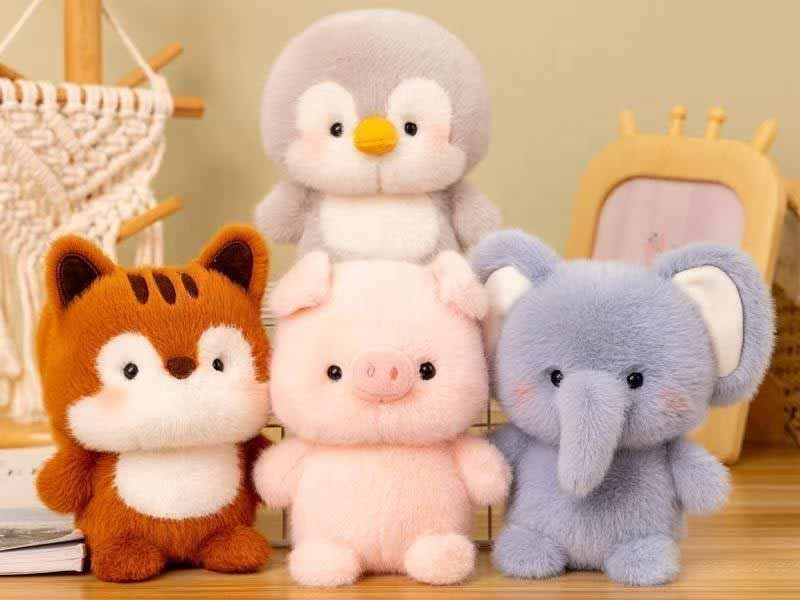
A subscription box has only a few seconds to prove its value after the lid opens. Small paper products, samples, and accessories may support a theme, yet they rarely create the same immediate reaction as a recognizable plush character placed at the center of the box. A plush toy has volume, texture, expression, and a longer useful life. It can sit on a desk, hang from a backpack, appear in social posts, or become one part of a larger collection.
Plush toys are growing in subscription boxes because they combine emotional appeal, collectible value, strong unboxing impact, and flexible design options. Mini plush, keychains, seasonal characters, and limited editions can fit monthly themes while keeping product weight and carton volume manageable. When every release belongs to one connected character world, subscribers gain a clear reason to continue collecting.
Growth does not come from softness alone. Successful programs connect character planning, box dimensions, material choices, safety requirements, production timing, and shipping cost. A 12-month series may involve shared body patterns, new outfits, rare colors, story cards, and subscriber-only editions. One missed delivery can disrupt an entire campaign, while one memorable character can keep appearing in customer photos long after the other contents have been used.
What Is Driving the Growth?

Plush toys are gaining space in subscription boxes because they create visible value, support repeatable character releases, and remain with the subscriber after opening. Collectible culture, adult interest, social sharing, limited editions, and emotional comfort all strengthen demand. Growth is strongest when every plush has a clear role inside a planned monthly or quarterly product system.
A plush subscription program should be treated as a continuing product line rather than a sequence of unrelated toys. Every release affects the value of earlier and later releases. Character scale, fabric quality, color consistency, naming, packaging, and delivery timing must remain connected across the whole collection.
Subscription Models
Plush products work well in recurring boxes because one character system can generate many releases without requiring a completely new development process every month.
A shared base pattern may support:
- Different animal species with related body proportions
- Seasonal outfits
- New facial expressions
- Color variations
- Profession or hobby themes
- Travel editions
- Subscriber anniversary editions
- Limited fabric treatments
- Small accessories attached to the same character body
A recurring box needs consistency, but repetition can reduce excitement. Product teams usually need to balance familiar design elements with enough visible change to justify the next delivery.
| Design Element | Keep Consistent | Change by Release |
|---|---|---|
| Character proportions | Head-to-body ratio | Ear, tail, wing, or horn shape |
| Facial language | Eye and mouth style | Expression and embroidery color |
| Label system | Label size and position | Character name and series number |
| Packaging format | Card dimensions and layout | Theme artwork and release color |
| Main body pattern | Core construction | Costume, accessory, and surface fabric |
| Brand identity | Logo and visual tone | Seasonal graphics and supporting story |
A subscription operator may choose one of four common plush models:
- One plush in every monthly box
- One premium plush every quarter
- A small plush charm each month with one larger annual reward
- Random plush inclusion across selected boxes
The right frequency depends on subscription price, shipping limit, customer expectations, and annual product budget. Placing a plush toy in every box can strengthen collectibility, but only when the annual design calendar is prepared early enough.
Collectible Characters
A single plush toy creates a one-time purchase decision. A connected collection creates an unfinished set.
Collectors often continue subscribing because every new character adds meaning to the products already received. A six-character forest family, twelve monthly emotion characters, or four seasonal mascots can create stronger continuity than twelve unrelated designs.
A well-planned collection normally includes several design levels:
| Release Level | Annual Share | Main Purpose | Development Difficulty |
|---|---|---|---|
| Main characters | 35–45% | Build the core world | High |
| Shared-body editions | 25–35% | Control pattern cost | Medium |
| Color variations | 10–20% | Add variety quickly | Low |
| Limited editions | 5–10% | Create urgency | Medium to high |
| Loyalty rewards | 5–10% | Encourage longer subscriptions | Medium |
For a 12-month program, a practical structure may include:
- Four completely new character bodies
- Four shared-body characters with new ears, tails, or costumes
- Two seasonal color editions
- One hidden or rare edition
- One subscriber anniversary character
Such a structure creates visible variation while keeping sampling, fabric purchasing, and sewing control manageable.
Collectibility also depends on presentation. Character names, issue numbers, story cards, and collection checklists help customers understand the full series. Without those elements, even good plush products may feel like disconnected gifts.
Adult Collectors
Adult interest has expanded the design language of plush toys. Many adult collectors are not looking for a conventional children’s teddy bear. They may prefer unusual facial expressions, muted colors, highly tactile fabrics, fantasy creatures, food-shaped characters, artist collaborations, or limited releases.
Adult-focused plush collections often use:
- Detailed embroidery
- Subtle color palettes
- Oversized heads or unusual proportions
- Removable clothing
- Numbered hangtags
- Character cards
- Designer information
- Display boxes
- Special surface textures
- Short-run seasonal fabrics
Product quality becomes more visible when several characters are displayed side by side. A two-millimeter difference in eye position, inconsistent ear angles, or uneven filling may stand out across a collection.
Key control points include:
- Embroidery placement tolerance
- Finished height tolerance
- Filling weight
- Left-right symmetry
- Fabric pile direction
- Face shape after stuffing
- Accessory position
- Label alignment
- Color consistency between production batches
For a 12-centimeter collectible, even a three-to-five-millimeter facial shift can noticeably change the expression. Approval samples should therefore include measured facial placement rather than relying only on visual comments.
Adult collectors also pay attention to packaging condition. Crushed cards, bent accessories, or compressed ears can lower perceived value even when the plush itself remains usable.
Unboxing Content
Subscription boxes are naturally suited to video because the contents are concealed. Plush toys improve the reveal by giving the viewer a clear focal point.
A good unboxing arrangement lets the character face the subscriber as soon as the lid opens. The first visible section should ideally include:
- The character’s face
- The monthly theme
- The product name
- A strong color contrast
- One memorable accessory
- A clean, organized interior
Packaging should protect the toy without slowing the opening. Excessive tape, multiple plastic layers, or tightly compressed packing can weaken the emotional moment.
Useful presentation methods include:
- Clear protective bags
- Printed tissue wraps
- Paper belly bands
- Character cards placed behind the plush
- Fitted paper supports
- Recyclable inner sleeves
- Branded drawstring pouches
- Small window boxes for premium editions
Video-friendly design does not require an oversized toy. A 10–15-centimeter plush with a strong face, one signature feature, and readable packaging can create more visual impact than a larger but generic character.
Unboxing also influences product construction. Loose glitter, shedding long-pile fabric, twisted labels, and uneven accessories become highly visible on camera. Products should be inspected from the angle seen during opening, not only from a standard front view.
Emotional Value
Plush toys often remain visible after the subscription box has been opened. Their long-term presence helps distinguish them from consumable or disposable items.
A subscriber may use a plush product as:
- Desk decoration
- Bedside companion
- Bag charm
- Travel mascot
- Shelf collectible
- Comfort object
- Gift
- Photo prop
- Seasonal decoration
That range of uses increases perceived value. A plush item may represent only one part of the box cost, yet it can become the product most strongly associated with the month’s theme.
Emotional value grows when the character has a clear personality. A name, short story, favorite activity, or monthly challenge can make a simple toy feel more personal.
For example, a travel-themed subscription may introduce:
- January: a fox preparing for a winter train journey
- February: a rabbit carrying a heart-shaped travel pouch
- March: a frog visiting a rainy city
- April: a bear camping among spring flowers
The toys become chapters in a continuing story rather than separate products.
Emotional design should still remain commercially disciplined. Too many accessories, fabric changes, or complicated shapes can increase cost without adding enough visible value. The strongest detail is often one memorable feature rather than many small decorations.
Which Plush Toys Work Best?

Mini plush, plush keychains, compact character dolls, blind-box plush, and seasonal editions perform well in recurring boxes. Products between 8 and 20 centimeters often provide a useful balance between visual value, design detail, shipping volume, and production cost. Final size should be selected according to box dimensions, age grade, target price, and annual release frequency.
No single format fits every program. A monthly low-weight box may use an 8-centimeter keychain, while a quarterly premium box may support a 20-centimeter character with clothing and a display card. Product planning should begin with the available space and cost structure.
Mini Plush
Mini plush toys are easier to integrate into recurring boxes because they leave room for other products and reduce parcel volume. Common finished sizes range from 8 to 15 centimeters.
Height alone does not determine packed size. A wide round character, long ears, wings, hats, or a thick tail can occupy more space than a taller narrow doll.
| Plush Size | Common Use | Approximate Packed Space | Main Design Limit |
|---|---|---|---|
| 5–8 cm | Micro charm or bonus item | Very small | Limited facial detail |
| 8–12 cm | Monthly collectible | Small | Small parts need close control |
| 12–15 cm | Main box item | Medium | Requires more box depth |
| 15–20 cm | Premium monthly item | Medium to large | Higher freight volume |
| 20–30 cm | Quarterly feature item | Large | May dominate the full box |
Approximate packed space depends on body shape and compression level, so physical testing remains necessary.
For monthly programs, 10–14 centimeters often provides enough room for:
- Clear embroidered eyes
- A readable mouth shape
- One accessory
- One woven label
- A recognizable body silhouette
- A small story card
- Safe seam allowances
Very small plush products can lose personality when facial details become crowded. Embroidery lines may merge, seam allowances may reduce usable face space, and tiny accessories can introduce safety concerns.
Mini plush development should focus on bold shapes and fewer details. Large eyes, clear color blocking, and one memorable feature usually reproduce more consistently than intricate printed graphics.
Plush Keychains
Plush keychains provide portability and lower shipping volume. Common sizes range from 6 to 12 centimeters, making them suitable for monthly boxes, entry-level subscription plans, or supplementary products.
Keychain products need stronger attachment engineering than display plush. Pulling force enters through a small loop at the top of the toy, so the connection should extend into the body with reinforced webbing or tape.
A secure construction may include:
- Internal reinforcement tape
- Double stitching at the top loop
- Bar-tack reinforcement
- Rust-resistant metal hardware
- Smooth ring edges
- Controlled loop length
- Strong fabric around the attachment point
- Pull testing after final assembly
Common hardware choices include:
| Hardware | Best Use | Main Advantage | Main Concern |
|---|---|---|---|
| Split ring | Bags and keys | Strong and familiar | Harder to open |
| Lobster clasp | Bags and pouches | Easy attachment | Hinge quality matters |
| Ball chain | Display and light use | Low cost and compact | Lower pull strength |
| Plastic clip | Children’s products | Lightweight | Requires impact testing |
| Fabric loop | Soft attachment | No hard metal contact | Needs separate hook or ring |
A keychain should not feel like a smaller plush toy with hardware added afterward. The head shape, body weight, and center of gravity need adjustment so the character hangs in the intended direction.
Keychains also work well in tiered subscription plans:
- Basic plan: one plush charm
- Standard plan: one mini plush plus small accessories
- Premium plan: one larger plush with exclusive packaging
Character Styles
Recognizable collections use repeated visual rules. Strong recognition does not require every character to look identical.
Useful shared features include:
- One eye shape
- A fixed head-to-body ratio
- Repeated cheek embroidery
- Matching foot construction
- One signature color
- Similar label placement
- Consistent mouth style
- A shared accessory shape
- Related packaging graphics
Character design should also suit the finished size. Fine lines and complex color transitions may look attractive in digital artwork but become difficult to reproduce on textured fabric.
For an 8–12-centimeter plush, designers should usually prioritize:
- Two to five main fabric colors
- Clear front-facing features
- Limited small appliqué pieces
- Strong silhouette
- Simple accessory attachment
- Embroidery with enough spacing
- Moderate seam count
For a 15–20-centimeter plush, more detail becomes possible:
- Layered clothing
- Embroidered patterns
- Shaped feet
- Separate fingers or paws
- Mixed fabric textures
- Removable accessories
- More complex expressions
Three-view drawings help control front, side, and back construction. A front-only image may hide important issues such as tail position, body depth, ear angle, and accessory attachment. Digital 3D views can also help compare character proportions before material cutting begins.
Blind-Box Plush
Blind-box formats add surprise by hiding the exact character or color until opening. The method can increase excitement, social sharing, and repeat purchases, but the assortment must remain fair and operationally manageable.
A collection might contain:
- Four standard characters
- Two special color editions
- One rare character
- One subscriber-only reward
Production quantity should match the planned appearance ratio.
For an order of 10,000 pieces, a possible allocation could be:
| Character Level | Appearance Ratio | Quantity |
|---|---|---|
| Four standard designs | 20% each | 2,000 each |
| Two special designs | 7% each | 700 each |
| One rare design | 4% | 400 |
| Subscriber reward | Separate allocation | Based on plan |
Very low rare-product ratios can create manufacturing inefficiency. A rare design may require separate fabric purchasing, embroidery programming, labels, packing control, and inspection even when the quantity is small.
Duplicate management also affects customer satisfaction. A monthly box with one random character may produce repeated designs over several deliveries. Possible solutions include:
- Tracking previous shipments
- Rotating assortment groups
- Offering exchange communities
- Publishing a collection checklist
- Limiting duplicate probability
- Providing a guaranteed non-duplicate plan at a higher price
Blind packaging must still display required product information. Care labels, age grading, fiber content, origin information, and safety warnings cannot disappear simply because the design is hidden.
Seasonal Plush
Seasonal plush gives each delivery a timely reason to feel different. Holidays are only one option. Weather, travel, school periods, food seasons, sports events, anniversaries, and regional celebrations can all support a release calendar.
A 12-month program might follow:
| Month | Theme | Plush Direction |
|---|---|---|
| January | Winter travel | Scarf-wearing fox |
| February | Friendship | Pair-themed rabbit |
| March | Rainy days | Frog with raincoat |
| April | Spring garden | Bee or flower bear |
| May | Outdoor picnic | Mouse with basket |
| June | Ocean trip | Seal or whale |
| July | Summer festival | Cat with festival accessory |
| August | Camping | Bear with backpack |
| September | Study season | Owl with book |
| October | Halloween | Bat or ghost character |
| November | Cozy home | Hedgehog with blanket |
| December | Celebration | Limited festive mascot |
Seasonal development requires backward planning. Delivery dates are fixed, while sample revisions, testing, production, and transport may vary.
A safer planning window may include:
- Theme approval: 5–7 months before customer delivery
- Artwork completion: 4–6 months before delivery
- First sample: 4–5 months before delivery
- Revision approval: 3–4 months before delivery
- Compliance testing: 2–3 months before delivery
- Production: 1–3 months before delivery
- Packing and shipment: based on destination
Shared fabrics, repeated body patterns, and common packaging sizes can shorten preparation. Twelve fully different constructions increase sampling risk, material complexity, and approval pressure.
The strongest seasonal products do not rely only on printed holiday symbols. Character expression, costume, texture, color, and story should work together, allowing the plush to remain appealing after the season ends.
How Do Plush Toys Improve Retention?

Plush toys can strengthen subscription retention when each release adds value to a continuing collection. Exclusive characters, connected stories, limited editions, subscriber rewards, and visible progress toward a complete set encourage customers to remain enrolled. Retention depends less on adding more items and more on giving every delivery a clear place within the larger product experience.
A monthly plush should never feel like a repeated version of the previous month. At the same time, a collection cannot change so radically that customers fail to recognize the shared identity. Strong retention comes from balancing familiarity and surprise.
Exclusive Designs
Exclusive plush designs give subscribers access to products unavailable through normal retail channels. Exclusivity creates a practical reason to remain subscribed because canceling may mean losing access to a future character or completing only part of the collection.
An exclusive release can involve:
- A completely new character
- A subscriber-only color
- A special outfit
- A numbered edition
- A unique fabric texture
- An embroidered subscription mark
- A limited accessory
- Special packaging
- Early access before retail release
Exclusivity should be visible. A slightly different thread color may not feel meaningful enough to support renewal. Customers should notice the difference immediately when comparing the subscription edition with a standard product.
A useful annual structure may include:
| Release Type | Quantity Share | Purpose |
|---|---|---|
| Regular monthly characters | 65–75% | Maintain steady collection growth |
| Seasonal exclusives | 10–15% | Create timely excitement |
| Subscriber-only colors | 5–10% | Reward membership |
| Anniversary editions | 5–10% | Encourage long-term retention |
| Rare surprise editions | 2–5% | Add discovery and social interest |
Rare products need careful control. Extremely low quantities may frustrate customers and complicate packing. A rarity ratio should support excitement without making most subscribers feel excluded.
Exclusivity also affects production planning. Special fabrics, embroidery files, labels, and packaging may need separate ordering. When quantities are modest, shared body patterns and common base materials can keep costs under control.
Character Series
A character series gives every month a reason to connect with earlier and later deliveries. Customers are more likely to keep a subscription when they can see unfinished progress.
Series planning can follow several structures:
- Twelve characters from one world
- Four seasonal families with three characters each
- Six main characters with two editions each
- One mascot with twelve outfits
- Twelve emotions represented by different characters
- Twelve travel destinations
- One continuing story released chapter by chapter
A single mascot with changing costumes may reduce pattern-development costs. However, repeated body shapes can become predictable. A mixed system often performs better: several new bodies supported by shared-body editions and limited color releases.
For a 12-month collection, a balanced plan may look like:
| Month Group | Product Direction | Development Load |
|---|---|---|
| Months 1–3 | Three main characters | High |
| Months 4–6 | Two new characters and one outfit edition | Medium to high |
| Months 7–9 | One new character, one color edition, one seasonal edition | Medium |
| Months 10–12 | Two premium characters and one loyalty reward | High |
The visual system should remain stable across all releases. Eye shape, embroidery style, body proportions, labels, hangtags, and packaging layout help customers recognize the series.
Collection continuity also improves product photography. Twelve characters displayed together can create stronger marketing images than twelve unrelated plush toys.
Product Rarity
Rarity can increase attention, but poor rarity planning can damage trust. Customers may enjoy discovering a limited character, yet repeated disappointment can lead to cancellations.
Rarity works best when:
- Standard characters still feel complete
- Rare editions offer visible differences
- Appearance ratios are clearly explained
- Distribution is controlled
- Duplicate rates remain reasonable
- Rare products do not contain essential story information
- Customers can trade or exchange duplicates
A rare edition may use:
- Metallic embroidery
- Glow-in-the-dark fabric
- Longer pile material
- Special color combinations
- Transparent or printed accessories
- Numbered labels
- Exclusive costumes
- Premium gift packaging
The rare edition should not require a completely separate production system unless order volume supports it. Small changes made to a shared pattern can create a strong difference with lower development risk.
For an order of 20,000 units, an allocation may include:
| Edition | Ratio | Quantity |
|---|---|---|
| Standard A | 22% | 4,400 |
| Standard B | 22% | 4,400 |
| Standard C | 22% | 4,400 |
| Standard D | 22% | 4,400 |
| Special edition | 8% | 1,600 |
| Rare edition | 4% | 800 |
Such ratios keep the rare design special without reducing production quantity to an impractical level.
Personalization
Personalization increases perceived value by making the plush feel connected to the subscriber. Full individual customization can be expensive, but several scalable methods can create a personal experience.
Options include:
- Printed name cards
- Custom subscriber messages
- Initial embroidery
- Choice of color family
- Choice of character personality
- Birthday-month editions
- Selectable accessories
- Personalized outer sleeves
- Numbered membership tags
Embroidery of individual names requires separate machine files or digital name input. The method can work for premium plans, corporate gifting, loyalty rewards, or limited campaigns, but it may slow production and packing.
Lower-complexity personalization can be handled through packaging. One plush body may be paired with different name cards, messages, or accessory sets. Such an approach keeps the toy production stable while allowing greater variation during final packing.
A practical tier structure may include:
| Subscription Level | Personalization |
|---|---|
| Standard | Character card with monthly message |
| Plus | Choice of one of two color groups |
| Premium | Initial embroidery or named tag |
| Annual member | Exclusive numbered character |
| Gift plan | Custom message and gift sleeve |
Personalization should remain easy to understand. Too many options can slow order processing, increase packing errors, and complicate inventory control.
Story Cards
Story cards extend the experience beyond the plush toy. A small printed card can explain the character’s name, personality, hobbies, background, and place within the wider collection.
Useful card content includes:
- Character name
- Series number
- Short biography
- Favorite food or activity
- Monthly story chapter
- Collection checklist
- QR code for digital content
- Care information
- Social media prompt
- Hidden clue for the next release
A card measuring around 90 × 140 millimeters provides enough room for artwork and text while fitting most subscription boxes. Smaller collectible cards around 63 × 88 millimeters work well for numbered series and trading formats.
Card quality affects perceived value. Thick paper, rounded corners, matte lamination, spot gloss, foil details, or embossed marks can support a premium collection. However, high-cost printing should be reserved for releases where the finish creates visible value.
Story cards also help maintain engagement between deliveries. A QR code may lead to:
- An animated character introduction
- Downloadable wallpaper
- A short story
- A voting page for future designs
- A collector checklist
- A subscriber community
- A behind-the-scenes production video
The plush becomes one part of a larger content system rather than a stand-alone object.
How Should Brands Plan a Collection?

A strong plush subscription collection requires a 6–12-month product calendar, controlled sizing, repeated visual rules, planned product tiers, and packaging dimensions fixed before sampling. Development should begin with the subscription price, box size, target age, shipping limit, and release frequency. Product design can then be matched to the real commercial structure.
Planning only one month at a time creates unnecessary pressure. Fabrics, embroidery, labels, accessories, safety testing, and packing schedules become harder to control when every release is treated as a separate emergency.
Annual Design Plan
A 12-month collection should be mapped before the first production order. Not every detail needs final approval, but the full direction should be clear.
An annual plan should define:
- Monthly theme
- Character type
- Finished size
- Body pattern
- Main fabric
- Color palette
- Accessory
- Packaging format
- Safety category
- Sample deadline
- Production deadline
- Shipping deadline
A sample annual plan may follow:
| Month | Character | Product Format | Main Feature |
|---|---|---|---|
| January | Polar bear | 14 cm plush | Knitted scarf |
| February | Rabbit | 12 cm plush | Heart accessory |
| March | Frog | 10 cm keychain | Raincoat |
| April | Bee | 13 cm plush | Printed wings |
| May | Mouse | 12 cm plush | Picnic pouch |
| June | Seal | 15 cm plush | Cooling color palette |
| July | Cat | 10 cm keychain | Festival outfit |
| August | Bear | 14 cm plush | Backpack accessory |
| September | Owl | 13 cm plush | Book-shaped pocket |
| October | Bat | 12 cm plush | Glow embroidery |
| November | Hedgehog | 15 cm plush | Long-pile fabric |
| December | Main mascot | 18 cm plush | Premium gift box |
The premium December product may reward annual members and create a stronger year-end reveal.
A shared material library can reduce complexity. Several characters may use the same white, beige, brown, pink, or black fabrics. Embroidery thread colors, stuffing, labels, and packaging materials can also be standardized.
Design Quantity
The number of required designs depends on release frequency and product structure.
For a monthly subscription:
- Twelve complete designs may be required
- Six body patterns with two editions each can reduce development
- Four core bodies with seasonal variations can reduce material complexity
- One mascot with monthly costumes creates strong continuity
For a quarterly subscription:
- Four larger plush products may be enough
- Each release can include more detail
- Premium materials become easier to justify
- Packaging can be more elaborate
- Longer development time supports complex construction
For a mixed subscription:
- Eight mini plush releases
- Three keychain releases
- One premium annual plush
- Small accessories used between major launches
A project should also include backup designs. Delays in one accessory or fabric may affect a fixed monthly launch. Preparing one or two flexible designs can protect the calendar.
Backup characters should use:
- Stock fabrics
- Existing embroidery colors
- Shared body patterns
- Simple accessories
- Standard packaging
- Previously approved hardware
Such designs can be moved into the schedule when a more complex release requires additional time.
Plush Sizes
Plush size affects product cost, box layout, freight, detail reproduction, and perceived value. Size should be selected after calculating usable box volume.
A box with internal dimensions of 260 × 180 × 100 millimeters has a theoretical volume of 4.68 liters. Actual usable space is lower after adding inserts, cards, paper cushioning, and other products.
A plush should not consume the full box unless it is the only main item. Useful planning ranges include:
| Plush Role | Suggested Height | Approximate Box Share |
|---|---|---|
| Small bonus | 5–8 cm | 5–10% |
| Plush keychain | 7–11 cm | 10–20% |
| Monthly main plush | 10–15 cm | 25–45% |
| Premium main plush | 15–20 cm | 40–65% |
| Quarterly feature | 20–30 cm | 60–90% |
The percentage depends on body width, accessories, and compression.
Finished height should be measured in a fixed position. Characters with soft ears or hats may produce inconsistent results when measured differently. Specifications should define:
- Measurement from base to head
- Whether ears are included
- Body width
- Body depth
- Sitting or standing position
- Accessory dimensions
- Weight range
- Filling weight
For a 12-centimeter plush, a finished-height tolerance of approximately ±5 millimeters may be workable, depending on construction. Facial placement often requires tighter control because small shifts are more noticeable than overall size changes.
Monthly Themes
Monthly themes should offer visible variety without requiring unrelated materials for every release.
A theme can be expressed through:
- Character species
- Costume
- Accessory
- Embroidery
- Fabric texture
- Color palette
- Story card
- Packaging artwork
- Scent
- Sound feature
Using every option in one product raises cost and production difficulty. One or two strong features are often enough.
Theme planning should account for regional sales. A global subscription may avoid relying only on local holidays. Broader themes such as travel, weather, friendship, food, dreams, hobbies, and emotions can work across multiple markets.
A practical theme structure may combine:
- Four seasonal themes
- Four lifestyle themes
- Two celebration themes
- One subscriber anniversary
- One surprise theme
Products should also avoid looking dated after the month ends. A winter character can remain appealing if the design focuses on cozy clothing rather than a large printed date.
Product Mix
A subscription box needs a clear value hierarchy. The plush may be the central item, one of several equal products, or a limited bonus.
Three common product mixes are shown below.
| Box Type | Plush Role | Supporting Products |
|---|---|---|
| Plush-led box | Main product | Card, sticker, pin, accessory |
| Lifestyle box | One of several items | Stationery, socks, pouch, cup |
| Children’s activity box | Character companion | Book, craft, educational activity |
For a plush-led box, product value can be distributed approximately as:
- Plush toy: 50–70% of product budget
- Packaging and story materials: 10–15%
- Small accessories: 15–30%
- Quality control and packing allowance: remaining share
For a mixed lifestyle box, the plush may represent 20–40% of the product budget.
The exact allocation depends on retail price, shipping, fulfillment, and target margin. A high number of low-value items can make a box look crowded without increasing satisfaction. One well-made plush and two connected accessories may feel more coherent than eight unrelated products.
Useful accessory combinations include:
- Plush plus enamel pin
- Plush plus sticker sheet
- Plush plus story card
- Plush plus miniature outfit
- Plush plus pouch
- Plush plus collector badge
- Plush plus printed map
- Plush plus activity booklet
Shared artwork across all items strengthens the monthly theme.
Shipping Volume
Shipping cost can quickly erase the margin of a subscription box. Plush products are light but occupy space, making dimensional weight an important concern.
Dimensional weight is often calculated from parcel volume rather than actual weight. A common international formula is:
Length × Width × Height ÷ dimensional factor
A parcel measuring 30 × 20 × 12 centimeters has a volume of 7,200 cubic centimeters. Using a dimensional factor of 5,000, the chargeable dimensional weight would be 1.44 kilograms, even when the actual parcel weighs less.
Product development should therefore control:
- Character width
- Ear and tail shape
- Accessory rigidity
- Stuffing level
- Box depth
- Empty gaps
- Inner packaging thickness
- Number of products per shipment
Several methods can reduce volume:
- Use soft accessories rather than rigid plastic parts
- Fold flexible ears and wings
- Select seated characters
- Reduce excessive filling
- Use body shapes that nest with other items
- Place cards beside rather than under the plush
- Use fitted paper supports
- Standardize one or two outer box sizes
- Avoid oversized presentation trays
Vacuum compression can lower volume, but several risks need review:
- Face distortion
- Flattened embroidery
- Wrinkled long-pile fabric
- Bent ears
- Slow shape recovery
- Crushed accessories
- Poor first-opening appearance
Compression is more suitable for simple pillow plush and less suitable for detailed collectible characters.
A packing trial should use the full monthly product set. The plush, card, accessories, paper support, protective bag, and outer carton should be assembled before production approval. Parcel dimensions can then be checked against the planned shipping method.
Cost Control
Cost control should begin during design rather than after the final sample is approved. Removing features late can damage the character appearance and require another sampling round.
Main cost factors include:
- Number of fabric colors
- Number of cut pieces
- Embroidery stitch count
- Printed fabric area
- Accessory count
- Removable clothing
- Stuffing weight
- Hardware
- Custom labels
- Packaging
- Inspection requirements
- Safety testing
- Production quantity
A simple plush may use 10–18 pattern pieces. A more complex character with clothing, wings, horns, and accessories may exceed 30–50 pieces. More pieces increase cutting, sorting, sewing, alignment, and inspection time.
Cost can be controlled by:
- Sharing body patterns
- Limiting hidden fabric colors
- Combining small appliqué details into embroidery
- Using stock fabric for inner areas
- Reducing unnecessary detachable parts
- Standardizing labels
- Reusing packaging dimensions
- Purchasing shared materials across several months
- Approving several designs in one sampling cycle
Cost reduction should protect the character’s most visible features. Eye embroidery, face shape, fabric hand feel, and silhouette often contribute more value than hidden internal details.
A useful approach is to separate features into three groups:
| Feature Level | Examples | Decision |
|---|---|---|
| Essential | Face, shape, main fabric | Protect |
| Supporting | Outfit, card, accessory | Optimize |
| Optional | Extra pocket, complex inner print | Remove when needed |
Such prioritization keeps the final product recognizable while controlling manufacturing cost.
What Manufacturing Challenges Matter?
Recurring plush programs require stronger control than one-time promotional orders. Design accuracy, fabric availability, sampling speed, safety compliance, color consistency, stuffing balance, packaging, and monthly delivery schedules must remain stable across several releases. A delayed accessory or mismatched fabric color can affect an entire subscription calendar, so manufacturing decisions should be made several months before each shipment.
A single plush product may contain dozens of separate cut pieces, several embroidery files, multiple fabric colors, labels, accessories, filling, inner reinforcement, and packaging materials. Every added component creates another point requiring approval and inspection.
Design Accuracy
A digital drawing can look perfect while the finished plush feels completely different. Flat artwork does not fully show body depth, seam tension, fabric stretch, stuffing pressure, or the way ears and limbs settle after sewing.
Accurate development begins with enough visual information. Useful files include:
- Front, side, and back views
- Enlarged facial details
- Color references
- Finished size
- Sitting or standing position
- Body depth
- Accessory dimensions
- Fabric direction
- Logo location
- Label position
- Packaging dimensions
- Intended age group
Three-view artwork is especially important for original characters. A front image may show the face clearly but leave the back shape, tail angle, ear thickness, and body construction open to interpretation.
Digital 3D previews can help review proportion before fabric cutting. They are useful for checking:
- Head-to-body ratio
- Limb length
- Ear and horn position
- Tail angle
- Costume volume
- Overall silhouette
- Front and side balance
Physical sampling is still necessary because fabric and stuffing behave differently from digital models.
A design-matching review should compare measurable points rather than relying only on general appearance.
| Control Point | Recommended Review Method |
|---|---|
| Finished height | Measure from fixed base point |
| Head width | Compare approved tolerance |
| Eye spacing | Measure center-to-center |
| Mouth position | Measure from eye line |
| Ear angle | Compare front and side templates |
| Limb length | Check left-right symmetry |
| Filling weight | Weigh before closing |
| Accessory position | Use placement marks |
| Logo size | Compare approved artwork |
| Label location | Measure from seam |
For a 12–15-centimeter collectible plush, facial placement may need control within approximately 2–4 millimeters, depending on the character. A small shift can change the expression from cheerful to uneven or tired.
Approval comments should be precise. Instructions such as “make the face cuter” are difficult to execute. Better comments include:
- Move both eyes 2 millimeters inward
- Raise the mouth 3 millimeters
- Reduce cheek embroidery width by 10%
- Add 5 grams of filling to the lower body
- Shorten both ears by 6 millimeters
- Rotate the tail upward by 15 degrees
Clear measurements reduce repeated sampling and protect the release schedule.
Fabric Selection
Fabric affects color, touch, shape, embroidery clarity, cost, cleaning, and age suitability. The softest fabric is not automatically the best choice for every plush product.
Common material options include:
| Fabric Type | Pile Length | Main Use | Main Advantage | Main Concern |
|---|---|---|---|---|
| Short plush | 1–3 mm | Small character plush | Clear seams and embroidery | Less fluffy appearance |
| Minky | 1–3 mm | Baby and premium plush | Soft, smooth hand feel | Stretch requires control |
| Velboa | 1–3 mm | Detailed shapes | Stable surface | Lower fluffy effect |
| Crystal super-soft | 1–2 mm | Kawaii characters | Smooth and bright colors | Surface can show pressure |
| Rabbit faux fur | 6–15 mm | Premium tactile designs | Rich texture | Hides small facial details |
| Long-pile faux fur | 15–40 mm | Animals and monsters | Strong visual volume | Difficult seam and pile control |
| Sherpa fleece | 3–8 mm | Cozy seasonal plush | Warm, textured appearance | Less precise embroidery |
| Organic cotton fabric | Varies | Natural collections | Natural positioning | Different touch from plush |
| Recycled polyester plush | Varies | Recycled collections | Supports material goals | Color and hand feel need approval |
Miniature characters usually perform better with short-pile fabrics. Long fur can hide eyes, mouths, fingers, seams, and small accessories. It may also increase apparent size and create uneven silhouettes.
Fabric selection should consider:
- Finished plush size
- Character detail level
- Target market
- Age classification
- Embroidery size
- Printing method
- Washability
- Colorfastness
- Pile shedding
- Stretch rate
- Production quantity
- Repeat-order availability
Material continuity is essential for a 12-month series. A fabric approved in January may be unavailable in September unless enough stock is reserved or the supplier can reproduce the same quality.
A material library can include approved:
- White, black, beige, brown, pink, blue, and green base fabrics
- Standard lining materials
- Embroidery thread colors
- Filling material
- Woven labels
- Care labels
- Keychain hardware
- Common accessory fabrics
Shared materials reduce shade variation and make later orders easier to manage.
Fabric color should be approved under controlled lighting. Screen colors can differ greatly from dyed fabric. Physical swatches should be checked under daylight and indoor light before bulk production.
For subscription series using several production batches, retained fabric swatches should remain available for comparison. A new batch may look close alone but appear noticeably different when placed beside an earlier character.
Sample Development
Sampling should confirm appearance, structure, safety, packing size, and production practicality. A visually attractive sample can still be unsuitable for mass production when the construction is too slow, unstable, or difficult to repeat.
A practical sampling process may include:
- Product brief review
- Three-view drawing preparation
- Material selection
- Pattern development
- Embroidery test
- First physical sample
- Measurement and appearance review
- Revision comments
- Second sample
- Pre-production approval
Delsney can develop plush products from:
- Technical files
- Character drawings
- Front-view artwork
- Reference photographs
- Existing physical samples
- Hand sketches
- 3D models
- Written product ideas
Standard sample development may take around 5–7 days after the required information and materials are confirmed. More complex products may need additional time, especially when they include:
- New custom fabrics
- Vinyl faces
- Electronic sound modules
- Scented filling
- Removable clothing
- Internal wire structures
- Weighted pellets
- Long-pile fur
- Complex embroidery
- Custom molded accessories
A first sample should be tested inside the intended subscription box. Product approval should cover more than the front appearance.
A complete sample review should check:
- Finished measurements
- Character expression
- Fabric color and texture
- Filling firmness
- Sitting or standing stability
- Accessory attachment
- Label position
- Loose fiber
- Seam appearance
- Embroidery quality
- Product weight
- Box fit
- Recovery after compression
Each revision should be documented with marked photographs and measurements. Verbal comments alone can be misunderstood, especially when several characters are developed at the same time.
A pre-production sample should represent the approved mass-production standard. It should use final fabric, embroidery, filling, labels, hardware, accessories, and packaging. A development sample made from substitute materials should not serve as the final production reference.
Safety Testing
Plush toys sold in Europe, North America, and other regulated markets must meet applicable safety requirements based on age group, product construction, materials, and selling destination.
Common compliance areas include:
- EN 71 for the European market
- ASTM F963 for the United States
- CPSIA requirements for children’s products in the United States
- CE-related toy documentation for Europe
- Mechanical and physical safety
- Flammability
- Restricted substances
- Small-parts evaluation
- Seam strength
- Attachment strength
- Labeling
- Traceability
Testing requirements vary by country and product category. A plush intended for children under three years old normally requires stricter control of detachable parts and accessible components.
High-risk details include:
- Plastic eyes
- Buttons
- Bells
- Zippers
- Keychain hardware
- Beads
- Decorative stones
- Loose ribbons
- Detachable clothing
- Small accessories
- Battery compartments
- Sound modules
- Weighted filling
Embroidered eyes are often preferred for products intended for younger children because they reduce the risk associated with separate hard components.
Attachment testing should cover ears, tails, limbs, labels, bows, keychain loops, and accessories. A part that looks secure can still fail under repeated pulling.
Chemical control may involve:
- Lead
- Phthalates
- Heavy metals
- Formaldehyde
- Certain dyes
- Restricted flame retardants
- Material-specific substances
Testing should use production-representative materials. A laboratory report for one fabric cannot automatically cover a later replacement fabric or different printed coating.
Safety labels should provide required information in the correct language and format. Depending on the market, labels may include:
- Product identity
- Age recommendation
- Material composition
- Care instructions
- Country of origin
- Manufacturer or importer information
- Batch or traceability code
- Required warnings
Subscription operators shipping to several countries should plan label versions early. A shared multilingual label may reduce packing complexity, provided the required text remains readable.
Batch Consistency
Recurring subscriptions make inconsistency easy to notice. Customers may place every monthly character on the same shelf, allowing differences in size, face placement, stuffing, fabric shade, and label position to stand out immediately.
Batch consistency requires fixed production references.
Important controls include:
- Approved pre-production sample
- Measurement sheet
- Material list
- Color swatches
- Embroidery files
- Filling-weight range
- Stitch requirements
- Accessory placement guide
- Packaging standard
- Inspection checklist
A production specification should record each important measurement with an acceptable tolerance.
| Inspection Item | Example Control |
|---|---|
| Finished height | Approved size with defined tolerance |
| Head width | Measured at fixed points |
| Eye spacing | Center-to-center measurement |
| Filling weight | Defined gram range |
| Label position | Distance from side seam |
| Embroidery color | Approved thread code |
| Stitch density | Defined sewing requirement |
| Accessory pull strength | Tested according to requirement |
| Product weight | Approved range |
| Carton quantity | Fixed packing count |
Filling control is particularly important. Too little filling creates loose faces and unstable bodies. Too much filling stretches seams, changes the character shape, and increases shipping volume.
Production-line training should use approved samples and visual defect boards. Operators need to understand which features are critical to character identity.
In-line inspection can identify problems before the full order is completed. Useful checkpoints include:
- After embroidery
- After cutting
- During face assembly
- Before body closing
- After filling
- After accessory attachment
- Before packing
Final inspection should check appearance, measurements, sewing, labeling, cleanliness, and packaging. For high-detail collectible products, face inspection deserves separate attention.
Retained samples from every production batch can help compare later repeat orders. When a character returns after six months, the retained sample provides a stronger reference than photographs alone.
How Can Brands Launch a Plush Subscription?

Launching a plush subscription requires a clear product brief, staged OEM/ODM development, measured sample approval, and a production schedule matched to monthly shipment dates. The safest approach is to plan several releases together, share approved materials where possible, and maintain backup designs for unexpected delays. A capable manufacturing partner should support development from artwork through final packing.
The commercial calendar should run backward from the date subscribers need to receive the box. Factory completion is only one part of the schedule; freight, customs, fulfillment, and final delivery also need time.
Product Brief
A useful product brief reduces assumptions and helps the design team prepare a more accurate first sample.
The brief should include:
- Product name
- Character background
- Target user age
- Selling market
- Subscription month
- Finished size
- Sitting or standing position
- Fabric preference
- Main colors
- Facial artwork
- Embroidery details
- Accessories
- Filling firmness
- Required labels
- Packaging format
- Planned quantity
- Delivery date
- Compliance requirements
Reference files should be as clear as possible. Vector artwork is useful for logos and embroidery, while high-resolution drawings help identify small details.
For original characters, front, side, and back views should be provided when available. Delsney can also help prepare three-view drawings and 3D visual effects when only an initial idea or front image exists.
A product brief should separate essential and optional details.
Essential details may include:
- Face shape
- Eye expression
- Main silhouette
- Signature accessory
- Core colors
- Character size
Optional details may include:
- Extra pocket
- Decorative inner print
- Additional removable accessory
- Complex secondary embroidery
- Premium packaging finish
Separating priorities helps protect the character identity when cost or production time needs adjustment.
OEM/ODM Development
OEM development usually begins with an existing design, technical file, sample, or detailed artwork. The factory converts the supplied concept into a production-ready plush product.
ODM development may involve more support with:
- Character interpretation
- Three-view artwork
- Size recommendations
- Fabric selection
- Pattern development
- Accessory suggestions
- Cost adjustment
- Packaging design
- Collection planning
An end-to-end development path may follow:
- Concept and target market review
- Design feasibility check
- Three-view drawing preparation
- Fabric and color selection
- Pattern development
- First sample
- Structural revision
- Appearance approval
- Compliance review
- Pre-production sample
- Mass production
- Final inspection
- Packing and shipment
For a 12-month collection, several products can be grouped into development waves.
A practical schedule may use:
- Wave 1: Months 1–4
- Wave 2: Months 5–8
- Wave 3: Months 9–12
Grouped development supports shared fabric purchasing, coordinated approval, and more stable production planning.
Delsney offers design and sampling support for high-requirement projects, including development from technical documents, drawings, and physical references. Free design and sample support can be discussed according to project scope and order plan.
Sample Approval
Sample approval should be written, visual, and measurable. A simple message saying “approved” may leave important details open during production.
Approval records should include:
- Final sample photographs
- Finished dimensions
- Approved fabrics
- Color swatches
- Embroidery files
- Filling weight
- Label artwork
- Hardware
- Accessories
- Packaging
- Inspection points
- Compliance requirements
The approval sample should be reviewed from all angles.
Front view:
- Eye alignment
- Mouth position
- Face shape
- Body symmetry
- Accessory balance
Side view:
- Head depth
- Body posture
- Ear angle
- Tail position
- Sitting stability
Back view:
- Seam alignment
- Label location
- Costume closure
- Tail attachment
- Overall shape
Top and base:
- Head symmetry
- Ear placement
- Base flatness
- Product balance
- Filling distribution
Box-fit testing should also be approved. A character can look excellent outside the box but arrive with folded ears or a flattened face.
The packing sample should confirm:
- Product orientation
- Inner bag size
- Card position
- Accessory protection
- Box closure
- Empty space
- Shipping resistance
- Opening presentation
A golden sample should be sealed and retained as the final production standard. One approved sample can remain with the customer and one with the factory.
Monthly Production
Monthly programs need a rolling schedule rather than twelve isolated orders. Each shipment should enter production before the previous month reaches subscribers.
A stable rolling calendar may look like:
| Release | Design Approval | Sample Approval | Production | Shipment |
|---|---|---|---|---|
| Month 1 | Month -5 | Month -4 | Month -3 to -2 | Month -1 |
| Month 2 | Month -4 | Month -3 | Month -2 to -1 | Before release |
| Month 3 | Month -3 | Month -2 | Month -1 | Before release |
Exact timing depends on quantity, complexity, destination, testing, and freight method.
Delsney’s standard plush sampling can be completed in around 5–7 days for many designs after materials and details are confirmed. Complex structures may require more time. Mass-production lead time often falls around 20–30 days, depending on order quantity, fabric availability, accessories, testing, and production schedule.
A recurring project should reserve:
- Fabric purchasing time
- Embroidery preparation
- Sample revision time
- Compliance testing
- Production capacity
- Final inspection
- Packing
- International transport
- Fulfillment-center receiving
- Delay buffer
Backup designs protect the release calendar. A backup character should use approved fabrics, shared body patterns, standard packaging, and readily available accessories.
Rolling forecasts also help the factory prepare materials. Even when final order quantities are not fixed, estimated ranges allow earlier planning.
For example:
- Forecast quantity: 3,000–5,000 pieces per month
- Final quantity confirmation: 60 days before production
- Material reservation: 90–120 days ahead
- Packaging confirmation: 45–60 days ahead
- Shipping booking: based on freight season
Peak periods such as holiday production require earlier capacity booking.
Manufacturer Questions
A plush manufacturer should be evaluated on development control, production repeatability, compliance experience, and schedule management—not only on unit price.
Useful questions include:
- How many years has the factory produced plush products?
- Can the team develop from drawings and physical samples?
- Can three-view artwork and 3D previews be prepared?
- How long does standard sampling take?
- How are facial measurements controlled?
- Can several monthly designs be developed together?
- Which fabrics are available?
- Can shared materials be reserved for repeat orders?
- How are color differences controlled?
- Which safety standards can be supported?
- Is every product inspected before shipment?
- How are approved samples stored?
- Can story cards, labels, bags, boxes, and inserts be packed together?
- Can monthly or quarterly deliveries be scheduled?
- How are urgent design changes handled?
- What information is required before quotation?
The manufacturer should also explain how the product will be constructed. Useful technical feedback may include:
- Whether a fabric pile is too long for small embroidery
- Whether an accessory creates a small-parts risk
- Whether the planned box is too shallow
- Whether a face needs more seam space
- Whether a rare edition quantity is too low for custom fabric
- Whether the release calendar allows enough testing time
A strong factory does more than reproduce artwork. It helps convert creative ideas into stable, safe, repeatable products.
Start Your Plush Subscription Project With Delsney
A successful plush subscription series needs more than twelve attractive drawings. Character scale, fabric continuity, face accuracy, sampling speed, compliance, packaging dimensions, production timing, and batch consistency all affect whether each monthly release reaches subscribers as planned.
Delsney has more than 18 years of experience in plush product development, design, pattern making, sampling, manufacturing, and sales. Our team supports high-requirement custom plush projects for established companies, premium labels, character owners, subscription operators, retailers, and promotional programs.
Many standard samples can be developed in approximately 5–7 days after design details and materials are confirmed. Two free sample revisions can be supported according to project conditions. Finished plush products can achieve up to 98% visual matching with approved designs when artwork, materials, measurements, and production standards are clearly defined.
Our team can review the concept, recommend suitable construction, prepare design support, develop samples, plan packaging, and arrange recurring production around the subscription calendar.
Contact Delsney to turn a character idea into a complete plush subscription collection with reliable sampling, controlled quality, compliant production, and repeatable monthly delivery.