Skip to content
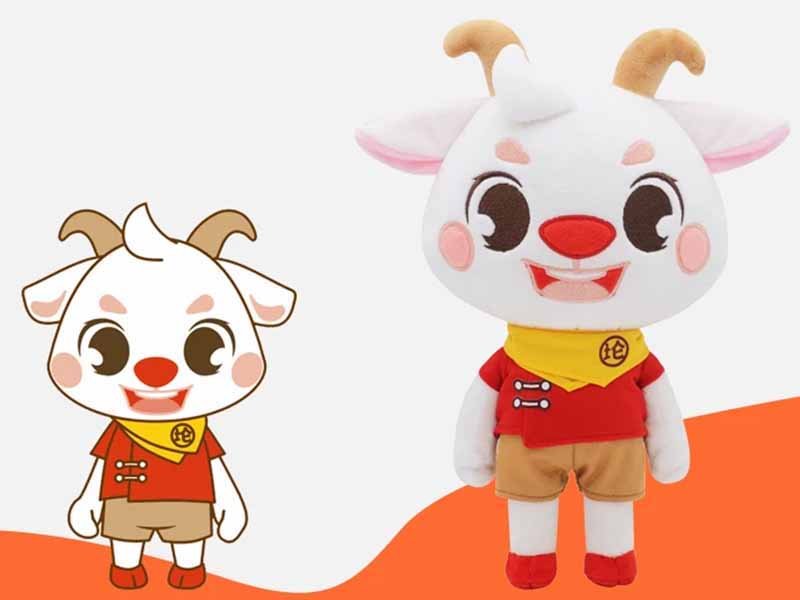
A plush toy looks soft, friendly, and simple, but a successful custom plush product is built from dozens of small decisions. The head shape decides whether the character feels cute or strange. The eye position can change the whole expression. The fabric pile length affects softness, embroidery clarity, and perceived value. The filling amount decides whether the plush stands, sits, hugs well, or collapses on a retail shelf. Even a small woven label, story card, barcode sticker, or gift box can change how a retailer prices and displays the product. For brands, retailers, IP owners, gift companies, e-commerce sellers, and premium product teams, customization is not only about adding a logo. It is about creating a plush product that matches a clear commercial purpose.
Customization in plush toy manufacturing means developing a plush product according to a specific character, artwork, logo, sample, fabric request, size, packaging style, safety requirement, and sales channel. It helps brands create unique products, protect IP accuracy, improve gift value, control quality, reduce generic competition, and build a stronger product line.
The difference between a generic plush and a well-developed custom plush is easy to see once both sit on the same shelf. One looks like something bought from a catalog. The other feels connected to a brand, a story, a character, or a customer memory. A mascot plush for a game launch, a Valentine bear for retail shelves, a baby-safe animal plush, and a premium boxed character doll all need different design and manufacturing logic. Good customization makes those decisions clear before production begins.
What Is Custom Plush Manufacturing?

Custom plush manufacturing is the process of turning a brand idea, drawing, mascot, IP character, reference image, technical file, or physical sample into a finished plush product. It includes design support, three-view artwork, 3D effect preview, fabric selection, pattern making, sampling, sample revision, embroidery, filling, labeling, packaging, inspection, safety planning, and bulk production.
What Can Be Customized in Plush Toys?
Almost every part of a plush toy can be customized. Some customers only need a simple logo label on a standard animal shape. Others need a completely new character developed from artwork, including exact expression, body proportion, fabric color, clothing, accessories, packaging, and safety labels. The more clearly the custom parts are planned at the beginning, the smoother sampling and bulk production become.
Common plush customization areas include:
| Custom Area | Common Options | Customer Benefit |
|---|---|---|
| Shape | Animal, doll, mascot, pillow, keychain, ornament, plush bag charm | Creates a unique product form |
| Size | 3″, 4″, 6″, 8″, 10″, 12″, 16″, 20″, 30″+ | Fits retail shelf, gift use, shipping cost, and price point |
| Fabric | Short plush, minky, sherpa, faux fur, velboa, fleece, recycled fabric | Controls softness, appearance, and market positioning |
| Color | Pantone-matched fabric, custom-dyed fabric, seasonal color sets | Matches brand palette or holiday theme |
| Face | Embroidery, printed face, safety eyes, felt detail, appliqué | Controls expression and character accuracy |
| Filling | PP cotton, recycled filling, weighted beads, foam support | Affects softness, shape, weight, and hug feel |
| Logo | Woven label, embroidery, printed tag, clothing logo, packaging logo | Builds brand recognition |
| Accessories | Clothes, hats, scarves, bows, bags, shoes, props | Adds story, seasonality, and retail value |
| Packaging | Polybag, hangtag, care card, gift box, display tray, PDQ box | Improves shelf display and gift presentation |
| Labels | Care label, age label, warning label, barcode, SKU sticker | Supports retail, inventory, and compliance |
| Function | Sound module, rattle, squeaker, keychain, hanging loop | Adds use value and product difference |
A 4-inch plush keychain for a checkout counter may focus on simple shape, strong embroidery, durable metal hardware, and low carton volume. A 12-inch IP plush for fans may need accurate face embroidery, fabric matching, clothing details, custom hangtag, story card, and retail box. A baby plush may need embroidered eyes, soft fabric, no hard accessories, strong seams, and proper safety labeling.
Customization should always start from the sales scene. A plush made for Amazon needs clear photos, stable size, packaging protection, and SKU labels. A plush made for gift shops needs hangtags, gift-ready look, and shelf appeal. A plush made for IP fans needs character accuracy. A plush made for corporate gifts needs visible but tasteful logo placement.
Helpful project information to prepare before sampling:
| Information Needed | Example |
|---|---|
| Product type | Mascot plush, teddy bear, plush keychain, plush pillow |
| Target size | 6 inch, 8 inch, 12 inch, 16 inch |
| Reference file | AI artwork, PDF drawing, photo, sample, sketch |
| Target market | US, EU, UK, Canada, Australia, Japan |
| Fabric preference | Minky, short plush, sherpa, faux fur |
| Logo need | Woven label, embroidery, hangtag, packaging logo |
| Quantity range | Trial order, seasonal order, retail launch |
| Packaging | Polybag, gift box, display tray, barcode label |
| Deadline | Launch date, retail delivery date, event date |
Delsney supports rich custom plush development for high-standard brand projects. The factory can work from technical files, reference images, physical samples, hand sketches, or original character drawings. With free design support, free sample options, three-view drawing, 3D effect preview, 5–7 day fast sampling, and end-to-end OEM/ODM production, Delsney helps customers turn early ideas into manufacturable plush products with clearer structure and less trial-and-error.
How Is Custom Plush Different from Stock Plush?
Custom plush and stock plush look similar from a distance, but they serve different business goals. Stock plush is usually based on existing factory patterns or ready-made designs. It works when the customer needs fast supply, simple resale, or low development effort. Custom plush is developed around a specific brand, IP, retail channel, customer group, campaign, or product line. It takes more planning, but it gives the customer more control.
Comparison of stock plush and custom plush:
| Factor | Stock Plush | Custom Plush |
|---|---|---|
| Product design | Existing design | Original or adjusted design |
| Brand identity | Weak or limited | Stronger, built into product and packaging |
| Logo options | Basic label or tag | Woven label, embroidery, clothing logo, story card, box logo |
| Shape control | Limited | New pattern possible |
| Fabric choice | Limited to available inventory | Custom fabric, color, pile length, texture |
| Character accuracy | Not suitable for exact IP | Designed to match artwork or mascot |
| Packaging | Basic polybag or standard tag | Hangtag, care label, barcode, story card, gift box, PDQ tray |
| Shelf difference | Easy to compare | More exclusive and harder to copy |
| MOQ | Often lower for ready goods | Flexible depending on design and material |
| Best use | Quick resale, general gifts | Brand merchandise, IP products, private label lines |
| Long-term value | Limited | Better for brand memory and repeat collections |
Stock plush may be practical for a one-time low-cost giveaway, but it creates clear limits. The same product may appear in many stores. Color, shape, material, size, and packaging may not match the customer’s brand. Retailers may have to compete mainly on price because the product is easy to compare.
Custom plush gives control over the details that customers notice:
- A character face that matches original artwork
- A fabric touch that suits the price point
- A logo placed naturally on the product or packaging
- A gift box that improves shelf value
- A size that fits the target retail price
- A safe structure for the intended age group
- A SKU series that supports repeat purchase
- A seasonal design that matches the launch calendar
For IP owners, custom plush is usually necessary. A fan will notice if the mascot’s eyes are wrong, the head shape is off, or the colors feel different from the original character. For retailers, custom plush helps avoid selling the same product as every competitor. For e-commerce sellers, custom details improve listing photos, product story, and customer reviews.
Common situations where custom plush is better:
| Business Goal | Why Custom Plush Helps |
|---|---|
| Launch an IP character | Matches artwork, colors, and expression |
| Build a private label line | Adds logo, packaging, and exclusive design |
| Create seasonal plush | Controls theme, size, accessories, and timing |
| Sell premium gifts | Improves fabric, finishing, and packaging |
| Make a mascot product | Converts brand mascot into physical merchandise |
| Develop collectible series | Keeps characters consistent across SKUs |
| Reduce price comparison | Creates unique product value |
| Meet safety needs | Designs structure around market requirements |
Delsney is especially useful when stock plush cannot meet the project goal. With more than 18 years of plush R&D, design, pattern making, sampling, manufacturing, and sales experience, Delsney can develop original plush products for brands that need more than a catalog item. The factory can support custom, private label, OEM, and ODM plush projects for overseas medium-to-large customers and high-end brand clients.
Why Do Brands Choose Custom Plush Toys?
Brands choose custom plush toys because plush products can carry emotion, identity, and long-term visibility. A digital character may disappear when a screen turns off. A plush mascot can sit on a desk, bed, shelf, car seat, store display, backpack, or photo background for months. That physical presence gives plush toys a special role in brand building.
Brands often choose custom plush for these reasons:
- Turn a mascot or character into real merchandise
- Create a product customers cannot find elsewhere
- Build emotional connection with fans or shoppers
- Add gift products to retail or online stores
- Launch limited-edition holiday or event items
- Support brand campaigns, product launches, and exhibitions
- Create collectible SKU series
- Increase perceived value through packaging and story
- Build private label products with stronger margin potential
- Make brand identity more memorable
Different customer groups use custom plush in different ways:
| Customer Type | Custom Plush Purpose | Common Product Direction |
|---|---|---|
| IP owners | Character merchandise | Mascot plush, collectible plush, limited editions |
| Toy brands | Original product lines | Animal plush, character dolls, plush sets |
| Gift companies | Corporate and event gifts | Logo plush, mascot plush, boxed plush |
| Retailers | Seasonal or exclusive products | Holiday plush, mini plush, private label plush |
| Online sellers | Differentiated SKUs | Trend plush, plush keychains, plush bundles |
| Museums | Educational souvenirs | Dinosaur plush, animal plush, exhibit mascots |
| Resorts | Location-based products | Sea animals, local mascots, souvenir plush |
| Game brands | Fan products | Character plush, mini plush, plush keychains |
| Premium brands | High-quality merchandise | Gift-box plush, embroidered plush, limited runs |
A custom plush toy can also support product storytelling. For example, a children’s book brand can turn a main character into a plush that accompanies the book. A game company can sell plush versions of popular characters. A museum can create a dinosaur plush with an educational card. A pet brand can make a dog mascot plush for seasonal promotions. A retailer can launch a Christmas plush set with its own label and gift box.
For brands, custom plush also improves control over price positioning. Generic plush is easy to compare. Customers can search for similar bears or animals and choose the cheapest option. A custom plush with original design, accurate character details, story card, and private packaging is harder to compare only by price. That gives the product more room to sell through design, story, quality, and brand connection.
Custom plush can also support marketing content:
- Behind-the-scenes sample development
- Character launch photos
- Packaging reveal videos
- Unboxing content
- Fan collection campaigns
- Holiday gift guides
- Social media giveaways
- Retail display photos
- Limited-edition drops
Delsney helps brands turn product ideas into physical plush through free design support, 5–7 day fast sampling, flexible MOQ, three-view artwork, 3D effect preview, fabric selection, embroidery, logo customization, packaging, and bulk production. Under clear and confirmed specifications, finished plush can match approved design artwork up to 98%, which is valuable for character-led and high-standard brand projects.
Are Custom Plush Toys Worth It?
Custom plush toys are worth the investment when a product needs identity, exclusivity, character accuracy, gift value, or long-term brand use. They may require more planning than stock plush, but they can create better control over design, materials, packaging, quality, safety, and retail positioning.
Custom plush is usually worth considering when:
- The plush is based on an original character or IP
- The product must match a brand mascot
- The customer wants private label packaging
- Generic products look too similar in the market
- The plush will be sold as a premium gift
- The product line may expand into multiple SKUs
- Seasonal themes need special colors or accessories
- Safety and quality requirements are strict
- Retail display and packaging are important
- The product is part of a campaign or brand launch
Cost should not be judged only by unit price. A cheaper stock plush may save development cost, but it may also bring weak differentiation, lower perceived value, poor packaging, limited logo placement, and stronger price competition. A custom plush requires sampling and development, but it can help create a product that looks owned by the brand.
Value comparison:
| Business Need | Stock Plush Fit | Custom Plush Fit |
|---|---|---|
| Low-cost one-time giveaway | Strong | Possible but may be unnecessary |
| Original IP merchandise | Weak | Strong |
| Brand mascot plush | Weak | Strong |
| Private label retail line | Limited | Strong |
| Premium gift product | Limited | Strong |
| Seasonal collection | Limited | Strong |
| E-commerce differentiation | Weak | Strong |
| Exact color and packaging | Weak | Strong |
| Long-term product series | Weak | Strong |
Custom plush also allows smarter product planning. A brand can start with one 8-inch mascot plush, then expand into a 4-inch keychain, 12-inch gift plush, holiday edition, baby-safe version, or boxed collectible series. The first custom pattern becomes a foundation for future products.
Possible custom plush series plan:
| Stage | Product | Purpose |
|---|---|---|
| First launch | 8–10 inch character plush | Main product and brand test |
| Add-on item | 3–5 inch keychain | Low-price impulse or fan item |
| Premium item | 12–16 inch plush | Gift and higher price point |
| Seasonal edition | Valentine, Halloween, Christmas version | Keeps product fresh |
| Gift set | Plush + story card + box | Improves presentation |
| Retail expansion | Multi-character series | Builds collection value |
To make custom plush worth the investment, customers should prepare clear inputs: artwork, target size, usage, quantity, fabric preference, logo file, packaging idea, market, safety requirement, and delivery deadline. Delsney can help refine unclear details, but better input always leads to faster sampling and more accurate cost estimation.
Delsney reduces common custom plush concerns through free design support, flexible MOQ, fast 5–7 day sampling, free sample options, technical-file sampling, image-based sampling, sample-based development, and OEM/ODM service. For brands that care about character accuracy, retail presentation, and long-term product identity, customization is not just an added feature. It is the starting point for a better plush product.
Why Is Customization Important?

Customization is important because plush toys are judged by emotion, appearance, softness, safety, and brand meaning at the same time. Custom development helps brands create products that match their identity, protect IP accuracy, stand out on shelves, improve gift value, and avoid the weak position of selling generic plush that customers can easily compare by price.
How Does Custom Plush Build Brand Identity?
Custom plush builds brand identity by turning colors, characters, logos, packaging, stories, and product details into something customers can touch and keep. A brand logo on a website may be seen for seconds. A plush mascot can stay in a customer’s home, office, car, store shelf, or social media photo for much longer.
Brand identity can be built through many plush details:
- Original character shape
- Signature color palette
- Embroidered face style
- Custom clothing or accessories
- Woven side label
- Logo embroidery
- Custom hangtag
- Story card
- Gift box
- Retail display tray
- Collection name
- Matching SKU series
- Limited-edition details
For example, a wellness brand may choose calm pastel animals, soft minky fabric, gentle embroidery, and clean packaging. A game brand may need a bold character plush with accurate color, strong expression, and collector-style hangtag. A museum may create animal plush with educational cards. A resort may use a sea turtle or dolphin mascot with local branding. Each product needs different design decisions, but all of them use plush to make the brand more memorable.
Brand identity planning table:
| Brand Goal | Plush Custom Direction | Product Detail |
|---|---|---|
| Build mascot recognition | Original character plush | Accurate face, colors, and body shape |
| Launch retail merchandise | Private label plush | Logo label, hangtag, barcode, packaging |
| Create premium gift | Soft fabric plush | Gift box, story card, clean finishing |
| Support seasonal campaign | Holiday edition plush | Accessories, seasonal colors, limited tag |
| Build fan collection | Multi-SKU series | Consistent size, fabric, character system |
| Support events | Logo mascot plush | Visible logo, easy packing, quick delivery |
| Improve online content | Photo-ready plush | Strong face, scale, packaging, color |
Custom plush also helps create product consistency across a brand line. A retailer may start with one mascot plush, then develop keychains, mini plush, holiday editions, and boxed gift sets. If the first design system is strong, future products feel connected. If the first plush is generic, later products may look random.
Delsney helps build brand identity through three-view artwork, 3D effect preview, custom pattern making, fabric selection, embroidery, logo placement, accessory development, and packaging design. For high-end projects, every detail should be checked against the brand’s visual style before bulk production begins.
How Do Custom Plush Toys Support IP?
Custom plush toys support IP by turning characters from artwork, games, animation, comics, apps, books, digital mascots, or brand stories into physical merchandise. IP plush has a higher accuracy requirement than ordinary animal plush because fans notice small differences quickly. The plush must not only look cute; it must feel like the character.
IP plush development needs control over:
- Head shape
- Body proportion
- Eye size and distance
- Mouth expression
- Ear shape
- Tail, horn, wing, or hair details
- Fabric color
- Clothing and accessories
- Embroidery lines
- Printed details
- Sitting or standing posture
- Stuffing firmness
- Packaging story
A few millimeters can matter. Eyes placed too high may make a character look tired. A mouth line that is too flat may remove the personality. A head that is too round may turn a sharp character into a generic doll. A fabric with too much pile may hide embroidery. A wrong shade of color can make a licensed product feel unapproved.
For IP projects, front artwork alone is often not enough. A factory needs front, side, and back references to understand the full shape. Three-view drawings help pattern makers build correct proportions. 3D effect previews help customers check volume and pose before sampling.
IP plush development checklist:
| Development Item | Purpose |
|---|---|
| Original artwork | Confirms character style |
| Front view | Confirms face and main body |
| Side view | Confirms depth and posture |
| Back view | Confirms tail, hair, wings, clothing back |
| Color reference | Helps fabric matching |
| Size target | Controls cost and display use |
| Fabric swatch | Confirms touch and pile length |
| Embroidery test | Protects expression accuracy |
| First sample | Tests real 3D result |
| Revision notes | Improves accuracy |
| Final sample | Sets bulk production standard |
| Bulk inspection | Keeps production consistent |
IP plush also needs manufacturing translation. Some artwork details may be too thin, too sharp, too small, or too fragile for plush production. A professional factory should suggest practical adjustments without damaging the character. For example, tiny fingers may be simplified, hard accessories may be changed to embroidered or fabric versions, and sharp shapes may be softened for safety and sewing.
Delsney supports IP plush through technical-file sampling, image-based sampling, sample-based development, free design, three-view drawing, 3D effect preview, pattern making, fabric sourcing, embroidery testing, and sample revision. Under confirmed specifications, Delsney can help finished plush products match approved artwork up to 98%, which is especially important for IP brands, digital character products, and high-standard private label projects.
Why Do Retailers Need Unique Plush Designs?
Retailers need unique plush designs because generic plush products are easy to compare. If ten online stores sell similar teddy bears, customers often choose by price, shipping speed, or reviews. Unique plush gives retailers another reason to be chosen: exclusive design, better story, stronger gift value, better packaging, or a more suitable theme.
Unique plush helps retailers:
- Refresh shelves with exclusive products
- Avoid direct price comparison
- Build private label collections
- Create seasonal gift lines
- Improve product photography
- Make online listings more memorable
- Support store identity
- Encourage repeat purchases
- Build multi-SKU collections
- Offer products competitors do not carry
Uniqueness does not always require a fully new character. Retailers can create difference through practical custom details:
| Custom Detail | Retail Effect |
|---|---|
| Custom color palette | Makes the plush look exclusive |
| Different facial expression | Creates emotional difference |
| Holiday accessory | Fits seasonal shelf displays |
| Woven label | Adds private label identity |
| Story card | Improves gift meaning |
| Custom packaging | Raises perceived value |
| Multi-SKU set | Encourages collecting |
| Local theme | Fits museum, resort, school, or event retail |
| Special fabric | Improves touch and visual appeal |
| Embroidered detail | Makes the product feel more premium |
Retail stores often need products that look good from a distance and feel good when touched. Online stores need products that photograph well and can be explained clearly in titles, images, and descriptions. Unique plush helps both. A custom Halloween ghost with a soft rounded shape and special embroidery is easier to market than a generic white ghost. A sea turtle plush with a resort’s own story card feels more valuable than a standard turtle from a catalog.
Retailers can also build seasonal product families:
| Season | Unique Plush Direction |
|---|---|
| Spring | Pastel bunny, flower bear, chick set |
| Summer | Sea turtle mascot, fruit plush, beach animal set |
| Fall | Pumpkin cat, ghost keychain, woodland fox |
| Winter | Reindeer, snowman, gingerbread, penguin set |
| Valentine | Heart bear, love cat, rose bunny |
| Graduation | Mascot plush with cap and school colors |
Delsney can help retailers develop exclusive plush products through flexible MOQ, free design support, fast sampling, custom fabrics, private label tags, packaging, and multi-SKU production. For stores testing new seasonal lines, flexible MOQ helps reduce inventory pressure while still allowing product difference.
How Can Custom Plush Improve Gift Value?
Custom plush improves gift value by making the product feel more personal, finished, and meaningful. A plush toy in plain packaging may be cute, but a plush with a soft fabric, clean expression, story card, logo label, ribbon, or gift box feels more complete. Gift value comes from the whole product experience.
Customers usually judge gift plush by:
- Softness
- Size
- Face expression
- Clean stitching
- Color
- Theme
- Packaging
- Message
- Safety feel
- Brand detail
- Price level
- Display presentation
Gift plush can be customized for many occasions:
| Occasion | Custom Plush Idea | Added Value |
|---|---|---|
| Valentine’s Day | Heart bear, rose plush, couple dolls | Emotional gift meaning |
| Easter | Bunny, chick, lamb | Basket and family gift use |
| Birthday | Animal plush with message tag | Personal celebration |
| Christmas | Reindeer, snowman, Santa bear | Holiday warmth |
| Graduation | Mascot plush with cap | School memory |
| Baby gift | Soft animal with embroidered eyes | Gentle and safer look |
| Corporate event | Logo mascot plush | Brand keepsake |
| Museum shop | Dinosaur or animal plush with story card | Educational value |
| Resort shop | Sea animal plush with local label | Travel memory |
Packaging plays a large role in gift value. A hangtag gives product information. A story card adds emotion. A ribbon creates a ready-to-give look. A window box improves shelf display. A barcode label supports retail operation. A custom care label makes the product feel more professional.
Gift packaging options:
| Packaging Option | Best Use | Value Added |
|---|---|---|
| Hangtag | Most plush toys | Brand and product information |
| Story card | Character plush, boutique plush | Emotional story and collectibility |
| Ribbon | Holiday gifts | Ready-to-give appearance |
| Window box | Premium plush | Better protection and display |
| Paper sleeve | Small plush or sets | Clean retail presentation |
| Display tray | Mini plush, keychains | Easy counter display |
| Gift bag | Boutique plush | Better unboxing |
| Barcode label | Retail and online stores | Inventory and checkout support |
| Care label | Export plush | Product care and compliance support |
For high-end gift plush, small details matter. Softer fabric, balanced filling, neat embroidery, clean seam lines, secure accessories, and tidy packaging can lift perceived value. A simple teddy bear can become a premium gift when fabric, stitching, label, and packaging are handled well.
Delsney supports gift-focused plush customization through fabric selection, embroidery, accessory design, hangtags, woven labels, care labels, story cards, barcode labels, display trays, gift boxes, and retail-ready packing. For brands that want plush toys to feel like proper gifts rather than ordinary toys, these details often decide the customer’s first impression.
How Does Customization Improve Quality?

Customization improves plush toy quality because it gives the brand and factory more control before production begins. Materials, size, embroidery, stuffing, pattern structure, labels, accessories, packaging, and safety requirements can be confirmed through samples instead of guessed during bulk production. Good customization turns quality from an after-production check into a planned process.
Which Materials Affect Plush Quality?
Materials affect plush toy quality more than many customers expect. Two plush toys may use the same shape, but fabric choice can make one feel premium and the other feel cheap. Fabric controls softness, color depth, face clarity, durability, shedding risk, child friendliness, and retail value. Filling controls body shape, hug feel, weight, standing ability, and recovery after packing.
Common plush fabric options include:
| Fabric Type | Touch and Look | Best Use | Key Concern |
|---|---|---|---|
| Short plush | Smooth, clean, stable | Character plush, animal plush, basic toys | Less fluffy than premium fabrics |
| Minky fabric | Soft, fine, gentle | Baby plush, premium gift plush | Higher cost than basic fabric |
| Super soft plush | Very soft, cozy | Gift plush, teddy bears, pillows | Needs good sewing control |
| Sherpa / lamb fleece | Warm, textured, cozy | Winter plush, sheep, bears | May hide small embroidery |
| Faux fur | Rich, fluffy, premium | Bears, animals, fashion plush | Pile direction and shedding control |
| Velboa | Short pile, cost-friendly | Promotional plush, simple toys | Lower premium feel |
| Crystal plush | Slight shine, soft hand | Cute animals, decorative plush | Color and shine must be controlled |
| Fleece | Warm, soft, casual | Pillows, simple dolls, baby items | May pill if quality is poor |
| Corduroy fabric | Ribbed texture | Boutique plush, retro toys | Texture direction matters |
| Recycled plush fabric | Eco-focused | Sustainability collections | Supply and color consistency need checking |
Fabric pile length has a direct effect on face detail. Short fabric works better for precise embroidery, small eyes, printed facial lines, and character products. Long plush or faux fur feels richer, but it can cover embroidery or change the face expression. For IP plush, fabric must be chosen according to character detail, not only softness.
Filling also changes quality perception:
| Filling Type | Feel | Suitable Use |
|---|---|---|
| Standard PP cotton | Soft, light, common | Most plush toys |
| High-resilience PP cotton | Fuller, better recovery | Premium plush, gift plush |
| Recycled filling | Eco-focused | Sustainability lines |
| Weighted beads | Heavier, calming feel | Sensory plush, premium gifts |
| Foam parts | Shape support | Structured mascot parts |
| Mixed filling | Balanced shape and touch | Character plush, seated plush |
A plush toy that looks good in a flat photo may fail if the material is wrong. If fabric is too thin, seams may show. If filling is too loose, the plush may collapse. If filling is too hard, the plush may lose its huggable feel. If fabric color is not controlled, bulk goods may look different from the approved sample.
Material decisions should match the product’s purpose:
| Product Goal | Better Material Direction |
|---|---|
| Baby plush | Minky, short plush, embroidered face, soft filling |
| IP character plush | Short plush, precise embroidery, controlled color |
| Premium teddy bear | Super soft plush, faux fur, fuller filling |
| Winter plush | Sherpa, fleece, long plush, warm accessories |
| Promotional plush | Velboa, short plush, simple structure |
| Eco collection | Recycled plush fabric and recycled filling |
| Mini plush keychain | Short plush, stable embroidery, strong hardware |
| Collectible plush | Fine fabric, clean face, story packaging |
Delsney can help customers review fabric options before sampling. For high-standard projects, fabric swatches, color references, embroidery tests, and filling trials can be used to reduce quality risk. Material selection should happen early because changing fabric after pattern making may affect size, shape, sewing, and cost.
How Does Sampling Reduce Risk?
Sampling reduces risk by turning assumptions into a real product that can be touched, measured, tested, photographed, and revised. In plush manufacturing, drawings alone are not enough. A plush toy changes when flat artwork becomes a three-dimensional soft product. The body may look too wide. The head may look too small. The eyes may sit too far apart. The fabric may hide embroidery. The filling may change posture. Sampling helps catch these issues before bulk production.
A proper sample review should check more than cuteness. Customers should inspect:
- Overall size
- Head and body proportion
- Face expression
- Fabric color
- Fabric softness
- Embroidery accuracy
- Seam quality
- Filling firmness
- Sitting or standing posture
- Accessory placement
- Label position
- Packaging fit
- Safety concerns
- Product photo appearance
- Carton packing impact
Common sample problems and fixes:
| Sample Problem | Possible Cause | Adjustment |
|---|---|---|
| Face looks different from artwork | Eye or mouth position changed | Revise embroidery file and placement |
| Body looks too fat | Pattern width or filling too much | Adjust pattern or filling level |
| Plush feels too flat | Not enough filling or weak fabric | Increase filling or change material |
| Embroidery is hidden | Fabric pile too long | Use shorter fabric or larger embroidery |
| Product cannot sit well | Bottom shape or filling imbalance | Adjust pattern and stuffing points |
| Accessories look unsafe | Small or loose parts | Replace with embroidery or sewn fabric |
| Color looks wrong | Fabric batch or lighting difference | Confirm swatch and color reference |
| Packaging crushes the plush | Box or packing method wrong | Adjust packaging size or insert support |
Sampling also helps control cost. Many cost problems appear when the product is too complex. A plush may have too many small parts, too much embroidery, expensive fabric, difficult sewing lines, or oversized packaging. During sampling, the factory can suggest practical changes that keep the design attractive while improving manufacturability.
A sensible plush sampling process may include:
| Step | Purpose | Output |
|---|---|---|
| Requirement review | Understand design, size, market, quantity | Project direction |
| Artwork or sample study | Check feasibility | Development notes |
| Three-view drawing | Confirm front, side, back structure | Visual standard |
| 3D effect preview | Check volume and pose | Shape reference |
| Pattern making | Build fabric pieces | Cutting pattern |
| First sample | Test real appearance | Physical plush sample |
| Revision | Fix proportion, face, fabric, filling | Improved sample |
| Final sample | Confirm production standard | Approved sample |
| Pre-production sample | Check bulk materials and details | Bulk reference |
Delsney offers 5–7 day fast sampling for many clear projects, which helps customers move quickly from concept to approval. For more complex IP plush, character dolls, multi-fabric plush, or premium packaging, a longer review cycle may be necessary. Fast sample speed is valuable, but careful sample checking is what protects the bulk order.
How Can Plush Match Artwork?
Plush can match artwork closely when design translation, pattern making, fabric choice, embroidery, filling, and sample revision are handled carefully. A drawing is flat and controlled. A plush toy is soft, three-dimensional, sewn from fabric pieces, filled by hand or machine, and affected by material stretch. Matching artwork requires both creative judgment and factory experience.
The most important artwork-matching points include:
- Head-body ratio
- Eye size and distance
- Mouth curve
- Nose position
- Ear shape
- Limb length
- Tail or wing placement
- Fabric color
- Fabric pile direction
- Embroidery thickness
- Clothing fit
- Sitting or standing posture
- Stuffing balance
- Side and back details
Three-view artwork is extremely useful because front-only artwork cannot show depth. A character may look correct from the front but wrong from the side. Side view helps confirm nose projection, belly curve, sitting posture, tail length, and head angle. Back view confirms wings, clothing seams, hair shape, tails, spots, stripes, and accessories.
Artwork-to-plush development table:
| Artwork Detail | Plush Manufacturing Concern | Control Method |
|---|---|---|
| Thin arms or legs | May be hard to sew and fill | Slightly thicken while keeping style |
| Sharp corners | Fabric cannot hold sharp edges well | Round corners safely |
| Tiny facial lines | May disappear in embroidery | Enlarge or simplify lines |
| Complex gradients | Hard to match with fabric | Use appliqué, print, or simplified color blocks |
| Small accessories | Safety and sewing risk | Use stitched fabric or embroidery |
| Bright color | Fabric shade may differ | Confirm swatch before sample |
| Flat expression | Changes on 3D shape | Test embroidery on sample |
| Special posture | May need inner support | Add structure or adjust pattern |
For IP plush, accuracy should be measured against approved artwork, not against general cuteness. A factory may make a plush look cute but fail to match the original character. This is why clear revision notes matter. Customers should mark changes directly on photos if possible: move eyes lower, reduce head width, increase ear length, make the mouth curve softer, add more filling to the belly, adjust tail angle.
A practical sample review method:
- Compare sample with original artwork side by side.
- Check front, side, back, and top view.
- Measure key proportions.
- Review face expression first.
- Check fabric color under natural and indoor light.
- Confirm embroidery thickness and position.
- Review accessories for safety and durability.
- Check whether product photos look attractive.
- Confirm final sample before bulk production.
Delsney supports artwork matching through three-view creation, 3D effect preview, pattern making, embroidery testing, fabric swatch review, sample revision, and final sample confirmation. Under clear specifications, Delsney can help finished plush products match approved design artwork up to 98%, which is valuable for IP projects, premium mascot plush, and private label character lines.
Do Plush Toys Need Safety Tests?
Plush toys often need safety tests when they are sold as children’s products in regulated markets. The exact requirements depend on destination country, target age group, material, accessories, filling, packaging, and product function. Safety should be discussed before sampling because design choices can affect test results.
Key safety concerns include:
- Small parts
- Pull strength
- Seam strength
- Fabric safety
- Filling cleanliness
- Flammability
- Chemical limits
- Sharp points or edges
- Long cords or loops
- Battery or sound modules
- Age grading
- Care labels
- Packaging warnings
Common safety focus by market:
| Market | Common Safety Focus | Plush Design Impact |
|---|---|---|
| United States | CPSIA, ASTM-related toy safety | Small parts, labeling, chemical limits |
| European Union | EN71, CE-related requirements | Materials, construction, warnings |
| United Kingdom | UKCA-related toy requirements | Similar focus to EU standards |
| Canada | Toy safety and labeling | Construction and age-grade planning |
| Australia | Toy safety standards | Fabric, parts, and labeling review |
For baby plush or products intended for children under 3 years old, construction should be more cautious. Embroidered eyes are often safer than plastic eyes. Small detachable bows, beads, buttons, bells, and loose accessories should be avoided or redesigned. Seams should be strong enough to prevent filling leakage. Labels should be clear and properly attached.
Safety-minded design decisions include:
- Use embroidered eyes for baby plush.
- Avoid loose small accessories.
- Strengthen seams at high-stress areas.
- Use safe and clean filling materials.
- Confirm fabric safety before bulk production.
- Check pull strength of eyes, noses, and accessories.
- Add proper care labels and warning labels.
- Confirm age grading before packaging design.
- Avoid long cords, sharp parts, or fragile decorations.
- Keep bulk production consistent with approved sample.
Safety tests are not only paperwork. They affect product design, material choice, and production method. A plush with hard plastic eyes, a sound module, long ribbon, and tiny accessories may need more careful review than a simple embroidered baby plush. A decorative plush for adult collectors may have different requirements from a plush marketed as a toddler toy.
Delsney manufactures plush products for European and American markets and can support safety-conscious product development. The factory can help customers consider material selection, embroidery choices, seam reinforcement, label planning, accessory safety, and inspection before shipment. For customers with strict market requirements, safety expectations should be shared at the start of the project.
What Custom Options Matter Most?

The most important custom options in plush toy manufacturing are size, fabric, logo, packaging, and SKU planning. These options affect how the product looks, feels, sells, ships, and passes customer review. A strong custom plush project does not need every possible option; it needs the right options for the brand, channel, price point, and target market.
Which Plush Sizes Sell Best?
The best plush size depends on the sales channel and product purpose. A small plush keychain may sell well at checkout counters. An 8-inch plush works well for gifts and online sales. A 12-inch plush feels more substantial for retail shelves. A 16-inch plush can work as a premium gift. Oversized plush can attract attention but needs careful planning due to storage and shipping cost.
Common plush size planning:
| Plush Size | Best Use | Retail Advantage | Main Concern |
|---|---|---|---|
| 3–5 inch | Keychains, ornaments, mini collectibles | Low price, easy impulse purchase | Small details are harder to sew |
| 6–8 inch | Small gifts, event giveaways | Easy to ship and display | Needs strong face design |
| 10–12 inch | Standard gifts, retail plush | Good balance of value and shelf presence | Higher unit cost than mini plush |
| 14–16 inch | Premium gifts, seasonal displays | Strong visual impact | More carton volume |
| 18–24 inch | Window displays, big gifts | Eye-catching and photo-friendly | Higher freight and storage cost |
| 30 inch+ | Event props, oversized plush | Strong marketing impact | Requires careful stuffing and packing |
Many brands start with 8–12 inch plush because this size range balances cost, gift value, visibility, and shipping. Mini plush and keychains are good for add-on sales, while larger plush works better for premium product lines or displays.
Size affects many project details:
- Pattern complexity
- Fabric consumption
- Filling amount
- Sewing time
- Embroidery size
- Packaging volume
- Carton quantity
- Shipping cost
- Retail price
- Safety considerations
For IP plush, size also affects character accuracy. A very small plush may not show detailed facial features well. A larger plush may allow better embroidery and accessories, but it increases cost. For first launches, brands often choose one core size first, then expand into mini, large, or holiday editions after market response.
Possible size series plan:
| Launch Stage | Size | Purpose |
|---|---|---|
| Core product | 8–10 inch | Main retail product |
| Add-on product | 3–5 inch | Keychain or mini collectible |
| Premium product | 12–16 inch | Higher-value gift |
| Display product | 18–24 inch | Store display or campaign |
| Limited edition | Same core size | Seasonal or event release |
Delsney can help customers choose size based on product use, target price, shipping method, packaging, and quantity. During sample development, size can still be adjusted before bulk production to improve proportion, cost, or shelf effect.
Which Fabrics Work Best?
The best fabric depends on target audience, plush shape, price point, safety needs, and desired hand feel. No fabric is perfect for every plush toy. A baby plush, a character plush, a winter bear, a promotional mascot, and a premium collectible all need different material thinking.
Fabric selection by product type:
| Product Type | Recommended Fabric | Reason |
|---|---|---|
| Baby plush | Minky, short plush, super soft plush | Gentle touch and clean surface |
| Character plush | Short plush, minky, crystal plush | Better face and detail control |
| Teddy bear | Super soft plush, faux fur, long plush | Warmer and more huggable |
| Mini plush | Short plush, velboa, minky | Works better for small embroidery |
| Winter plush | Sherpa, fleece, faux fur | Cozy seasonal feeling |
| Promotional plush | Velboa, short plush | Cost control and stable production |
| Premium gift plush | Minky, faux fur, super soft plush | Better perceived value |
| Eco plush | Recycled plush fabric | Sustainability positioning |
Fabric affects the final product in several ways:
- Softness
- Surface appearance
- Color brightness
- Embroidery clarity
- Sewing difficulty
- Durability
- Shedding risk
- Washing or cleaning method
- Cost
- Safety testing
For detailed characters, shorter fabric is usually safer because embroidery stays clear. For huggable gift plush, softer and fuller fabrics may feel better. For winter plush, sherpa and faux fur create warmth. For promotional plush, stable and cost-controlled materials may matter more than premium hand feel.
Fabric pile comparison:
| Fabric Pile | Best For | Caution |
|---|---|---|
| Very short pile | Mini plush, detailed faces | May feel less fluffy |
| Medium pile | General plush, animals, characters | Balanced choice |
| Long pile | Bears, monsters, premium animals | Can hide small features |
| Textured pile | Seasonal or boutique plush | Needs good pattern planning |
Color also matters. Some fabrics show color more brightly than others. Long plush may look darker or lighter depending on pile direction. Fabric photos may not show true color accurately. Physical swatches are important for brand color matching.
Delsney can help customers compare fabrics, prepare swatches, and choose suitable options based on design, cost, softness, safety, and market positioning. For projects requiring special colors or premium touch, fabric approval should happen before the final sample.
What Logo Options Can Brands Use?
Brands can add logos to plush toys through woven labels, embroidery, printed tags, clothing logos, rubber patches, hangtags, story cards, care labels, and packaging. The best logo method depends on plush size, fabric, safety requirements, brand style, and retail channel.
Logo options for plush toys:
| Logo Method | Best Use | Visual Style |
|---|---|---|
| Woven side label | Most plush toys | Subtle and professional |
| Embroidered logo | Premium plush, mascot plush | Durable and textured |
| Printed fabric label | Promotional plush | Simple and cost-friendly |
| Logo on clothing | Character dolls, mascot plush | Natural and visible |
| Hangtag logo | Retail plush | Easy to see on shelf |
| Story card logo | Gift plush, collectible plush | Adds brand story |
| Care label logo | Export plush | Functional and subtle |
| Packaging logo | Gift box, display tray | Strong retail identity |
| Zipper or accessory logo | Plush bags or special plush | Small detail branding |
Logo placement should feel natural. A large logo on the face or belly may reduce the emotional appeal of a plush toy. Many premium plush products use subtle side labels, foot embroidery, clothing logos, or packaging logos instead.
Recommended logo placement:
| Product Type | Better Logo Placement |
|---|---|
| Teddy bear | Foot embroidery, side label, hangtag |
| Character plush | Clothing, tag, packaging |
| Baby plush | Small woven label, care label |
| Promotional plush | Chest embroidery or hangtag |
| Plush keychain | Small woven label or tag |
| Premium gift plush | Story card, gift box, subtle label |
| Mascot plush | Clothing logo or accessory logo |
Logo size needs careful control. Small plush cannot carry complex logo embroidery clearly. A 3-inch plush keychain may need a hangtag logo instead of body embroidery. A 12-inch mascot plush can support more visible logo placement.
For safety, hard tags, metal pieces, or loose patches should be reviewed carefully, especially for children’s products. Embroidery and soft woven labels are often safer choices for younger age groups.
Delsney can support logo development through woven labels, embroidery, hangtags, care labels, story cards, packaging logos, and retail labels. Customers can provide AI, PDF, SVG, or high-resolution logo files. The factory can recommend suitable logo size and placement during sampling.
How Does Packaging Add Value?
Packaging adds value by making plush toys easier to display, easier to gift, easier to scan, and easier to sell. A plush toy without packaging may look unfinished in retail. A plush with a proper hangtag, story card, barcode label, or gift box feels more professional.
Common plush packaging options:
| Packaging Type | Best Use | Value Added |
|---|---|---|
| Polybag | Basic protection | Keeps product clean |
| Hangtag | Retail plush | Shows brand and product details |
| Care label | Export plush | Supports product care and compliance |
| Story card | Character and gift plush | Adds emotion and collectibility |
| Barcode label | Retail and e-commerce | Supports inventory and checkout |
| Gift box | Premium plush | Improves presentation |
| Window box | Collectible plush | Shows product while protecting it |
| Display tray | Mini plush, keychains | Supports counter display |
| PDQ box | Supermarket and chain retail | Fast shelf setup |
| Fabric bag | Boutique plush | Premium unboxing feel |
Packaging must match sales channel. Online sellers need protective packing and SKU labels. Retail stores need hangtags, barcode labels, and shelf-ready packing. Gift shops may prefer story cards, ribbons, or boxes. Chain stores may need carton labels, PDQ trays, and clear SKU separation.
Packaging also affects cost and shipping volume. A gift box improves value but takes more space. A display tray helps store setup but needs carton planning. A simple hangtag is cheaper and suitable for many plush products. The right choice depends on retail price and channel.
Packaging planning by channel:
| Sales Channel | Recommended Packaging |
|---|---|
| Amazon / e-commerce | Polybag, SKU label, barcode, carton protection |
| Gift shop | Hangtag, story card, ribbon, gift box |
| Supermarket | Barcode, PDQ tray, display box |
| Museum shop | Story card, educational tag, barcode |
| Resort shop | Hangtag, local story card, display tray |
| Toy store | Hangtag, care label, safety label |
| Premium brand | Window box, printed insert, gift bag |
Custom packaging also supports brand memory. A customer may throw away a plain polybag, but a story card or gift box can make the product feel more special. For collectible plush, packaging can become part of the product value.
Delsney can help develop plush packaging, including hangtags, story cards, care labels, barcode labels, display trays, PDQ boxes, gift boxes, fabric bags, carton labels, and retail-ready packing. Packaging should be discussed during sampling, not after production, because it affects size, cost, shipping, and shelf display.
Can Plush Toys Be Made as Sets?
Plush toys can be made as sets, and sets are often stronger for retail shelves, online collections, holiday campaigns, and IP merchandise. A single plush can sell, but a set gives customers more choice and encourages collecting. It also makes display planning easier.
Common plush set formats include:
- Animal family set
- Seasonal holiday set
- Mini plush collection
- Mascot series
- Character series
- Plush keychain set
- Gift box set
- Blind box plush set
- Parent-child plush set
- Color variant set
- Limited-edition series
- Plush + story card set
- Plush + blanket or pillow set
Set planning examples:
| Set Type | Example | Best Use |
|---|---|---|
| Holiday set | Ghost, pumpkin, bat, black cat | Halloween retail |
| Christmas set | Reindeer, snowman, gingerbread, penguin | Gift shelves |
| Animal set | Bear, rabbit, fox, cat, dog | Toy stores |
| Sea animal set | Turtle, shark, dolphin, crab | Resort shops |
| IP character set | Main character + side characters | Fan merchandise |
| Mini keychain set | 6 small plush charms | Checkout and online bundles |
| Gift box set | Plush + card + accessory | Premium gifts |
Sets need consistency. If one plush in the set looks premium and another looks rough, the whole collection feels weaker. Size, fabric, face style, color palette, tags, and packaging should feel connected.
Set design should control:
- Character variety
- Size consistency
- Color balance
- Fabric consistency
- Face style
- Label placement
- Packaging system
- SKU naming
- Carton separation
- Barcode planning
Retailers can use sets to create price tiers. Mini sets can support impulse sales. Medium sets can support main shelves. Premium boxed sets can support gift sales. IP brands can use sets to release characters gradually and maintain fan interest.
Delsney can support plush set development with multi-SKU sampling, consistent fabric sourcing, embroidery control, packaging design, barcode labels, SKU organization, and bulk production planning. For seasonal or character collections, multi-SKU planning should begin early so all items look like one complete product family.
How Does Custom Plush Production Work?
Custom plush production starts with an idea and ends with a finished product ready for retail, gifting, e-commerce, events, or IP merchandise. A good production process includes requirement review, artwork checking, three-view drawing, 3D effect preview, fabric selection, pattern making, sample making, sample revision, bulk production, inspection, packaging, and shipping. Each step affects cost, lead time, quality, and final product accuracy.
How Long Does Plush Sampling Take?
Plush sampling time depends on design complexity, fabric availability, embroidery detail, accessory structure, size, and packaging needs. For many clear projects, Delsney can support 5–7 day fast sampling. More complex character plush, multi-fabric designs, detailed clothing, sound modules, or premium gift boxes may need more time because pattern making and sample revision require extra checking.
A simple plush keychain may move quickly because the body is small, the shape is simple, and the logo method is easy. A custom IP mascot may need more time because the face, body proportion, color, embroidery, fabric pile, clothing, and accessories all need approval. Sampling speed matters, but sample accuracy matters even more. A rushed sample with wrong proportion may create more delay later.
Common sampling timeline:
| Project Type | Common Sampling Time | Main Reason |
|---|---|---|
| Simple plush keychain | 5–7 days | Small size, simple structure |
| Basic animal plush | 5–10 days | Standard body shape, fewer details |
| Custom logo plush | 7–10 days | Logo sample and label confirmation |
| Character plush | 10–15 days | Face, proportion, embroidery accuracy |
| Plush with clothing | 10–18 days | Extra pattern and sewing details |
| Multi-fabric plush | 10–20 days | Fabric matching and seam control |
| Sound plush | 12–20 days | Module placement and safety review |
| Premium boxed plush | 15–25 days | Plush sample plus packaging sample |
The first sample rarely represents the final production standard for high-detail projects. A normal development process may include one to three rounds of revision. Revisions may adjust eye position, head size, ear length, body width, filling amount, fabric color, logo placement, clothing fit, accessory size, or packaging structure.
Key details to check during sample review:
- Overall size and proportion
- Front, side, and back shape
- Eye and mouth position
- Embroidery thickness
- Fabric color and pile direction
- Filling firmness
- Sitting or standing posture
- Seam smoothness
- Accessory attachment
- Label placement
- Packaging fit
- Product photo appearance
- Safety concerns
- Retail display effect
A good sample approval process should include clear photo marking. Instead of saying “make it cuter,” a customer should mark specific changes: lower the eyes by 3 mm, reduce head width by 5%, increase ear length by 1 cm, make the belly rounder, soften the mouth curve, move the logo label to the side seam. Specific feedback saves time.
Delsney supports sample development from technical files, reference images, sketches, physical samples, and logo files. Three-view artwork and 3D effect previews help reduce guesswork before making the physical sample. For seasonal projects, fast sampling allows more time for retail photography, packaging approval, safety review, and bulk production planning.
What Is OEM Plush Manufacturing?
OEM plush manufacturing means the customer provides the design direction, artwork, sample, technical file, logo, or exact specification, and the factory produces the plush according to the approved requirements. OEM is suitable for brands that already know what they want and need a reliable factory to execute pattern making, sampling, production, quality control, packaging, and delivery.
OEM plush projects often start with one of these inputs:
- Technical drawing
- Front / side / back artwork
- 3D model
- Existing sample
- Reference plush
- Character file
- Pattern file
- Logo file
- Packaging design
- Size chart
- Material specification
OEM is common for IP brands, toy brands, gift companies, e-commerce sellers, retailers, museums, resorts, event companies, and character merchandise programs. The customer may already have a clear product design, but still needs a factory that can turn that design into a soft plush product with good sewing, accurate shape, stable color, and consistent bulk production.
OEM plush manufacturing process:
| Step | What Happens | What Customer Confirms |
|---|---|---|
| 1 | Requirement review | Size, design, logo, quantity, market |
| 2 | Artwork or sample analysis | Shape, details, fabric, difficulty |
| 3 | Material selection | Fabric, filling, accessories, labels |
| 4 | Pattern making | Plush structure and sewing parts |
| 5 | First sample | Physical product review |
| 6 | Sample revision | Proportion, embroidery, filling, accessories |
| 7 | Final sample approval | Production standard |
| 8 | Bulk production | Cutting, sewing, filling, finishing |
| 9 | Quality inspection | Size, stitching, logo, packaging |
| 10 | Packing and shipment | Carton labels, shipping plan |
OEM plush manufacturing gives customers more control over final output. It is especially useful when the design must match a brand standard or licensed character. The factory must follow the approved sample and prevent bulk goods from drifting away from the final confirmed version.
Important OEM control points:
- Approved sample must be kept as production standard.
- Fabric color should match approved swatch.
- Embroidery file should not change without approval.
- Accessories should match approved material and size.
- Filling amount should stay consistent.
- Labels and packaging must match artwork.
- Bulk inspection should compare finished goods with approved sample.
Delsney is experienced in OEM plush production for overseas medium and large customers and high-end brand clients. The factory can support technical-file sampling, sample-based development, custom fabric, logo application, packaging, safety-conscious production, and quality inspection. For customers with clear design files, OEM manufacturing can help protect product accuracy and shorten unnecessary design discussion.
What Is ODM Plush Manufacturing?
ODM plush manufacturing means the factory helps develop the plush product from an idea, market direction, rough sketch, character concept, or reference image. ODM is useful when customers do not yet have full technical drawings or detailed specifications. The factory provides design support, structure suggestions, fabric recommendations, sample development, and production planning.
ODM fits customers who say things like:
- “We have a mascot idea but no plush drawing.”
- “We want a holiday plush series for retail.”
- “We need a plush version of our brand character.”
- “We have a sketch, but we need a factory to make it real.”
- “We want a plush toy collection for our online store.”
- “We need help choosing fabric, size, and packaging.”
ODM plush development is more collaborative than OEM. The customer provides the concept and business goal, while the factory helps shape the product into something manufacturable, safe, attractive, and suitable for the target market.
ODM plush project examples:
| Customer Idea | ODM Development Direction |
|---|---|
| A cute cat mascot for a brand | Create three-view drawing, plush pattern, face embroidery, logo tag |
| Christmas plush collection | Develop reindeer, snowman, gingerbread, bear, packaging set |
| Museum dinosaur souvenir | Adjust dinosaur shape, fabric, educational tag, barcode label |
| Baby plush line | Select soft fabric, embroidered eyes, safe construction |
| Mini plush keychain series | Simplify shape, add hardware, display tray, SKU labels |
| Premium gift plush | Improve fabric, filling, gift box, story card |
| E-commerce plush series | Plan sizes, colors, listing-friendly details, packaging |
ODM helps reduce development pressure for customers without in-house toy designers. A good factory can suggest what works in plush form and what may create problems. For example, a drawing may have fingers too thin to sew, a tail too fragile to pass pull testing, or facial details too small for embroidery. ODM support helps adjust these details early.
ODM process:
| Step | Factory Role | Customer Role |
|---|---|---|
| Concept review | Understand idea and use case | Provide theme, market, target customer |
| Design support | Create or improve plush direction | Confirm preferred look |
| Three-view drawing | Show front, side, back | Review proportion and details |
| 3D effect preview | Help visualize soft shape | Confirm shape direction |
| Material suggestion | Recommend fabric and filling | Approve swatches |
| Sample making | Turn design into physical plush | Review and give feedback |
| Revision | Improve accuracy and usability | Confirm final sample |
| Bulk planning | Prepare production and packaging | Confirm order and delivery needs |
Delsney’s ODM service is valuable for brands that need more than sewing. The company offers free design support, three-view drawing, 3D effect preview, fast sampling, pattern making, material selection, logo customization, packaging support, and bulk production. For customers with a strong idea but incomplete technical files, ODM can shorten the path from concept to sellable plush product.
How Can Brands Control MOQ?
Brands can control MOQ by choosing suitable fabric, size, logo method, packaging, number of SKUs, and production complexity. MOQ is not only a factory rule. It is affected by material sourcing, fabric color, cutting efficiency, embroidery setup, accessory production, packaging printing, and labor planning.
Flexible MOQ is important for custom plush because many customers want to test a new character, seasonal line, or retail concept before committing to a large quantity. High MOQ can create stock pressure, especially for holiday products, early-stage IP, and online stores testing new SKUs.
Factors that affect MOQ:
| Factor | MOQ Impact | Reason |
|---|---|---|
| Existing fabric color | Lower MOQ possible | Material already available |
| Custom-dyed fabric | Higher MOQ | Dyeing requires minimum fabric quantity |
| Simple logo tag | Lower MOQ | Easy to produce |
| Embroidery on plush body | Medium MOQ | Embroidery setup and labor |
| Custom gift box | Higher MOQ | Printing and box production minimum |
| Many SKUs | Higher total quantity | Each style needs setup |
| Small plush keychain | Often easier to test | Lower material use |
| Large plush | Higher cost and carton volume | More fabric, filling, shipping |
| Complex accessories | Higher MOQ or cost | Extra material and labor |
| Safety testing | Project-based planning | Testing cost may need volume support |
MOQ planning should match sales risk. A new brand may not need to launch 12 plush styles at once. A smarter first order may focus on 2–4 SKUs with clear roles: one core product, one mini product, one premium product, and one seasonal or gift version.
MOQ control strategies:
- Start with fewer SKUs.
- Use available fabric colors.
- Avoid unnecessary custom-dyed fabric at first.
- Choose simple but attractive packaging.
- Use woven labels or hangtags before complex embroidery if cost is tight.
- Start with one core size before expanding size range.
- Use accessories to create seasonal variations from the same base plush.
- Confirm sales channel before choosing package type.
- Group similar products by fabric to improve production efficiency.
- Plan reorder options if the first batch sells well.
Example of a lower-risk launch plan:
| Product Role | Example | Why It Helps |
|---|---|---|
| Core plush | 8-inch mascot plush | Main product for photos and sales |
| Add-on plush | 4-inch keychain | Lower price, easier impulse purchase |
| Gift version | 10-inch plush with story card | Better gift value |
| Seasonal version | Same mascot with holiday scarf | Fresh product without full redesign |
Delsney supports flexible MOQ to help customers test custom plush projects more safely. For small and medium overseas customers, flexible MOQ can make private label plush, seasonal plush, and IP plush more accessible. Customers can begin with a focused project, review market response, and expand into larger production when demand becomes clearer.
What Affects Plush Toy Cost?
Plush toy cost is affected by size, fabric, filling, embroidery, accessories, logo method, packaging, order quantity, labor difficulty, safety requirements, and shipping volume. A plush toy may look simple, but small changes can affect cost quickly. A larger head, longer fur, extra clothing, more embroidery, custom box, or special accessory can all increase price.
Main cost factors:
| Cost Factor | How It Affects Price |
|---|---|
| Size | Larger plush uses more fabric, filling, labor, and carton space |
| Fabric | Premium minky, faux fur, sherpa, or custom fabric costs more |
| Filling | High-resilience or weighted filling may increase cost |
| Embroidery | More colors, larger area, and detailed lines increase labor |
| Printing | Custom fabric print or heat transfer adds setup cost |
| Accessories | Clothes, hats, bags, bows, or props add sewing time |
| Logo | Embroidery, woven labels, tags, and packaging logos vary in cost |
| Packaging | Gift boxes and display trays cost more than polybags |
| Quantity | Higher quantity usually improves unit cost |
| Safety testing | Testing cost should be planned for regulated markets |
| Complexity | More parts, curves, and small details increase sewing difficulty |
| Shipping volume | Large plush increases freight and storage cost |
Cost planning should not only target the lowest price. A very cheap plush may use rough fabric, loose filling, weak stitching, poor embroidery, or plain packaging. That may damage reviews, retail value, and brand image. The goal should be matching cost with market positioning.
Cost planning by product type:
| Product Type | Cost Priority | Better Approach |
|---|---|---|
| Promotional plush | Control unit cost | Simple shape, standard fabric, basic label |
| Retail gift plush | Balance cost and appearance | Soft fabric, clean embroidery, hangtag |
| IP plush | Protect accuracy | Better pattern, embroidery, fabric matching |
| Premium plush | Improve perceived value | Higher fabric grade, packaging, finishing |
| Mini plush keychain | Control details | Small size, strong hardware, simple face |
| Baby plush | Prioritize safety | Soft fabric, embroidered eyes, strong seams |
| Seasonal plush | Control inventory risk | Flexible MOQ, clear theme, efficient packaging |
Ways to control cost without making the product look cheap:
- Reduce unnecessary small parts.
- Use embroidery only where it matters most.
- Choose a practical size.
- Keep packaging attractive but not overbuilt.
- Use available fabric colors when possible.
- Simplify accessories.
- Keep SKU count focused.
- Use one base pattern for multiple seasonal versions.
- Confirm design before bulk material preparation.
- Avoid late changes after production starts.
Delsney can help customers balance cost and quality during the sample stage. If a design is too expensive, the factory can suggest practical changes such as adjusting size, changing fabric, simplifying embroidery, modifying accessories, or choosing more efficient packaging. Cost control should happen before bulk production, not after the order is already in process.
How to Choose a Plush Manufacturer?
Choosing a plush manufacturer should not be based only on the lowest quote. A reliable manufacturer should have design ability, pattern making skill, sampling speed, fabric sourcing, embroidery control, safety awareness, packaging support, quality inspection, and export experience. For custom plush, the best factory is one that can protect both the design and the business goal.
What Factory Skills Should Brands Check?
Brands should check whether the factory can handle the full plush development process, not only sewing. Many problems in custom plush happen before mass production: unclear artwork, wrong fabric, weak pattern, poor sample revision, or packaging delays. A factory with stronger front-end development skills can prevent expensive mistakes.
Important factory skills include:
| Factory Skill | Why It Matters |
|---|---|
| Design support | Helps turn rough ideas into workable plush concepts |
| Three-view drawing | Reduces misunderstanding of shape and proportion |
| 3D effect preview | Helps customers visualize product before sampling |
| Pattern making | Controls body shape, posture, and sewing feasibility |
| Fabric sourcing | Matches softness, color, pile length, and cost |
| Embroidery testing | Protects face expression and logo clarity |
| Sample revision | Improves accuracy before bulk production |
| Filling control | Affects hand feel, posture, and shape recovery |
| Safety awareness | Supports regulated market needs |
| Packaging support | Helps retail and e-commerce presentation |
| Quality inspection | Keeps bulk goods consistent with approved sample |
| Export experience | Reduces communication and delivery risk |
Questions to ask a plush manufacturer:
- Can you make samples from artwork, photos, tech packs, or physical samples?
- Can you provide three-view drawings?
- Can you provide 3D effects before sampling?
- How fast can you make a sample?
- Can you support flexible MOQ?
- What fabrics can you source?
- How do you control embroidery accuracy?
- Can you help with packaging, labels, and barcode stickers?
- Do you have experience with US and European safety requirements?
- How do you compare bulk production with approved samples?
- Can you support OEM and ODM projects?
- Can you handle high-standard brand projects?
A low price may look attractive at first, but weak development ability can increase hidden cost. If the first sample is far from artwork, multiple revisions may waste weeks. If fabric is chosen poorly, the face may look wrong. If packaging is not planned early, retail launch may be delayed. If safety details are ignored, the product may face market problems later.
Delsney works as a development and manufacturing partner, not only a sewing supplier. With more than 18 years of plush product R&D, design, pattern making, manufacturing, and sales experience, Delsney supports customers from early concept to finished bulk goods, including free design, fast sampling, fabric selection, packaging, and quality control.
Why Is Pattern Making Important?
Pattern making is one of the most important steps in plush manufacturing because it turns a drawing into fabric pieces that can be sewn and filled. A plush toy does not become three-dimensional by accident. Every curve, seam, dart, panel, ear, limb, and body part depends on the pattern.
Good pattern making affects:
- Head shape
- Body proportion
- Sitting or standing posture
- Face placement
- Ear angle
- Limb position
- Tail direction
- Clothing fit
- Seam smoothness
- Filling balance
- Product size
- Bulk consistency
Poor pattern making creates visible problems. A round character may become flat. A sitting plush may fall backward. A mascot head may look too wide. Arms may twist. Ears may sit unevenly. Clothing may pull strangely. These problems cannot always be solved by adding more filling. They must be fixed at the pattern level.
Common pattern problems:
| Problem | Likely Pattern Issue |
|---|---|
| Head looks flat | Not enough depth in side panels |
| Plush cannot sit | Bottom shape or weight balance wrong |
| Eyes look uneven | Face panel or embroidery position unstable |
| Ears twist | Ear seam angle wrong |
| Body looks too wide | Panel width too large |
| Arms look stiff | Limb pattern lacks curve |
| Fabric wrinkles | Pattern shape does not match filling |
| Clothing fits poorly | Garment pattern not matched to plush body |
Pattern making is especially important for custom character plush. A small change in body proportion can affect character recognition. For example, a cute character may need a larger head and shorter limbs. A realistic animal may need more accurate body length and posture. A baby plush may need softer curves and safer construction. A collectible plush may need a consistent face and pose across all units.
Pattern making should also consider production efficiency. A design with too many tiny parts may look good in artwork but become expensive and hard to sew. A professional factory can simplify patterns while keeping the character recognizable.
Delsney’s pattern making team can work from technical files, reference images, samples, and original artwork. Three-view drawings and 3D effects help pattern makers understand shape before cutting fabric. For high-standard projects, sample revision refines pattern accuracy until the plush matches the approved direction.
How Do Certifications Support Sales?
Certifications and safety compliance support sales because many retailers, distributors, and online platforms require proof that plush toys meet market safety expectations. For products sold to children, safety planning is not optional. It affects product design, materials, labels, packaging, and market access.
Common compliance concerns include:
- Fabric safety
- Filling safety
- Small parts
- Pull strength
- Seam strength
- Flammability
- Chemical limits
- Age labels
- Warning labels
- Care labels
- Packaging warnings
- Batch consistency
Safety requirements vary by market. A plush toy sold in the United States may need CPSIA and ASTM-related consideration. A plush sold in Europe may need EN71 and CE-related requirements. The UK, Canada, Australia, and other regions may have their own requirements. Exact testing should be confirmed based on destination market and product age grade.
Market safety planning table:
| Target Market | Common Concern | Product Planning Focus |
|---|---|---|
| United States | CPSIA, ASTM-related toy safety | Material, small parts, labeling |
| European Union | EN71, CE-related requirements | Chemical limits, construction, warnings |
| United Kingdom | UKCA-related requirements | Labeling and toy safety |
| Canada | Toy safety and labeling | Product structure and warnings |
| Australia | Toy safety standards | Age suitability and construction |
| Japan | Product quality and safety expectations | Materials, sewing, labeling |
Safety planning should start before sample making. If a plush is for babies, embroidered eyes may be better than plastic eyes. If a plush has accessories, pull strength should be considered. If a sound module is used, battery access and internal placement need careful review. If the product is for retail chains, barcode, care label, and warning label requirements should be prepared early.
Design choices that support compliance:
- Use embroidered eyes for baby plush.
- Avoid loose small parts for younger age groups.
- Strengthen seams at stress areas.
- Use safe filling materials.
- Confirm fabric and colorfastness where needed.
- Attach accessories securely.
- Use correct care and warning labels.
- Avoid sharp or hard components unless suitable.
- Keep final production consistent with approved sample.
- Prepare testing and documentation before shipment when required.
Certifications also improve customer confidence. Retailers and premium brands do not want to discover safety problems after goods arrive. A factory with experience in European and American compliance can help reduce risk during design, sampling, and production.
Delsney manufactures plush products that can meet European and American safety compliance needs. The factory can help customers consider safer material choices, construction, embroidery, labels, packaging, and inspection standards from the beginning of the project.
How Does Delsney Support Custom Plush?
Delsney supports custom plush projects through product development, design, pattern making, sampling, manufacturing, packaging, and quality control. The company has more than 18 years of experience in plush product R&D, design, pattern making, production, and sales, serving overseas medium and large customers, high-end brand clients, private label programs, and OEM/ODM projects.
Delsney’s custom plush support includes:
| Service Area | What Customers Get |
|---|---|
| Product consultation | Project review based on design, market, size, and quantity |
| Free design support | Help turn rough ideas into plush concepts |
| Three-view drawing | Front, side, and back view for clearer development |
| 3D effect preview | Better shape visualization before sampling |
| Technical-file sampling | Sampling based on professional design files |
| Image-based sampling | Development from reference pictures |
| Sample-based development | Improve or recreate from physical samples |
| 5–7 day fast sampling | Faster sample review for many clear projects |
| Fabric sourcing | Multiple plush fabric options and custom materials |
| Pattern making | Shape, body proportion, posture, and sewing structure |
| Embroidery control | Face, logo, and detail accuracy |
| Filling control | Softness, fullness, and shape stability |
| Packaging support | Tags, labels, cards, boxes, trays, cartons |
| Safety planning | Support for European and American compliance needs |
| Quality inspection | Checks before packing and shipment |
| Bulk production | OEM, ODM, private label, and custom logo orders |
Delsney can customize many plush product types:
- Stuffed animals
- Character plush
- Mascot plush
- Plush dolls
- Mini plush toys
- Plush keychains
- Holiday plush
- Baby plush
- Gift plush
- Collectible plush
- Plush pillows
- Plush ornaments
- Retail display plush
- IP plush merchandise
- Private label plush collections
The company can also support different project starting points. Some customers have professional technical files. Some have only a sketch. Some have a physical sample. Some have a digital character. Some only have a product idea and target market. Delsney can help turn each starting point into a more concrete development path.
For high-standard brand projects, Delsney focuses on accuracy. Through three-view drawings, 3D effects, sample review, pattern revision, and production control, finished plush products can match approved artwork up to 98% when specifications are confirmed. That is valuable for IP owners, premium brands, retailers, and companies that care about brand image.
Why Choose Delsney for OEM/ODM Plush?
Delsney is a strong choice for OEM/ODM plush because it combines design support, material sourcing, fast sampling, flexible MOQ, production experience, safety awareness, and quality control. Many customers need more than a factory that can sew plush. They need a partner that can understand product goals, improve designs, make samples quickly, and control quality during bulk production.
Reasons to choose Delsney:
- Over 18 years of plush product development and manufacturing experience
- Custom plush R&D, design, pattern making, sampling, production, and sales under one system
- End-to-end OEM/ODM support
- Technical-file sampling, image-based sampling, and sample-based development
- Free design support
- Free sample options
- Flexible MOQ for custom projects
- 5–7 day fast sampling for many clear designs
- Three-view artwork and 3D effect support
- Finished plush accuracy up to 98% under confirmed specifications
- Rich fabric customization options
- Custom logo, label, tag, and packaging support
- Short bulk lead time based on project complexity
- 100% quality assurance
- Production for European and American safety compliance needs
- Experience serving overseas medium-to-large customers and high-end brands
Delsney is suitable for customers who need:
| Customer Need | Delsney Support |
|---|---|
| New character plush | Design, three-view drawing, 3D effect, sampling |
| IP plush merchandise | Artwork matching, embroidery control, accurate pattern |
| Private label plush | Logo, labels, packaging, SKU planning |
| Seasonal plush | Fast sampling, flexible MOQ, short lead time |
| Premium gift plush | Better fabric, filling, story card, gift box |
| Retail plush collection | Multi-SKU planning, barcode labels, packaging |
| Baby plush | Soft fabric, embroidered details, safety-conscious construction |
| E-commerce plush | Product sizing, packaging, SKU labels, photos-ready samples |
| Corporate mascot plush | Logo placement, event packing, bulk delivery |
For customers with a clear design, Delsney can follow OEM specifications and focus on execution. For customers with a rough idea, Delsney can support ODM development from concept to sample. For customers preparing a retail launch, Delsney can help with size, fabric, packaging, SKU, and production planning.
Start Your Custom Plush Toy Project with Delsney
Customization gives plush toys a stronger business purpose. It helps a product carry a brand name, match an IP character, fit a retail shelf, support a holiday campaign, improve gift value, and meet market requirements. A good custom plush is not only soft. It is recognizable, sellable, safe, well-made, and aligned with the customer’s product goal.
Delsney helps brands, retailers, IP owners, gift companies, online sellers, museums, resorts, event teams, and premium product clients create custom plush products from idea to bulk production. Whether the project starts with a sketch, logo, technical file, reference image, 3D character, or physical sample, Delsney can help develop a practical manufacturing plan.
To start a project, prepare the following information:
- Product idea or character concept
- Reference image, artwork, sample, or technical file
- Target size
- Fabric preference
- Logo file
- Quantity range
- Target market
- Safety requirements
- Packaging needs
- Delivery deadline
- Sales channel
- Desired price range
Delsney can review the idea, suggest materials, create or improve design details, prepare samples, adjust structure, plan packaging, and produce bulk orders with quality control. For brands that need custom plush toys with accurate design, soft materials, flexible MOQ, fast sampling, and reliable OEM/ODM support, Delsney is ready to help turn the next plush idea into a real product.