Skip to content
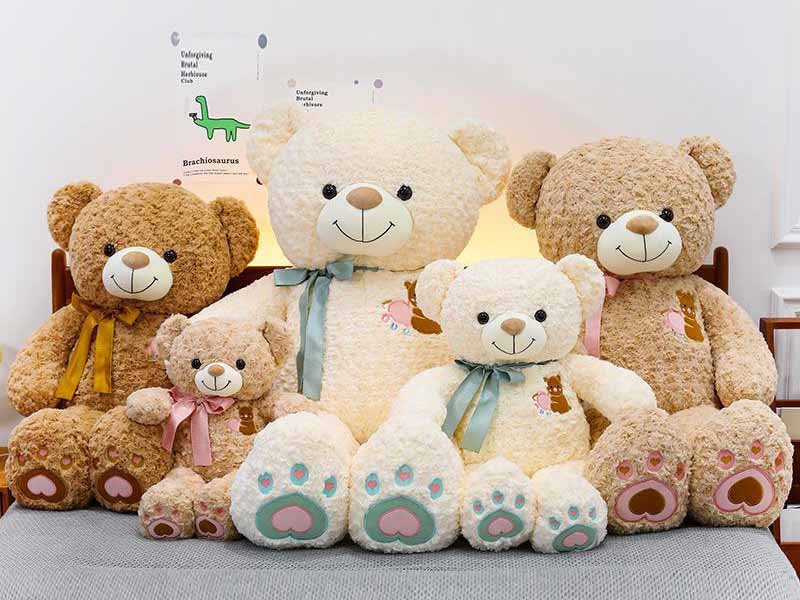
A plush toy used to be a quiet product sitting on a retail shelf, waiting for a parent or gift shopper to pick it up. Online commerce has changed the story. A soft character can now begin as a streamer joke, a pet photo, a game mascot, a comic drawing, a bakery logo, or a fan-voted sketch. Within weeks, that idea can become a sample, a pre-order campaign, a limited drop, a subscription gift, or a full product line. The plush toy has moved from simple toy category into emotional merchandise, character commerce, creator economy, and online brand building.
Custom plush toys are growing in e-commerce because they combine emotional value, easy visual sharing, gift demand, collectible behavior, character identity, and strong product differentiation. Online brands use custom plush to turn mascots, IP characters, pets, artwork, creator avatars, game figures, and fan culture into physical products that people can hold, photograph, collect, gift, and remember.
For an online store, a plush product can do something a flat logo product cannot. A T-shirt shows a character. A sticker decorates a surface. A plush toy gives that character a body, a face, a texture, and a presence. Fans place it on desks, beds, shelves, car seats, backpacks, and video backgrounds. A small soft toy can carry more emotion than many higher-priced products. That is why more e-commerce teams are asking factories not only, “Can you make plush?” but also, “Can you keep the character accurate, make samples fast, support packaging, meet safety standards, and deliver consistent bulk quality?”
What Is Driving the Plush Boom?

Custom plush toys are rising because consumers want soft, emotional, visual, collectible products, while online stores need products that feel unique and easy to promote. Social media increases exposure, e-commerce removes shelf limits, adult collectors expand demand, and modern factories help brands convert drawings, mascots, and reference samples into finished plush products faster.
The plush category is growing because it fits several modern buying behaviors at once. People buy plush toys for comfort, fun, memory, fandom, decoration, gifting, and collection. A plush toy can be sweet, funny, strange, premium, nostalgic, or deeply personal. That wide emotional range gives online brands more creative space than ordinary products with limited storytelling value.
Market demand also supports the category. Public industry estimates place the global stuffed animal and plush toy market above USD 13 billion in 2025, with expected annual growth around the high single digits over the next several years. Growth is being supported by licensed characters, online retail availability, collectible series, gifting occasions, and rising adult interest. For online brands, the key message is clear: plush is not only a children’s product. It is becoming a wider lifestyle and fandom product.
E-commerce changes the economics of plush. Traditional retail needs products that appeal to broad audiences because shelf space is limited. Online stores can sell niche plush designs to specific audiences: a gaming community, a webcomic fan base, a pet owner group, a baby gift segment, a campus mascot audience, or a creator’s followers. A character does not need to be globally famous to sell. It needs a loyal audience that already understands the story.
The manufacturing side has also improved. Brands no longer need to start with perfect technical files. A capable plush factory can work from artwork, three-view drawings, reference photos, 3D effect images, or physical samples. Delsney supports reference technical file sampling, artwork-based sampling, sample-based development, free design, free sampling support, three-view creation, and 3D effect review. For high-requirement projects, that reduces confusion before pattern making and helps protect character accuracy.
Still, plush growth also brings risk. Online shoppers judge product photos first, then judge hand feel, shape, sewing, stuffing, packaging, and odor after delivery. A viral campaign can become a review problem if bulk production does not match the approved sample. Good factories must control pattern accuracy, fabric color, embroidery position, seam strength, filling balance, safety parts, label placement, and packing.
For Delsney, the plush boom is a chance to help online brands build real products, not only soft toys. With more than 18 years of plush R&D, design, pattern making, manufacturing, and export support, Delsney helps turn sketches, mascots, and IP artwork into custom plush products with up to 98% design-to-product similarity, 5–7 day fast sampling for many standard projects, flexible MOQ planning, OEM/ODM service, private label options, and quality control for overseas markets.
Why Are Plush Toys Popular Again?
Plush toys are popular again because they offer comfort, nostalgia, character attachment, gift value, and collectability in one product. A plush toy feels more personal than many ordinary online products because it has a face, shape, texture, and story. People can display it, hold it, gift it, or collect it as part of a larger character universe.
Several forces are driving renewed demand:
| Growth Factor | Customer Motivation | Product Opportunity |
|---|---|---|
| Emotional comfort | People want soft items that feel calming | Plush pillows, weighted plush, bedtime plush |
| Nostalgia | Adults remember childhood characters and comfort objects | Retro plush, mascot revival, anniversary editions |
| Fandom identity | Fans want physical items linked to creators or IP | Character plush, streamer plush, game plush |
| Gift demand | Plush suits birthdays, holidays, romance, baby gifts | Seasonal plush, gift box plush, message-card plush |
| Collecting behavior | People want series, rare colors, and limited drops | Mini plush sets, blind box plush, numbered editions |
| Room decoration | Plush products appear in desks, beds, shelves, livestream rooms | Lifestyle plush, soft sculpture, pillow plush |
| Personalization | People want pets, avatars, or custom characters made real | Pet plush, avatar plush, brand mascot plush |
For brands, plush popularity is not only about cuteness. The real opportunity is emotional ownership. A consumer may like a logo, but they may love a character. Once a character becomes a plush, it can become part of daily life. It appears in photos, travels in bags, becomes a gift, and sometimes becomes a collectible series.
A strong plush product usually has several traits:
| Product Trait | Why It Helps Sales |
|---|---|
| Clear expression | Builds instant emotional reaction |
| Recognizable shape | Helps product stand out in thumbnails |
| Soft hand feel | Improves perceived quality after delivery |
| Accurate color | Protects character identity |
| Stable sitting or holding posture | Makes product easier to photograph |
| Clean embroidery | Improves facial detail and premium feel |
| Good packaging | Increases gift value and review quality |
Delsney helps brands control these traits during sample development. Pattern making, embroidery testing, fabric selection, stuffing adjustment, and finishing review all affect final appeal. A plush toy may look simple, yet a few millimeters in eye placement or mouth curve can change the whole character feeling.
How Does Social Media Push Demand?
Social media pushes plush demand because plush toys are easy to understand in seconds. A short video can show softness, size, expression, squish, packaging, and emotional reaction without a long explanation. That makes plush products suitable for TikTok, Instagram Reels, YouTube Shorts, Pinterest, livestream shopping, and creator stores.
A plush toy also gives content creators a physical prop. It can be unboxed, squeezed, compared with artwork, placed beside a pet, shown on a desk, used in skits, or launched as a limited fan product. Compared with many flat merchandise items, plush creates more visual moments. One product can support multiple content formats before and after launch.
Useful social media angles include:
| Content Angle | Plush Format |
|---|---|
| From sketch to sample | Character plush development video |
| Fan voting | Color, size, expression, outfit selection |
| Unboxing | Gift box, hangtag, care card, tissue paper |
| Size comparison | 10 cm keychain, 20 cm plush, 40 cm pillow plush |
| Behind the character | Mascot story, creator message, design reason |
| Limited release | Numbered tag, seasonal color, special accessory |
| Desk setup | Mini plush, sitting plush, mascot plush |
| Pet comparison | Pet lookalike plush, memorial plush, funny pet plush |
Social media also allows demand testing before production. Brands can show character artwork, ask followers to choose between two facial expressions, collect email signups, or open pre-orders before placing bulk orders. That can reduce inventory risk, especially for first-time plush projects.
For factories, speed and accuracy matter because social trends move quickly. If sampling takes too long, a creator may lose launch momentum. If the sample does not match the artwork, the content story becomes weaker. Delsney supports fast sampling for many standard plush projects, three-view development, 3D effect support, and sample revision guidance, helping brands move faster from concept to launch.
Are Adults Buying Plush Toys?
Adults are buying plush toys for comfort, room decoration, collection, fandom, gifting, and emotional memory. The adult plush market is especially active among young adults, collectors, anime fans, game fans, pet owners, lifestyle shoppers, and creator communities. Adult demand changes how plush products should be designed, packaged, priced, and photographed.
Adult plush products often avoid overly childish styling. Many successful designs use refined colors, unusual shapes, premium textures, funny expressions, soft sculpture forms, limited drops, or collectible packaging. For adult consumers, a plush toy can be a desk companion, a shelf display item, a comfort object, or a small identity symbol.
Adult-oriented plush design often requires stronger attention to details:
| Design Area | Adult Market Preference |
|---|---|
| Color | Neutral, retro, muted, pastel, dark, or collection-based palettes |
| Material | Softer hand feel, textured pile, faux fur, minky, velvet-touch fabrics |
| Shape | More character-driven, less generic |
| Packaging | Hangtag, story card, limited card, gift box, dust bag |
| Size | 10–15 cm collectibles, 20–30 cm standard plush, 40 cm+ pillow plush |
| Logo | Subtle woven label, embroidered mark, branded hangtag |
| Story | Character name, background, series concept |
Adult consumers also read product pages differently. They care about softness, size, display value, character accuracy, limited status, and packaging. A plush toy with a clear personality and polished finish can command better perceived value than a generic animal plush with no story.
Delsney supports adult plush projects through material selection, embroidery refinement, shaping control, facial detail testing, and packaging support. For premium or high-requirement brand projects, Delsney can help adjust fabric pile direction, filling density, sitting balance, label style, and accessory construction so the finished product feels suitable for online retail photos and real customer use.
Is E-Commerce Changing Toy Sales?
E-commerce is changing toy sales by allowing niche plush products to reach exact audiences without relying on traditional retail shelf space. A plush design based on a small game, webcomic, pet community, campus mascot, influencer avatar, or brand character can sell online if the audience already cares about the idea.
Online commerce also changes the launch model. Brands can test demand before full production, run pre-orders, launch limited editions, bundle plush with other products, and collect reviews quickly. That makes plush development more flexible, but also more exposed. Poor quality spreads fast through reviews and social posts.
Different e-commerce channels need different plush strategies:
| Channel | Strong Plush Opportunity | Development Focus |
|---|---|---|
| Shopify | Own-brand characters, mascot stores, creator merch | Story, packaging, private label, repeat collection |
| Amazon | Search-based plush sales and gift products | Compliance, clear specs, strong review quality |
| TikTok Shop | Viral soft toys, funny characters, impulse gifts | Visual impact, fast launch, unboxing appeal |
| Etsy | Personalized plush, pet plush, artist characters | Custom look, small-batch feel, strong photos |
| Influencer store | Fan plush and limited merchandise | Accuracy, story, limited packaging |
| Game/IP store | Licensed character plush | Three-view accuracy, accessory detail, QC |
| Gift websites | Seasonal and event plush | Packaging, message card, size variety |
For online sales, the product page needs concrete information. Customers want to know size, fabric, filling, age suitability, care method, packaging, shipping size, and whether the product matches the artwork. Vague product copy does not help. Detailed photos and clear specifications reduce hesitation.
A practical product specification table may include:
| Item | Recommended Information |
|---|---|
| Product size | Height, width, sitting height if applicable |
| Fabric | Short plush, minky, faux fur, long pile, recycled plush option |
| Filling | PP cotton, weighted pellets if needed |
| Face detail | Embroidery, applique, plastic eyes if age group allows |
| Accessories | Clothes, hat, tag, pouch, box |
| Packaging | Polybag, gift box, display box, private label carton |
| Safety | EN71, ASTM, CPSIA, CE options according to market |
| Sample time | 5–7 days for many standard plush projects |
| Bulk lead time | Often 20–30 days after approval, depending on order and complexity |
| MOQ | Flexible planning, commonly starting from 500 pcs for many custom projects |
Delsney helps online brands align plush design with sales channel needs. A TikTok plush may need a bold expression and fast sample cycle. An Amazon plush may need clear safety and quality details. A game IP plush may need strict accuracy and structured approval. E-commerce is not one channel; plush development should reflect the selling path.
Which Online Sellers Use Custom Plush?
Custom plush toys are used by Shopify brands, Amazon sellers, TikTok Shop teams, influencers, game studios, animation companies, webcomic creators, pet brands, gift companies, event teams, and IP owners. They use plush products to turn characters, mascots, pets, artwork, avatars, and fan culture into products that can be sold, gifted, bundled, or collected.
The strongest users of custom plush share one common trait: they already have an audience or a story. A plush toy works best when people know what it represents. A mascot plush can strengthen brand memory. A pet plush can carry personal emotion. A creator plush can become fan merchandise. A game plush can become a collectible. A gift plush can turn seasonal demand into repeat products.
Different seller types care about different development points:
| Seller Type | Main Goal | Plush Development Priority |
|---|---|---|
| Shopify brand | Build unique product line | Character story, packaging, private label |
| Amazon seller | Capture search and gift demand | Quality, compliance, photos, reviews |
| TikTok Shop team | Create fast visual sales | Bold design, fast sample, low launch risk |
| Influencer | Sell fan merchandise | Character accuracy, emotional connection |
| Game studio | Develop character goods | Three-view control, accessory detail |
| Pet brand | Create emotional pet products | Realistic or cute pet likeness |
| Gift company | Build seasonal catalog | Size options, packaging, theme variety |
| Corporate brand | Promote mascot or campaign | Logo detail, event delivery, consistent quality |
Custom plush development should start with the commercial role of the product. Is it a main product, gift add-on, merch drop, loyalty gift, subscription-box item, event souvenir, or premium collectible? That decision affects size, fabric, packaging, order quantity, and cost.
For example, a 10 cm plush keychain may work for low-price impulse sales or event giveaways. A 20–25 cm sitting plush may work as a main online product. A 35–45 cm pillow plush may work for comfort and room décor. A multi-SKU collection may use several sizes to create tiered pricing.
Delsney can help brands plan product roles before sampling. Instead of making one plush without a clear channel plan, brands can develop a plush line with size levels, packaging choices, logo details, and accessories designed around target customers.
Do Shopify Brands Use Plush?
Shopify brands use custom plush because they control storytelling, launch timing, email marketing, bundles, product photography, and packaging. A plush toy can become the emotional center of a Shopify store, especially when the brand already has a mascot, character, pet theme, or loyal social audience.
A Shopify plush launch can be built around several strategies:
| Shopify Strategy | Plush Product Idea | Sales Advantage |
|---|---|---|
| Mascot launch | Main brand character plush | Builds identity and repeat recognition |
| Limited drop | Seasonal color or special edition | Creates urgency and collection value |
| Pre-order campaign | Fan-funded plush launch | Reduces inventory risk |
| Gift bundle | Plush + card + sticker + pouch | Raises order value |
| Story collection | Character series with names | Encourages repeat purchase |
| Pet-inspired product | Dog, cat, or animal plush | Strong emotional appeal |
| Holiday launch | Christmas, Valentine, Halloween plush | Fits gift demand |
Shopify brands should pay close attention to packaging. Since the customer buys directly from the brand, the unboxing experience affects perception. A clean hangtag, story card, logo label, care card, and gift box can make the plush feel more valuable. Product photography should show front, side, back, size in hand, packaging, material close-up, and lifestyle use.
Delsney supports Shopify plush projects with custom fabric selection, sample development, free design support, logo label options, hangtags, gift packaging, and private label production. For brands without complete technical files, Delsney can help refine the plush from artwork or reference images.
Are Amazon Sellers Joining In?
Amazon sellers are joining the custom plush market because plush products have strong gift demand, broad age coverage, and search-driven buying behavior. However, Amazon plush sales are heavily influenced by product quality, compliance preparation, clear specifications, packaging, and customer reviews.
Amazon shoppers often compare similar products quickly. A plush toy needs strong photos, clear size information, material details, age guidance, and review-friendly finishing. If the plush arrives smaller than expected, smells bad, has weak seams, or looks different from photos, reviews can damage sales fast.
Amazon-focused plush planning should include:
| Amazon Concern | Development Response |
|---|---|
| Review quality | Strong stitching, clean shape, soft fabric |
| Safety questions | EN71, ASTM, CPSIA, CE planning by market |
| Size expectation | Clear product dimensions and comparison photos |
| Packaging damage | Proper polybag, carton, or display packaging |
| Barcode needs | FNSKU or label area if required |
| Return risk | Accurate photos and honest specifications |
| Inventory control | MOQ, carton volume, replenishment plan |
| Product differentiation | Unique design, better fabric, stronger packaging |
For Amazon, generic plush products compete heavily on price. Custom plush gives sellers a chance to avoid pure price competition by creating unique characters, better packaging, more accurate details, or themed collections. A dog plush with better breed details, a mascot plush with a story, or a soft pillow plush with gift packaging can stand apart from basic listings.
Delsney can support Amazon-focused plush with product sampling, bulk quality control, private label packaging, carton planning, and final inspection. For safety-sensitive markets, testing plans should be discussed before production so fabric, accessories, filling, labels, and age-group requirements match the target region.
How Do TikTok Shops Sell Plush?
TikTok Shops sell plush through emotion, speed, and visual impact. A plush toy can become understandable in one short clip: show the face, squeeze the body, reveal the packaging, compare the sample to the artwork, or film a fan reaction. The best TikTok plush products often have a strong expression, unusual shape, funny story, or collectible angle.
TikTok plush selling depends on fast attention. The product must look clear even on a phone screen. A face with character, a unique silhouette, a bold color, or a satisfying soft texture can help a video stop the scroll. Packaging and unboxing also matter because they create content beyond the product itself.
TikTok plush product planning may include:
| TikTok Need | Product Design Choice |
|---|---|
| Fast visual recognition | Clear face, strong silhouette, unique color |
| Short video appeal | Squeeze test, size reveal, packaging reveal |
| Fan comments | Vote on expression, color, name, accessory |
| Limited drops | Small collection or numbered tag |
| Repeat content | Multi-size or multi-character series |
| Fast launch | 5–7 day sample path for standard designs |
| Lower first-order risk | Flexible MOQ and pre-order planning |
TikTok demand can rise quickly, but production still needs discipline. A design that gains attention must be converted into a stable pattern, tested sample, approved fabric, and reliable bulk process. Fast does not mean careless. Poor embroidery placement, uneven filling, weak seams, or inconsistent sizing can hurt repeat orders.
Delsney helps TikTok sellers and creator teams move from idea to sample quickly while keeping structure under control. The team can support artwork review, pattern making, sample correction, packaging ideas, and production planning for limited drops or repeat collections.
Why Do Influencers Launch Plush?
Influencers launch plush because plush products turn online identity into physical merchandise. A creator may have a mascot, avatar, pet, meme, catchphrase, cartoon version, or community symbol that fans already recognize. A plush toy gives fans something soft, visible, and personal to own.
Influencer plush products often sell through emotional connection rather than broad category demand. Fans may buy because the plush reminds them of a video series, livestream moment, pet, joke, or community identity. That makes accuracy and storytelling very important. If the plush does not look like the creator’s character, fans may feel disappointed.
Influencer plush projects often need:
| Project Need | Why It Matters |
|---|---|
| Accurate character face | Fans recognize small details |
| Fast sample review | Launch windows depend on content plans |
| Small to medium MOQ | First drop may test fan demand |
| Private label packaging | Creates official merch feeling |
| Story card | Adds emotional value |
| Limited edition option | Encourages urgency |
| Gift-ready packing | Supports fan purchases and unboxing |
| Repeat series planning | Allows future drops and new characters |
A good influencer plush launch may follow a clear path:
| Step | Action |
|---|---|
| 1 | Select character, pet, mascot, or avatar |
| 2 | Prepare front, side, and back views if available |
| 3 | Confirm size, fabric, expression, and accessory details |
| 4 | Develop sample and compare with artwork |
| 5 | Adjust face, body ratio, colors, stitching, and filling |
| 6 | Confirm packaging, tag, label, and carton plan |
| 7 | Produce first drop |
| 8 | Collect feedback for future designs |
Delsney is suitable for influencer plush projects because it supports free design, three-view development, 3D effect, fast sampling, flexible MOQ, and private label packaging. Those services help creators move from idea to official product without needing a full in-house product development team.
Which IP Brands Need Plush?
IP brands need plush toys when they want to turn characters into merchandise that fans can hold, display, collect, or gift. Animation studios, game companies, webcomic creators, children’s content brands, theme parks, museums, entertainment brands, and licensed merchandise teams can all use plush products to extend character value.
IP plush projects require higher accuracy than generic plush. Fans notice eye shape, body ratio, color tone, costume details, ear angle, tail shape, accessories, and expression. A character may look perfect in 2D artwork but lose personality if the 3D plush pattern is wrong. Pattern making is where many projects succeed or fail.
IP plush development should usually include:
| Development Area | Key Requirement |
|---|---|
| Artwork review | Confirm front, side, back, and detail views |
| Pattern making | Convert 2D character into balanced plush shape |
| Fabric matching | Keep color and texture close to artwork |
| Embroidery test | Control eyes, mouth, logo, and facial features |
| Accessory construction | Clothes, hats, props, wings, tails, bags |
| Filling balance | Support standing, sitting, hugging, or pillow shape |
| Packaging design | Match licensed or premium retail positioning |
| Safety planning | Meet EU, US, or other market requirements |
For high-requirement IP projects, sample revision is normal and necessary. A first sample may reveal issues in head size, face expression, body curve, color tone, or accessory shape. The goal is not only to make a plush toy. The goal is to protect the value of the character.
Delsney’s experience fits IP plush projects because the company can support reference technical files, artwork-based sampling, sample-based development, three-view creation, 3D effect, sample revision, and bulk quality control. Finished plush products can reach high similarity with design artwork, helping brands protect fan trust and product value.
How Do Custom Plush Toys Create Value?

Custom plush toys create value by turning a character, mascot, pet, logo, or story into a physical product with emotional appeal, gift potential, collectible interest, and repeat sales opportunities. For online stores, plush products can support brand memory, fan loyalty, limited drops, bundles, seasonal campaigns, and higher product differentiation than generic merchandise.
A custom plush toy can carry a kind of value that is difficult to create with plain products. A mug can show artwork. A tote bag can print a logo. A plush toy gives a character shape, softness, expression, and personality. That physical form makes fans feel closer to the story behind the product.
Online commerce rewards products that are easy to understand, easy to photograph, and easy to share. Custom plush toys meet those needs well. A plush character can appear in lifestyle photos, unboxing videos, desk setups, product bundles, gift boxes, and social media campaigns. It is visually friendly and emotionally clear. Customers do not need a long technical explanation to understand why a soft character feels appealing.
For e-commerce teams, plush toys can support several business goals at once:
| Value Area | How Custom Plush Helps | Product Example |
|---|---|---|
| Brand memory | Turns a logo or mascot into a character people remember | Company mascot plush |
| Fan loyalty | Gives followers a physical item linked to a creator or IP | Influencer avatar plush |
| Gift sales | Makes the product suitable for birthdays, holidays, and events | Gift box plush set |
| Higher perceived value | Fabric, stitching, packaging, and story improve value feeling | Premium character plush |
| Product bundling | Plush can be paired with cards, stickers, pouches, or apparel | Plush + tote + sticker bundle |
| Repeat collection | Multiple colors, sizes, and characters encourage repeat orders | Series plush collection |
| Community engagement | Fans can vote on colors, names, accessories, or expressions | Fan-designed plush drop |
Custom plush products also give brands a stronger reason to build collections. One character can become several SKUs: mini keychain, 20 cm plush, large pillow, seasonal costume version, limited color edition, and gift set. That creates product depth without starting from zero every time. For online stores, a collection can increase repeat visits and make the store feel more alive.
However, value only appears when the plush is made well. Poor shape, flat expression, weak fabric, wrong color, bad embroidery, or cheap packaging can destroy the emotional effect. A custom plush product must make customers feel the character has been respected. Delsney helps brands protect that value through artwork review, pattern making, fabric selection, sample correction, private label packaging, and 100% pre-shipment inspection.
What Makes Plush Emotional?
Plush toys feel emotional because people respond to softness, faces, memory, and character-like objects. A well-designed plush can feel comforting, funny, nostalgic, cute, symbolic, or collectible. Unlike many online products, a plush toy often becomes part of a customer’s space: bed, desk, shelf, car, bag, livestream room, or gift box.
Several product details increase emotional response:
| Detail | Emotional Effect |
|---|---|
| Soft fabric | Creates comfort and touch appeal |
| Rounded shape | Feels friendly and safe |
| Accurate expression | Keeps character personality clear |
| Balanced filling | Makes holding or hugging feel pleasant |
| Small accessories | Adds story and uniqueness |
| Character name | Makes the plush feel more alive |
| Story card | Helps customers connect with the product |
| Gift packaging | Makes the purchase feel more special |
For emotional products, small details carry large weight. Eye placement, mouth curve, cheek shape, ear angle, tail position, and fabric pile direction can change the whole feeling. A pet plush with the wrong eye shape may feel unfamiliar. A mascot plush with a stiff body may lose charm. A game character plush with inaccurate color may disappoint fans.
Delsney helps control emotional accuracy by reviewing design files, creating patterns carefully, preparing samples, adjusting face details, and comparing samples against original artwork. For high-requirement projects, three-view drawings and 3D effects can help reduce misunderstanding before fabric cutting and sewing begin.
How Do Characters Build Loyalty?
Characters build loyalty because they give people something to recognize, name, follow, and collect. A strong character can turn a one-time product into an ongoing product universe. For e-commerce brands, custom plush toys are useful because they make a mascot or artwork feel real, familiar, and worth returning to.
A character plush can support several loyalty paths:
| Loyalty Path | Plush Strategy |
|---|---|
| Mascot recognition | Use the same character across website, packaging, ads, and plush |
| Series building | Launch multiple characters under one story world |
| Seasonal return | Release holiday costumes or limited colors |
| Fan voting | Let followers choose expressions, outfits, or names |
| Membership gift | Offer plush as VIP or subscription reward |
| Event memory | Create plush for anniversaries, exhibitions, or launches |
| Social sharing | Encourage customers to post photos with the plush |
Character loyalty does not come only from design. Consistency matters. If a mascot appears on a website, sticker, social avatar, and plush toy, the visual details must match. Color, facial expression, proportions, and accessories should feel connected. When customers see the plush, they should immediately recognize the character.
For Delsney projects, character consistency can be protected through front, side, and back views; embroidery tests; fabric color review; accessory sampling; and sample comparison. Delsney’s ability to reach high design-to-product similarity helps brands keep character identity strong during production.
Are Limited Editions Effective?
Limited edition plush toys can be effective because scarcity encourages action, especially among fans, collectors, and social communities. A limited plush drop gives customers a reason to buy now instead of waiting. It can also create launch excitement, social sharing, and repeat collection behavior.
Limited editions can be designed in several ways:
| Limited Edition Type | Product Direction |
|---|---|
| Seasonal color | Valentine pink, Halloween black, Christmas red |
| Costume version | Character with hoodie, scarf, hat, or uniform |
| Numbered tag | Limited quantity label or collector card |
| Event version | Conference, anniversary, game launch, pop-up shop |
| Fan-voted edition | Winning color or outfit chosen by audience |
| Mini series | Several characters released in small quantities |
| Gift box edition | Premium packaging with card and accessories |
Limited editions work best when the audience already cares about the character. Scarcity cannot save a weak design. The plush must still have strong expression, good material, clean sewing, and attractive presentation.
For production planning, limited editions need careful MOQ and material control. Custom fabrics, special colors, embroidery changes, and accessories may affect cost and lead time. Delsney can help brands plan limited drops with flexible MOQ, available fabric choices, fast sample development, and packaging options suited for launch campaigns.
Can Plush Improve Gift Sales?
Plush toys are naturally strong gift products because they feel soft, personal, and emotionally safe. Customers often buy plush for birthdays, holidays, baby showers, Valentine’s Day, graduations, get-well gifts, pet memorials, fan events, and seasonal celebrations. Custom plush adds another layer because the product can carry a specific story, brand, character, or message.
Gift-ready plush development should consider more than the toy itself:
| Gift Detail | Why It Matters |
|---|---|
| Packaging box | Improves first impression |
| Hangtag | Adds official product feel |
| Story card | Explains character meaning |
| Message card | Allows gift personalization |
| Ribbon or sleeve | Creates premium look |
| Clean polybag | Protects plush during shipping |
| Size choice | Helps match different price levels |
| Soft fabric | Improves recipient reaction |
Gift shoppers often care about presentation. A plush arriving in a crushed bag may feel cheap, even if the toy itself is good. Packaging should protect the product and create a positive opening moment.
Delsney can help brands develop gift packaging, printed hangtags, woven labels, care labels, cartons, and product sets. For holiday or event plush, packaging timelines should be confirmed early because custom boxes, printed cards, and labels may require additional preparation time.
Do Plush Bundles Increase Orders?
Plush bundles can increase order value by giving customers a more complete set. Instead of selling one plush alone, brands can combine it with accessories, stickers, tote bags, keychains, greeting cards, mini pillows, or matching character items. Bundles work especially well for gift purchases, fan drops, subscription boxes, and seasonal promotions.
Common plush bundle ideas include:
| Bundle Type | Product Combination |
|---|---|
| Creator merch bundle | Plush + sticker + thank-you card |
| Gift bundle | Plush + greeting card + gift box |
| Baby gift set | Plush + blanket + soft rattle |
| Pet memorial set | Pet plush + name tag + card |
| Travel buddy set | Mini plush + pouch + keychain |
| Character set | Main plush + mini plush + accessory |
| Holiday set | Plush + seasonal outfit + box |
| Retail shelf set | Plush + display box + barcode label |
Bundles also help brands tell a stronger story. A character plush with a matching card and tag feels more official than a toy packed alone. A plush with a mini keychain can encourage customers to buy for both display and daily carry. A large plush with a small matching version can create parent-child or couple gift appeal.
From a manufacturing view, bundles need coordination. The main plush, accessories, packaging, labels, and carton plan should be developed together. Delsney can help brands plan plush sets with matching fabric, logo details, packaging, and production schedules, reducing mismatch between different components.
What Plush Types Sell Online?

The plush types that sell online often include character plush, mascot plush, pet plush, mini plush keychains, blind box plush, pillow plush, weighted plush, baby plush, seasonal plush, and collectible plush series. Strong online plush products usually have a clear audience, recognizable shape, good photos, strong material feel, and enough uniqueness to stand apart from generic toys.
Online plush sales depend heavily on product identity. A common bear or rabbit may still sell, but competition is intense. A custom plush based on a character, pet, mascot, or theme can stand apart because the product carries a specific reason to buy. Customers are not only purchasing a soft toy. They are purchasing a story, a memory, a fan symbol, or a gift with meaning.
Product type should match channel and audience. A 10 cm plush keychain may work well for low-price impulse purchases, convention merchandise, or add-on sales. A 20–25 cm sitting plush often works as a main product for e-commerce stores. A 35–45 cm pillow plush may perform well for comfort, home décor, or gift positioning. A blind box plush series can encourage repeat purchases, but it requires stronger planning across characters, packaging, and quality consistency.
Common online plush size planning:
| Size Range | Common Use | Selling Notes |
|---|---|---|
| 8–12 cm | Keychains, bag charms, blind boxes | Easy to ship, good for add-on sales |
| 13–18 cm | Mini collectibles, event gifts | Good for series and small displays |
| 20–25 cm | Main plush product | Balanced size for gifts and online sales |
| 30–35 cm | Premium plush, mascot gifts | Higher perceived value, more shipping volume |
| 40–60 cm | Pillow plush, large character plush | Strong photo impact, higher freight cost |
| 60 cm+ | Oversized plush | Great visual appeal, storage and shipping need planning |
Brands should also consider packing volume. Plush toys are soft but bulky. A larger plush may look impressive online yet increase carton size, warehouse space, and freight cost. Vacuum packing may reduce volume for some products, but it may also affect shape recovery depending on fabric, filling, and design. Sampling should test not only product appearance, but also packing method and shape recovery.
Delsney can help brands select plush type, size, material, filling, packaging, and carton plan based on target channel. Whether the project is an influencer mascot, Amazon gift plush, TikTok viral character, or premium IP collection, production planning should match the sales strategy from the beginning.
Which Character Plush Works Best?
Character plush works best when the design has a recognizable face, simple enough shape for plush conversion, clear color identity, and emotional personality. Online customers often respond quickly to characters that feel cute, funny, strange, comforting, or highly connected to a story they already know.
Strong character plush designs often have:
| Character Feature | Why It Helps |
|---|---|
| Clear face | Makes the plush easier to recognize |
| Simple silhouette | Helps product stand out in thumbnails |
| Distinct color | Builds visual memory |
| Memorable expression | Creates emotional reaction |
| Balanced body ratio | Improves cuteness and shape stability |
| Small signature detail | Hat, scarf, tail, wings, badge, prop |
| Story link | Connects plush to brand, game, creator, or IP |
Not every 2D design can become a plush without adjustment. Thin limbs, sharp angles, very complex patterns, tiny accessories, gradient colors, or detailed facial shadows may need simplification. The goal is not to copy every line blindly. The goal is to keep the character recognizable and charming in soft fabric form.
Delsney can help convert artwork into plush-friendly structure through pattern making, fabric matching, embroidery testing, and sample correction. Three-view drawings and 3D effects can also help teams understand how the character will look from the front, side, and back before the sample is finalized.
Are Mascot Plush Toys Popular?
Mascot plush toys are popular because they make a brand, school, event, team, game, or company character easier to remember. A mascot plush can be sold online, gifted to partners, used in campaigns, displayed at events, or included in subscription boxes. It turns brand identity into something touchable and memorable.
Mascot plush can serve many purposes:
| Mascot Use | Product Direction |
|---|---|
| Online store product | Sell as official merchandise |
| Event giveaway | Small mascot plush or keychain |
| Retail display | Medium mascot plush with branded tag |
| Corporate gift | Premium plush with gift packaging |
| School merchandise | Team mascot plush |
| Theme park product | Character plush collection |
| Brand campaign | Limited edition mascot drop |
Mascot projects often require logo accuracy and color consistency. The product should match the visual identity already used in websites, ads, packaging, and social content. If the mascot plush looks too different from the brand character, recognition weakens.
For Delsney, mascot plush development can start from logo files, mascot illustrations, reference images, or existing samples. The team can help review facial expression, body proportion, embroidery, fabric color, and accessories. For high-end brand projects, private label packaging and hangtags can be developed to match the official merchandise system.
Do Pet Plush Toys Sell Well?
Pet plush toys can sell well because they carry strong personal emotion. Pet owners often want custom plush products that resemble dogs, cats, rabbits, horses, or other animals they love. Pet plush can be positioned as gifts, memorial products, breed-based collectibles, pet brand merchandise, or personalized online products.
Pet plush has two main directions:
| Pet Plush Type | Product Approach |
|---|---|
| Breed-inspired plush | Based on popular dog or cat breeds |
| Custom pet lookalike plush | Based on customer photos |
| Memorial pet plush | Soft tribute product with name tag |
| Pet brand mascot | Animal character for pet product companies |
| Funny pet plush | Cartoon version of pet expressions |
| Mini pet keychain | Small add-on or gift product |
Pet plush requires careful styling. A realistic pet plush may need detailed fabric selection, pattern shaping, and color matching. A cartoon pet plush may need more simplified proportions and cuter facial expression. Personalized pet plush can be more complex because each order may differ, so brands need to decide whether they want full custom production or a scalable breed-based line.
Delsney can support pet plush projects based on reference photos, drawings, or samples. For larger brand programs, breed-inspired plush collections may be more scalable than one-by-one custom orders. Brands can develop core animal shapes, then adjust colors, ears, tails, and markings across a collection.
Are Mini Plush Keychains Useful?
Mini plush keychains are useful because they are lower in price, easy to carry, simple to bundle, and suitable for fan merchandise, event gifts, blind boxes, and add-on sales. They can attach to bags, backpacks, keys, car mirrors, or packaging sets, making them more visible in daily life.
Mini plush keychains often work well for:
| Use Case | Product Benefit |
|---|---|
| Creator merch | Affordable fan item |
| Convention sales | Easy to display and carry |
| Online bundles | Adds value without large packaging |
| Blind box series | Small size supports collection |
| Brand gifts | Useful for events and campaigns |
| School merchandise | Mascot keychain for students |
| Retail checkout | Impulse purchase product |
Small size creates production challenges. Details that look good on a 25 cm plush may be too small for a 10 cm keychain. Embroidery, accessories, seams, and stuffing need adjustment. A mini plush should keep the character recognizable without trying to include every detail.
Delsney can help simplify artwork for mini plush production, choose suitable fabrics, test embroidery scale, and select keychain hardware. For brands planning a full collection, a mini plush keychain can be paired with a larger plush to create multiple price levels.
How Do Blind Box Plush Toys Work?
Blind box plush toys work by turning purchase into a collecting experience. Customers buy a sealed box without knowing exactly which character or variation is inside. The excitement comes from surprise, rarity, series completion, and social sharing. Blind box plush can perform well when characters are strong and packaging feels collectible.
A blind box plush series usually needs careful planning:
| Planning Area | Requirement |
|---|---|
| Series size | Commonly 6, 8, 10, or 12 designs |
| Secret edition | Optional rare design to increase excitement |
| Packaging | Individual sealed box or bag |
| Character balance | Each design should feel equally desirable |
| Size consistency | Products should fit the same box |
| Cost control | Multiple designs increase pattern and sample work |
| Quality consistency | All designs need stable sewing and filling |
| Compliance | Same safety planning across the full series |
Blind box plush is attractive but more complex than one single plush. Each character may require separate pattern making, fabric matching, embroidery testing, and sample correction. Packaging must also hide the product while protecting shape and quality.
Brands should avoid launching a large blind box series without testing demand. A smaller first series or pre-order campaign can reduce risk. Delsney can help plan blind box plush projects by reviewing character count, size, material, sample schedule, packaging, and production feasibility before bulk order.
What Product Details Matter Before Launch?
Product details matter before launch because online plush sales depend on accurate photos, clear specifications, safe construction, reliable quality, and customer trust. Brands should confirm size, fabric, filling, embroidery, packaging, compliance needs, shipping volume, MOQ, sample time, and production schedule before accepting orders or starting a campaign.
A custom plush launch can fail even when the concept is strong. Common problems include a sample that does not match artwork, wrong fabric color, weak seams, poor stuffing balance, delayed packaging, unclear age label, high shipping volume, or production lead time that misses the selling season. Many issues can be avoided if product details are confirmed before bulk production.
A practical pre-launch checklist should include:
| Area | What to Confirm |
|---|---|
| Artwork | Front, side, back view, facial details, colors |
| Size | Height, width, sitting height, keychain length if needed |
| Fabric | Plush type, pile length, color, hand feel |
| Filling | PP cotton, weighted beads, firmness level |
| Embroidery | Eyes, mouth, logo, small details |
| Accessories | Clothes, hats, props, tags, ribbons |
| Packaging | Polybag, box, hangtag, care label, barcode |
| Safety | EN71, ASTM, CPSIA, CE based on target market |
| MOQ | Quantity per design, color, size, or SKU |
| Sample time | 5–7 days for many standard designs, longer for complex products |
| Bulk lead time | Commonly 20–30 days after approval, depending on complexity |
| Shipping | Carton size, compression, freight method |
For online brands, launch timing is especially important. Plush products are often tied to holidays, creator campaigns, game launches, fan events, or seasonal gift periods. Missing the launch window can hurt sales even if the product quality is good.
Delsney helps brands review product details before sampling and bulk production. That includes design file review, material suggestions, sample making, revision support, packaging planning, and quality inspection. A clear pre-launch plan reduces cost surprises and helps protect customer experience after delivery.
What Size Should Brands Choose?
Brands should choose plush size based on product role, target price, shipping cost, customer use, and display value. Small plush products are easier to ship and bundle. Medium plush products work well as main e-commerce items. Large plush products create stronger visual impact but require more careful freight and storage planning.
Common size choices include:
| Plush Size | Best Use | Development Note |
|---|---|---|
| 8–12 cm | Keychains, blind boxes, event gifts | Details must be simplified |
| 13–18 cm | Mini collectibles, add-ons | Good for series and gift sets |
| 20–25 cm | Main online plush product | Balanced cost, size, and display value |
| 30–35 cm | Premium gift plush | Higher perceived value, more filling |
| 40–60 cm | Pillow plush, large character plush | Strong content appeal, higher shipping volume |
| 60 cm+ | Oversized campaign plush | Best for premium drops or event display |
A good size decision should also consider character shape. A round plush may look full at 20 cm. A long-limbed character may need 30 cm or more to keep proportions clear. A plush with many accessories may need larger size so details do not become too small.
Delsney can help brands compare size options during sample development. In some cases, one character can be developed in two sizes: a 10 cm keychain for add-on sales and a 25 cm plush for main product sales.
Which Fabrics Work Best?
Fabric choice affects hand feel, visual quality, cost, safety, and character accuracy. Common plush fabrics include short plush, minky, faux fur, long pile plush, velboa, fleece, sherpa-style fabric, recycled plush options, and special textured fabrics. The best choice depends on character style and target price.
Fabric comparison:
| Fabric Type | Feel and Look | Best For |
|---|---|---|
| Short plush | Smooth and clean | Character plush, mascot plush |
| Minky | Very soft, premium feel | Baby plush, comfort plush |
| Faux fur | Fluffy and textured | Animal plush, premium plush |
| Long pile plush | Hairy and expressive | Monsters, pets, fantasy characters |
| Velboa | Short pile, cost-efficient | Promotional plush, simple shapes |
| Fleece | Warm, casual texture | Pillow plush, soft accessories |
| Sherpa-style fabric | Cozy and textured | Lifestyle plush, winter themes |
| Recycled plush option | Eco-minded material direction | Brands with sustainability goals |
Fabric pile direction can affect color and appearance. A plush may look darker or lighter depending on how the pile lies. That matters for character accuracy. Fabric also affects embroidery. Very long pile fabrics may hide small facial details, while short plush and minky often allow cleaner embroidery.
Delsney can recommend fabric based on character design, target market, age group, and price range. For high-end projects, fabric swatches and sample testing help confirm hand feel before bulk production.
What Packaging Should Be Planned?
Packaging should be planned early because plush products are often sold as gifts, collectibles, or official merchandise. Good packaging protects the product, improves unboxing, communicates brand identity, and supports logistics. Poor packaging can make a good plush feel cheap or arrive damaged.
Packaging options include:
| Packaging Type | Best Use |
|---|---|
| Clear polybag | Basic protection and cost control |
| Printed polybag | Simple private label upgrade |
| Hangtag | Brand story, barcode, care info |
| Woven label | Permanent brand detail on plush |
| Gift box | Premium gift and retail positioning |
| Window box | Retail display and collectible products |
| Blind box | Surprise collection series |
| Mailer box | Direct-to-consumer shipping |
| Care card | Washing and safety information |
| Story card | Character background and emotional value |
For Amazon or retail programs, barcode labels, carton marks, warning labels, and age information may be required. For influencer or IP projects, packaging can include story cards, collector cards, limited edition numbers, and official branding.
Delsney can help develop plush packaging based on sales channel, target market, and budget. Packaging should be confirmed before bulk production because box size affects carton packing, freight cost, and warehouse storage.
How Should Quality Be Checked?
Quality should be checked from sample approval through final packing. Plush toys depend on shape, sewing, fabric, filling, embroidery, and finishing. A small mistake on the face can change the product’s character. A weak seam can lead to returns or safety concerns. A bad zipper, loose accessory, or incorrect label can delay shipments.
Key quality inspection points include:
| QC Area | What to Check |
|---|---|
| Size | Height, width, and shape against approved sample |
| Fabric | Correct color, pile direction, hand feel |
| Embroidery | Eye position, mouth curve, logo accuracy |
| Sewing | No skipped stitches, open seams, loose threads |
| Filling | Even firmness, no lumps, correct weight |
| Accessories | Secure attachment, correct placement |
| Labels | Brand label, care label, warning label if needed |
| Packaging | Correct bag, box, tag, barcode, carton |
| Cleanliness | No stains, odor, dust, or fabric debris |
| Safety | Small parts, seam strength, needle control |
Delsney provides quality control throughout production and conducts 100% pre-shipment inspection. For custom plush projects, final inspection should compare bulk goods against the approved sample, not only against written specifications. The approved sample is the visual and functional standard.
How Can Sampling Reduce Risk?
Sampling reduces risk by allowing brands to test shape, fabric, size, face details, stuffing, accessories, packaging, and customer appeal before bulk production. A custom plush sample is not only a preview. It is a decision tool that reveals problems early.
A good sample review should answer:
| Sample Question | Why It Matters |
|---|---|
| Does the plush match the artwork? | Protects character identity |
| Is the face expression correct? | Controls emotional appeal |
| Is the fabric soft enough? | Affects perceived quality |
| Does the size feel right? | Impacts price and shipping |
| Is the filling balanced? | Affects shape and touch |
| Are accessories secure? | Impacts safety and durability |
| Does packaging fit? | Prevents damage and poor presentation |
| Is the product photo-ready? | Matters for online launch |
Delsney supports 5–7 day fast sampling for many standard plush designs and longer sampling windows for complex products with special fabrics, accessories, molded parts, electronics, or highly detailed structures. The company also supports sample revision, helping brands improve accuracy before production.
For brands launching online, sampling can also support marketing. Photos and videos of the approved sample can be used for pre-orders, product pages, social media teasers, and fan voting campaigns. A good sample helps both manufacturing and marketing move forward with more confidence.
How Should Brands Develop Plush?

Brands should develop custom plush toys by confirming the character purpose, target market, size, fabric, safety needs, packaging, MOQ, sample schedule, and sales channel before production begins. A strong plush project needs more than a cute drawing. It needs accurate pattern making, material testing, sample review, revision control, and production quality management.
A custom plush project usually begins with one creative idea: a mascot, character, pet, logo, cartoon sketch, game figure, or fan concept. That idea must then become a physical object with shape, softness, sewing lines, filling, facial details, accessories, labels, packaging, and export requirements. Many project problems happen because teams move too quickly from artwork to bulk production without checking whether the design can work in fabric.
Plush development should follow a clear path:
| Development Stage | Main Task | Key Output |
|---|---|---|
| Concept review | Confirm product role, user group, channel, price range | Project direction |
| Design preparation | Provide artwork, reference sample, photos, or files | Design basis |
| Three-view review | Confirm front, side, back, and detail views | Shape clarity |
| Material selection | Choose fabric, filling, accessories, labels | Material plan |
| Pattern making | Convert design into plush structure | First pattern |
| Sample making | Build physical sample | Review sample |
| Sample correction | Adjust face, body, size, fabric, filling | Approved sample |
| Packaging planning | Confirm tag, bag, box, carton, labels | Packing standard |
| Pre-production check | Confirm all details before bulk | Production standard |
| Bulk production | Manufacture according to approved sample | Finished goods |
| Inspection | Check size, sewing, embroidery, filling, packaging | Quality approval |
| Shipping preparation | Pack, label, and arrange delivery | Export-ready order |
For e-commerce projects, development should also consider product page use. A plush sample needs to be photo-ready. The shape should look good from the front, side, and lifestyle angle. Packaging should look clean in unboxing photos. Size should be easy to explain with hand, desk, sofa, or backpack comparison images.
Delsney supports brands through the full process, including reference technical file sampling, artwork-based sampling, sample-based development, free design support, free sampling assistance, three-view creation, 3D effect review, fast sample production, sample improvement, OEM/ODM manufacturing, private label packaging, and 100% pre-shipment inspection. For many standard plush designs, samples can be developed in 5–7 days. More complex designs with special fabrics, accessories, electronics, molded parts, or detailed structures may need longer review.
What Files Are Needed?
Custom plush development can begin with different types of design materials. A complete technical file is helpful, but it is not always required. Many brands begin with artwork, character sketches, logo files, pet photos, physical samples, or reference images. The clearer the design input, the easier it becomes to control sample accuracy.
Useful files and materials include:
| File / Material | Why It Helps |
|---|---|
| Front view artwork | Controls face, body shape, main character look |
| Side view artwork | Helps pattern maker build 3D volume |
| Back view artwork | Confirms tail, hair, wings, clothing, markings |
| Color references | Reduces fabric color mismatch |
| Size requirement | Controls cost, shipping, retail price |
| Logo file | Needed for woven label, embroidery, tag, package |
| Physical sample | Helps match shape, softness, size, and details |
| Fabric preference | Helps choose short plush, minky, faux fur, long pile |
| Packaging idea | Supports gift, retail, or online selling plans |
| Target market | Guides safety standard and label requirements |
A project can still start without full three-view artwork. Delsney can help create three-view drawings and 3D effects for brands that have a strong concept but limited production files. That support is valuable for influencers, new online stores, game teams, and small IP teams that may have artwork but not technical drawings.
Clear artwork reduces revision rounds. If the first file only shows a front view, the side shape and back details may require interpretation. That can lead to sample changes. Adding side and back references helps protect the final look.
How Long Does Sampling Take?
Sampling time depends on design complexity, fabric availability, accessories, embroidery detail, size, and packaging needs. For many standard custom plush toys, Delsney can support 5–7 day fast sampling. More complex plush projects may need 7–15 days or longer, especially when the design includes special fabrics, detailed clothing, molded parts, sound modules, LED parts, weighted filling, or several characters in one collection.
Sampling time should be planned around the launch schedule. E-commerce teams often need samples before taking product photos, opening pre-orders, preparing advertising, or sending creator previews. A delayed sample can delay the entire launch.
Common sampling situations:
| Project Type | Sample Time Reference | Notes |
|---|---|---|
| Simple animal plush | 5–7 days | Standard fabric and simple embroidery |
| Mascot plush | 5–10 days | Depends on face and body accuracy |
| Character plush | 7–15 days | More detail may require more correction |
| Pet lookalike plush | 7–15 days | Color and shape matching need review |
| Plush keychain | 5–10 days | Small details need careful testing |
| Plush with clothing | 10–15 days | Extra sewing and fitting needed |
| Weighted plush | 10–15 days | Filling balance and safety need checking |
| Electronic plush | 15+ days | Sound or LED modules need extra testing |
| Blind box series | 15+ days | Multiple designs need separate samples |
A good sample review should not rush approval. Brands should check face expression, fabric color, hand feel, size, filling balance, seams, labels, and packaging fit. Photos and videos from the factory help, but physical sample review is usually better before bulk production, especially for high-value IP or premium online launches.
Delsney provides sample adjustment support so brands can improve accuracy before production. For high-requirement projects, two or more review rounds may be needed to achieve the right expression, posture, or material effect.
What MOQ Should Brands Expect?
MOQ depends on size, fabric, color, logo method, accessories, packaging, and project complexity. For many custom plush projects, 500 pcs per design is a practical starting point. Some projects may require higher quantities if they need custom fabric dyeing, special accessories, complex packaging, or multiple SKUs. Flexible MOQ planning helps brands test demand without overcommitting inventory.
MOQ should be connected with channel strategy. A Shopify brand with a loyal audience may start with one core character at 500 pcs. An influencer may use pre-orders to confirm demand before final production. An Amazon seller may need more inventory for ranking and advertising. A blind box series may require more units because each character needs enough quantity for balanced distribution.
MOQ planning table:
| Project Goal | Suggested MOQ Logic |
|---|---|
| First character launch | Start with one design and controlled quantity |
| Creator merch drop | Use 500 pcs or pre-order supported production |
| Amazon launch | Plan enough inventory for ads and review growth |
| Gift company catalog | Develop fewer designs with repeatable themes |
| IP collection | Start with main character, expand after demand test |
| Blind box series | Plan higher total quantity across all designs |
| Retail program | Confirm carton packing and shelf display needs |
MOQ affects unit price, material usage, sample cost, production efficiency, packaging price, and shipping plan. A lower quantity gives more flexibility but may have higher unit cost. A higher quantity can reduce unit cost but increases inventory pressure. The right MOQ is not always the lowest number. The right MOQ matches launch confidence, sales channel, storage plan, and cash flow.
Delsney can help brands review order quantity based on product complexity, material availability, and target price. The team can also suggest ways to control cost, such as using available fabric colors, simple logo methods, shared packaging sizes, or starting with fewer SKUs.
Which Materials Should Be Chosen?
Material should be chosen based on character style, target age group, selling price, hand feel, safety needs, and production cost. Plush fabric is not only decoration. It affects softness, color, shape, sewing difficulty, embroidery clarity, product weight, and customer perception.
Common material choices include:
| Material | Feel | Best Use |
|---|---|---|
| Short plush | Smooth, clean, stable | Mascot plush, character plush |
| Minky | Very soft, premium | Baby plush, comfort plush |
| Faux fur | Fluffy, textured | Animal plush, pet plush |
| Long pile plush | Hairy, expressive | Monsters, fantasy characters |
| Velboa | Short pile, cost-efficient | Promotional plush, simple designs |
| Fleece | Warm and casual | Pillow plush, soft dolls |
| Sherpa-style fabric | Cozy texture | Winter themes, lifestyle plush |
| Recycled plush option | More responsible material direction | Eco-minded projects |
Fabric must match design detail. A character with small embroidered eyes may work better on short plush or minky. A shaggy monster may need long pile plush, but tiny embroidery may disappear in the fibers. A baby plush may need softer fabric and stricter safety review. A pet plush may need several fabric colors or printed markings to capture real animal features.
Filling also matters. Standard PP cotton is common for soft toys. Weighted filling can add comfort and sensory value, but it requires safer structure, inner bags, and weight distribution review. A pillow plush needs different firmness compared with a sitting character plush.
Delsney can help brands choose fabric, filling, embroidery thread, labels, accessories, and packaging based on target use. For high-end projects, fabric swatches and hand-feel comparison can help before final sample confirmation.
How Important Is Packaging?
Packaging is very important for e-commerce plush because customers often see the product first through photos and then experience it through unboxing. Packaging protects the plush, communicates brand identity, supports gifting, and helps the product feel official. For private label plush, packaging can strongly affect perceived value.
Packaging should match the sales channel:
| Sales Channel | Packaging Focus |
|---|---|
| Shopify | Gift feel, story card, branded unboxing |
| Amazon | Protection, barcode, clear product labeling |
| TikTok Shop | Unboxing appeal, visual surprise |
| Retail | Display box, hangtag, shelf presentation |
| Influencer store | Official merch card, limited edition label |
| IP merchandise | Licensed style, collector packaging |
| Gift channel | Gift box, ribbon, message card |
Common packaging options include clear polybag, printed polybag, hangtag, woven label, care label, story card, gift box, window box, blind box, mailer box, carton label, and barcode label. Packaging should be planned early because box size affects carton packing and shipping cost.
A plush packed too tightly may lose shape. A large gift box may improve value but increase freight cost. A blind box may create excitement but requires more design and packaging coordination. A low-cost polybag may be enough for some online stores, while premium IP plush may need collector packaging.
Delsney can help brands develop packaging plans based on target price, channel, and launch style. For custom orders, packaging details should be approved together with the plush sample to avoid mismatch during bulk production.
What Risks Should Sellers Avoid?
Sellers should avoid poor sampling, weak quality control, unclear safety requirements, copied designs, inaccurate product photos, weak packaging, wrong size planning, and unreliable production schedules. Custom plush can create strong online value, but mistakes in design conversion, material selection, compliance, or bulk production can quickly lead to bad reviews and lost trust.
A custom plush project has more moving parts than many online products. The face must match the artwork. The body needs correct proportion. The fabric must feel right. The filling must hold shape. The accessories must be secure. The packaging must protect the product. The safety requirements must match the target market. The bulk product must match the approved sample.
Many problems can be prevented before production. Brands should avoid approving a sample only from one front photo. Side and back views matter. Fabric close-ups matter. Size comparison matters. Embroidery details matter. Packaging fit matters. A sample should be checked like a real product, not only a design preview.
Main risk areas include:
| Risk Area | Common Problem | Prevention |
|---|---|---|
| Design accuracy | Plush does not match artwork | Three-view review and sample correction |
| Fabric choice | Color, pile, or feel is wrong | Swatch review and sample testing |
| Embroidery | Face expression looks off | Embroidery test before approval |
| Filling | Body is lumpy or flat | Filling balance adjustment |
| Safety | Small parts or labels not suitable | Confirm target market standards early |
| Packaging | Product arrives crushed or cheap-looking | Packaging test and carton planning |
| Shipping | Freight cost higher than expected | Check carton size and packing method |
| Reviews | Product differs from listing photos | Use approved sample for real product photos |
| Schedule | Launch misses key date | Confirm sample and bulk timeline early |
For online brands, product risk becomes public quickly. Customers post photos, videos, and reviews. If the plush arrives with poor sewing, wrong shape, or weak packaging, negative feedback may spread faster than a factory can fix the problem. That is why production discipline matters as much as creativity.
Delsney helps reduce risk through design review, sample development, revision support, material selection, pre-production confirmation, production control, and 100% pre-shipment inspection. For export projects, Delsney can support safety-aware development for markets requiring EN71, ASTM, CPSIA, CE, or other relevant standards.
Is Safety Testing Required?
Safety testing may be required depending on the target market, age group, sales channel, and product design. Plush toys for children usually need stricter safety review than adult collectibles or décor products. Markets such as the United States and European Union have safety requirements related to materials, small parts, flammability, labeling, chemical limits, and mechanical performance.
Common safety-related areas include:
| Safety Area | What to Review |
|---|---|
| Small parts | Eyes, buttons, accessories, tags, plastic parts |
| Seam strength | Prevents filling exposure or part detachment |
| Fabric safety | Material compliance and chemical limits |
| Filling | Clean, safe, and suitable filling material |
| Embroidery | Safer than loose plastic parts for many age groups |
| Age label | Must match product design and target user |
| Warning label | Required for some products and regions |
| Packaging label | Market-specific information and barcode needs |
| Needle control | Important during plush sewing production |
For baby plush and child-use plush, embroidered eyes are often safer than plastic eyes. Long cords, loose accessories, small detachable parts, and hard components need extra attention. For adult collectibles, safety still matters, but labeling and positioning may differ.
Brands should define target age group before sampling. A plush for ages 0+ needs different thinking than a collector plush for ages 14+. Packaging, label, accessory choice, seam strength, and test requirements may change.
Delsney can support compliance-oriented plush projects for European and American markets. The company understands common export requirements and can help brands plan materials, labels, structure, and testing needs early in the project.
How Can Poor Sampling Hurt Sales?
Poor sampling can hurt sales because the sample becomes the foundation for product photos, cost calculation, production standards, packaging, and customer expectations. If the sample is inaccurate or rushed, every later step becomes risky. A weak sample can lead to poor photos, wrong pricing, production mistakes, and unhappy customers.
Sample problems often include:
| Sample Problem | Possible Result |
|---|---|
| Wrong face shape | Fans reject character accuracy |
| Poor fabric choice | Product feels cheap after delivery |
| Incorrect size | Customers feel misled |
| Weak body structure | Plush cannot sit, stand, or hold shape |
| Bad embroidery | Expression looks strange |
| Wrong filling | Product feels too hard, flat, or lumpy |
| Loose accessory | Safety and durability concerns |
| Poor packaging fit | Product arrives deformed |
For e-commerce launches, the sample often appears in product photos and pre-order campaigns. If the final bulk product differs from the sample, customers may complain. If the sample itself is poor, marketing may fail before launch.
A strong sample review should include physical inspection, photo comparison, hand-feel check, size measurement, packaging test, and character accuracy review. For IP projects, the sample should be compared against original artwork from multiple angles.
Delsney supports sample improvement so brands can adjust head shape, body ratio, embroidery, fabric, stuffing, accessories, and packaging before production. That process helps avoid expensive mistakes after bulk manufacturing begins.
Are Copycat Plush Toys Risky?
Copycat plush toys are risky because they can create legal, marketplace, and brand reputation problems. Using protected characters, logos, artwork, or designs without permission can lead to takedowns, complaints, account issues, customs problems, or customer distrust. E-commerce platforms are becoming stricter with intellectual property disputes.
Brands should avoid copying popular plush designs just because they sell well. A safer approach is to develop original characters, licensed designs, mascot products, pet-inspired lines, or unique themed collections. Original design gives the product long-term value and reduces platform risk.
Risk comparison:
| Product Approach | Risk Level | Long-Term Value |
|---|---|---|
| Copying famous character | High | Weak and unstable |
| Slightly changing popular plush | High to medium | Still risky |
| Licensed IP plush | Low if rights are clear | Strong |
| Original mascot plush | Low | Strong |
| Pet-inspired plush | Low if based on own design | Strong |
| Fan-created original character | Low if rights are owned | Strong |
| Generic animal with unique styling | Low | Medium to strong |
A custom plush manufacturer should not encourage unauthorized copying. For high-value markets, legitimate design ownership matters. Brands should prepare proof of rights for licensed characters or confirm original design ownership before development.
Delsney works best with brands that own or control their artwork, IP, mascot, or reference design. The team can help turn original ideas into plush products while protecting the brand’s design direction.
Why Does Quality Control Matter?
Quality control matters because plush toys are judged by appearance, touch, safety, durability, and consistency. Online customers compare the delivered product with product photos. If the plush looks different, feels cheap, has loose seams, or arrives dirty, reviews can damage the listing and future sales.
Quality control should cover more than surface appearance:
| QC Point | Why It Matters |
|---|---|
| Size accuracy | Keeps customer expectation aligned |
| Shape consistency | Protects product photo accuracy |
| Fabric color | Maintains character and brand identity |
| Embroidery position | Controls facial expression |
| Seam strength | Improves durability and safety |
| Filling balance | Improves touch and display shape |
| Accessory attachment | Prevents damage or safety issues |
| Label accuracy | Supports compliance and branding |
| Packaging | Protects product during shipping |
| Cleanliness | Prevents complaints about stains or odor |
For character plush, facial accuracy is one of the most important quality points. If eye position shifts, the character may look unfamiliar. If mouth embroidery is uneven, expression changes. If stuffing is uneven, the body may lose balance.
Delsney conducts production quality control and 100% pre-shipment inspection. For custom plush projects, bulk goods are checked against the approved sample, including sewing, fabric, embroidery, size, filling, labels, accessories, and packaging. That helps brands protect customer reviews and reduce after-sales issues.
How Can Delsney Support E-Commerce Brands?
Delsney supports e-commerce brands with end-to-end custom plush development, including design review, three-view creation, 3D effect support, pattern making, fast sampling, sample revision, material selection, OEM/ODM production, private label branding, packaging, safety-aware manufacturing, quality inspection, and export delivery support.
Delsney is a China-based plush product factory with more than 18 years of experience in plush R&D, design, pattern making, sampling, manufacturing, and sales. The company works with overseas medium-to-large clients and high-end brand projects that need custom plush products, private label plush, OEM plush, ODM plush, and branded merchandise.
For e-commerce teams, Delsney can support different project paths:
| Project Path | Suitable For | Delsney Support |
|---|---|---|
| Artwork to plush | Brands with drawings or character files | Pattern making, sample, correction |
| Photo to plush | Pet brands, creators, custom gift teams | Design interpretation and sample |
| Sample to plush | Brands with physical reference product | Reverse development and improvement |
| Technical file to plush | Mature brands and IP teams | Accurate manufacturing support |
| Mascot to plush | Companies, schools, events, online stores | Three-view, sample, packaging |
| Collection development | Brands planning multi-SKU launch | Series planning and production |
Delsney’s strength is not only production capacity. The factory supports front-end development, helping brands solve questions before manufacturing begins: Which size works better? Which fabric should be used? Can the character stand or sit? Should the eyes be embroidered? Is the accessory safe? How should packaging be planned? What MOQ is reasonable? How can the sample match the artwork more closely?
The company’s finished plush products can reach up to 98% similarity with approved design artwork, depending on project complexity and sample confirmation. Delsney also supports fast sampling in 5–7 days for many standard plush projects, short bulk production lead times, flexible MOQ planning, and safety compliance support for European and American markets.
What OEM/ODM Support Is Offered?
Delsney offers OEM and ODM plush customization for brands that need custom plush toys, stuffed animals, mascot plush, character plush, baby plush, pet plush, weighted plush, keychain plush, pillow plush, blind box plush, and private label plush merchandise.
OEM support works well when brands already have technical files, drawings, artwork, or samples. Delsney manufactures according to approved specifications and confirmed samples. ODM support works well when brands have a product idea but need help with design refinement, three-view drawings, material selection, pattern making, and sample development.
Delsney service areas include:
| Service Area | Support Details |
|---|---|
| Design review | Check artwork, structure, color, details |
| Free design support | Help refine product direction |
| Three-view creation | Front, side, back view development |
| 3D effect support | Help visualize plush shape |
| Pattern making | Convert design into sewing structure |
| Fast sampling | 5–7 days for many standard products |
| Sample revision | Improve accuracy before bulk |
| Material sourcing | Fabric, filling, labels, accessories |
| Private label | Logo, woven label, hangtag, packaging |
| Bulk production | OEM/ODM manufacturing |
| QC inspection | 100% pre-shipment inspection |
| Export support | Packing and delivery coordination |
This service structure is helpful for e-commerce brands that need speed, flexibility, and product accuracy. A creator may have artwork but no technical drawing. A game team may need three-view review. An Amazon seller may need packaging and compliance awareness. A Shopify brand may need private label presentation. Delsney can support each project with a suitable development route.
How Does Delsney Improve Accuracy?
Delsney improves plush accuracy through artwork review, three-view development, pattern engineering, material matching, embroidery testing, sample correction, and final comparison against the approved design. Plush accuracy is important because customers and fans notice small changes in expression, color, proportion, and detail.
Accuracy control includes:
| Accuracy Area | Delsney Control Method |
|---|---|
| Face | Embroidery test, eye position review, expression adjustment |
| Body shape | Pattern correction, stuffing balance |
| Color | Fabric matching and sample review |
| Accessories | Separate pattern and attachment testing |
| Logo | Woven label, embroidery, print, or tag placement |
| Size | Measurement against approved sample |
| Posture | Sitting, standing, holding, or pillow shape testing |
| Back details | Tail, wings, hair, clothing, markings |
For character plush, pattern making is the core step. A 2D drawing does not automatically become a good plush shape. The pattern maker needs to understand volume, seam placement, stuffing behavior, fabric stretch, and character expression. Delsney’s experience in plush design and pattern making helps reduce the gap between artwork and finished product.
Three-view drawings and 3D effects can also help teams confirm shape before sampling. For high-end IP or mascot projects, that extra review can reduce sample revision time and improve final accuracy.
Can Delsney Handle Brand Projects?
Delsney can support brand projects that require custom design, private label production, stable quality, safety-aware manufacturing, packaging, and export delivery. The company serves overseas medium-to-large clients and high-end brand projects, including custom plush toys, mascot plush, IP plush, gift plush, e-commerce plush, and OEM/ODM merchandise.
Brand projects often need more than a single product. They may require:
| Brand Requirement | Delsney Support |
|---|---|
| Consistent product quality | Approved sample control and inspection |
| Logo customization | Labels, embroidery, tags, packaging |
| Product line planning | Multiple sizes, colors, or characters |
| Packaging system | Gift box, hangtag, care label, carton |
| Safety compliance | EN71, ASTM, CPSIA, CE planning |
| Fast development | 5–7 day sampling for many standard designs |
| Flexible MOQ | Suitable for launch testing or growth programs |
| Delivery planning | Production and export coordination |
For e-commerce brands, product consistency matters because photos, reviews, and repeat orders all depend on bulk goods matching the approved sample. Delsney can help manage details from sample to production, reducing gaps between design promise and delivered product.
How Fast Can Samples Be Made?
Delsney can support 5–7 day fast sampling for many standard plush projects. More complex projects may require longer time depending on design difficulty, special materials, accessories, electronics, weighted filling, packaging, or multi-character collections. Sampling speed should always balance fast delivery with accurate development.
Fast sampling helps e-commerce teams:
| Business Need | Why Fast Sampling Helps |
|---|---|
| Product launch | Shortens time from idea to campaign |
| Pre-order setup | Provides sample photos and videos |
| Creator merch | Matches content calendar |
| Seasonal sales | Supports holiday timing |
| Investor or partner review | Provides physical product proof |
| Fan voting | Shows sample options to audience |
| Cost confirmation | Helps finalize bulk price |
A fast sample is useful only if it is accurate enough for decision-making. Delsney focuses on both speed and review quality. Brands can use the sample to check shape, size, fabric, embroidery, stuffing, accessories, label, and packaging direction.
For urgent projects, brands should provide clear files, target size, material preferences, logo files, reference images, and packaging needs as early as possible. The clearer the brief, the faster the sample can move.
Why Choose Delsney for Plush?
Brands choose Delsney because the factory combines plush design, pattern making, sampling, manufacturing, private label support, and export quality control in one development process. For online brands, that means fewer gaps between idea, sample, bulk production, and final delivery.
Delsney advantages include:
| Advantage | Value for Brands |
|---|---|
| 18+ years plush experience | Strong product understanding |
| End-to-end OEM/ODM | From idea to finished goods |
| Free design support | Helps teams without full technical files |
| Free sampling support | Reduces early development pressure |
| 5–7 day fast sampling | Supports faster online launches |
| Three-view and 3D effect support | Improves design clarity |
| Up to 98% design similarity | Protects character identity |
| Flexible MOQ | Supports launch testing and growth |
| 100% quality guarantee | Builds production confidence |
| Safety compliance awareness | Supports EU and US markets |
| Private label options | Helps build official product lines |
| Short bulk lead time | Supports seasonal and campaign schedules |
Delsney is a strong fit for brands that need more than a generic plush supplier. If the project involves character accuracy, high-quality sampling, private label packaging, IP merchandise, influencer products, or e-commerce launch timing, factory development ability becomes essential.
Conclusion: How Can Brands Start a Custom Plush Project?
Custom plush toys are rising in e-commerce because they give online brands a rare mix of emotion, character identity, visual content, gift demand, collectible value, and product differentiation. A well-made plush can become a mascot, fan product, limited drop, gift item, collectible series, or long-term brand asset. A poorly made plush can damage reviews, delay launch plans, and weaken customer trust.
For brands planning to enter the plush category, success begins before production. Clear artwork, proper size planning, fabric selection, sample review, safety preparation, packaging, MOQ planning, and quality control all matter. The best results come when creative teams and factories work closely during development, not only after an order is placed.
Delsney can help turn plush ideas into production-ready products. Whether you have a character drawing, mascot, pet photo, reference sample, technical file, or early product concept, Delsney can support design review, three-view creation, 3D effect, fast sampling, sample revision, material selection, OEM/ODM manufacturing, private label packaging, safety-aware production, and final quality inspection.
To start a custom plush project, send Delsney:
| Project Information | Helpful Details |
|---|---|
| Design file | Artwork, logo, character drawing, pet photo, or reference sample |
| Product size | Target height, width, sitting height, or keychain size |
| Quantity | Estimated order quantity per design |
| Material preference | Short plush, minky, faux fur, recycled plush, or other fabric |
| Function | Toy, gift, collectible, mascot, pillow, keychain, weighted plush |
| Market | US, EU, UK, Japan, Korea, Australia, or other region |
| Packaging | Polybag, gift box, hangtag, blind box, private label packaging |
| Launch time | Target sample date and bulk delivery schedule |
If you are preparing an e-commerce plush launch, Delsney can help review your concept, recommend suitable materials, make samples quickly, improve design accuracy, and manufacture custom plush products for your brand.
Start your custom plush toy project with Delsney and turn your character, mascot, or creative idea into a soft product customers will want to keep, share, and collect.