Skip to content
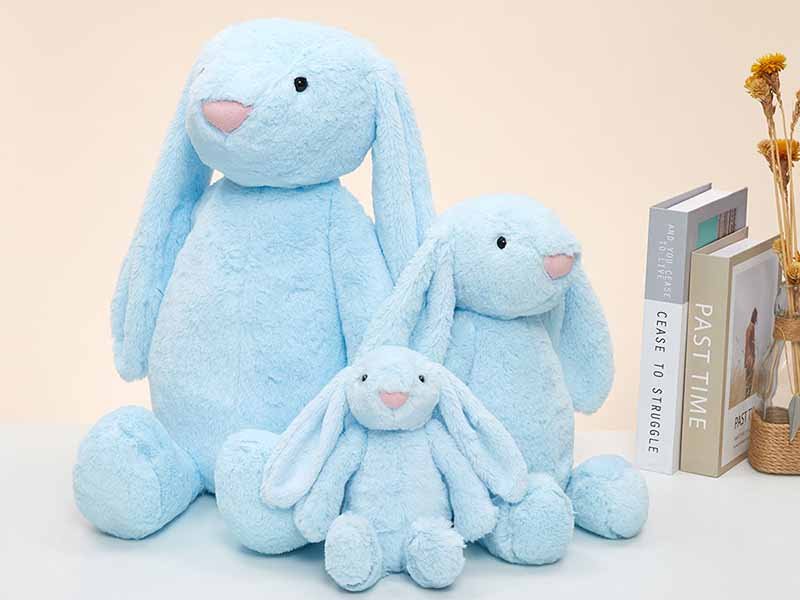
A character may appear on screen for only a few minutes, yet a plush version can remain on someone’s bed, desk, backpack, sofa, or display shelf for years. Film scenes end. Game seasons change. Music tours move to another city. A soft character product stays within daily life, quietly extending the original experience.
Plush toys shape pop culture by turning fictional characters into physical companions. They help fans express identity, preserve memories, build collections, create social content, support entertainment licensing, and keep stories visible after a release ends. Their soft construction adds touch, comfort, portability, and emotional closeness—qualities that posters, digital skins, and rigid figures cannot provide in the same way.
A minor side character can unexpectedly become the most discussed figure in an animated series. Fans begin sharing screenshots, drawing fan art, and quoting a single line. A plush release follows, then travel photos, unboxing videos, fan-made clothing, convention displays, and limited editions. The character is no longer confined to the original show. It begins appearing in bedrooms, cafés, offices, airports, and social feeds around the world.
That journey explains why plush products have become far more than children’s toys.
What Role Do Plush Toys Play?

Plush toys give entertainment characters a physical form that can be touched, carried, displayed, collected, and shared. They connect stories with everyday life, preserve memories linked to films and events, and help familiar characters become lasting cultural symbols rather than short-lived screen images.
A successful character plush usually performs several roles at the same time:
- It makes a fictional figure physically present.
- It gives fans an object connected to a story or memory.
- It offers comfort through softness and touch.
- It becomes part of room décor, fashion, travel, or social content.
- It supports licensing income beyond the original media release.
- It keeps a character visible between films, seasons, games, or tours.
- It allows an IP to reach children, teenagers, adults, and collectors through different sizes and editions.
The strongest products do not feel like a logo placed on fabric. They feel like a believable extension of the character.
How Do Characters Become Real?
A screen character becomes physically convincing only when the plush design protects the features fans recognize first. Eye shape, head proportion, mouth angle, ear position, costume, posture, and color placement often matter more than tiny decorative details.
Turning artwork into a plush product requires decisions that do not exist in animation or illustration. A designer must determine:
- How deep the head should be
- How the character looks from the side and back
- Where seams can be placed without changing the expression
- Which details should use embroidery, printing, appliqué, or separate fabric panels
- How much filling each body area needs
- Whether the product should sit, stand, hang, or lie flat
- How clothing and accessories should attach
- Which features may need simplification for stable production
A character with a very large head may require extra neck support. Thin illustrated arms may need to be widened so they can be sewn and filled consistently. A small mouth line may need denser embroidery or a slightly larger scale to remain visible on plush fabric.
Entertainment teams should rank character details before sampling:
| Priority | Design Element | Control Method |
|---|---|---|
| Critical | Eyes, face, expression | Measured embroidery position |
| Critical | Head-to-body ratio | Three-view dimensions |
| Critical | Signature colors | Approved physical swatches |
| High | Costume and logo | Artwork and position measurements |
| High | Ears, hair, horns, tail | Pattern angle and attachment control |
| Medium | Minor decoration | Simplified sewing or printing |
| Flexible | Hidden seams | Factory engineering decision |
Delsney supports development from drawings, technical files, reference images, and physical samples. Three-view drawings and 3D visual references can clarify shape before pattern cutting begins. Such preparation is especially valuable for mascots, game characters, anime figures, and multi-character series where small proportion errors may change the personality.
Why Does Touch Matter?
Film, television, games, and music are largely experienced through sight and sound. Plush toys add physical contact. Soft fabric, filling pressure, weight, and surface texture create a sensory relationship that a screen cannot provide.
A character designed around kindness, loyalty, humor, or emotional safety often works particularly well in plush form. Fans can hold the product during a movie, keep it near a gaming setup, carry it on a trip, or place it beside the bed. The object becomes part of personal routines rather than remaining a distant image.
Material selection shapes the emotional effect:
| Material | Touch | Suitable Character Mood |
|---|---|---|
| Smooth minky | Soft, fine, calming | Gentle, cute, comforting |
| Short-pile plush | Clean, balanced, clear | Mascots and detailed characters |
| Long-pile faux fur | Deep, fluffy, expressive | Animals and fantasy creatures |
| Sherpa | Warm, textured, cozy | Winter and lifestyle characters |
| Fleece | Light, familiar, casual | Simple dolls and promotional items |
| Cotton fabric | Dry, natural, structured | Handmade or nostalgic designs |
| Weighted filling | Heavy, steady, grounding | Comfort and relaxation products |
| Light fiberfill | Soft, portable, flexible | Travel and everyday character plush |
Touch also affects perceived quality. A visually accurate character can still feel disappointing when fabric is thin, filling is uneven, seams are hard, or accessories scratch the hand.
Product developers should review physical samples for:
- Surface softness
- Pile direction
- Filling firmness
- Weight distribution
- Seam feel
- Accessory edges
- Clothing texture
- Recovery after compression
- Comfort when held against the body
- Shape after repeated handling
For higher-end entertainment merchandise, touch should be approved with the same care as artwork. A color may look correct in a photograph yet feel unsuitable when handled.
Are Plush Toys Cultural Symbols?
Some plush characters become symbols of a fandom, generation, music act, sports team, city, game community, or online movement. Their meaning grows through repeated public use.
A small mascot attached to a bag can show support for an artist. A game character displayed in an office can reveal personal interests. A convention-exclusive plush can prove attendance at a major event. A sports mascot carried to a match can represent loyalty and shared identity.
Plush products are especially effective cultural symbols because they are:
- Easy to recognize from a distance
- Portable
- Safe to display in many environments
- Suitable for photography
- Available in several sizes
- Adaptable to costumes and seasonal themes
- Appealing across age groups
- Able to communicate without language
A successful plush symbol usually has a clear silhouette. Fans should recognize the character even when the logo or packaging is removed.
Entertainment properties can test visual strength by asking:
- Can the character be identified from its outline?
- Is the face readable at 10–15 centimeters?
- Are the main colors easy to separate in fabric?
- Does the character have one memorable feature?
- Can the design work in small, medium, and large sizes?
- Can costumes or accessories change without damaging recognition?
- Is the character suitable for display as well as handling?
Complex artwork may require simplification. Such reduction should remove noise, not identity. Strong development keeps the character recognizable while making the product easier to sew, inspect, package, and reproduce.
How Do They Preserve Memories?
Plush products often become physical records of entertainment moments. A film-premiere plush may recall who attended the screening. A tour mascot can bring back the atmosphere of a concert. A limited game character may mark a launch season, championship, or milestone.
The value often grows because the product remains visible after the event.
| Entertainment Moment | Plush Product | Memory Preserved |
|---|---|---|
| Film premiere | Main character plush | First viewing experience |
| Final season | Farewell edition | End of a long-running story |
| Concert tour | Artist mascot | Live-event memory |
| Game launch | Early edition character | Participation from the beginning |
| Anniversary | Archive design | Shared history |
| Convention | Event-exclusive plush | Attendance and community |
| Championship | Team mascot | Sporting achievement |
| Creator milestone | Limited character | Community growth |
| Theme park visit | Location-exclusive plush | Travel memory |
| Charity campaign | Cause-related edition | Shared values |
Memory-based products need a clear connection to the event. Simply changing a tag may not create enough meaning. Strong commemorative editions often include:
- A dated embroidery
- An event costume
- A special colorway
- A city or venue reference
- A numbered label
- Premium packaging
- A story card
- A character expression tied to the event
- A small accessory connected to the original scene
Launch timing matters. A concert plush arriving after the tour ends loses much of its emotional impact. Development should therefore begin early enough for artwork approval, sampling, revisions, testing, bulk production, inspection, and shipping.
For a standard plush program, Delsney commonly supports:
| Stage | Working Time |
|---|---|
| Standard sample development | 5–7 days |
| Complex sample development | 7–15 days |
| Bulk production after approval | 20–30 days |
| Final inspection | Before shipment |
| Design-to-product match | Up to 98% |
| Pre-shipment inspection | 100% |
Actual timing depends on materials, quantity, number of characters, accessories, packaging, approval speed, and testing requirements.
How Do Plush Toys Build Fandom?

Plush toys strengthen fandom by giving people a visible way to collect characters, show affiliation, create content, trade products, attend events, and connect with others. One well-designed character can support personal expression, community activity, repeat releases, and long-term engagement.
Fandom rarely grows from a single transaction. It develops through repeated contact. A plush character may first appear in an online launch, later show up in travel photos, then receive a holiday outfit, mini version, anniversary edition, or fan-made accessory. Each new use keeps the character active.
Entertainment teams can use plush products across several fan touchpoints:
- Online stores
- Pop-up shops
- Concerts
- Theme parks
- Film premieres
- Conventions
- Gaming tournaments
- Sports events
- Fan meetings
- Creator livestreams
- Subscription boxes
- Retail gift sets
A good product strategy gives each format a clear purpose instead of releasing random variations.
Why Do Fans Collect Them?
Collecting creates continuity. One character purchase can grow into a cast, size range, costume series, seasonal set, or event collection.
Fans often collect for several reasons:
- To complete a character group
- To own a favorite version
- To preserve memories
- To display loyalty
- To participate in a release
- To trade with other fans
- To find a rare edition
- To build a themed room or shelf
- To photograph and share the collection
- To support an artist, creator, team, or franchise
Collection planning should follow a system. Random releases may create short sales spikes, but connected releases encourage longer participation.
| Collection Model | Product Structure | Main Fan Motivation |
|---|---|---|
| Full cast | Several characters in one scale | Completion |
| Size family | Mini, standard, large | Use in different settings |
| Costume series | New outfits | Story and event connection |
| Expression series | Happy, sleepy, angry, surprised | Personality |
| Seasonal range | Holiday or weather themes | Timed relevance |
| Regional edition | Local costume or symbol | Local identity |
| Limited run | Numbered quantity | Scarcity |
| Premium line | Better materials and packaging | Display value |
| Blind assortment | Unknown character per package | Discovery |
| Accessory series | Clothing, bags, furniture | Customization |
For multi-character production, consistency matters as much as individual accuracy. A set should share:
- Similar scale
- Related fabric quality
- Consistent eye style
- Matching embroidery density
- Coordinated packaging
- Stable label placement
- Predictable sitting or standing posture
- Balanced color quality
Delsney can support multi-SKU programs with pattern development, shared material planning, individual sample approval, and bulk quality checks. Projects commonly begin around 500 pieces per design, subject to fabric, process, and packaging requirements.
How Do They Show Identity?
Fans use plush characters to communicate taste, mood, humor, values, and group membership. A mascot on a backpack, a game character beside a computer, or an anime figure on a work desk can quietly express personal identity.
Different sizes serve different forms of expression:
| Size | Common Use | Identity Value |
|---|---|---|
| 8–12 cm | Bag charm or keychain | Public, portable affiliation |
| 15–20 cm | Desk or travel plush | Everyday personal display |
| 25–35 cm | Standard home plush | Comfort and room identity |
| 40–60 cm | Large display or cuddle plush | Strong visual presence |
| 60 cm+ | Event or collector piece | Statement display |
The product format should match how fans are likely to use it. A music mascot may work well as a bag charm for concerts. A game companion character may suit a 20-centimeter desk size. A gentle animated figure may perform better as a larger cuddle plush.
Customization can deepen identity expression:
- Removable clothing
- Seasonal outfits
- Name patches
- Team colors
- City editions
- Member-specific colors
- Event badges
- Small accessories
- Display stands
- Custom packaging sleeves
When adding options, avoid weakening the character’s core identity. A recognizable face and silhouette should remain stable across editions.
For private-label and licensed programs, Delsney can customize embroidery, printing, woven labels, clothing, hangtags, boxes, and other elements while maintaining one controlled master design.
Do Plush Toys Build Communities?
Plush products give fan communities a shared object around which activities can develop. People compare collections, trade duplicates, photograph characters, sew clothing, discuss cleaning methods, attend meetups, and share upcoming releases.
Common community content includes:
- Unboxing videos
- Collection tours
- Travel photography
- Desk setups
- Stop-motion clips
- Handmade clothing
- Repair and cleaning videos
- Fan-created stories
- Character memes
- Convention group photos
- Trade posts
- Display-room videos
Such activity can reveal new product opportunities. When fans repeatedly make miniature clothing, an official outfit line may have potential. When people carry a standard plush on trips, a smaller travel version may fit the behavior better. When collectors build rooms for characters, furniture or display accessories may become viable.
Entertainment teams should study fan behavior after launch:
- Where do people display the product?
- Do they carry it outside?
- Are they making clothing or props?
- Which character appears most often in posts?
- Are fans asking for another size?
- Which detail receives complaints?
- Are collectors struggling with storage?
- Which edition is traded most frequently?
- Do people want a full cast?
- Are fans creating stories beyond official content?
Community feedback should not replace commercial planning, but it can reveal demand that sales figures alone may miss.
Manufacturing teams also benefit from such feedback. Repeated comments about weak accessories, hard seams, unstable sitting, or crushed packaging can guide future revisions.
Why Do Limited Editions Work?
Limited editions combine character attachment, timing, and scarcity. They work best when the design carries a clear reason for being limited.
Strong examples include:
- Anniversary editions
- Tour-city editions
- Convention exclusives
- Launch-day versions
- Championship mascots
- Regional costumes
- Collaboration designs
- Numbered premium runs
- Holiday releases
- Charity editions
- Final-season products
- Creator milestone versions
A limited label alone does not guarantee demand. Fans usually expect a meaningful visual difference.
| Edition Type | Recommended Change | Planning Risk |
|---|---|---|
| Anniversary | Archive colors, dated embroidery | Approval delay |
| Concert tour | Tour outfit, city tag | Missed event date |
| Convention | Exclusive accessory | Limited selling window |
| Game launch | Character skin or launch badge | Late artwork |
| Regional | Local icon or color | Multiple small SKUs |
| Premium run | Better fabric and box | Higher unit cost |
| Charity | Campaign color or patch | Message accuracy |
| Collaboration | Combined visual language | Two approval teams |
Production calendars should work backward from the sales date.
A practical schedule may include:
| Work Stage | Recommended Planning Window |
|---|---|
| Character and edition concept | 2–4 weeks |
| Artwork and three-view approval | 1–3 weeks |
| Sampling | 5–15 days |
| Revision and final approval | 1–3 weeks |
| Compliance preparation | According to market |
| Packaging approval | 1–3 weeks |
| Bulk production | 20–30 days |
| Inspection and packing | Included in production plan |
| International delivery | Based on shipping method |
A six-character collection usually needs more approval time than a single mascot. Custom-dyed fabric, molded accessories, electronic parts, or premium boxes may also extend the schedule.
Delsney supports entertainment and character projects with more than 18 years of plush development experience, over 500 employees, 18 production lines, more than 25 engineers, over 10 designers, and more than 20 quality-control staff. The integrated structure helps coordinate artwork, patterns, samples, materials, production, inspection, private labeling, packaging, and shipment for both single-character and multi-SKU programs.
Which Industries Use Plush Toys?

Film studios, animation companies, game publishers, music labels, sports organizations, theme parks, and online creators use plush toys to turn recognizable characters into physical products. Each industry has different launch cycles, audience habits, approval systems, product sizes, and sales channels, so development should follow the commercial setting rather than one fixed formula.
Plush products can support entertainment projects in several ways:
- Extend a story beyond the screen
- Introduce a new character
- Support a film, series, game, or album launch
- Create merchandise for live events
- Build a collectible product line
- Offer gifts for fan clubs or promotional campaigns
- Strengthen mascot recognition
- Generate licensing income
- Keep older characters commercially active
- Create social content around unboxing and collecting
The best product direction depends on how fans already interact with the character.
How Does Film Use Plush?
Film studios often use plush toys to keep characters visible before, during, and after theatrical release. Animated animals, fantasy creatures, sidekicks, robots, monsters, and child-friendly villains often translate well into soft products because their silhouettes and expressions are already designed for emotional recognition.
A film plush program may include:
- Main character plush
- Supporting character series
- Cinema-exclusive edition
- Gift-with-ticket promotion
- Premiere event mascot
- Large lobby display
- Premium collector edition
- Child-size travel plush
- Holiday version
- Anniversary reissue
Timing carries major importance. A product arriving several weeks after the release may miss the strongest period of attention. Development teams should work backward from the premiere date and allow enough time for artwork approval, sample revisions, compliance review, packaging, production, inspection, and shipping.
A basic film merchandise calendar may look like:
| Stage | Main Work | Planning Focus |
|---|---|---|
| Character selection | Choose strongest plush candidates | Recognition and emotional appeal |
| Design adaptation | Convert screen artwork into plush form | Proportion and silhouette |
| Sample development | Produce first physical version | Face, posture, fabric and size |
| Studio approval | Review against character guide | Brand accuracy |
| Testing preparation | Confirm market requirements | Age group and materials |
| Packaging | Add film title and legal text | Shelf and launch presentation |
| Bulk production | Manufacture approved quantities | Delivery date and consistency |
| Retail launch | Ship to cinema, retail or online | Release timing |
Film projects may also include strict confidentiality. Character images, plot details, packaging artwork, and release dates should be handled under controlled communication. Delsney can support confidential artwork development, sample production, pattern control, and private-label packaging for entertainment programs requiring limited access before launch.
Film characters with strong plush potential often have:
- Large readable eyes
- Distinctive head shapes
- Simple color areas
- Compact bodies
- Clear emotional expressions
- Recognizable ears, hair, horns, or tails
- Limited hard-surface detail
- A pose that works in sitting form
- An accessory strongly linked to the story
Characters with complex armor, long weapons, or highly detailed mechanical parts may still be developed, but additional simplification, mixed materials, embroidery, printing, or molded components may be required.
Why Does Anime Drive Demand?
Anime supports strong plush demand because fans often develop long-term emotional relationships with individual characters. Series may run for several seasons, return through films, games, manga, collaborations, and anniversary events, creating repeated opportunities for merchandise.
Anime plush programs commonly use:
- Standard character versions
- Chibi proportions
- School uniform editions
- Battle costume editions
- Pajama versions
- Seasonal clothing
- Character pairs
- Mini mascots
- Bag charms
- Sitting dolls
- Lying plush
- Expression variants
Chibi design works especially well because enlarged heads and simplified bodies help preserve character identity at small sizes. However, simplification must remain controlled. Hair shape, eye style, costume color, and signature accessories often carry more recognition than body structure.
Anime development requires careful attention to:
- Hair silhouette
- Fringe shape
- Eye embroidery
- Skin-tone consistency
- Costume layers
- Small emblems
- Collar and sleeve details
- Character-specific colors
- Facial expression
- Left-right symmetry
A multi-character anime collection should share one visual system.
| Design Area | Collection Rule |
|---|---|
| Head size | Keep within one proportional range |
| Eye style | Use related embroidery density |
| Body height | Maintain scale across the series |
| Fabric quality | Use comparable softness and pile |
| Costume construction | Follow one finishing level |
| Label placement | Keep the same location |
| Packaging | Use one visual family |
| Sitting posture | Maintain shelf consistency |
Anime fan communities often care about tiny differences. A hair section pointing in the wrong direction, an inaccurate eye color, or a missing costume detail may cause stronger criticism than a similar error in a general promotional toy.
Delsney can produce three-view drawings, 3D visual effects, embroidery files, pattern samples, and multi-SKU collections. Each character can be approved separately while shared materials, labels, and packaging remain coordinated across the full program.
How Do Games Build Fandom?
Game characters often become part of a player’s daily routine. A companion, pet, mascot, enemy, creature, or non-playable character may appear repeatedly during many hours of play. Plush products give players a way to carry part of that world outside the game.
Game plush can support:
- New title launches
- Downloadable content releases
- Character updates
- Seasonal events
- Esports tournaments
- Collector editions
- Crowdfunding rewards
- Game-store merchandise
- Community giveaways
- Loyalty programs
Game publishers should evaluate player behavior before choosing characters. The most commercially suitable figure is not always the main hero. Players may prefer a small companion, funny enemy, rare creature, or emotionally memorable side character.
Character selection can be scored through:
| Factor | Question |
|---|---|
| Recognition | Can players identify the figure immediately? |
| Emotional connection | Does the character create affection or humor? |
| Shape | Can the form work in fabric? |
| Size flexibility | Can the design work as a keychain and standard plush? |
| Costume complexity | Can details be reproduced consistently? |
| Community interest | Do players share fan art or memes? |
| Story relevance | Does the character remain important over time? |
| Product expansion | Can the figure support more editions? |
Game plush may also use digital connections. A product can include a code, QR element, in-game reward, collectible badge, or event access. Physical and digital value should be planned together. Packaging must explain the digital benefit clearly, and code management must prevent duplication or misuse.
Game communities notice accuracy quickly. The factory should control:
- Character scale
- Face position
- Color values
- Emblems
- Armor-inspired fabric panels
- Weapon alternatives
- Tail and wing shape
- Fabric texture
- Accessory attachment
- Final posture
Delsney can combine embroidery, printing, appliqué, layered fabric, molded accessories, sound units, and other approved elements when a game character requires more than a simple soft body.
Do Musicians Need Mascots?
Music artists, groups, festivals, and record labels increasingly use mascots because a character can represent the artist without relying on a portrait. A mascot travels easily across albums, concerts, fan clubs, pop-up stores, and social platforms.
Music plush products may include:
- Tour mascot
- Member-specific character
- Album-era edition
- Concert light-stick companion
- Fan-club gift
- City-exclusive version
- Anniversary plush
- Holiday outfit
- Mini bag charm
- Premium boxed edition
A mascot can help younger fans, international audiences, and people uncomfortable wearing portrait merchandise. The character can signal affiliation through color, clothing, symbols, and accessories without placing an artist’s face directly on the product.
Music projects often face tight deadlines linked to:
- Album release dates
- Tour openings
- Fan meetings
- Pop-up stores
- Festival appearances
- Anniversary events
- Preorder windows
Production planning should begin before public announcement whenever possible.
| Product Type | Suggested Use | Main Control |
|---|---|---|
| 10 cm bag charm | Concert carrying | Strong keyring loop |
| 15 cm mini mascot | Fan-club gift | Compact packaging |
| 25 cm standard plush | Online merchandise | Face and costume accuracy |
| 35 cm premium plush | Collector product | Better materials and box |
| City edition | Tour stop | Correct city tag and quantity |
| Member color series | Group fandom | Stable color matching |
Music merchandise can be highly emotional, so packaging and presentation matter almost as much as the plush itself. Numbered cards, tour dates, city names, member colors, and album artwork can increase meaning.
Delsney supports custom clothing, embroidery, woven labels, hangtags, boxes, and event-specific details for mascot programs. Flexible MOQ planning can also help divide production across several member colors or city editions.
How Do Creators Use Plush?
Online creators, virtual influencers, streamers, podcasters, comic artists, and social personalities use plush toys to turn digital identity into a physical product. Many creator communities already use recurring symbols, pets, avatars, mascots, or inside jokes that can become merchandise.
Creator plush programs often begin with one of the following:
- Channel mascot
- Animated avatar
- Pet character
- Meme figure
- Emote character
- Community symbol
- Comic character
- Stream companion
- Podcast icon
- Original creature
Creator-led launches differ from large entertainment programs because the audience may have a direct relationship with the creator. Fans often watch development, vote on colors, suggest accessories, or react to prototypes.
That closeness can improve demand, but it also raises expectations. Publicly shared samples may become a promise. Major changes after preorder can create disappointment.
A creator should decide:
- Will sales use preorder or ready stock?
- How many units are realistic?
- Is the audience concentrated in one country?
- Will the creator sign packaging?
- Is international shipping required?
- Will there be one character or several?
- Does the product need a custom box?
- Will fans receive a launch gift?
- Are replacement units reserved?
- How long can supporters wait?
A simple creator launch can follow:
| Stage | Action |
|---|---|
| Audience check | Measure real interest |
| Concept choice | Select one recognizable character |
| Sample | Develop and review physical product |
| Content launch | Show final approved sample |
| Preorder | Collect demand within a fixed period |
| Production | Manufacture confirmed quantity |
| Inspection | Check all finished units |
| Fulfillment | Pack and ship to supporters |
Delsney can support artwork-based sampling, free design assistance, custom labels, packaging, and wholesale production. Standard sampling commonly takes 5–7 days after key details are confirmed, while complicated designs may require 7–15 days.
How Does Social Media Shape Demand?
Social media can turn a plush character into a trend through unboxing, travel photography, collection displays, memes, celebrity exposure, short videos, and fan-made stories. Products with clear faces, recognizable silhouettes, strong colors, and good camera presence usually gain more organic attention.
Social popularity does not come from cuteness alone. Content potential, scarcity, character personality, launch timing, and community participation all affect how far a product travels online.
Plush products perform well on social platforms because they are:
- Easy to film
- Safe to handle
- Visually expressive
- Portable
- Suitable for repeated scenes
- Easy to collect
- Friendly to all ages
- Adaptable to costumes
- Recognizable in small thumbnails
- Useful for humor and storytelling
A character may appear in hundreds of posts without paid advertising when fans enjoy creating their own situations around it.
Why Do Plush Toys Go Viral?
Viral plush products usually combine a memorable look with a behavior people want to repeat. A character may become known for an unusual expression, a strange shape, an oversized head, a sleepy face, or a slightly mischievous personality.
Virality often grows from several forces working together:
- Strong visual identity
- A clear emotional reaction
- Easy photography
- Limited availability
- Celebrity or creator exposure
- Community jokes
- Unboxing interest
- Multiple collectible versions
- Fast restocks
- Visible scarcity
- Fan-made stories
Products designed for social sharing should be tested on camera before production. A sample may look attractive in person but lose expression in photographs.
Review the product through:
- Front-facing phone photos
- Side-angle photos
- Short video clips
- Low indoor lighting
- Bright daylight
- Hand-held scale
- Shelf display
- Bag attachment
- Packaging reveal
- Group collection shots
Camera performance depends on:
| Feature | Social Effect |
|---|---|
| Large readable eyes | Clear emotion in thumbnails |
| Strong color contrast | Better visibility on small screens |
| Stable sitting posture | Easier filming and display |
| Distinct silhouette | Faster recognition |
| Compact size | Easier travel content |
| Soft movable limbs | More posing options |
| Removable clothing | Repeat content opportunities |
| Clear packaging window | Better unboxing reveal |
A viral launch can create sudden volume pressure. Manufacturing teams should prepare material availability, reserve production capacity, and establish reorder plans before the first drop.
How Does Unboxing Help?
Unboxing adds suspense and turns packaging into part of the entertainment. Viewers do not only see the final product. They watch the reveal, first reaction, texture test, accessory check, and comparison with other characters.
Good unboxing design considers:
- Opening sequence
- Product visibility
- Protective packaging
- Printed artwork
- Character story
- Collector card
- Surprise element
- Accessory placement
- Reusability
- Shipping protection
Packaging should not damage the plush. Tight windows, strong compression, sharp inserts, and small boxes may flatten the face, bend ears, or trap long fur.
A balanced package protects the product while creating a satisfying reveal.
| Packaging Format | Main Benefit | Main Risk |
|---|---|---|
| Polybag with hangtag | Low cost and efficient | Limited unboxing value |
| Printed box | Strong branding | Higher cost and carton size |
| Window box | Product visibility | Pressure against plush |
| Drawer box | Premium experience | More complex packing |
| Blind bag | Surprise and repeat sales | Limited product inspection |
| Reusable pouch | Lifestyle value | Higher material cost |
| Gift set box | Multiple products together | Assortment complexity |
For collector lines, packaging should also include:
- Character name
- Series number
- Edition type
- Legal ownership text
- Barcode
- Age information
- Care instructions
- Authenticity feature
- Product story
- QR or digital element
Delsney can support individual polybags, printed boxes, display packaging, hangtags, woven labels, care labels, and carton planning according to retail and online needs.
Do Celebrities Drive Trends?
Celebrity exposure can accelerate attention, but a product needs its own appeal to maintain demand. A brief appearance in a photograph may cause a sales surge, while long-term success depends on character design, availability, quality, and community activity.
Celebrity influence can appear through:
- Personal use
- Concert appearance
- Social post
- Fashion styling
- Travel photography
- Gift exchange
- Interview background
- Brand collaboration
- Limited edition
- Fan-made association
Entertainment teams should avoid relying entirely on one public figure. A resilient product strategy also needs:
- Clear character identity
- Reliable supply
- Recognizable packaging
- Fair distribution
- Consistent quality
- Repeat content
- Community participation
- Controlled edition planning
Sudden celebrity attention can create counterfeit risk. Unauthorized copies may use wrong colors, poor fabric, loose accessories, unsafe parts, or false packaging.
Authenticity measures may include:
- Serialized labels
- Holographic stickers
- QR verification
- Custom woven marks
- Copyright text
- Unique packaging
- Controlled sales channels
- Edition numbering
Manufacturing consistency becomes important when fans compare products publicly. Uneven faces, different filling levels, weak accessories, or color variation can spread quickly through review content.
Why Does Fan Content Matter?
Fan-made content gives a plush character a life beyond official campaigns. Fans create situations, personalities, costumes, relationships, and jokes that may never appear in the original story.
Common fan content includes:
- Travel diaries
- Miniature room setups
- Restaurant visits
- Office scenes
- Stop-motion stories
- Handmade clothing
- Seasonal outfits
- Cleaning tutorials
- Repair videos
- Collection rankings
- Character conversations
- Photography challenges
Entertainment teams can encourage participation through:
- Official hashtags
- Photo contests
- Outfit templates
- Downloadable backgrounds
- Fan galleries
- Monthly themes
- Travel challenges
- Character birthday events
- Accessory releases
- Community voting
Fan activity can also provide product feedback. Recurring requests often reveal demand for:
- Smaller versions
- Larger sizes
- Better sitting balance
- More secure keychains
- Removable clothing
- Additional characters
- Replacement accessories
- Storage packaging
- Washable materials
- Premium editions
A content-friendly plush should withstand repeated handling. Weak ears, loose clothing, unstable sitting, or easily crushed faces reduce the ability to create photographs and videos.
Delsney can adjust internal structure, filling distribution, limb flexibility, accessory attachment, and packaging after reviewing the expected use. A product intended for social photography may need stronger sitting balance and more pose flexibility than one intended only for shelf display.
How Should Brands Plan Social Launches?
A successful social launch needs a product calendar, content plan, stock strategy, and reorder decision process. Viral demand can disappear quickly when delivery is too slow or quality complaints spread.
A practical launch plan may include:
| Phase | Main Work |
|---|---|
| Teaser | Show silhouette, fabric, or character clue |
| Sample reveal | Present approved physical product |
| Detail content | Show face, texture, size and packaging |
| Creator seeding | Send products to selected voices |
| Preorder or launch | Open sales with clear timing |
| Community content | Share fan photos and videos |
| Restock decision | Review real sell-through and demand |
| New edition | Extend only when interest remains |
Before launch, prepare:
- Approved sample
- Product photography
- Short videos
- Size comparison
- Packaging photos
- Care information
- Shipping schedule
- Stock quantity
- Replacement policy
- Quality inspection records
- Reorder lead time
- Customer-service answers
A fast-selling plush may need a second production order before the first batch reaches every market. Material codes, pattern files, embroidery settings, filling standards, labels, and packaging specifications should be stored for repeat production.
Delsney combines design, pattern making, sampling, production, quality control, and international delivery support. Approved project files can be retained for reorders, additional characters, new sizes, and seasonal editions while maintaining the original visual direction.
How Do Plush Toys Support IP?

Plush toys help entertainment properties earn revenue, remain visible between releases, deepen fan attachment, and expand into new product categories. A strong plush program can support film launches, game updates, anniversaries, live events, retail campaigns, licensing partnerships, and long-term character development.
Plush merchandise performs especially well when the character already carries emotional meaning. Fans are not purchasing fabric and filling alone. They are purchasing a physical connection to a story, personality, memory, or community.
For an IP owner, plush products can serve several business goals:
- Generate licensed merchandise income
- Extend character recognition
- Support a new release
- Keep older properties active
- Reach younger and adult audiences
- Enter gift and lifestyle channels
- Create limited-edition demand
- Encourage repeat collecting
- Build fan-club benefits
- Support promotional partnerships
- Add physical value to digital entertainment
- Create products for events and theme parks
A successful program should begin with a clear role for each product. One plush may be designed for mass retail, another for collectors, and another for a one-time event. Mixing those goals can lead to the wrong size, materials, packaging, price, or quantity.
How Does Licensing Work?
Licensing allows a manufacturer, retailer, distributor, or merchandise company to produce and sell products using protected characters, names, logos, artwork, or story elements under agreed conditions.
The rights holder may be:
- A film studio
- An animation company
- A game publisher
- A music label
- An artist or creator
- A sports organization
- A book publisher
- A licensing agency
- A brand owner
- A media company
A licensing agreement may define:
- Approved product categories
- Sales countries
- Distribution channels
- Contract period
- Royalty rate
- Minimum guarantee
- Approval process
- Packaging rules
- Trademark use
- Character artwork
- Safety requirements
- Reporting responsibilities
- End-of-contract inventory handling
Before manufacturing begins, the product team should confirm exactly which rights have been granted. Permission to use a character on clothing may not automatically include plush toys. Rights for one country may not cover another market. An agreement for online sales may not include theme parks or offline retail.
A licensed plush project often follows an approval route:
| Approval Stage | Main Review |
|---|---|
| Product concept | Character, size, pose and price level |
| Artwork adaptation | Front, side and back appearance |
| Materials | Fabric, colors, filling and accessories |
| First sample | Proportion, expression and construction |
| Revised sample | Corrections requested by the rights holder |
| Packaging | Logos, copyright text and warnings |
| Test sample | Final construction for compliance review |
| Production sample | Confirmation before bulk manufacturing |
| Final product | Shipment or retail approval |
Approval records should be written and stored. Verbal approval is risky when several parties are involved.
Manufacturers should not make unauthorized changes to licensed characters. A replacement fabric, revised eye color, different costume detail, or packaging adjustment may require new approval. Delsney can manage controlled sample revisions and maintain approved artwork, patterns, embroidery files, material references, and packaging details throughout development.
Do Plush Toys Extend Stories?
Plush toys can continue a story after an episode, movie, game event, or concert ends. They allow fans to bring characters into new situations and create personal stories around them.
A character may be used in:
- Bedroom displays
- Travel photos
- Desk scenes
- Stop-motion videos
- Fan-made clothing
- Holiday setups
- Miniature environments
- Social posts
- Collection photography
- Gift exchanges
Entertainment teams can intentionally extend storytelling through product design.
Examples include:
| Story Direction | Plush Product Idea |
|---|---|
| Character growth | New costume edition |
| New location | Regional accessory |
| Seasonal episode | Holiday version |
| Game event | Special skin or item |
| Film sequel | Updated expression |
| Anniversary | Archive design |
| Character friendship | Paired plush set |
| Final chapter | Farewell edition |
| New team member | Added collection character |
Story-linked products usually feel more meaningful than random color changes. Fans understand why the edition exists and how it connects with the original property.
A plush line can also introduce supporting characters that receive little screen time but strong fan interest. Small creatures, pets, comic relief figures, villains, and background mascots often become successful products because they have simple silhouettes and memorable personalities.
Product developers should study:
- Fan comments
- Character rankings
- Search interest
- Social posts
- Fan art
- Meme activity
- Event reactions
- Sales of related merchandise
- Requests for missing characters
Plush products can reveal which characters have long-term emotional value beyond the main storyline.
How Do They Create Revenue?
Plush toys can create income through wholesale, direct retail, licensing, event sales, collaborations, subscription programs, gift sets, and limited releases.
Common revenue models include:
| Model | Sales Method | Main Advantage |
|---|---|---|
| Mass retail | Large stores and distributors | High volume |
| Direct online | Official website or marketplace | Greater control |
| Event sales | Concerts, conventions and tournaments | Strong emotional timing |
| Limited drop | Fixed quantity or sales window | Scarcity and attention |
| Preorder | Production after demand collection | Lower inventory risk |
| Subscription | Regular character delivery | Repeat income |
| Gift set | Plush combined with other products | Higher order value |
| Collaboration | Shared release with another brand | New audience access |
| Licensing | Third party develops and sells | Broader distribution |
| Promotional use | Free product supporting another sale | Campaign engagement |
Revenue should be evaluated after accounting for all costs:
- Product development
- Samples and revisions
- Materials
- Manufacturing
- Testing
- Packaging
- Licensing royalties
- Freight
- Duties
- Warehousing
- Fulfillment
- Marketing
- Returns
- Damaged units
- Unsold inventory
- Replacement stock
A plush toy with a low factory price may still have poor commercial performance when packaging is too large, shipping is expensive, or the retail price does not match fan expectations.
Product teams should estimate:
| Financial Item | Planning Question |
|---|---|
| Target retail price | What price will fans accept? |
| Wholesale price | What margin does the retailer require? |
| Landed cost | What is the cost after freight and duties? |
| Royalty | What percentage is paid to the rights holder? |
| Packaging cost | Does the box add enough value? |
| Inventory risk | How many units may remain unsold? |
| Replacement stock | How many units are reserved for defects? |
| Reorder timing | Can stock be replaced before demand drops? |
One strong product sold consistently may create more value than many weak editions. A large SKU count increases sample costs, packaging complexity, inventory risk, and approval workload.
For first releases, a focused program may use:
- One main character
- One standard size
- One portable size
- One premium edition
- One clear packaging system
Additional characters can follow after demand becomes visible.
Can Old Characters Return?
Plush products can help revive older entertainment properties by giving familiar characters a fresh physical form. Nostalgia is particularly powerful when adults rediscover characters connected to childhood films, television, games, books, or music.
A revival may use:
- Original archive colors
- Updated softer fabrics
- Larger collector sizes
- Retro packaging
- Anniversary embroidery
- Recreated costume details
- Numbered labels
- Reissued character sets
- Then-and-now editions
- Modern chibi adaptations
The challenge is balancing memory with current expectations. Fans may want the product to look faithful to the original while also expecting cleaner embroidery, softer fabric, stronger seams, and better packaging.
Before reviving an older character, evaluate:
- Current ownership of rights
- Available artwork
- Original color references
- Remaining fan activity
- Age of the core audience
- Retail price tolerance
- Potential sales regions
- Manufacturing complexity
- Suitable launch date
- Whether a full cast is needed
Archive artwork may not include side or back views. Old images may also use faded print colors or inconsistent proportions. Three-view development may be required before pattern making.
A revival works best when the release connects to a meaningful occasion:
- 10th, 20th, or 30th anniversary
- Remastered game release
- Film restoration
- Series reunion
- New streaming availability
- Museum exhibition
- Book reissue
- Artist comeback
- Theme park event
- Fan convention
Delsney can develop new patterns from archive drawings, product photos, physical samples, or incomplete reference files. Three-view drawings and 3D visual support can help rebuild missing angles while preserving the recognizable appearance.
What Risks Affect Licensed Plush?
Licensed plush projects carry design, legal, safety, timing, quality, and inventory risks. Each risk should be reviewed before bulk production.
Main risk areas include:
- Unauthorized character use
- Incomplete regional rights
- Artwork leaks before launch
- Missed licensor approvals
- Poor character likeness
- Wrong copyright wording
- Packaging errors
- Unsafe accessories
- Late testing
- Counterfeit products
- Delayed launch
- Excess inventory
- Demand falling before delivery
- Inconsistent production quality
- Unapproved material changes
A risk-control plan may include:
| Risk | Preventive Action |
|---|---|
| Artwork leak | Limited file access and confidentiality control |
| Wrong design version | Clear file naming and version records |
| Missed approval | Written approval schedule |
| Poor likeness | Three-view review and measured revisions |
| Wrong color | Physical swatches and thread codes |
| Material change | Approval required before substitution |
| Late delivery | Backward production schedule |
| Safety failure | Compliance review before final sample |
| Counterfeit sales | Authentication labels and controlled channels |
| Excess stock | Preorder or phased production |
| Defective bulk goods | In-process and final inspection |
Counterfeit products can damage both safety and reputation. Poor copies may use weaker seams, unapproved chemicals, loose small parts, incorrect labels, and misleading packaging.
Authenticity features may include:
- Custom woven labels
- Serialized tags
- Holographic stickers
- QR verification
- Copyright embroidery
- Unique packaging
- Edition numbering
- Hidden marks
- Controlled barcode records
Delsney supports custom labels, hangtags, packaging, logo methods, and inspection records that can help licensed products maintain a consistent identity.
How Are Character Plush Toys Made?
Character plush development begins with artwork review and continues through three-view planning, material selection, pattern making, embroidery preparation, sampling, revisions, approval, production, inspection, and packaging. The goal is not simply to make a soft toy, but to reproduce a recognizable character consistently across every finished unit.
A complete process may include:
- Character and rights review
- Product size and pose planning
- Three-view artwork
- Fabric and color selection
- Pattern development
- Embroidery and print setup
- First sample
- Character-likeness review
- Revision rounds
- Final sample approval
- Compliance preparation
- Bulk material confirmation
- Pre-production sample
- Mass production
- Quality inspection
- Packaging and shipment
Each stage protects a different part of the final result.
Which Characters Work Best?
Characters with strong silhouettes, readable faces, clear colors, and emotional personality usually adapt well to plush form.
Good candidates often have:
- Large or expressive eyes
- Clear head shape
- Compact body structure
- Distinctive ears, hair, horns, wings, or tail
- A recognizable costume
- One strong accessory
- Limited sharp or fragile details
- A pose suitable for sitting or standing
- Emotional appeal
- Existing fan interest
A character does not need to be traditionally cute. Monsters, villains, robots, strange creatures, and humorous side characters can perform well when their design remains readable and emotionally interesting.
Use a scoring table before development:
| Character Factor | Score Range |
|---|---|
| Immediate recognition | 1–5 |
| Emotional connection | 1–5 |
| Silhouette strength | 1–5 |
| Fabric suitability | 1–5 |
| Small-size readability | 1–5 |
| Collection potential | 1–5 |
| Costume adaptability | 1–5 |
| Social-media appeal | 1–5 |
| Production simplicity | 1–5 |
| Long-term relevance | 1–5 |
A score above 40 out of 50 suggests strong plush potential. A lower score does not make development impossible, but it may require more design adaptation.
Characters with the following features may need extra engineering:
- Very thin limbs
- Long weapons
- Sharp armor
- Transparent body areas
- Complex mechanical parts
- Many tiny color blocks
- Heavy accessories
- Extremely long hair
- Asymmetrical floating parts
- Detailed facial markings
Possible solutions include embroidery, printing, appliqué, layered fabric, foam, felt, internal support, or simplified accessories.
How Are Designs Converted?
The conversion process begins by separating essential character features from details that can be adapted.
Essential features may include:
- Eye shape
- Face width
- Mouth expression
- Hair outline
- Main colors
- Costume symbols
- Ear shape
- Tail shape
- Signature prop
- Head-to-body ratio
Flexible areas may include:
- Hidden seam placement
- Internal support
- Back-panel shape
- Filling opening
- Attachment construction
- Stitch type
- Internal reinforcement
The design team should prepare a production interpretation rather than simply tracing the original artwork.
A three-view drawing should show:
- Front
- Side
- Back
- Finished height
- Finished width
- Body depth
- Accessory position
- Clothing boundaries
- Color separation
- Logo position
The pattern maker then converts the three-dimensional idea into flat fabric pieces.
Pattern development considers:
- Fabric stretch
- Pile direction
- Seam allowance
- Embroidery placement
- Turning space
- Filling pressure
- Body balance
- Part attachment
- Sewing sequence
- Cutting efficiency
A face can change dramatically during filling. Eye spacing that looks correct on a flat panel may move outward once the head becomes rounded. Experienced sample technicians compensate for such movement during pattern and embroidery placement.
Delsney integrates design, pattern making, sample sewing, embroidery preparation, and bulk production. Such coordination helps changes move quickly from the design team to the production floor.
Why Does Sampling Matter?
Sampling is where artwork, materials, pattern engineering, and hand feel are tested together. Digital artwork can look perfect while the sewn product feels unbalanced or visually inaccurate.
A first sample should be reviewed for:
- Overall silhouette
- Head proportion
- Facial expression
- Eye spacing
- Mouth position
- Ear and hair shape
- Body balance
- Sitting or standing stability
- Fabric texture
- Filling firmness
- Embroidery quality
- Costume fit
- Accessory attachment
- Logo accuracy
- Finished size
- Finished weight
A structured sample review is more useful than general comments.
| Review Area | Example Instruction |
|---|---|
| Head | Reduce width by 6 mm |
| Eyes | Move downward by 3 mm |
| Mouth | Increase curve by 2 mm |
| Neck | Add support filling |
| Body | Shorten by 8 mm |
| Ears | Raise attachment angle |
| Logo | Increase width to 28 mm |
| Clothing | Tighten sleeve opening |
| Tail | Move upward by 10 mm |
| Filling | Reduce body firmness |
Delsney can complete many standard samples within 5–7 days after size, materials, artwork, and major features are confirmed. Complex projects may require 7–15 days when they include:
- Custom-dyed fabrics
- Electronic modules
- Molded accessories
- Weighted structures
- Detailed clothing
- Several characters
- Unusual printing
- Complex packaging
- Special testing preparation
Fast sampling should still include internal review. A rushed sample with unrecorded changes creates problems during bulk production.
Before final approval, record:
- Pattern version
- Fabric codes
- Thread colors
- Embroidery files
- Dimensions
- Weight
- Filling level
- Accessory codes
- Label position
- Packaging method
- Approval date
How Is Likeness Controlled?
Character likeness depends on proportion, expression, color, posture, and recognizable details. It should be controlled through measurements and visual references rather than personal opinion alone.
A likeness-control sheet may include:
| Feature | Control Point |
|---|---|
| Head width | Measured at the widest point |
| Head height | Top seam to chin |
| Eye spacing | Center-to-center distance |
| Eye height | Distance from top reference seam |
| Mouth width | Left-to-right measurement |
| Ear angle | Compared with approved side view |
| Body height | Neck to base |
| Arm length | Shoulder seam to tip |
| Logo position | Measured from fixed seam |
| Tail height | Distance from bottom seam |
Photographs should be taken from consistent angles:
- Front
- Left side
- Right side
- Back
- Top
- Bottom
- Face close-up
- Costume close-up
- Accessory close-up
- Packaging view
Design-to-product accuracy can reach up to 98% for suitable projects when references are complete, materials are approved, revisions are measured, and production follows controlled files.
The approved sample should remain available during bulk production. Production teams can compare:
- Face shape
- Ear position
- Filling level
- Color placement
- Logo size
- Clothing fit
- Posture
- Overall size
- Weight
- Finishing quality
Inspection should also verify consistency across many units. One perfect sample does not guarantee a stable production order.
Start a Custom Entertainment Plush Project
A successful entertainment plush product should feel like part of the character’s world. Fans should recognize the face, understand the costume, enjoy the texture, and feel confident that the product belongs beside the film, anime, game, music act, team, or creator it represents.
Strong development begins with more than a quotation. It requires:
- Clear character priorities
- Accurate three-view references
- Suitable materials
- Skilled pattern making
- Controlled sample revisions
- Written approvals
- Compliance planning
- Stable bulk production
- Careful inspection
- Launch-focused delivery
Delsney can review your artwork, technical file, character guide, reference image, or physical sample and prepare a custom development plan.
Send the following details for evaluation:
- Character or mascot artwork
- Required finished size
- Quantity per design
- Target sales market
- Preferred material
- Main accessories
- Logo and label requirements
- Packaging needs
- Sample deadline
- Bulk delivery date
Delsney can recommend materials, create three-view drawings and 3D effects, develop the sample, confirm MOQ, plan bulk production, and provide a quotation for custom, private-label, OEM, or ODM plush manufacturing.