Skip to content
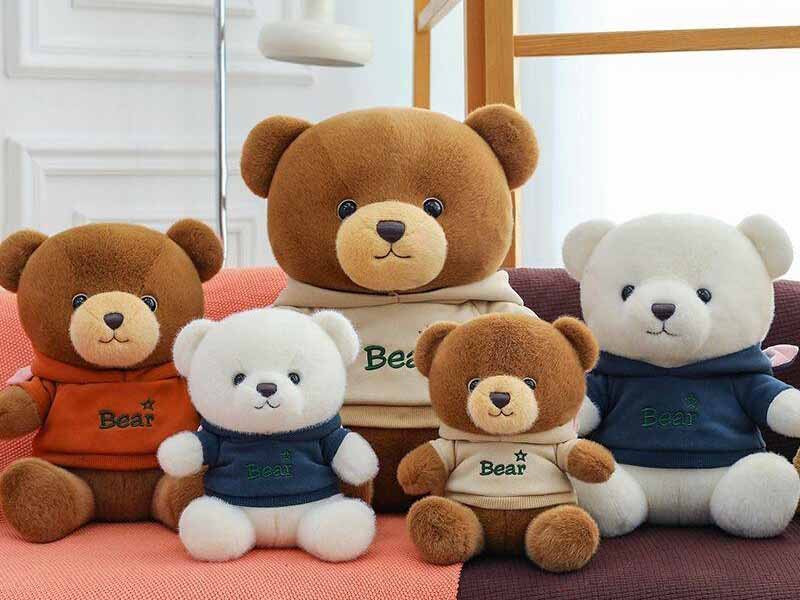
A plushie may look like a simple soft toy, but for many people, it carries a much deeper value. A child may sleep better with a bunny plushie beside the pillow. A fan may collect a game character plushie because it feels like a real part of a story. A museum shop may sell animal plushies as souvenirs that remind visitors of a place they loved. A company may turn a mascot into a plushie so customers can touch, keep, and remember the brand in a warmer way.
Plushies are soft stuffed toys made with plush fabric or other soft textile materials and filled with materials such as PP cotton, polyester fiber, recycled fiber, foam particles, or weighted beads. They can be designed as animals, characters, mascots, pillows, keychains, baby comfort toys, seasonal gifts, or collectible products. Compared with stuffed animals, plushies usually describe a wider group of soft, huggable, character-based toys.
For companies planning a plush product, understanding the meaning of plushies is not only about vocabulary. It affects product naming, search keywords, packaging text, material choices, size planning, safety requirements, and supplier communication. A simple question like “Can you make my character into a plushie?” may involve artwork review, pattern making, fabric matching, embroidery testing, filling adjustment, sample revision, quality inspection, packaging, and bulk production. A good plushie is not only cute. It must feel right in the hand, match the design, stay durable after handling, and meet the expectations of the market it is made for.
What Are Plushies?

Plushies are soft, filled toys made from plush fabric or similar textile materials. They are created for hugging, gifting, collecting, displaying, comforting, or brand promotion. Plushies can be animal toys, character dolls, mascot toys, fantasy creatures, food-shaped toys, pillow plush, keychain plushies, baby comfort items, or custom merchandise.
The word “plushies” is the plural form of “plushie.” One soft toy is a plushie; several soft toys are plushies. The word comes from “plush,” a soft fabric with a raised surface. As the toy market developed, people began using “plushie” to describe the finished soft toy rather than only the fabric.
In daily language, “plushie” feels warmer and more personal than “plush toy.” A consumer may say, “I bought a cute plushie,” while a factory or product developer may say, “We can produce a custom plush toy.” Both can refer to the same product, but the feeling is different. “Plushie” sounds close to the end user. “Plush toy” sounds clearer for production, sourcing, safety testing, and wholesale communication.
For Delsney, a plushie project can begin from a sketch, mascot image, three-view drawing, AI concept image, technical file, brand guide, physical sample, or simple reference photo. The development work then moves through pattern making, material selection, sample production, sample correction, quality control, packaging, and bulk manufacturing. With more than 18 years of plush product experience, Delsney helps customers turn a soft toy idea into a production-ready product with controlled shape, fabric, softness, details, and branding.
What Does Plushies Mean?
“Plushies” means soft stuffed toys made with plush or other soft fabrics and filled with soft inner materials. The word is often used for cute, huggable, collectible, or character-based soft toys.
A plushie may be a teddy bear, rabbit, dinosaur, penguin, capybara, anime character, brand mascot, food shape, soft pillow, baby comfort toy, or mini keychain. The product does not have to be an animal. Any soft, filled, touchable toy with a cute or character-based design can often be called a plushie.
For online stores and social media, the word works well because it feels friendly and easy to understand. “Cute plushies,” “custom plushies,” “anime plushies,” and “kawaii plushies” all sound natural to modern consumers. For factory communication, it is useful to combine the word with more formal terms such as “custom plush toys,” “OEM plush products,” or “custom stuffed toys.”
Is Plushie a Real Word?
Yes, “plushie” is a real English word and is widely used in toy retail, online shops, social media, fan communities, and custom product development. It is more casual than “plush toy,” but it is very common in modern consumer language.
The word is especially popular in anime merchandise, game merchandise, kawaii gifts, creator shops, children’s toys, plush collections, and lifestyle products. A fan may search for a “character plushie,” while a product manager may search for a “custom plush toy manufacturer.” Both people may need the same kind of product, but their search language is different.
For SEO and product naming, a strong page can use both terms naturally. “Custom plushies” helps attract creators, artists, and consumer-facing brands. “Custom plush toys” builds a more professional manufacturing context. When both terms appear in a useful and natural way, search engines and AI tools can better understand the page’s topic.
Are Plushies the Same as Plush Toys?
Plushies and plush toys are closely related. In many cases, they describe the same product: a soft stuffed toy made with fabric and filling. The main difference is how the words are used.
“Plushie” sounds cute, emotional, and consumer-friendly. It is often used by collectors, gift shoppers, children, creators, and social media users. “Plush toy” sounds more formal and is often used in production, wholesale, testing, export, and product specification documents.
For example, a customer may say, “I want to make a plushie from my artwork.” A factory may answer, “We can develop a custom plush toy sample based on your artwork, size, fabric, embroidery, filling, and packaging requirements.” The first sentence carries emotion. The second sentence adds production clarity.
For Delsney, both words are useful. “Custom plushies” reaches people at the idea stage. “Custom plush toys” reaches customers preparing samples, packaging, quality control, and bulk production.
Why Do People Call Them Plushies?
People call them plushies because the word feels soft, cute, and personal. A plushie is often treated as more than a product. It can be a gift, a comfort object, a collectible item, a fan product, or a memory from a place or event.
Online culture also helped the word become more common. Short videos, unboxing posts, plushie collections, anime fandoms, game communities, and kawaii lifestyle content all use “plushie” because it sounds warmer than formal toy language.
For product development, that emotional connection matters. A plushie should not only copy a drawing. It should create a feeling when someone sees it, holds it, photographs it, or gives it as a gift. The face, body proportion, softness, fabric texture, filling level, and packaging all help create that feeling.
A plushie with soft fabric but poor facial expression may fail to connect with customers. A plushie with accurate artwork but stiff filling may feel less lovable. A plushie with good design but weak stitching may create quality complaints. That is why Delsney pays attention to both appearance and structure during custom plush development.
What Are Plushies Made Of?
Plushies are usually made from outer fabric, inner filling, sewing thread, embroidery, accessories, labels, and packaging. Each part affects the final price, softness, durability, safety, and market position.
Outer fabric decides the first touch. Short plush is smooth and practical for many standard plush toys. Minky fabric feels very soft and is often used for premium or baby-focused products. Velboa has a stable short surface and works well for character plush. PV fleece creates a fluffy look for cuddly animals and larger plush toys. Sherpa fleece gives a warm wool-like texture. Faux fur works well for realistic animals or premium designs. Cotton fabric can create a cleaner, more natural look for simple dolls or eco-style products.
Inner filling decides how the plushie feels in the hand. PP cotton is common because it is soft, light, and suitable for many designs. Polyester fiber is used for standard plush production. Recycled filling can support sustainability-focused product lines. Foam particles are useful for pillow plush or flexible novelty toys. Weighted beads are used when the product needs a heavier, calming feel.
For custom projects, material selection should match the product purpose. A baby plushie needs safe details, soft touch, washable structure, and strong seams. A character plushie needs accurate colors, embroidery, and shape control. A mascot plushie needs strong identity recognition. A pillow plush needs fabric comfort and shape recovery. Delsney helps customers choose materials based on target market, size, design complexity, cost range, and safety requirements.
What Is the Difference?

Plushies, stuffed animals, plush toys, soft toys, teddy bears, and stuffies are related terms, but they are not always the same. Plushies usually describe a broad group of soft filled toys. Stuffed animals focus more on animal-shaped toys. Plush toys sound more formal. Soft toys are common in family and international retail language. Teddy bears are one classic plush product type.
The difference matters because customers use different words in different situations. A parent may search for “safe soft toys for toddlers.” A collector may search for “limited edition plushies.” A retailer may search for “custom plush toy manufacturer.” A gift shop may search for “stuffed animals wholesale.” Each search shows a slightly different need.
For brands, word choice affects how people find and understand a product. A plushie designed for anime fans may not perform well if described only as a stuffed animal. A baby bunny product may need “soft toy” and “stuffed animal” in the content because parents often use those words. A factory service page should include “custom plush toys” because customers preparing production need clear manufacturing language.
A practical keyword approach is to use the right word in the right place. “Plushies” works well for emotional, cute, collector, lifestyle, gift, and fan-related content. “Plush toys” works well for production, wholesale, OEM/ODM, technical descriptions, and supplier pages. “Stuffed animals” works well for animal-shaped products. “Soft toys” works well for baby and family markets. “Teddy bears” works well for classic bear gifts.
| Term | Meaning | Best Use |
|---|---|---|
| Plushie | Casual name for a soft filled toy | Gifts, collections, social media, character products |
| Plush Toy | Formal name for a soft filled toy | Manufacturing, wholesale, specifications, product pages |
| Stuffed Animal | Soft filled animal-shaped toy | Kids toys, animal plush, teddy bears, wildlife collections |
| Soft Toy | Broad term for soft textile toys | Baby products, family markets, UK/AU retail |
| Teddy Bear | Bear-shaped plush toy | Gifts, baby lines, holiday collections |
| Stuffie | Informal nickname | Family language, children’s content, community posts |
Plushies vs Stuffed Animals
Plushies and stuffed animals overlap, but plushies cover a wider range of products. A stuffed animal is usually shaped like an animal, such as a bear, rabbit, dog, cat, elephant, penguin, dinosaur, or capybara. A plushie can be an animal, but it can also be a cartoon character, food shape, fantasy creature, pillow, mascot, or logo-based toy.
A teddy bear can be called both a plushie and a stuffed animal. A soft avocado character is better called a plushie. A game character doll is a character plushie. A company mascot made into a soft toy is usually called a mascot plush or custom plush toy.
For product naming, “stuffed animal” is strong when the design is clearly animal-based and aimed at children, parents, toy stores, zoo shops, museum shops, or gift programs. “Plushie” is stronger when the product is cute, trendy, character-based, collectible, or designed for social media attention.
Delsney can develop both animal plush and non-animal plushies. The key is to decide the product identity before sampling: realistic, cute, funny, premium, baby-safe, collectible, promotional, or retail-ready.
Plushies vs Plush Toys
“Plushies” and “plush toys” can describe the same item, but the tone is different. “Plushie” is closer to the customer. “Plush toy” is closer to production.
A creator may ask how to turn artwork into a plushie. A sourcing manager may ask for a plush toy factory. A product team may ask for custom plush toy samples. A fan may simply say they want a new plushie. These people may all be talking about the same product category, but each uses language that matches their situation.
For SEO, both terms should appear naturally on a strong product page. A good title could use “Custom Plushies from Artwork.” The service description can then include “custom plush toys,” “OEM plush toys,” “private label plush products,” and “custom stuffed animals.” That creates a wider search match without making the article feel repetitive.
For Delsney, “plush toy” is useful when explaining fabric selection, sample time, safety standards, sewing quality, MOQ, packaging, and bulk production. “Plushie” is useful when speaking to the customer’s product dream: a soft, lovable item people want to keep.
Plushies vs Soft Toys
“Soft toys” is a broader term. It can include plush animals, fabric dolls, soft rattles, baby comforters, cloth toys, and soft filled toys. “Plushies” usually refers more directly to soft filled animal or character toys.
In some markets, especially the UK, Australia, and New Zealand, “soft toy” is a very common retail term. In the United States, people may use “stuffed animal,” “plush toy,” or “plushie” depending on age, product type, and shopping habit.
For baby products, “soft toy” can be a useful term because it sounds gentle and safe. For anime, game, mascot, or kawaii products, “plushie” usually sounds more natural. For manufacturing pages, “custom plush toys” remains clearer and more professional.
A global brand may need different wording for different sales channels. Product packaging may use “soft toy.” An online listing may use “plushie.” A factory specification may use “custom plush toy.” Delsney can help customers prepare product language that matches both the market and production needs.
Plushies vs Teddy Bears
Teddy bears are one of the most famous plush products, but they are only one type of plushie. A teddy bear is usually a bear-shaped soft toy designed for hugging, gifting, or collecting. Plushies can include bears, but also many other animals, characters, mascots, food shapes, pillows, and creative designs.
Teddy bears are strong because they feel classic and familiar. They work well for baby gifts, romantic gifts, Christmas collections, charity campaigns, hospital gifts, and traditional toy lines. Their emotional meaning is already understood by many customers.
Custom plushies offer more design freedom. A brand can create a mascot plush, a fantasy creature, a game character, a museum dinosaur, a food-shaped plush, or a seasonal character that no other company owns. For companies building original products or IP merchandise, custom plushies often create stronger brand recognition than standard teddy bears.
Which Word Should Brands Use?
Brands should choose wording based on audience, product type, and sales channel. There is no single best word for every plush product.
For animal-shaped children’s toys, “stuffed animal” and “plush toy” are useful. For cute gifts and social media products, “plushie” works well. For baby comfort items, “soft toy” may be better. For classic bear gifts, “teddy bear” is clear. For production and supplier pages, “custom plush toy” is more professional.
A practical naming method is to combine emotional and technical words. For example:
“Custom Plushies from Artwork” can attract creators and early-stage customers.
“Custom Plush Toy Manufacturer” can attract companies preparing production.
“Custom Stuffed Animals for Retail” can attract animal plush projects.
“Private Label Plush Toys” can attract customers who need branding and packaging.
Delsney’s service can cover all these directions, including custom plushies, plush toys, stuffed animals, mascot plush, anime plush, baby plush, mini plush keychains, pillow plush, and private label plush products.
Which Plushies Are Popular?

Popular plushies include animal plushies, character plushies, kawaii plushies, mini plush keychains, mascot plush toys, baby plush toys, weighted plushies, pillow plush, seasonal plush, and collectible plush products. A plushie sells well when it has a clear audience, attractive shape, soft hand feel, safe structure, good photo appeal, and a price point that fits the sales channel.
Plushie popularity is often driven by emotion. Some customers want comfort. Some want a cute gift. Some want a character from a favorite game or story. Some want a souvenir from a place they visited. Some want a mascot that represents a team, school, cafe, museum, or brand. The product must give people a reason to care.
For commercial projects, copying a trend is not enough. A capybara plushie may be popular online, but the final product still needs the right size, fabric, expression, filling, packaging, and price. A 10 cm keychain plush may be easy to ship, but it has limited space for detail. A 40 cm pillow plush may look impressive, but carton size and freight cost must be considered. A baby plushie may look simple, but safety and washability are critical.
Delsney helps customers connect product type with real use. A retail plush line may need shelf packaging and barcode labels. A mascot plush may need accurate brand colors and uniform details. A collector plush may need high embroidery accuracy and premium packaging. A promotional plush may need cost control and fast delivery. A baby plush may need embroidered eyes, soft fabric, and stronger seam inspection.
| Plushie Type | Common Size | Best Use | Key Focus |
|---|---|---|---|
| Mini Plush Keychain | 8–15 cm | Gifts, events, blind boxes | Small detail control |
| Standard Animal Plush | 20–35 cm | Retail, children, souvenirs | Softness and safety |
| Character Plush | 18–40 cm | Anime, games, IP products | Face accuracy |
| Mascot Plush | 25–60 cm | Schools, brands, museums | Identity recognition |
| Baby Plush | 15–30 cm | Infant gifts, comfort toys | Safety and washability |
| Weighted Plushie | 25–45 cm | Comfort gifts, lifestyle products | Weight balance |
| Pillow Plush | 30–80 cm | Home, travel, decor | Shape recovery |
| Holiday Plush | 15–40 cm | Seasonal retail | Fast sampling |
| Food Plush | 15–50 cm | Novelty gifts, lifestyle shops | Shape and color |
| Collector Plush | 20–45 cm | IP launches, limited editions | Detail and packaging |
Which Animal Plushies Sell Well?
Animal plushies remain popular because animals are easy to recognize and easy to love. Bears, rabbits, cats, dogs, elephants, penguins, pandas, ducks, frogs, dinosaurs, lions, and monkeys are stable choices for many markets. They work well for children’s toys, gift shops, zoo shops, museum stores, baby gifts, holiday programs, and online stores.
Unusual animals are also becoming stronger in custom plush development. Capybaras, axolotls, red pandas, Highland cows, sharks, geese, sloths, raccoons, and blobfish can make a product line feel more fresh and memorable. These animals often attract attention because they feel funny, calm, strange, cute, or highly shareable.
The most important question is not only which animal to choose. It is what personality the animal should have. A rabbit can be soft and gentle. A frog can be funny and relaxed. A dinosaur can be cute or adventurous. A penguin can be playful or winter-themed. A capybara can feel calm, lazy, humorous, or premium.
Delsney can adjust animal plush designs through eye style, head proportion, limb length, fabric texture, stuffing level, embroidery, accessories, and packaging. These details help turn a common animal idea into a product with stronger market identity.
Which Character Plushies Are Trending?
Character plushies are popular because they turn flat artwork into a physical product. They are especially strong for anime brands, game studios, children’s book creators, comic artists, influencers, schools, sports teams, museums, cafes, and companies with mascots.
A strong character plushie needs a clear visual identity. The face must be recognizable. The body shape must support the character’s personality. The colors should stay close to the original design. The accessories should add value without making production too fragile or expensive.
Flat artwork often needs adjustment before becoming a plush product. Thin lines may need embroidery. Sharp angles may need softer shapes. Tiny accessories may need enlargement. Complex gradients may need simplified fabric color blocking or printing. A good sample process solves these problems before bulk production begins.
Delsney can develop character plushies from artwork, three-view files, mascot images, AI concept images, reference photos, or physical samples. The company supports sample revision so customers can improve expression, size, fabric, filling, and detail accuracy before mass production.
Which Kawaii Plushies Are Loved?
Kawaii plushies are loved because they feel simple, soft, comforting, and easy to connect with. They often use rounded shapes, soft colors, small facial features, short limbs, gentle expressions, and cozy proportions.
Popular kawaii directions include bunny plushies, cat plushies, duck plushies, frog plushies, mushroom plushies, cloud plushies, star plushies, food plushies, milk tea plushies, bread plushies, strawberry plushies, dumpling plushies, and fantasy creature plushies.
Kawaii plushies work well for social media because they are easy to photograph. They can fit into room decor, desk setups, gift boxes, stationery shops, lifestyle stores, and creator merchandise. A simple kawaii design can become memorable when the proportion and expression are right.
The challenge is precision. Simple designs leave little room for mistakes. Uneven eyes, crooked mouths, lumpy filling, or poor fabric direction can make the product look cheap. Delsney focuses on proportion, embroidery placement, sewing neatness, softness, and sample correction to make cute designs look clean and consistent.
Which Mini Plushies Are Useful?
Mini plushies are useful because they are portable, collectible, easy to ship, and suitable for many sales channels. They can be made as keychains, bag charms, zipper pulls, blind box toys, small gifts, event giveaways, retail add-ons, loyalty rewards, or promotional items.
Mini plushies are often used by anime brands, game companies, gift shops, museum shops, coffee shops, schools, sports teams, tourism programs, and online sellers. They are attractive because customers can collect multiple styles without needing much space.
Small size creates production challenges. A design that looks good at 30 cm may become difficult at 10 cm. Tiny eyes, thin limbs, small accessories, and complex color blocks may need simplification. Stuffing must be even, and seams must be clean because small products can deform easily.
For mini plush development, Delsney reviews the design early to check whether the shape, embroidery, logo, accessory, and keychain hardware can be produced cleanly. This helps customers avoid unnecessary sample delays and quality problems.
Which Plushies Fit Retail Programs?
Retail plushies need more planning than casual gifts. A retail plushie must look good, feel soft, pass quality inspection, fit packaging needs, control cost, and remain consistent across bulk production.
Customers preparing retail programs usually care about size, target price, shelf space, carton quantity, barcode labels, hangtags, warning labels, safety standards, color consistency, packaging style, and repeat order potential. These points should be considered before sampling, not after production begins.
For many retail plush projects, 20–35 cm is a practical size range because the product feels valuable while staying manageable for packaging and shipping. Mini plushies work well for impulse purchases and blind box collections. Larger plush pillows create stronger visual impact but require better planning for carton size and freight cost.
Delsney supports retail plush programs with custom design, flexible MOQ, fast sampling, private label options, packaging support, quality inspection, and bulk production. For customers planning a plushie line, the best result comes from discussing product use, size, target market, safety needs, packaging, and target price before the first sample is made.
How Are Plushies Used?
Plushies are used for comfort, gifting, retail sales, brand promotion, fan merchandise, baby products, events, tourism, education, and collectible product lines. Their value comes from softness, emotional connection, visual identity, and easy customization. A well-designed plushie can support daily use, storytelling, marketing, customer loyalty, and long-term brand memory.
The use of plushies has expanded far beyond the traditional children’s toy shelf. Today, plushies appear in online stores, museum gift shops, anime conventions, game launches, cafe merchandise, school spirit stores, baby gift boxes, holiday campaigns, sports clubs, creator shops, and corporate events. A plushie can be a toy, a souvenir, a mascot, a comfort item, a collectible, or a retail product with repeat purchase potential.
For companies, plushies are powerful because they combine touch, emotion, and visual recognition. A printed flyer may be thrown away. A digital ad may be forgotten after a few seconds. A well-made plushie may sit on a desk, bed, sofa, car seat, shelf, backpack, or store display for months or years. That physical presence gives plush products a longer life than many other promotional items.
Different customer groups use plushies in different ways. A parent may care about safety, softness, washability, and whether the toy is suitable for a child’s age. A game company may care about character accuracy, fan emotion, packaging, and limited-edition value. A museum may need an animal plush that connects with an exhibition or local story. A cafe may need a small mascot plush that customers can photograph and share online. A school may need a mascot plush for spirit shops, sports events, alumni gifts, and fundraising.
That wide use also means plushie development should never start with appearance only. Product function should guide design from the beginning. A baby comfort plush should avoid hard parts, loose accessories, and difficult-to-clean materials. A collector plush should focus more on face accuracy, fabric quality, character details, and packaging. A promotional plush should balance cost, logo visibility, production speed, and durability. A retail plush line should consider shelf display, barcode labels, hangtags, warning labels, and carton packing.
Delsney supports different use scenarios by adjusting size, fabric, filling, embroidery, printing, accessories, labels, and packaging. With more than 18 years of experience in plush product development, the factory understands that a plushie made for a baby gift box should not be built the same way as a plushie made for a game fan release or a corporate mascot campaign.
How Do Plushies Comfort Kids?
Plushies comfort children because they are soft, familiar, easy to hold, and emotionally reassuring. A child may use a plushie at bedtime, during travel, after school, in a hospital, or during stressful moments. The soft surface and rounded shape can create a sense of safety and routine.
For children’s plushies, product design should focus on comfort and safety together. A plushie that feels soft but has weak seams, loose buttons, sharp accessories, or poorly attached eyes can create risk. Embroidered eyes, short-pile fabrics, smooth seams, and secure stuffing are often better choices for younger children.
Size also matters. A plushie that is too large may be difficult for a toddler to hold. A plushie that is too small may not deliver enough comfort value. Many children’s plushies fall between 18 cm and 35 cm because that size is easy to hug, carry, and store. For baby-focused plush products, smaller sizes around 15 cm to 25 cm are often practical, especially when the design uses simple shapes and washable materials.
Delsney helps customers develop child-friendly plush toys by reviewing fabric softness, stitching, filling density, facial details, accessory strength, and age-related safety needs before bulk production.
How Do Adults Use Plushies?
Adults use plushies for comfort, collecting, decoration, gifting, fandom, travel, workspace styling, and emotional connection. Plushies are no longer viewed only as children’s toys. Many young adults buy plushies because they connect with a character, animal, mood, color style, or lifestyle feeling.
A plushie can make a bedroom feel warmer, decorate an office desk, appear in social media photos, join a travel bag as a small charm, or become part of a collectible shelf. Adult consumers often care about design personality, fabric feel, originality, and whether the plushie matches their personal taste.
For brands, adult plushie demand creates strong opportunities. Anime plushies, game character plushies, kawaii plushies, food plushies, weighted plushies, and premium mascot plushies often attract customers who are willing to pay more for design, detail, and emotional value. These customers may look closely at facial expression, embroidery quality, color accuracy, softness, packaging, and limited-edition features.
A plushie aimed at adults does not need to look childish. It can be minimal, humorous, artistic, premium, nostalgic, or highly collectible. Delsney can help develop adult-friendly plushies with better fabric choices, cleaner embroidery, custom labels, collector packaging, and stronger visual identity.
How Do Brands Use Plushies?
Brands use plushies to turn logos, mascots, characters, and campaign ideas into physical products. A custom plushie can help a brand feel more human, more memorable, and easier to share. It can be sold as merchandise, given as a gift, used in events, added to subscription boxes, or included in promotional campaigns.
A mascot plush is especially useful because it gives customers a soft object connected to the brand. Schools, sports teams, cafes, museums, amusement parks, children’s brands, pet brands, game studios, and lifestyle companies can all use plushies to strengthen identity.
Brand plushies work best when the design is simple enough to recognize quickly. A mascot with too many tiny details may look confusing after being converted into fabric panels and embroidery. During development, some details may need to be simplified, enlarged, embroidered, printed, or replaced with fabric appliqué.
Delsney supports custom mascot plush by reviewing brand colors, logo placement, character proportion, accessories, hangtags, woven labels, packaging, and production feasibility. For private label projects, Delsney can also customize neck labels, sewn-in labels, printed hangtags, gift boxes, polybags, display packaging, and carton marks.
How Do Events Use Plushies?
Events use plushies as gifts, prizes, mascot items, booth giveaways, VIP packages, fundraising products, and photo-friendly merchandise. A plushie can help an event leave a stronger memory because people can bring it home after the event ends.
For sports events, school events, exhibitions, festivals, charity campaigns, product launches, and conferences, plushies can create a friendly atmosphere. A small plush keychain may work well as a low-cost giveaway. A larger mascot plush may work better as a premium gift or retail item. A limited-edition event plush can also encourage early purchase because people may not be able to buy it later.
Event plushies usually need clear planning around delivery time. Sampling, revision, bulk production, inspection, packaging, and shipping all require coordination. Even when a plushie looks simple, embroidery, fabric sourcing, and accessory approval can take time. For events with fixed dates, the product timeline should be confirmed early.
Delsney supports fast sampling for regular plush toys, with sample development commonly taking 5–7 days for standard plush designs. More complex plush products with molded accessories, special structures, or difficult materials may need a longer sample period.
How Do Collectors Choose Plushies?
Collectors choose plushies based on character accuracy, rarity, fabric quality, expression, size, packaging, and emotional connection. A collector often notices details that casual gift shoppers may ignore. Eye spacing, mouth shape, body proportion, accessory color, fabric texture, and tag design can all affect perceived value.
Limited editions, series collections, numbered tags, special packaging, seasonal versions, and collaboration designs can increase collector interest. For collectible plushies, consistency across bulk production is especially important. If the first sample looks excellent but bulk goods have uneven expressions or poor stuffing, customer reviews may suffer.
Collectors also care about display. A plushie may need to sit upright, stand with support, fit into a clear box, hang from a hook, or match a shelf collection. These requirements affect pattern design and filling balance.
Delsney can support collector plush projects through detailed sample review, 3D effect development, embroidery testing, material matching, packaging design, and quality inspection. For brands selling to fan communities, extra attention to expression accuracy and packaging can strongly improve product value.
How Are Plushies Made?
Plushies are made through a step-by-step process that includes design review, pattern development, fabric selection, embroidery or printing, cutting, sewing, filling, shaping, inspection, packaging, and bulk production. A professional plushie factory turns artwork into a soft three-dimensional product while controlling appearance, safety, durability, cost, and production consistency.
Many people think making plushies is simple because the finished product looks soft and cute. In reality, plush toy development requires both design judgment and manufacturing experience. A flat drawing cannot be copied directly into fabric. It must be translated into panels, seams, curves, stuffing zones, facial placement, and stable proportions.
The first stage is understanding the design goal. Is the plushie cute, realistic, funny, premium, baby-safe, collectible, or promotional? Should it sit, stand, hang, or be hugged? Should the surface be smooth, fluffy, furry, or textured? Should the face be embroidered, printed, appliquéd, or made with safe plastic parts? Should the product be packed in a simple polybag, retail box, drawstring bag, display carton, or collector gift box?
After the design direction is clear, the factory creates patterns. Pattern making is the technical bridge between artwork and real plush. Every plushie is made from fabric pieces cut into specific shapes and sewn together. The pattern decides head shape, body shape, limb placement, seam position, stuffing space, and final silhouette.
Material selection comes next. Fabric choice affects color, softness, stretch, shape, durability, and cost. A fabric with long pile may hide seam lines but also reduce detail clarity. A short-pile fabric may show embroidery cleanly but feel less fluffy. Minky fabric can feel premium but may cost more. Faux fur can look realistic but requires careful cutting and cleaning.
Then comes sample production. The first sample rarely becomes the final production version immediately. Customers may adjust eye size, mouth curve, body width, stuffing firmness, color tone, ear length, accessory position, or logo placement. Delsney provides sample modification support because plush development is often a shared refinement process between customer and factory.
Once the sample is approved, the factory prepares bulk production. Bulk work includes fabric purchasing, color control, cutting, embroidery, sewing, stuffing, shaping, trimming, quality inspection, packaging, carton packing, and shipment. For customers, the most important goal is consistency. Every plushie in the order should follow the approved sample as closely as possible.
How Is Artwork Reviewed?
Artwork review is the first serious step in custom plushie development. The factory checks whether the design can be turned into a real soft product and what adjustments may be needed before sampling.
A good artwork review looks at shape, proportion, facial details, color areas, fabric direction, small accessories, logo placement, size target, and safety risks. A flat image may look beautiful on screen, but some details may be difficult to sew or embroider at the requested size. Very thin limbs, sharp corners, tiny buttons, narrow tails, small horns, complex gradients, and detailed facial lines may need adjustment.
For best results, customers should provide as much visual information as possible. Three-view artwork is ideal because it shows front, side, and back views. If three-view files are not available, clear reference images, sketches, brand color guides, size requirements, and target market details can still help the factory understand the project.
Delsney can support artwork review, three-view development, and 3D effect visualization. This helps customers see how the plushie may look before or during sample development, reducing misunderstanding and improving final design accuracy.
How Are Patterns Developed?
Patterns are the blueprint of a plushie. They decide how flat fabric pieces become a three-dimensional soft toy. Good pattern development controls shape, balance, symmetry, seam position, stuffing space, and final expression.
Pattern making is especially important for character plushies and mascot plushies. A character’s face may look perfect in artwork, but if the head pattern is too narrow, too flat, or too round, the final expression may change. Body proportion also matters. A small adjustment to head size, arm length, belly curve, or foot shape can make the plushie look cuter, more stable, or more accurate.
Pattern development also affects production cost. A simple plushie may use fewer fabric panels and shorter sewing time. A complex plushie with many color blocks, limbs, accessories, and curved panels may require more cutting, sewing, and inspection. The goal is not always to make the simplest pattern. The goal is to create a pattern that balances design accuracy, softness, strength, cost, and production efficiency.
Delsney’s pattern team helps customers convert ideas into workable plush structures. With experienced pattern making, a plushie can keep the intended look while remaining suitable for bulk production.
How Are Fabrics Selected?
Fabric selection decides the touch, look, durability, and market positioning of a plushie. The same design can feel completely different when made with short plush, minky, PV fleece, faux fur, sherpa, velboa, or cotton fabric.
For character plushies, fabric color accuracy is often important. The fabric should match the artwork as closely as possible. For baby plushies, softness, washability, and safety are more important than complex texture. For animal plushies, fabric pile length can help create a realistic or fluffy look. For mascot plushies, the material should support clean shape and stable color presentation.
Fabric also affects embroidery and printing. A thick fluffy fabric may make small embroidery details less clear. A smoother short-pile fabric may show facial details more cleanly. Printed details may work better on certain stable surfaces. The factory must match fabric choice with the level of detail required by the design.
Delsney can recommend fabric options based on design style, size, quantity, target price, and sales market. Customers can compare hand feel, color, pile length, texture, and cost before deciding the final material plan.
How Is Filling Adjusted?
Filling controls how a plushie feels, sits, holds shape, and recovers after compression. A plushie can be soft and floppy, firm and display-ready, light and squeezable, or heavier and calming depending on the filling plan.
PP cotton is widely used because it is soft, light, and suitable for many plush toys. The amount of filling changes the product greatly. Too little filling can make the plushie look wrinkled, flat, or cheap. Too much filling can make it feel hard and reduce the huggable effect. Weighted beads, foam particles, or special filling materials can be added for certain product concepts.
Filling distribution also matters. A plushie with a large head may need better support so it does not collapse. A sitting plush may need balanced filling in the lower body. A long pillow plush needs even filling from end to end. A weighted plush must place weight securely and evenly to avoid uncomfortable pressure points.
Delsney adjusts filling during sampling so the plushie matches the customer’s desired feel. The sample stage is the right time to decide whether the toy should be softer, firmer, lighter, heavier, flatter, rounder, or more supportive.
How Is Quality Checked?
Quality checking ensures that the finished plushies match the approved sample and meet basic safety, appearance, and durability expectations. Plush quality control should happen during production, not only at the end.
Key inspection areas include fabric color, cutting accuracy, embroidery placement, sewing strength, seam neatness, stuffing amount, shape symmetry, accessory attachment, logo position, label accuracy, packaging condition, and carton marks. For children’s plush products, safety checks become even more important, especially around small parts, hard accessories, seam strength, and filling leakage.
A common plush quality problem is expression inconsistency. Slight changes in eye position, mouth curve, eyebrow angle, or stuffing balance can make a character look different. Another issue is shape deformation caused by uneven filling or fabric stretch. Loose threads, dirty marks, poor trimming, weak seams, and incorrect labels can also reduce customer satisfaction.
Delsney has a quality control process covering sample confirmation, production inspection, and finished product checking. The goal is to keep bulk goods close to the approved sample and reduce problems before shipment.
How Can Plushies Be Customized?
Plushies can be customized by size, shape, fabric, color, filling, embroidery, printing, accessories, labels, hangtags, packaging, safety requirements, and production quantity. A custom plushie can be developed from artwork, a physical sample, a mascot image, a technical file, a reference photo, or a simple idea that needs design support.
Customization is what makes plushies valuable for brands. A standard teddy bear may be easy to buy, but it does not carry a unique story unless it is changed with special colors, clothing, logo, packaging, or character details. A custom plushie can represent an original IP, a company mascot, a school animal, a museum exhibit, a game character, a product character, or a limited-edition campaign.
The main challenge is balancing creative freedom with production reality. A customer may want a very complex character with many accessories, small parts, unusual fabric, special shape, and premium packaging. All of these are possible in many cases, but they affect sample time, unit cost, MOQ, safety testing, production speed, and quality control difficulty.
A good custom plush project starts with clear decisions. Who will use the plushie? What size should it be? Is it for children, collectors, event visitors, online shoppers, or retail shelves? Does it need to sit, stand, hang, or be hugged? What price range must it meet? Does the destination market require specific safety standards? Should the product feel very soft, firm, fluffy, premium, or washable?
Delsney offers end-to-end OEM/ODM custom plush support, including design communication, material recommendations, pattern development, sample production, sample revision, private label branding, packaging design, quality inspection, and bulk production. For regular plush toys, samples can often be developed in 5–7 days. Plush products involving molded accessories, special techniques, or complex structures may require a longer sampling period.
What Sizes Can Be Made?
Plushies can be made in many sizes, from small 8 cm keychain plushies to large 80 cm pillow plush or oversized display plush. The best size depends on use, sales channel, shipping cost, safety needs, and perceived value.
Small plushies around 8–15 cm work well for keychains, blind boxes, bag charms, event gifts, and low-cost retail items. Medium plushies around 20–35 cm are common for standard retail plush, animal plush, character dolls, and children’s gifts. Larger plushies around 40–60 cm feel more premium and are suitable for pillows, mascots, collector items, or display products. Oversized plush products above 70 cm create strong visual impact but need careful planning because carton size and freight cost increase quickly.
Size also affects detail. A very small plushie may not support complex embroidery or tiny accessories. A large plushie may need more filling control and stronger seams. For brands, the best size is not always the biggest size. The best size is the one that matches target price, product use, shipping plan, and customer expectation.
Delsney can help customers choose size based on artwork complexity, market positioning, and production feasibility.
What Fabrics Can Be Used?
Custom plushies can use many types of fabric, including short plush, minky, velboa, PV fleece, sherpa fleece, faux fur, cotton fabric, microfiber, printed fabric, recycled polyester plush, and special textured materials.
Fabric choice should match the product’s purpose. A baby plush needs soft and safe fabric. A premium character plush may need smoother fabric that supports clean embroidery. A realistic animal plush may need faux fur or longer pile fabric. A kawaii plush may work better with short plush or minky because these materials keep a clean and soft appearance. A pillow plush needs fabric that feels comfortable against the face and hands.
Color availability is also important. Some fabrics have ready-stock colors, while special colors may require custom dyeing or higher MOQ. If a brand has strict color requirements, fabric matching should happen early. For character or mascot plushies, even a small color difference may affect brand recognition.
Delsney can provide material options and recommend practical choices based on softness, color, cost, durability, and order quantity.
What Details Can Be Added?
Many details can be added to plushies, including embroidered eyes, printed faces, appliqué patches, clothing, hats, scarves, wings, horns, tails, pockets, zippers, ribbons, bells, keychains, sound modules, crinkle paper, squeakers, weighted beads, or removable accessories.
Details should improve the product rather than make it harder to produce or less safe. A tiny accessory may look cute in artwork but become weak or difficult to sew in bulk. A hard plastic eye may work for certain collector plushies but may not be suitable for baby products. A logo on a small plush may need embroidery, woven label, or printed tag instead of direct fabric printing.
Facial details are especially important. Eyes, mouth, eyebrows, blush marks, and nose position control the emotional expression of the plushie. For character plushies, a small shift in embroidery can change the personality. For animal plushies, nose shape and eye distance can change the level of cuteness.
Delsney reviews each detail during sample development and helps customers decide which details should be embroidered, printed, sewn, simplified, enlarged, or changed for better production stability.
What Branding Can Be Customized?
Branding can be customized through embroidered logos, woven labels, printed labels, hangtags, care labels, neck tags, belly tags, clothing details, logo accessories, custom color schemes, character story cards, and branded packaging.
For private label plush products, branding should feel natural instead of forced. A large logo placed on the front of a cute plushie may reduce emotional appeal. A smaller woven label, embroidered foot logo, hangtag, or custom packaging may create a cleaner result. For mascot plushies, brand identity can appear through colors, clothing, uniform details, accessories, or story-based tags.
Different sales channels need different branding solutions. Online stores may need strong product photography and attractive hangtags. Retail shelves may need barcode labels, warning labels, product names, and display packaging. Gift programs may need premium boxes, ribbons, thank-you cards, or branded bags.
Delsney supports logo customization, label design, packaging design, and private label production so customers can launch plush products under their own brand identity.
What Packaging Can Be Designed?
Plushie packaging can be customized as simple polybags, printed OPP bags, drawstring bags, gift boxes, window boxes, display cartons, paper sleeves, hang cards, blind boxes, reusable fabric bags, or premium collector boxes. The right packaging depends on price point, sales channel, gift value, storage, and shipping method.
Simple polybags are practical for wholesale and cost-sensitive projects. Hangtags and printed bags can improve product presentation without adding too much cost. Window boxes are useful for retail shelves because customers can see the plushie while the product stays protected. Blind boxes work well for mini plush collections and surprise series. Premium gift boxes can increase value for collector items, holiday gifts, and IP merchandise.
Packaging also affects logistics. A soft plushie packed in a compressed bag may save space but may need time to recover shape. A rigid box improves display but increases carton volume and shipping cost. For retail programs, packaging must also leave space for barcode labels, safety warnings, material information, age grading, and brand story.
Delsney can help customers design packaging based on product size, target market, budget, and sales channel.
Are Plushies Safe?
Plushies can be safe when they are designed, produced, and inspected according to the age group, use scenario, destination market, and product structure. Safety depends on fabric quality, filling material, seam strength, small part control, embroidery quality, accessory attachment, labeling, and proper testing before shipment.
Safety is one of the most important parts of plush product development, especially when the product is made for children, babies, retail stores, schools, museums, or international markets. A plushie may look soft and harmless, but poor construction can create real problems. Loose eyes, weak seams, exposed stuffing, sharp accessories, poor fabric quality, loose threads, or incorrect labeling may lead to customer complaints, product returns, or compliance risks.
A safe plushie starts from design decisions. If the product is for babies or toddlers, embroidered facial details are usually safer than hard plastic eyes or noses. Long ribbons, small buttons, loose accessories, beads, bells, or removable parts need careful review. If the plushie includes clothing, wings, horns, tails, zippers, keyrings, or sound modules, each part must be checked for attachment strength and user age suitability.
Safety also depends on the destination market. Plush toys sold in the United States, European Union, United Kingdom, Canada, Australia, or other regulated markets may require different standards, labeling, and testing. For example, common requirements may involve mechanical and physical safety, flammability, chemical restrictions, small parts, fiber content labeling, tracking labels, age grading, and warning statements. A plushie sold as a baby product may face stricter expectations than a collector plush sold for adults.
For brands, safety should not be handled at the end of production. It should be considered from the first design review. A cute design may need changes if it includes risky parts. A soft fabric may need replacement if it cannot meet testing requirements. A decorative accessory may need stronger stitching or removal if it creates a safety concern. A product label may need age grading and warnings before retail sale.
Delsney supports plush product development with quality control across sampling and bulk production. The team can review construction, fabric, filling, embroidery, accessories, seam strength, labels, and packaging needs based on customer market requirements. With more than 18 years in plush toy manufacturing, Delsney understands that a good plushie should not only look cute. It should also be reliable, consistent, and suitable for the customer’s sales channel.
Are Plushies Safe for Children?
Plushies can be safe for children when the design avoids risky parts and the product is made with suitable materials, strong seams, secure stitching, and proper inspection. The younger the child, the more careful the design should be.
For children under 3 years old, small detachable parts are a major concern. Plastic eyes, noses, buttons, beads, bells, small bows, loose ribbons, or removable accessories may create risk if they are not properly designed and tested. For baby plushies, embroidered eyes and noses are often preferred because they reduce the risk of hard parts becoming detached.
Children’s plushies should also be easy to hold and comfortable against the skin. Short-pile fabrics, smooth seams, soft filling, and washable structures are usually more practical for daily use. Very long fur may look cute, but it may shed more easily or hide small defects. Very firm filling may help the toy sit upright, but it may feel less comfortable for a child who wants to hug it.
Age, use, and size should work together. A 12 cm plush keychain with metal hardware may be suitable for older children or collectors, but not for babies. A 25 cm embroidered animal plush with soft filling may be better for younger children. A large plush pillow may be comfortable but needs strong seams and even filling to prevent shape collapse.
Delsney helps customers review child-focused plush projects before sampling, including facial detail method, fabric type, filling density, seam strength, accessory use, and packaging warnings.
Do Plushies Need Testing?
Plushies often need testing when they are sold through formal retail channels, children’s product markets, supermarkets, online marketplaces, brand stores, or international distribution. Testing helps confirm whether the product meets safety and quality requirements for the destination market.
Testing needs depend on product category and market. A plush toy for children may require more testing than an adult collector plush. A baby plush with no hard parts may still need fabric, chemical, flammability, seam, and labeling review. A plush keychain with metal hardware may need attachment and small part evaluation. A sound-module plush may require extra checks for battery access, internal components, and enclosure strength.
Common testing areas include:
| Testing Area | Why It Matters | Common Concern |
|---|---|---|
| Mechanical Safety | Checks parts and construction | Loose eyes, weak seams, detached accessories |
| Small Parts | Protects young children | Buttons, beads, hard noses, tiny decorations |
| Flammability | Checks fabric burning behavior | Outer fabric and filling response |
| Chemical Safety | Controls restricted substances | Dyes, coatings, prints, plastics |
| Seam Strength | Prevents filling leakage | Broken seams after pulling or squeezing |
| Labeling | Supports legal sale | Age grading, warning, fiber content, tracking info |
| Washing Behavior | Protects long-term use | Color bleeding, deformation, fabric damage |
For brands, testing should be planned early because it affects material choice and design. A design with many small parts may cost more to test and may require revisions. A product intended for children under 3 years old should avoid risky construction from the beginning.
Delsney can help customers prepare production with safety and testing needs in mind, making the project smoother before bulk manufacturing.
Which Safety Standards Matter?
Safety standards depend on where the plushies will be sold. Different markets have different rules, but many plush toy projects focus on the United States, European Union, United Kingdom, Canada, and Australia. Customers should confirm required standards before bulk production.
Common safety references for plush toys may include ASTM F963 and CPSIA requirements in the United States, EN71 standards in the European market, UKCA-related requirements in the United Kingdom, and other country-specific toy safety rules. Requirements may cover physical safety, small parts, flammability, heavy metals, chemical restrictions, labeling, tracking information, and age grading.
For practical product development, the standard is not only a document name. It affects real design decisions. If the plushie is for babies, embroidered details may be preferred. If the plushie has a zipper, the puller and access point need review. If the plushie has a sound module, the battery area needs secure construction. If the plushie has long fur, shedding and flammability may need attention. If the plushie has printed fabric, the ink and color fastness may need review.
Brands should share the target market with the factory early. A plushie for a European children’s retailer and a plushie for an adult anime collector shop may have different safety planning. Delsney can support project discussion based on product use, age group, materials, accessories, and destination market.
How Are Small Parts Controlled?
Small parts are controlled through design review, material choice, attachment method, pull strength checks, and production inspection. Small parts may include eyes, noses, buttons, beads, bells, keyrings, bows, zippers, plastic accessories, decorative patches, or removable clothing pieces.
The safest method is often to avoid small detachable parts for baby and toddler plushies. Embroidery can replace plastic eyes. Appliqué fabric can replace small hard decorations. Printed details can replace tiny sewn accessories when suitable. If a small part is necessary, it should be securely attached and reviewed according to the product’s age group and market requirements.
During sampling, the factory should check whether each small part is necessary, attractive, strong, and suitable for bulk production. A tiny bow may look good in artwork but may become loose after repeated pulling. A plastic nose may create a stronger character look, but it may not be suitable for all age groups. A metal keyring may be useful for a mini plush, but it changes the product from a soft toy into a plush accessory with extra attachment considerations.
Delsney helps customers choose safer detail methods based on the product’s use. For baby plushies and young children’s products, embroidered features and simplified construction are often better. For collector plushies, more decorative parts can be used, but they still need strong attachment and careful inspection.
How Is Seam Strength Tested?
Seam strength is checked by pulling, stretching, squeezing, and inspecting the sewn areas to make sure the plushie does not easily split open or leak filling. Strong seams are especially important for plush toys that will be hugged, squeezed, carried, washed, or handled by children.
Weak seams are one of the most common plush quality issues. A plushie may look good on a product photo, but if the seams open after normal use, the product can create customer complaints and safety concerns. Areas with higher stress include arms, legs, ears, tails, wings, necks, zippers, curved seams, and stuffing openings.
Good seam strength depends on several factors: fabric type, seam allowance, stitch density, thread quality, sewing technique, stuffing pressure, and pattern design. If the plushie is overfilled, seams may become stressed. If the fabric stretches too much, shape and seam control become harder. If the pattern has tight curves or narrow limbs, sewing accuracy becomes more important.
Delsney checks sewing quality during sample and bulk production. For custom plush projects, the team can adjust pattern structure, seam allowance, stuffing level, and sewing method to improve durability while keeping the soft look and hand feel.
How to Start a Plushie Project?

To start a plushie project, prepare artwork, target size, product purpose, material preference, quantity plan, packaging needs, destination market, and any safety requirements. A professional plush manufacturer can then review feasibility, recommend materials, develop patterns, create samples, adjust details, confirm production, and manage bulk manufacturing.
A custom plushie project becomes easier when the customer provides clear information from the beginning. The factory does not need a perfect technical file in every case, but it does need enough direction to understand the goal. A sketch, reference photo, mascot image, or AI-generated concept can be enough to begin discussion, especially when the customer also explains size, use, audience, and expected quality level.
The most common mistake is focusing only on appearance. A plushie is not only a drawing turned into fabric. It must also work as a product. Will children hug it? Will collectors display it? Will it hang on a backpack? Will it sit inside a retail box? Will it be sold in the United States or Europe? Will it need embroidered eyes? Will it need a logo tag? Will shipping volume be a concern? These questions affect design, cost, safety, packaging, and lead time.
Delsney provides end-to-end custom plush development for customers who need OEM/ODM, private label, or custom branded plush products. The company supports development from technical files, artwork, reference images, or physical samples. For regular plush toys, sampling can often be completed in 5–7 days. For products with special accessories, mold development, complex embroidery, unusual structure, or special techniques, sampling may take longer.
The development process usually moves from idea review to sample confirmation and then bulk production. Customers can check the first sample and request adjustments to improve expression, body shape, softness, color, embroidery, or packaging. Delsney supports sample revisions so the final product can better match the design expectation before larger production begins.
For brands, a good plush manufacturer should not only accept files and sew fabric. The factory should understand product structure, fabric behavior, sampling logic, safety concerns, packaging needs, and bulk consistency. Delsney combines plush design, pattern making, material sourcing, production, inspection, and export support to help customers turn plushie ideas into real products.
What Files Should You Provide?
The best files for a custom plushie project are clear artwork, front-side-back views, size requirements, color references, logo files, material preferences, packaging ideas, and target market information. More complete files help the factory quote and sample more accurately.
A three-view drawing is very helpful because plushies are three-dimensional products. A front view alone may not show tail shape, side thickness, back pattern, ear position, clothing structure, or sitting posture. If three-view artwork is not available, customers can provide several reference images from different angles.
Useful project information includes:
| Information | Why It Helps |
|---|---|
| Front, side, and back artwork | Helps pattern makers understand shape |
| Target height or width | Controls size, cost, and packaging |
| Pantone or color reference | Improves fabric color matching |
| Logo files | Helps with embroidery, labels, and tags |
| Fabric preference | Guides touch, texture, and price |
| Filling preference | Controls softness, weight, and shape |
| Quantity estimate | Affects pricing and material planning |
| Destination market | Helps safety and labeling planning |
| Packaging idea | Supports retail, gift, or collector use |
| Target user age | Helps small part and safety review |
Delsney can also help when the customer only has a sketch or idea. The design team can support free design discussion, three-view development, and sample planning based on the customer’s concept and product goal.
How Long Does Sampling Take?
Sampling time depends on design complexity, material availability, embroidery details, accessory requirements, and revision needs. For regular plush toys, Delsney can often develop samples in 5–7 days. More complex plush products may require 7–15 days or longer, especially when special accessories, molds, difficult structures, or unusual materials are involved.
Simple animal plushies, basic character plushies, small mascot plushies, and standard soft toys can often move quickly when artwork, size, and materials are clear. Complex projects take more time because the factory may need to test pattern shape, embroidery, fabric matching, stuffing balance, clothing details, or accessory attachment.
Sampling should not be rushed only to save a few days. The sample decides how bulk production will look. If the sample face is slightly wrong, bulk production will repeat that mistake. If the stuffing is too firm, all bulk goods may feel too hard. If the packaging size is not tested, carton packing may become inefficient.
A practical sample process often includes first sample review, customer comments, revised sample, final approval, and pre-production confirmation. Delsney offers sample modification support to help customers improve the product before mass production. A clear sample approval step protects both the customer and the factory.
How Is Design Accuracy Improved?
Design accuracy is improved through clear artwork, experienced pattern making, careful fabric selection, embroidery testing, 3D review, sample revision, and comparison with the approved reference. For character plushies and mascot plushies, accuracy is often the most important part of customer satisfaction.
A plushie cannot copy flat artwork perfectly because fabric has thickness, stretch, pile direction, seam allowance, and stuffing volume. The goal is to keep the soul of the design while making it suitable for soft toy production. Key features such as eyes, mouth, head shape, body proportion, color blocks, accessories, and logo position should be controlled carefully.
Delsney can support three-view production and 3D effect development, helping customers understand how the plushie may appear from different angles. During sampling, the team can adjust pattern curves, embroidery size, fabric choice, stuffing level, and accessory placement to improve the match between design and finished product.
The company’s plush products can achieve a high match with design artwork when the design is reviewed carefully and sample adjustments are completed before bulk production. Customers should give specific comments during sample review, such as “eyes 3 mm higher,” “body 10% wider,” “ears softer,” “mouth curve more gentle,” or “filling less firm.” Clear feedback leads to better results.
How Does Bulk Production Work?
Bulk production begins after the final sample, materials, colors, labels, packaging, and order details are approved. The factory then prepares fabric, cutting patterns, embroidery files, sewing workflow, filling standards, quality inspection points, packaging materials, and carton packing.
A normal bulk plush production process includes material purchasing, fabric inspection, cutting, embroidery or printing, sewing, stuffing, closing, shaping, trimming, cleaning, inspection, labeling, packing, carton sealing, and shipment preparation. Each step needs control because plush products are soft, flexible, and detail-sensitive.
Bulk consistency is one of the most important concerns for customers. A sample may look perfect, but the real test is whether hundreds or thousands of pieces can keep the same look and feel. To improve consistency, the factory needs clear approved samples, production documents, worker instructions, inspection standards, and in-process checks.
Delsney has a factory system with plush product development, production lines, quality control, and packaging support. The company can support custom, private label, OEM, and ODM projects for overseas customers that need reliable production and export-ready goods.
How Can Delsney Help?
Delsney helps customers turn plushie ideas into real products through design support, pattern development, fabric sourcing, sample making, OEM/ODM production, private label branding, quality control, packaging, and export support. The company has more than 18 years of experience in plush product R&D, design, pattern making, manufacturing, and sales.
Customers can work with Delsney in different ways. If they already have a technical file, the factory can review the file and develop a sample. If they have artwork, the team can help convert it into a plush-ready design. If they have a physical sample, Delsney can support sample-based development. If they only have an idea or reference images, the team can help refine the concept and recommend a workable product direction.
Delsney’s service is suitable for brands, online sellers, gift companies, IP owners, game studios, anime product teams, museums, schools, sports clubs, baby product companies, retail programs, and promotional campaigns. The company supports custom fabric selection, free design discussion, fast sampling, sample revision, private label options, packaging design, safety-aware production, and bulk manufacturing.
For customers who need their own logo or product line, Delsney can customize hangtags, woven labels, care labels, embroidered logos, clothing accessories, retail packaging, gift boxes, display packaging, and carton marks. The goal is to help customers launch plush products that look professional, feel soft, and match their market needs.
Start Your Custom Plushie Project with Delsney
A plushie begins as a soft idea, but it becomes valuable only when the design, fabric, shape, safety, packaging, and production all work together. Whether you want to create a cute animal plush, anime character plush, mascot plush, baby-safe plush toy, mini plush keychain, pillow plush, holiday plush, or private label stuffed animal line, the right manufacturing partner can help reduce mistakes and improve the final product.
Delsney is a Chinese plush product factory with more than 18 years of experience in plush R&D, design, pattern making, sampling, manufacturing, and sales. The company supports custom plush products made from many fabric types and offers end-to-end OEM/ODM service for international brands, medium and large customers, online sellers, gift companies, IP owners, and premium product teams.
Customers can provide artwork, sketches, technical files, three-view drawings, AI concept images, reference photos, physical samples, logo files, packaging ideas, or size requirements. Delsney can help review feasibility, recommend materials, create samples, adjust details, customize branding, arrange packaging, inspect quality, and manage bulk production.
Before asking for a quote, prepare the following information as clearly as possible:
| Project Detail | What to Prepare |
|---|---|
| Product Concept | Animal, character, mascot, pillow, keychain, baby plush, or gift plush |
| Artwork | Front view, side view, back view, sketch, reference image, or physical sample |
| Size | Height, width, thickness, or target size range |
| Material Preference | Short plush, minky, velboa, faux fur, sherpa, cotton, or other fabric |
| Filling Preference | Soft PP cotton, firm filling, weighted beads, pillow filling, or recycled filling |
| Logo Needs | Embroidery, woven label, hangtag, care label, or packaging logo |
| Packaging | Polybag, gift box, window box, hangtag, blind box, or retail packaging |
| Quantity | Sample quantity and estimated bulk order quantity |
| Market | United States, Europe, UK, Australia, or other destination |
| User Group | Baby, child, adult, collector, fan, event guest, or retail customer |
A clear request helps Delsney provide faster feedback, more accurate sampling, and better production planning. If the first sample needs adjustment, the team can help improve face expression, body shape, softness, fabric choice, logo position, packaging, or other details before bulk production.
To begin your custom plushie project, send your artwork, idea, target size, quantity, and market requirements to Delsney. The team can help you turn a soft toy concept into a real plush product ready for gifting, retail, promotion, collection, or brand merchandise.