Skip to content
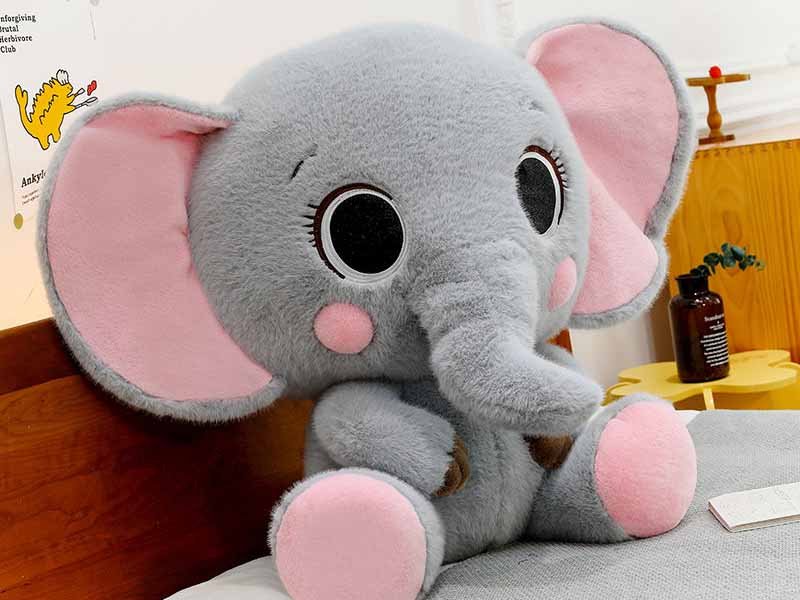
A stuffed animal can have many names. In the United States, many people say “stuffed animal.” In the UK and Australia, “soft toy” is more common. Online shoppers often say “plushie.” Retailers and manufacturers usually use “plush toy” or “stuffed toy.” Parents may say “stuffie.” The product is often similar, but the wording changes by country, age group, sales channel, and product purpose.
Stuffed animals are commonly called plush toys, plushies, stuffed toys, soft toys, cuddly toys, stuffies, teddy bears, plush dolls, or plush animals. “Stuffed animal” is more common in American English, “soft toy” is common in British and Australian English, and “plush toy” is widely used in retail, manufacturing, wholesale, and custom production.
For customers, these names may sound like small differences. For brands, they matter. The right term can affect Google search traffic, Amazon titles, product category selection, packaging copy, factory communication, and customer trust. A US parent may search for “custom stuffed animals.” A UK gift brand may search for “custom soft toys.” A licensing company may ask for “character plush.” A sports team may need a “mascot plush.” If a brand uses only one term, it may miss real customers who use another. Understanding the language of stuffed animals helps brands plan better content, stronger product pages, and clearer custom plush development.
What Are Stuffed Animals?

Stuffed animals are soft toys made from fabric shells and internal filling. They are usually shaped like animals, characters, mascots, dolls, pillows, or fantasy creatures. Depending on the market, people may call them stuffed animals, plush toys, plushies, soft toys, cuddly toys, stuffies, teddy bears, or plush dolls.
What Are They?
Stuffed animals are soft fabric products filled with materials such as polyester fiber, cotton-like filling, foam particles, beans, plastic pellets, glass beads, or mixed fillings. Most designs are shaped like animals, but the category now includes many non-animal products as well.
A stuffed animal can be:
- A teddy bear for children
- A bunny plush for Easter gifts
- A mascot plush for a school or sports team
- A character plush for licensed merchandise
- A plush doll for retail collections
- A weighted plush for comfort products
- A plush pillow for home décor
- A plush keychain for promotional gifts
- A custom pet plush made from photos
- A corporate mascot plush used at events
From a manufacturing view, stuffed animals are not only “cute toys.” They are sewn textile products that require pattern making, fabric cutting, embroidery, stuffing control, shaping, sewing, inspection, and packaging.
| Product Name | Common Shape | Common Use | Manufacturing Focus |
|---|---|---|---|
| Stuffed animal | Bear, dog, cat, bunny | Gifts, kids, comfort | Shape, softness, safety |
| Plush toy | Animal, mascot, character | Retail, wholesale, branding | Fabric, sewing, logo, packaging |
| Plush doll | Human or character figure | IP products, collectibles | Face details, clothing, accessories |
| Soft toy | Baby toy, animal, pillow | UK/AU retail, children’s market | Safety, touch, washable design |
| Mascot plush | Brand or team character | Events, promotions, merchandise | Design accuracy, logo match |
| Weighted plush | Animal or comfort shape | Sleep, sensory, relaxation | Weight balance, seam strength |
For Delsney, a stuffed animal project can start from a sketch, a photo, a 2D character file, a 3D concept, a reference sample, a brand mascot, or even a rough idea. The factory then develops the pattern, selects fabrics, makes the sample, adjusts details, and prepares bulk production.
What Is a Plushie?
A plushie is a casual and friendly name for a plush toy or stuffed animal. The word is especially popular among younger customers, collectors, anime fans, game fans, social media users, and online stores selling cute products.
“Plushie” sounds warmer and more personal than “plush toy.” People often use it when the product has emotional value or collectible appeal. For example:
- Cute plushies
- Animal plushies
- Anime plushies
- Kawaii plushies
- Mini plushies
- Weighted plushies
- Custom plushies
- Capybara plushies
- Frog plushies
- Dinosaur plushies
The word works very well for social platforms, gift products, fan merchandise, and e-commerce pages with a young audience. However, for manufacturing communication, “custom plush toy” or “custom stuffed animal” is often clearer.
| Term | Feeling | Best Use |
|---|---|---|
| Plushie | Cute, casual, emotional | Social media, gifts, fan products |
| Plush toy | Professional, commercial | Product pages, retail, wholesale |
| Stuffed animal | Familiar, everyday | US market, family gifts |
| Soft toy | Gentle, child-friendly | UK/AU market, baby products |
| Custom plush | Manufacturing-focused | OEM/ODM inquiries |
For brands, “plushie” is useful when the product needs personality. A toy brand may use “plushie” in its product name, while using “custom plush toy manufacturer” in SEO sections or sourcing pages. These terms can work together without confusing readers.
Delsney can support plushie-style projects such as cute animal series, small collectible plush, character plush, social media plush, bag charm plush, keychain plush, and private label plush collections.
What Is a Soft Toy?
A soft toy is another common name for a stuffed animal or plush toy. The term is especially common in the UK, Australia, New Zealand, and many international retail markets. It focuses on softness rather than stuffing or animal shape.
“Soft toy” is broader than “stuffed animal.” A soft toy does not need to be an animal. It can be a plush doll, baby rattle toy, plush pillow, sensory toy, plush food, plush car, educational toy, mascot, or character plush.
Soft toy is often used when the product is designed for children, babies, gifts, comfort, or safe play. It sounds gentle and family-friendly.
Common uses of “soft toy” include:
- Baby soft toys
- Soft toys for toddlers
- Custom soft toys
- Personalised soft toys
- Soft toy manufacturer
- Soft toy gifts
- Soft toy animals
- Educational soft toys
| Market | More Natural Term | Example Search |
|---|---|---|
| United States | Stuffed animals | custom stuffed animals |
| United Kingdom | Soft toys | custom soft toys |
| Australia | Soft toys | soft toy manufacturer |
| Global retail | Plush toys | custom plush toys |
| Social media | Plushies | cute plushies |
For a global plush business, using both “plush toys” and “soft toys” can help reach more search users. A product page targeting the US may focus on “stuffed animals,” while a page targeting the UK can include “soft toys” more often.
Delsney can develop custom soft toys for baby brands, gift companies, retail chains, plush toy brands, character owners, schools, museums, tourism shops, and private label sellers.
What Is a Stuffie?
A stuffie is an affectionate nickname for a stuffed animal. It is often used by parents, children, teachers, caregivers, and family-focused communities. The word feels soft, personal, and close to daily life.
A child may call their favorite bear “my stuffie.” A parent may say, “Bring your stuffie for bedtime.” A school may use “stuffie day” for classroom activities. The word is not as formal as “stuffed animal,” and not as commercial as “plush toy.”
“Stuffie” is best used in warm, emotional, child-centered content:
- Favorite stuffie
- Bedtime stuffie
- Personalized stuffie
- Comfort stuffie
- Kids’ stuffies
- Stuffie gift
- Stuffie collection
| Term | Best Audience | Tone |
|---|---|---|
| Stuffie | Kids, parents, family market | Warm and personal |
| Stuffed animal | General US customers | Familiar and clear |
| Plushie | Young shoppers, collectors | Cute and trendy |
| Soft toy | UK/AU families | Gentle and natural |
| Plush toy | Retail and manufacturing | Professional and broad |
For brand websites, “stuffie” should usually appear as a supporting word, not the main keyword. It adds emotion, but it may not have the same commercial clarity as “custom stuffed animals” or “custom plush toys.”
Example:
- Main keyword: custom stuffed animals
- Supporting wording: soft, huggable stuffies made for children, gifts, and brand collections
Delsney can help brands create plush toys with the warmth of a “stuffie” and the quality control required for retail production. This includes soft fabrics, safe embroidery, strong stitching, accurate shaping, and custom packaging.
Which Names Are Most Common?

The most common names depend on country, customer age, product type, and sales channel. “Stuffed animals” is common in the US. “Soft toys” is common in the UK and Australia. “Plushies” is popular online. “Plush toys” is widely used in retail, wholesale, and custom manufacturing.
What Do Americans Say?
In the United States, “stuffed animal” is one of the most familiar everyday terms. It is widely used by parents, children, gift shoppers, schools, hospitals, toy stores, and online customers. When an American customer searches for a bear, bunny, dog, elephant, dinosaur, or cat-shaped soft toy, “stuffed animal” is often the natural phrase.
Common US search phrases include:
- stuffed animals
- custom stuffed animals
- personalized stuffed animals
- stuffed animal gifts
- stuffed animals for kids
- stuffed animals for adults
- weighted stuffed animals
- stuffed animal manufacturer
- stuffed animal with logo
“Plush toy” is also common in the US, especially in product categories, retail listings, wholesale catalogs, and manufacturing pages. “Plushie” is more common among younger customers and collectors.
| US Term | Best Use |
|---|---|
| Stuffed animals | Everyday customers, gift searches |
| Plush toys | Product category, retail, wholesale |
| Plushies | Social media, cute products, collectors |
| Stuffed toys | General product wording |
| Teddy bears | Classic bear products |
| Custom stuffed animals | Personalized and OEM projects |
For brands selling in the US, a strong page should not rely on only one term. A product title can use “stuffed animals,” while the page content includes “plush toys,” “custom plush,” and “plushies” naturally.
For Delsney, US-market custom plush projects often include animal plush, mascot plush, plush dolls, weighted stuffed animals, pet replica plush, holiday plush, and private label plush collections.
What Do British People Say?
In the UK, “soft toy” is one of the most natural terms. British customers often use it for children’s plush products, baby gifts, teddy bears, animal toys, and cuddly gifts. “Cuddly toy” is also common, especially when the product is meant for hugging, comfort, or bedtime.
Common UK search phrases include:
- soft toys
- cuddly toys
- personalised soft toys
- custom soft toys
- teddy bears
- soft toy animals
- soft toy gifts
- soft toy manufacturer
“Stuffed animal” is understood in the UK, but it sounds more American. “Plush toy” is used in retail and online product pages, especially for international sellers.
| UK Term | Best Use |
|---|---|
| Soft toys | Main retail and search term |
| Cuddly toys | Warm family and gift wording |
| Teddy bears | Classic bear category |
| Plush toys | Online retail and international trade |
| Stuffed animals | Understood, but less local |
| Custom soft toys | Best for UK-facing custom pages |
For brands targeting UK customers, wording should feel local. A page titled “Custom Soft Toys” may connect better than one using only “custom stuffed animals.” Packaging copy can also use softer wording such as “soft toy,” “cuddly companion,” or “made for hugs.”
Delsney can support UK-style custom soft toy projects with EN71-focused planning, child-friendly fabrics, embroidery options, safe filling, packaging labels, hangtags, and private label production.
What Do Australians Say?
In Australia, “soft toy” is also very common. “Cuddly toy” is used in family, baby, and gift contexts. “Plush toy” appears often in retail, e-commerce, and merchandise categories. “Stuffed animal” is understood, but it may feel more American than local.
Common Australian search phrases include:
- soft toys
- soft toys for kids
- cuddly toys
- plush toys
- soft toy gifts
- personalised soft toys
- custom soft toys
- plush toy manufacturer
| Australian Term | Best Use |
|---|---|
| Soft toys | General product category |
| Cuddly toys | Kids, baby, comfort products |
| Plush toys | Retail, online, character merchandise |
| Teddy bears | Gift products |
| Plushies | Younger shoppers and collectors |
| Stuffed animals | Understood, less local |
For Australian customers, product comfort and safety language matters. Baby soft toys, toddler toys, and gift plush should clearly explain fabric, filling, age suitability, care method, and safety standard.
A brand selling in Australia may use:
- “soft toy” in product title
- “plush toy” in category description
- “custom stuffed animals” in global SEO content
- “cuddly toy” in gift-related text
Delsney can help brands adjust product naming and packaging copy for different regional markets, so the same product can be presented correctly in the US, UK, Australia, Canada, and global e-commerce stores.
What Do Canadians Say?
In Canada, people commonly understand “stuffed animals,” “plush toys,” and “stuffies.” “Stuffie” can feel especially natural in family, school, and child-friendly conversations. Canada shares many terms with the US, but the emotional word “stuffie” has strong everyday use in some regions and communities.
Common Canadian wording includes:
- stuffed animals
- stuffies
- plush toys
- plushies
- teddy bears
- soft toys
- custom stuffed animals
| Canadian Term | Best Use |
|---|---|
| Stuffed animals | General shopping and gifts |
| Stuffies | Children, parents, comfort language |
| Plush toys | Retail and e-commerce |
| Plushies | Social media and collectors |
| Teddy bears | Classic gift category |
| Soft toys | Understood, but not always first choice |
For Canadian-facing content, brands can combine practical search terms with warmer language. For example, a product page may say “custom stuffed animals” in the title and use “soft, huggable stuffies” in the product description.
This helps reach both search users and emotional gift shoppers.
Delsney can support Canadian and North American plush projects with custom design, flexible MOQ, fast sampling, private label branding, packaging design, and quality inspection for plush toys, stuffed animals, mascot plush, character plush, and gift collections.
How Are These Terms Different?
Stuffed animal, plush toy, stuffed toy, soft toy, teddy bear, and plush doll often describe similar products, but each term has a slightly different use. “Stuffed animal” feels familiar and animal-focused. “Plush toy” sounds broader and more commercial. “Soft toy” works well in UK and Australian markets. “Teddy bear” is specific, while “plush doll” usually refers to character or human-like plush products.
What Is a Plush Toy?
A plush toy is a soft toy made from plush fabric and filled with soft stuffing. The word “plush” refers to the soft textile surface, so the term can include animals, characters, mascots, pillows, dolls, keychains, and promotional products.
Compared with “stuffed animal,” “plush toy” is broader. A stuffed animal is usually animal-shaped, but a plush toy can be almost any soft sewn product.
| Term | Meaning | Example |
|---|---|---|
| Stuffed animal | Animal-shaped soft toy | Bear, dog, bunny |
| Plush toy | Any soft plush product | Animal, mascot, pillow, doll |
| Plushie | Casual name for plush toy | Cute frog plushie |
| Plush doll | Character or doll-shaped plush | Anime plush doll |
| Mascot plush | Brand or team character | School mascot plush |
“Plush toy” is one of the best terms for factory websites because it covers many product types. A brand may not only need animals. It may want a food plush, logo mascot, cartoon character, holiday plush, sports mascot, pet replica, or plush bag charm.
For Delsney, “custom plush toy” is a practical keyword because it connects design, sampling, OEM/ODM production, private label service, and bulk manufacturing. It also works well for international customers who may use different everyday words in their own country.
What Is a Stuffed Toy?
A stuffed toy is a soft toy filled with stuffing. The term focuses on the construction method rather than the fabric type or shape. It can include stuffed animals, plush dolls, soft characters, baby toys, and other filled textile toys.
“Stuffed toy” is often more formal than “stuffed animal.” It may appear in product descriptions, toy safety documents, testing reports, import/export files, and manufacturing communication.
A stuffed toy usually includes:
- Outer fabric shell
- Internal stuffing
- Sewing seams
- Embroidery or attached parts
- Labels
- Packaging
For brands, “stuffed toy” is useful when the product is not clearly an animal. For example, a plush star, plush fruit, plush car, plush heart, plush pillow, or plush mascot may not fit “stuffed animal,” but it can still be called a stuffed toy.
| Product | Better Term |
|---|---|
| Teddy bear | Stuffed animal / plush toy |
| Plush banana | Stuffed toy / plush toy |
| Brand mascot | Mascot plush / plush toy |
| Plush pillow | Plush pillow / stuffed toy |
| Baby rattle plush | Soft toy / stuffed toy |
| Anime character | Plush doll / plush toy |
Delsney can help customers choose the right product name for websites, packaging, hangtags, and inquiry documents, especially when one design may be sold in several countries.
What Is a Teddy Bear?
A teddy bear is a bear-shaped stuffed animal. It is one of the most famous and long-lasting plush toy categories. Many people use “teddy bear” to describe bear plush specifically, but sometimes customers casually use it to mean any soft stuffed toy.
Teddy bears remain popular because they feel classic, safe, warm, and giftable. They work across many markets:
- Baby gifts
- Valentine’s Day gifts
- Birthday gifts
- Charity campaigns
- School gifts
- Hotel gifts
- Museum souvenirs
- Retail plush collections
- Corporate giveaways
- Premium collectible plush
A teddy bear may be simple and child-friendly, or highly detailed and collectible. A premium teddy bear may include long-pile fabric, jointed limbs, embroidered features, clothing, ribbons, custom labels, sound modules, or gift box packaging.
| Teddy Bear Type | Common Use | Design Focus |
|---|---|---|
| Classic teddy bear | Gifts and children | Softness, safety, warmth |
| Mini teddy bear | Keychains, promotions | Cute size, logo option |
| Luxury teddy bear | Premium retail | Fabric, stitching, packaging |
| Holiday teddy bear | Seasonal sales | Clothing, accessories |
| Mascot teddy bear | Brand gifts | Logo, color, costume |
| Weighted teddy bear | Comfort products | Weight balance, seam strength |
For Delsney custom projects, teddy bears can be developed with different fabric textures, sizes, expressions, clothes, accessories, private labels, hangtags, and packaging. The classic shape is familiar, but customization can make it unique for each brand.
What Is a Plush Doll?
A plush doll is a soft stuffed product shaped like a person, character, mascot, or human-like figure. Unlike a stuffed animal, a plush doll often has clothing, hair details, facial embroidery, accessories, printed fabric, or character-specific features.
Plush dolls are common in:
- Anime merchandise
- Game character products
- Cartoon character collections
- Brand mascots
- Music artist merchandise
- Sports team mascots
- Museum gift shops
- Theme park souvenirs
- Social media character brands
Plush dolls usually require higher design accuracy than basic animal plush. The face shape, hairline, clothing, colors, proportions, and accessories all affect whether fans accept the product.
Important plush doll development points:
- Facial expression accuracy
- Embroidery detail
- Fabric color matching
- Clothing pattern
- Small accessory safety
- Character proportion
- Sitting or standing structure
- Packaging presentation
| Plush Doll Detail | Why It Matters |
|---|---|
| Face embroidery | Controls character identity |
| Hair shape | Affects recognition |
| Clothing | Creates brand or IP accuracy |
| Body proportion | Changes cuteness level |
| Accessories | Adds value but increases safety review |
| Color matching | Keeps design close to artwork |
Delsney’s three-view drawing support and 3D visual effect service are especially useful for plush dolls. They help customers see how a flat character design becomes a real soft product before sample production begins.
Which Terms Do Brands Use?

Brands usually use different plush toy terms for different goals. “Stuffed animals” works well for US customers. “Soft toys” works well for UK and Australian customers. “Plush toys” is strong for retail, wholesale, and manufacturing. “Custom plush” works well for OEM/ODM sourcing. Good product pages often use several terms naturally.
Which Names Work Best?
The best name depends on who the brand wants to reach. A children’s gift brand, an Amazon seller, a toy importer, a museum shop, and a licensed character company may all sell soft stuffed products, but they may not use the same wording.
| Brand Goal | Best Term |
|---|---|
| US consumer traffic | Stuffed animals |
| UK/AU consumer traffic | Soft toys |
| Global product category | Plush toys |
| Cute social content | Plushies |
| Factory inquiry | Custom plush toys |
| Animal product line | Custom stuffed animals |
| Licensed characters | Character plush |
| Brand promotions | Mascot plush |
| Retail collection | Plush toys / soft toys |
| Private label project | OEM plush / private label plush |
For a website, the safest approach is not to choose only one term. A page can use one main keyword and several related terms in natural places.
Example for a US-facing page:
- Page title: Custom Stuffed Animals
- H2 sections: Plush Toy Materials, Custom Plush Design, Stuffed Animal Safety
- Product descriptions: soft plush toys, personalized plushies, private label stuffed animals
Example for a UK-facing page:
- Page title: Custom Soft Toys
- H2 sections: Plush Toy Manufacturing, Soft Toy Fabrics, Custom Mascot Plush
- Product descriptions: cuddly toys, plush animals, private label soft toys
This approach helps Google understand the topic more fully and helps readers feel the language matches their market.
Which Terms Help SEO?
For SEO, the best terms are the ones real customers use. A plush manufacturer should build content around both consumer words and sourcing words.
Consumer words bring early-stage traffic:
- stuffed animals
- plushies
- soft toys
- cuddly toys
- teddy bears
- stuffed animal gifts
- plush toys for kids
Commercial and sourcing words bring higher-intent traffic:
- custom plush toys
- custom stuffed animals
- plush toy manufacturer
- stuffed animal factory
- OEM plush toys
- ODM plush toys
- private label plush toys
- mascot plush manufacturer
- character plush manufacturer
| Keyword Type | Searcher Intent | Page Type |
|---|---|---|
| stuffed animals | Learn, browse, buy | Blog, category page |
| plushies | Cute products, trends | Product page, collection page |
| soft toys | Regional shopping | Market-specific page |
| custom plush toys | Find supplier | Service page |
| plush toy manufacturer | Factory sourcing | Landing page |
| OEM plush toys | Production cooperation | Factory service page |
| mascot plush | Brand/project need | Custom project page |
A strong plush website should not only chase the biggest keyword. Smaller, more specific keywords often bring better business leads. For example, “custom mascot plush manufacturer” may have less search volume than “plushies,” but the searcher is much closer to sending an inquiry.
Delsney can use content clusters around these terms to build topical authority. One article can explain naming differences, while other pages can focus on custom plush manufacturing, fabric options, safety standards, weighted plush, mascot plush, and private label plush production.
Which Names Fit Amazon?
Amazon product titles usually need clear, customer-friendly words. The title should match what people search for, but it should not become overloaded or unnatural.
Common Amazon-friendly terms include:
- stuffed animal
- plush toy
- plushie
- soft toy
- teddy bear
- cuddly toy
- plush doll
- weighted stuffed animal
- custom plush toy
For Amazon, the best term depends on the product style:
| Product Type | Better Amazon Term |
|---|---|
| Bear, dog, cat, bunny | Stuffed animal |
| Cute round animal | Plushie / plush toy |
| UK market listing | Soft toy |
| Baby gift | Soft toy / stuffed animal |
| Character figure | Plush doll |
| Brand mascot | Mascot plush |
| Comfort item | Weighted stuffed animal |
| Mini accessory | Plush keychain |
Good Amazon product wording often includes product type, animal or character, size, main feature, and target use.
Example structures:
- Weighted Dinosaur Stuffed Animal, 16 Inch Soft Plush Toy for Kids and Adults
- Cute Capybara Plushie, Soft Stuffed Animal Gift for Girls and Boys
- Custom Mascot Plush Toy with Logo for Brand Events and Retail Gifts
- Soft Teddy Bear Toy for Baby Shower, Birthday, and Holiday Gifts
For private label Amazon sellers, product naming should connect search terms with real customer concerns: size, softness, age suitability, gift use, washable design, safety, and packaging.
Which Terms Fit Retail?
Retail product naming should be simple, clear, and emotionally appealing. A customer standing in a store does not want technical factory language. They want to understand what the product is, who it is for, and why it feels worth buying.
Retail-friendly terms include:
- soft toy
- plush toy
- stuffed animal
- cuddly toy
- teddy bear
- plush friend
- plush companion
- collectible plush
- mascot plush
- comfort plush
| Retail Channel | Better Term Choice |
|---|---|
| Toy store | Stuffed animal / plush toy |
| Baby store | Soft toy |
| Gift shop | Cuddly toy / teddy bear |
| Museum shop | Plush animal / souvenir plush |
| Theme park | Character plush |
| Sports store | Mascot plush |
| Wellness store | Comfort plush / weighted plush |
| Fashion lifestyle shop | Plush charm / plush doll |
Packaging language should match the shelf. A baby soft toy may need calm, safe, gentle wording. A sports mascot plush may need energetic team language. A premium gift plush may need a short emotional story. A collectible plush may need series names, character tags, and limited-edition labels.
Delsney supports custom retail plush projects with packaging options such as hangtags, woven labels, printed labels, belly bands, window boxes, gift boxes, insert cards, barcode labels, and retail display packing.
How Are Plush Toys Customized?

Custom plush toys are made by turning a concept, sketch, mascot, sample, or character file into a real soft product. The process covers design review, fabric selection, pattern making, sampling, embroidery, stuffing, logo placement, safety review, packaging, and bulk production. For brands, customization is where a simple stuffed animal becomes a sellable product line.
What Is OEM Plush?
OEM plush means a factory produces plush toys based on the customer’s design, artwork, sample, technical file, or brand requirement. The product belongs to the customer’s brand, while the factory handles development and manufacturing.
OEM plush is suitable for:
- Existing character designs
- Brand mascots
- Licensed IP plush
- Retail plush collections
- Gift plush products
- Promotional stuffed animals
- Pet replica plush
- Custom animal plush
- Plush keychains
- Seasonal plush toys
| OEM Plush Item | What the Customer Provides | What Delsney Supports |
|---|---|---|
| Character plush | Artwork or IP file | Pattern, fabric, sample, production |
| Mascot plush | Logo and mascot design | 3D plush conversion |
| Animal plush | Reference photo or sketch | Fabric and shape development |
| Plush doll | Character details | Embroidery and clothing details |
| Retail plush | Product idea | Sampling, packaging, bulk order |
OEM plush is best when the customer already has a clear design direction. Delsney can help turn flat artwork into a plush toy with matching proportions, suitable fabrics, safe seams, and retail-ready packaging.
What Is ODM Plush?
ODM plush means the factory helps develop the product idea, not only produce it. The customer may provide a rough concept, target market, animal idea, theme, or product style, and the factory helps create the design, structure, sample, and production plan.
ODM plush is useful when brands want:
- New plush collections
- Animal series
- Holiday plush ideas
- Gift plush products
- Weighted plush concepts
- Baby soft toy ideas
- Mascot development
- Trend-based plush designs
- Private label plush lines
Delsney’s ODM service can include:
- Free design support
- Fabric recommendations
- Size suggestions
- Character styling
- Three-view drawing
- 3D visual effect support
- Pattern development
- 5–7 day fast sampling
- Packaging suggestions
- Bulk production planning
ODM is especially useful for brands that know their market but need product development support. For example, a gift brand may want a “cozy animal plush series” but not know which animals, fabrics, sizes, or packaging styles will work best. Delsney can help build a practical collection plan.
What Is Private Label Plush?
Private label plush means plush toys are manufactured under the customer’s own brand name. The design can be custom-developed, adapted from an existing style, or produced through OEM/ODM cooperation. The key point is that the final product carries the customer’s logo, label, packaging, and brand identity.
Private label options include:
- Woven brand label
- Printed care label
- Hangtag
- Logo embroidery
- Foot logo
- Belly patch
- Custom clothing tag
- Branded gift box
- Insert card
- Barcode label
- QR code card
- Retail display packaging
| Branding Area | Common Option | Best For |
|---|---|---|
| Plush body | Embroidery, patch | Premium visual branding |
| Side seam | Woven label | Subtle private label |
| Foot pad | Embroidered logo | Teddy bears, mascot plush |
| Hangtag | Printed brand card | Retail and gift products |
| Packaging | Box, bag, insert card | E-commerce and shelf display |
| Care label | Material and safety info | Compliance and trust |
For private label plush, the logo should not ruin the emotional value of the toy. A huge logo across the face or belly may feel too commercial. Many premium brands use small foot embroidery, side labels, story cards, or packaging branding instead.
What Is Mascot Plush?
Mascot plush is a stuffed toy version of a brand mascot, school mascot, sports team character, event character, museum figure, restaurant character, or corporate IP. It is used for merchandise, gifts, fan products, event giveaways, retail sales, and brand promotion.
Mascot plush usually needs higher design accuracy than standard animal plush. The character must be recognizable. Face shape, colors, clothing, logo details, body proportion, and accessories all matter.
Mascot plush can be used for:
- Sports teams
- Schools and universities
- Museums
- Zoos and aquariums
- Theme parks
- Restaurants and cafés
- Tourism brands
- Corporate events
- Trade shows
- Charity campaigns
- Social media campaigns
- Retail merchandise
Delsney can develop mascot plush from:
- Logo files
- Mascot artwork
- Brand guidelines
- Reference drawings
- Digital character files
- Event concepts
- Existing samples
- Photos or sketches
For complex mascots, three-view drawings and sample revisions are important. A mascot may look strong in 2D, but plush production needs rounded body shapes, fabric selection, embroidery conversion, seam planning, and accessory safety review.
What Is Character Plush?
Character plush refers to plush toys based on a specific character. The character may come from a cartoon, game, book, anime, brand story, toy line, children’s education program, social media account, or original IP.
Character plush works well because customers connect with personalities, not just shapes. A bear is cute, but a named bear with a story, expression, outfit, and packaging can become a collectible product.
Character plush development should focus on:
- Face accuracy
- Color matching
- Body proportion
- Fabric texture
- Clothing structure
- Small accessory safety
- Embroidery detail
- Packaging story
- Series consistency
| Character Plush Type | Key Development Focus |
|---|---|
| Cartoon plush | Face and color accuracy |
| Anime plush | Hair, clothing, expression |
| Game plush | Character recognition |
| Book character plush | Story connection |
| Social media plush | Cute shape and shareability |
| Educational plush | Safe design and clear identity |
| Brand IP plush | Logo and character consistency |
Delsney can help customers create character plush for retail, licensing, gifts, campaigns, and private label collections. With more than 18 years of plush experience, the factory can support artwork conversion, sampling, fabric selection, embroidery, accessories, packaging, and production quality control.
Are Plush Toys Still Popular?

Plush toys remain popular because they are emotional, giftable, collectible, and flexible in design. Children love them for comfort and play. Adults buy them for nostalgia, décor, stress relief, fandom, and gifting. Brands use plush toys because they can turn mascots, characters, and stories into physical products people keep.
Why Do Kids Love Them?
Kids love plush toys because they are soft, safe-feeling, and easy to connect with emotionally. A stuffed animal can become a bedtime friend, travel companion, classroom comfort item, or pretend-play character.
For children, plush toys are not only products. They often become part of daily life:
- Sleeping
- Storytelling
- Pretend play
- Travel comfort
- School nap time
- Birthday gifts
- Holiday gifts
- Emotional comfort
- Collecting animals
- Learning names and colors
Design points for children’s plush include:
| Product Detail | Why It Matters |
|---|---|
| Soft fabric | Better touch and comfort |
| Embroidered features | Safer than hard parts in some designs |
| Light weight | Easier for children to carry |
| Washable design | Better for daily use |
| Strong seams | Handles rough play |
| Clear age label | Supports safer use |
| Friendly expression | Builds emotional connection |
Delsney can support children’s plush development with fabric selection, embroidery, safe stuffing, seam reinforcement, sample testing, and packaging suitable for retail or gift channels.
Why Do Adults Buy Them?
Adults buy plush toys for many reasons: nostalgia, comfort, home décor, fandom, emotional support, stress relief, collecting, gifting, and personal identity. The old idea that plush toys are only for children is no longer accurate.
Adult plush demand is visible in:
- Weighted plush
- Character plush
- Anime plush
- Game plush
- Premium teddy bears
- Home décor plush pillows
- Pet replica plush
- Desk plush
- Plush bag charms
- Limited-edition collectibles
- Wellness comfort plush
Adult customers often care more about design quality, fabric feel, color palette, packaging, and brand story. They may prefer muted colors, soft textures, unique animals, high-quality embroidery, and gift-ready packaging.
| Adult Plush Category | Common Appeal |
|---|---|
| Weighted plush | Comfort and relaxation |
| Character plush | Fandom and collection |
| Pet plush | Emotional memory |
| Home plush | Décor and softness |
| Mini plush charms | Fashion and personalization |
| Premium teddy bears | Classic gifting |
| Mascot plush | Brand connection |
For brands, adult plush opens strong opportunities. A plush product can be cute without feeling childish. Fabric, expression, color, and packaging can make the same animal feel playful, premium, cozy, collectible, or lifestyle-focused.
Are Plushies Trending?
Plushies are strongly supported by social media, character culture, collector communities, and gift trends. Cute animal designs, unusual creatures, food-shaped plush, emotional support plush, mini plush charms, and weighted plush all perform well in online spaces.
Plushie trends often grow from:
- TikTok videos
- Instagram product photos
- Anime and game fandoms
- Kawaii culture
- Pet culture
- Emotional comfort products
- Limited-edition drops
- Seasonal gift collections
- Influencer merchandise
- Brand mascot campaigns
Popular plushie themes include:
- Capybara
- Frog
- Axolotl
- Dinosaur
- Cat
- Bunny
- Duck
- Penguin
- Seal
- Turtle
- Mushroom
- Food plush
- Blob-style plush
- Mini bag charms
- Weighted animals
Trend-driven plush products need fast development. If a brand takes too long, the market moment may pass. Delsney’s 5–7 day fast sampling can help customers test plush concepts quickly, especially for seasonal, social media, gift, or limited-drop products.
Are Plush Gifts Popular?
Plush gifts remain popular because they feel personal, soft, and emotionally safe. They work across many occasions and age groups. A plush toy can say “thank you,” “congratulations,” “I miss you,” “get well soon,” or “welcome to the team” without needing a complicated message.
Common plush gift occasions include:
- Birthdays
- Valentine’s Day
- Christmas
- Easter
- Baby showers
- Graduation
- Company anniversaries
- Sports events
- School events
- Museum visits
- Tourism souvenirs
- Charity campaigns
- Product launches
- Employee gifts
- Customer gifts
| Gift Type | Plush Product Idea |
|---|---|
| Holiday gift | Seasonal teddy bear or bunny |
| Corporate gift | Logo mascot plush |
| Tourism gift | Local animal plush |
| Sports gift | Team mascot plush |
| Museum gift | Educational animal plush |
| Wellness gift | Weighted plush |
| Baby gift | Soft toy with gentle fabric |
| Retail gift set | Plush plus packaging card |
For custom plush gift projects, packaging can raise the perceived value. A simple plush in a polybag feels different from one with a hangtag, story card, ribbon, window box, or gift box. Delsney can support custom packaging, private labels, hangtags, and retail-ready presentation for plush gift programs.
How to Make Custom Plush?
Custom plush production starts with a product idea and ends with a finished plush that matches the brand’s market, budget, safety needs, and sales channel. A reliable factory should help with design, fabric, sampling, logo placement, quality control, and packaging—not only sewing.
Which Fabrics Work Best?
The best fabric depends on touch, character style, price level, age group, and product use. A baby soft toy needs a gentle and safe hand feel. A premium animal plush may need long-pile fabric. A mascot plush may need accurate color matching. A plush doll may need several fabrics for body, hair, clothing, and accessories.
Common plush fabrics include:
| Fabric Type | Touch Feel | Best Use |
|---|---|---|
| Short plush | Smooth and clean | Character plush, simple animals |
| Minky | Soft and fine | Baby toys, comfort plush |
| Velboa | Cost-effective and smooth | Promotional plush |
| Long-pile plush | Fluffy and rich | Premium animals |
| Sherpa | Warm and cozy | Winter plush, comfort toys |
| Crystal super soft | Very soft surface | Retail plush, pillows |
| Faux fur | Realistic animal texture | Premium animal plush |
| Printed fabric | Patterned design | Character details, clothing |
| Felt | Firm detail material | Eyes, accessories, decoration |
Fabric choice affects:
- Shape accuracy
- Softness
- Cost
- Color matching
- Embroidery clarity
- Shedding control
- Washability
- Safety testing
- Retail value
Delsney can provide fabric suggestions based on product type, market, target price, and desired hand feel. For premium projects, fabric swatches and sample comparison are important before bulk production.
How Are Samples Made?
Plush samples are made through design review, pattern development, fabric cutting, embroidery, sewing, stuffing, shaping, and inspection. The sample stage is where the brand can check whether the real product matches the original idea.
A practical sample process includes:
| Step | What Happens |
|---|---|
| Design review | Factory checks artwork and product goals |
| Fabric selection | Materials and colors are chosen |
| Pattern making | 2D pattern pieces are created |
| Cutting | Fabric is cut according to the pattern |
| Embroidery | Face, logo, or details are added |
| Sewing | Body parts are stitched together |
| Stuffing | Filling amount is adjusted |
| Shaping | Product is corrected by hand |
| Inspection | Size, shape, seams, and details are checked |
| Revision | Changes are made if needed |
Sample review should check:
- Size
- Shape
- Face expression
- Fabric touch
- Color
- Stitching
- Stuffing level
- Logo placement
- Accessories
- Safety risks
- Packaging effect
- Similarity to artwork
Delsney supports 5–7 day fast sampling for many custom plush projects. Customers can provide sketches, samples, photos, technical files, or brand mascots, and the team can help move the design into sample development quickly.
How Are Logos Added?
Logos can be added to plush toys in many ways. The best method depends on brand style, product type, budget, and customer experience.
Common logo methods include:
| Logo Method | Best Use |
|---|---|
| Embroidery | Premium plush, foot logos |
| Woven label | Private label branding |
| Printed label | Care and brand information |
| Fabric patch | Mascot or lifestyle plush |
| Hangtag | Retail story and brand info |
| Clothing logo | Plush with outfits |
| Packaging logo | Gift boxes and display bags |
| Zipper pull logo | Plush bags or accessories |
| QR code card | Digital story or care guide |
Good logo placement should feel natural. A plush toy is emotional, so branding should not make it feel like a cold advertisement. Popular placements include:
- Foot pad
- Side seam
- Back label
- Clothing
- Hangtag
- Gift box
- Story card
- Belly patch
- Accessory tag
Delsney can help customers choose logo placement that matches the product’s style. For example, a mascot plush may need visible logo details, while a premium teddy bear may look better with subtle foot embroidery and a high-quality hangtag.
How Is Quality Checked?
Quality checking for plush toys covers appearance, safety, sewing, filling, fabric, size, logo, packaging, and consistency. Good inspection should start before production and continue through cutting, sewing, stuffing, finishing, and packing.
Main quality control points include:
| QC Item | What to Check |
|---|---|
| Fabric | Color, softness, defects, shedding |
| Cutting | Shape accuracy and pile direction |
| Embroidery | Position, density, expression |
| Sewing | Seam strength and neatness |
| Stuffing | Softness, fullness, balance |
| Shape | Match to approved sample |
| Size | Within agreed tolerance |
| Accessories | Secure attachment |
| Logo | Correct placement and color |
| Labels | Material, care, age, origin |
| Packaging | Clean, correct, protective |
| Cartons | Marks, quantity, shipping safety |
For plush toys sold in Europe and the US, safety compliance may include physical, mechanical, flammability, and chemical requirements depending on age group and product type. The factory should understand safety expectations before bulk production begins.
Delsney supports quality control across the production process and can help customers develop plush toys that meet design, quality, and export requirements.
Why Choose Delsney?
Delsney is a Chinese plush manufacturer with more than 18 years of experience in plush product research, design, pattern making, sampling, manufacturing, and sales. The company supports custom plush toys, stuffed animals, soft toys, plushies, mascot plush, character plush, teddy bears, plush dolls, weighted plush, baby soft toys, private label plush, OEM plush, and ODM plush.
| Customer Need | Delsney Support |
|---|---|
| New plush idea | Design and material advice |
| Character accuracy | Three-view drawing and 3D effect |
| Fast market test | 5–7 day sample development |
| Private label launch | Logo, label, hangtag, packaging |
| High-end brand project | Fabric, embroidery, detail refinement |
| Retail collection | Series planning and bulk production |
| Safety concern | Compliance-focused production planning |
| Repeat orders | Stable quality and short lead times |
If you want to create custom stuffed animals, plush toys, soft toys, plushies, mascot plush, character plush, or private label plush collections, Delsney can help turn your idea into a real product. Send your sketch, reference photo, logo, target size, fabric preference, quantity plan, and packaging idea. The Delsney team can help you develop samples, refine details, and prepare production for your custom plush project.