Skip to content
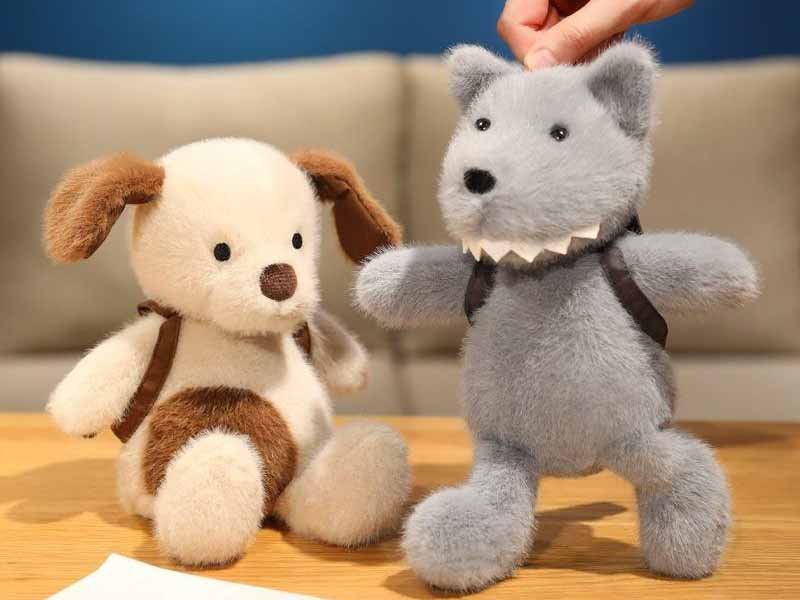
The plush toy industry is going through one of the biggest emotional and visual changes it has ever seen. Ten years ago, most companies believed “cute” meant smiling faces, bright colors, perfect symmetry, and cartoon-style animals designed mainly for children. That formula dominated shopping malls, supermarket toy aisles, and traditional retail stores for decades. But today, the definition of cute looks completely different.
Modern consumers are emotionally driven. They are not only purchasing plush toys because something looks adorable. They are purchasing because a plush character feels comforting, funny, emotionally relatable, sleepy, awkward, soft, or even emotionally damaged in a strangely lovable way. The emotional reaction now matters more than perfect appearance.
A large part of the market growth is being driven by teenagers and adults rather than small children. Plush toys are now used as:
- Emotional comfort products
- Room decoration
- Social media content
- Travel companions
- Sleep support products
- Stress relief items
- Collectibles
- Lifestyle accessories
Plush companies today think “cute” means creating emotional attachment. The most successful plush toys are often simple, imperfect, expressive, and easy to remember. Products that create emotional reactions usually perform better online than products that only look visually polished.
Recent plush market behavior clearly shows the direction of the industry:
| Plush Trend | Consumer Response |
|---|---|
| Ugly Cute Plush | Extremely high social sharing |
| Sad Plush Faces | Strong emotional connection |
| Minimalist Plush | Popular with Gen Z |
| Meme Plush | Viral potential on TikTok |
| Food Plush | Strong impulse purchases |
| Emotional Support Plush | Fast-growing adult market |
Social media platforms have accelerated these trends dramatically. Products that look slightly strange or emotionally expressive often spread faster because people remember them more easily. A perfectly designed plush toy may look nice, but a weird plush toy creates conversation.
One Delsney client from North America experienced this shift directly. Their original product line focused on traditional smiling animal plush toys. Sales remained stable but growth was slow. Later, they developed a sleepy avocado plush with droopy eyes and a tired facial expression. At first, the design looked too simple to compete with highly detailed products. However, after improving the fabric softness, embroidery emotion, and body proportions through multiple sampling rounds, the product suddenly gained attention online.
Within five months:
- TikTok videos reached over 8 million views
- Average monthly sales increased by 340%
- Repeat customer orders doubled
- Wholesale inquiries increased significantly
- The plush became the company’s most shared product online
The success was not caused by complexity.
It was caused by emotional relatability.
That is exactly how modern plush companies now define cute.
What Is Cute in Plush?
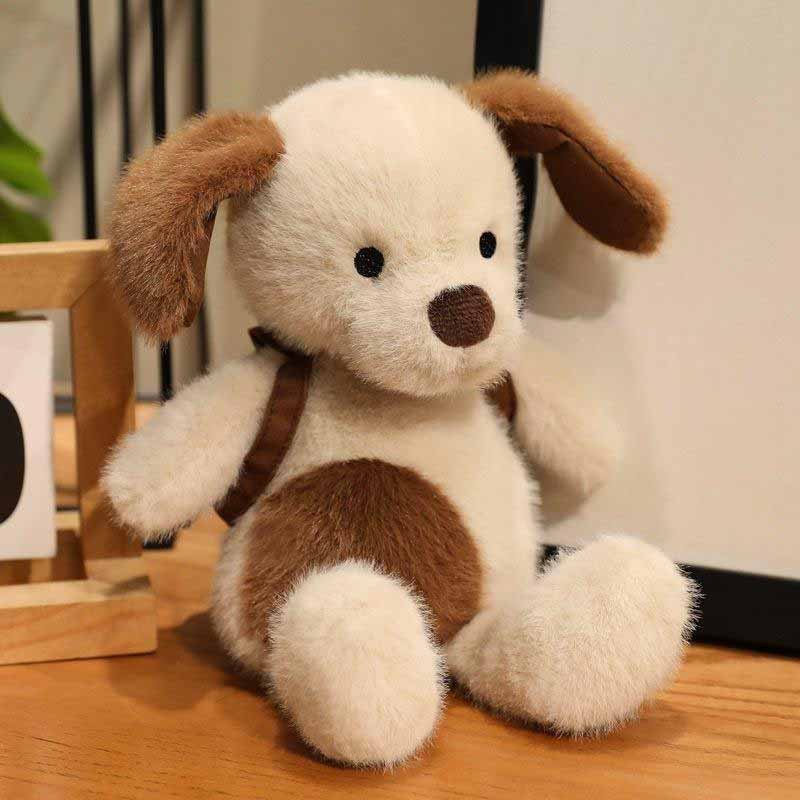
Modern plush companies define cute through emotional connection, softness, simplicity, and personality rather than perfect cartoon design. Plush toys that feel comforting, funny, awkward, sleepy, or emotionally relatable often create stronger customer attachment and better online engagement.
Cute vs Weird
One of the biggest changes in the plush industry is the rise of “weird cute” aesthetics.
Years ago, manufacturers tried to make plush toys look perfect:
- Big sparkling eyes
- Wide smiles
- Bright cheerful colors
- Smooth body proportions
Now many of the most successful products intentionally break those rules.
Modern consumers increasingly prefer plush characters that feel:
- Awkward
- Sleepy
- Emotionally tired
- Slightly confused
- Imperfect
- Funny-looking
Why?
Because emotionally imperfect designs feel more human.
Many younger consumers are surrounded by polished digital content every day. Perfect products often feel generic and forgettable. Slightly weird plush toys create stronger emotional memory because they feel unique.
The “ugly cute” trend has become especially powerful on:
- TikTok
- Etsy
- YouTube Shorts
Consumers often share weird plush toys because:
- They are funny
- They feel emotionally relatable
- They stand out visually
- They create conversation
The strongest ugly cute plush toys usually balance:
- Simplicity
- Softness
- Emotional expression
- Humor
- Distinctive shape language
The goal is not making something ugly.
The goal is creating emotional personality.
Many successful plush brands now intentionally design:
- Tiny eyes
- Uneven faces
- Oversized heads
- Round potato-like bodies
- Emotionless expressions
- Sad facial embroidery
These products often outperform traditional “perfect cute” designs because they trigger stronger emotional reactions.
Soft Faces
Facial expression is one of the most important emotional triggers in plush design.
A plush face only uses a few small elements:
- Eye shape
- Mouth shape
- Eyebrow angle
- Embroidery spacing
Yet small changes can dramatically affect emotional response.
For example:
| Face Style | Emotional Feeling |
|---|---|
| Tiny Dot Eyes | Calm and soft |
| Droopy Eyes | Tired and relatable |
| Closed Eyes | Peaceful and sleepy |
| Small Smile | Comforting |
| Neutral Face | Emotionally safe |
| Uneven Eyes | Funny and memorable |
Modern plush companies increasingly avoid overly aggressive facial expressions.
Consumers now prefer designs that feel:
- Relaxing
- Gentle
- Safe
- Calm
- Emotionally comforting
This is especially true for adult plush consumers.
Many adults purchase plush toys to reduce:
- Stress
- Anxiety
- Loneliness
- Emotional fatigue
As a result, facial design has become closely connected to emotional psychology.
At Delsney, many custom plush projects spend significant development time adjusting:
- Embroidery angle
- Eye positioning
- Mouth size
- Facial symmetry
- Head proportion
Sometimes changing the eye spacing by only a few millimeters can completely change how emotionally appealing the product feels.
That level of emotional precision matters in modern plush markets.
Tiny Eyes
Large sparkling eyes used to dominate plush toy design.
Today, tiny eyes are becoming one of the strongest trends in modern plush aesthetics.
Why are tiny eyes becoming so popular?
Because they create emotional softness.
Large eyes often feel:
- Energetic
- Loud
- Cartoonish
- Child-focused
Tiny eyes feel:
- Quiet
- Relaxed
- Emotionally subtle
- Modern
- Minimalist
This shift reflects larger consumer behavior trends.
Modern plush consumers increasingly prefer products that match:
- Calm bedroom aesthetics
- Minimalist room decoration
- Soft emotional environments
- Neutral lifestyle branding
Tiny-eye plush designs also photograph extremely well online because:
- They appear cleaner visually
- They feel more premium
- They match minimalist social media aesthetics
Many viral plush products now intentionally use:
- Tiny embroidered eyes
- Small black dots
- Minimal facial details
- Low-contrast embroidery
This simplicity improves visual memorability.
The plush becomes easier to recognize instantly.
Some of the highest-performing plush categories using tiny-eye design include:
- Food plush
- Emotional support plush
- Potato plush
- Bread plush
- Blob plush
- Minimal animal plush
At Delsney, many younger startup brands specifically request:
- Tiny-eye embroidery
- Emotionless faces
- Soft rounded proportions
- Neutral facial design
because these styles currently perform strongly on TikTok and Instagram markets.
Warm Colors
Color psychology strongly affects plush appeal.
Modern plush companies increasingly move away from highly saturated rainbow colors and instead focus on softer emotional palettes.
Consumers now strongly prefer:
- Beige
- Cream
- Soft brown
- Warm gray
- Muted green
- Dusty pink
- Milk tea colors
These color systems create feelings of:
- Calmness
- Warmth
- Relaxation
- Emotional safety
- Lifestyle compatibility
The rise of aesthetic room culture has heavily influenced this trend.
Many consumers now buy plush toys that visually match:
- Bedroom decoration
- Desk setup aesthetics
- Sofa environments
- Lifestyle photography
- Social media feeds
Warm neutral colors also feel more premium.
The table below shows how color affects emotional perception:
| Color Direction | Emotional Effect |
|---|---|
| Cream Beige | Warm and calming |
| Soft Brown | Comforting |
| Muted Green | Relaxed and natural |
| Dusty Pink | Gentle and emotional |
| Warm Gray | Minimalist and modern |
| Off White | Soft luxury feeling |
Many premium plush brands now build entire product lines around cohesive color systems rather than random bright palettes.
This improves:
- Brand consistency
- Social media presentation
- Product photography quality
- Cross-selling opportunities
Color is no longer just decoration.
It has become part of emotional branding.
Simple Shapes
Modern plush trends increasingly favor simple silhouettes over highly complicated structures.
Years ago, many plush products focused on:
- Detailed accessories
- Complex embroidery
- Layered construction
- Heavy decorative elements
Now many of the most successful plush toys use:
- Round bodies
- Simple curves
- Minimal details
- Soft proportions
Why?
Because simplicity improves emotional readability.
Consumers emotionally process simple shapes faster.
Simple plush designs also:
- Feel softer
- Look cleaner online
- Photograph better
- Reduce visual stress
- Improve memorability
Rounded shapes are especially powerful psychologically because humans naturally associate curves with:
- Safety
- Softness
- Comfort
- Warmth
This is why potato-shaped plush, blob plush, and rounded animal plush continue growing rapidly.
Simple structures also improve manufacturing consistency.
At Delsney, simpler body structures often help:
- Improve sewing accuracy
- Increase softness
- Reduce seam stress
- Improve shape stability
- Shorten production time
Simple does not mean low quality.
In modern plush markets, simplicity often requires more emotional design precision because every detail becomes more noticeable.
The strongest plush products today are often the simplest visually — but the most emotionally intelligent underneath.
Why Weird Plush Wins

Weird plush toys win because they feel more memorable, emotional, and shareable than perfect-looking toys. Modern customers often connect with plush designs that look sleepy, awkward, sad, silly, or slightly strange because those characters feel more human and more personal. In online markets, a plush toy that makes people react usually spreads faster than one that only looks pretty.
Ugly Cute
Ugly cute plush is not really ugly. It is cute in a less polished, more emotional way.
A classic cute plush may have a perfect smile, round eyes, and a balanced body. An ugly cute plush may have tiny eyes, a flat expression, short arms, a strange body shape, or a face that looks mildly annoyed. That small imperfection is exactly what makes it feel alive.
Customers often describe ugly cute plush toys with words such as:
- “relatable”
- “funny”
- “comforting”
- “weird but adorable”
- “looks like me after work”
- “I need it for emotional support”
For plush brands, this matters because emotional language often leads to stronger online sharing. People do not only buy the product; they talk about it. A weird little character can become a joke between friends, a desk companion, a stress toy, or a gift that says something more personal than a standard teddy bear.
| Ugly Cute Element | Why It Works |
|---|---|
| Tiny eyes | Feels quiet and harmless |
| Tired face | Feels emotionally relatable |
| Odd body shape | Easy to remember |
| Short limbs | Creates playful imbalance |
| Simple mouth | Leaves room for imagination |
| Soft round body | Makes the weirdness feel safe |
The key is balance. If a plush is too strange, it may feel uncomfortable. If it is too polished, it becomes forgettable. The best ugly cute plush toys sit in the middle: strange enough to stand out, soft enough to love.
For custom plush projects, factories must control this balance carefully through face embroidery, body shape, fabric texture, and sample revisions. A two-millimeter change in eye placement can turn “adorably awkward” into “unsettling.” That is why experienced plush sampling matters.
Meme Plush
Meme plush toys grow fast because they turn internet humor into something people can hold.
A meme plush usually starts with one strong emotional hook. It may be a funny food character, a tired office animal, a sad frog, a screaming vegetable, or a blob with no clear identity. The design does not need to explain too much. It only needs to make people react quickly.
Online users share meme plush toys because they are easy to caption. A plush with a blank face can represent Monday morning. A crying dumpling can represent exam stress. A tired cat can represent working overtime. The simpler the design, the easier it is for customers to attach their own story.
Strong meme plush designs often include:
- A clear facial mood
- A simple shape
- A funny product name
- A strong first photo
- A size suitable for desks, beds, or gifting
- A design that works in short videos
Meme plush toys are especially powerful for TikTok, Instagram Reels, and short-form product videos because customers understand the joke within seconds.
| Meme Plush Type | Common Emotion | Good Market Fit |
|---|---|---|
| Sad food plush | Stress, humor | Students, office workers |
| Angry animal plush | Funny frustration | Gift shops, online stores |
| Sleepy blob plush | Tired comfort | Gen Z lifestyle brands |
| Screaming plush | Comedy shock | Social media drops |
| Deadpan plush | Dry humor | Collectors, desk decor |
For brands, meme plush can be risky if the design depends too much on a short-lived internet joke. The stronger approach is to build around a broad feeling rather than a temporary trend. Stress, tiredness, awkwardness, hunger, loneliness, comfort, and laziness are not short trends. They are human feelings.
Delsney can help brands convert rough meme ideas into production-ready plush products by adjusting the character’s shape, embroidery, fabric feel, and expression until it becomes both funny and manufacturable.
Sad Plush
Sad plush toys are growing because they give customers a soft way to express feelings they may not want to explain directly.
A sad plush does not need to look dramatic. In fact, the best sad plush designs are usually quiet. Small downturned eyes, a tiny mouth, droopy posture, or a slumped body can create enough emotion without making the product feel heavy.
Consumers are drawn to sad plush because it feels honest. Many people experience stress from work, school, relationships, loneliness, or daily pressure. A cheerful toy may feel disconnected from that mood. A sad-looking plush can feel more understanding.
This is why emotional plush products are often purchased by:
- College students
- Young office workers
- Gift shoppers
- Collectors
- People seeking comfort items
- Fans of cozy room decor
- Lifestyle content creators
Sad plush also works well as a gift. It can communicate care in a playful way: “I know life is hard, here is a tiny sad friend.”
Designing sad plush requires careful control. If the face looks too miserable, customers may feel uncomfortable. If it looks too neutral, the emotion becomes weak. The ideal sad plush usually feels gentle, soft, and slightly humorous.
Important design points include:
- Low facial contrast
- Small embroidery details
- Rounded body structure
- Soft-touch fabric
- Slightly droopy posture
- Calm, warm colors
Sad plush products are not only about sadness. They are really about comfort. The product gives customers permission to feel tired while still feeling cared for.
For custom brands, sad plush can become a strong product line when supported by names, packaging, and storytelling. A “tired bread,” “lonely mushroom,” or “sleepy seal” can feel more memorable than a generic animal plush.
Viral Plush
A viral plush usually has one instantly understandable idea.
It does not need to be complicated. In fact, complicated designs often perform worse online because users scroll quickly. A viral plush must be clear within one or two seconds.
The strongest viral plush toys often have:
- A distinct shape
- One strong emotion
- A funny name
- A soft texture visible in photos
- A face people want to screenshot
- A size that works for hugging or desk display
- A design that can be used in videos
Online platforms reward emotional reaction. People share plush toys when they make them say:
- “That is so me”
- “Why do I need this?”
- “It looks like my friend”
- “I want to squeeze it”
- “This is weirdly cute”
- “I need ten of them”
For eCommerce brands, viral potential is closely connected to product photography and video performance. A plush may look cute in person but fail online if the shape is unclear, the color is flat, or the face is too small to read in a thumbnail.
| Viral Factor | Why It Helps |
|---|---|
| Clear silhouette | Recognizable in small images |
| Strong expression | Triggers instant reaction |
| Soft fabric | Makes viewers imagine touch |
| Funny theme | Encourages sharing |
| Simple color | Improves visual clarity |
| Good size range | Supports gifting and collecting |
A viral plush also needs production consistency. Once a design becomes popular, customers expect each piece to look close to the sample photo. If face placement, body shape, or fabric color changes too much between batches, reviews can suffer quickly.
That is why brands need a factory that can control pattern accuracy, embroidery positioning, cutting consistency, stuffing balance, and final inspection. Viral demand is exciting, but poor production control can turn success into complaints very fast.
Human Feelings
The biggest reason weird plush wins is simple: it reflects human feelings.
Modern cute design is less about looking perfect and more about feeling understood. People connect with plush characters that seem tired, shy, nervous, lazy, confused, hungry, or quietly happy because those emotions feel familiar.
A plush toy becomes more powerful when customers see part of themselves in it.
That is why emotional plush often uses:
- Low-energy faces
- Relaxed body shapes
- Soft rounded forms
- Minimal expressions
- Warm textures
- Gentle color palettes
These choices make the product feel safe. It does not demand attention. It simply exists with the customer.
For brands, human feeling creates stronger long-term value than surface decoration. A decorated plush may look attractive once, but an emotionally meaningful plush can become part of a customer’s daily life. It may sit on a bed, desk, sofa, car seat, or travel bag for months or years.
Human-feeling plush products also support stronger collections. Once customers connect with one emotional character, they often want more characters in the same world:
- sleepy one
- angry one
- shy one
- hungry one
- sad one
- proud one
- confused one
This helps brands build series, repeat purchases, and collectible value.
For Delsney clients, emotional design can be developed from sketches, photos, IP characters, mascot ideas, or rough descriptions. The goal is to turn a flat concept into a plush character that feels alive through fabric, shape, expression, and touch.
How Plush Gets Designed

Cute plush design starts with emotion, then turns that feeling into shape, face, texture, size, and fabric. A successful plush toy is not only drawn well; it must also work in real materials, stay soft after stuffing, match the original design closely, and feel good when held.
Plush Faces
The face is usually the first detail customers notice.
A plush face can completely change the product’s personality. The same body shape can feel happy, sleepy, annoyed, shy, or comforting simply by changing eye size, mouth angle, or embroidery spacing.
In plush manufacturing, facial design is more technical than many new brands expect. A face that looks perfect in a digital illustration may not work well after being embroidered onto fabric. Fabric stretches, stuffing changes surface tension, and curved shapes can distort facial placement.
Key face design decisions include:
- Eye size
- Eye distance
- Mouth shape
- Eyebrow angle
- Blush placement
- Embroidery thickness
- Thread color
- Face position on the head
| Face Detail | Design Effect |
|---|---|
| Wide eye spacing | Softer, younger feeling |
| Close eye spacing | Funny or intense feeling |
| Tiny mouth | Gentle and quiet |
| Downturned mouth | Sad or tired mood |
| Closed eyes | Sleepy and calm |
| Blush marks | Warm and friendly |
For high-quality custom plush, the face usually needs several sample adjustments. Brands should not judge only the first prototype. Small changes can make a large difference in emotional appeal.
Delsney supports face refinement through embroidery tests, sample adjustments, and 3-view design support, helping brands make plush faces closer to the intended mood.
Plush Shapes
Shape is the backbone of plush cuteness.
Before customers notice details, they notice silhouette. A strong silhouette makes a plush recognizable even from a distance or in a small online image.
Modern cute plush often uses simple, rounded shapes because curves feel safe and soft. Round bodies, short limbs, oversized heads, and compact forms usually create stronger comfort appeal.
Common cute shape strategies include:
- Round body
- Short arms
- Small legs
- Large head
- Low center of gravity
- Squishy proportions
- Soft corners
A plush shape must also work physically. Some ideas look cute as drawings but become unstable after stuffing. Very thin arms may twist. Long necks may collapse. Flat bodies may lose softness. Oversized heads may require internal structure or careful stuffing balance.
| Shape Choice | Customer Feeling |
|---|---|
| Round body | Soft and huggable |
| Short limbs | Funny and harmless |
| Oversized head | Childlike and cute |
| Flat blob shape | Cozy and relaxed |
| Tall narrow body | Quirky and memorable |
| Chubby base | Stable and comforting |
Shape also affects cost. More complex patterns require more sewing steps, more labor, more inspection time, and higher defect control. Simple does not always mean cheap, but it often improves consistency.
For brands developing custom plush, shape should be decided with both market appeal and production feasibility in mind. Delsney helps convert sketches and reference images into workable plush patterns that balance cuteness, softness, and production stability.
Plush Textures
Texture is where customers feel quality.
A plush toy may look cute in photos, but touch determines whether people truly love it. Softness, pile length, stretch, thickness, and fabric direction all affect how premium the plush feels in hand.
Common plush textures include:
- Short plush
- Minky fabric
- Sherpa
- Faux fur
- Velboa
- Fleece
- Super-soft crystal plush
- Stretch plush
Different textures create different emotions.
| Texture Type | Feeling |
|---|---|
| Short plush | Clean and neat |
| Minky | Baby-soft and smooth |
| Sherpa | Cozy and warm |
| Faux fur | Premium and realistic |
| Velboa | Simple and stable |
| Fleece | Casual and comforting |
Texture also affects the final shape. Long-pile fabric can hide small embroidery details. Stretch fabric can change body proportions. Very thick fabric may make small plush toys look bulky. Very thin fabric may reduce premium feeling.
For ugly cute plush, soft texture is especially important because it makes strange shapes feel lovable rather than awkward. A weird face on low-quality fabric may feel cheap. The same face on rich, soft fabric can feel charming.
Delsney can customize fabric choices based on product positioning, target price, safety requirements, and desired hand feel. This is valuable for brands that want plush toys to look good online and feel good when customers receive them.
Plush Details
Small details often decide whether a plush looks average or premium.
Details include:
- Embroidery quality
- Seam position
- Ear shape
- Tag design
- Accessories
- Fabric direction
- Stuffing density
- Color matching
- Logo placement
Customers may not always describe these details clearly, but they feel them. A crooked mouth, uneven eyes, poor seam placement, or lumpy stuffing can make the entire plush feel lower quality.
Premium plush development pays attention to invisible details too. For example, the stuffing must be balanced so the toy feels soft but not collapsed. Seams must be strong without making the body stiff. Accessories must look cute without creating safety or compliance risks.
| Detail Area | What Brands Should Check |
|---|---|
| Embroidery | Clean edges, correct placement |
| Seams | Strong, neat, hidden when possible |
| Stuffing | Even hand feel, no lumps |
| Accessories | Secure, safe, proportional |
| Color | Batch consistency |
| Labels | Correct logo and legal information |
For children’s plush, details must also meet safety expectations in target markets. Small parts, loose decorations, sharp edges, and weak attachments can create risk.
For adult collectible plush, visual accuracy matters more. Fans often compare the final plush with original artwork closely.
Delsney’s role is to help brands manage both appearance and manufacturing details so the final product feels polished, safe, and close to the design concept.
Plush Emotions
The strongest plush designs are built around emotion.
Before choosing fabric or pattern, brands should ask: what should the customer feel when seeing this plush?
Possible emotional directions include:
- comfort
- humor
- nostalgia
- calmness
- sadness
- laziness
- confidence
- weird joy
- cuteness
- companionship
Each emotion needs different design choices.
| Emotion | Design Direction |
|---|---|
| Comfort | Soft colors, round body, gentle face |
| Humor | Odd shape, funny face, bold name |
| Sadness | Droopy eyes, small mouth, soft posture |
| Energy | Bright colors, active pose |
| Luxury | Premium fabric, subtle logo, clean shape |
| Nostalgia | Classic animal shape, warm tones |
Many brands make the mistake of starting with decoration instead of emotion. They add bows, hats, prints, or accessories before defining the character’s feeling. This can make the plush visually busy but emotionally weak.
A better approach is to build a clear emotional core first, then add only the details that support it.
For example:
- A sleepy plush may need closed eyes and soft fabric, not bright accessories.
- A meme plush may need a blank face and funny name, not complex clothing.
- A premium mascot plush may need clean embroidery and exact color matching, not excessive decoration.
Delsney helps brands turn emotional ideas into physical plush products through design discussion, material selection, pattern making, fast sampling, and sample revision. This matters because cute is not only what customers see. Cute is what they feel.
Which Plush Sells Best?

The best-selling plush toys usually combine soft touch, clear character emotion, simple visual memory, and strong gift value. Kawaii plush, food plush, animal plush, comfort plush, and trend plush often perform well because they are easy to understand, easy to photograph, and easy for customers to emotionally connect with.
Kawaii Plush
Kawaii plush remains one of the strongest selling directions because it gives customers a feeling of softness, safety, and light happiness. It is not only a Japanese-style design anymore. Kawaii aesthetics have become global through anime culture, social media, gaming communities, collectible toys, and lifestyle brands.
Strong kawaii plush usually has:
- Rounded body shape
- Soft color palette
- Simple facial expression
- Small mouth
- Gentle eyes
- Smooth fabric texture
- Balanced proportions
- Clean embroidery
Kawaii plush works especially well for brands targeting:
| Customer Group | Why Kawaii Plush Works |
|---|---|
| Teenagers | Cute, collectible, easy to share |
| Young adults | Fits desk, bedroom, and lifestyle decor |
| Gift shoppers | Safe and emotional gift choice |
| Anime fans | Strong culture connection |
| Boutique stores | Easy visual merchandising |
The main mistake many brands make is over-designing kawaii plush. Too many colors, accessories, facial details, or prints can make the plush feel noisy. The best kawaii plush often looks simple at first glance, but the details are carefully controlled.
For custom plush development, kawaii design requires accurate pattern cutting, clean embroidery, smooth stuffing, and fabric softness. If the face is slightly off, the whole product may lose charm. Delsney can help brands refine kawaii plush through sample adjustment, 3-view design support, and material matching.
Food Plush
Food plush has become a powerful product category because it mixes humor, comfort, and daily familiarity. People already have emotional connections with food, so turning food into soft characters creates instant recognition.
Popular food plush ideas include:
- Bread plush
- Potato plush
- Avocado plush
- Strawberry plush
- Dumpling plush
- Mushroom plush
- Bubble tea plush
- Croissant plush
- Sushi plush
- Pancake plush
Food plush sells well because the concept is easy to understand in one second. A sleepy bread, angry dumpling, or shy mushroom does not need long explanation. Customers immediately know what it is and can attach emotion to it.
| Food Plush Type | Strong Selling Point |
|---|---|
| Bread Plush | Soft, warm, cozy feeling |
| Fruit Plush | Bright and giftable |
| Dumpling Plush | Funny and culturally familiar |
| Mushroom Plush | Cottagecore and fantasy style |
| Bubble Tea Plush | Youth culture and social trend |
| Potato Plush | Ugly cute and relatable |
Food plush also performs well in social media videos because it feels playful. Customers like using food plush for desk decoration, bedroom styling, joke gifts, and emotional comfort.
For brands, food plush is a good entry category because it can be developed into collections. A bakery plush series, fruit plush series, or snack plush series gives customers reasons to buy more than one product.
Delsney can support food plush projects from artwork, photos, rough sketches, or reference samples. The key is making the product soft and recognizable while keeping the expression memorable.
Animal Plush
Animal plush remains the foundation of the plush toy market. Even with all the new trends, animals still sell because they feel familiar, safe, and emotionally universal.
The difference is that modern animal plush is no longer limited to bears, rabbits, dogs, and cats. Many brands are expanding into more specific and personality-driven animals.
Current strong animal plush directions include:
- Capybara plush
- Axolotl plush
- Frog plush
- Duck plush
- Shark plush
- Goose plush
- Highland cow plush
- Red panda plush
- Penguin plush
- Seal plush
These animals often perform well because they already have strong internet culture or emotional appeal.
| Animal Type | Why Customers Like It |
|---|---|
| Capybara | Calm, chill, social media friendly |
| Frog | Funny, nostalgic, cottagecore |
| Axolotl | Strange, cute, collectible |
| Seal | Soft shape and sleepy feeling |
| Highland Cow | Fluffy texture and warm character |
| Shark | Playful contrast between fierce and cute |
Animal plush can target many markets, including children’s gifts, museum shops, zoo merchandise, aquarium products, tourism souvenirs, IP merchandise, and retail plush collections.
For custom animal plush, realism is not always the goal. Many successful animal plush toys simplify real animal features into softer, more emotional shapes. A capybara plush does not need perfect anatomy. It needs the calm, gentle feeling people associate with capybaras.
Delsney can help brands adjust animal proportions, fabric selection, embroidery style, and stuffing density to create plush animals that are cute, safe, and suitable for mass production.
Comfort Plush
Comfort plush has become one of the most important categories in recent years because many customers now buy plush toys for emotional support, not just decoration or gifting.
Comfort plush is especially popular among:
- Students
- Office workers
- Adults under stress
- People living alone
- Long-distance relationship couples
- Collectors
- Sleep product customers
- Wellness lifestyle brands
Comfort plush usually focuses on touch and emotional calm. It does not need complex design. In fact, simple products often work better because they feel less stimulating.
Strong comfort plush often includes:
- Extra soft fabric
- Rounded body shape
- Gentle expression
- Warm color tones
- Huggable size
- Balanced stuffing
- Smooth seams
- Calm character identity
| Comfort Feature | Customer Feeling |
|---|---|
| Large size | Strong hugging comfort |
| Soft filling | Relaxed hand feel |
| Closed eyes | Sleepy and peaceful |
| Warm color | Emotional safety |
| Heavy bottom | Stable and secure |
| Smooth fabric | Skin-friendly comfort |
Some brands also develop comfort plush as weighted plush, pillow plush, sleep plush, or emotional companion plush. These products can carry higher retail value because customers buy them for deeper emotional reasons.
For custom comfort plush, the touch must match the promise. If the fabric is not soft enough or the stuffing feels uneven, customers may feel disappointed immediately after receiving the product.
Delsney helps brands choose suitable fabrics, filling density, size range, and sewing structure so comfort plush products feel pleasant in real use, not only in photos.
Trend Plush
Trend plush sells quickly because it connects with what consumers are already talking about online. These products often rise through TikTok, Instagram, anime communities, gaming culture, seasonal events, or viral memes.
Common trend plush directions include:
- Mushroom plush
- Capybara plush
- Blob plush
- Sad plush
- Emotional support plush
- Frog plush
- Food character plush
- Mini bag charm plush
- Plush keychains
- Blind box plush
Trend plush can bring fast sales, but it also comes with risk. Some trends disappear quickly. Brands that rely only on short-lived topics may face overstock problems.
A stronger strategy is to combine trend awareness with long-term emotional value.
For example:
| Short Trend | Stronger Long-Term Angle |
|---|---|
| Viral frog plush | Cottagecore animal collection |
| Sad potato plush | Emotional food plush series |
| Capybara plush | Calm lifestyle plush line |
| Mini plush charm | Collectible accessory system |
| Mushroom plush | Nature fantasy collection |
Trend plush works best when brands can move quickly. Sampling speed, design adjustment, and production response matter a lot.
Delsney supports 5–7 day fast sampling for many custom plush projects, helping brands test product ideas while the market is still active. This is especially valuable for online sellers and private label brands that need to launch before trends become saturated.
Why Brands Need Custom Plush

Custom plush helps brands move away from generic products and create toys with stronger identity, higher emotional value, and better market fit. Instead of selling the same plush styles as every other store, brands can build original characters, private label collections, licensed merchandise, mascot products, and limited-edition plush lines that customers remember and want to collect.
OEM Plush
OEM plush production is useful when a brand already has a clear design and needs a professional factory to turn that design into a physical product. The brand may already have artwork, a mascot, a character, a tech pack, a sample, or a reference toy. The factory’s role is to make the product accurately, safely, and consistently.
For many plush brands, OEM production is the best choice when they already know:
- The character shape
- The target size
- The fabric direction
- The embroidery style
- The logo position
- The packaging idea
- The target market
- The retail price range
The challenge is that drawings and real plush products are not the same. A character may look perfect on screen but become too flat, too stiff, too bulky, or too difficult to sew after pattern development. That is why OEM plush production still needs professional adjustment.
A strong OEM plush factory should help brands review:
| OEM Plush Area | Why It Matters |
|---|---|
| Pattern Accuracy | Keeps the plush close to the original design |
| Fabric Choice | Controls softness, texture, and cost |
| Embroidery Details | Affects facial emotion and product quality |
| Stuffing Density | Changes hand feel and body shape |
| Seam Structure | Improves durability and appearance |
| Safety Compliance | Supports retail and export requirements |
| Packaging | Improves product value and presentation |
For high-end projects, OEM plush is not only about copying artwork. It is about translating the artwork into a real product customers can hug, photograph, collect, and trust.
Delsney supports OEM plush projects for brands that need design accuracy, reliable sampling, consistent bulk production, and export-ready quality control. Clients can provide technical files, character references, product samples, or concept images, and Delsney can help turn them into production-ready plush toys.
Low MOQ
Low MOQ is extremely important for modern plush brands because the market moves fast. Not every company wants to order thousands of pieces before testing customer response.
Many new plush ideas come from:
- TikTok trends
- Fan communities
- IP launches
- Seasonal campaigns
- Small brand drops
- Kickstarter projects
- Anime events
- Museum or zoo gift shops
- Boutique retail collections
For these projects, ordering too much inventory too early can create pressure. If the product does not sell as expected, the brand may face storage cost, cash flow stress, and discounting problems.
Flexible MOQ helps brands test the market more safely.
Low MOQ is especially valuable for:
| Brand Type | Why Low MOQ Helps |
|---|---|
| Startup Plush Brands | Reduces first-order risk |
| Online Sellers | Tests new designs before scaling |
| IP Owners | Launches small character collections |
| Retail Boutiques | Matches limited shelf space |
| Event Brands | Produces short-run merchandise |
| Crowdfunding Projects | Supports controlled first batches |
| Influencer Brands | Tests fan response quickly |
Low MOQ does not mean low quality. For serious brands, small-batch production still needs clean sewing, accurate embroidery, safe materials, and stable finishing. Customers do not care whether a product came from a small order or a large order. They only care whether the plush feels good and looks right.
Delsney’s flexible MOQ support allows clients to test custom plush designs with less pressure while still receiving professional development support. For brands planning multiple plush characters, small initial runs can also help identify which design deserves larger bulk production later.
Fast Samples
Fast sampling can decide whether a plush brand catches a trend or misses it.
Plush trends can rise quickly. A character style, meme, animal, food shape, or emotional expression may become popular within weeks. If product development takes too long, the market may become crowded before the brand launches.
That is why fast sampling matters.
A good plush sample helps brands check:
- Shape accuracy
- Fabric softness
- Color matching
- Face embroidery
- Size proportion
- Stuffing balance
- Label placement
- Packaging fit
- Cost feasibility
The first sample is rarely perfect. In professional plush development, revision is normal. The purpose of sampling is to discover what needs improvement before mass production.
Common sample adjustments include:
| Sample Issue | Common Fix |
|---|---|
| Face feels wrong | Adjust embroidery size or position |
| Body looks flat | Change pattern curve or stuffing |
| Plush feels too hard | Adjust filling density |
| Color is too bright | Re-match fabric or dye tone |
| Arms look uneven | Correct pattern and sewing points |
| Product feels cheap | Upgrade fabric or finishing |
| Shape collapses | Add structure or change material |
For brands, sample speed is not only about saving time. It also improves decision-making. When a team can see and touch the plush earlier, they can make better choices about size, material, expression, packaging, and price.
Delsney supports 5–7 day fast sampling for many custom plush projects, depending on design complexity and material availability. This helps clients move from idea to real sample quickly, which is especially useful for online brands, event merchandise, seasonal launches, and fast-moving trend products.
Private Label
Private label plush is a strong choice for brands that want to build their own product line without starting from zero. Instead of selling generic factory styles, brands can customize plush products with their own logo, packaging, colors, labels, hangtags, and design direction.
Private label plush is popular among:
- Amazon sellers
- Shopify brands
- Gift brands
- Toy retailers
- Lifestyle stores
- Pet brands
- Baby product brands
- Museum shops
- Influencer brands
- Subscription box companies
The value of private label plush is not only the logo. It gives the product a clear identity.
A private label plush line can include:
| Private Label Element | Brand Benefit |
|---|---|
| Custom Logo | Builds recognition |
| Woven Label | Adds professional detail |
| Hangtag | Tells product story |
| Custom Packaging | Improves gift value |
| Color System | Creates collection identity |
| Character Names | Builds emotional connection |
| Care Label | Supports compliance and use |
| Product Insert | Adds brand message |
Many small plush businesses make the mistake of thinking private label only means adding a logo. In reality, the strongest private label products feel fully planned from the first touch to the final unboxing experience.
Packaging is especially important. A plush toy in a plain polybag may feel cheap, even if the product itself is well made. A plush toy with a custom hangtag, soft branded pouch, printed box, or story card can feel much more valuable.
Delsney supports private label plush development for brands that want to create stronger presentation, better customer experience, and more professional retail products. Clients can customize logos, labels, packaging, fabric colors, product sizes, and character details according to their market positioning.
Premium Plush
Premium plush is not defined by price alone. It is defined by the feeling customers get when they hold the product.
A premium plush should feel:
- Softer
- Cleaner
- More accurate
- More durable
- More emotionally appealing
- More carefully finished
Customers may not always know the technical reasons, but they can sense quality quickly. Uneven stuffing, rough fabric, weak embroidery, loose seams, and poor shape control all reduce perceived value.
Premium plush requires better control in several areas:
| Premium Area | What Customers Notice |
|---|---|
| Fabric Hand Feel | Softness and comfort |
| Embroidery | Clean face details |
| Stuffing | Smooth and balanced shape |
| Pattern Design | Accurate character structure |
| Seam Quality | Clean and durable finish |
| Color Matching | Professional appearance |
| Packaging | Higher gift value |
Premium plush is especially important for high-value markets such as:
- Licensed IP merchandise
- High-end gift products
- Collectible plush
- Baby-safe plush
- Museum plush
- Brand mascots
- Luxury lifestyle plush
- Emotional support plush
These customers often compare products carefully. They are willing to pay more, but they expect the product to justify the price.
For brands, premium plush also improves long-term business performance. Higher-quality products usually support better reviews, stronger repeat purchases, lower complaint rates, and better wholesale opportunities.
Delsney helps clients develop premium plush through fabric selection, pattern refinement, accurate embroidery, sample revision, and full production inspection. For brands that want to compete above the low-price market, premium quality is not a decoration. It is the business strategy.
Why Choose Delsney Plush?
Delsney helps global brands create custom plush toys through design support, pattern making, fabric selection, fast sampling, OEM/ODM manufacturing, private label production, and strict quality control. With over 18 years of experience, Delsney is suitable for brands that need reliable plush development from idea to finished product.
Plush Factory
Choosing the right plush factory affects nearly every part of a product launch.
A weak factory may produce a plush that looks different from the design, uses poor fabric, delays samples, or creates inconsistent bulk quality. These problems do not only affect production. They affect sales, reviews, customer trust, and brand reputation.
A professional plush factory should be able to support:
- Product development
- Pattern making
- Fabric sourcing
- Sampling
- Embroidery testing
- Material matching
- Bulk sewing
- Filling control
- Inspection
- Export packaging
Delsney has more than 18 years of experience in plush product R&D, design, pattern development, manufacturing, and sales. This experience is important because plush toys require both artistic understanding and production control.
Many new clients come to Delsney with incomplete ideas. Some only have sketches, photos, character references, or competitor samples. Delsney can help review the idea, suggest suitable materials, create samples, and adjust the product until it becomes suitable for production.
A factory’s value is not only its sewing capacity. The real value is knowing how to turn a cute idea into a stable product that customers can actually buy, use, and love.
Plush Sampling
Sampling is one of the most important stages in custom plush development.
A plush sample shows whether the design works in real life. It helps brands see the actual size, shape, softness, fabric texture, facial expression, and overall feeling before placing bulk orders.
Delsney supports multiple sampling methods, including:
- Sampling from reference files
- Sampling from photos
- Sampling from physical samples
- Sampling from sketches
- Sampling from mascot designs
- Sampling from IP character artwork
Sampling helps brands avoid costly mistakes. For example, a design may look cute in artwork but become too hard to sew. A fabric may look beautiful online but feel too rough in hand. A face may look balanced on a flat drawing but become distorted on a curved plush head.
Professional sampling helps solve these problems early.
| Sampling Stage | Main Purpose |
|---|---|
| Design Review | Checks feasibility |
| Pattern Making | Builds plush structure |
| Fabric Selection | Matches touch and appearance |
| First Sample | Tests real product feel |
| Revision | Improves details |
| Pre-Production Sample | Confirms final standard |
Delsney can also support 3-view drawings and 3D visual effects for suitable projects. This helps clients better understand the plush before and during development.
For brands with high design accuracy requirements, sampling is not a quick formality. It is the stage where product value is created.
Plush Quality
Quality control is the difference between a plush product that earns repeat orders and one that creates complaints.
Plush quality includes much more than softness. A well-made plush must have clean shape, stable stitching, safe details, accurate color, balanced stuffing, and consistent facial expression.
Common quality problems in low-end plush production include:
- Crooked embroidery
- Uneven eyes
- Lumpy stuffing
- Weak seams
- Fabric shedding
- Poor color matching
- Loose accessories
- Shape deformation
- Inconsistent sizes
- Bad odor from materials
For online brands, these issues can be damaging because customers often leave detailed reviews with photos. A single visible quality issue can reduce product trust for future customers.
Delsney focuses on quality control across key production stages:
| Quality Stage | Inspection Focus |
|---|---|
| Material Check | Fabric quality, color, softness |
| Cutting Check | Pattern accuracy |
| Embroidery Check | Face position and thread quality |
| Sewing Check | Seam strength and shape |
| Filling Check | Softness and balance |
| Final Check | Appearance, labels, packaging |
For products targeting Europe and North America, safety expectations are also important. Children’s plush, baby plush, and retail plush often need careful attention to material safety, small parts, seam strength, and label information.
Delsney supports plush projects that need to meet European and American safety compliance requirements, helping clients prepare products for more demanding retail markets.
Plush Fabrics
Fabric selection is one of the most powerful ways to shape plush product value.
The same plush design can feel cheap, cute, premium, cozy, realistic, or collectible depending on the fabric used.
Delsney can customize many fabric types for plush products, including:
- Short plush
- Long plush
- Minky
- Sherpa
- Fleece
- Velboa
- Faux fur
- Crystal super-soft fabric
- Stretch plush
- Printed plush fabric
- Eco-friendly fabric options
Each fabric has different strengths.
| Fabric Type | Best For |
|---|---|
| Minky | Baby-soft plush, premium soft toys |
| Sherpa | Cozy animals, winter plush |
| Faux Fur | Realistic animals, high-end plush |
| Short Plush | Clean character plush |
| Velboa | Cost-friendly custom plush |
| Stretch Plush | Squishy shapes |
| Printed Plush | Character patterns and decorative effects |
Fabric also affects embroidery, sewing, stuffing, and product shape. Long-pile fabric may hide small facial details. Stretch fabric may require pattern compensation. Thick fabric may increase cost and change the final size.
Delsney helps clients choose fabrics based on:
- Target customer
- Product price
- Softness requirement
- Visual style
- Safety standard
- Washing needs
- Production quantity
- Character shape
Good fabric choice makes a plush more than cute. It makes the product feel worth keeping.
OEM Support
Delsney provides end-to-end OEM and ODM support for brands that want to create custom plush products under their own names.
This support can cover the full development path:
- Concept discussion
- Free design support
- Pattern making
- Fabric recommendation
- 3-view drawing
- 3D visual effect support
- Fast sampling
- Sample revision
- Logo customization
- Private label development
- Packaging customization
- Bulk production
- Quality inspection
- Export support
This matters because many plush brands do not only need a supplier. They need a development partner.
A brand may know what it wants emotionally but may not know:
- Which fabric works best
- What size is most sellable
- How to reduce production cost
- How to improve sample accuracy
- How to prepare artwork for embroidery
- How to make packaging more premium
- How to meet safety expectations
Delsney can help fill these gaps through practical factory experience.
For high-end brand projects, finished plush accuracy is especially important. Delsney’s experience in design-to-product development helps clients improve the match between artwork and finished plush. For many custom projects, close matching between the design concept and final product is a major reason customers choose an experienced factory.
Start Your Custom Plush Project with Delsney
What plush companies think is cute has changed. Cute is no longer only about big eyes and perfect smiles. Modern plush success comes from softness, emotion, personality, humor, comfort, and the ability to make customers feel something quickly.
For brands, this creates a huge opportunity.
But a good idea still needs the right factory behind it.
A sketch is not a finished plush. A viral concept is not yet a stable product. A cute character is not ready for market until the fabric, pattern, embroidery, stuffing, safety details, packaging, and bulk quality are all properly controlled.
Delsney helps global brands turn plush ideas into real products through more than 18 years of plush manufacturing experience. Whether you are developing cute animals, ugly cute characters, food plush, kawaii collections, mascot plush, emotional support plush, or licensed IP merchandise, Delsney can support the full process from design to delivery.
To start a custom plush project, clients can prepare:
| Project Information | Why It Helps |
|---|---|
| Design Artwork | Helps confirm character style |
| Reference Images | Shows desired shape and feeling |
| Target Size | Affects pattern, cost, and packing |
| Fabric Preference | Controls touch and appearance |
| Logo Files | Supports private label branding |
| Packaging Ideas | Improves retail presentation |
| Safety Market | Helps plan compliance needs |
| Quantity Plan | Supports quotation and MOQ |
| Target Price | Helps select suitable materials |
If your brand has a plush idea, character design, IP concept, mascot, sample, or rough sketch, Delsney can help turn it into a soft, lovable, production-ready plush product.
Contact Delsney today to discuss your custom plush toy project and request a professional quotation.