Skip to content
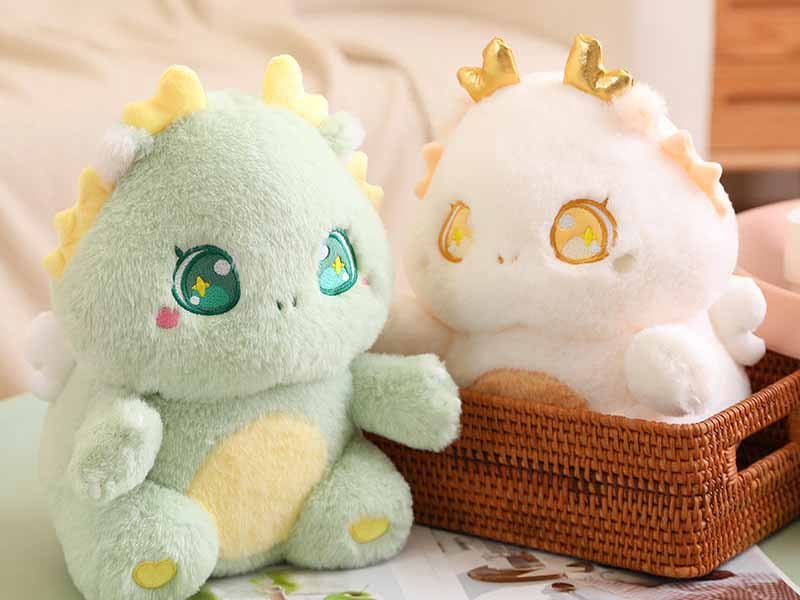
A plush toy may look simple when it sits on a shelf, but the process behind it is far more technical than most people expect. A soft bear, mascot, pet replica, cartoon character, or plush keychain needs more than fabric and stuffing. It needs a correct pattern, suitable material, stable sewing structure, safe accessories, accurate embroidery, balanced filling, clean finishing, and repeatable production control. For a creator, brand owner, game studio, gift company, school, sports club, or retailer, the real question is not only where to make a plush toy. The more important question is who can turn the design into a soft product that looks right, feels good, passes quality checks, and can be produced again with the same standard.
If you want to get a plush toy made for business, retail, events, IP merchandise, private label products, or promotional gifts, the best choice is usually a professional custom plush manufacturer. A factory can support design review, pattern making, fabric sourcing, sampling, bulk production, logo customization, packaging, quality inspection, and export delivery in one complete process.
A handmade maker can be useful for one personal gift. An online plush service may help with a simple one-off order. But when the project needs 100, 500, 3,000, or 10,000 pieces, you need production discipline. Every face should look consistent. Every seam should hold. Every color should stay close to the approved sample. Every carton should be packed correctly. Delsney helps clients move from sketch, photo, mascot, or sample into real plush production through OEM/ODM customization, free design support, flexible MOQ, 5–7 day fast sampling, three-view drawing support, 3D visual effect support, and quality-controlled bulk manufacturing.
What Does “Get a Plush Toy Made” Really Mean?

Getting a plush toy made means turning a design idea into a manufacturable soft product. The work includes design checking, pattern making, fabric selection, embroidery development, sample creation, shape correction, safety review, bulk production, finishing, packaging, and inspection before shipment.
Many first-time clients think plush production starts when fabric is cut. In reality, the most important decisions happen before cutting begins. A plush toy is a three-dimensional product. A drawing may look cute on screen, but once it becomes fabric, the head may become too heavy, the arms may be too thin, the eyes may lose expression, the fabric pile may hide small details, or the body may not sit properly. These are not small problems. They directly affect product appearance, cost, safety, and customer satisfaction.
A professional plush manufacturer studies the product from both design and production angles. The factory needs to decide how many pattern pieces are needed, which fabric gives the right touch, how much stuffing is suitable, whether embroidery or printing works better, how to keep the face expression stable, how to attach small accessories, and how to make the finished product close to the original artwork. For commercial products, the approved sample becomes the quality standard for bulk production.
For personal gifts, small differences may be acceptable. For brand projects, consistency matters. If a plush toy is sold online, photographed for marketing, used as a mascot, or delivered to retail customers, unstable shape or poor stitching can damage product reviews and brand trust. That is why the right production partner must understand repeatability, not only creativity.
Delsney supports custom plush development from early concept to finished goods. Clients can provide hand-drawn sketches, digital artwork, mascot images, pet photos, technical files, reference samples, or product ideas. Based on those materials, Delsney can help with design adjustment, pattern development, fabric recommendation, sample making, embroidery placement, filling balance, private label branding, packaging, and bulk production.
For many projects, the first goal is not to make the plush toy cheap. The first goal is to make it manufacturable. A product that looks beautiful in artwork but is difficult to sew, unstable after filling, or too expensive to produce may need adjustment. A good factory does not simply say “yes” to everything. It explains what can be done, what should be changed, and how to protect the design while improving production feasibility.
| Project Stage | What Happens | Why It Matters to Clients |
|---|---|---|
| Design review | Factory checks artwork, shape, size, and details | Helps avoid impossible or high-risk structures |
| Pattern making | Flat patterns are created for 3D plush shape | Controls body proportion and final appearance |
| Fabric selection | Plush fabric, lining, felt, or special material is chosen | Affects softness, cost, color, and product grade |
| Embroidery setup | Eyes, mouth, logo, or details are programmed | Controls facial expression and brand accuracy |
| Sample making | First physical plush is produced | Allows client to check shape, touch, and details |
| Sample revision | Details are adjusted before bulk production | Reduces quality problems in large orders |
| Bulk production | Approved sample is used as production standard | Keeps units consistent across the order |
| Final inspection | Shape, sewing, filling, packaging, and labels are checked | Protects shipment quality and customer experience |
What Is Custom Plush Manufacturing?
Custom plush manufacturing is the process of making plush toys according to a client’s own design, character, mascot, brand, sample, photo, or product concept. Unlike ready-made plush toys, custom plush production allows clients to control the shape, size, fabric, color, face details, logo position, filling level, accessories, label, hangtag, packaging, and market positioning.
A complete custom plush project usually includes several technical steps. The factory first studies the design and confirms whether the structure is suitable for plush production. Then the sample team creates patterns, chooses materials, cuts fabric, sews the first sample, fills the body, finishes the details, and checks the overall expression. After the client reviews the sample, the factory makes corrections before mass production.
There are two common custom models:
| Custom Model | Best For | What the Factory Provides |
|---|---|---|
| OEM plush manufacturing | Clients with complete artwork, sample, or technical file | Accurate production based on provided design |
| ODM plush manufacturing | Clients with ideas but no complete product file | Design support, structure planning, material advice, sample development |
For artists and IP owners, custom plush manufacturing protects character identity. For brands, it helps create a product that can be sold, gifted, or used in campaigns. For retailers, it creates exclusive products instead of common stock items already available in the market.
Delsney provides both OEM and ODM plush customization. The company can work from artwork, photos, samples, or early concepts, then help turn them into finished plush products with practical production planning.
What Types of Plush Toys Can Be Made?
Almost any soft toy idea can be developed into a custom plush product if the design is suitable for sewing, filling, and safety control. The most common categories include character plush, animal plush, mascot plush, pet plush, plush dolls, plush pillows, plush keychains, baby soft toys, holiday plush, promotional plush, collectible plush, anime-style plush, and private label plush collections.
Different plush types require different production priorities. A baby plush needs extra attention to softness, seam strength, and safety. A mascot plush needs accurate color matching and brand recognition. A pet plush needs careful shape and marking details. A plush keychain needs strong small-part attachment. A premium retail plush needs better fabric touch, cleaner finishing, and attractive packaging.
| Plush Type | Common Size Range | Common Order Use | Main Production Focus |
|---|---|---|---|
| Mini plush keychain | 8–15 cm | Events, retail add-ons, fan products | Small detail control, metal ring strength |
| Character plush | 15–35 cm | IP merchandise, creator products, online sales | Face expression, embroidery, body proportion |
| Mascot plush | 20–45 cm | Company branding, sports teams, schools | Logo accuracy, color matching, repeatability |
| Pet plush | 15–30 cm | Personalized gifts, memorial products | Fur color, body shape, face markings |
| Baby soft toy | 18–35 cm | Infant gifts, baby product lines | Soft fabric, safe structure, strong seams |
| Plush pillow | 25–60 cm | Home gifts, lifestyle products | Filling balance, surface smoothness |
| Promotional plush | 10–25 cm | Campaigns, giveaways, trade events | Cost control, logo placement, fast delivery |
| Premium plush | 25–50 cm | High-value gifts, boutique retail | Fabric quality, handfeel, packaging presentation |
The best plush type depends on the customer’s goal. A creator selling fan products may choose a 20–25 cm character plush because it photographs well and has enough space for detail. A brand planning a giveaway may prefer a 12–18 cm plush keychain because shipping cost is lower. A gift company may choose a 30–40 cm plush with premium fabric and custom box packaging to create higher perceived value.
Delsney can help clients compare size, material, cost, and production difficulty before sampling. This is important because changing size by only a few centimeters can affect fabric usage, stuffing weight, carton volume, shipping cost, and unit price.
Is It Better to Choose a Factory or a Local Maker?
Choosing between a factory and a local maker depends on the project purpose. A local maker is often suitable for one personal plush, handmade art, small creative testing, or a display sample. A factory is more suitable when the product needs repeatable quality, cost control, packaging, safety planning, private label branding, and scalable production.
The biggest difference is production consistency. A handmade plush can be charming because every piece is slightly different. A commercial plush product needs the opposite. Customers expect the plush they receive to look like the product photo. Retailers expect cartons to contain consistent goods. Brands expect logos, labels, and colors to follow approved standards.
| Option | Best For | Strength | Limitation |
|---|---|---|---|
| Local handmade maker | One gift, art piece, personal project | Highly personal, handmade feel | High unit cost, limited quantity, hard to repeat |
| Online custom plush service | Simple personal plush, low-detail designs | Easy order process | Less control over fabric, cost, labels, packaging |
| Product agency | Clients needing project management | Helps coordinate suppliers | Higher service cost, less direct factory control |
| Plush factory | Brand, retail, creator, wholesale, private label | Sampling, production, quality control, scaling | Requires clearer project communication |
For serious product development, a factory gives more control. The factory can keep patterns, material references, embroidery files, sample records, and packaging files for future repeat orders. This matters when a product sells well and needs restocking.
Delsney is suitable for clients who want a factory partner rather than a one-time sewing service. The company supports free design assistance, technical file reference sampling, artwork-based sampling, sample-based development, three-view drawing creation, 3D visual effect support, flexible MOQ, private label branding, and bulk production.
What Information Should You Prepare First?
Before contacting a plush manufacturer, prepare enough information to help the factory understand the product goal. You do not need a perfect technical file, but clear references will make quotation and sample development much faster. Basic information includes design image, size, quantity, fabric preference, target market, product use, logo needs, packaging style, and safety requirements.
A factory quotation depends on many details. A 20 cm plush with simple embroidery may cost much less than a 20 cm plush with long fur, multiple fabric colors, accessories, clothing, printed details, and custom gift box packaging. Without clear information, the factory can only give a rough estimate.
| Information Needed | Why It Matters | Example |
|---|---|---|
| Design image | Shows shape, color, face, and style | Sketch, AI artwork, mascot, pet photo |
| Expected size | Affects pattern, fabric usage, stuffing, carton volume | 10 cm, 25 cm, 40 cm |
| Quantity range | Affects unit price and production planning | 100 pcs, 500 pcs, 3,000 pcs |
| Product purpose | Helps choose quality level and packaging | Retail, gift, event, baby toy, IP product |
| Target market | May affect safety and labeling needs | US, EU, UK, Japan, Australia |
| Material preference | Affects softness, look, cost, and durability | Minky, short plush, faux fur, sherpa |
| Logo method | Controls branding and appearance | Embroidery, woven label, hangtag |
| Packaging | Affects retail value and shipping cost | Polybag, gift box, display box |
| Sample deadline | Helps plan development schedule | Needed before campaign launch |
| Budget target | Helps factory suggest practical options | Basic, mid-range, premium |
A good first inquiry can be simple:
“I want to make a 25 cm custom plush based on this character design. The first order may be 500 pieces. It will be sold in the US as creator merchandise. I need soft fabric, embroidered eyes, custom hangtag, and individual polybag packaging. Can you help with sampling and quote?”
With that level of detail, a factory can respond much more accurately.
Where Can You Get a Plush Toy Made?

You can get a plush toy made through a custom plush factory, online plush maker, local sewing artist, product development company, or private label supplier. For commercial projects, a professional plush manufacturer is usually the best option because it can handle design adjustment, sampling, material sourcing, bulk production, quality control, packaging, and export delivery.
The right production route depends on quantity, budget, product complexity, market goal, and quality expectations. A single pet plush for personal memory does not need the same process as 5,000 mascot plush toys for a sports campaign. A handmade artist may create one beautiful product, but may not be able to manage repeated production. An online service may accept quick orders, but may not offer deep control over fabric, embroidery, labeling, packaging, and future restocking.
For business projects, the manufacturer must solve practical problems. Can the plush match the artwork? Can the factory make revisions quickly? Can it control MOQ? Can it keep color consistent? Can it support private label? Can it package the product for retail? Can it handle export orders? These questions matter because most plush projects are not only creative projects. They are also supply chain projects.
Many overseas clients choose Chinese plush factories because of material availability, production experience, flexible customization, and stronger cost control. China has a developed soft toy supply chain, including plush fabrics, embroidery, printing, sewing, stuffing, accessories, labels, packaging, and export logistics. This allows one factory to coordinate more processes with better speed and lower development friction.
Still, choosing a factory only because it is cheap can create problems. Low-cost production may lead to thin fabric, weak seams, uneven filling, poor face shape, mismatched colors, loose accessories, or unattractive packaging. A good plush toy should feel soft, look accurate, stay durable, and support the client’s selling goal. A weak product may reduce reviews, increase returns, or damage the brand.
Delsney works with clients who need custom plush products made with more control and clearer development support. With over 18 years of experience in plush R&D, design, pattern making, sampling, manufacturing, and sales, Delsney helps clients make plush toys from sketches, photos, samples, technical files, mascot designs, and brand concepts. The company supports OEM/ODM service, free design, flexible MOQ, 5–7 day fast sampling, 98% design-to-product matching for approved projects, private label customization, and export quality control.
Which Custom Plush Manufacturer Should You Choose?
Choose a custom plush manufacturer that can understand your design, explain production options, make accurate samples, control quality, support your order quantity, and communicate clearly. The right manufacturer should not only ask for quantity and price target. It should also ask about product use, size, fabric, target market, packaging, safety needs, and design details.
A good plush manufacturer should be able to tell you what may cause problems before sampling starts. For example, very thin legs may not hold shape well. Small printed eyes may not look premium. Long pile fabric may cover embroidery details. A large head may need filling adjustment. A tiny plush keychain may need simplified features. These comments help improve the final product.
Important points to check:
- Factory experience in custom plush products
- Ability to make samples from drawings, photos, or existing samples
- Pattern-making ability
- Fabric sourcing range
- Embroidery and printing support
- Flexible MOQ options
- Sample revision process
- Bulk production capacity
- Private label and packaging support
- Quality inspection process
- Experience with overseas orders
- Communication speed and clarity
Delsney is a strong fit for clients who need factory-level development with design support. The team can help review artwork, recommend materials, make samples, adjust patterns, create three-view drawings, support 3D visual effects, and prepare production based on approved samples.
Are Chinese Plush Factories a Good Choice?
Chinese plush factories can be a good choice for custom plush projects because China has a mature soft toy supply chain, broad fabric options, experienced sewing workers, strong accessory sourcing, and export production experience. For many overseas clients, this means more customization choices, faster material matching, better production flexibility, and more competitive overall cost.
A plush toy may require more suppliers than clients expect. One product can involve plush fabric, felt, embroidery thread, printed fabric, woven labels, hangtags, plastic accessories, stuffing, inner bags, retail boxes, and export cartons. In a strong manufacturing cluster, these materials are easier to source and coordinate.
The advantage becomes clearer when a project includes multiple SKUs. For example, a creator may want five character styles in one collection. A gift company may need plush toys with different colors and accessories. A school may need mascot plush in two sizes. A factory with supply chain experience can help manage these variations more efficiently.
However, not every factory is suitable for detailed custom work. Some factories are better at simple animal plush. Some focus on low-cost promotional goods. Some are strong in baby toys. Some are better at character plush with complex embroidery and shape control. Clients should choose based on factory capability, not only location.
Do Online Plush Makers Support Bulk Orders?
Some online plush makers support bulk orders, but many are designed mainly for personal plush toys or simple custom products. They may be convenient when ordering one or a few pieces, but they often provide less control over fabric grade, pattern structure, embroidery detail, private labels, packaging, safety requirements, and repeat production.
For a real product launch, bulk order support should include approved sampling, material confirmation, production records, quality standards, packaging files, carton information, and reorder capability. If the first batch sells well, the client may need the same product again. A factory can keep the production pattern, embroidery file, fabric reference, stuffing standard, and packaging details for future runs.
Online plush services can be useful for personal use or early concept testing. But when the goal is retail sales, brand merchandise, event distribution, or private label production, direct factory cooperation is usually more practical.
A simple decision rule:
| Project Goal | Better Option |
|---|---|
| One personal plush gift | Online custom plush maker or local maker |
| Handmade art piece | Local plush artist |
| First commercial sample | Custom plush factory |
| 100–500 pieces | Flexible MOQ plush manufacturer |
| 1,000+ pieces | Professional plush factory |
| Private label collection | OEM/ODM plush manufacturer |
| IP or mascot plush | Factory with strong sampling and embroidery ability |
Is a Local Plush Maker Suitable for Brand Projects?
A local plush maker may be useful for handmade prototypes, personal gifts, display pieces, or early creative testing. But for brand projects, a professional factory is usually better because it can control cost, quality, repeatability, packaging, and production schedule.
Brand projects need more than a nice sample. They need stable production. The plush toy may be photographed for online sales, delivered to customers, used as event merchandise, sold in retail stores, or included in a campaign package. In each case, the product must look consistent and feel reliable.
Local production often has higher labor cost and lower capacity. It may also be harder to source a wide range of fabrics, embroidery options, custom labels, and retail packaging. When order quantity grows, delivery time and unit cost can become difficult to manage.
A factory like Delsney helps clients develop the product with production in mind from the beginning. The team can support design refinement, sampling, fabric selection, logo customization, packaging, inspection, and bulk manufacturing. This gives brands more confidence when moving from idea to real market launch.
How Does the Plush Toy Making Process Work?

The plush toy making process usually starts with design review, then moves into pattern making, fabric selection, embroidery setup, sample production, sample revision, bulk production, quality inspection, and packaging. A professional factory does not simply sew a toy. It turns a flat idea into a stable, repeatable, market-ready soft product.
A good plush project needs a clear process because every early decision affects the final product. Size affects fabric usage and shipping cost. Fabric affects touch, appearance, and sewing difficulty. Embroidery affects facial expression. Filling affects shape. Packaging affects retail value. If these steps are not controlled, the final plush may look different from the approved design, even when the basic idea is correct.
For clients, the process should feel clear, not confusing. You should know what to provide, what the factory will do, when the sample will be ready, how revisions are handled, what affects price, and what standard will be used for bulk production. This is especially important for creators, brands, retailers, gift companies, and IP owners who need a plush toy that can be sold confidently.
Delsney supports a complete custom plush development process, from early idea review to finished product delivery. Clients can start with a sketch, photo, mascot image, product sample, technical file, or reference product. The factory team then helps with design evaluation, fabric recommendation, pattern development, sample making, correction, private label options, packaging, production, and final inspection.
A well-managed plush process usually follows these stages:
| Step | Main Work | Client Decision Needed | Common Risk If Ignored |
|---|---|---|---|
| Design review | Check shape, size, structure, details | Confirm target use and design direction | Design may be hard to produce |
| Material selection | Choose plush fabric, felt, filling, accessories | Confirm handfeel and quality level | Product may feel cheap or look wrong |
| Pattern making | Create cutting patterns for 3D shape | Review proportion and structure | Shape may not match artwork |
| Embroidery setup | Develop eyes, mouth, logo, details | Confirm color and placement | Face expression may change |
| First sample | Make physical prototype | Check shape, size, touch, details | Problems may enter bulk production |
| Sample revision | Adjust pattern, filling, fabric, embroidery | Approve final sample | Repeated delays if feedback is unclear |
| Bulk production | Produce based on approved sample | Confirm order quantity and packaging | Inconsistent quality |
| Inspection | Check sewing, filling, stains, labels, cartons | Approve shipment standard | Defective products may ship |
| Packing | Pack by polybag, box, carton, or display style | Confirm retail and shipping needs | Damaged or unattractive delivery |
How Do You Turn a Sketch Into a Plush Toy?
Turning a sketch into a plush toy means translating a flat design into a soft three-dimensional product. A sketch can show the character’s personality, but the factory must decide how to build the shape with fabric pieces, seams, filling, and surface details.
The first step is to study the design. The factory checks the head size, body proportion, arms, legs, ears, tail, facial details, clothing, accessories, and color areas. Some details that look good in a drawing may need adjustment. For example, very thin fingers may be too fragile. Tiny eyes may disappear on long plush fabric. A large head may need a wider body or stronger filling balance to sit properly.
Delsney can help clients improve the design before sampling. If the client only has a front-view sketch, the team can support three-view drawing creation to show the front, side, and back. This helps reduce misunderstanding during sample development. For more complex projects, 3D visual effect support can also help clients understand how the final plush may look before production.
The goal is not to change the original idea. The goal is to make the design easier to produce while keeping the character’s charm.
Common design adjustments may include:
- Slightly thickening arms or legs for better sewing strength
- Simplifying very small facial details
- Changing printed details into embroidery for higher durability
- Adjusting head-to-body ratio for better sitting or standing
- Replacing hard accessories with soft fabric details for safety
- Splitting large color blocks into better sewing sections
- Adding hidden seams to improve shape control
A good factory should explain these points clearly, so the client understands why changes are suggested.
What Happens During Plush Toy Sampling?
Sampling is the stage where the idea becomes a real physical product. It is one of the most important parts of custom plush manufacturing because it allows the client to check the product before bulk production begins.
During sampling, the factory creates the first pattern, cuts fabric, sews the body, adds embroidery or printed details, fills the plush, closes seams, finishes the surface, and checks the overall shape. The first sample is rarely perfect, especially for complex character plush. It may need adjustment in face expression, head shape, arm position, body fullness, fabric color, or accessory size.
Delsney supports fast sampling for many standard projects, with sample development often completed in 5–7 days depending on design complexity, material availability, and revision requirements. More complex plush toys with special fabrics, multiple accessories, clothing, sound modules, lighting parts, or strict structural details may require a longer sample cycle.
Clients should review a sample carefully from several angles:
| Check Point | What to Look At |
|---|---|
| Overall shape | Does it match the artwork proportion? |
| Face expression | Are eyes, mouth, nose, and eyebrows accurate? |
| Size | Is the finished height close to requirement? |
| Handfeel | Is the fabric soft enough for the target market? |
| Filling | Is it too hard, too soft, uneven, or unstable? |
| Sewing | Are seams clean, straight, and strong? |
| Color | Does fabric color match artwork or brand color? |
| Accessories | Are clothes, tags, ribbons, or add-ons secure? |
| Sitting or standing | Can the plush hold the intended pose? |
| Packaging fit | Does the product fit the planned bag or box? |
Clear sample feedback saves time. Instead of saying “it looks strange,” it is better to say “the head should be 10% rounder,” “the eyes should move 5 mm lower,” or “the body needs more filling in the belly.” Detailed comments help the factory revise faster.
How Are Fabric, Filling, and Shape Confirmed?
Fabric, filling, and shape are confirmed during the sample stage because they decide how the plush looks, feels, and performs. A beautiful design can fail if the fabric feels rough, the filling is uneven, or the shape does not hold.
Fabric selection is one of the biggest decisions. Short plush gives a clean surface and works well for detailed embroidery. Minky fabric feels very soft and is often used for premium plush or baby products. Long plush creates a furry look but can hide small facial details. Sherpa gives a warm lifestyle feel. Felt is often used for small flat details. Each material has a different price, minimum availability, cutting behavior, and sewing difficulty.
Filling also matters. Too little filling makes the plush look weak or wrinkled. Too much filling makes it hard and may distort the shape. Different products need different filling levels. A baby plush may need a soft, huggable feel. A mascot plush may need firmer filling to hold the shape. A plush pillow may need smooth, even filling across a larger surface.
| Component | Common Options | Main Effect |
|---|---|---|
| Outer fabric | Short plush, minky, faux fur, sherpa, velboa | Touch, appearance, cost, detail clarity |
| Filling | PP cotton, down-like cotton, recycled filling options | Softness, shape, weight, recovery |
| Face detail | Embroidery, printing, applique, felt | Expression, durability, cost |
| Logo | Embroidery, woven label, printed label, hangtag | Branding, product value |
| Accessories | Clothes, ribbons, metal rings, fabric add-ons | Style, function, safety |
| Inner structure | Extra stitching, weighted base, reinforced seams | Stability and durability |
Delsney helps clients confirm fabric and filling based on product purpose. For example, a high-end retail plush may need softer fabric and cleaner embroidery, while a promotional plush may focus more on cost control and fast delivery. The best choice is not always the most expensive one. It is the one that fits the product goal.
How Long Does Plush Toy Production Take?
Plush toy production time depends on design complexity, sample revisions, material availability, quantity, packaging requirements, and factory production schedule. A simple custom plush may move quickly, while a complex character with multiple fabrics, embroidery areas, accessories, and custom packaging needs more time.
A practical timeline usually includes sample making, sample approval, material preparation, cutting, sewing, filling, finishing, inspection, packing, and shipping. Many delays happen when the design is unclear, sample feedback is slow, fabric is changed repeatedly, or packaging is confirmed too late.
A general production timeline may look like this:
| Project Stage | Estimated Time Range | Notes |
|---|---|---|
| Design review and quotation | 1–3 days | Faster when artwork and quantity are clear |
| First sample | 5–7 days for many standard projects | Complex designs may take longer |
| Sample revision | 3–7 days per revision | Depends on correction difficulty |
| Material preparation | 5–15 days | Special fabric may need longer sourcing |
| Bulk production | 15–35 days | Depends on quantity and complexity |
| Quality inspection | 1–5 days | Larger orders need more inspection time |
| Packing and export preparation | 2–7 days | Custom packaging may add time |
For clients with launch deadlines, planning early is important. If a plush toy is needed for Christmas, Valentine’s Day, a Kickstarter campaign, a game launch, a school event, or a retail season, the project should not begin at the last minute. Custom plush production always needs room for sample adjustment.
Delsney helps clients shorten development time through experienced sampling teams, material sourcing, pattern-making support, and clear production coordination. For many projects, fast sampling within 5–7 days helps clients review the product quickly and move toward production with more confidence.
What Should You Check Before Choosing a Plush Factory?
Before choosing a plush factory, check its custom experience, sample quality, MOQ flexibility, material options, design support, safety awareness, quality inspection process, communication ability, packaging service, and export experience. A good factory should help you reduce product risk, not only offer a low price.
Many clients make the mistake of comparing factories only by unit price. Price is important, but it does not tell the full story. A lower quote may use thinner fabric, less filling, simpler embroidery, weaker stitching, cheaper packaging, or less inspection. These differences may not be obvious in the quotation, but they can show up in the final product.
A plush toy is a touch product. Customers judge it with their eyes and hands. If it looks flat, feels rough, smells bad, loses shape, or has poor stitching, the product value drops immediately. For online sellers, poor quality can lead to bad reviews. For brands, it can hurt trust. For event gifts, it can make the campaign feel cheap. For children’s products, weak safety control can create serious problems.
Choosing the right factory means looking at production ability from several angles. Can the factory understand your design? Can it make the face expression accurately? Can it suggest better fabric? Can it manage small details? Can it keep the plush consistent in bulk production? Can it support private labels and packaging? Can it meet your required delivery date?
Delsney is built for clients who need custom plush development with more support. The company offers end-to-end OEM/ODM service, design assistance, pattern making, fast sampling, flexible MOQ, fabric sourcing, private label customization, quality checking, and export production. For high-requirement brand projects, these services help reduce mistakes before they become costly.
A practical factory evaluation should include:
| Evaluation Point | Why It Matters | What to Ask |
|---|---|---|
| Custom experience | Shows ability with non-standard products | Have you made similar plush toys before? |
| Sample quality | Reveals real development skill | Can I see sample photos or cases? |
| MOQ flexibility | Helps small and mid-size clients start | What MOQ can you support? |
| Fabric options | Affects product feel and price | What materials do you recommend? |
| Pattern ability | Controls shape accuracy | Do you make patterns in-house? |
| Embroidery quality | Affects face expression | Can you make detailed embroidery? |
| Safety awareness | Important for children and global markets | What safety standards can you support? |
| Quality control | Reduces defects | How do you inspect bulk goods? |
| Packaging support | Improves retail presentation | Can you make custom labels and boxes? |
| Export experience | Makes delivery smoother | Do you ship to my market? |
Does the Factory Offer OEM and ODM Services?
A good plush factory should offer OEM and ODM services because different clients come with different levels of product readiness. Some clients already have complete artwork, technical files, size charts, and material references. Others only have a character idea, logo, pet photo, or rough sketch.
OEM service is best when the client wants the factory to produce according to an existing design. The factory’s job is to follow the artwork, create samples, match materials, and produce the plush accurately. This is common for IP owners, retailers, game companies, schools, sports teams, and brands with established mascots.
ODM service is more helpful when the client needs development support. The factory may help improve the design, recommend materials, create three-view drawings, adjust the structure, develop samples, and make the product easier to manufacture.
Delsney supports both paths. Clients can provide:
- Hand-drawn sketches
- Digital artwork
- Mascot designs
- Character references
- Pet photos
- Existing plush samples
- Technical files
- Product concepts
- Brand logos
- Packaging ideas
- Color references
- Market examples
Delsney can then support design review, free design assistance, sample development, material selection, pattern making, embroidery planning, filling adjustment, label customization, and bulk production.
Can the Factory Support Low MOQ Orders?
MOQ is one of the first questions most clients ask. A flexible MOQ is important because not every project starts with a huge order. Creators, small brands, event companies, schools, and new product teams often need to test the market first before committing to larger production.
Low MOQ does not always mean the lowest price. Smaller orders usually have higher unit costs because sampling, pattern making, material setup, cutting, embroidery programming, and production preparation are spread across fewer pieces. Still, a flexible factory can help clients start at a manageable level and scale later.
A practical MOQ discussion should include:
| Order Quantity | Suitable For | Cost Situation |
|---|---|---|
| 50–100 pcs | Market testing, creator samples, small events | Higher unit cost, useful for validation |
| 300–500 pcs | Small brand launch, fan merchandise, boutique retail | More balanced starting quantity |
| 1,000–3,000 pcs | Retail sales, promotion, school or company mascot | Better unit cost and production efficiency |
| 5,000+ pcs | Large campaigns, chain retail, wholesale programs | Stronger cost advantage |
Delsney supports flexible MOQ for different custom plush projects. The factory can help clients choose a realistic starting quantity based on design complexity, target price, material availability, and market plan. For many clients, starting with a controlled first order is smarter than over-ordering before the product has been tested.
Are Safety Certifications Available?
Safety is a key factor in plush toy manufacturing, especially when products are sold in the United States, Europe, the United Kingdom, Australia, or other regulated markets. Even when a plush toy is designed for collectors, brands should still pay attention to material safety, small parts, seam strength, stuffing quality, and labeling.
Safety requirements can vary depending on the product market and age group. Baby plush toys need stricter structure and material control. Plush toys with plastic eyes, buttons, small accessories, sound modules, or metal parts need extra review. A toy sold to children should be designed differently from a decorative plush for adult collectors.
Common safety concerns include:
- Loose small parts
- Weak seams
- Poor stuffing quality
- Sharp accessories
- Unsafe plastic components
- Fabric colorfastness problems
- Chemical compliance issues
- Incorrect age labeling
- Choking risks
- Poor packaging warnings
Delsney supports plush projects for overseas markets and can help clients plan products with safety and compliance awareness. For projects requiring specific testing, the factory can coordinate production according to the client’s target market and product use. Clients should mention the selling country and intended age group early, so the product can be developed in the right direction from the start.
Is the Sample Close to the Original Design?
Sample accuracy is one of the most important signs of a good plush factory. A custom plush toy should not simply be “similar” to the artwork. It should capture the character’s expression, proportion, color feeling, and emotional value as closely as possible.
In plush production, small changes can strongly affect appearance. Moving the eyes slightly higher may make a character look surprised. Changing the mouth curve may change the personality. Using longer fabric may make the face look less clear. Overfilling the head may make it look too round. Underfilling the body may make it look weak.
Delsney focuses on improving the match between design and finished product. For approved projects, the company aims to keep the finished plush highly consistent with the design direction through careful pattern making, sample adjustment, embroidery control, fabric matching, and production inspection.
Clients should check sample accuracy from these angles:
| Design Area | What to Check |
|---|---|
| Face | Eyes, mouth, nose, eyebrow angle, expression |
| Body | Height, width, belly shape, sitting or standing posture |
| Color | Fabric color compared with artwork or Pantone reference |
| Fabric texture | Whether the surface matches the intended style |
| Accessories | Clothing, ribbons, bags, hats, tags, small details |
| Logo | Position, size, stitching, label clarity |
| Overall feeling | Does it still feel like the original character? |
A sample should be reviewed under good lighting and from multiple angles. If the plush will be sold online, it should also be photographed to see how it looks on camera.
Does the Factory Provide Quality Inspection?
Quality inspection is essential because even a good sample does not guarantee every bulk unit will be perfect. During production, defects can happen in cutting, sewing, filling, embroidery, cleaning, labeling, and packaging. A responsible factory should inspect products before shipment.
Common plush toy defects include uneven eyes, crooked embroidery, weak seams, loose threads, stains, poor filling, wrong labels, color differences, open seams, incorrect size, missing accessories, and damaged packaging. Some defects are small, but others can affect customer reviews or product safety.
A professional inspection process should check:
- Fabric color and surface quality
- Cutting accuracy
- Sewing strength
- Embroidery placement
- Filling balance
- Shape consistency
- Size tolerance
- Loose threads
- Stains or dirt
- Accessories and labels
- Packaging accuracy
- Carton marking
Delsney uses quality control procedures to help protect production consistency. The approved sample is used as the reference standard, and finished products are checked before shipment. For clients selling through online stores, retail channels, promotional campaigns, or private label programs, this kind of inspection helps reduce complaints and product loss.
How Much Does It Cost to Make a Plush Toy?
The cost of making a plush toy depends on size, design complexity, fabric type, embroidery details, filling amount, accessories, order quantity, packaging, safety requirements, and shipping method. A simple small plush keychain costs much less than a large detailed mascot plush with custom clothing, premium fabric, complex embroidery, and retail gift box packaging.
Many clients ask for a price before the factory has enough information. That is understandable, but plush pricing cannot be judged only by height. Two plush toys may both be 25 cm, yet the cost can be very different. One may use one fabric color, simple embroidery, and standard packaging. Another may use six fabric colors, special fur, detailed clothes, embroidered logo, custom hangtag, and display box. The work behind them is not the same.
| Cost Factor | Lower-Cost Version | Higher-Cost Version | Why It Matters |
|---|---|---|---|
| Size | 10–15 cm | 30–50 cm | Larger size uses more fabric, filling, and carton space |
| Fabric | Standard short plush | Minky, faux fur, sherpa, premium plush | Affects handfeel, appearance, and material cost |
| Colors | 1–2 fabric colors | 5+ fabric colors | More colors increase cutting and sewing work |
| Face details | Simple embroidery | Complex embroidery or applique | Affects sample time and production cost |
| Accessories | No accessories | Clothes, hats, bags, ribbons, keyrings | Adds labor and material cost |
| Filling | Standard PP cotton | Softer or firmer custom filling | Changes touch, weight, and shape control |
| Packaging | OPP bag | Custom box, display box, printed mailer | Affects retail value and shipping volume |
| Quantity | 100–300 pcs | 1,000–10,000 pcs | Larger orders usually lower unit cost |
| Safety needs | Basic project checking | Market-specific testing support | May add testing and documentation cost |
A custom plush project normally includes two types of cost: development cost and production cost. Development cost may include pattern making, sample making, embroidery programming, material sourcing, and revision work. Production cost includes fabric, filling, sewing labor, embroidery, accessories, labels, packaging, inspection, and carton packing.
For commercial projects, the cheapest unit price is not always the best choice. A plush toy that feels thin, looks different from the design, or has weak stitching can create higher hidden costs later. Poor reviews, product returns, missed launch dates, and unusable inventory are more expensive than a slightly higher manufacturing cost.
Delsney helps clients balance cost and quality through practical material suggestions, sample adjustment, flexible MOQ, and production planning. If a design is too expensive because it has many tiny fabric parts, the team may suggest embroidery, applique, or simplified stitching areas while keeping the same visual feeling. If packaging cost is too high, Delsney can suggest options that keep the product presentable without making the carton volume too large.
What Affects Custom Plush Toy Pricing?
Custom plush pricing is affected by material, labor, detail level, size, quantity, packaging, and production difficulty. A plush toy with simple shape and clean embroidery is easier to produce than a detailed character with clothing, accessories, multiple fabric textures, and complex facial expression.
The biggest cost factors usually include:
- Size and fabric consumption
- Number of fabric colors
- Fabric grade and texture
- Embroidery size and stitch density
- Number of pattern pieces
- Accessory complexity
- Filling weight and firmness
- Packaging style
- Order quantity
- Quality and safety requirements
A product with many small parts takes more labor. Tiny ears, horns, wings, tails, clothing, shoes, bags, scarves, and facial details all require extra cutting, sewing, positioning, and inspection. Labor time often affects cost as much as material.
Embroidery can also change pricing. Small simple eyes are easy to produce. Large detailed eyes with multiple colors, highlights, outlines, and special expression require more embroidery time and more accurate placement. If the plush face is the key selling point, this extra cost is often worth it.
| Pricing Element | Example That Raises Cost |
|---|---|
| More pattern pieces | Character with clothing, wings, tail, ears, and shoes |
| More embroidery | Large eyes, logo, mouth, eyebrow, body details |
| Special fabric | Long fur, sherpa, minky, metallic fabric |
| More accessories | Keychain ring, ribbon, mini bag, hat, removable clothes |
| Special packaging | Printed gift box, window box, custom insert card |
| Lower quantity | 100 pcs order spreads setup cost across fewer units |
| Tight timeline | Rush production may require extra coordination |
A good factory should not only quote a number. It should explain why the product costs that amount and where cost can be adjusted without damaging the design.
Is One Plush Toy More Expensive Than Bulk Production?
Yes, one custom plush toy is usually much more expensive per piece than bulk production. The reason is that pattern making, material preparation, embroidery programming, sample sewing, and development time are needed even for one piece. These setup efforts are spread across only one unit, so the unit cost becomes high.
For one personal plush, the client pays mostly for custom labor. For bulk production, the development work is shared across many units. That is why the unit price usually drops as quantity increases.
| Quantity | Cost Pattern | Suitable For |
|---|---|---|
| 1 piece | Very high unit cost | Personal gift, handmade custom item |
| 50–100 pcs | High unit cost | Market testing, creator launch, small event |
| 300–500 pcs | More workable cost | Small brand order, fan merchandise |
| 1,000–3,000 pcs | Better unit cost | Retail product, campaign, wholesale |
| 5,000+ pcs | Stronger cost efficiency | Large promotion, chain retail, repeat order |
For new brands, ordering too many pieces too early can create inventory pressure. Ordering too few pieces can make unit cost high. The smarter way is to choose a starting quantity that matches your sales plan. If the plush is for a campaign with a fixed number of recipients, quantity is easier to calculate. If the plush is for online retail, a first batch can help test customer response.
Delsney supports flexible MOQ to help clients begin at a practical quantity and scale when sales become stable.
How Does MOQ Affect Unit Cost?
MOQ affects unit cost because many production tasks are fixed regardless of order size. Pattern development, sample making, embroidery setup, material sourcing, machine preparation, and production coordination take time whether the order is 100 pieces or 5,000 pieces.
When quantity is low, these fixed costs are divided by fewer units. When quantity increases, the factory can purchase materials more efficiently, arrange production more smoothly, and reduce the setup cost per unit.
For example, if a custom plush requires a special fabric color, the supplier may have its own minimum purchase requirement. If the order quantity is too low, unused material may increase the cost. The same applies to custom packaging, woven labels, printed hangtags, and special accessories.
A realistic MOQ decision should consider:
- Product launch budget
- Target selling price
- Expected sales volume
- Storage space
- Campaign deadline
- Number of styles in the collection
- Fabric availability
- Packaging requirements
- Reorder potential
| MOQ Decision | Advantage | Risk |
|---|---|---|
| Very low MOQ | Easier to test market | Higher unit cost |
| Medium MOQ | Better balance between cost and risk | Needs stronger sales plan |
| High MOQ | Better unit price | Inventory pressure if sales are slow |
| Mixed styles | More product variety | Higher complexity and coordination |
Delsney can help clients evaluate quantity based on product type and budget. A plush keychain campaign may start with a different MOQ than a premium 35 cm plush doll. A five-character collection may need different planning from a single mascot plush.
Do Materials and Embroidery Increase Cost?
Yes, materials and embroidery can increase cost, but they also strongly affect product value. Soft fabric, clean embroidery, accurate color, and stable shape are often the details that make customers feel the plush is worth buying.
Fabric is one of the first things customers notice. If the fabric feels rough or thin, the product immediately feels cheaper. Premium materials such as minky, faux fur, sherpa, or high-density plush may cost more, but they can improve handfeel and retail appeal. For baby plush, soft and safe fabric is especially important. For character plush, the fabric surface must also support clear facial details.
Embroidery increases cost because it requires programming, thread colors, machine time, and accurate placement. However, embroidery is often better than printing for eyes, mouth, logo, and small details because it looks more durable and premium.
| Detail Choice | Lower-Cost Option | Higher-Value Option |
|---|---|---|
| Eyes | Simple print | Multi-color embroidery |
| Logo | Basic tag | Embroidered logo or custom woven label |
| Fabric | Standard plush | Minky, faux fur, sherpa |
| Mouth detail | Single line embroidery | Curved multi-color embroidery |
| Clothing | Printed fabric | Sewn clothing with accessories |
| Packaging | Plain polybag | Custom hangtag or printed box |
The best approach is not to make every detail expensive. It is to spend money where customers notice it most. For a character plush, face expression may deserve more budget. For a baby plush, softness and seam safety may matter more. For a promotional plush, logo clarity and delivery time may be more important.
Delsney helps clients choose material and detail solutions based on product goal, not only appearance.
Which Plush Toy Ideas Are Best for Custom Production?

The best plush toy ideas for custom production are designs with clear identity, strong emotional value, simple recognition, and practical manufacturing structure. Mascot plush, character plush, pet plush, promotional plush, plush keychains, baby plush, holiday plush, and collectible plush are all strong product directions when designed for the right audience.
A good plush idea should be easy to recognize. If the product represents a brand mascot, customers should know who it is at first glance. If it is a creator character, the face and body shape should keep the original personality. If it is a pet plush, markings and expression matter. If it is a promotional plush, logo position and cost control matter.
Not every design should be made exactly as drawn. Some ideas need production adjustment. Thin lines, tiny hands, sharp objects, floating accessories, gradient colors, transparent details, and complex clothing layers may look good in artwork but can become costly or unstable in plush form. A factory with strong development experience can help simplify these details while keeping the product attractive.
Plush toys work well because they create emotional connection. Customers do not only buy a soft object. They buy a character, memory, gift, brand symbol, or collectible item. That is why plush products are widely used by creators, game companies, schools, sports teams, retailers, tourism brands, pet brands, museums, corporate events, and gift companies.
| Plush Idea | Best Use | Key Design Focus |
|---|---|---|
| Mascot plush | Brand, school, sports team, event | Recognition, logo, color accuracy |
| Character plush | Artists, games, animation, IP owners | Face expression, proportion, fan appeal |
| Pet plush | Personalized gift, memorial product | Fur markings, body shape, emotional likeness |
| Promotional plush | Campaign, giveaway, corporate gift | Cost, delivery time, logo visibility |
| Plush keychain | Retail add-on, fan merch, event item | Small detail control, accessory strength |
| Baby plush | Infant gift, soft toy line | Safety, softness, washable structure |
| Holiday plush | Seasonal retail, gift programs | Theme design, packaging, launch timing |
| Collectible plush | Limited edition, fandom, retail | Quality, design accuracy, packaging value |
Delsney can help clients decide whether a plush idea is suitable for sampling, what size range works best, what material supports the look, and how to adjust details for mass production.
Are Mascot Plush Toys Good for Brands?
Mascot plush toys are very useful for brands because they turn a logo, character, or company identity into something people can hold, gift, collect, and remember. A mascot plush can be used for events, schools, sports teams, corporate gifts, retail stores, tourism campaigns, museum shops, and online merchandise.
The key to a successful mascot plush is recognition. The product should look like the original mascot, but it also needs to work as a soft toy. A mascot with sharp lines, flat graphic shapes, or complex clothing may need adjustment to become plush-friendly. Color matching is also important because brand colors should stay close to the approved reference.
Common mascot plush uses include:
- Company anniversary gifts
- Sports team merchandise
- School spirit products
- Trade show giveaways
- Tourism souvenirs
- Retail mascot products
- Museum or zoo gift shop items
- Restaurant or café brand gifts
- Corporate event gifts
- Social media campaign products
Delsney can help clients develop mascot plush from logo files, mascot images, 2D artwork, or existing brand assets. The team can support pattern making, embroidery, color matching, logo placement, custom labels, hangtags, and packaging.
Can Artists Make Character Plush Toys?
Artists can make character plush toys if the design is clear, recognizable, and suitable for fabric production. Character plush is especially popular for illustrators, webcomic artists, VTubers, game creators, animation teams, and online communities. A plush product can turn a digital character into a physical item that fans can collect.
The most important part is keeping the character’s personality. Fans often notice small changes. Eye shape, mouth curve, body proportion, hair shape, clothing details, and color placement can affect whether the plush feels true to the original design.
Artists should prepare:
- Front-view artwork
- Side and back view if available
- Color references
- Size target
- Character expression notes
- Clothing or accessory details
- Logo or label requirements
- Quantity estimate
- Selling channel
- Packaging idea
For first-time creators, a 15–25 cm plush is often easier to manage than a very large size. It gives enough room for detail while keeping cost and shipping more manageable. Plush keychains can also work well for fan products, especially when there are multiple characters in one series.
Delsney supports character plush development from sketches, digital artwork, samples, and reference images. Free design support, three-view drawing creation, and sample revision help artists bring their characters into physical form more accurately.
Do Pet Plush Toys Have Market Demand?
Pet plush toys have strong emotional value because they are often connected to memory, companionship, and personalization. Customers may want a plush version of their dog, cat, rabbit, or other pet as a gift, memorial item, collectible, or decoration.
Pet plush is different from general animal plush. A normal animal plush can use a standard pattern, but a pet plush often needs specific markings, fur color, ear shape, tail shape, body posture, and facial feeling. The closer the plush captures the pet’s personality, the stronger the emotional response.
For pet-related brands, custom pet plush can also be used as retail merchandise, subscription box gifts, pet event products, charity fundraising items, or brand mascots.
Key points for pet plush development:
- Clear front, side, and back photos
- Special markings and color areas
- Ear shape and tail shape
- Sitting or standing posture
- Desired size
- Fabric texture preference
- Embroidered or printed details
- Packaging for gift presentation
Delsney can support pet plush projects based on photos, drawings, or reference samples. For commercial pet plush collections, the factory can help simplify designs into repeatable product styles suitable for bulk production.
Are Promotional Plush Toys Suitable for Events?
Promotional plush toys are suitable for events because they are memorable, soft, giftable, and more emotionally engaging than many common giveaways. A plush mascot or mini plush keychain can stay on a desk, bag, car, shelf, or bed long after the event ends.
For promotional projects, the main focus is usually cost control, delivery time, logo visibility, and quantity planning. The design should be attractive but not too complicated. Simple shapes, clear colors, durable stitching, and visible branding work better than overly detailed designs that increase cost and production time.
Promotional plush can be used for:
- Trade shows
- Product launches
- School events
- Sports games
- Tourism campaigns
- Charity events
- Corporate gifts
- Brand anniversaries
- Holiday campaigns
- Retail giveaways
| Promotional Plush Type | Best Scenario | Key Advantage |
|---|---|---|
| Mini plush keychain | Event giveaways | Easy to carry, lower shipping cost |
| Small mascot plush | Company campaigns | Strong brand recognition |
| Plush pillow | Lifestyle promotions | Larger visual impact |
| Holiday plush | Seasonal events | Strong gift appeal |
| Logo plush | Corporate gifts | Simple, direct brand exposure |
Delsney can help clients create promotional plush products with custom logo, hangtag, packaging, and quantity planning. For projects with event deadlines, early sample approval is very important.
Can Plush Keychains and Mini Plush Toys Sell Well?
Plush keychains and mini plush toys can sell well because they are affordable, collectible, easy to carry, and suitable for impulse purchases. They work especially well for creator merchandise, anime-style products, school mascots, travel souvenirs, event gifts, and retail add-ons.
Small plush products require careful design. Because the size is limited, not every detail can be kept. Large embroidery, tiny accessories, complex clothes, or very thin body parts may need simplification. The factory must make sure the small plush still looks cute and recognizable.
Advantages of mini plush products include:
- Lower material usage
- Easier storage
- Lower shipping weight
- Good for multi-character collections
- Suitable for fan merchandise
- Good add-on product for online stores
- Easy to display at events
- Suitable for bags, keys, and backpacks
Mini plush toys can also be produced as a series. For example, one brand can create four mascot expressions, six animal designs, or a seasonal color collection. This helps increase repeat purchases and collection value.
Delsney can support small plush and plush keychain projects with pattern adjustment, embroidery planning, metal ring attachment, label customization, and packaging solutions.
How Can Delsney Help Make Your Plush Toy?
Delsney helps clients make custom plush toys through end-to-end OEM/ODM service, design support, pattern making, fast sampling, fabric sourcing, private label branding, quality control, and bulk production. The company is suitable for clients who want to turn sketches, photos, mascots, samples, or product ideas into real plush products.
With more than 18 years of experience in plush product R&D, design, pattern making, manufacturing, and sales, Delsney understands that clients need more than a sewing supplier. They need a partner who can help avoid design mistakes, improve product structure, control cost, match the sample, and deliver stable quality.
Delsney can support different client groups, including artists, IP owners, game studios, gift companies, retailers, schools, sports teams, pet brands, event planners, agencies, and private label brands. Whether the project starts from a rough idea or a complete technical file, the team can help develop a practical production plan.
Delsney’s custom plush service includes:
- Free design support
- OEM and ODM customization
- Reference technical file sampling
- Photo-based sampling
- Sample-based development
- Three-view drawing creation
- 3D visual effect support
- 5–7 day fast sampling for many projects
- Fabric selection support
- Embroidery development
- Pattern making
- Filling adjustment
- Private label branding
- Custom logo options
- Custom hangtags and labels
- Custom packaging
- Flexible MOQ
- Bulk production
- Quality inspection
- Export project support
For clients, the biggest value is smoother project development. Instead of guessing what fabric to choose, how big the plush should be, or how to reduce cost, clients can work with Delsney’s team to compare options and make decisions based on the product goal.
What Custom Services Does Delsney Provide?
Delsney provides custom plush toy services covering design review, sample making, material selection, OEM production, ODM development, private label customization, packaging, quality control, and export support. The service is designed for clients who need professional plush manufacturing rather than ready-made stock products.
Custom products Delsney can make include:
- Custom plush toys
- Custom stuffed animals
- Character plush toys
- Mascot plush
- Pet plush toys
- Plush dolls
- Plush keychains
- Baby soft toys
- Promotional plush gifts
- Holiday plush collections
- Plush pillows
- Retail plush products
- Collectible plush
- Private label plush
- OEM plush toys
- ODM plush toys
Delsney can also customize important product details:
- Fabric type
- Product size
- Filling softness
- Embroidery design
- Logo position
- Label style
- Hangtag design
- Packaging method
- Product color
- Accessories
- Clothing details
- Carton packing
This makes Delsney suitable for both simple plush projects and more detailed brand-level development.
How Fast Can Delsney Make a Sample?
Delsney can complete many standard plush samples in 5–7 days, depending on design complexity, material availability, embroidery requirements, and revision needs. Simple plush products usually move faster, while complex character plush, special fabrics, clothing, accessories, sound modules, or light modules may need more time.
Fast sampling is valuable because it helps clients check the real product early. A design may look perfect on screen, but only a physical sample can show actual softness, size, shape, face expression, filling, and sewing structure.
A practical sample process may include:
| Stage | Main Work |
|---|---|
| Design review | Check artwork and production feasibility |
| Material suggestion | Recommend fabric and filling |
| Pattern making | Create plush shape structure |
| Embroidery setup | Prepare facial details or logo |
| Sample sewing | Make first physical sample |
| Finishing | Add filling, close seams, clean surface |
| Review | Send photos or sample for client approval |
| Revision | Adjust details if needed |
Clients who need faster sample development should provide clear artwork, expected size, target quantity, fabric preference, and detail notes from the beginning. Clear information helps reduce repeated back-and-forth communication.
Can Delsney Match the Design Accurately?
Delsney aims to make the finished plush closely match the approved design by using careful design review, pattern making, fabric selection, embroidery control, sample correction, and bulk production inspection. For many approved projects, Delsney can achieve a high level of design-to-product matching.
Design matching is not only about copying the image. It requires understanding which details define the character. For some plush toys, the eye shape is most important. For others, the body proportion, color blocks, ears, clothing, or smile may carry the identity. The factory must know which parts cannot be changed and which parts can be adjusted for better production.
Delsney supports matching through:
- Artwork review
- Three-view drawing support
- 3D visual effect support
- Fabric color comparison
- Embroidery placement checking
- Pattern revision
- Filling adjustment
- Sample photo review
- Client correction feedback
- Approved sample standard for bulk production
Clients can improve accuracy by providing clear references and direct feedback. If a character must look cute, sleepy, serious, playful, or premium, those emotional details should be explained during sampling.
Does Delsney Support Private Label Plush Orders?
Yes, Delsney supports private label plush orders for clients who want to sell plush toys under their own brand. Private label service may include custom logo, woven labels, hangtags, care labels, barcode stickers, retail packaging, display boxes, gift boxes, and carton marks.
Private label details matter because they turn a factory-made plush toy into a finished brand product. A plain plush in a simple bag may be acceptable for giveaways, but retail and online products often need better presentation. Customers notice labels, packaging, tags, and product information.
Private label options may include:
| Private Label Item | Common Use |
|---|---|
| Woven label | Brand name on plush body |
| Care label | Material and washing information |
| Hangtag | Retail display and brand story |
| Embroidered logo | Premium brand detail |
| Printed logo | Simple visible branding |
| Custom polybag | Basic product protection |
| Gift box | Premium retail presentation |
| Display box | Store shelf or collector product |
| Barcode sticker | Retail and warehouse management |
| Carton mark | Export and logistics organization |
Delsney can help clients choose private label details based on budget, selling channel, and product positioning. A creator plush may need a story hangtag. A retail plush may need barcode labeling. A premium gift plush may need a custom box. A promotional plush may need simple logo embroidery and bulk packing.
How Do You Start a Plush Toy Project with Delsney?
Starting a plush toy project with Delsney is simple. Prepare your design idea, expected size, quantity range, target market, product use, fabric preference, logo needs, packaging plan, and deadline if available. Then send the information for review, quotation, and sample planning.
A strong inquiry should include:
- Product design image or reference photo
- Expected plush size
- Estimated order quantity
- Target market or selling country
- Product purpose
- Preferred fabric if known
- Logo or label requirement
- Packaging requirement
- Safety requirement if any
- Target launch date
- Budget direction if available
Example inquiry:
“I want to make a 25 cm custom character plush based on the attached artwork. The first order may be 500 pieces. The product will be sold online in the US. I need soft fabric, embroidered eyes, custom woven label, hangtag, and individual polybag packaging. Please help review the design and quote the sample and bulk production.”
After receiving project details, Delsney can help review feasibility, recommend materials, estimate cost, develop a sample, revise details, confirm production, and arrange quality inspection before shipment.
For brands, creators, retailers, gift companies, schools, sports teams, and agencies, a plush toy can become more than a product. It can become a character people remember, a gift people keep, or a soft item customers connect with emotionally. If you are ready to turn your design, mascot, sketch, pet photo, or product idea into a real plush toy, Delsney can help you move from concept to sample, then from sample to finished production.
Contact Delsney with your design files, size idea, quantity plan, and packaging needs to start your custom plush toy project.