Skip to content
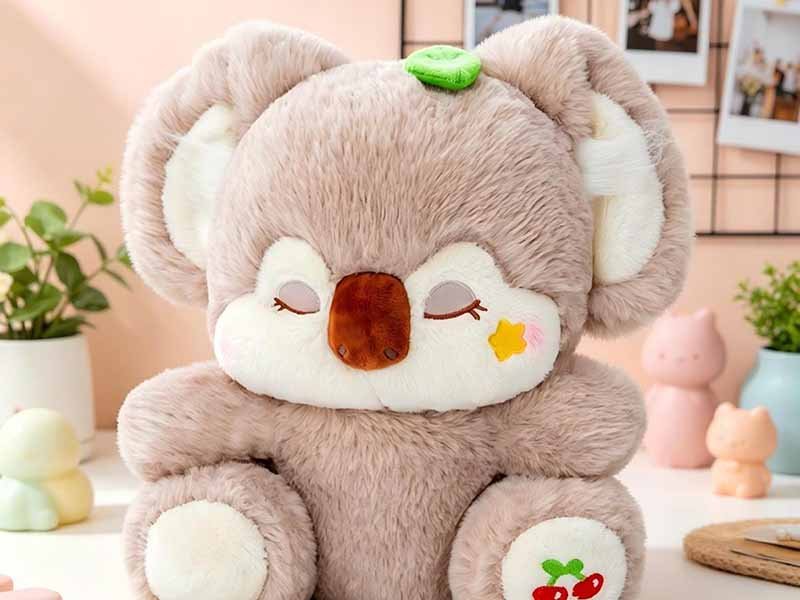
Most people do not stop to ask whether a teddy bear is a plush toy or a stuffed toy. They pick it up, squeeze it, check the face, feel the fabric, and decide whether it looks lovable enough to take home. For daily shopping, both words often point to the same kind of soft product. For product development, retail sourcing, private label projects, licensed merchandise, and custom brand mascots, the difference becomes much more practical.
A stuffed toy is a broad category: a sewn fabric toy filled with soft material. A plush toy is usually a softer, more touch-focused stuffed toy made with plush, minky, velboa, faux fur, sherpa, or another soft pile fabric. The difference affects fabric choice, filling density, safety testing, sewing structure, cost, packaging, retail positioning, and final customer experience.
For a child, a soft toy may become a sleeping friend. For a gift shop, it may become a seasonal sales product. For a brand, it may become a mascot, IP character, event giveaway, TikTok product, or collectible series. One small word can influence design decisions from the first sketch to the final carton. A plush bunny for babies, a stuffed dinosaur for retail shelves, and a character plush for fan merchandise may all look cute at first glance, yet each one needs a different material plan, sewing method, filling balance, safety standard, and production process. That is where a simple comparison becomes a real product decision.
What Are Plush Toys?

Plush toys are soft-filled toys made with soft pile fabrics such as minky, velboa, faux fur, sherpa, boa, or short-pile plush. They are usually chosen when softness, handfeel, visual warmth, gift value, and emotional connection matter. Plush toys are common in children’s gifts, character merchandise, brand mascots, collectible toys, baby comfort products, and retail plush collections.
What Is a Plush Toy?
A plush toy is a soft toy made with an outer fabric that feels fuzzy, velvety, fluffy, or smooth to the touch. The word “plush” mainly describes surface texture. A plush toy normally has fabric on the outside, filling on the inside, and a soft body shape created through sewing, pattern making, and stuffing.
Common plush toy examples include:
- Teddy bears
- Animal plush toys
- Character plush toys
- Mascot plush toys
- Plush dolls
- Plush pillows
- Plush keychains
- Plush bag charms
- Baby soft toys
- Collectible plush series
- Holiday plush gifts
- Promotional plush products
In real product development, a plush toy is not only judged by cuteness. Several details decide whether the finished product feels premium or ordinary.
Important quality factors include:
- Fabric softness
- Fabric thickness
- Pile length
- Color accuracy
- Embroidery clarity
- Sewing smoothness
- Filling fullness
- Shape recovery
- Seam strength
- Face expression accuracy
- Accessory safety
- Packaging protection
A 20 cm plush toy may look simple, but producing it well requires accurate pattern making. If the head pattern is slightly wrong, the face may look stretched. If the body is overfilled, the toy may feel too hard. If the fabric pile is too long, small facial embroidery may become unclear. If the stuffing is too loose, the toy may collapse after shipping.
For custom plush projects, brands should not only ask whether a factory can “make plush toys.” A stronger question is whether the factory can turn a drawing, photo, sample, mascot, or character file into a stable production-ready plush product. Delsney supports plush design, pattern making, sample development, material matching, embroidery adjustment, filling control, private label production, and bulk quality inspection for custom plush projects.
What Materials Are Used in Plush Toys?
The material of a plush toy decides how it feels, how it looks, how much it costs, how easy it is to clean, and which customer group it fits. Softness alone is not enough. A fabric must match the product shape, age group, retail price, safety requirement, and production quantity.
Main plush fabric options include:
| Material | Common Use | Handfeel | Cost Level | Best For |
|---|---|---|---|---|
| Short-Pile Plush | Character plush, mascot plush | Smooth and neat | Medium | Clear facial details |
| Minky | Baby toys, pillows, premium plush | Very soft | Medium to high | Baby and gift products |
| Velboa | Promotional plush, retail toys | Smooth and flat | Low to medium | Cost-controlled orders |
| Faux Fur | Animal plush, luxury plush | Fluffy and rich | Medium to high | Bears, pets, realistic animals |
| Sherpa | Lifestyle plush, cozy toys | Warm and wool-like | Medium | Winter, sheep, comfort toys |
| Boa Fabric | Classic animals, teddy bears | Soft and textured | Medium | Traditional plush products |
| Fleece | Simple soft toys, pillows | Warm and soft | Low to medium | Casual and affordable products |
| Rabbit Fur Imitation | Premium plush gifts | Silky and smooth | High | High-end gift collections |
Fabric selection should match product purpose.
For baby soft toys:
- Short pile is safer than long loose pile.
- Low-shedding fabric is preferred.
- Embroidered eyes are safer than plastic eyes.
- Washable fabric matters more than luxury texture.
- Skin-friendly handfeel should be tested before bulk production.
For character plush toys:
- Short-pile plush or minky helps show facial features.
- Fabric color must match artwork or Pantone reference.
- Embroidery thread color should be tested under normal lighting.
- Complex faces need trial embroidery before mass production.
- Head shape must stay stable after stuffing.
For premium gift plush:
- Higher fabric weight improves perceived value.
- Smooth surface gives a more refined look.
- Soft filling improves hugging comfort.
- Custom hangtags and packaging raise shelf appeal.
- Surface cleanliness matters for retail display.
For promotional plush:
- Velboa or short-pile plush can control cost.
- Simple shape reduces pattern and sewing time.
- Logo embroidery or woven label can add brand identity.
- Packaging should be compact for shipping efficiency.
- MOQ and unit price should be balanced early.
A professional factory should recommend fabric based on real production conditions, not only send a long material list. Delsney can help compare fabrics, prepare samples, adjust pile length, test filling volume, and choose materials that match the product’s target price and quality level.
Are Plush Toys Always Soft?
Most plush toys are designed to feel soft, but softness has several layers. A plush toy can have a soft surface but a firm body. Another one may have ordinary fabric but feel very squeezable because of its filling. Good softness depends on both outer fabric and internal stuffing.
Main softness factors include:
| Factor | What It Affects | Common Problem |
|---|---|---|
| Fabric Pile Length | Surface touch and appearance | Long pile may hide details |
| Fabric Weight | Thickness and premium feel | Thin fabric may feel cheap |
| Filling Density | Squeeze softness | Too much filling feels hard |
| Filling Quality | Recovery after pressing | Low-grade filling becomes lumpy |
| Pattern Structure | Body shape and comfort | Poor pattern creates distortion |
| Sewing Tension | Smoothness and shape | Tight seams create wrinkles |
| Toy Size | Hugging experience | Small toys feel firmer |
| Packaging Method | Shape after shipping | Vacuum packing may flatten shape |
For many custom projects, softness must be controlled by zones. A standing mascot plush may need firm filling in the legs, medium filling in the body, and softer filling in the arms. A baby comfort toy may need light filling and flatter construction. A pillow plush may need a softer, larger surface with strong rebound. A mini plush charm may need firmer stuffing to hold its shape.
Plush softness can also affect perceived price. A toy with better fabric, even filling, smooth embroidery, and balanced handfeel usually feels more valuable in the customer’s hands. Poor filling distribution can make even expensive fabric feel cheap.
Estimated softness planning guide:
| Product Type | Suggested Softness | Filling Style | Key Concern |
|---|---|---|---|
| Baby Comfort Toy | Soft to medium-soft | Light and even | Safety and washability |
| Retail Teddy Bear | Medium-soft | Full and balanced | Hug feel and shelf shape |
| Mascot Plush | Medium | Structured filling | Character accuracy |
| Plush Pillow | Very soft | Loose and elastic | Compression recovery |
| Plush Keychain | Medium-firm | Compact filling | Shape stability |
| Collectible Plush | Medium-soft | Controlled filling | Display and handfeel |
Delsney can adjust softness during sample development. Clients can provide a reference sample, preferred handfeel, target age group, and price range. The factory can then test fabric, filling amount, body structure, and finishing details before bulk production.
How Are Plush Toys Used Today?
Plush toys are now used far beyond traditional children’s toys. They appear in retail stores, online shops, fan merchandise, animation projects, brand campaigns, museum stores, sports teams, pet brands, tourism souvenirs, subscription boxes, baby gifts, and corporate promotions.
Common plush toy applications include:
- Children’s daily companion toys
- Baby comfort toys
- Birthday and holiday gifts
- Character merchandise
- Mascot plush for companies
- Licensed IP plush toys
- E-commerce plush products
- TikTok and social media products
- Event giveaway plush
- Museum and zoo souvenir plush
- Plush bag charms
- Collectible plush series
- Plush pillows and cushions
- Retail seasonal plush collections
- Private label plush products
For brands, plush toys have one major advantage: they turn an idea into something touchable. A logo can become a mascot. A drawing can become a character. A pet photo can become a memorial plush. A game character can become fan merchandise. A local animal can become a tourism souvenir. A seasonal theme can become a gift collection.
Different usage scenarios require different product logic.
| Usage Scenario | Product Focus | Suggested Features |
|---|---|---|
| Children’s Toys | Safety and durability | Embroidered features, strong seams |
| Baby Gifts | Skin-friendly and washable | Short pile, soft filling, no hard parts |
| IP Merchandise | Character accuracy | 3D shape, embroidery, color matching |
| Brand Mascots | Recognition | Logo details, stable head shape |
| Retail Gifts | Shelf appeal | Nice packaging, soft handfeel |
| Promotions | Cost control | Simple shape, clear logo, compact packing |
| Collectibles | Detail and consistency | Series design, accurate sizing |
| E-commerce | Photo appeal | Clean shape, expressive face |
A plush toy that looks good in photos may not always feel good in real life. A toy that feels soft may not always stand well on a shelf. A low-cost promotional plush may work perfectly for a short campaign, while the same specification may not be suitable for a premium retail product.
Delsney helps clients choose suitable construction based on usage. For example, a 12 cm plush keychain needs strong accessory attachment, compact stuffing, and clean stitching. A 35 cm mascot plush needs proportion control, head stability, logo placement, and color accuracy. A baby soft toy needs age-appropriate safety choices, washable materials, and gentle embroidery.
Why Do Brands Choose Plush Toys?
Brands choose plush toys because they carry emotion better than many other products. A plush toy is not only a physical item. It can represent a character, memory, campaign, pet, cartoon, festival, city, team, school, or company identity. People often keep plush products longer than paper gifts, plastic items, or simple promotional goods.
Main reasons brands choose plush toys:
- Strong emotional connection
- High visual appeal
- Easy customization
- Suitable for many age groups
- Good gift value
- Strong social media photo potential
- Flexible size options
- Works for both retail and promotion
- Can support IP and mascot development
- Helps create product series
- Easy to combine with packaging
- Useful for seasonal campaigns
A single character can become many products:
| Base Idea | Product Extension |
|---|---|
| Brand Mascot | Plush doll, keychain, pillow, holiday version |
| Animal Character | Baby toy, retail plush, collectible series |
| Cartoon Figure | Fan plush, limited edition, gift box |
| Pet Design | Custom pet plush, memorial plush, photo plush |
| Corporate Logo | Mascot plush, event gift, employee gift |
| Festival Theme | Seasonal plush, ornament, gift set |
For commercial projects, plush toys also create strong repeat-order opportunities. A brand may start with one mascot, then expand into different sizes, costumes, seasons, colors, or limited editions. Retail stores may launch new plush collections for Valentine’s Day, Easter, Halloween, Christmas, summer campaigns, or back-to-school promotions.
However, plush product development can fail when early planning is weak.
Common project problems include:
- Artwork cannot translate well into 3D shape.
- Fabric selection does not match design details.
- Filling is too loose or too hard.
- Face embroidery looks different from the drawing.
- Accessories are unsafe or difficult to sew.
- Product size feels wrong after sampling.
- Bulk production differs from approved sample.
- Packaging damages shape during shipping.
- Target cost is not aligned with design complexity.
- Safety requirements are considered too late.
Delsney reduces these risks through design review, material recommendation, three-view drawing support, 3D visual effect support, 5–7 day fast sampling, sample revision, quality inspection, private label customization, flexible MOQ, and bulk production management. For clients with sketches, photos, samples, brand mascots, or technical files, Delsney can help turn creative ideas into production-ready plush toys.
What Are Stuffed Toys?

Stuffed toys are sewn textile toys filled with soft materials such as PP cotton, polyester fiber, foam particles, plastic pellets, or other filling. The term is broader than plush toy because it focuses on the filled structure rather than only the surface fabric. A stuffed toy can be made from plush, cotton, felt, fleece, knitted fabric, polyester cloth, or mixed materials.
What Is a Stuffed Toy?
A stuffed toy is a fabric toy made by sewing an outer shell and filling it with soft material to create a three-dimensional shape. The outer fabric may be plush, but it can also be cotton, felt, linen, fleece, velvet, canvas, knitted fabric, or printed polyester. The main feature is stuffing, not always a fuzzy surface.
Common stuffed toy types include:
- Stuffed animals
- Teddy bears
- Fabric dolls
- Soft characters
- Mascot toys
- Educational shape toys
- Cushion toys
- Baby soft toys
- Promotional stuffed toys
- Holiday stuffed gifts
- Stuffed food shapes
- Custom logo toys
- Plush pillows
- Pet-shaped stuffed toys
- Soft sculpture products
Stuffed toy is often the better umbrella term when a product does not fit neatly into the plush category. For example, a cotton fabric doll with printed clothing is a stuffed toy. A felt cactus with filling is a stuffed toy. A mascot made with smooth polyester fabric can be a stuffed toy even if it does not have a fluffy surface.
From a production angle, stuffed toys require careful control over:
- Pattern accuracy
- Seam structure
- Fabric strength
- Filling volume
- Stuffing opening closure
- Safety attachments
- Embroidery or printing
- Weight balance
- Shape stability
- Washability
- Inspection process
- Packing method
A simple stuffed toy may look easier than a detailed plush toy, but every soft product still needs professional pattern making. A flat drawing must become a 3D object. The factory must decide where seams go, how the filling enters, how the head connects to the body, how the limbs hold shape, and how the final product survives compression, handling, and shipping.
Are Stuffed Toys the Same as Stuffed Animals?
Stuffed animals are one type of stuffed toy. A stuffed animal usually means a soft-filled toy shaped like an animal, such as a bear, rabbit, dog, cat, dinosaur, panda, lion, elephant, whale, penguin, or unicorn. Stuffed toy is a wider term that can include animals, people, objects, fantasy creatures, mascots, pillows, food shapes, dolls, and educational forms.
The difference matters for product naming.
| Product Shape | Best Name |
|---|---|
| Bear, rabbit, dog, cat | Stuffed Animal / Plush Animal |
| Cartoon person | Plush Doll / Character Plush |
| Company mascot | Mascot Plush / Stuffed Mascot |
| Food shape | Stuffed Toy / Plush Food Toy |
| Logo shape | Custom Stuffed Toy |
| Baby comfort item | Baby Soft Toy |
| Flat pillow shape | Plush Pillow / Stuffed Cushion |
| Small hanging toy | Plush Charm / Plush Keychain |
If a product is clearly animal-shaped, “stuffed animal” can feel more familiar to consumers. If the product is a character, logo, mascot, or object, “stuffed toy” or “plush toy” may be more accurate. A soft dinosaur can be called a stuffed animal, animal plush, or dinosaur plush. A soft coffee cup mascot should not be called a stuffed animal. It is better described as a custom stuffed toy, plush mascot, or character plush.
For retail and e-commerce, accurate naming helps customers understand the product quickly. For manufacturing, accurate naming helps the factory understand the structure. A “stuffed animal” may require animal proportions, tail construction, ears, paws, claws, or facial expression. A “mascot plush” may require logo colors, clothing details, brand expression, and more accurate 3D conversion.
Delsney supports both stuffed animals and wider stuffed toy projects. Clients can provide sketches, reference photos, original characters, pet photos, mascot designs, samples, technical documents, packaging ideas, or color references. Delsney can then help select suitable structure, fabric, filling, embroidery, sewing method, and packaging.
What Fillings Are Used in Stuffed Toys?
Filling affects softness, shape, rebound, weight, safety, price, and shipping compression. Two stuffed toys with the same fabric can feel completely different if the filling is different. For custom production, filling should be chosen based on product purpose, target age, body shape, and expected handfeel.
Common filling options include:
| Filling Type | Feel | Cost Level | Suitable Products | Main Concern |
|---|---|---|---|---|
| PP Cotton | Soft, light, full | Low to medium | Most plush and stuffed toys | Needs even stuffing |
| Polyester Fiber | Flexible and stable | Low to medium | Dolls, pillows, retail toys | Quality grade varies |
| Down-Like Fiber | Very soft and fluffy | Medium to high | Premium plush, pillows | Less structure |
| Foam Particles | Loose and relaxed | Medium | Beanbag-style toys | Not suitable for all ages |
| Plastic Pellets | Weighted and stable | Medium | Sitting toys, weighted parts | Requires secure inner bag |
| Glass Beads | Heavy and calming | High | Weighted plush | Strict safety control |
| Recycled Fiber | Eco-conscious feel | Medium | Sustainable collections | Needs odor and rebound check |
| Mixed Filling | Custom feel | Medium to high | Special designs | Requires testing |
Filling volume also changes the product result.
Underfilled toys may have:
- Weak shape
- Wrinkled fabric
- Poor shelf display
- Low perceived value
- Uneven body parts
- Weak recovery after compression
Overfilled toys may have:
- Hard handfeel
- Tight seams
- Distorted face shape
- Reduced hugging comfort
- Higher seam pressure
- More difficult packing
A good stuffed toy usually needs balanced filling. The head may require more structure than the arms. The belly may need softer stuffing than the face. Sitting toys may need pellets in the bottom. Large plush pillows may need high-loft filling for better rebound.
For baby and child products, filling safety is critical. Loose small-particle materials should be handled carefully. Inner bags, seam strength, and age grading need proper review. For EU and US markets, product design should consider relevant toy safety expectations, including small parts, seams, flammability, labeling, and chemical requirements.
Delsney can help clients test filling density before mass production. For high-end projects, clients may request several sample versions with different filling levels to compare touch, shape, and shipping performance.
Which Shapes Can Stuffed Toys Have?
Stuffed toys can be made in many shapes, but shape complexity affects sample time, production difficulty, cost, defect rate, and final consistency. A round bear is usually easier to produce than a thin-legged cartoon character. A simple pillow toy is easier than a detailed mascot with clothes, accessories, horns, wings, and embroidered patterns.
Common shape categories include:
| Shape Type | Difficulty | Production Notes |
|---|---|---|
| Round Animals | Low to medium | Stable and suitable for mass production |
| Teddy Bears | Medium | Face and limb proportions matter |
| Character Dolls | Medium to high | Requires accurate facial details |
| Mascot Plush | High | Brand recognition must be preserved |
| Baby Comfort Toys | Medium | Safety and softness come first |
| Plush Pillows | Low to medium | Filling rebound is important |
| Plush Keychains | Medium | Small details are harder to sew |
| Fantasy Creatures | High | Extra parts increase complexity |
| Stuffed Food Toys | Medium | Shape accuracy and color matter |
| Custom Object Plush | Medium to high | Pattern engineering is important |
A 2D drawing often changes during 3D plush development. Large eyes, thin arms, small details, or sharp edges may need adjustment. Some details can be embroidered. Some need fabric appliqué. Some must be simplified because sewing and stuffing cannot reproduce every line from a digital file.
Design conversion usually includes:
- Reviewing the original artwork
- Confirming target size
- Creating front, side, and back views
- Choosing fabric and color references
- Planning seams and body panels
- Testing embroidery or printed details
- Making the first pattern
- Producing a sample
- Adjusting shape and filling
- Confirming packaging method
- Preparing bulk production instructions
Delsney can support three-view drawings and 3D visual effects, which helps clients see how a flat idea becomes a real soft product before mass production. For character plush and mascot plush, this step can prevent many costly mistakes.
Do Stuffed Toys Need Plush Fabric?
Stuffed toys do not always need plush fabric. Plush fabric is common because it feels soft and attractive, but a stuffed toy can also use cotton, fleece, felt, linen, velvet, knitted fabric, canvas, polyester, mesh, or mixed materials. Material choice should match product purpose, customer age, safety needs, visual style, and target price.
Fabric choice by product style:
| Product Style | Suitable Fabric | Reason |
|---|---|---|
| Baby Soft Toy | Minky, short-pile plush, soft cotton | Gentle touch and washable feel |
| Rustic Handmade Toy | Cotton, linen, felt | Natural craft appearance |
| Promotional Toy | Velboa, polyester plush | Cost control and clean shape |
| Character Plush | Short-pile plush, minky | Better detail display |
| Animal Plush | Faux fur, boa, plush | More realistic or fluffy effect |
| Soft Doll | Cotton, velvet, plush mix | Flexible styling |
| Plush Pillow | Minky, fleece, short plush | Comfort and large surface softness |
| Mascot Plush | Short plush, velboa, custom fabric | Color control and shape stability |
Material decisions also affect safety and cleaning. Long-pile fabrics may look beautiful, but they may not be suitable for very young children or small embroidered details. Felt may work for decorative accessories, but edges can wear with heavy use. Cotton can look natural but may wrinkle more easily. Faux fur can look premium but requires careful cutting and lint control.
For cost planning, fabric can make a big difference. A high-end minky or imitation rabbit fur plush may cost much more than standard velboa. However, cheaper fabric is not always better for commercial projects. Poor handfeel can reduce repeat sales, raise return risk, and weaken brand perception.
Delsney helps clients compare fabric options based on sample effect, order quantity, budget, safety market, and product use. For private label and OEM/ODM projects, this step helps avoid overbuilding a low-price product or underbuilding a premium product.
Are Plush Toys and Stuffed Toys the Same?

Plush toys and stuffed toys are closely connected, but they are not always the same. A stuffed toy is the wider category because it describes a sewn toy filled with soft material. A plush toy usually refers to a stuffed toy made with soft, fuzzy, or velvety fabric. In daily shopping, people often mix the terms. In design, sourcing, safety, and production, the difference matters.
Are the Terms Interchangeable?
In everyday language, many customers use plush toys, stuffed toys, stuffed animals, soft toys, and plushies to describe similar products. A mother buying a bunny for her child may call it a stuffed animal. A teenager collecting cute characters may call it a plushie. A gift shop may list it as a plush toy. A UK retailer may call it a soft toy. In many cases, they are all talking about a soft-filled toy.
For product development, however, using the terms too loosely can cause mistakes. A factory needs more detail than “make a stuffed toy.” The production team needs to know the fabric type, toy size, filling level, safety market, face technique, accessory details, packaging style, and target quantity.
A clear product description may look like:
| Unclear Request | Clearer Production Request |
|---|---|
| Make a stuffed toy | Make a 25 cm short-pile plush rabbit with embroidered eyes and PP cotton filling |
| Make a plushie | Make a 15 cm character plush keychain with metal chain and custom woven label |
| Make a mascot | Make a 30 cm mascot plush based on brand artwork, with custom colors and hangtag |
| Make a baby toy | Make a 20 cm baby soft toy with short-pile fabric, embroidered features, no hard parts |
| Make a teddy bear | Make a 35 cm teddy bear with faux fur, medium-soft filling, bow tie, and gift box |
When clients describe the product clearly, the factory can quote more accurately, recommend better materials, reduce sampling errors, and shorten development time. For example, a plush toy with long faux fur may need a different cutting method than a short-pile mascot plush. A baby soft toy may need embroidered features instead of plastic eyes. A promotional stuffed toy may need simplified panels to reduce labor cost.
For online sales and product pages, using multiple related terms can help customers find the product. For production, using precise specifications helps the factory make the product correctly. A good custom project needs both: searchable wording for customers and technical clarity for manufacturing.
Is Plush Toy a Type of Stuffed Toy?
In most cases, yes. A plush toy is usually a type of stuffed toy because it has a fabric shell and internal filling. The difference is that “plush toy” gives more information about the outer fabric and customer experience. It suggests the toy should feel soft, warm, cuddly, and visually appealing.
A stuffed toy can be made with many fabrics. A plush toy usually uses plush fabric or another soft-touch material. That means the two terms overlap, but they are not equal in every situation.
Simple relationship:
| Category | Meaning | Example |
|---|---|---|
| Stuffed Toy | Any sewn textile toy with filling | Cotton doll, felt cactus, plush bear, fabric mascot |
| Plush Toy | Stuffed toy made with plush or soft pile fabric | Teddy bear, minky bunny, faux fur dog, character plush |
| Stuffed Animal | Stuffed toy shaped like an animal | Bear, rabbit, dinosaur, puppy, panda |
| Plushie | Casual name for cute plush toy | Mini collectible character, fan plush, soft charm |
| Soft Toy | Broad consumer term for soft-filled toys | Baby soft toy, plush animal, stuffed doll |
For brands, this distinction helps with product positioning. If a company wants a premium gift item, “plush toy” may communicate softness and value better. If the product is an animal-shaped toy for children, “stuffed animal” may be easier for customers to understand. If the product is a logo-shaped item, “stuffed toy” or “custom plush toy” may be more accurate.
During custom development, the phrase “plush toy” often leads to questions about fabric handfeel, pile length, filling softness, embroidery, and visual quality. The phrase “stuffed toy” may lead to broader questions about shape, structure, filling, safety, and sewing method. Both are useful, but they are useful in different ways.
Delsney can support both product directions. If the client wants a high-touch product, the team can recommend plush, minky, faux fur, sherpa, or other soft fabrics. If the client wants a broader stuffed product with printed fabric, mixed materials, or object-shaped design, the team can also support pattern development and production planning.
Is Stuffed Toy a Broader Term?
Stuffed toy is broader because it describes construction, not surface texture. Any toy made with fabric and filling can be called a stuffed toy, even if the outer fabric is not plush. That includes cotton dolls, fabric animals, educational soft blocks, stuffed pillows, mascot toys, soft sculptures, and shaped promotional items.
This broader term is useful for complex custom projects. Many brand products are not traditional animals or teddy bears. A company may want a soft toy shaped like a coffee cup, fruit, cloud, logo, helmet, sneaker, cartoon object, or festival symbol. Calling these products “stuffed toys” leaves more room for material choice and structural design.
Examples of non-animal stuffed toys:
- Stuffed food toys
- Stuffed logo shapes
- Soft educational blocks
- Plush pillows
- Fabric mascot characters
- Soft dolls
- Festival ornaments
- Stuffed product replicas
- Toy cushions
- Soft promotional giveaways
- Stuffed fantasy creatures
- Custom photo-based dolls
For manufacturers, stuffed toy development often starts with shape engineering. The question is not only “which fabric feels soft?” The factory must decide how to divide the body into panels, where to place seams, how to insert filling, how to close the stuffing opening, how to secure accessories, and how to keep the final shape consistent in bulk production.
Stuffed toy projects can also involve mixed materials. A doll may have plush hair, cotton clothing, embroidered eyes, felt shoes, satin ribbons, and a woven label. A mascot plush may use short-pile fabric for the face, felt for details, embroidery for the logo, and pellets in the base for sitting posture.
Because stuffed toy is a broad category, brands should avoid vague specifications. A clear project brief should include size, artwork, material preference, filling preference, usage scenario, target age, safety market, packaging, quantity, and target cost. Delsney can then help convert the idea into a workable sample and adjust the structure before bulk production.
Which Term Do Customers Use More?
The most useful term depends on market, product type, and customer group. Different customers search in different ways. A parent may search “stuffed animals for kids.” A collector may search “cute plushies.” A retailer may search “plush toys wholesale.” A brand manager may search “custom plush toy manufacturer.” A baby product company may search “baby soft toys.”
Product naming should match customer language.
| Customer Group | Common Search Words | Better Product Wording |
|---|---|---|
| Parents | stuffed animals, soft toys | Safe stuffed animals, baby soft toys |
| Gift Shoppers | plush toys, teddy bears | Soft plush gifts, teddy bear plush |
| Collectors | plushies, collectible plush | Limited plushies, collectible plush toys |
| IP Owners | character plush, licensed plush | Custom character plush toys |
| Brand Teams | mascot plush, custom plush | Custom mascot plush manufacturer |
| Retail Stores | plush toys wholesale | Private label plush toys |
| Baby Brands | baby soft toys | Baby-safe soft plush toys |
| Promotional Companies | custom stuffed toys | Promotional stuffed toys with logo |
For SEO, a page can use several terms naturally, but the main title should be focused. A comparison article should use “Plush Toys vs Stuffed Toys” because that is the search question. A service page may use “Custom Plush Toy Manufacturer” because it targets customers ready to develop products. A product page may use “Custom Stuffed Animals” if the item is animal-shaped.
For AI search engines, clear answers matter. Content should explain the relationship between terms in plain language, then support the explanation with examples, use cases, and production details. Pages that only repeat keywords without useful comparison will feel weak to both readers and search systems.
A practical naming method:
- Use “plush toy” when softness and fabric texture are the main selling points.
- Use “stuffed toy” when the shape or structure is broader than animals or plush.
- Use “stuffed animal” when the toy is clearly animal-shaped.
- Use “soft toy” for baby, toddler, and UK-style consumer wording.
- Use “plushie” for cute, collectible, fan, and social media products.
- Use “custom plush” for manufacturing and private label projects.
Delsney can help clients choose naming based on market position and product use. For example, one same product may be described as a “custom plush mascot” in sourcing documents, a “soft mascot toy” on packaging, and a “limited plushie” on social media.
Which Term Should Brands Use?
Brands should choose the term that best matches the product’s material, shape, selling point, and audience. There is no single word that works best for every plush or stuffed product. A soft bear for children, a collectible game character, a baby comfort toy, a mascot for a corporate event, and a low-cost promotional gift may all need different wording.
Recommended naming by product strategy:
| Product Strategy | Suggested Main Term | Supporting Terms |
|---|---|---|
| Premium gift product | Plush Toy | soft plush, plush gift, cuddly toy |
| Animal-shaped toy | Stuffed Animal | plush animal, soft animal toy |
| Baby product | Baby Soft Toy | baby plush, comfort toy |
| Character merchandise | Character Plush | plushie, IP plush, collectible plush |
| Brand mascot | Mascot Plush | custom plush mascot, stuffed mascot |
| Retail private label | Plush Toys | private label plush, custom plush toys |
| Promotional giveaway | Stuffed Toy | logo plush, promotional plush |
| Social media product | Plushie | cute plush, collectible plushie |
| Pillow-style product | Plush Pillow | stuffed cushion, soft pillow toy |
| Handmade-style item | Stuffed Toy | fabric doll, soft toy |
For custom development, the name should also guide product choices. If a brand calls a product “baby soft toy,” then the design should avoid small detachable parts, rough fabrics, hard accessories, or difficult-to-clean structures. If a product is called “premium plush toy,” then the fabric, filling, embroidery, and packaging must support that premium image. If a product is called “promotional stuffed toy,” the design should balance cost, appearance, durability, and delivery timeline.
A strong product brief may include:
- Product name
- Target market
- Product size
- Target age group
- Fabric preference
- Filling preference
- Surface details
- Logo method
- Safety market
- Packaging style
- Quantity range
- Target price level
- Reference images
- Sample requirement
- Delivery timeline
Delsney often works with overseas brands that need custom, private label, OEM, or ODM plush products. Clear naming helps both sides move faster. If the client provides a sketch, photo, sample, or technical file, Delsney can support design review, material recommendation, pattern making, sampling, three-view drawings, 3D visual effect support, embroidery testing, packaging development, and bulk production.
Which Differences Matter Most?
The most important differences between plush toys and stuffed toys are fabric, softness, filling, structure, safety, durability, washability, price, and market positioning. Plush toys usually focus more on soft surface feel and emotional value. Stuffed toys cover a wider range of filled textile products. For brands, the right choice depends on customer age, use scenario, quality level, target cost, and custom design complexity.
Which One Feels Softer?
Plush toys usually feel softer on the surface because they are made with soft pile fabrics. Minky, faux fur, boa, sherpa, and short-pile plush all create a warmer and more touch-friendly experience than plain woven fabric. However, surface softness is only one part of the whole product.
A toy’s real handfeel depends on:
- Outer fabric
- Fabric thickness
- Pile length
- Filling type
- Filling density
- Pattern shape
- Sewing tension
- Toy size
- Finishing process
- Packaging compression
A plush toy may feel soft when touched but firm when squeezed if it is overfilled. A stuffed toy made from cotton may not feel fuzzy, but it can still feel comfortable if the filling is soft and the shape is well designed.
Softness should match the product goal.
| Product Goal | Better Softness Direction |
|---|---|
| Baby comfort | Gentle, light, washable |
| Retail teddy bear | Soft but full |
| Mascot plush | Medium softness with stable shape |
| Pillow plush | Very soft with high rebound |
| Keychain plush | Firmer to hold shape |
| Collectible plush | Soft surface with controlled structure |
| Promotional toy | Balanced softness and cost |
For custom projects, the best approach is to test softness through samples. A client may describe a product as “super soft,” but the factory needs to translate that into material and filling choices. Delsney can provide material comparison, filling adjustment, and sample revision so clients can choose the right balance before bulk production.
Which One Is More Durable?
Durability does not depend only on whether the product is called plush or stuffed. It depends on fabric strength, seam quality, filling stability, accessory attachment, embroidery method, washing resistance, and production inspection. A well-made plush toy can be very durable. A poorly made stuffed toy can break quickly. The name alone does not guarantee quality.
Main durability factors include:
| Factor | Why It Matters |
|---|---|
| Seam Strength | Prevents opening during pulling or washing |
| Fabric Backing | Supports pile and reduces tearing |
| Stitch Density | Improves construction stability |
| Filling Quality | Reduces lumping and collapse |
| Embroidery Security | Prevents loose thread issues |
| Accessory Attachment | Reduces falling parts risk |
| Pattern Design | Prevents stress on thin parts |
| Washing Performance | Maintains shape after cleaning |
| Inspection Standard | Catches defects before shipment |
For children’s toys, durability must be considered together with safety. Arms, ears, tails, clothing, bows, and decorative parts may be pulled repeatedly. If these parts are not secured well, they can become quality or safety problems. For baby products, embroidered eyes and noses are often preferred over plastic parts because they reduce small-part concerns.
For retail plush toys, durability also affects customer reviews. Common negative feedback includes loose seams, falling eyes, flat stuffing, rough fabric, bad smell, uneven faces, and poor shape after washing. These issues can hurt product ratings and repeat sales.
Delsney supports quality control across sampling and bulk production. During development, the team can adjust sewing method, stuffing level, accessory structure, embroidery placement, and packaging method. During mass production, inspection can focus on shape, seam quality, color, filling, facial expression, label placement, and packaging condition.
Which One Is Easier to Wash?
Washability depends more on material, construction, filling, and accessories than the name. Some plush toys are machine washable. Some require surface cleaning. Some stuffed toys can handle washing well, while others may lose shape or become lumpy. The cleaning method should be planned before production, especially for baby products, children’s toys, and high-use retail items.
Washability concerns include:
- Fabric shrinkage
- Color bleeding
- Filling clumping
- Shape deformation
- Seam opening
- Embroidery thread fading
- Accessory damage
- Label durability
- Drying time
- Odor after washing
General washability guide:
| Product Type | Cleaning Direction | Design Recommendation |
|---|---|---|
| Baby Soft Toy | Machine washable preferred | Short pile, embroidered features |
| Premium Faux Fur Plush | Surface cleaning often safer | Avoid heavy washing claims |
| Plush Pillow | Washable cover or gentle wash | Use resilient filling |
| Keychain Plush | Surface clean | Avoid complex washable claims |
| Promotional Plush | Surface clean or gentle wash | Keep design simple |
| Toddler Stuffed Animal | Washable preferred | Strong seams, no fragile parts |
| Collectible Plush | Surface clean | Protect fabric and details |
For products that will be sold to parents, cleaning instructions should be clear. Parents care about dust, saliva, spills, and daily use. A toy that cannot be cleaned easily may be less attractive for young children, even if it looks beautiful.
For custom manufacturing, clients should confirm cleaning expectations early. If the product needs machine-washable performance, material, filling, and construction should be selected accordingly. If the product is a premium collectible, surface cleaning may be more suitable to protect shape and details.
Delsney can help clients choose fabric and filling based on cleaning needs. The factory can also recommend care label content, washing label placement, and packaging notes according to the product style and market requirement.
Which One Looks More Premium?
Plush toys often look more premium when they use high-quality fabric, fine embroidery, balanced filling, clean seams, accurate shaping, and attractive packaging. However, a stuffed toy can also look premium if it uses refined cotton, velvet, linen, mixed fabrics, detailed construction, and strong design language.
Premium appearance is created by details, not only by material price.
Key premium details include:
- Smooth fabric surface
- Stable color matching
- Clean face embroidery
- Balanced body proportion
- Invisible or neat seams
- Even filling
- No loose thread
- Good shape recovery
- Fine accessory finishing
- Well-designed hangtag
- Custom label
- Retail-ready packaging
Premium plush design often uses better fabric and more complex workmanship. For example, a high-end bear may use dense faux fur, embroidered nose, soft paw pads, weighted sitting posture, satin bow, woven label, and gift box packaging. A collectible character plush may use short-pile plush, accurate embroidery, shaped panels, custom clothing, and numbered hangtags.
Estimated product positioning by specification:
| Level | Fabric | Detail Level | Packaging | Suitable Market |
|---|---|---|---|---|
| Basic | Velboa or standard plush | Simple embroidery | OPP bag | Promotions, giveaways |
| Standard Retail | Short-pile plush or boa | Normal facial details | Hangtag | Gift shops, e-commerce |
| Premium Retail | Minky, faux fur, mixed fabrics | Fine embroidery and accessories | Custom box or card | Boutique, IP, brand stores |
| Collectible | Selected plush fabric | High accuracy and series design | Display packaging | Fans, collectors |
| Baby Premium | Soft minky or safe short plush | Embroidered features | Soft-touch packaging | Baby gift market |
For brands, premium should be planned through the full product experience. A nice fabric cannot save a poor face. Good embroidery cannot save weak stuffing. A beautiful sample cannot help if bulk production has inconsistent shape. Delsney’s role is to help clients balance appearance, handfeel, cost, and production stability.
Which One Costs More to Make?
Plush toys are not always more expensive than stuffed toys, but they often cost more when they use premium fabric, complex shape, embroidery, accessories, custom packaging, and stricter inspection. Cost depends on design complexity, material, size, labor time, MOQ, safety testing, packaging, and shipping volume.
Main cost drivers include:
| Cost Factor | How It Affects Price |
|---|---|
| Size | Larger toys use more fabric and filling |
| Fabric | Premium minky or faux fur costs more |
| Filling | Higher-grade filling improves feel but adds cost |
| Pattern Complexity | More panels increase sewing time |
| Embroidery | Larger or multi-color embroidery costs more |
| Accessories | Clothes, bows, bags, hats, or tags add labor |
| Safety Testing | EU/US markets may need added compliance cost |
| Packaging | Gift boxes cost more than polybags |
| MOQ | Smaller runs usually have higher unit cost |
| Quality Level | More inspection and control add value |
| Delivery Time | Urgent projects may require tighter coordination |
| Shipping Volume | Large plush toys take more carton space |
A 10 cm plush keychain may cost less in material but require precise sewing because it is small. A 40 cm teddy bear may use more material but be easier to sew than a tiny detailed character. A flat pillow plush may have low sewing complexity but high filling volume. A mascot plush with clothing and embroidery may cost more because of labor, not just fabric.
Cost planning by product type:
| Product Type | Cost Pressure | Main Reason |
|---|---|---|
| Mini Plush Charm | Medium | Small details and accessories |
| Promotional Stuffed Toy | Low to medium | Cost target is usually strict |
| Baby Soft Toy | Medium | Safety and washable materials |
| Character Plush | Medium to high | Accuracy and embroidery |
| Mascot Plush | Medium to high | Custom shape and logo details |
| Premium Gift Plush | High | Fabric, filling, packaging |
| Collectible Plush | High | Detail consistency and series quality |
| Large Plush Pillow | Medium to high | Fabric and filling volume |
A professional factory should help clients control cost without damaging the product’s main value. For example, a factory may simplify hidden seams, adjust accessory material, reduce unnecessary panel count, use efficient packaging, or recommend a fabric that looks similar but performs better within budget.
Delsney supports flexible MOQ and custom production for different project stages. Clients can start with sampling, test market response, then scale into bulk production. For overseas brands, this helps reduce early inventory pressure while still developing a product with proper quality and retail appeal.
Which One Is Better for Retail Sales?
Retail performance depends on customer expectation. Plush toys often work well for emotional gifting, visual display, character products, and social media-driven sales. Stuffed toys work well for broader toy categories, educational items, baby products, animal toys, and promotional goods. The better choice depends on where the product is sold and why customers buy it.
Retail customers usually make decisions based on:
- First visual impression
- Face expression
- Softness when touched
- Gift value
- Size and price match
- Packaging presentation
- Safety confidence
- Character connection
- Brand story
- Online photo appeal
- Reviews and ratings
- Repeat purchase potential
For offline retail, touch matters. Customers may pick up the toy, squeeze it, look at the face, and check the tag. For online retail, photos and naming matter more at the first step. The product must look clear, cute, and trustworthy in images. Poor shape, unclear face details, or messy fabric can reduce clicks and conversions.
Retail product planning guide:
| Sales Channel | Product Focus | Recommended Direction |
|---|---|---|
| Toy Stores | Safety and variety | Stuffed animals, plush toys |
| Gift Shops | Emotion and packaging | Premium plush gifts |
| Baby Stores | Safety and softness | Baby soft toys |
| Museum Shops | Story and uniqueness | Animal plush, souvenir plush |
| Brand Stores | Identity | Mascot plush, character plush |
| E-commerce | Photo appeal and reviews | Clean shape, clear title, good packaging |
| TikTok Shops | Cute and shareable | Plushies, mini plush, novelty designs |
| Event Sales | Cost and delivery | Promotional stuffed toys |
Delsney can help clients plan retail-ready plush products from early concept to production. Support can include fabric selection, sample making, custom labels, hangtags, packaging, product series development, private label support, and export-ready quality control.
Which Is Better for Kids?

For children, the better choice is not based only on plush toy or stuffed toy wording. Safety, softness, age suitability, seam strength, washable design, fabric shedding, filling quality, and small-part control matter more. A good children’s plush or stuffed toy should feel comfortable, survive daily handling, avoid risky parts, and match the child’s age and use habits.
Which Is Safer for Babies?
Baby plush and stuffed toys need stricter design thinking because babies explore products with their hands and mouths. A toy that looks cute may not be suitable for babies if it has hard eyes, loose accessories, long fibers, rough seams, or small detachable parts.
Safer baby soft toy choices often include:
- Embroidered eyes and nose
- Short-pile or low-shedding fabric
- Soft and even filling
- No hard plastic parts
- No sharp accessories
- Strong seam closure
- Washable construction
- Lightweight body
- Clear care label
- Age-appropriate design
- Secure labels and tags
- Simple shape without tiny loose parts
Baby toys should avoid unnecessary decoration. Bows, buttons, bells, beads, plastic eyes, and glued accessories may look attractive but need careful safety review. If a decorative part is needed, sewing and pull strength should be considered during development.
For baby soft toys, fabric choice is extremely important. Very long faux fur may look cute but may not be ideal for babies because of shedding and cleaning concerns. Short-pile plush, minky, or soft cotton are often more practical. Filling should be gentle but not so loose that the toy loses shape quickly.
Delsney can support baby soft toy projects by helping clients select safer fabric, embroidered features, suitable filling, proper sewing structure, and compliance-ready product details for EU and US markets. Safety should be considered at the design stage, not added at the end.
Which Is Better for Toddlers?
Toddlers are active. They hug, drag, throw, squeeze, bite, sleep with, and carry toys everywhere. A toddler plush or stuffed toy must handle more rough use than a display collectible. For this age group, durability and cleanability are just as important as softness.
Toddler-friendly toy features include:
- Medium-soft filling
- Strong seams at limbs and ears
- Embroidered facial details
- Washable fabric
- Good shape recovery
- No fragile accessories
- Manageable size
- Lightweight body
- Soft edges
- Secure labels
- Clear age information
- Low-shedding surface
Size matters for toddlers. A very large plush may look impressive, but it may be difficult for a young child to carry. A very small plush may be easy to hold, but small parts and accessory strength need more attention. Many toddler-friendly stuffed animals fall in the 20–35 cm range because they are large enough to hug but not too heavy.
Toddler products also need good production consistency. If one batch has loose ears, uneven stuffing, or weak seams, customer complaints can rise quickly. Retail brands should pay attention to sample approval, bulk inspection, and packaging protection.
For Delsney’s custom toddler plush projects, the team can adjust body proportion, filling density, face embroidery, limb structure, and fabric choice to make the product softer, safer, and more practical for daily child use.
Do Plush Toys Have Choking Risks?
Any plush or stuffed toy can have choking risks if it includes small detachable parts. The risk is not caused by plush fabric itself. It usually comes from plastic eyes, buttons, beads, bells, zippers, snaps, small accessories, poorly secured labels, or weak seams that release filling or parts.
Common choking-risk areas include:
| Risk Area | Safer Alternative |
|---|---|
| Plastic Eyes | Embroidered eyes |
| Plastic Nose | Embroidered nose |
| Loose Buttons | Sewn fabric details |
| Small Bows | Secure stitched bow or printed detail |
| Beads | Avoid or use sealed internal structure |
| Bells | Use only when safety design allows |
| Zippers | Avoid for young children unless necessary |
| Weak Seams | Reinforced stitching |
| Loose Filling | Strong stuffing closure |
| Detachable Accessories | Integrated fabric design |
For toys intended for young children, especially under 3 years old, design should be simplified. Every part should be reviewed with safety in mind. If the product is for display or collectors, more details may be acceptable, but labeling and target age must be clear.
Safety planning should happen before sampling. If a client first approves a design with plastic eyes, bows, and small accessories, then later discovers the toy needs to meet baby safety expectations, major redesign may be needed. This adds time and cost.
Delsney helps clients review accessory risks before sample production. Depending on the target market, the team can recommend embroidered features, fabric appliqué, stronger stitching, simplified decoration, or safer construction methods.
Are Embroidered Eyes Better?
For baby and young children’s plush toys, embroidered eyes are often better because they reduce the risk of detached hard parts. Embroidery also allows detailed expressions, custom character features, and stable bulk production when handled correctly. However, embroidery must be designed carefully. Poor embroidery can distort fabric, create rough areas, or change facial expression.
Embroidery advantages include:
- No separate plastic eye component
- Better for young children’s safety needs
- Custom expression control
- Good for character plush
- Durable when properly stitched
- Suitable for washing
- Supports logo and small details
- Works well on short-pile fabrics
Embroidery challenges include:
- Long pile fabric may cover details.
- Small faces need precise stitching.
- Dense embroidery may make fabric stiff.
- Incorrect placement changes expression.
- Thread color must match artwork.
- Large embroidery areas may increase cost.
For expressive plush toys, the face is one of the most important selling points. A slight change in eye angle can make a character look happy, sleepy, angry, or strange. This is why character plush often needs embroidery tests before final approval.
Embroidery works best on fabrics with suitable pile length. Short-pile plush, minky, and velboa usually show embroidery clearly. Long faux fur may require trimming around the embroidered area or using fabric appliqué.
Delsney can support embroidery development, including artwork conversion, thread color matching, trial embroidery, placement correction, and sample revision. For character plush, mascot plush, baby soft toys, and premium stuffed animals, this step is essential for both safety and appearance.
How Should Safety Be Checked?
Safety should be checked through design review, material review, sample testing, production inspection, and market compliance planning. A plush or stuffed toy should not be judged only by how it looks in a photo. It should be reviewed as a product that may be touched, hugged, pulled, washed, carried, and used by children or gift customers.
Safety review checklist:
- Target age group
- Intended market
- Fabric safety
- Fabric shedding
- Filling material
- Small parts
- Seam strength
- Accessory attachment
- Embroidery quality
- Label placement
- Washing instructions
- Packaging warning
- Chemical compliance
- Flammability requirements
- Bulk inspection standard
For EU and US markets, brands often need to consider safety standards and testing expectations. The exact requirements depend on product type, age grading, materials, and selling region. A factory with export experience can help clients avoid common development mistakes, but brands should confirm their own market requirements as early as possible.
Quality inspection during bulk production should include:
| Inspection Point | What to Check |
|---|---|
| Size | Matches approved sample tolerance |
| Fabric | Correct color, texture, cleanliness |
| Filling | Evenness, softness, shape |
| Face | Embroidery placement and expression |
| Seams | No opening, skipped stitches, weak points |
| Accessories | Secure attachment |
| Labels | Correct content and position |
| Packaging | Clean, protective, retail-ready |
| Cartons | Correct quantity and marking |
| Final Appearance | No stains, odor, deformation |
Delsney supports safety-conscious plush development for overseas clients. From material selection to sample approval and bulk inspection, the team can help clients build products that are not only cute, but also suitable for real market expectations.
Which Is Better for Gifts and Retail?
For gifts and retail sales, plush toys usually have stronger emotional appeal because they feel soft, warm, and giftable. Stuffed toys are better when the product needs wider shape flexibility, educational value, baby use, or cost-controlled promotion. The best choice depends on product story, target customer, selling channel, packaging, price range, and how the toy will be displayed, touched, photographed, and used.
Which Is Better for Birthday Gifts?
Birthday gifts usually need instant emotional value. The product must look cute at first glance, feel pleasant in the hand, and match the receiver’s age, personality, or favorite theme. For this reason, plush toys often perform well in birthday gift scenarios because softness, facial expression, fabric texture, and packaging can create a stronger “I want to hug it” feeling.
Good birthday plush gift features include:
- Soft-touch outer fabric
- Friendly facial expression
- Medium-soft filling
- Comfortable size for hugging
- Clean embroidery
- Bright but not harsh colors
- Gift-ready hangtag or box
- Optional custom message card
- Safe accessories
- Strong shape after shipping
Recommended birthday gift sizes:
| Gift Type | Suggested Size | Product Direction |
|---|---|---|
| Kids’ birthday gift | 20–35 cm | Soft animal plush, teddy bear, character plush |
| Teen gift | 15–30 cm | Cute plushie, collectible plush, plush pillow |
| Adult gift | 25–45 cm | Premium plush, emotional character, custom mascot |
| Party giveaway | 8–15 cm | Mini plush, plush keychain, small stuffed toy |
| Premium gift box | 20–30 cm | High-quality plush with custom packaging |
Birthday gifts do not always need complex structures. In many cases, a simple plush bear with excellent fabric, balanced filling, a warm face, and good packaging can sell better than a complicated design with too many accessories. The key is emotional clarity. Customers should understand the gift value immediately.
For brands, birthday plush products can be developed as seasonal collections, zodiac animals, character series, personalized plush, or gift-box sets. Delsney can help develop plush toys with custom colors, embroidered messages, hangtags, ribbons, gift boxes, and private label packaging to improve retail presentation.
Which Is Better for Collectors?
Collectors usually care about detail, consistency, uniqueness, limited availability, and display value. Plush toys are often stronger for collectible markets because they can carry character personality, fabric quality, facial details, outfit design, special editions, and series identity. The word “plushie” is also popular in collector communities because it feels cute, casual, and emotionally connected.
Collector plush products often need more precise development than ordinary gift plush. Small differences in face shape, eye position, color, costume details, or size can affect customer satisfaction. A fan may notice if a character’s ears are too short, body color is slightly wrong, or embroidery expression does not match the original artwork.
Important collector plush details include:
- Accurate character proportion
- Stable facial expression
- Consistent size across production
- High-quality embroidery
- Correct color matching
- Fine clothing and accessory details
- Clean seam placement
- Strong display posture
- Custom tag or numbered label
- Series packaging consistency
- Limited-edition design options
- Good photo appearance
Collector plush quality planning:
| Requirement | Why It Matters |
|---|---|
| Color Accuracy | Fans compare products with original artwork |
| Face Consistency | Expression defines character identity |
| Size Control | Series products should look balanced together |
| Fabric Choice | Texture affects perceived value |
| Embroidery Detail | Small errors are highly visible |
| Packaging | Protects product and adds collectible value |
| Labeling | Helps with series, edition, and authenticity |
| Repeat Production | Reorders must match the first approved version |
For collectible plush, cost control should not damage key details. It may be acceptable to simplify hidden seam structures, but not the face, colors, or iconic accessories. Delsney can support collectible plush projects with three-view drawing support, 3D visual effect support, embroidery sampling, material matching, sample revision, and bulk quality control to keep production close to approved samples.
Which Is Better for Brand Mascots?
For brand mascots, plush toys are usually the better choice because they turn a flat logo or character into a warm, touchable brand asset. A plush mascot can be used for events, employee gifts, customer loyalty programs, retail stores, brand campaigns, influencer kits, and social media content. Compared with hard merchandise, mascot plush feels more personal and more memorable.
A mascot plush must be recognizable. It does not only need to be cute. It must still look like the brand character after being translated into a 3D soft product. This is often harder than expected. A 2D mascot may have sharp lines, flat colors, thin limbs, large eyes, or exaggerated proportions. During plush development, these details must be adjusted carefully so the final product looks good while still staying true to the original design.
Brand mascot plush development should focus on:
- Character recognition
- Logo color accuracy
- Face expression
- Body proportion
- Sitting or standing posture
- Embroidery detail
- Fabric texture
- Custom label or hangtag
- Packaging style
- Event or retail use
- Target quantity
- Delivery timeline
Mascot plush development guide:
| Mascot Type | Main Challenge | Suggested Solution |
|---|---|---|
| Animal Mascot | Keeping face friendly and recognizable | Use short-pile plush and clear embroidery |
| Human Character | Clothing and hair details | Combine plush, fabric appliqué, and embroidery |
| Logo Mascot | Shape accuracy | Create 3D pattern based on brand artwork |
| Sports Mascot | Energy and posture | Adjust body structure and limb firmness |
| Corporate Mascot | Professional brand image | Use clean fabric, custom tag, gift packaging |
| Event Mascot | Cost and delivery | Simplify structure while keeping key features |
For company mascot plush, the product should feel consistent with the brand. A luxury brand may need premium fabric and refined packaging. A children’s brand may need bright colors and safer construction. A sports team may need strong posture and bold details. A food brand may need a cute and shareable design.
Delsney supports mascot plush development from artwork, mascot design, logo file, or reference sample. The team can help convert the character into production patterns, choose suitable fabric, create three-view drawings, develop samples, adjust expression, and produce bulk orders with private label options.
Which Is Better for IP Products?
For IP products, character plush toys are usually the better choice because fans want a soft version of a character they already love. The product is not only a toy. It is merchandise, memory, emotional proof of fandom, and sometimes part of a larger collection. For animation, games, comics, books, films, sports, and creator brands, plush products can become strong merchandise if the character translation is accurate.
IP plush projects usually have higher requirements than general stuffed toys. The product must respect the original design while still being manufacturable. Some character features may need to be adjusted because fabric and filling cannot behave like digital artwork. Tiny lines may need embroidery. Flat patterns may need panel division. Hair, wings, horns, tails, clothes, shoes, and props may require separate construction.
Key IP plush development points include:
- Artwork accuracy
- Character expression
- Color control
- Size planning
- Material consistency
- Embroidery approval
- Accessory safety
- Licensing label requirements
- Packaging identity
- Series scalability
- Bulk consistency
- Market compliance
IP plush production risk areas:
| Risk Area | Possible Problem | Better Approach |
|---|---|---|
| Face Shape | Character looks unfamiliar | Revise head pattern and embroidery |
| Color | Product does not match IP guide | Use fabric swatches and color approval |
| Small Details | Details disappear in fabric | Use embroidery, appliqué, or simplification |
| Accessories | Parts detach or increase cost | Integrate into sewing structure |
| Body Proportion | Toy looks unbalanced | Build sample from three-view drawing |
| Bulk Production | Batch differs from approved sample | Set inspection points and production standard |
For IP owners, the first sample rarely should be treated as the final product. It is a development step. The factory should adjust pattern, filling, fabric, and embroidery until the character feels right. Delsney can support IP plush development with technical file sampling, artwork-based sampling, sample-based development, embroidery testing, private label support, packaging customization, and bulk production management.
Which Is Better for Promotions?
For promotions, stuffed toys can be a strong choice when cost, delivery time, quantity, and logo visibility matter. Plush toys can also work well for promotional campaigns if the brand wants a softer, more premium gift. The better option depends on budget, campaign purpose, and expected product life.
Promotional plush and stuffed toys are often used for:
- Trade shows
- Store openings
- Brand campaigns
- School events
- Museum promotions
- Sports events
- Holiday giveaways
- Product launches
- Loyalty programs
- Influencer packages
- Tourism souvenirs
- Charity campaigns
For promotional projects, cost and delivery are often tight. The design should stay attractive but not overcomplicated. A simple plush mascot with a clear logo may perform better than a complex product with many small accessories. Every extra detail adds material, sewing time, inspection work, and possible defect risk.
Promotional product planning:
| Campaign Goal | Recommended Product | Cost Control Method |
|---|---|---|
| Large event giveaway | Mini stuffed toy | Simple shape, standard fabric |
| Brand awareness | Mascot plush | Keep key logo and face details |
| Retail gift-with-purchase | Plush keychain | Small size, strong attachment |
| Premium customer gift | Gift-box plush | Better fabric, custom packaging |
| Holiday promotion | Seasonal plush | Reusable base pattern with new outfit |
| Tourism souvenir | Animal or mascot plush | Local identity and hangtag story |
For promotional plush, packaging also affects cost. Individual OPP bags are cheaper and lighter. Custom cards improve presentation. Gift boxes look premium but increase carton volume and shipping cost. For large overseas orders, carton size and shipping volume should be considered early.
Delsney can help promotional clients balance cost, appearance, MOQ, sampling time, and production schedule. With flexible MOQ, 5–7 day sampling, custom logo support, and export project experience, Delsney can help brands create practical promotional plush products without losing the emotional appeal that makes soft toys memorable.
How Do Brands Custom Make Them?
Brands custom make plush and stuffed toys by turning an idea, sketch, photo, mascot, sample, or technical file into a production-ready soft product. The process includes design review, fabric selection, pattern making, sample development, filling adjustment, embroidery testing, safety review, packaging design, bulk production, and inspection. A successful project depends on clear product goals, accurate sampling, and stable production control.
How Do You Choose the Right Fabric?
Fabric choice should start with the product’s purpose, not just the softest material. A baby toy, mascot plush, collectible character, retail teddy bear, and promotional giveaway all need different fabrics. The right fabric must support handfeel, appearance, safety, price, durability, cleaning, and bulk production stability.
Questions to ask before choosing fabric:
- Who will use the toy?
- Is it for babies, children, collectors, or adults?
- Will it be hugged, displayed, washed, or carried?
- Does the design need clear embroidery?
- Does the product need a fluffy or smooth look?
- What is the target retail price?
- What is the order quantity?
- Which market will the product enter?
- Will packaging compress the toy?
- Is color matching critical?
Fabric selection by project type:
| Project Type | Recommended Fabric | Why It Works |
|---|---|---|
| Baby Soft Toy | Minky, short-pile plush | Soft, low-shedding, washable-friendly |
| Character Plush | Short-pile plush, velboa, minky | Shows embroidery and face details clearly |
| Animal Plush | Boa, faux fur, plush | Creates fluffy animal texture |
| Mascot Plush | Short-pile plush, velboa | Better color and shape control |
| Premium Gift Plush | Minky, imitation rabbit fur, faux fur | Higher handfeel and value |
| Promotional Plush | Velboa, standard plush | Good cost-performance balance |
| Plush Keychain | Short-pile plush | Small details stay clearer |
| Pillow Plush | Minky, fleece, short plush | Soft large surface and comfort |
Fabric also affects sample appearance. Long-pile faux fur can make a bear look rich and fluffy, but it can hide small eyes and mouth embroidery. Short-pile plush may look cleaner and more cartoon-like. Minky can feel premium but may increase cost. Velboa can support cost-controlled projects, but it may not give the same luxury handfeel.
Delsney can provide fabric recommendations based on target product, design complexity, price range, safety market, and quantity. Clients can also send reference samples or fabric preferences, allowing the team to match or improve the material direction before sample development.
How Do You Choose the Right Filling?
Filling controls body shape, squeeze feel, weight, recovery, and perceived quality. A plush toy with beautiful fabric can still fail if the filling is wrong. Too little filling makes the toy look flat. Too much filling makes it hard and distorted. Uneven filling creates lumps, wrinkles, and poor shelf display.
Filling choices should match the product’s use:
| Product Use | Filling Direction | Reason |
|---|---|---|
| Baby toy | Light and even | Gentle touch and easy handling |
| Teddy bear | Medium-soft and full | Better hugging and shape |
| Mascot plush | Medium and structured | Keeps brand character recognizable |
| Plush pillow | Soft and resilient | Comfort and rebound |
| Keychain plush | Compact and firm | Holds small shape |
| Sitting animal | Fiber + pellets if suitable | Better sitting posture |
| Weighted plush | Special weighted filling | Requires strict safety design |
| Collectible plush | Controlled and consistent | Display quality and repeatability |
Filling density can be adjusted during sampling. For example, a client may want a plush bear that feels soft but still sits upright. The factory may use fuller stuffing in the lower body, lighter filling in the arms, and careful shaping in the head. For a plush pillow, the factory may use softer filling with better rebound. For a small plush charm, firmer stuffing may be needed to keep the shape from collapsing.
Common filling problems include:
- Flat head
- Lumpy body
- Uneven arms
- Hard belly
- Wrinkled fabric
- Weak sitting posture
- Poor compression recovery
- Different handfeel between samples and bulk
- Filling leakage from weak seams
- Shape change after washing
Filling should be confirmed with the approved sample. Bulk production workers need clear filling standards, especially for products with strict shape requirements. Delsney can adjust filling levels, test different stuffing styles, and set production instructions to keep the bulk order close to the approved sample.
How Do You Turn Artwork Into Samples?
Turning artwork into a plush or stuffed toy is not a copy-and-paste process. A flat drawing must be converted into a soft 3D object. Lines become seams. Colors become fabric choices. Expressions become embroidery. Flat shapes become filled body structures. Some details must be simplified, enlarged, moved, or changed to work in fabric.
A professional sample process usually includes:
- Reviewing artwork or reference files
- Confirming target size
- Checking product use and age group
- Selecting fabric options
- Matching colors
- Creating pattern structure
- Planning embroidery and appliqué
- Making the first sample
- Reviewing shape and expression
- Adjusting filling and proportions
- Confirming accessories and labels
- Approving final sample for bulk production
Artwork conversion challenges:
| Artwork Feature | Possible Issue | Production Solution |
|---|---|---|
| Thin arms or legs | Hard to stuff evenly | Slightly enlarge or reinforce |
| Tiny facial lines | Embroidery may blur | Simplify or enlarge detail |
| Large head | May fall forward | Adjust body balance |
| Sharp corners | Fabric rounds after stuffing | Modify pattern shape |
| Complex clothing | High labor cost | Use fabric appliqué or simplified panels |
| Gradient colors | Hard to match with fabric | Use printing or selected solid fabrics |
| Small accessories | Safety and sewing risk | Integrate or enlarge details |
| Flat logo | Distorts on curved body | Test placement and size |
For high-requirement projects, three-view drawings can reduce confusion. Front, side, and back views help the sampling team understand proportions before cutting fabric. 3D visual effects can also help clients see how the product may look as a soft toy before sample production.
Delsney supports reference technical file sampling, image-based sampling, sample-based development, free design support, three-view drawing creation, and 3D visual effect support. For overseas clients, this makes communication easier because product expectations can be checked visually before mass production.
How Do You Control Bulk Quality?
Bulk quality control starts before bulk production. If the sample is unclear, the fabric is not confirmed, filling standard is not written, or packaging method is not tested, production problems can appear later. A good approved sample should become the production standard for size, shape, fabric, color, embroidery, filling, labels, and packaging.
Bulk quality control should include:
- Approved sample reference
- Fabric color confirmation
- Material inspection
- Cutting accuracy
- Sewing process control
- Embroidery checking
- Filling amount control
- Shape comparison
- Seam strength check
- Accessory attachment check
- Label and hangtag check
- Final appearance inspection
- Packaging inspection
- Carton marking check
- Shipment preparation
Common bulk defects:
| Defect | Cause | Prevention |
|---|---|---|
| Uneven face | Embroidery placement shift | Use fixed positioning guide |
| Flat body | Insufficient filling | Set filling weight standard |
| Wrinkled seams | Sewing tension issue | Adjust stitching process |
| Color difference | Fabric batch variation | Confirm bulk fabric before cutting |
| Loose accessories | Weak attachment | Reinforce sewing or redesign |
| Size variation | Pattern or cutting issue | Control cutting tolerance |
| Poor shape | Wrong filling distribution | Worker training and inspection |
| Dirty surface | Handling issue | Improve production cleanliness |
| Wrong label | Packing mistake | Check label before packing |
| Carton compression | Poor packing method | Adjust carton size and packing |
For plush and stuffed toys, visual consistency is especially important. Customers notice face differences quickly. A slightly crooked eye or uneven smile can make the product feel defective, even if the structure is safe. For mascot and character plush, expression control is one of the most important inspection points.
Delsney can support quality assurance through production planning, sample standardization, process inspection, final inspection, and packaging control. For clients with repeat orders, stable documentation helps the next batch stay close to the original approved product.
How Do You Choose a Manufacturer?
Choosing a plush or stuffed toy manufacturer should not be based only on the lowest unit price. A reliable manufacturer should understand design conversion, fabric selection, pattern making, safety, sampling, bulk consistency, packaging, and export requirements. The wrong factory may create a cheap sample quickly but fail during revision, testing, or mass production.
Important questions to ask a manufacturer:
- Do they have plush toy development experience?
- Can they make patterns from artwork or photos?
- Can they support OEM and ODM projects?
- Can they provide fabric recommendations?
- Can they adjust filling and softness?
- Can they make embroidered facial details?
- Can they support baby-safe design choices?
- Can they provide private label options?
- Can they develop custom packaging?
- Can they manage flexible MOQ?
- Can they produce samples quickly?
- Can they support EU and US safety requirements?
- Can they control bulk consistency?
- Can they support repeat orders?
- Can they communicate clearly with overseas clients?
Manufacturer comparison checklist:
| Capability | Why It Matters |
|---|---|
| R&D Experience | Helps turn ideas into workable products |
| Pattern Making | Controls shape and proportions |
| Fabric Library | Speeds up material selection |
| Sampling Speed | Helps test market faster |
| Embroidery Skill | Improves face and logo quality |
| Safety Awareness | Reduces market risk |
| Flexible MOQ | Supports small and growing brands |
| Private Label Support | Helps brand presentation |
| Packaging Ability | Improves retail value |
| Quality Inspection | Reduces defects and complaints |
| Export Experience | Supports overseas orders |
| Communication | Prevents costly misunderstanding |
Delsney is a China plush product manufacturer with over 18 years of experience in R&D, design, pattern making, sampling, manufacturing, and sales. The company supports custom plush toys, stuffed animals, mascot plush, character plush, plush dolls, baby soft toys, promotional plush gifts, plush keychains, private label plush products, and OEM/ODM stuffed toy projects.
Clients can provide sketches, digital artwork, photos, samples, mascot designs, technical files, brand logos, color references, target size, packaging ideas, quantity plan, safety market, and target price range. Delsney can help with free design support, fast 5–7 day sampling, three-view drawings, 3D visual effects, material selection, filling adjustment, embroidery development, packaging customization, bulk production, quality inspection, and export coordination.
What Should You Choose?
Choose plush toys when softness, gift value, character appeal, premium look, and emotional connection are most important. Choose stuffed toys when the product shape is broader, material options are more flexible, or the project needs a wider textile construction approach. For most brands, the smartest choice is not picking one word, but defining product purpose, target customer, safety needs, fabric, filling, cost, and sales channel clearly.
Do You Need a Plush Toy?
A plush toy is a strong choice when the product should feel soft, lovable, and emotionally valuable. If customers are expected to hug it, gift it, collect it, photograph it, or connect it with a character, plush fabric is often worth considering.
Choose a plush toy when:
- The product needs a soft handfeel.
- The design is cute, warm, or character-based.
- The product will be sold as a gift.
- The product needs strong photo appeal.
- The toy represents an IP or mascot.
- The customer expects premium texture.
- The product will be used for retail shelves.
- The brand wants a memorable soft product.
- The design needs expressive embroidery.
- The product may become a collectible series.
Best plush toy examples:
| Product Need | Good Plush Direction |
|---|---|
| Cute retail product | Animal plush or plushie |
| Brand mascot | Custom mascot plush |
| Fan merchandise | Character plush |
| Baby gift | Baby soft plush |
| Premium gift | High-end plush toy with box |
| Social media product | Mini plush or plush charm |
| Seasonal campaign | Holiday plush collection |
If your product depends on touch, emotion, and visual warmth, plush toy is usually the stronger direction. Delsney can help you select suitable plush fabric, develop the sample, adjust softness, and produce a finished product that matches your brand positioning.
Do You Need a Stuffed Toy?
A stuffed toy is a better term and product direction when the item is broader than a classic plush animal or soft character. If your product may use cotton, felt, printed fabric, mixed textiles, or special structural shapes, stuffed toy gives more design flexibility.
Choose a stuffed toy when:
- The product is not necessarily fluffy.
- The shape is a logo, object, food, or educational item.
- The design needs mixed materials.
- The product focuses on structure more than surface softness.
- The project requires cost-controlled fabric choices.
- The toy may use printing instead of embroidery.
- The product is a fabric doll or soft sculpture.
- The final design needs a specific shape more than a plush texture.
- The brand wants a promotional item with filling.
- The product needs a wider manufacturing approach.
Best stuffed toy examples:
| Product Need | Good Stuffed Toy Direction |
|---|---|
| Object-shaped gift | Custom stuffed toy |
| Cotton fabric doll | Stuffed doll |
| Food-shaped toy | Stuffed food toy |
| Educational product | Soft learning toy |
| Brand logo product | Stuffed logo toy |
| Promotional giveaway | Custom stuffed promotional toy |
| Handmade-style item | Fabric stuffed toy |
Stuffed toys can still be soft, attractive, and high quality. They simply do not always depend on plush fabric. Delsney can help clients develop stuffed toys using different fabrics, fillings, structures, printing methods, embroidery, labels, and packaging.
Are You Selling to Children?
If the product is for children, safety and durability should lead the decision. The product name is less important than age suitability, fabric choice, seam strength, small-part control, filling quality, and care instructions. A beautiful toy can still be unsuitable if it has unsafe accessories or weak construction.
Children’s toy planning checklist:
- Confirm target age group.
- Avoid risky small parts for young children.
- Use embroidered eyes where suitable.
- Choose low-shedding fabrics.
- Keep seams strong.
- Use safe and clean filling.
- Confirm washability needs.
- Avoid sharp or hard decorations.
- Check label and warning requirements.
- Match safety needs for the sales market.
Recommended product direction by age:
| Age Group | Better Product Direction | Key Focus |
|---|---|---|
| Baby | Baby soft toy | Soft, washable, no hard parts |
| Toddler | Stuffed animal or soft plush | Durable, safe, easy to clean |
| Preschool child | Plush toy or stuffed animal | Cute, strong seams, medium size |
| Older child | Character plush, plushie | Design appeal and softness |
| Teen | Collectible plush | Character, style, display value |
| Adult gift customer | Premium plush | Material, packaging, emotional value |
For children’s products, Delsney can support fabric selection, embroidered features, safe accessory planning, seam improvement, filling adjustment, care label placement, and compliance-minded production for EU and US markets.
Are You Selling to Fans or Collectors?
If the product targets fans or collectors, detail accuracy matters more. Fans do not only want a soft toy. They want the character to feel correct. Facial expression, body proportion, colors, costume details, and packaging all influence acceptance.
Fan and collector plush should focus on:
- Character accuracy
- Clear expression
- Correct color matching
- Series consistency
- Detail embroidery
- Limited-edition options
- Custom tags
- Display-friendly packaging
- Stable bulk quality
- Repeat production consistency
Collector products often work well as:
- Mini plush series
- Character plush dolls
- Mascot plush editions
- Plush keychains
- Holiday costume versions
- Limited color versions
- Plush blind box products
- Fan merchandise sets
For collector plush, cutting cost in the wrong place can damage sales. Simplifying hidden construction may be fine. Weakening face accuracy, color, or iconic details is usually risky. Delsney can help clients test embroidery, refine patterns, create sample revisions, and control production details so the final plush product feels closer to the original character.
Are You Building a Private Label Product?
For private label plush or stuffed toys, the product must carry your own brand identity. That means fabric, shape, label, tag, packaging, product story, and quality level should work together. A private label plush product should not look like a generic toy with a logo added at the last minute.
Private label planning should include:
- Product concept
- Target customer
- Size range
- Fabric selection
- Filling level
- Color system
- Logo method
- Woven label
- Hangtag design
- Packaging style
- Care label
- Safety market
- MOQ plan
- Price range
- Future product series
Private label options:
| Branding Element | Common Method |
|---|---|
| Logo on Toy | Embroidery, woven label, printed patch |
| Neck Tag | Custom hangtag |
| Side Label | Woven label or satin label |
| Packaging | OPP bag, display box, gift box, card backing |
| Care Label | Sewn-in label |
| Series Identity | Matching tag, color, packaging style |
| Product Story | Hangtag text or packaging card |
| Retail Barcode | Custom packaging or label area |
A strong private label plush product has a consistent feeling from product to packaging. A premium plush should not use poor packaging. A baby toy should not use unclear labeling. A collectible plush should have packaging that supports display and series value.
Delsney can help private label clients develop product lines from concept to production, including design support, sample making, custom logo, hangtags, woven labels, care labels, packaging, bulk manufacturing, and quality inspection.
Final Thoughts: Plush Toys vs Stuffed Toys
Plush toys and stuffed toys are closely related, but the difference is useful when you are planning a real product. Stuffed toy is the wider term for a sewn textile toy with filling. Plush toy usually means a softer, more touch-focused product made with plush or similar soft fabric. Customers may use the words casually, but brands should use them carefully when planning materials, safety, cost, packaging, and sales positioning.
The best choice depends on your product goal:
| If You Need | Choose |
|---|---|
| Soft gift appeal | Plush Toy |
| Animal-shaped children’s toy | Stuffed Animal / Plush Animal |
| Broad filled textile product | Stuffed Toy |
| Baby-safe product | Baby Soft Toy |
| Fan merchandise | Character Plush / Plushie |
| Company mascot | Mascot Plush |
| Retail private label item | Custom Plush Toy |
| Promotional giveaway | Promotional Stuffed Toy |
| Premium gift product | High-End Plush Toy |
| Logo or object shape | Custom Stuffed Toy |
For brands, the real question is not only “plush toy or stuffed toy?” A better question is: What should the product feel like, who will use it, how safe must it be, what price should it reach, how will it be packed, and how close must it stay to the original design?
Delsney helps overseas brands turn ideas into custom plush and stuffed toy products with full OEM/ODM support. With over 18 years of experience in plush product R&D, design, pattern making, sampling, manufacturing, and sales, Delsney can support custom plush toys, custom stuffed animals, character plush, mascot plush, baby soft toys, plush dolls, plush keychains, promotional plush gifts, private label plush products, and retail-ready plush collections.
If you are planning a plush toy, stuffed animal, mascot plush, character plush, baby soft toy, or private label plush collection, Delsney can help you compare materials, create samples, refine the design, and produce a product that matches your market, quality expectations, and brand identity.
Start your custom plush project with Delsney and turn your design into a real soft product customers can see, touch, gift, collect, and remember.