Skip to content
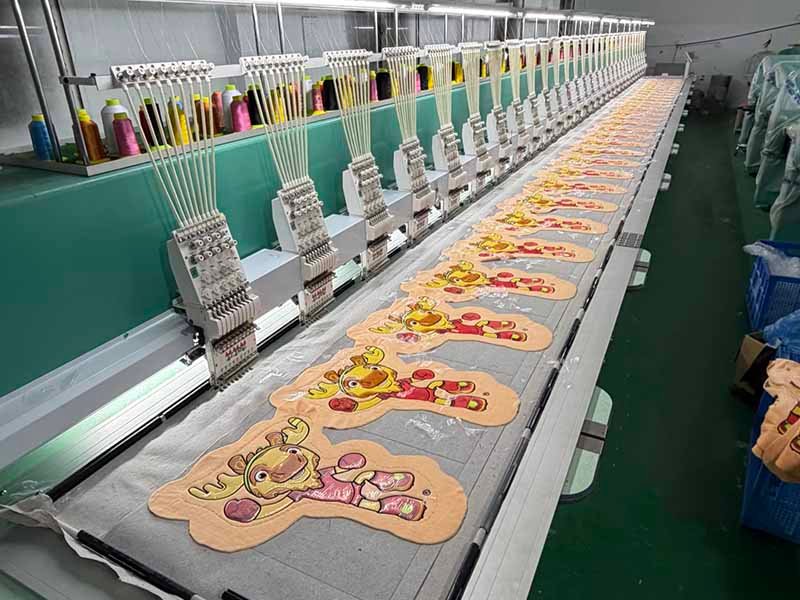
A plush toy looks simple when it is sitting on a retail shelf, packed inside a gift box, or placed in a child’s bedroom. Soft fabric, rounded shapes, cute eyes, and a friendly expression make the product feel easy to create. In real manufacturing, every plush toy is the result of many decisions: design ownership, fabric selection, stuffing density, embroidery accuracy, pattern engineering, safety testing, MOQ, sampling time, packaging, and bulk quality control.
OEM plush toys are made according to the brand’s own artwork, sample, technical file, character design, logo, or IP concept. ODM plush toys are developed from the manufacturer’s existing design base, then adjusted through fabric, size, color, logo, accessories, labeling, or packaging.
OEM gives brands stronger control over originality, design accuracy, and long-term product value. ODM can help brands reduce early development pressure, shorten launch time, and test the market faster. The right choice depends on whether the project needs unique design ownership, quick delivery, lower development cost, exclusive market positioning, or strict character approval.
Many failed plush projects do not fail because the factory cannot sew. They fail because the cooperation model was unclear from the beginning. A brand may want OEM-level uniqueness but choose an ODM base to save money. Another brand may request fast ODM production while expecting full custom engineering, multiple sample rounds, exclusive rights, and strict licensed-character accuracy. Before asking for a quotation, the smarter question is not “How much is one piece?” It is “Which manufacturing model protects the product, controls the risk, and gives the brand a plush toy customers will remember?”
What Are OEM and ODM Plush Toys?

OEM plush toys are produced according to the brand’s own design, sample, artwork, technical file, or IP concept. ODM plush toys are based on the manufacturer’s existing design resources and then customized for the brand. OEM is usually better for original characters and licensed products. ODM is usually better for faster launches, simple customization, and lower early development pressure.
OEM and ODM are not just factory words. They decide how a plush toy project starts, how much control the brand keeps, how many details need development, how long sampling may take, and who owns the final design direction.
In plush toy manufacturing, these differences matter because plush products are highly visual and highly emotional. A small change in face shape, eye size, embroidery angle, fabric pile length, or filling volume can change the whole personality of the product.
Many brands think the main difference between OEM and ODM is price. Price matters, but it is only one layer. OEM usually requires more pattern work, more sample review, more material matching, and more design communication. ODM usually starts faster because the factory already has a structure, pattern, or product idea. However, ODM may have limits in originality and design ownership if the base design is not exclusive.
A strong plush manufacturer should not force every client into one model. Real projects often combine both. A brand may provide its own mascot design through OEM, while the factory recommends fabric solutions, accessory structures, packaging formats, or cost-saving construction methods. Another brand may begin with an existing animal shape, then customize the face, clothing, logo, size, filling, hangtag, and gift box until the product becomes much more specific to its market.
Delsney supports both OEM and ODM plush toy projects through a complete product development system. With over 18 years of plush product R&D, design, pattern making, manufacturing, and sales experience, Delsney helps brands move from idea to sample to bulk production. The company supports reference technical files, artwork sampling, physical sample development, free design, free sampling, three-view creation, 3D effect support, fast sample development, flexible MOQ, and quality-controlled bulk production for overseas medium-to-large clients and high-end brand projects.
A brand choosing between OEM and ODM should review these questions before starting:
| Key Question | Why It Matters |
|---|---|
| Who owns the design? | Determines IP protection, exclusivity, and long-term product value |
| How much customization is needed? | Affects sampling time, pattern work, and unit cost |
| How fast must the product launch? | Helps decide whether to start from zero or use an existing base |
| What market will the product enter? | Influences safety testing, labeling, packaging, and quality level |
| Is the product part of a long-term line? | Impacts whether originality and repeat consistency are more important than speed |
What Does OEM Mean?
OEM means the plush toy is made based on the brand’s own design direction. The brand may provide a sketch, character artwork, physical sample, logo file, technical pack, reference photo, Pantone color, three-view drawing, or licensed IP guide. The factory’s role is to turn these materials into a real plush product that can be sampled, tested, produced, inspected, packed, and shipped.
For plush toys, OEM is not only “copying a drawing.” A flat design must be translated into a three-dimensional soft product. The head shape needs pattern engineering. The face needs embroidery or appliqué planning. The fabric must match the design’s texture and softness. The stuffing must support the shape without making the toy too hard. The seam lines must be placed in areas that preserve appearance and strength.
OEM is especially suitable for:
- Custom character plush toys
- Licensed IP plush products
- Mascot plush for companies, schools, clubs, or events
- Plush dolls with unique face and body proportions
- High-end stuffed animals with special materials
- Baby plush toys with strict softness and safety requirements
- Emotional support plush with specific touch and weight requirements
- Blind box plush toy series with consistent character style
- Plush keychains, pillows, or gift sets based on brand artwork
For brands that invest in original IP, OEM is often the safer path. The plush toy becomes part of the brand’s identity, not just a soft product. Delsney supports OEM projects with three-view drawing, 3D effect presentation, pattern development, free design support, 5–7 day fast sampling for regular plush products, and finished product matching accuracy up to 98% against the approved design draft.
| OEM Stage | Main Work | Brand Concern |
|---|---|---|
| Design review | Check artwork, size, material, structure, and feasibility | Can the factory understand the design correctly? |
| Pattern making | Convert 2D design into 3D plush structure | Will the shape look close to the artwork? |
| Material matching | Choose fabric, filling, embroidery thread, and accessories | Will the touch, color, and finish match the brand image? |
| Sample making | Produce first prototype for review | How many details need correction? |
| Revision | Adjust expression, body proportion, stitching, filling, and logo | Can the sample reach approval standard? |
| Bulk production | Produce according to approved sample | Will mass production stay consistent? |
| Inspection | Check size, stitching, embroidery, filling, and packaging | Can defects be controlled before shipment? |
What Does ODM Mean?
ODM means the plush toy is developed from the manufacturer’s existing design resources. The factory may already have animal shapes, doll structures, pillow styles, keychain patterns, holiday plush concepts, gift plush ideas, or basic product templates. The brand then customizes the product with its own logo, color, fabric, size, clothing, embroidery, hangtag, label, packaging, or product set.
ODM is often chosen when speed and simplicity matter. A company may need plush gifts for a marketing campaign. A retailer may need seasonal plush products for Christmas, Valentine’s Day, Easter, Halloween, or back-to-school sales. An online seller may want to test plush toys before investing in original character development. A hotel, airline, museum, sports club, or event organizer may need a soft gift product with its logo and packaging.
ODM is useful for:
- Promotional plush gifts
- Corporate logo plush toys
- Seasonal plush collections
- Retail private label plush products
- Plush pillows and cushions
- Simple animal stuffed toys
- Plush keychains and bag charms
- Souvenir plush products
- Event merchandise
- Test orders for new markets
The biggest advantage of ODM is that the product does not start from zero. Pattern development may be shorter. Some materials may already be tested. The factory may already know production difficulty and cost range. Sampling can often move faster because the structure is mature.
The limitation is uniqueness. If the base design is not exclusive, similar products may appear in other markets. If the brand wants strong differentiation, it should customize more than a logo. Fabric, expression, clothing, accessory, packaging, story card, label, and color system can all help make the product more distinctive.
Brands choosing ODM should ask the factory several clear questions:
- Is the base design owned by the factory?
- Has the same design been sold to other clients?
- Can the design be customized deeply?
- Can the brand buy exclusive use in one market?
- Can the product be modified enough to support private label sales?
- Are logo, packaging, and artwork files owned fully by the brand?
- Can the factory provide stable repeat production if the product sells well?
ODM is not a lower-quality model. It is a different development path. A well-managed ODM plush project can still achieve strong softness, clean stitching, attractive packaging, and reliable safety performance. The key is choosing a factory that understands customization, not just stock-style production.
How Are They Different?
The main difference between OEM and ODM is where the product design begins. OEM begins with the brand’s own idea, artwork, sample, or IP. ODM begins with the manufacturer’s existing design base. From there, many project differences appear: cost, sampling time, design control, product uniqueness, ownership, production planning, and approval process.
| Factor | OEM Plush Toys | ODM Plush Toys |
|---|---|---|
| Starting point | Brand design, artwork, sample, or IP | Factory design base or existing product concept |
| Design control | Very high | Medium to high, depending on customization depth |
| Originality | Strong | Depends on how much the product is changed |
| Development time | Longer at the beginning | Usually shorter at the beginning |
| Sample difficulty | Higher because structure may be new | Lower if base pattern is mature |
| Early cost | Usually higher | Usually lower |
| Unit cost | Depends on size, material, complexity, and MOQ | Often easier to estimate early |
| IP ownership | Usually brand-owned | Must be confirmed in writing |
| Best use | Original IP, mascot, licensed plush, premium lines | Gifts, retail tests, seasonal products, simple private label |
| Main risk | Poor design files can cause sample delays | Similar designs may reduce market differentiation |
| Factory skill needed | Strong R&D, pattern, sample, and engineering ability | Strong design library and flexible customization ability |
| Brand preparation needed | Artwork, reference file, sample, tech pack, approval rules | Logo, color, packaging, market requirement, customization direction |
A children’s book publisher turning a story character into a plush toy should usually choose OEM. The face, body ratio, costume, color, and emotional expression must match the book character closely. A 98% visual match may be much more valuable than saving a small amount on early development.
A hotel chain creating a teddy bear gift for guests may choose ODM. The base bear shape can be mature, while the scarf, embroidered logo, hangtag, color, and packaging make the product suitable for the hotel’s own identity.
A sports club mascot plush may sit between the two. If the mascot has a strict official shape, OEM is better. If the club only needs a simple animal plush wearing a team scarf, ODM may be enough.
Why Does the Model Matter?
The manufacturing model matters because it controls the project’s risk before production begins. Many brands only discover the difference after problems appear. A sample does not match the artwork. The factory says the requested change requires new pattern cost. The brand asks for exclusivity but the design came from the factory’s open catalog. The product looks good in one sample but loses shape in bulk production. The packaging looks nice, but warning labels or age grading were not planned early enough.
Choosing the right model helps prevent these problems.
For OEM projects, the brand should prepare clear input materials:
- Front, side, and back views if possible
- Target size and proportion
- Fabric preference or touch requirement
- Pantone color reference
- Embroidery or printing details
- Filling softness or weight requirement
- Logo placement
- Packaging direction
- Target market and age group
- Safety standard requirements
- Approval person and revision rules
For ODM projects, the brand should confirm customization boundaries:
- Which parts can be changed
- Which parts are fixed
- Whether size changes affect price
- Whether fabric changes affect MOQ
- Whether colors require custom dyeing
- Whether accessories need mold cost
- Whether packaging is included
- Whether the base design can be exclusive
- Whether repeat orders can keep the same materials
The model also affects quotation accuracy. A factory cannot quote a complex OEM plush doll accurately from one rough image. The price may change after size, fabric, embroidery, accessories, stuffing, packaging, and testing requirements are confirmed. ODM pricing may be faster because the factory has previous production data, but customization can still affect cost.
A professional manufacturer helps brands understand these trade-offs before money and time are wasted. Delsney’s value is not only production capacity. It is the ability to review a plush concept, judge feasibility, suggest materials, create samples quickly, improve the structure, support compliance, control bulk production, and help brands avoid hidden risks.
Which Model Fits Your Brand?

OEM fits brands that need original plush products, licensed characters, accurate mascots, stronger IP protection, and long-term product lines. ODM fits brands that need faster launch, lower early development pressure, logo customization, seasonal products, or promotional plush gifts. The best choice depends on design ownership, budget, timeline, target market, and product uniqueness.
A brand should not choose OEM or ODM only because one sounds more advanced. The right model depends on the product’s business purpose. A plush toy for a global licensed character has very different needs from a plush gift used at a trade show. A premium collectible plush doll has different requirements from a simple plush keychain. A baby comfort plush has stricter safety and softness concerns than a decorative plush pillow.
The clearest decision point is product value. If the plush toy’s value comes from an original character, story, shape, or emotional identity, OEM is usually better. If the value comes from speed, gift use, logo visibility, retail packaging, or seasonal demand, ODM may be more practical.
Brands should also think about the product’s life cycle. A one-time event gift does not need the same development investment as a plush line planned for several years. A mascot plush sold in a theme park or sports store needs stronger consistency than a short-term promotional product. A licensed IP plush may need multiple approval rounds, while a simple private label teddy bear may only need color, logo, and packaging approval.
| Brand Situation | Recommended Model | Reason |
|---|---|---|
| Original character plush | OEM | Protects design ownership and visual identity |
| Licensed IP plush | OEM | Supports strict approval and design accuracy |
| Company mascot plush | OEM or semi-custom | Depends on how accurate the mascot must be |
| Seasonal holiday plush | ODM | Faster development and lower early pressure |
| Corporate gift plush | ODM | Logo, scarf, label, and packaging may be enough |
| Premium collectible plush | OEM | Stronger uniqueness and long-term value |
| Retail private label plush | ODM or mixed | Existing structure plus custom packaging can work well |
| Startup market test | ODM or mixed | Reduces first-order risk |
| Crowdfunding character plush | OEM | Supporters expect design accuracy |
| Baby plush toy | OEM | Safety, softness, and structure need closer control |
| Plush keychain series | OEM or ODM | Depends on originality and order quantity |
| Emotional support plush | OEM | Weight, handfeel, shape, and fabric need careful development |
A good plush manufacturer should help the brand choose the model based on product goals, not just production convenience. Delsney supports both OEM and ODM because overseas clients often need different solutions for different product lines. One brand may use OEM for its main character plush and ODM for lower-cost seasonal gift items. Another brand may start with ODM for market testing, then move to OEM after confirming sales demand.
Is OEM Better for Original Ideas?
OEM is usually the better choice when the plush toy is based on an original idea. A custom character, mascot, anime-style doll, children’s book figure, brand animal, game character, or emotional support plush has value because it is recognizable. If the shape, expression, color, or personality is wrong, the product loses its meaning.
Original plush development requires more than sewing. It requires interpretation. A designer may draw a large head, tiny arms, rounded feet, sleepy eyes, or a special smile. The factory must decide how to divide pattern pieces, where to place seams, how to maintain the shape after stuffing, how to choose fabric pile length, and how to keep the face cute after embroidery.
OEM is also better when future product expansion is planned. A character may later become a plush keychain, pillow, blind box series, baby comforter, holiday version, or licensed retail collection. Starting with OEM gives the brand stronger control over the design system from the beginning.
Delsney supports original plush ideas through artwork and reference file review, three-view drawing support, 3D effect presentation, pattern engineering, fabric and color matching, embroidery and expression development, free design assistance, fast sample production for regular plush styles, sample adjustment before bulk production, and finished product matching accuracy up to 98%.
For brands building long-term value, OEM is not only a production choice. It is a way to protect character identity.
Is ODM Better for Fast Launches?
ODM is often better when the brand needs a faster launch and does not require a fully original structure. Because the manufacturer already has design resources, the project can start from a more mature base. The brand can focus on color, logo, fabric, clothing, packaging, and product positioning instead of building the entire plush structure from zero.
ODM can be useful for holiday promotions, event giveaways, corporate gifts, retail shelf products, museum and tourist souvenirs, hotel welcome gifts, school merchandise, sports club fan items, online store product tests, and simple private label plush.
The speed advantage is especially useful when the sales window is short. Valentine’s plush, Christmas plush, Halloween plush, Easter plush, or back-to-school plush must reach the market before the season begins. If sampling takes too long, the product may miss the best selling period.
However, ODM should not mean lazy customization. A plain stock-style product with only a small logo may not stand out. Brands can improve ODM value through custom fabric texture, unique color matching, embroidered facial details, custom scarf, T-shirt, bow, hat, branded hangtag, printed care label, gift box, display packaging, story card, product set design, and retail-ready carton planning.
The key is to make the product feel intentional, not generic. Delsney can help brands use ODM efficiently while still improving market presentation through material selection, logo application, packaging design, and quality-controlled production.
Which Works for Startups?
Startups often need to balance product uniqueness, budget, MOQ, and launch speed. There is no single answer for every startup. The best choice depends on whether the plush toy is the core brand product or only one product used to test demand.
If a startup is built around an original character, creator IP, children’s story, game figure, or emotional support plush concept, OEM is usually the better path. The product’s value depends on originality. A weak copy of the design may disappoint early supporters and reduce repeat sales.
If a startup is testing a gift category, lifestyle plush, plush pillow, animal plush, or retail idea, ODM may be more practical at first. It can reduce early development complexity and help the brand collect real sales feedback before investing in deeper custom tooling or exclusive pattern work.
Startups should pay close attention to MOQ and cash flow. A lower unit price is not always better if the MOQ is too high. A slightly higher unit cost with flexible MOQ may be safer for a first order. Delsney’s flexible MOQ can help brands control inventory risk while still accessing custom plush development.
| Question | Better Choice |
|---|---|
| Is the character original and central to the brand? | OEM |
| Is the first order mainly for testing sales? | ODM or mixed |
| Is the launch timeline very short? | ODM |
| Does the product need strong design protection? | OEM |
| Is the budget limited but branding still needed? | ODM with packaging upgrades |
| Will the product become a long-term series? | OEM |
| Is the design still unclear? | Start with design support before choosing |
For many startups, a mixed approach works well. Use OEM for the core hero product. Use ODM for simple gift items, keychains, pillows, or seasonal add-ons. This keeps the brand distinctive while controlling early risk.
Which Works for Established Brands?
Established brands usually need stronger control over consistency, safety, packaging, and repeat production. They may sell through retail chains, e-commerce platforms, distributors, theme parks, museums, entertainment channels, children’s product stores, or premium gift programs. Their concern is not only whether the factory can produce one good sample. They need to know whether the factory can keep the approved standard during bulk production.
For established brands, OEM is often preferred when the product carries brand identity. A mascot plush, licensed character, premium stuffed animal, collectible plush doll, or signature gift item must match the approved design every time. The brand may require color consistency, embroidery accuracy, stable stuffing density, clean stitching, correct labels, retail packaging, carton marks, and pre-shipment inspection.
ODM can still work for established brands when the product is a support item rather than a core IP product. A retailer may develop a seasonal plush collection based on factory structures but require custom fabric colors, private labels, barcode stickers, hangtags, display boxes, and packing instructions.
Established brands should evaluate a factory by design and sample development ability, pattern making skill, fabric sourcing range, quality inspection process, bulk production capacity, export packaging experience, ability to meet US and EU compliance needs, communication speed, revision management, production schedule control, and long-term repeat order stability.
Delsney serves overseas medium-to-large clients and high-end brand customers through custom, private label, OEM, and ODM plush products. With over 18 years of industry experience, fast sampling, flexible MOQ, short bulk lead times, 100% quality assurance, and safety compliance support for European and American markets, Delsney is positioned for brands that need more than basic plush production.
Which Works for Licensed IP?
Licensed IP projects usually require OEM because the plush toy must follow a controlled character standard. The licensor may provide official artwork, color references, facial expression rules, logo files, product size limits, packaging instructions, legal marks, warning statements, approval process, and safety requirements. The factory must follow these materials carefully.
A licensed plush toy can fail approval for small reasons:
Eyes are too high or too low Mouth curve changes the character’s emotion Head shape is not close enough to the artwork Body proportion feels different from the original character Fabric color does not match the approved reference Embroidery thread is too thick or too shiny Clothing details are simplified too much Packaging misses required marks Label information is incomplete Sample handfeel does not match the brand expectation
For licensed IP, design accuracy is part of legal and commercial value. The plush toy represents a known character, so customers expect recognition immediately. If the product feels wrong, both the brand and the licensor may lose trust.
OEM also gives better control over confidentiality. Licensed artwork, unreleased characters, and new product lines should be protected through controlled file sharing, NDA, sample approval records, and clear production boundaries. Delsney’s OEM service supports high-standard IP plush projects through design review, three-view creation, 3D effect support, pattern making, sample revision, quality control, and export-ready production management.
For brands handling licensed IP, the safest route is to choose a factory that understands both softness and discipline. A plush toy must feel cute, but the process behind it must be precise.
How Do Cost and MOQ Compare?
OEM plush toys usually have higher early development cost because the project starts from a custom design, new pattern, special fabric selection, embroidery testing, structure adjustment, and sample revisions. ODM plush toys often reduce early cost because the manufacturer already has a mature base design. MOQ depends on fabric availability, product size, color quantity, accessory complexity, packaging, and testing needs.
Cost and MOQ are often the first questions brands ask, but they should not be judged only by the lowest unit price. A plush toy with poor shape, weak stitching, wrong fabric, unclear IP ownership, or failed safety testing can become far more expensive than a product with a slightly higher initial quote. In plush manufacturing, the real cost includes development cost, revision cost, material cost, production cost, packaging cost, inspection cost, shipping volume, and risk cost.
OEM usually requires more front-end work. A new plush design may need pattern engineering, 3D structure planning, sample cutting, embroidery programming, stuffing tests, fabric sourcing, accessory development, and multiple correction rounds. For example, a 25 cm custom mascot plush with embroidered eyes, custom clothing, a printed logo, and retail gift box will cost more to develop than a standard bear plush with a logo scarf. The price difference comes from engineering effort, not only material usage.
ODM can reduce early development pressure because the base product has already been shaped, tested, and produced before. The factory can often estimate cost faster and produce samples more quickly. However, ODM cost may rise when the brand changes too many details. A simple ODM plush can become close to OEM if the client changes the head shape, body ratio, face, fabric, accessories, packaging, and size.
MOQ is also not fixed by one rule. In many plush projects, flexible MOQ is possible, especially when fabrics are available, colors are standard, and accessories do not require custom molds. However, MOQ may increase when custom-dyed fabric, special filling, unique accessories, complex embroidery, printed fabric, licensed packaging, or multiple colorways are involved. Delsney supports flexible MOQ, helping brands reduce first-order inventory pressure while still developing custom plush products for overseas markets.
| Cost Area | OEM Plush Toys | ODM Plush Toys | Brand Risk if Ignored |
|---|---|---|---|
| Design development | Higher due to custom structure | Lower if base design exists | Poor design translation |
| Pattern making | New pattern required | Existing pattern may be adjusted | Shape mismatch |
| Sampling | More detailed review | Usually faster | Delayed approval |
| Fabric sourcing | More specific matching | Often standard options | Wrong handfeel or color |
| Embroidery | Custom programming | Existing or minor changes | Face expression issues |
| Accessories | May need custom development | Usually simpler | Higher hidden cost |
| Packaging | Often more customized | Can use standard private label options | Weak shelf presentation |
| Testing | Depends on market and age grade | Still required for toy markets | Shipment or sales blockage |
| MOQ | Flexible but affected by complexity | Often easier for small runs | Inventory pressure |
| Bulk production | Needs strict sample matching | Easier if structure is mature | Quality inconsistency |
What Affects Development Cost?
Development cost depends on how much work is needed before bulk production can begin. For OEM plush toys, major cost factors include design review, three-view creation, 3D effect support, pattern making, fabric matching, embroidery programming, printing, accessory development, stuffing tests, sample cutting, sample sewing, and revision rounds. The more unique the plush toy is, the more work is needed to make it look right and remain manufacturable.
Several details can increase cost quickly. Long-pile faux fur may require special cutting and brushing. Tiny embroidered facial details may need repeated testing. Plush dolls with clothing need extra sewing steps. Weighted plush toys need inner pouch design and weight balance. Baby plush toys need safer construction and softer materials. Plush keychains need hardware, reinforced stitching, and size control. Licensed IP plush needs closer approval and stronger consistency.
Brands can control cost by preparing clear files. A front view alone often causes confusion. Front, side, and back views reduce guesswork. Pantone references reduce color mistakes. Size charts reduce proportion disputes. Material preference helps sourcing. Packaging requirements prevent late-stage cost changes.
Delsney supports brands with free design help, technical file review, artwork sampling, sample development, and practical material suggestions. For many projects, better early communication can reduce unnecessary revisions and shorten the path to final approval.
How Does MOQ Change?
MOQ changes according to material, size, color, complexity, packaging, and production planning. A simple plush toy using available fabric may support a lower starting quantity. A custom plush using special-dyed fabric, unique printed material, rare accessories, or multi-color production may need a higher MOQ because suppliers have their own minimums for fabric dyeing, printing, accessories, labels, cartons, or packaging.
MOQ is also affected by production efficiency. A tiny plush keychain may look simple, but if it has multiple small embroidered details and hardware assembly, labor cost can be high. A large plush pillow may have fewer small details, but it uses more fabric and takes more carton space. A complex plush doll with clothing, shoes, hair, accessories, and printed packaging may require separate production steps, which increases planning pressure.
| MOQ Factor | Why It Matters |
|---|---|
| Fabric availability | In-stock fabric supports lower MOQ; custom-dyed fabric may require more quantity |
| Color quantity | More colors increase cutting, sorting, and production complexity |
| Product size | Larger plush toys use more material and storage space |
| Embroidery complexity | More stitches increase machine time and setup work |
| Accessories | Custom buttons, zippers, sound modules, or hardware may have supplier MOQ |
| Packaging | Gift boxes, printed bags, display cartons, and barcode labels affect order planning |
| Testing needs | Safety testing cost may be easier to absorb at higher quantities |
| Production line setup | Very small runs may have higher labor cost per piece |
Delsney’s flexible MOQ is helpful for brands that need to test a new plush line without carrying too much inventory. For startups, creators, and growing brands, a manageable first order can reduce risk. For established brands, a higher MOQ can often improve unit cost and production efficiency.
Are Samples More Expensive?
OEM samples are usually more expensive than ODM samples because they require new development. A factory may need to create a fresh pattern, test fabric combinations, program embroidery, sew special parts, adjust filling, and revise shape details. Even when the final plush looks simple, early sample development may involve several hidden technical steps.
ODM samples may cost less because the base pattern already exists. If the brand only changes logo, color, scarf, hangtag, or packaging, the sample process is faster. However, when ODM customization becomes deep, sample cost may rise. Changing a bear into a different animal, changing body posture, adding clothing, adjusting facial structure, or creating custom accessories can move the project closer to OEM-level development.
Sample cost should be viewed as a protection cost, not only an expense. A sample helps the brand check shape accuracy, fabric softness, color matching, face expression, embroidery quality, stuffing density, seam strength, logo placement, accessory safety, packaging size, retail presentation, and bulk production feasibility.
Delsney supports fast sample development, with regular plush samples often completed in 5–7 days. Complex plush products with molded accessories, electronics, special crafts, multi-part clothing, or unusual structures may require more time. Free sample revision support can help brands correct important details before bulk production, reducing the risk of costly mistakes.
Which Model Saves More Time?
ODM usually saves more time at the beginning because the factory already has a base product or design structure. The brand does not need to wait for complete pattern development from zero. For simple private label plush, promotional gifts, and seasonal products, ODM can shorten the path from idea to sample and from sample to bulk planning.
OEM takes longer during early development, but it may save time later if the product becomes a long-term line. Once the pattern, material, embroidery, filling, labels, and packaging are approved, repeat orders become easier. The brand can also create related products from the same character system, such as plush keychains, cushions, mini plush, blind box plush, holiday editions, or gift sets.
| Timeline Stage | OEM Time Impact | ODM Time Impact |
|---|---|---|
| Concept review | Longer if design is new | Shorter if base product exists |
| Pattern making | New pattern required | Existing pattern adjusted |
| First sample | More technical work | Usually faster |
| Sample revision | More likely for original characters | Fewer changes if structure is accepted |
| Packaging setup | Depends on brand needs | Can use standard formats faster |
| Bulk production | Stable after approval | Stable if materials are available |
| Repeat order | Faster after first approved order | Fast if base product remains unchanged |
For brands with urgent launch dates, ODM may be better. For brands building a signature plush product, OEM may take longer at first but create stronger value over time. Delsney can help brands compare both routes based on delivery deadline, product complexity, MOQ, and target market before development begins.
How Does Sampling Work?

Sampling turns a plush idea into a physical product that can be reviewed, tested, revised, priced, and produced. Brands should provide clear design files, size requirements, colors, materials, logo details, packaging direction, and target market information. A strong manufacturer checks shape, fabric, embroidery, filling, stitching, safety, and bulk feasibility before moving into mass production.
Plush toy sampling is where many projects succeed or fail. A good sample gives the brand confidence before bulk production. A poor sample reveals unclear design input, weak pattern making, poor material selection, or insufficient factory communication. Since plush toys are soft, three-dimensional, and emotion-driven, sampling is more than checking dimensions. The sample must capture feeling.
A plush toy can look correct in size but still feel wrong. The head may be too flat. The eyes may look dull. The stuffing may feel too hard. The arms may not sit naturally. The fabric may look cheap under retail lighting. The logo may be too small after embroidery. The box may squeeze the product and damage its shape. These issues are easier to correct during sampling than after production.
A serious sampling process should connect design, engineering, materials, cost, and compliance. If a product is for children, safety needs should be considered early. If the plush toy includes accessories, small parts, plastic eyes, sound modules, zippers, magnets, weighted filling, or long fibers, risk review becomes more important. If the product is for the US or EU market, labels, age grading, and testing direction should not be left until the final week.
Delsney’s sampling system supports reference technical files, artwork sampling, physical sample development, free design, free sampling, three-view creation, 3D effect support, and 5–7 day fast sampling for regular plush projects. For high-requirement brands, sample approval should be treated as the production standard. Once approved, the factory must control bulk production according to the final confirmed sample, not according to a vague idea.
| Sampling Step | Main Purpose | Key Output |
|---|---|---|
| File review | Understand design, size, market, and function | Feasibility comments |
| Material suggestion | Match fabric, filling, thread, and accessories | Material direction |
| Pattern making | Convert flat idea into 3D structure | Cutting pattern |
| First sample | Create physical prototype | Review sample |
| Brand review | Check look, touch, size, and details | Revision notes |
| Sample correction | Improve shape, face, fabric, or construction | Updated sample |
| Final approval | Confirm production standard | Approved sample |
| Pre-production check | Align bulk material and production details | Production file |
| Bulk quality control | Keep mass goods close to approved sample | Inspection standard |
What Files Should Brands Provide?
Better input creates better samples. Brands do not always need perfect technical files, but they should provide as much useful information as possible. A rough idea can be developed, but vague communication often causes more revisions, longer timelines, and higher development cost.
Useful files include front, side, and back artwork, hand sketch or digital drawing, character reference image, physical sample or similar product, AI, PDF, PSD, or PNG files, Pantone color references, target height, width, and thickness, fabric preference or softness requirement, logo files, embroidery or printing position, accessory reference, packaging concept, hangtag and label requirements, target market, age group, safety standard requirement, expected MOQ, and launch date.
For licensed products, brands should provide official style guides and approval rules. For mascot plush, a clear front and side view is especially important. For plush dolls, face details and body proportions should be marked carefully. For baby plush, material safety, softness, and small-part avoidance should be stated early.
Delsney can help brands that only have a basic idea by creating three-view drawings and 3D effects before sampling. That helps reduce misunderstandings and gives the brand a clearer view of the product before fabric is cut.
How Are 2D Ideas Turned Into Plush?
Turning a 2D idea into a plush toy requires interpretation. A drawing has lines and colors. A plush toy has volume, seams, fabric direction, stuffing pressure, weight, balance, and handfeel. A cute drawing may not become a cute plush automatically unless the factory understands how to adjust proportions for soft materials.
The process usually begins with structure analysis. The sample team studies the head, body, arms, legs, ears, tail, facial details, clothing, and accessories. Then pattern makers divide the shape into fabric pieces. Seam placement is important because seams affect both appearance and strength. Too many seams may make the product look busy. Too few seams may make shape control difficult.
Next comes material translation. A drawn fur texture may become minky, velboa, faux fur, sherpa, fleece, flannel, polyester plush, microfiber plush, or another fabric type. A shiny eye in the artwork may become embroidery, appliqué, plastic safety eye, or printed detail depending on age grade and product style. A small accessory may need soft fabric instead of hard plastic for safety.
Delsney uses three-view creation and 3D effect support to help brands understand how flat artwork becomes a physical plush. Pattern making then turns the approved view into a real sample. The goal is not only similarity, but manufacturable similarity: a plush toy that looks right and can be repeated in bulk production.
Do Samples Need Revisions?
Most custom plush samples need revisions. That is normal, especially for OEM projects. A sample is the first physical translation of an idea, and small details often need adjustment after the brand sees the product in hand.
Common revision areas include eye size or position, mouth curve, head roundness, ear shape, body proportion, arm and leg length, fabric color, fabric softness, embroidery thread color, stuffing density, sitting or standing balance, clothing fit, logo size, accessory placement, label position, and packaging fit.
Revisions should be specific. Instead of saying “make it cuter,” a brand should say “move the eyes 3 mm lower,” “make the head 10% rounder,” “reduce body width,” “use softer filling,” or “change the mouth embroidery to dark brown.” Clear feedback helps the sample team make accurate improvements.
Delsney supports free sample modification within the project process, helping brands improve key details before production. For high-standard plush projects, sample revision should not be rushed. Correcting the face, handfeel, and proportion before bulk production is much cheaper than discovering problems after thousands of pieces are finished.
How Fast Can Sampling Be?
Sampling time depends on complexity. Regular plush toys can often be sampled faster when the design is clear, materials are available, and no special accessories are required. Delsney can support 5–7 day fast sampling for regular plush products, which is useful for brands with planned launches, retail deadlines, or seasonal campaigns.
More complex plush projects may need longer. Products involving special fabric, molded parts, sound modules, lights, weighted filling, detailed clothing, multiple embroidery areas, licensed character approval, or unusual structures require more development time. A rushed sample may create problems that later slow down bulk production.
| Factor | Faster Sampling | Slower Sampling |
|---|---|---|
| Design file | Clear three-view or sample | One vague image |
| Fabric | Available standard material | Custom-dyed or rare fabric |
| Shape | Simple animal or pillow | Complex doll or character |
| Face details | Basic embroidery | Multi-color detailed embroidery |
| Accessories | Soft simple parts | Molded, electronic, or metal parts |
| Packaging | Standard bag or hangtag | Custom printed box or display set |
| Approval | One decision maker | Several approval layers |
| Revisions | Specific correction notes | General unclear feedback |
Brands can speed up sampling by preparing complete files, confirming target size, giving fabric direction, identifying market requirements, and responding quickly to revision questions. Fast sampling does not mean skipping professional steps. It means making decisions clearly and letting the factory work from accurate information.
How Close Should Samples Match Designs?
For custom plush toys, design matching is one of the most important success measures. A sample should not only copy color and size. It should capture character personality, softness, shape, expression, and product feeling. In many branded plush projects, customers recognize the product by face and proportion before reading the label.
Delsney’s finished plush products can reach up to 98% matching accuracy with approved design drafts through three-view development, 3D effect support, pattern engineering, fabric matching, embroidery adjustment, and sample correction. The remaining difference usually comes from the natural limits of soft materials. Fabric thickness, stuffing pressure, seam structure, and pile direction can make a plush product slightly different from a flat drawing.
Brands should evaluate sample matching through several points:
Does the face express the right emotion? Does the head shape match the character? Are body proportions close to the design? Is the fabric color correct under normal light? Does the handfeel match the product level? Are embroidery details clean and centered? Does the product sit, stand, or hang as expected? Are labels and logos in the right position? Does packaging protect shape during shipping? Can bulk production repeat the sample consistently?
A beautiful sample is only useful if the factory can reproduce it in mass production. Before bulk order, the approved sample should become the quality reference. Delsney controls production against approved samples, inspection standards, and client requirements, helping brands reduce the gap between prototype and final goods.
What About IP and Design Ownership?

OEM plush toys usually give brands stronger control over design ownership because the product is developed from the brand’s own artwork, character, sample, logo, or technical file. ODM plush toys may involve factory-owned base designs, so brands must confirm usage rights, exclusivity, modification rights, and market limitations before production starts.
IP ownership is one of the most important topics in plush toy manufacturing, especially for brands building original characters, licensed products, mascot plush, story-based toys, collectible plush dolls, or long-term retail lines. A plush toy is not only a soft product. It can become a brand symbol, a fan item, a children’s companion, a retail collection, or a licensed product with long-term commercial value.
When a brand owns a character or design, the factory should act as a manufacturing partner, not the owner of the idea. The brand may provide sketches, reference files, three-view drawings, logo files, packaging designs, character stories, or approved samples. In OEM production, these assets usually belong to the brand. The factory should use them only for the agreed project and should not resell, display, copy, or share the product without permission.
ODM is more complicated because the product begins from the manufacturer’s design resources. A factory may have a teddy bear shape, animal plush pattern, plush pillow design, keychain structure, holiday plush concept, or doll base that has been used before. The brand can customize it, but the base design may not automatically become the brand’s property. For private label projects, this is usually acceptable. For long-term brand building, it can create risk if the same or similar design appears in another market.
Brands should avoid unclear verbal agreements. IP, exclusivity, confidentiality, and design ownership should be confirmed in writing before final sample approval and bulk production. This is especially important when the product involves original characters, licensed IP, unreleased designs, influencer merchandise, animation projects, crowdfunding campaigns, retail chain exclusives, or high-value mascot plush.
| IP Item | OEM Plush Toys | ODM Plush Toys | What Brands Should Confirm |
|---|---|---|---|
| Character design | Usually brand-owned | May not apply unless customized | Who owns the character and final plush version |
| Base pattern | Usually made for the brand | Often factory-owned | Whether the pattern is exclusive |
| Logo | Brand-owned | Brand-owned | Factory cannot use logo elsewhere |
| Packaging artwork | Brand-owned | Brand-owned if provided by brand | File ownership and usage limits |
| Product photos | Should be agreed | Should be agreed | Whether factory can show the product publicly |
| Market rights | Usually controlled by brand | Must be negotiated | Country, channel, and duration |
| Design modification | Brand controls changes | Depends on base design rights | Whether changes create exclusive rights |
| Confidentiality | Strongly recommended | Recommended for private label | NDA and file protection |
For Delsney’s overseas medium-to-large clients and high-end brand projects, IP protection is not treated as an extra detail. It is part of professional custom plush development. Delsney can support OEM/ODM projects with confidentiality awareness, private label production, customer logo customization, sample development, three-view and 3D effect support, and controlled production based on approved client requirements.
Who Owns the Design?
Design ownership depends on where the idea comes from and what is agreed before production. In OEM plush toy manufacturing, the brand usually owns the original character, artwork, logo, technical file, packaging design, and approved product direction. The factory provides development and production service but does not own the brand’s IP.
For ODM plush toys, the factory may own the base design, structure, or pattern. The brand may own its logo, packaging, label design, color system, and added custom elements, but not necessarily the original base plush shape. If the brand wants exclusive use, it should discuss this before sample development, not after the product starts selling well.
Design ownership becomes more sensitive when a product has strong commercial potential. A simple logo teddy bear may not need exclusive structural rights. A unique mascot plush or collectible character should have clearer ownership protection. Brands should ask for written confirmation about product usage, display rights, repeat orders, and whether similar designs can be offered to other customers.
Do Brands Need an NDA?
Brands should use an NDA when sharing original characters, licensed IP, unreleased products, confidential packaging designs, new retail concepts, or private label product plans. An NDA does not replace good supplier selection, but it creates a clearer professional boundary before sensitive files are shared.
An NDA is especially useful for original mascot plush, licensed character plush, new animation or game character plush, crowdfunding plush products, influencer merchandise, retail chain exclusive items, blind box plush series, new baby plush collections, premium gift programs, and private label products not yet launched.
The NDA should cover file protection, sample confidentiality, product photos, factory showroom display, online promotion, subcontractor communication, and resale restrictions. Brands should also control file sharing. Only necessary artwork, logo, packaging, and technical files should be shared with approved factory contacts.
Delsney works with overseas clients on custom, private label, OEM, and ODM plush products. For high-requirement brand projects, confidentiality and approval discipline help protect both the client’s commercial plan and the factory’s production process.
Can ODM Designs Be Exclusive?
ODM designs can sometimes become exclusive, but only when the brand and factory agree clearly. A manufacturer may offer market exclusivity, time-limited exclusivity, channel exclusivity, or modified-design exclusivity. The terms depend on design value, order quantity, development effort, market territory, and whether the base design has already been sold before.
For example, a factory may not be able to make a common bear body completely exclusive if similar versions were already offered to other clients. However, if the brand changes the face, fabric, clothing, logo, packaging, color system, and accessories, the final version may be treated as a private label design. If the brand pays for exclusive development or commits to enough order volume, stronger exclusivity may be possible.
Brands should define exclusivity through practical details:
Which exact product version is exclusive Which countries or regions are covered Which sales channels are covered How long exclusivity lasts Whether repeat orders are required Whether the factory can show photos publicly Whether similar but not identical products can be sold Whether pattern files can be transferred Whether packaging and logo files remain brand-owned
ODM exclusivity can be useful, but it must be realistic. A brand should not assume that every customized product is automatically protected. Clear written terms prevent misunderstandings later.
How Can Brands Protect Characters?
Brands can protect plush toy characters by controlling design files, signing confidentiality agreements, documenting ownership, approving samples carefully, and working with a factory that respects custom development boundaries. Protection should begin before sampling, not after bulk production.
Important protection steps include preparing clear ownership records for character artwork, using NDA before sharing sensitive files, marking files with brand name and version date, sharing only necessary technical materials, confirming whether the project is OEM or ODM, defining who owns the sample and final design, confirming whether factory photos can be used publicly, approving final sample in writing, keeping packaging artwork under brand control, using private labels and logo files carefully, confirming repeat order and exclusivity terms, and avoiding sending unreleased IP to unverified suppliers.
Character protection is also linked to production quality. If a factory cannot match the approved character accurately, the brand may lose recognition even if it owns the IP legally. Delsney’s three-view development, 3D effect support, pattern engineering, sample revision, and finished product matching accuracy up to 98% help brands protect not only legal ownership but also visual identity.
How Should Brands Choose a Plush Manufacturer?

Brands should choose a plush manufacturer with strong design ability, OEM/ODM experience, flexible material sourcing, fast sampling, quality control, compliance awareness, packaging support, and stable bulk production capacity. A good factory should help the brand reduce risk before production, not only provide a low quotation after receiving a picture.
Choosing a plush manufacturer is one of the biggest decisions in an OEM or ODM project. The supplier affects product appearance, handfeel, safety, cost, delivery, packaging, inspection, and repeat order stability. A low price may look attractive at the beginning, but weak development ability can create higher costs later through repeated samples, delayed launch dates, poor materials, failed inspections, or customer complaints.
A professional plush toy manufacturer should understand both creativity and production discipline. Plush toys need emotional appeal, but they also need technical control. A cute face must be translated into embroidery or appliqué. A soft body must keep shape after stuffing. A baby plush must avoid unsafe details. A licensed character must match approval standards. A retail product must survive packing, shipping, shelf display, and customer handling.
Brands should evaluate more than factory photos. They should ask about design team structure, sample development time, MOQ, fabric options, quality inspection steps, compliance experience, packaging ability, bulk capacity, and communication process. If the supplier cannot explain how it turns an idea into a sample and then into mass production, the project may become risky.
Delsney is positioned as a full-process plush manufacturer with over 18 years of experience in plush product R&D, design, pattern making, manufacturing, and sales. The company can customize many plush product types, including animal plush toys, baby plush toys, character plush dolls, mascot plush, emotional support plush, weighted plush toys, kids plush toys, interactive plush toys, blind box plush toys, pet plush toys, holiday plush toys, plush keychains, plush pillows, sustainable plush toys, licensed plush products, and private label plush lines.
| Evaluation Area | What Brands Should Ask | Why It Matters |
|---|---|---|
| Design support | Can the factory create three-view drawings or 3D effects? | Reduces misunderstanding before sampling |
| Pattern making | Does the factory have skilled pattern makers? | Controls shape and proportion |
| Sampling speed | How fast can regular samples be made? | Affects launch schedule |
| MOQ | Can the factory support flexible starting quantities? | Reduces inventory pressure |
| Fabric sourcing | Can it source different plush fabrics? | Improves handfeel and product positioning |
| Quality control | Is inspection done before shipment? | Reduces defect risk |
| Safety support | Can it meet US and EU market needs? | Supports retail and import readiness |
| Packaging | Can it handle labels, hangtags, boxes, and private label packaging? | Improves shelf and gift value |
| Bulk lead time | Can production stay on schedule? | Protects launch and sales plans |
| Communication | Does the factory explain risks clearly? | Prevents costly misunderstandings |
Does the Factory Have Design Ability?
Design ability is one of the most important signs of a strong plush manufacturer. A factory that only sews according to a fixed pattern may struggle with original characters, special expressions, mascot designs, plush dolls, weighted plush, or licensed IP projects. For OEM work, design and engineering ability decide whether the final plush can match the artwork.
Strong design ability includes understanding 2D artwork, creating or reading three-view drawings, translating character style into plush structure, adjusting proportions for soft materials, choosing suitable fabrics, planning embroidery and appliqué details, developing patterns for new shapes, suggesting safer construction methods, improving sample appearance after review, and preparing production-ready details.
Delsney supports brands with free design assistance, three-view creation, 3D effect support, pattern development, and fast sample making. These services are important because many brands have product ideas but do not have complete technical files. A manufacturer with design ability can help turn a rough idea into a real plush product without forcing the brand to solve every technical detail alone.
Can It Support OEM and ODM?
A manufacturer that supports both OEM and ODM gives brands more flexibility. Some products need full custom development. Others can start from existing design resources and become private label products through material, logo, color, size, accessory, and packaging changes. Many real plush projects sit between the two models.
OEM/ODM flexibility matters because brand needs can change over time. A startup may begin with an ODM plush pillow to test demand, then develop an OEM character plush after sales improve. An established brand may use OEM for signature mascot plush and ODM for seasonal gift items. A retailer may use ODM for quick product lines while requesting exclusive packaging and private labels.
A factory with both capabilities can support full custom plush from artwork, plush development from physical samples, technical file-based sampling, private label plush products, existing design customization, logo plush gifts, seasonal plush collections, mascot plush projects, licensed character plush, and retail-ready plush packaging.
Delsney provides end-to-end OEM/ODM customization, including reference technical file sampling, artwork sampling, physical sample development, free sampling, free design, fast development, flexible MOQ, private label support, and custom logo production. This is useful for brands that need one supplier to support different product stages.
Are Materials and Fabrics Flexible?
Fabric choice affects how a plush toy looks, feels, photographs, and sells. Two plush toys with the same pattern can feel completely different if one uses short minky and the other uses long faux fur. Fabric also affects cost, MOQ, safety, durability, embroidery performance, washing behavior, and packing volume.
A capable manufacturer should support many plush fabric types, such as minky, velboa, faux fur, sherpa, fleece, flannel, polyester plush, microfiber plush, short-pile plush, long-pile plush, recycled plush fabric, soft baby-safe fabrics, printed plush fabric, and specialty textured fabric.
Different products need different material choices. Baby plush toys need softness, skin-friendly touch, secure stitching, and safer detail design. Mascot plush needs stable color and shape. Weighted plush needs fabric that can handle extra filling structure. Plush keychains need fabric that works well at small size. Premium stuffed animals may need richer texture and better recovery after compression.
Delsney can customize plush products with many fabric types and help brands match material to product use, target market, budget, and safety needs. For overseas brands, material flexibility helps create product lines for different price levels, from promotional gifts to premium collectibles.
Does It Meet Safety Standards?
Safety is a serious part of plush toy manufacturing, especially for products sold in the US, EU, UK, Canada, Australia, or other regulated markets. Brands should not wait until production is finished to ask about compliance. Safety should be considered during design, material selection, sample development, accessory choice, labeling, and packaging.
Common safety-related concerns include small parts risk, plastic eyes or noses, loose accessories, seam strength, stuffing cleanliness, fabric safety, embroidery durability, metal hardware on plush keychains, magnets or electronic modules, long fibers for younger age groups, age grading, warning labels, tracking labels or care labels, flammability requirements, and chemical restrictions.
A plush toy for babies should be designed differently from a plush collectible for adults. A plush keychain with metal hardware may require different checks from a soft baby comfort toy. A weighted plush needs careful inner construction so filling stays secure. Interactive plush toys with sound or light modules require more technical review.
Delsney supports plush products for European and American market requirements and helps brands consider safety compliance during custom development. For serious retail or licensed projects, brands should discuss the target market and required standards before sampling, so the product structure can be designed correctly from the start.
Can It Handle Bulk Orders?
Bulk production is where many plush projects face real pressure. A factory may make one good sample, but the true test is whether it can produce hundreds, thousands, or repeat batches with stable quality. Bulk order management requires production planning, material control, cutting accuracy, sewing consistency, stuffing control, embroidery alignment, inspection, packaging, carton labeling, and shipment coordination.
Brands should check whether the factory can control fabric color consistency, cutting accuracy, embroidery position, stitching strength, filling weight, product size tolerance, shape recovery after packing, logo placement, label accuracy, packaging quality, carton packing method, final inspection process, and delivery schedule.
Delsney provides 100% quality assurance and short bulk lead times, supporting overseas medium-to-large clients and high-end brand customers with custom, private label, OEM, and ODM plush products. For brands planning repeat orders, the factory’s ability to maintain consistency is more important than a low first quotation.
A well-managed bulk order should follow the approved sample, confirmed materials, production file, inspection checklist, packaging specification, and shipping plan. When these details are controlled, the brand receives products that are closer to what it approved during sampling.
OEM or ODM: Which Model Is Better for Your Plush Project?
OEM is better when the plush toy needs originality, design ownership, character accuracy, IP protection, or long-term brand value. ODM is better when the project needs faster development, lower early cost, simple customization, or market testing. Many brands benefit from a mixed approach that combines factory design resources with brand-specific customization.
The better model depends on product purpose. A plush toy designed to represent a mascot, story character, licensed IP, or premium collection should not be treated like a simple promotional product. OEM gives the brand stronger control over shape, expression, materials, labels, packaging, and long-term exclusivity. It also supports future product expansion, such as mini plush, plush pillows, keychains, holiday editions, blind box series, and collectible lines.
ODM is practical when speed, price, and simplicity matter more than full originality. A company preparing event gifts, holiday merchandise, retail tests, or logo plush products can often save time by starting from a mature design base. The product can still look professional if the brand invests in fabric selection, custom colors, clean logo application, accessories, and packaging.
The wrong choice usually comes from unclear expectations. OEM should not be expected at ODM-level development cost. ODM should not be expected to provide full exclusive character ownership unless agreed clearly. Brands should decide what matters most: speed, originality, budget, control, compliance, or long-term product value.
| Main Priority | Better Choice | Why |
|---|---|---|
| Original character accuracy | OEM | More control over pattern, face, and proportion |
| Fast market launch | ODM | Existing base design saves development time |
| Lower first-order risk | ODM or mixed | Easier to test demand |
| Strong IP protection | OEM | Brand controls design assets |
| Retail private label | ODM or mixed | Custom label and packaging may be enough |
| Licensed character approval | OEM | Strict artwork and color matching needed |
| Premium product line | OEM | Better uniqueness and repeat value |
| Seasonal promotion | ODM | Speed and cost control matter |
| Long-term brand asset | OEM | Protects identity and product system |
| Flexible early development | Mixed | Balances cost, speed, and customization |
Delsney can help brands evaluate OEM, ODM, or a mixed path based on product style, market, MOQ, budget, launch schedule, safety needs, and packaging goals. Instead of forcing every client into one model, the better approach is to choose the development path that fits the business goal.
What Should Startup Brands Choose?
Startup brands should choose based on whether the plush toy is their core product or a market test. If the plush toy is built around an original character, creator IP, children’s book, emotional support concept, or mascot, OEM is usually stronger. The brand needs ownership, design control, and visual accuracy from the beginning.
If the startup only wants to test plush products as a category, ODM may be safer. A lower development burden, flexible MOQ, and faster sampling can help the brand collect sales feedback before investing heavily.
Startups should avoid two mistakes. The first is choosing the cheapest option and receiving a product that does not represent the brand well. The second is overbuilding a product before the market is proven. Delsney’s flexible MOQ, free design support, 5–7 day fast sampling for regular plush toys, and OEM/ODM service can help startups find a practical starting point.
What Should Established Brands Choose?
Established brands should focus on consistency, quality, compliance, and repeatability. If the plush toy carries brand identity, OEM is usually better. If the product is a seasonal add-on or gift item, ODM can work well with strong private label customization.
For established brands, the factory must handle more than sewing. It should support product development, sample approval, safety planning, packaging, quality inspection, and bulk production control. A retail-ready plush toy needs accurate labels, correct packaging, clean stitching, stable color, and product consistency.
Delsney works with overseas medium-to-large clients and high-end brand customers for custom, private label, OEM, and ODM plush products. This experience is valuable for brands that need structured cooperation rather than one-time production.
What Should IP Owners Choose?
IP owners should usually choose OEM because design accuracy and ownership are central to the project. Licensed plush toys, game characters, animation figures, book characters, sports mascots, and brand mascots need careful control over face, body shape, colors, costume, accessories, packaging, and legal marks.
IP owners should also use NDA, clear approval records, controlled sample sharing, and written production terms. The plush toy should match the character not only in appearance but also in feeling. A character that looks slightly wrong may fail approval or disappoint fans.
Delsney’s support for three-view creation, 3D effects, pattern development, sample revision, and high design matching accuracy makes OEM a better path for IP-based plush projects.
What Should Retailers Choose?
Retailers may use OEM, ODM, or both depending on the product line. For exclusive retail collections, OEM gives stronger differentiation. For seasonal plush gifts, ODM can help launch faster and reduce development pressure.
Retailers should care about more than product appearance. Shelf appeal, packaging size, barcode labels, carton packing, safety marks, price positioning, and repeat supply all matter. A plush toy that looks cute but arrives late may miss its sales window. A product that sells well but cannot be repeated consistently creates missed revenue.
Delsney can support retailers with private label plush, custom packaging, flexible MOQ, short bulk lead times, safety compliance support, and stable production management.
Work with Delsney for OEM and ODM Plush Toys
Delsney helps brands develop OEM and ODM plush toys through design support, pattern making, fast sampling, material selection, flexible MOQ, private label production, quality control, and export-ready manufacturing. With over 18 years of plush industry experience, Delsney supports custom plush projects for overseas medium-to-large clients and high-end brands.
Choosing OEM or ODM is easier when the factory can explain the real trade-offs. A brand may know what it wants the plush toy to look like, but it may not know which fabric gives the right handfeel, which structure supports the shape, which embroidery method works best, which packaging protects the toy, or which MOQ makes sense for a first order. Delsney helps bridge that gap.
Delsney is a China-based plush product factory integrating R&D, design, pattern making, manufacturing, and sales. The company can customize many plush product types, including animal plush toys, baby plush toys, character plush dolls, mascot plush, emotional support plush, weighted plush toys, kids plush toys, interactive plush toys, blind box plush toys, pet plush toys, holiday plush toys, plush keychains, plush pillows, sustainable plush toys, licensed plush products, and private label plush collections.
Delsney’s service advantages include 18+ years of plush product development and manufacturing experience, end-to-end OEM/ODM customization, support for reference technical files, artwork, and physical sample development, free design support, free sampling support, 5–7 day fast sampling for regular plush products, three-view creation and 3D effect support, finished product matching accuracy up to 98%, flexible MOQ for different project stages, custom logo, private label, and packaging support, short bulk production lead times, 100% quality assurance, support for European and American safety compliance needs, and service experience with overseas medium-to-large clients and high-end brands.
For brands comparing OEM and ODM plush toys, Delsney can help evaluate the best path based on product goal, budget, timeline, target market, design ownership, and required customization level.
How Can Delsney Support OEM Projects?
Delsney supports OEM plush projects from concept review to bulk production. Brands can provide sketches, reference photos, technical files, three-view drawings, physical samples, logo files, or licensed character guides. Delsney’s team can review feasibility, recommend materials, create samples, revise details, and prepare production according to approved standards.
OEM support is especially useful for original character plush, licensed IP plush, mascot plush, premium stuffed animals, collectible plush dolls, emotional support plush, baby plush toys, blind box plush series, plush pillows based on original artwork, and branded retail plush collections.
For OEM projects, Delsney focuses on design accuracy, material matching, sample correction, and production consistency. The goal is to help the brand turn a unique idea into a manufacturable plush product that keeps its identity in bulk production.
How Can Delsney Support ODM Projects?
Delsney supports ODM plush projects by helping brands customize from existing product ideas, structures, or design directions. Brands can adjust fabric, size, color, logo, clothing, accessories, hangtags, labels, packaging, and product sets to create private label plush products suitable for their market.
ODM support is useful for promotional plush gifts, seasonal plush collections, corporate logo plush, retail private label products, event merchandise, souvenir plush, hotel and travel gifts, online store product tests, plush keychains, and plush pillows.
Delsney helps brands avoid generic-looking ODM products by improving fabric selection, logo placement, color planning, accessories, packaging, and quality details. This allows brands to launch faster while still creating a product that feels designed for their customers.
What Should Brands Send for a Quotation?
A clear inquiry helps the factory provide better advice, faster pricing, and a more accurate development plan. Brands do not need to have every detail ready, but the more information they provide, the smoother the process will be.
| Information | Example |
|---|---|
| Product type | Stuffed animal, plush doll, mascot, pillow, keychain |
| Design file | Sketch, AI file, PDF, reference photo, physical sample |
| Size | 10 cm, 20 cm, 30 cm, 50 cm, or custom size |
| Quantity | 500 pcs, 1,000 pcs, 5,000 pcs, or planned order range |
| Fabric preference | Minky, velboa, faux fur, sherpa, fleece, microfiber plush |
| Logo method | Embroidery, woven label, printed label, hangtag |
| Filling requirement | Standard PP cotton, weighted filling, soft filling |
| Accessories | Clothing, scarf, hat, zipper, sound module, keychain hardware |
| Packaging | Polybag, gift box, display box, custom carton |
| Target market | USA, EU, UK, Canada, Australia, Japan, global |
| Safety needs | Baby use, children’s toy, collectible, promotional gift |
| Timeline | Sample deadline and bulk delivery date |
| Service model | OEM, ODM, private label, or not sure yet |
If the brand is unsure whether OEM or ODM is better, it can send the available materials and explain the project goal. Delsney can review the design, suggest a suitable production model, estimate sample direction, and recommend fabric, MOQ, packaging, and development steps.
Why Should Brands Choose Delsney?
Brands choose Delsney when they need more than a basic plush supplier. Delsney combines design support, sampling speed, fabric customization, OEM/ODM flexibility, production control, and export experience. For brands developing custom plush toys, the right factory can reduce risk before the product reaches customers.
Delsney is especially suitable for brands that need custom plush toys with original design, private label plush products with logo and packaging, OEM plush manufacturing from artwork or samples, ODM plush solutions for faster launch, flexible MOQ for first orders or test runs, fast sampling for regular plush products, high design matching accuracy, support for European and American market compliance, stable bulk production and quality control, and long-term plush product development support.
A plush toy may begin as a drawing, a mascot, a story character, or a simple product idea. With the right manufacturing partner, it can become a soft, memorable, retail-ready product that customers want to hold, gift, collect, and keep.
Brands planning OEM or ODM plush toys can contact Delsney with a sketch, reference photo, physical sample, technical file, or product idea. Delsney can help evaluate the best development model, recommend materials, create samples, prepare private label packaging, and support quality-controlled bulk production for your market.