Skip to content
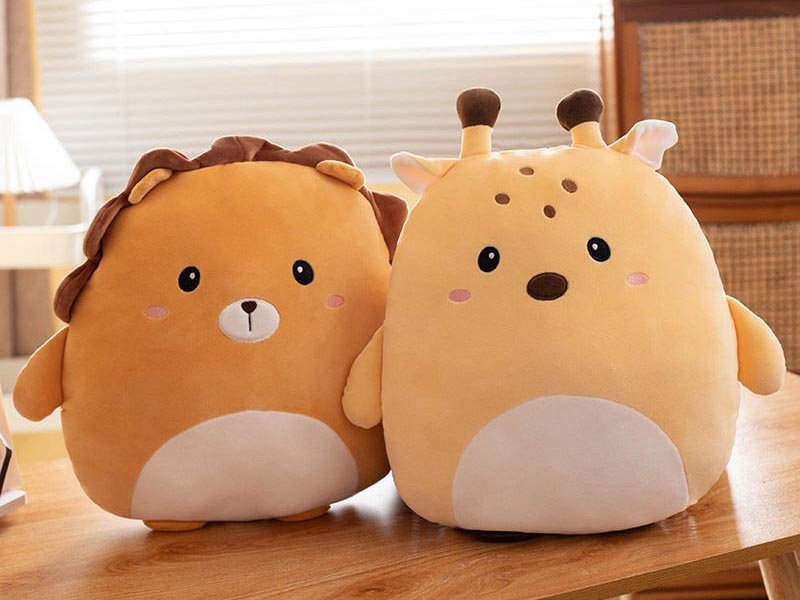
A plush toy is often the first product people touch before they judge with their eyes. One small bear on a retail shelf can tell customers many things at once: whether the fabric feels soft, whether the face looks friendly, whether the stitching looks clean, whether the stuffing feels full, and whether the product feels worth buying. That is why plush toys are more than cute objects. They are emotional products, gift products, collectible products, baby products, mascot products, and private label products that can carry a brand story.
Plush toys are soft fabric toys filled with flexible stuffing. They are commonly designed as animals, dolls, characters, mascots, pillows, keychains, or creative shapes. Their value comes from soft handfeel, safe structure, accurate appearance, durable sewing, clean finishing, and emotional appeal. Many people also call them stuffed animals, soft toys, stuffed toys, plushies, or cuddly toys.
For a child, a plush rabbit may become a bedtime friend. For a gift shop, one seasonal plush collection can lift holiday sales. For an IP owner, one character plush can turn a digital image into a product fans can hold. For a brand planning custom plush products, success depends on far more than making something soft. Fabric choice, pattern accuracy, filling weight, color control, embroidery detail, logo placement, packaging, safety standards, and production consistency all decide whether the final product can truly sell.
What Are Plush Toys?

Plush toys are soft textile toys made with an outer fabric shell and inner filling. They can be shaped as animals, characters, dolls, pillows, mascots, or creative objects. A good plush toy should feel soft, look appealing, hold its shape well, meet safety expectations, and create emotional value for the end user.
Plush toys sit between design, material science, sewing craft, child safety, and consumer psychology. People often think plush products are simple because the final product looks gentle and friendly. In real production, a plush toy requires accurate pattern development, controlled seam allowance, fabric direction management, filling balance, embroidery testing, part strength testing, and final inspection.
The term “plush” usually refers to the surface fabric. Plush fabric has a soft raised pile or smooth brushed touch. Different fabrics create different product feelings. Minky feels smooth and baby-friendly. Velboa works well for clean character shapes. Faux fur creates fluffy animal effects. Sherpa gives a warm lamb-like texture. Microfiber plush creates a soft premium handfeel. Fleece is often used for casual, warm, and cost-friendly designs.
For commercial product development, the definition of plush toys becomes broader. A plush toy can be a retail toy, souvenir, baby comfort item, game character, mascot, pet product, festival gift, promotional item, or home décor cushion. A small plush keychain may be designed for impulse purchase. A weighted plush may target comfort and relaxation. A licensed character plush may require strict artwork matching. A baby plush may require a more careful safety structure.
Delsney works with overseas medium-to-large clients and high-end brands that need custom, private label, OEM, or ODM plush products. For these projects, the real question is not only “what is a plush toy?” A stronger question is: “How can a plush idea become a soft, safe, accurate, scalable, and commercially reliable product?” That is where factory experience matters.
What Does Plush Toy Mean?
A plush toy means a soft toy made from textile fabric and filled with stuffing material. It is usually designed for hugging, playing, gifting, collecting, displaying, or brand promotion. The outer fabric creates the first touch experience, while the filling gives the product body, softness, and shape.
In daily search behavior, users may use several names for similar products:
| Common Name | Main Meaning | Common Use |
|---|---|---|
| Plush toy | Soft toy with plush or soft-touch fabric | General product name |
| Stuffed animal | Soft toy shaped like an animal | Bears, rabbits, dogs, cats |
| Stuffed toy | Broad term for filled fabric toys | Toys, dolls, soft figures |
| Soft toy | Wider category for soft textile toys | Baby toys, plush dolls, fabric toys |
| Plushie | Casual name, common among fans and collectors | Character plush, cute plush, social media products |
| Cuddly toy | Emotional term focused on comfort | Kids, gifts, bedtime products |
For custom product planning, these names affect SEO, catalog structure, product naming, and customer search matching. A brand selling animal designs should not only use “stuffed animals.” A company developing mascots, dolls, pillows, and keychains should also cover “plush toys,” “soft toys,” and “custom plushies.”
Are Plush Toys and Stuffed Animals the Same?
Plush toys and stuffed animals overlap, but they are not always the same. A stuffed animal usually means a soft toy shaped like an animal, such as a bear, bunny, puppy, panda, dinosaur, elephant, cat, or unicorn. A plush toy is a wider product group that can include animals, dolls, characters, pillows, mascots, keychains, food shapes, fantasy creatures, and creative brand icons.
For retail and online search, the words are often mixed. A teddy bear can be called a plush toy, stuffed animal, stuffed toy, or plushie. For product development, the difference matters because different shapes require different technical decisions.
Animal plush toys often focus on:
- Rounded body shape
- Soft facial expression
- Stable sitting or standing posture
- Fur texture and color
- Huggable proportion
- Safe eyes, nose, and seams
Character plush toys often focus on:
- Face accuracy
- Hair, clothing, or accessory details
- Color matching with artwork
- Embroidery precision
- Head-to-body ratio
- IP consistency
Mascot plush toys often focus on:
- Strong logo or identity recognition
- Repeatable shape across large orders
- Event, sports, school, or company use
- Packaging and distribution needs
- Fast sampling and delivery control
A factory that can only produce basic animal plush may struggle with detailed character plush or private label collections. Delsney’s advantage comes from design, pattern making, sampling, fabric sourcing, sewing, quality control, packaging support, and mass production management under one development flow.
Why Are Plush Toys Soft?
Plush toys are soft because of fabric pile, filling material, stuffing density, sewing structure, and shape design. A plush toy with premium fabric but poor stuffing may feel flat. A toy with good stuffing but rough fabric may still feel cheap. Softness is a complete result, not a single material choice.
Key softness factors include:
| Factor | What It Controls | Effect on Product |
|---|---|---|
| Outer fabric | Surface touch | Smooth, fluffy, warm, silky, or textured feeling |
| Pile length | Visual and handfeel depth | Short pile looks clean; long pile feels fluffy |
| Filling material | Compression and rebound | Softness, body fullness, shape recovery |
| Stuffing weight | Firmness level | Too little feels empty; too much feels hard |
| Pattern shape | Hugging comfort | Round shapes feel softer and friendlier |
| Seam placement | Touch comfort | Poor seams can feel rough or stiff |
| Finishing process | Final surface quality | Cleaner shape, better appearance, stronger appeal |
For premium plush products, softness needs control. Many customers ask for “super soft plush,” but factory teams need to translate that request into fabric type, pile length, GSM, filling weight, shape requirement, and target price. A baby comfort toy, a fluffy animal plush, and a character mascot may all need different softness levels.
Delsney can help clients compare fabrics, make samples, adjust filling density, and improve pattern structure. For high-requirement projects, three-view drawings and 3D effects also help clients confirm body shape and appearance before mass production.
What Are Plush Toys Used For?
Plush toys are used for children’s play, emotional comfort, gifting, retail sales, fan merchandise, brand promotion, holiday campaigns, baby products, home décor, and collectible programs. The use case strongly affects product size, fabric, filling, safety design, logo solution, packaging, and target cost.
| Use Case | Common Product Style | Customer Focus | Production Focus |
|---|---|---|---|
| Children’s toys | Animals, dolls, characters | Safety, softness, durability | Strong seams, safe parts, washable design |
| Baby products | Comforters, soft animals, plush rattles | Gentle fabric, no loose parts | Embroidery eyes, secure stitching, clean materials |
| Gifts | Bears, hearts, holiday plush | Emotion, cute design, packaging | Visual appeal, fabric touch, gift box or hangtag |
| Collectibles | Character plush, blind box plush | Accuracy, uniqueness, series value | Artwork matching, embroidery, size consistency |
| Brand mascots | Logo plush, company characters | Brand recognition | Custom shape, logo placement, repeat quality |
| Retail lines | Animals, pillows, keychains | Price range, shelf appeal | Stable production, cost control, packing efficiency |
| Home décor | Plush pillows, cushions | Comfort and style | Shape recovery, fabric texture, size control |
A successful plush product should be developed according to its use. A plush toy for a baby brand should not be built the same way as a festival giveaway plush. A mascot plush for a sports event should not use the same detail level as a collectible IP character. A plush pillow needs different filling control from a small keychain plush.
Which Types of Plush Toys Are Popular?
Popular plush toy types include animal plush toys, character plush toys, baby plush toys, plush dolls, plush pillows, mascot plush, weighted plush, plush keychains, holiday plush, and blind box plush. Strong product choices depend on age group, sales channel, design style, price level, fabric touch, safety needs, and brand purpose.
Plush toy popularity is shaped by emotion, culture, retail habits, online trends, gifting seasons, cartoons, games, pets, and lifestyle aesthetics. Classic animal plush toys remain stable because they are easy to understand and suitable for many ages. Character plush toys grow fast when linked with animation, games, influencers, brand mascots, and original IP. Plush pillows and cushions work well because they combine comfort, décor, and gifting value.
A smart plush collection rarely depends on one product only. Many successful brands use a layered product structure:
| Product Layer | Example | Role in Sales |
|---|---|---|
| Core product | 10–14 inch animal or character plush | Main shelf product |
| Mini product | 4–6 inch plush keychain | Lower price, impulse purchase |
| Premium product | 18–24 inch plush or weighted plush | Higher value, gift choice |
| Seasonal product | Christmas, Halloween, Valentine plush | Campaign-driven sales |
| Collectible product | Blind box plush or limited edition | Repeat purchase and fan interest |
| Lifestyle product | Plush pillow or cushion | Home, dorm, office, travel use |
For medium and large clients, a plush line should also consider production efficiency. Too many fabrics, too many sizes, or too many complex accessories can increase cost, sampling time, QC workload, and delivery risk. A professional factory helps balance creativity with manufacturability.
Delsney can support a wide range of plush styles, including animal plush toys, baby plush toys, character plush dolls, mascot plush, emotional support plush, weighted plush toys, children’s plush toys, interactive plush toys, blind box plush, pet plush toys, holiday plush toys, plush keychains, plush pillows, sustainable plush toys, and licensed-style plush projects. With flexible MOQ, 5–7 day fast sampling for regular plush products, free design support, and 98% design-to-product matching capability, Delsney helps clients turn product ideas into reliable collections.
What Materials Are Used in Plush Toys?

Plush toys are made from outer fabrics, inner filling, thread, embroidery, labels, accessories, and packaging materials. The fabric controls touch and appearance. The filling controls softness and shape. Sewing materials, trims, and finishing details control safety, durability, and product quality.
Material choice is one of the most important decisions in plush toy development. A cute bear made with short velboa may look clean and cartoon-like. The same bear made with long faux fur may look warmer, fluffier, and more premium. A baby comfort toy may need short-pile soft fabric and embroidered features. A collectible character plush may need several fabric textures, accurate colors, and detailed embroidery.
Cost also changes with material choice. Fabric weight, pile length, dyeing, printing, embroidery size, accessory structure, and filling weight all affect the final unit cost. A 20 cm mini plush keychain may use less filling but require more precise sewing. A 50 cm plush pillow may use simpler sewing but much more filling and larger fabric panels. A complex character plush may require several fabrics, small accessories, appliqué pieces, and multiple embroidery positions.
For custom plush development, material selection should answer four questions:
- Who will use the plush toy?
- Where will it be sold?
- What price level should it reach?
- What safety standards must it meet?
Delsney helps clients evaluate fabrics, filling, trims, labels, and packaging before sampling. For projects that need custom colors, private label branding, special textures, or eco-conscious materials, early material planning can reduce repeated sample changes and avoid production delays.
What Plush Fabrics Are Common?
Common plush toy fabrics include minky, velboa, faux fur, fleece, sherpa, flannel, microfiber plush, polyester plush, short-pile plush, long-pile plush, and stretch plush. Each fabric creates a different surface effect, cost level, and product feeling.
| Fabric Type | Touch Feeling | Common Use | Key Advantage |
|---|---|---|---|
| Minky | Smooth, soft, baby-friendly | Baby plush, soft dolls, premium plush | Gentle touch and clean color |
| Velboa | Short pile, smooth, stable | Character plush, animal plush | Good shape control |
| Faux fur | Fluffy, rich texture | Bears, animals, premium plush | Strong visual warmth |
| Sherpa | Wool-like, cozy | Lamb plush, winter plush, pillows | Warm textured surface |
| Fleece | Soft, casual, warm | Simple plush, pillows, gifts | Cost-friendly and comfortable |
| Flannel | Soft brushed surface | Baby items, comfort products | Gentle and light |
| Microfiber plush | Fine and smooth | Premium plush, pillows | Soft handfeel |
| Long-pile plush | Fluffy and expressive | Animal plush, monster plush | Strong personality |
| Short-pile plush | Clean and neat | Character plush, dolls | Better detail accuracy |
For animal plush, fabric texture often supports realism or cuteness. A fluffy bear may need long-pile faux fur, while a cartoon dinosaur may work better with short-pile plush. For character plush, short pile is often easier for clean sewing, accurate embroidery, and clear facial expression.
Fabric direction also matters. Plush fabric has pile direction. If panels are cut in the wrong direction, color shade and touch may look uneven. Professional cutting and sewing teams must control fabric grain, pile direction, seam placement, and color consistency.
Which Filling Materials Are Used?
The most common filling for plush toys is polyester fiberfill. It is lightweight, soft, flexible, and suitable for many toy shapes. Some plush products may also use weighted beads, foam particles, recycled filling, cotton-like filling, or mixed filling materials depending on design and function.
| Filling Type | Common Use | Product Feeling | Notes |
|---|---|---|---|
| Polyester fiberfill | Most plush toys | Soft, light, flexible | Widely used and cost-efficient |
| High-elastic fiberfill | Premium plush | Better rebound | Good for higher-end products |
| Weighted beads | Weighted plush toys | Heavier, calming feel | Needs secure inner bag |
| Foam particles | Cushions, novelty plush | Flexible, bean-like feel | Not suitable for all age groups |
| Recycled polyester filling | Eco-conscious plush | Similar to standard filling | Needs stable sourcing |
| Cotton-style filling | Soft dolls, craft-style plush | Natural-feeling softness | Depends on market need |
Filling quantity must be carefully controlled. Under-filled plush feels cheap, flat, and weak. Over-filled plush feels stiff, loses hug comfort, and may stress seams. For plush pillows, filling recovery is especially important because customers often press, hug, and sleep with them. For sitting animal plush, body stability is important. For small keychains, filling must be compact enough to keep the shape.
For weighted plush toys, inner structure becomes more important. Weighted beads should not move freely across the whole body unless designed that way. Many projects need inner bags or separated compartments to keep weight balanced and reduce safety risk. Delsney can help adjust filling weight, density, and internal structure during sampling.
What Makes Plush Toys Feel Premium?
A plush toy feels premium when fabric, shape, sewing, filling, expression, color, and finishing work together. Premium quality is not created by one expensive fabric alone. A costly material can still look poor if the pattern is wrong, seams are twisted, stuffing is uneven, or facial embroidery is inaccurate.
Premium plush usually has:
- Softer and cleaner fabric surface
- Accurate shape matching the artwork
- Balanced stuffing without lumps
- Smooth seams and neat curves
- Stable sitting or standing posture
- Clear and expressive embroidery
- Consistent color across production
- No loose thread or rough finishing
- Good handfeel after compression
- Packaging that fits product value
| Quality Detail | Low-End Result | Premium Result |
|---|---|---|
| Fabric | Thin, rough, uneven pile | Soft, dense, clean surface |
| Stuffing | Flat, lumpy, unstable | Full, balanced, good rebound |
| Face | Uneven eyes, weak expression | Accurate, lively, clean embroidery |
| Sewing | Crooked seams, loose threads | Smooth curves, strong stitches |
| Shape | Different from design | Close to artwork or approved sample |
| Packaging | Basic loose packing | Retail-ready label, hangtag, or gift box |
For high-end plush projects, the final product must match both visual expectation and handfeel expectation. Customers may not understand pattern making or filling control, but they can immediately feel whether the toy looks refined. Clean seams, balanced shape, smooth handfeel, and expressive details help a plush product feel more valuable.
Delsney’s design-to-product matching capability is especially useful for premium plush projects. Three-view drawings, 3D effects, sample correction, fabric matching, and production inspection all help the finished product stay close to the original design.
Are Sustainable Materials Available?
Sustainable plush materials are available, but they should be planned carefully. Common options include recycled polyester fabric, recycled filling, organic cotton fabric for selected parts, paper hangtags, kraft boxes, water-based printing, and reduced-plastic packing methods.
Eco-conscious plush development often requires balance. A fabric may be more sustainable but less soft. A recycled filling may support the product concept but need confirmation for consistency. Paper packaging may reduce plastic use but may not protect products well during long-distance shipping if the structure is weak.
| Sustainable Option | Where It Can Be Used | Client Benefit |
|---|---|---|
| Recycled polyester plush | Outer fabric | Supports eco product positioning |
| Recycled fiberfill | Inner stuffing | Reduces virgin material use |
| Organic cotton details | Small fabric parts | Adds natural material value |
| Paper hangtags | Branding | Reduces plastic use |
| Kraft packaging | Gift and retail boxes | Creates natural visual style |
| Compressed packing review | Shipping | May reduce shipping volume |
| Reusable fabric bag | Premium packaging | Adds extra product value |
For brands selling in Europe and North America, sustainability claims should be accurate and supported by material information. Overstating environmental claims can damage trust. Delsney can help clients explore available material options, compare cost impact, and choose practical solutions for custom plush products.
How Are Plush Toys Made?

Plush toys are made through design review, material selection, pattern making, sampling, cutting, embroidery, sewing, stuffing, closing, shaping, inspection, packaging, and shipping. Each step affects appearance, softness, safety, and production stability. A professional process helps turn artwork, photos, or samples into repeatable finished products.
The plush toy production process begins with understanding the product goal. A simple teddy bear, a detailed character plush, a baby comfort toy, and a plush pillow all need different development methods. Before pattern making, the factory needs to know the target size, fabric type, color, filling level, logo need, safety market, packaging style, order quantity, and expected price range.
After design confirmation, pattern makers convert the product shape into flat fabric pieces. This step is highly technical. A plush toy is three-dimensional, but fabric is cut flat. Pattern makers must understand how fabric stretches, how stuffing expands the body, how seams change curves, and how facial features align after sewing.
Sampling then shows whether the idea works in real fabric. The first sample often reveals details that drawings cannot fully show. Ears may be too small. Head shape may need adjustment. Eye position may change the expression. Stuffing may need to be softer. Fabric color may need closer matching. Professional sample modification is where a rough idea becomes a production-ready plush toy.
Mass production requires stable control. Cutting must follow fabric direction. Embroidery must align. Sewing workers must follow approved samples. Filling workers must control weight and shape. Quality teams must check size, seams, cleanliness, appearance, labeling, packaging, and safety-related details. Delsney’s end-to-end OEM/ODM process helps clients manage these steps under one coordinated system.
How Does Design Start?
Plush toy design starts with a clear product idea. The client may provide a sketch, technical file, mascot image, cartoon artwork, pet photo, reference product, or physical sample. The factory then reviews whether the idea can be made as a soft toy and what changes may be needed for production.
Important design inputs include:
- Front, side, and back views
- Target height or width
- Fabric preference
- Main colors and Pantone references
- Face expression details
- Embroidery or print positions
- Accessories or clothing
- Logo and label needs
- Age group
- Sales market
- Packaging style
- Quantity range
A design that looks good on screen may need adjustment for plush production. Thin legs, sharp corners, tiny accessories, or unstable standing shapes can create sewing or safety problems. Delsney can create three-view drawings and 3D effects to help clients see the shape more clearly before sampling.
For custom brand projects, early design communication saves time. When the design direction, materials, size, and safety requirements are clear, the sample can be developed faster and with fewer corrections.
How Are Samples Developed?
Samples are developed by converting the approved design into patterns, choosing materials, cutting sample fabric, making embroidery, sewing the toy, filling it, shaping it, and reviewing the final appearance. Regular plush toy samples can often be completed in 5–7 days at Delsney, depending on complexity and material availability.
Sample development usually includes:
| Step | Purpose |
|---|---|
| Design review | Confirm size, shape, fabric, and key details |
| Pattern making | Create fabric panels for 3D shape |
| Material matching | Choose fabric, filling, thread, and trims |
| Embroidery setup | Prepare eyes, mouth, logo, or details |
| Sample sewing | Build the first physical product |
| Filling adjustment | Control softness and body shape |
| Review and correction | Improve shape, expression, or structure |
| Final approval sample | Set standard for mass production |
For complex plush products, several rounds may be needed. A brand may adjust eye size, mouth shape, fabric color, ear position, body proportion, clothing fit, or logo placement. Delsney supports sample modification to help clients refine the product before production.
A good approved sample becomes the production standard. It should be photographed, measured, weighed, and documented so that mass production can follow the same quality direction.
How Are Plush Toys Sewn?
Plush toys are sewn by joining fabric panels according to the approved pattern. Sewing quality affects shape, durability, safety, and appearance. Even small seam errors can change facial expression, body symmetry, sitting posture, or product size.
Important sewing controls include:
- Stitch density
- Seam allowance
- Fabric direction
- Curve smoothness
- Symmetry
- Part alignment
- Opening position for stuffing
- Reinforcement on stress points
- Thread color matching
- Loose thread trimming
Different plush products need different sewing methods. A simple plush pillow may need long smooth seams. A character plush may need small curved seams around the face, hands, feet, clothes, and accessories. A baby plush may need extra-secure seams and fewer hard parts. A plush keychain may need precise sewing because the product is small and errors are more visible.
Delsney’s production system supports various plush structures, from basic animals to detailed dolls and mascot plush. Sewing workers follow approved samples and production instructions, while inspection teams check seam quality and product consistency during production.
How Is Stuffing Controlled?
Stuffing control determines whether the plush toy feels soft, full, stable, and durable. The same design can feel very different if filling weight changes. Too little stuffing makes the toy look empty. Too much stuffing makes it hard and may distort the shape.
Stuffing control focuses on:
| Control Point | Why It Matters |
|---|---|
| Filling weight | Keeps each piece consistent |
| Filling distribution | Prevents lumps and empty areas |
| Softness level | Matches product purpose |
| Shape recovery | Helps product stay attractive |
| Body balance | Supports sitting or standing |
| Seam pressure | Avoids overstressing seams |
| Handfeel | Improves customer satisfaction |
For animal plush, stuffing must support the head, body, arms, and legs evenly. For plush pillows, filling must keep the product comfortable and full after compression. For weighted plush toys, weight must be distributed safely. For character plush, stuffing must not distort face or body proportions.
During sampling, Delsney can adjust filling density according to client preference. During production, filling weight and shape are checked to keep products close to the approved sample.
How Is Quality Checked?
Plush toy quality is checked through appearance inspection, size measurement, seam review, stuffing check, cleanliness review, embroidery check, accessory pull review, labeling check, packing inspection, and production consistency control. Quality control should happen during production, not only at the end.
Key inspection points include:
- Product size within approved tolerance
- Shape matches approved sample
- Fabric color is consistent
- Face embroidery is aligned
- Seams are strong and clean
- No loose threads
- No fabric stains
- No exposed filling
- No broken accessories
- Correct logo and label
- Correct hangtag or packaging
- Carton packing matches shipping needs
| Inspection Area | Common Problem | Control Method |
|---|---|---|
| Shape | Deformed body | Compare with approved sample |
| Sewing | Open seams | Stitch and seam strength check |
| Face | Crooked eyes or mouth | Embroidery alignment check |
| Filling | Lumpy or flat areas | Handfeel and weight check |
| Fabric | Color variation | Lot and shade control |
| Cleanliness | Dust, stains, thread | Final cleaning and review |
| Packaging | Wrong label or barcode | Packing list and label check |
Delsney provides quality control throughout production. For overseas clients, strong inspection reduces return risk, protects brand reputation, and helps products arrive ready for retail, online sales, gifting, or distribution.
Are Plush Toys Safe for Kids?

Plush toys can be safe for kids when the design, materials, stitching, accessories, filling, labeling, and testing are managed correctly. Safety depends on age group, product structure, small parts, seam strength, fabric quality, chemical requirements, and the sales market. Products for babies and toddlers need stricter control than decorative plush or adult collectibles.
For children’s products, safety cannot be treated as a final step. It should be considered from the first design review. A cute button eye may look attractive, but it may not be suitable for younger children. A long ribbon may improve appearance, but it can create risk if it is not fixed properly. A plush toy with loose fibers may feel fluffy, but shedding can become a problem for baby items. A heavy plush may feel comforting, but weight distribution must be carefully designed.
International markets often expect plush toys to follow relevant toy safety requirements. Common market expectations may involve physical and mechanical safety, flammability, chemical limits, labeling, tracking information, and age grading. For Europe and North America, brands often pay attention to EN71, ASTM F963, CPSIA, CE-related requirements, and other applicable rules depending on product type and destination market.
For custom plush programs, the safest path is to decide the target age and sales market before sampling. A plush collectible for adults can allow more decorative details. A plush toy for children under 3 years old should use safer construction, avoid detachable small parts, and use stronger stitching. Delsney can support clients with safer material selection, sample review, structural improvement, and production planning for European and American markets.
Are Plush Toys Safe for Babies?
Plush toys for babies can be safe when they are designed with soft fabric, secure stitching, no loose small parts, clean filling, gentle surface texture, and age-appropriate structure. Baby plush products should be simpler, lighter, softer, and easier to clean than general plush toys.
For baby plush, safer design choices often include:
- Embroidered eyes instead of plastic eyes
- Short-pile or low-shedding fabric
- No sharp accessories
- No loose buttons
- No long detachable ribbons
- Strong seams around stress points
- Lightweight body
- Soft filling with even distribution
- Clear age label
- Washable or easy-care structure
Baby products also need careful material control. Fabric should not feel rough against the skin. Colors should be stable. Filling should not leak through seams. Packaging should protect the toy during transport and storage.
For brands planning baby plush collections, Delsney can help review the product from a safety-first angle before sampling. Small details such as eye method, ribbon length, seam strength, and stuffing level can be adjusted early, saving time and reducing later testing problems.
What Safety Tests Are Needed?
Plush toy safety tests depend on the target market, age group, material, structure, and product function. Common areas include physical safety, mechanical strength, small parts, seam strength, flammability, chemical limits, labeling, and packaging warnings.
| Market / Standard Area | Main Focus | Common Concern |
|---|---|---|
| EN71 | European toy safety | Mechanical safety, flammability, chemical elements |
| ASTM F963 | United States toy safety | Physical, mechanical, flammability, chemical safety |
| CPSIA | United States children’s products | Lead, phthalates, tracking labels |
| CE-related requirements | European market access | Product compliance and documentation |
| REACH-related checks | European chemical control | Restricted substances |
| Age grading | Product suitability | Under 3 years, 3+, decorative use |
Safety planning should not wait until mass production. If a design includes hard eyes, plastic nose, sound module, zipper, beads, magnets, accessories, printed fabric, or weighted material, testing expectations may change. A plush toy with electronics will need a different review from a simple fabric animal.
Delsney helps clients prepare products according to the destination market and product use. The factory can support safer structure suggestions, sample improvement, and production control so that the final plush product is more suitable for overseas compliance expectations.
How Are Small Parts Controlled?
Small parts are controlled by design selection, material choice, fixing method, pull strength, seam reinforcement, and age grading. For plush toys intended for young children, small parts are one of the biggest safety concerns.
Small parts may include:
- Plastic eyes
- Plastic noses
- Buttons
- Beads
- Bells
- Zipper pulls
- Decorative charms
- Small bows
- Clothing accessories
- Removable parts
- Keychain hardware
For younger children, embroidery is often safer than hard plastic facial parts. If hard parts are used, they must be securely attached and suitable for the intended age group. Accessories should be reviewed for size, strength, sharp edges, and detachment risk.
| Detail | Safer Option | Higher-Risk Option |
|---|---|---|
| Eyes | Embroidery | Loose plastic eyes |
| Nose | Embroidery or secured soft part | Weakly fixed plastic nose |
| Clothing | Sewn-on detail | Removable small accessory |
| Decoration | Printed or embroidered pattern | Small glued charm |
| Label | Soft sewn label | Poorly attached tag |
| Sound part | Secure inner pocket | Loose inner module |
Delsney can help clients redesign risky small parts into safer soft details. For example, a button can become embroidery, a small charm can become fabric appliqué, and a plastic nose can become a sewn soft nose. These changes often keep the design attractive while improving safety and production reliability.
How Should Plush Toys Be Cleaned?
Plush toy cleaning depends on fabric type, filling, accessories, electronics, size, and construction. Some plush toys can be machine washed. Some should be hand washed. Some decorative or electronic plush products should only be surface cleaned.
Common cleaning directions include:
| Plush Type | Suggested Cleaning Direction | Reason |
|---|---|---|
| Basic animal plush | Gentle hand wash or mild machine wash if suitable | Keeps fabric and shape stable |
| Baby plush | Washable structure preferred | Parents need regular cleaning |
| Faux fur plush | Gentle surface cleaning or careful hand wash | Long pile may mat or tangle |
| Plush pillow | Spot clean or gentle wash depending on size | Filling may shift if washed heavily |
| Electronic plush | Surface clean only | Protects inner module |
| Weighted plush | Surface clean or special care | Inner weight may shift or absorb water |
| Collectible plush | Surface clean | Protects embroidery and shape |
Brands should consider care instructions during product development. If the target customer expects easy cleaning, the design should avoid delicate trims, weak accessories, or materials that deform after washing. Care labels should be clear and realistic.
Delsney can help clients choose fabrics and construction methods that fit intended care needs. For retail products, accurate care labeling helps reduce customer complaints and protects product reputation.
How Do Custom Plush Toys Work?

Custom plush toys are developed by turning a client’s idea, artwork, logo, mascot, sample, or technical file into a physical plush product. The process usually includes design review, material selection, three-view drawing, pattern making, sampling, revision, approval, mass production, inspection, packaging, and shipping.
Custom plush development is different from buying ready-made toys. Ready-made products are limited by existing shapes, colors, fabrics, sizes, and labels. Custom products allow brands to control the product identity. Size, fabric, facial expression, color, filling, logo, hangtag, sewn label, packaging, and product series can all be adjusted.
For many clients, the challenge is not having an idea. The challenge is turning that idea into a product that can be made repeatedly with stable quality. A drawing may look cute, but plush fabric has thickness, stretch, pile direction, and sewing limits. A small detail that works on paper may become difficult in mass production. A professional plush manufacturer helps bridge the gap between creativity and production.
Delsney supports end-to-end OEM/ODM customization, including reference technical file sampling, image-based sampling, sample-based development, free sampling, free design, three-view creation, 3D effect support, sample modification, production control, quality inspection, and packaging solutions. Regular plush toy samples can be completed in 5–7 days, while more complex projects with special accessories or molding needs may take longer.
What Can Brands Customize?
Brands can customize plush toy shape, size, fabric, color, filling, face expression, embroidery, printing, clothing, accessories, logo, label, hangtag, packaging, and product series. Customization allows the plush product to match a brand’s market, audience, price level, and visual identity.
Common customization options include:
| Custom Area | Options |
|---|---|
| Shape | Animal, doll, mascot, pillow, keychain, character |
| Size | Mini, regular, oversized, jumbo |
| Fabric | Minky, velboa, faux fur, fleece, sherpa, microfiber plush |
| Color | Standard fabric colors or custom-dyed colors |
| Face | Embroidery, appliqué, soft parts, printed details |
| Filling | Standard fiberfill, high-elastic filling, weighted structure |
| Clothing | Sewn-on outfits, removable clothes, fabric accessories |
| Logo | Embroidery, woven label, printed label, patch, hangtag |
| Packaging | Polybag, display box, gift box, custom carton |
| Series | Multiple characters, sizes, colors, seasonal editions |
Good customization should also consider cost and production efficiency. Too many material types can raise costs. Too many tiny accessories can slow sewing. Complicated packaging can increase shipping volume. Delsney helps clients balance creative ideas with manufacturable solutions.
How Does OEM/ODM Work?
OEM plush manufacturing means the client provides a design, logo, technical file, sample, or clear product direction, and the factory produces according to that requirement. ODM plush development means the factory helps create or improve the design based on the client’s product idea, market direction, or brand concept.
| Model | Client Provides | Factory Supports |
|---|---|---|
| OEM | Artwork, sample, tech pack, logo, size details | Sampling, production, inspection, packaging |
| ODM | Product idea, target market, style direction | Design, fabric suggestion, sample development |
| Private label | Brand name, logo, packaging needs | Product customization and branding |
| Sample-based | Physical reference sample | Pattern remake and improvement |
| Image-based | Photo or illustration | Shape development and sample creation |
For clients with mature product teams, OEM is often efficient. For clients with a concept but no complete technical file, ODM support is more useful. Delsney can work with both models, helping clients move from concept to sample to mass production without needing multiple suppliers.
How Fast Can Samples Be Made?
Regular plush toy samples can often be made in 5–7 days at Delsney after details are confirmed and materials are available. More complex plush products may take 7–15 days or longer if they require special accessories, custom molds, electronic parts, unusual fabrics, complex clothing, or multiple revision rounds.
Sample speed depends on:
- Design complexity
- Fabric availability
- Number of colors
- Embroidery details
- Size and shape difficulty
- Accessory requirements
- Logo method
- Packaging sample needs
- Testing requirements
- Client feedback speed
| Product Type | General Sample Time | Notes |
|---|---|---|
| Simple animal plush | 5–7 days | Standard fabric and basic embroidery |
| Basic plush pillow | 5–7 days | Shape and filling control needed |
| Character plush | 7–12 days | More facial and body details |
| Plush doll with clothing | 10–15 days | More pattern pieces and sewing work |
| Electronic plush | 10–20 days | Module and safety review needed |
| Molded accessory plush | 7–15+ days | Depends on accessory development |
| Packaging sample | 5–10+ days | Depends on print and box structure |
Fast sampling helps brands test ideas, prepare campaigns, review product photos, and plan launch schedules. Delsney’s sample modification support also helps clients refine the product before mass production.
How Accurate Can Finished Plush Toys Be?
Finished plush toys can reach very high design accuracy when the factory uses proper drawings, pattern development, material matching, sample correction, and production control. Delsney’s finished plush products can achieve up to 98% matching with design drafts when artwork, materials, and product details are clearly confirmed.
Accuracy depends on several factors:
| Accuracy Factor | Why It Matters |
|---|---|
| Three-view drawing | Helps define front, side, and back shape |
| Fabric selection | Affects color, thickness, and surface texture |
| Pattern making | Controls 3D body shape |
| Embroidery file | Controls face expression and logo detail |
| Stuffing control | Affects final size and proportion |
| Sample correction | Removes early shape and detail problems |
| Production standard | Keeps mass goods close to approved sample |
| Inspection | Checks consistency before shipment |
For character plush and mascot plush, accuracy is especially important. A small change in eyes, mouth, head size, or body angle can change the character’s personality. For private label brands, product consistency also affects customer trust and repeat sales.
Delsney uses three-view development, 3D effect support, sample adjustment, and production inspection to help clients achieve closer design matching.
How Does Private Label Plush Work?
Private label plush means a brand sells plush products under its own name, logo, packaging, or product identity. The factory develops and produces the plush items, while the brand controls market positioning, visual style, label design, and sales channel.
Private label plush can include:
- Custom plush toy shape
- Brand logo embroidery
- Woven label or care label
- Custom hangtag
- Branded gift box
- Retail display packaging
- Barcode or SKU label
- Product series naming
- Color collection
- Seasonal edition
- E-commerce packaging
| Private Label Element | Purpose |
|---|---|
| Logo label | Builds brand identity |
| Hangtag | Shows story, age range, care info |
| Gift box | Improves perceived value |
| Care label | Supports compliance and user guidance |
| Barcode label | Supports retail and warehouse systems |
| Custom carton | Helps logistics and inventory control |
For overseas medium-to-large clients and high-end brands, private label plush requires both product quality and presentation quality. Delsney can help manage product development, logo methods, packaging design support, sample approval, production, inspection, and delivery planning.
Why Choose Delsney for Custom Plush Toys?

Delsney is a China plush toy manufacturer with more than 18 years of experience in plush product development, design, sampling, pattern making, manufacturing, quality control, and export support. The company serves overseas medium-to-large clients and premium brands needing custom, private label, OEM, and ODM plush products.
Choosing a plush manufacturer is not only about unit price. A lower quote may become expensive if samples are inaccurate, delivery is delayed, fabrics are unstable, seams fail, stuffing is uneven, or final products do not match the approved sample. For serious plush projects, factory capability, communication, sampling speed, design support, quality control, and compliance experience are just as important as cost.
Delsney supports many plush product types, including animal plush toys, baby plush toys, character plush dolls, mascot plush, emotional support plush, weighted plush toys, children’s plush toys, interactive plush toys, blind box plush, pet plush toys, holiday plush toys, plush keychains, plush pillows, sustainable plush toys, and licensed-style plush projects.
The company provides end-to-end OEM/ODM customization, including technical-file sampling, image-based development, sample-based development, free design, free sampling, three-view drawings, 3D effects, fast sample development, flexible MOQ, quality assurance, short mass production lead time, and support for European and American safety compliance needs.
What Makes Delsney Different?
Delsney combines design, sampling, production, quality control, and customization support in one factory system. Clients receive a development partner that understands how to turn ideas into finished products with practical production control.
Key strengths include:
- 18+ years of plush product experience
- Custom plush design and development
- End-to-end OEM/ODM service
- Technical-file, image, and sample-based sampling
- Free design support
- Free sampling support
- Flexible MOQ
- 5–7 day fast sampling for regular plush products
- Three-view drawing support
- 3D effect presentation
- Up to 98% design-to-product matching
- Quality assurance
- Short mass production lead time
- Support for European and American compliance needs
- Experience serving overseas medium-to-large clients and premium brands
For clients developing high-requirement plush products, these services reduce uncertainty. The project can move from concept to sample to mass production with clearer communication and fewer disconnected steps.
How Does 18+ Years of Experience Help?
Experience matters in plush manufacturing because many product problems are not obvious in the first design file. A factory with long-term plush experience can identify risks early and suggest improvements before cost, timing, or quality problems appear.
| Project Area | How Experience Helps |
|---|---|
| Design review | Finds shapes that may be hard to sew |
| Fabric selection | Matches handfeel, cost, and market use |
| Pattern making | Improves shape accuracy |
| Sampling | Reduces unnecessary revision rounds |
| Safety planning | Controls risky parts and structures |
| Production | Keeps quality stable across batches |
| Inspection | Detects common plush defects |
| Packaging | Protects products during export |
| Communication | Helps clients make faster decisions |
For example, a drawing may show thin arms, tiny feet, or a very large head. These details may look cute but can cause balance problems in a real plush toy. An experienced team can adjust the pattern while keeping the design style. This kind of practical judgment is hard to replace.
How Does Delsney Support Brand Projects?
Delsney supports brand projects by helping clients define product style, develop samples, select materials, customize logos, create packaging, control quality, and manage production schedules. The goal is to make plush products that fit the client’s market, not just make a generic soft toy.
Support can include:
- Product concept review
- Fabric and color suggestion
- Three-view drawing creation
- 3D effect preview
- Pattern development
- Sample production
- Sample revision
- Logo embroidery or label solution
- Hangtag and packaging support
- Private label customization
- Production planning
- Quality inspection
- Export packing
Brand projects often require consistency across many details. The logo color should match. The hangtag should fit the product. The plush face should stay consistent. The carton packing should protect shape during shipping. Delsney helps coordinate these details so clients can focus more on product launch and sales.
What Compliance Support Is Available?
Delsney supports plush toy projects for European and American markets by helping clients consider safety, material, structure, labeling, and testing needs during product development. Compliance support may involve safer design suggestions, material review, small-part control, production consistency, and coordination with required testing needs.
Common compliance-related focus areas include:
- Age group review
- Small parts control
- Seam strength
- Fabric safety
- Filling safety
- Flammability awareness
- Chemical requirement awareness
- Labeling support
- Care label guidance
- Packaging warning review
- Production record support
For clients selling in strict markets, compliance planning should happen before mass production. If a plush toy fails testing after production, the cost of correction can be high. Early review helps reduce that risk.
Delsney’s production and inspection experience helps clients create plush products that are attractive, safe, consistent, and suitable for overseas retail and brand requirements.
Start Your Custom Plush Toy Project with Delsney
A plush toy may begin as a small sketch, a character image, a mascot idea, a pet photo, or a product concept. Turning it into a real product requires fabric knowledge, pattern skill, sample development, safety awareness, production control, and careful finishing. A professional plush manufacturer can make the difference between a cute idea and a product ready for the market.
Delsney helps overseas brands, retailers, IP owners, gift companies, e-commerce teams, and private label clients create custom plush toys with reliable quality and strong design matching. Whether the project is an animal plush toy, character plush doll, baby plush toy, weighted plush, plush keychain, plush pillow, mascot plush, or full plush collection, Delsney can support development from concept to finished goods.
Clients can send artwork, reference photos, technical files, sample images, size ideas, fabric preferences, target market information, and quantity plans to Delsney. The team can review the idea, suggest suitable materials, create samples, adjust details, and prepare a production plan for a custom plush toy project.