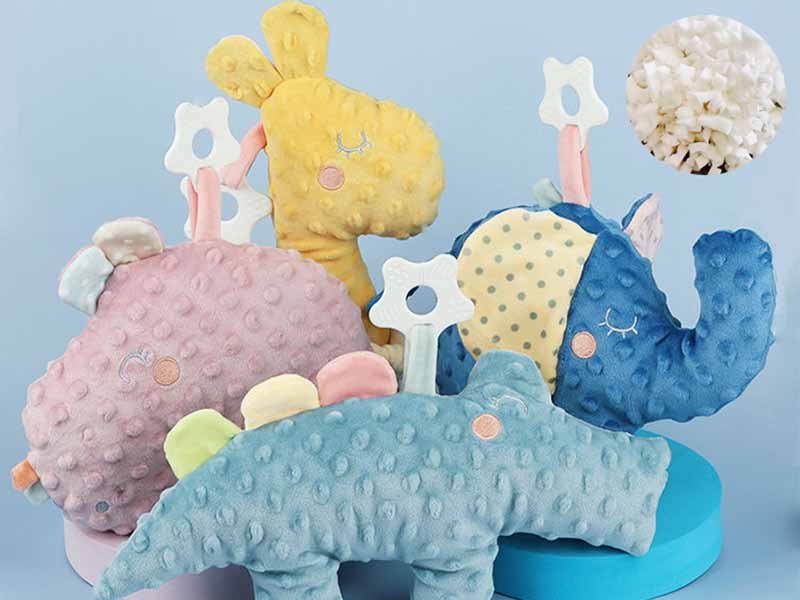
How to Use Memory Foam for High-End Stuffed Animals
Memory foam can turn an ordinary soft toy into a product with a dense squeeze, slower recovery, and a more substantial hand feel. It can also create a heavy, lumpy, difficult-to-clean product

Memory foam can turn an ordinary soft toy into a product with a dense squeeze, slower recovery, and a more substantial hand feel. It can also create a heavy, lumpy, difficult-to-clean product
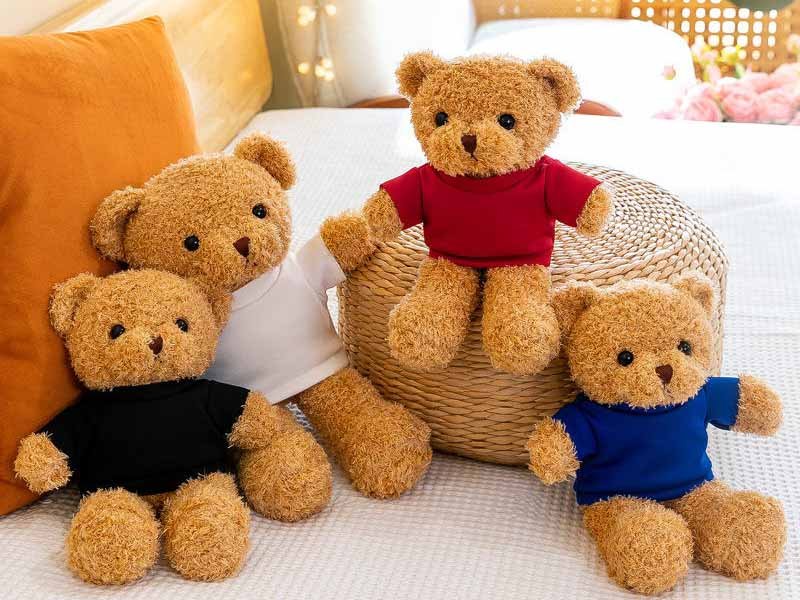
Large plush orders are often discussed as if quantity were the hardest part. In reality, producing 5,000 pieces is not simply making one approved sample 5,000 times. Every unit passes through fabric
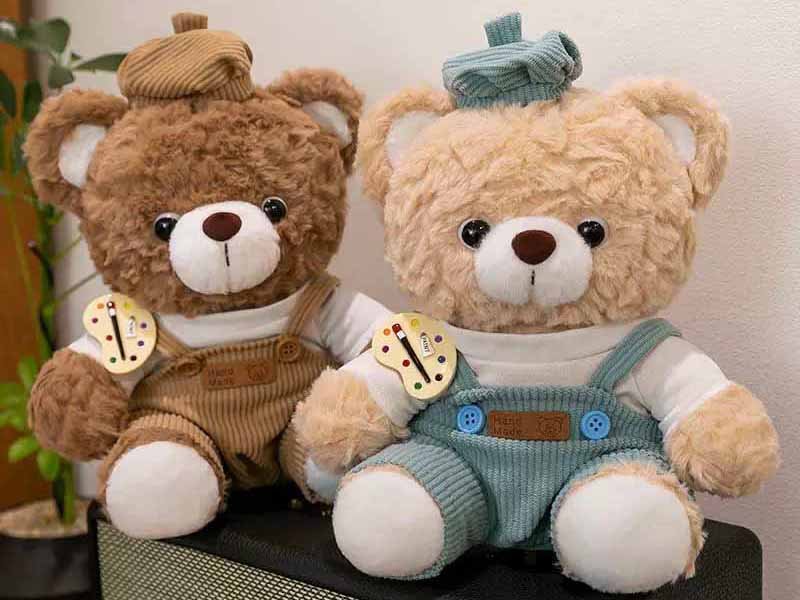
A warehouse full of plush toys can still be missing the products people are ready to order. A brand may have 8,000 finished units in stock, yet most cartons contain slow-moving sizes,
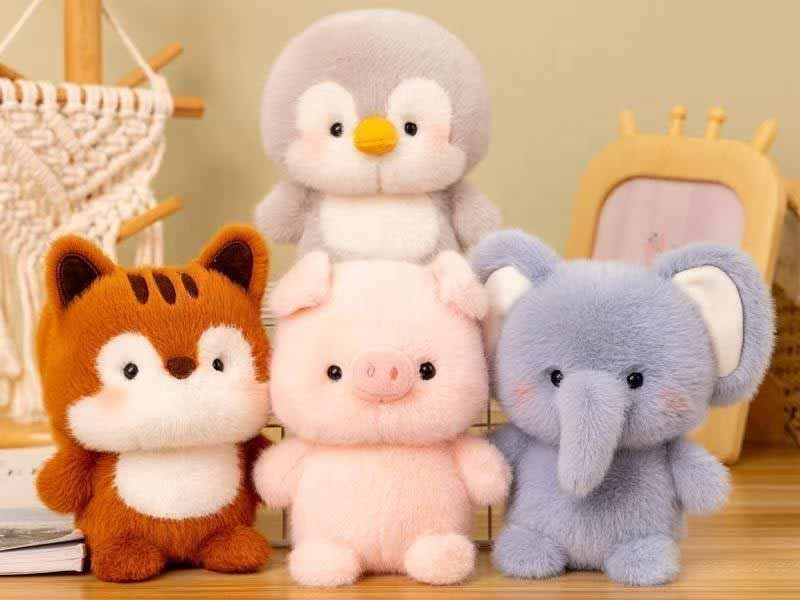
A subscription box has only a few seconds to prove its value after the lid opens. Small paper products, samples, and accessories may support a theme, yet they rarely create the same
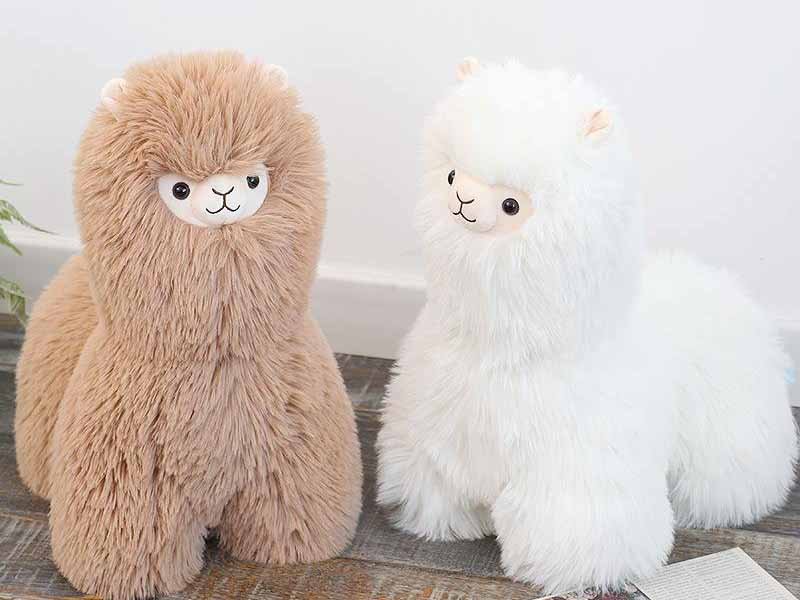
A plush doll may look simple from the outside, but even a small character can contain outer fabric, inner fabric, embroidery thread, sewing thread, polyester filling, plastic eyes, woven labels, care labels,
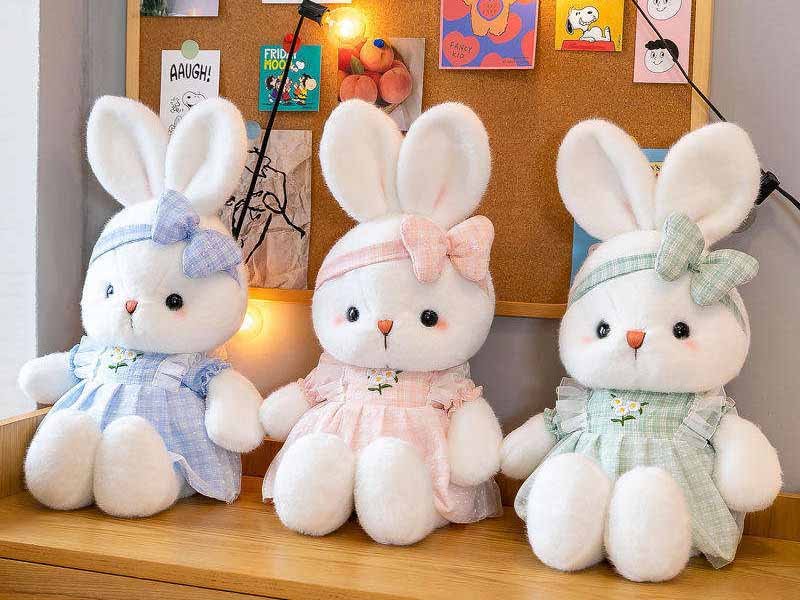
A licensed plush toy may look soft, simple, and playful, but the production path is rarely simple. Before fabric is selected or a pattern is cut, the project team must know who
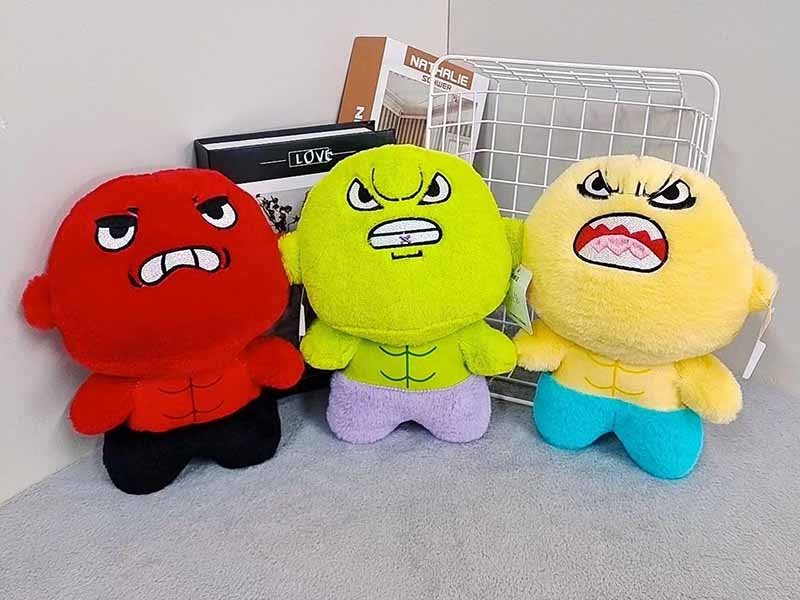
A plush toy can look like an easy product to sell. It is soft, emotional, highly visual, and suitable for gifts, collections, children, fans, schools, sports teams, corporate campaigns, and creator merchandise.
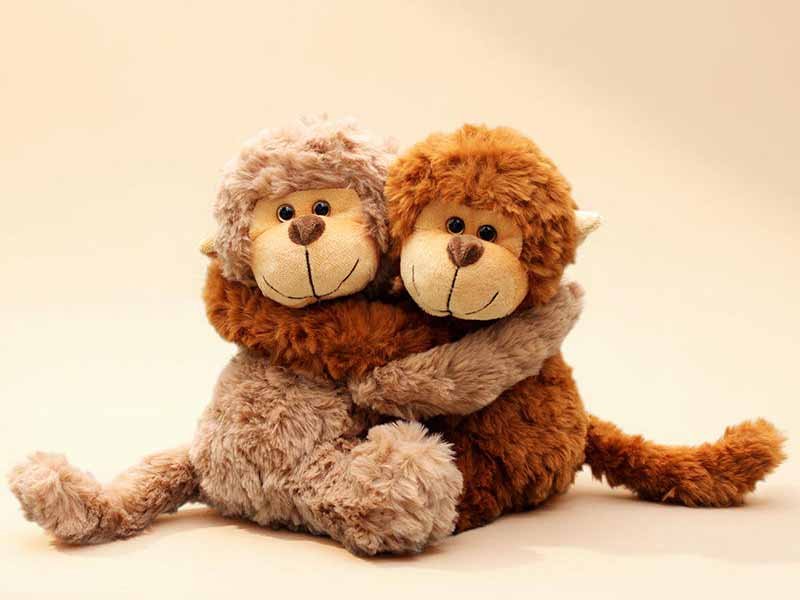
A plush product may look appealing in a photo and still be difficult to place in stores. Retail teams do not purchase softness alone. They assess whether the product fits their audience,
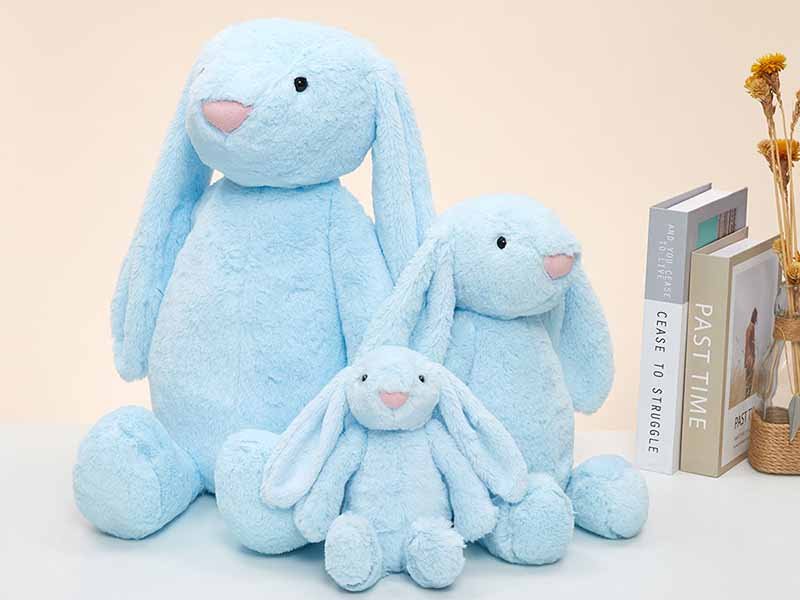
A character may appear on screen for only a few minutes, yet a plush version can remain on someone’s bed, desk, backpack, sofa, or display shelf for years. Film scenes end. Game
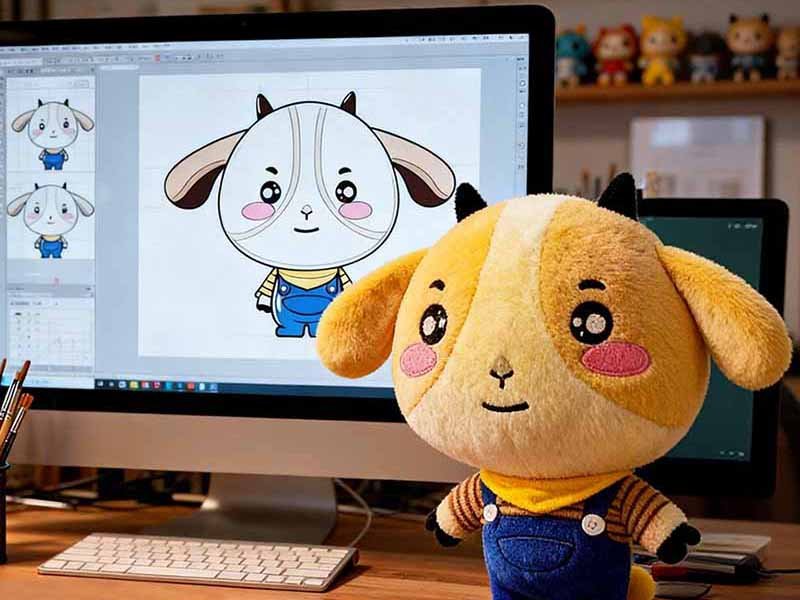
A plush toy may appear simple when placed on a retail shelf, yet every finished piece depends on dozens of decisions made long before sewing begins. Head proportions, eye spacing, fabric stretch,