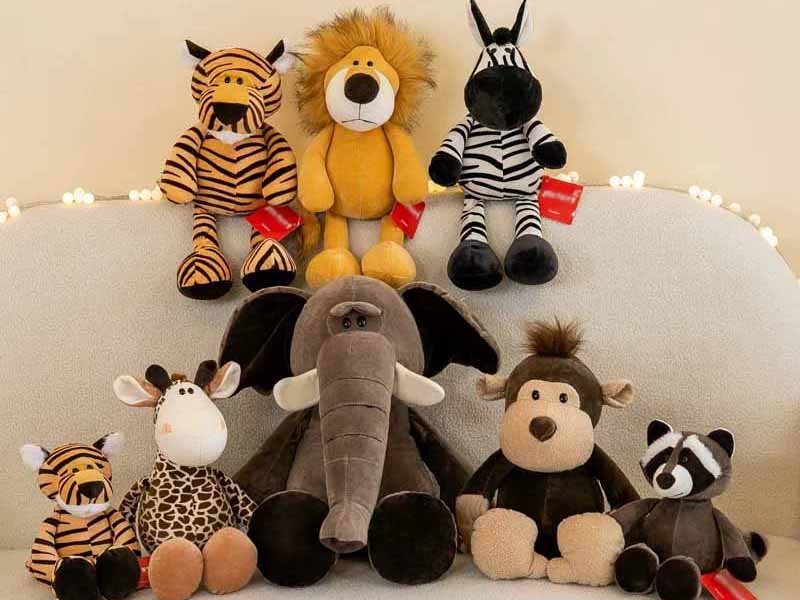
List of Stuffed Animals: What Types, Styles, and Uses Are There
A teddy bear may be the first image that comes to mind when someone says “stuffed animal,” but the modern plush market extends far beyond bears, rabbits, and puppies. An aquarium may

A teddy bear may be the first image that comes to mind when someone says “stuffed animal,” but the modern plush market extends far beyond bears, rabbits, and puppies. An aquarium may

A soft toy can look harmless on a store shelf. It has no sharp edge, feels light in your hand, and may even resemble the stuffed animal a child keeps beside the
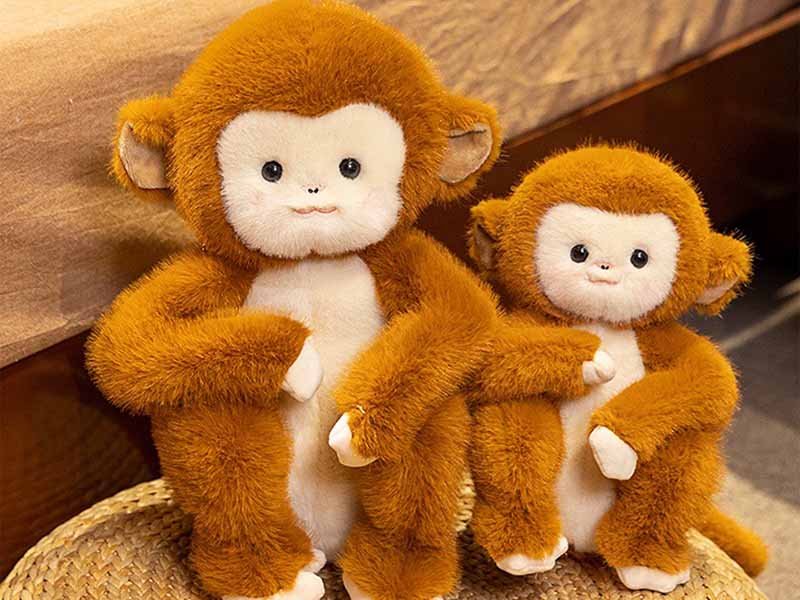
Stuffed animals are no longer competing only for space in a child’s toy box. They now appear on office desks, handbags, bedroom shelves, collector displays, gift lists, livestreams, and retail trend reports.
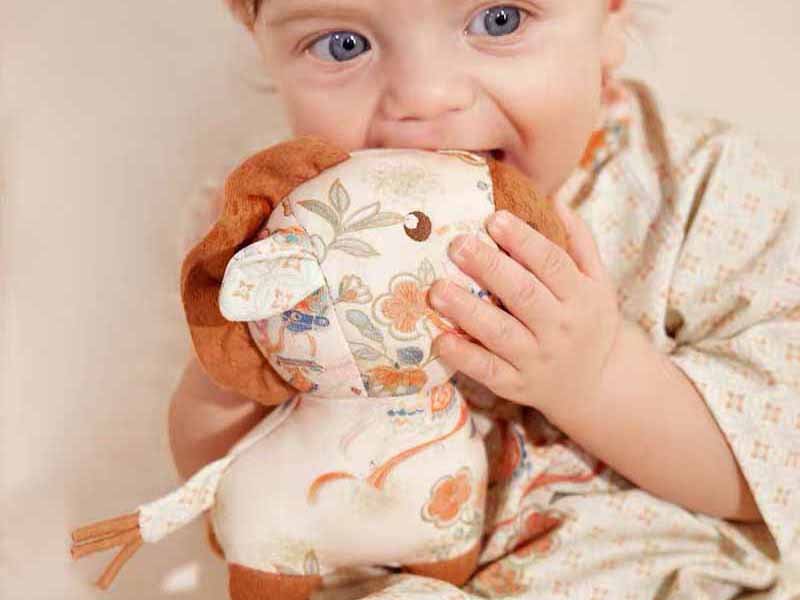
A plush toy looks harmless. It is soft, lightweight, and often designed to become a child’s closest companion. Yet the word “soft” does not automatically mean “safe.” A plush product can combine
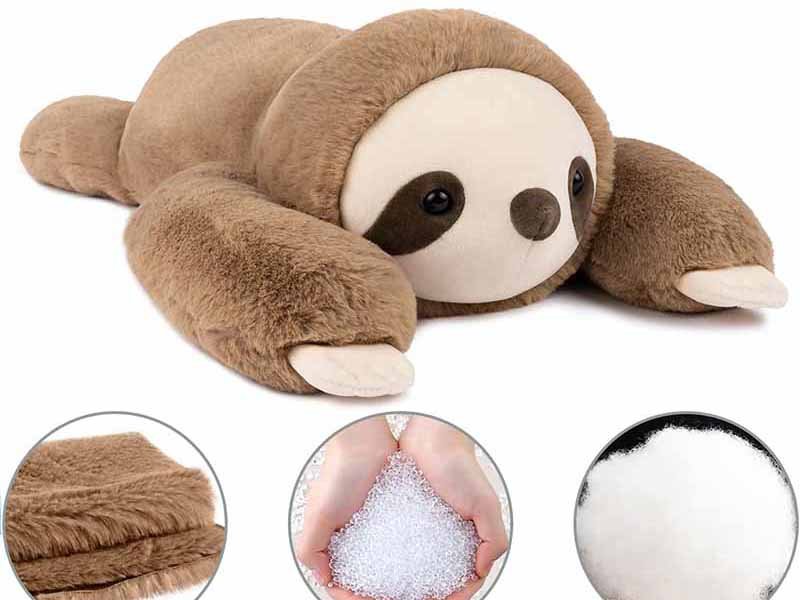
A stuffed animal can lose its market appeal before anyone notices a problem with its pattern. The fabric may look flat in product photography, feel rough after customers open the package, shed
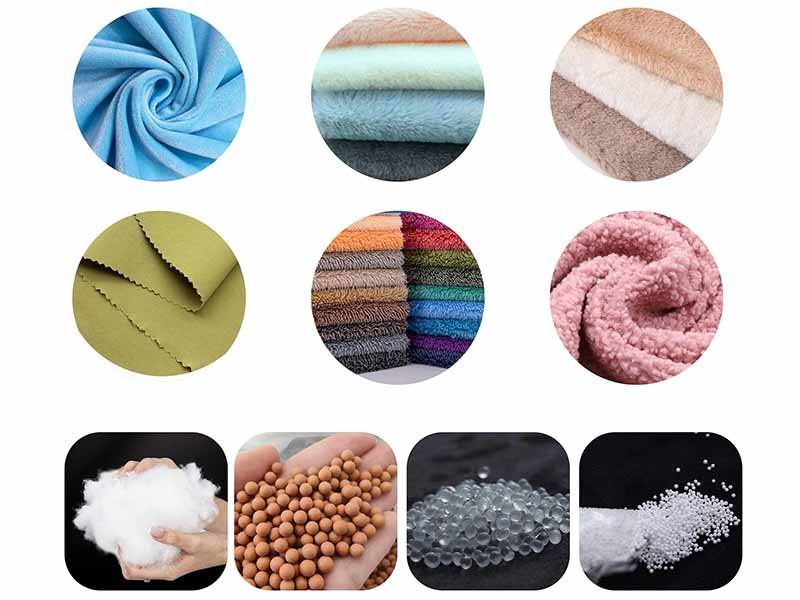
A stuffed animal may begin as an illustration, but customers do not experience the finished product as a drawing. They see how the surface catches light, feel how the pile moves under
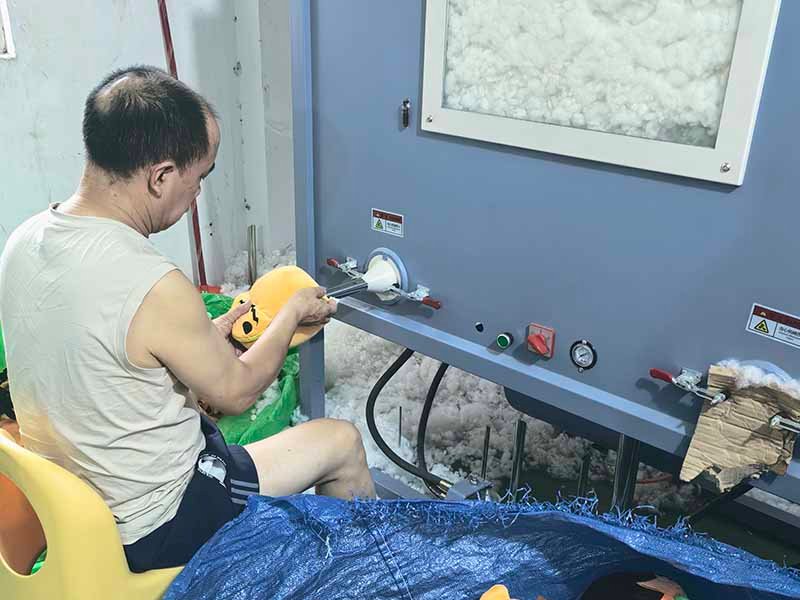
Most people judge a stuffed animal in seconds. They touch the surface, squeeze the body, study the face, and decide whether it feels comforting, durable, safe, and worth its price. Behind that
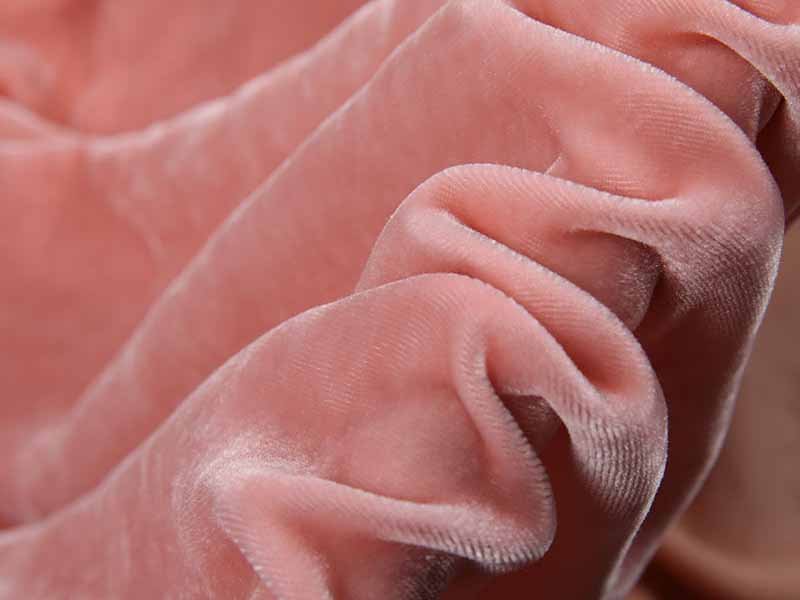
A plush toy can have a strong character design and still fail commercially because the fabric was chosen from a small swatch under office lighting. Once that material is cut, embroidered, sewn,
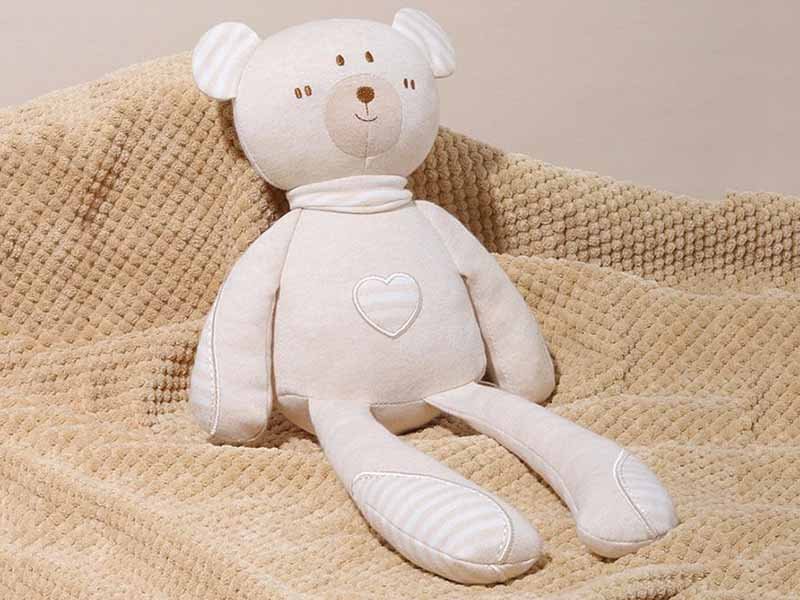
A stuffed animal may be one of the simplest-looking products on a retail shelf, but its material story is becoming far more important. Parents ask what touches a child’s skin. Retail teams
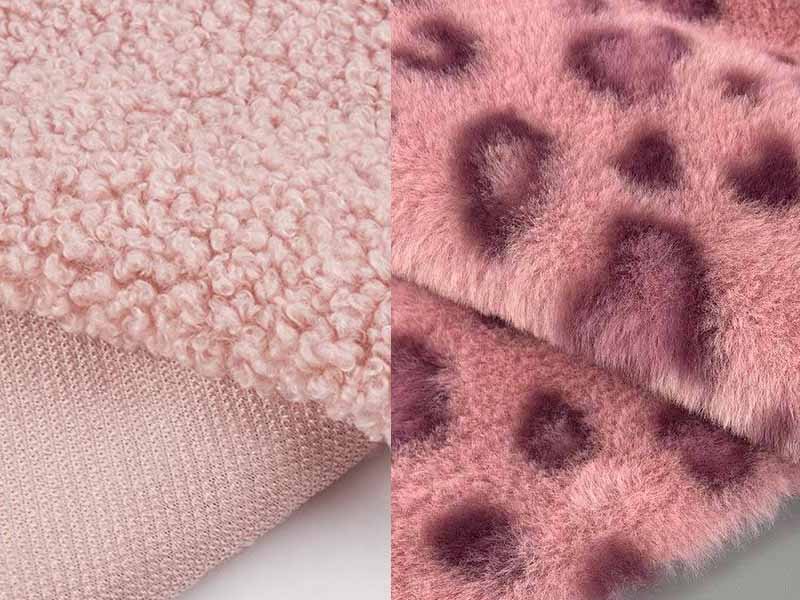
A plush product can look perfect on a screen and still fail when the artwork meets real fabric. Colors may appear darker after the pile is brushed. Tiny printed facial details can