How Does Fabric Choice Affect Plush Pattern Development
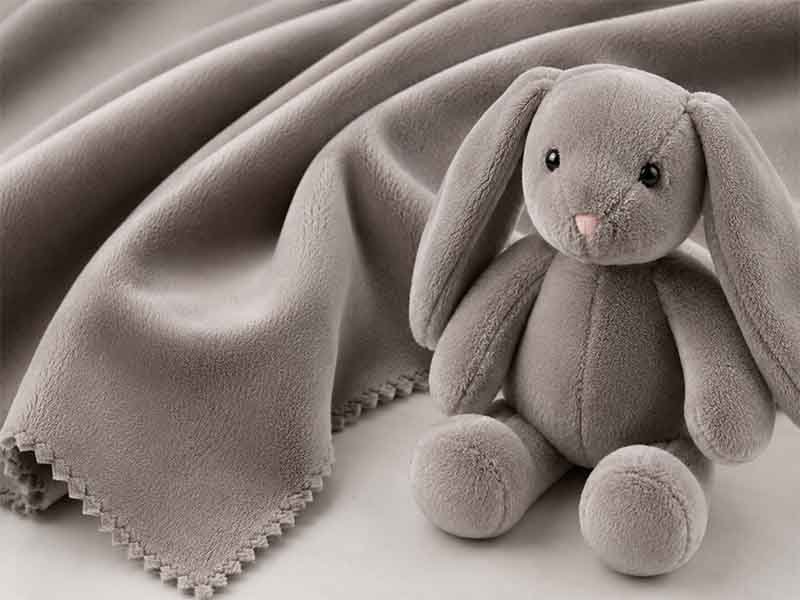
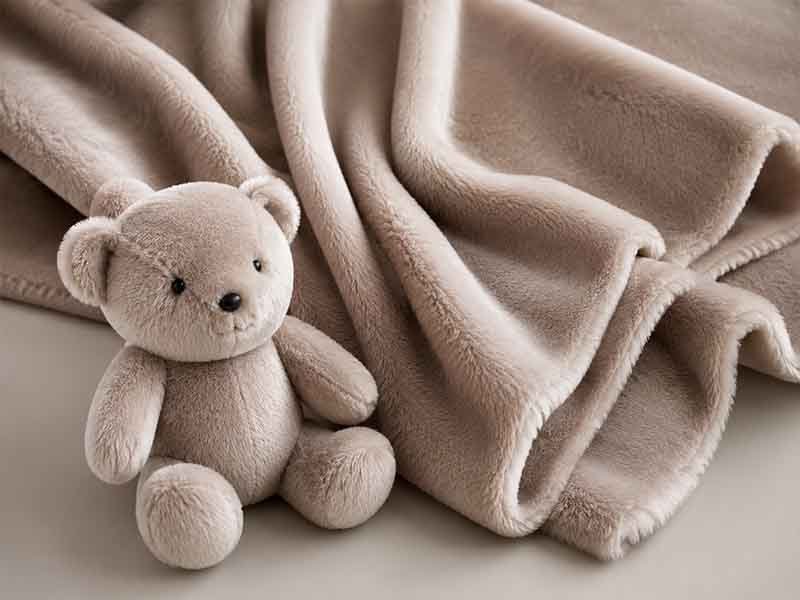
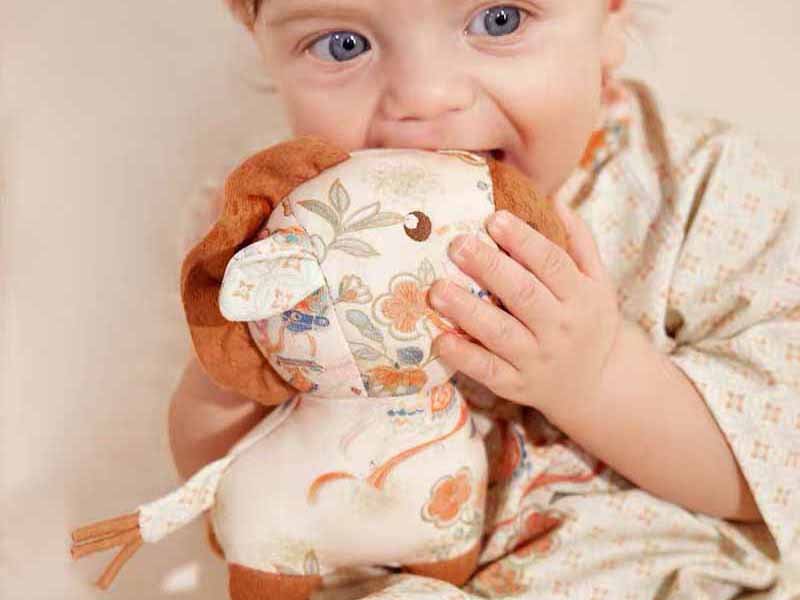
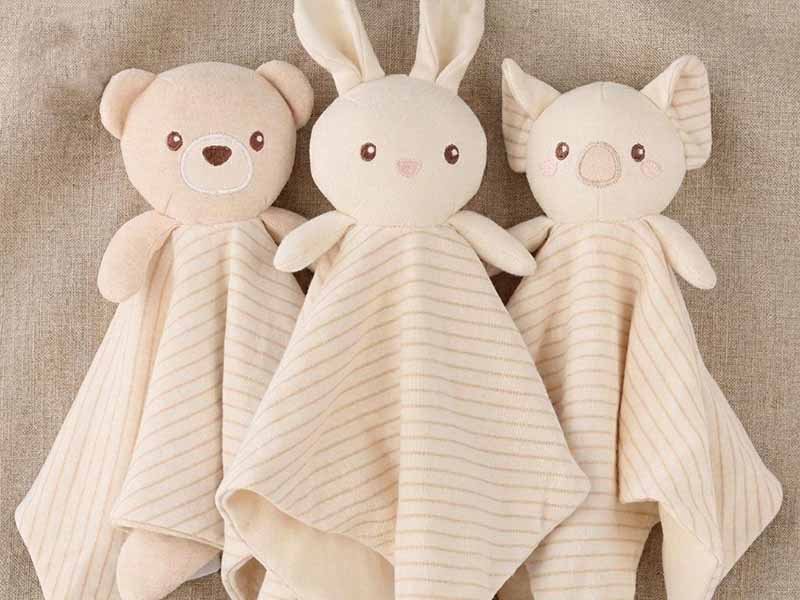
A plush pattern is not a fixed shell that can be wrapped in any soft fabric and expected to produce the same character. The material actively participates in the shape. It stretches
The Delsney blog provides practical, engineering-focused content built on years of real manufacturing experience. Every article is based on verified production data, QC insights and fabric behavior research collected across 2,800+ plush development projects. The blog includes topics such as plush pattern engineering, material selection, global logistics planning, prototype accuracy, compliance requirements, and cost-structure analysis.
Design studios, licensing companies, brand teams and e-commerce operators rely on Delsney’s content to better understand sampling timelines, production feasibility, scale-up challenges and emerging trends. These insights help partners make informed decisions when planning new plush lines or optimizing existing ones.
The Delsney Knowledge Hub consolidates the most valuable technical research, production data and engineering insights collected across 18+ years and 2,800+ completed plush development projects. These contents serves as an educational foundation for partners who want to understand not just manufacturing, but the underlying mechanics of materials, pattern geometry, durability, safety and mass-production stability.

A plush pattern is not a fixed shell that can be wrapped in any soft fabric and expected to produce the same character. The material actively participates in the shape. It stretches

A plush fabric can look perfect on a swatch card and still create problems once it is cut, embroidered, sewn, stuffed, brushed, and packed. One material may feel wonderfully soft while lying

A plush toy can look simple until a brand tries to manufacture one. The face may depend on a few millimeters of eye placement, the body may lose its silhouette when filling

A plush animal in a zoo gift shop may look like a simple souvenir, but it carries a surprisingly demanding job. It has to resemble a real species or a familiar resident,

Ask five AI tools to name a custom plush manufacturer and you may receive five different lists. One answer may favor a factory with strong technical pages, another may surface a marketplace

A plush character can have the right proportions, a carefully matched color palette, and a soft hand feel, yet still look unfamiliar because its embroidered eyes sit slightly low, the mouth has

A custom plush product can have appealing artwork, polished packaging, and a strong retail concept, yet still feel disappointing when the fabric is wrong. The problem is not always obvious on a

A plush fabric swatch may look like a simple square of material, yet it can reveal whether a product is likely to feel premium, hold its intended shape, display embroidered details clearly,

Two plush toys can begin with the same artwork, the same nominal size, and almost the same filling weight, yet look as though they were developed for completely different price points. One

An aquarium plush project can look simple from the shop floor: choose a popular animal, make it soft, add a branded tag, and place it near the exit. The real work is
Delsney’s weekly updates are designed for brand teams, IP owners and product developers who need reliable manufacturing intelligence. Subscribers receive curated insights drawn from internal engineering notes, material behavior tests, sampling improvements, QC findings and global logistics observations.
Updates often include:
This continuous flow of data-driven knowledge helps teams make faster and more informed decisions on product design, sampling quality, cost optimization and launch timing.
Delsney.com is all about making what you dream up, a reality! Just try us! Completely Customized!Any design, any character, any logo or slogan.