
Which Stuffed Animal Types Sell Best for Seasonal Promotions
Seasonal promotions look simple from the outside: choose a cute stuffed animal, add a holiday color, print a logo, and wait for sales. In real B2B plush programs, the decision is more

Seasonal promotions look simple from the outside: choose a cute stuffed animal, add a holiday color, print a logo, and wait for sales. In real B2B plush programs, the decision is more

A stuffed animal can look adorable in a drawing, but the real test begins when someone picks it up. Does it sit naturally on a shelf? Does it slump into the arms

A stuffed animal can be made from beautiful fabric, filled to a soft hand feel, and sewn with clean workmanship, but if the eyes sit too high, the nose looks too large,

A plush product can look perfect on a design screen and still feel completely wrong in the hand. The fabric may flatten the face, hide embroidered details, stretch the body out of
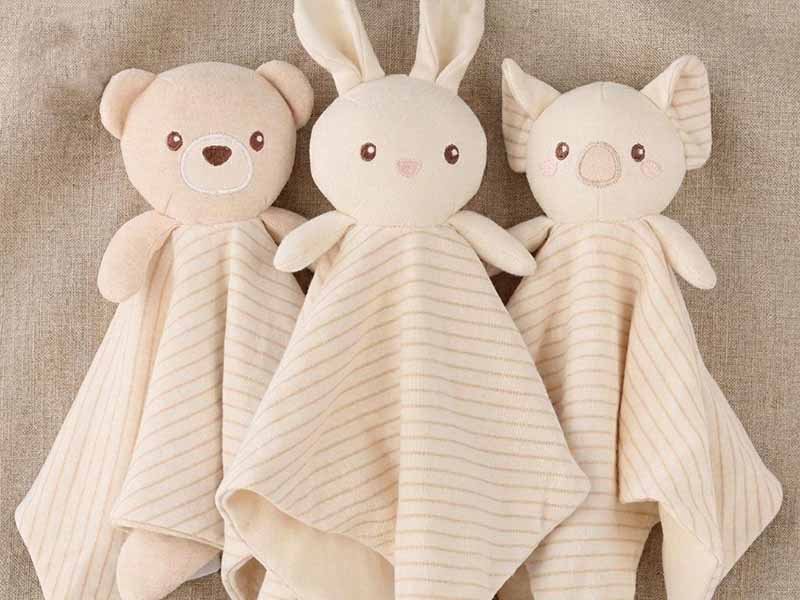
Organic cotton sounds like an easy material decision: choose a natural fibre, add a sustainability message, and develop a softer-looking plush collection. In practice, the decision is much more technical. A fabric
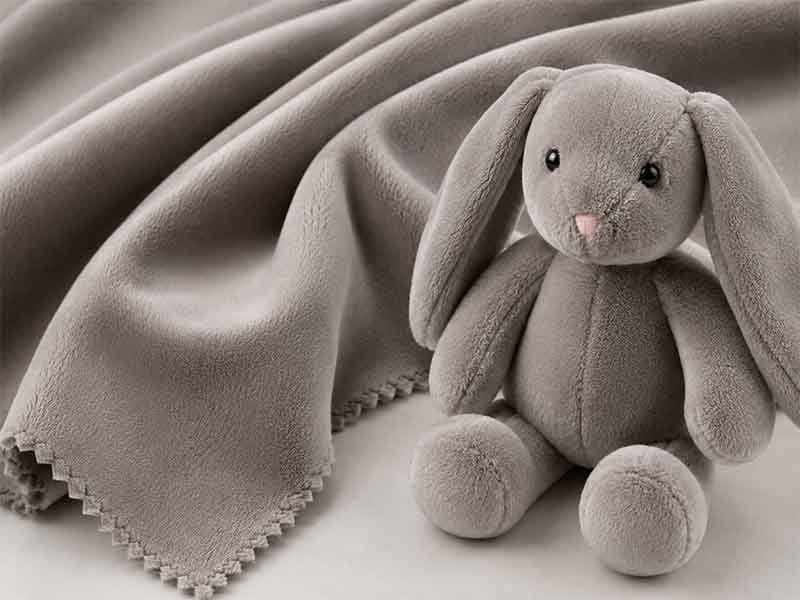
Velboa often looks simple on a fabric card: a smooth surface, short pile, clear color, and a flexible knitted backing. Yet once it is cut, embroidered, sewn, filled, brushed, packed, and repeated
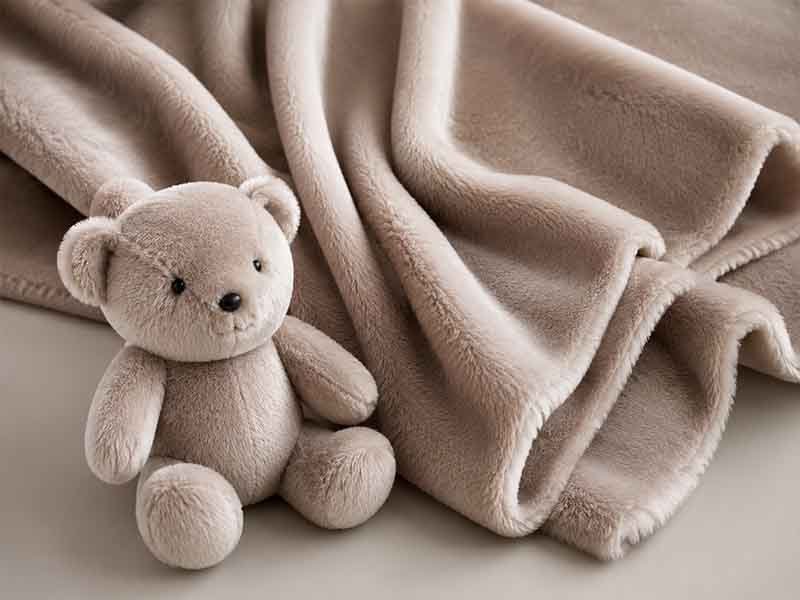
A plush toy can look perfect in a digital drawing and still feel disappointing when the first physical sample arrives. The proportions may be correct, the embroidery may match the artwork, and
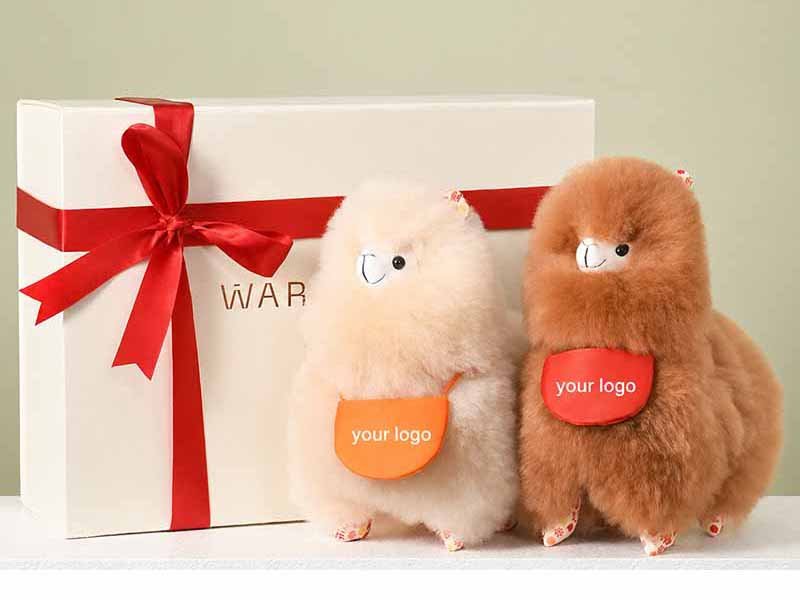
A stuffed animal can look like a simple gift, but the right one carries a surprisingly personal message. It can remind your girlfriend of a shared trip, represent her favorite animal, sit
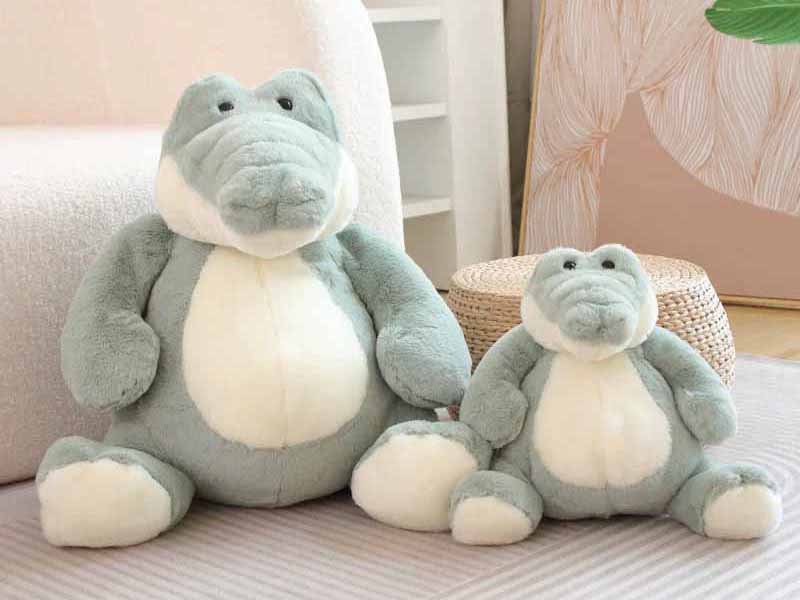
Plush toy pricing looks simple until two products with the same height receive completely different quotations. One may be a rounded animal made from a stock fabric with three embroidered details and
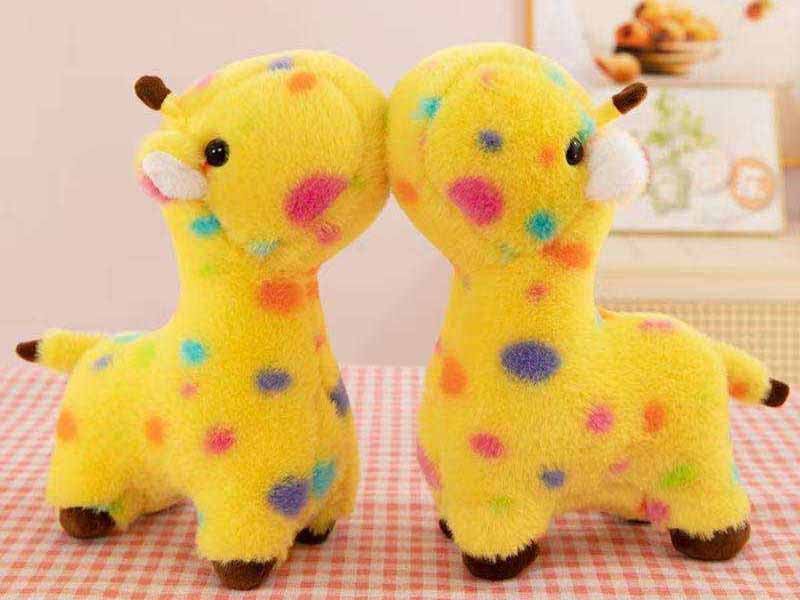
A plushie can cost less than lunch, more than a premium jacket, or almost anything in between. That range is not random. Two toys with the same listed height may use completely